DECIDE and Ministry of Education and Science completed training for community leaders and their deputies from 16 regions of Ukraine on implementation of reform of specialised senior schools
On 20 November, Lviv hosted the Forum “Reform of Specialised Senior Schools: Opportunities and Challenges for Communities”, which marked the conclusion of a series of training sessions for nearly 150 community leaders, deputy community leaders, and heads of military administrations from 16 regions of Ukraine.
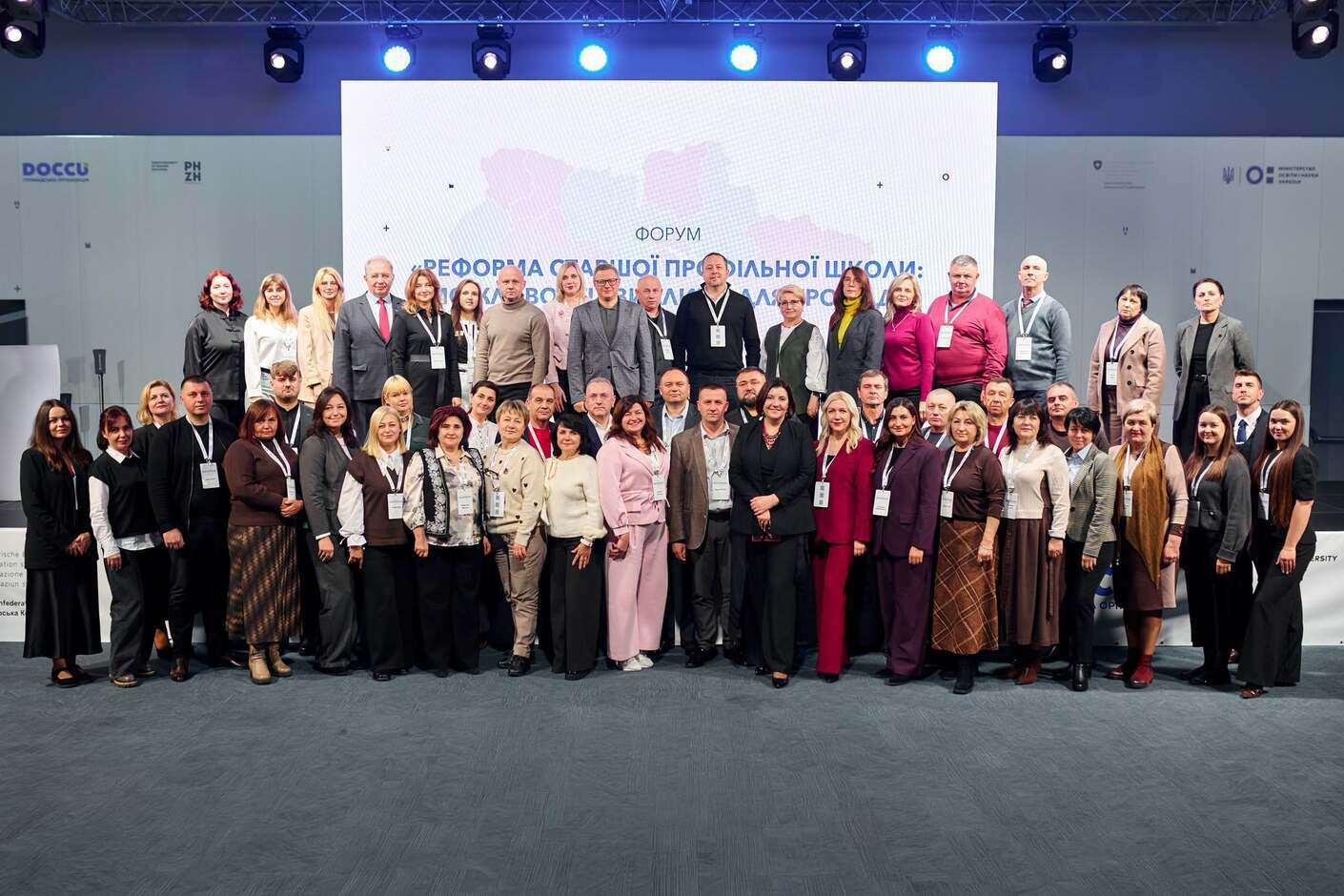
Communities from Vinnytsia, Volyn, Dnipropetrovsk, Donetsk, Zakarpattia, Zaporizhzhia, Kirovohrad, Luhansk, Mykolaiv, Rivne, Ternopil, Kharkiv, Kherson, Khmelnytskyi, Cherkasy, and Chernivtsi regions took part in the training and attended the Forum.
Representatives of the Ukrainian government also took part in the event – including the Ministry of Education and Science of Ukraine, Ministry for Communities, Territories and Internally Displaced Persons of Ukraine (MinRehion) – as well as Members of Parliament, heads of regional state administration departments of education and science, and the team from the Swiss-Ukrainian DECIDE Project.
The main focus was on key issues related to the creation of a network of academic lyceums and the coordination of actions between the government and local self-government, as well as determining the next steps for implementing the reform in communities.
The key speakers at the Forum were:
- Vitalii Bezgin, Minister for Communities, Territories and Internally Displaced Persons of Ukraine;
- Valentyna Poltorak, Swiss-Ukrainian DECIDE Project Manager, Deputy Head of NGO DOCCU;
- Ivan YURIICHUK, Deputy Minister of Education and Science of Ukraine;
- Oleksandr Aliksiichuk, Member of the Ukrainian Parliament, Chair of the Sub-Committee on Administrative and Territorial Organisation and Local Self-Government;
- Anastasiia Sofiienko, Deputy Minister of Education and Science of Ukraine;
- Tetiana Stefiuk, Deputy Minister for Communities, Territories and Internally Displaced Persons of Ukraine;
- Natalia Pipa, Member of the Ukrainian Parliament, Secretary of the Verkhovna Rada Committee on Education, Science and Innovation;
- Mykhailo Tenenev, Mayor of Teofipol, Khmelnytskyi region, Head of the Education platform of the All-Ukrainian Association “Association of Amalgamated Territorial Communities”;
- Oleksii Blioskin, Director of the Department of Education, Culture, Youth and Sport of the Luhansk Regional State Administration;
- DECIDE National Experts: Pavlo Khobzei, Serhii Yatskovskyi, Pavlo Ostapenko, Andrii Matsokin, Yana Brusentsova, Olena Stepko, Alla Bondar, Nadiia Balabust, and Kateryna Nemyrovska.
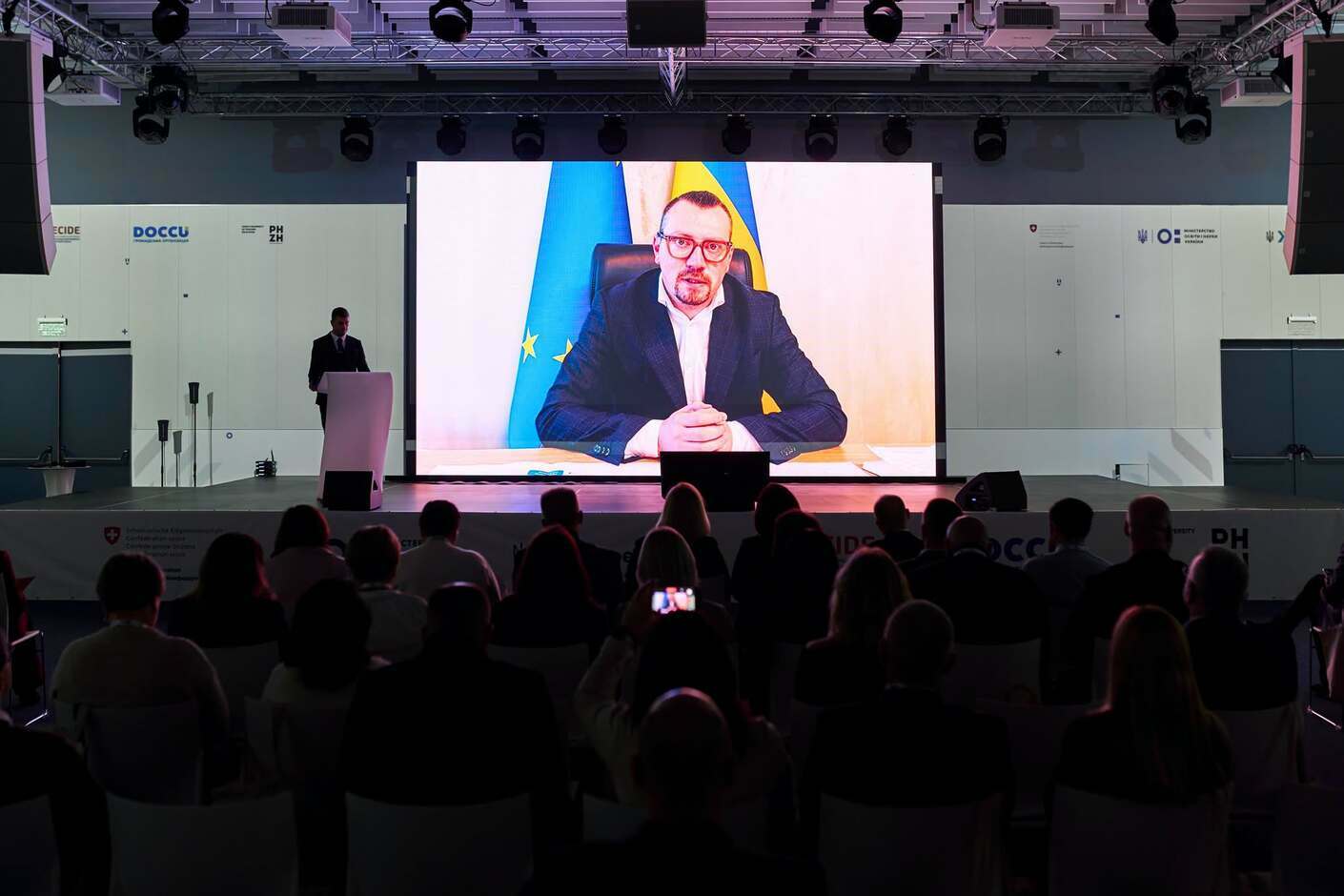
Vitalii Bezgin, Minister for Communities, Territories and Internally Displaced Persons of Ukraine, emphasised that the successful implementation of the reform of specialised senior schools requires joint efforts by the central government and local self-government.
‘Whatever stance we take, at the heart of this process is a child, and we all have a duty to ensure high-quality education and socialisation. Undoubtedly, the issue of the school network involves complex political decisions that communities have to make. At the same time, I would like to highlight the positive developments and the fact that the relevant ministries are engaged in ongoing dialogue and are seeking constructive solutions on how to continue the reform and bring it to a rational and positive conclusion,’ said Vitalii Bezgin.
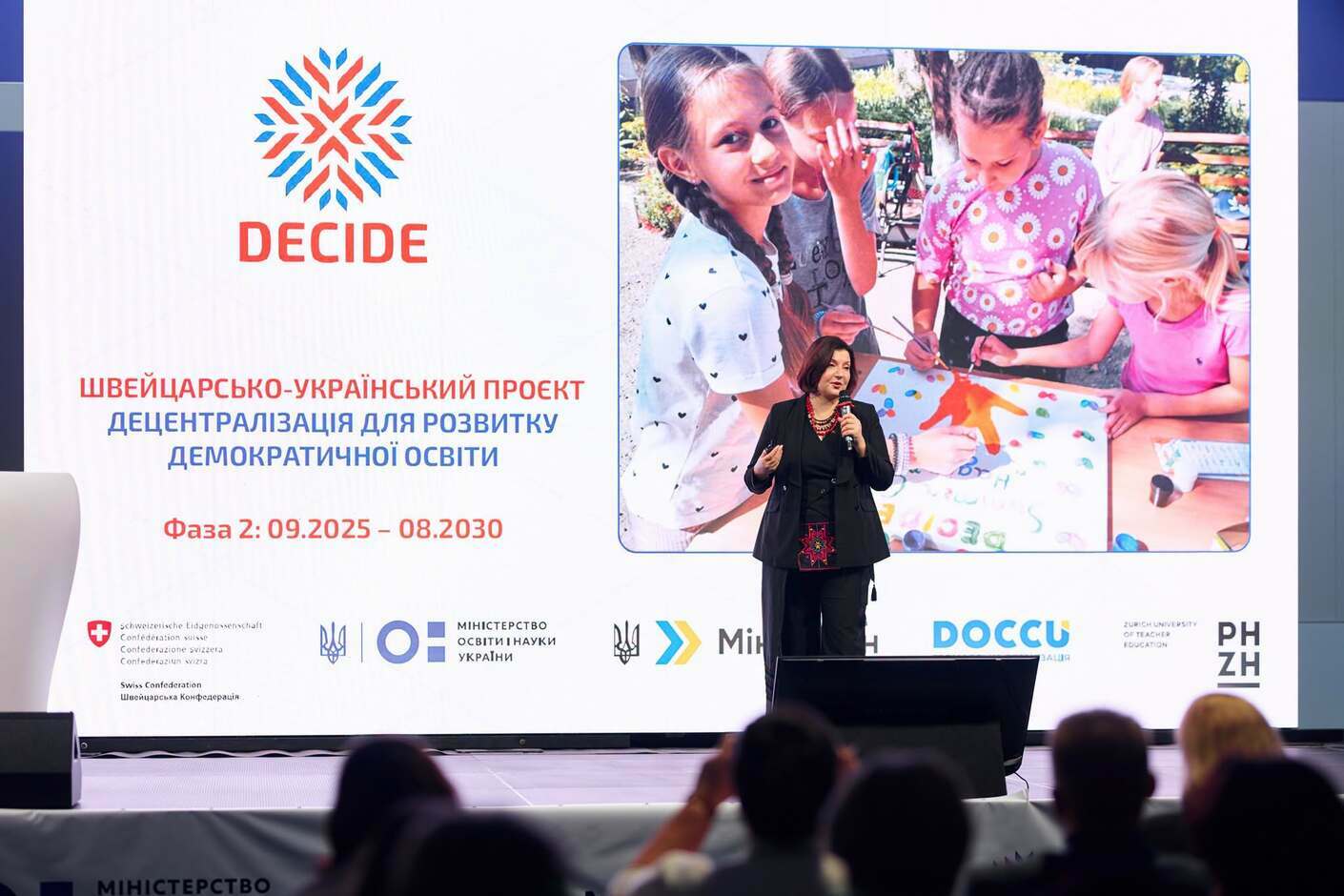
Valentyna Poltorak, DECIDE Project Manager, spoke about opportunities for cooperation with DECIDE and comprehensive support for communities in implementing the reform of specialised senior schools.
‘DECIDE experts have already provided advisory support to more than 700 communities, helping them to find individually tailored solutions that take the local context into account and at the same time ensure equal access for children to high-quality education. We also support the development of cooperation between communities to create a capable network of academic lyceums. In particular, the 45 communities selected through our competition will be eligible to receive grants of UAH 1 million each for the development of academic lyceums,’ noted Valentyna Poltorak.
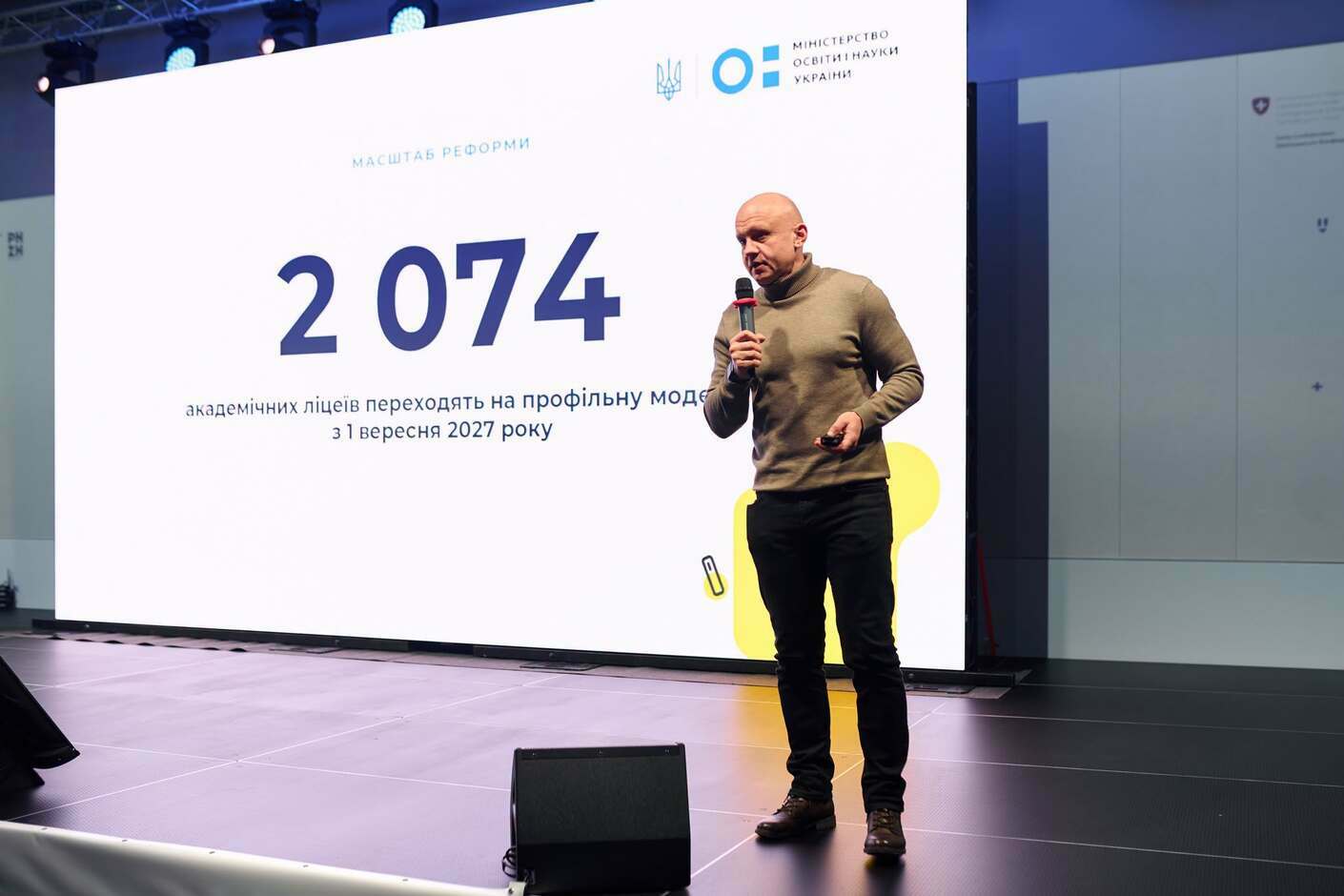
Ivan Yuriichuk, Deputy Minister of Education and Science of Ukraine, outlined the key outcomes of preparations for the reform’s launch on 1 September 2027.
‘Currently, 82% of communities, which amounts to 1,181 communities, have approved their plans for the network of educational institutions. However, 190 communities are still in the process of doing so. Each next step builds on the previous one: without educational profiles, there can be no staffing plans; without a charter and a licence, there can be no enrolment of students. It is therefore important to approve the network by the end of 2026 so that the lyceums have time to prepare by 1 September 2027, and so that teachers and parents know what to expect,’ emphasised Ivan Yuriichuk.
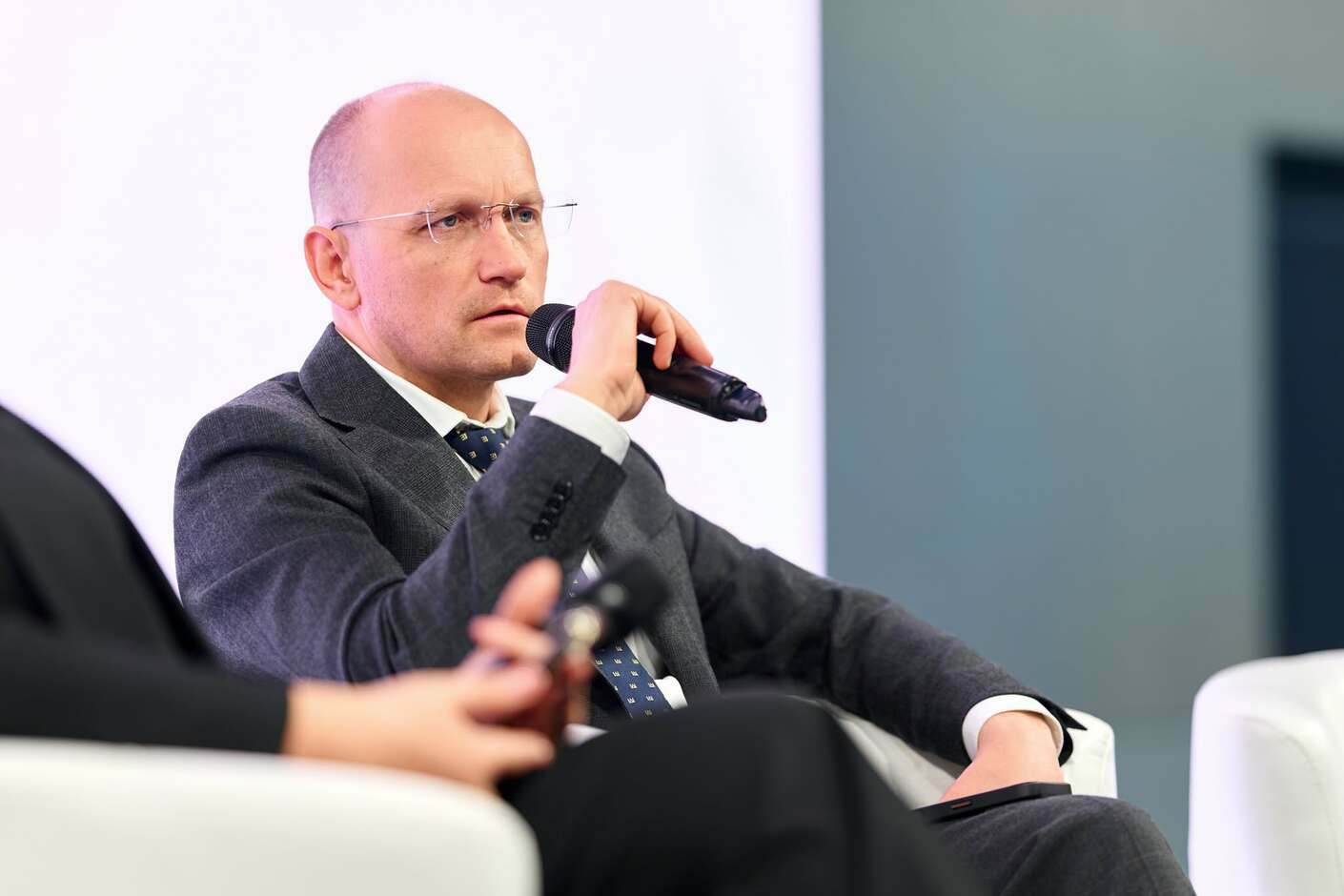
Ukrainian MP Oleksandr Aliksiichuk stressed the importance of dialogue with community representatives during the implementation of the reform.
‘It is important for us to hear the views of each and every one of you, to understand the challenges and problems that communities face, and how we, as the legislative branch, can help. Reform is not merely a change in structure, but a change in the state’s philosophy of its approach to children. The state must not shift all responsibility onto local self-government, as we share a common goal. The success of the reform will be determined not by the number of lyceums established, but by the number of children who will be able to study in them,’ said Oleksandr Aliksiichuk.
As part of the Forum, a panel discussion on state policy took place, involving representatives of the Government and the Verkhovna Rada of Ukraine, as well as four thematic discussions devoted to practical issues related to the implementation of the reform of specialised senior schools.
Special attention was paid to the challenges communities face during preparation for the reform. Key issues included:
- defining clear regulatory criteria for the establishment of academic lyceums;
- establishing quantitative criteria for opening Grade 10 classes in academic lyceums;
- reserving school bus drivers to ensure the transportation of schoolchildren to educational establishments;
- opportunities to obtain subsidies for arranging bomb shelters in educational establishments;
- distinguishing between decisions on approving the network plan for educational establishments and those on the re-profiling, reorganisation or closure of individual establishments;
- new legislative requirements for public consultations in the event of the re-profiling, reorganisation, change of type or closure of educational establishments;
- the specific features of the legal status of lyceums, where representatives of national minorities are educated, and the application of the exceptions provided for by law.
The thematic discussions focused on preparations for the reform in frontline and temporarily occupied communities. In particular, the participants discussed:
- the spatial organisation of the network of academic lyceums, taking security challenges into account;
- the transfer of assets to partner communities and relocated educational institutions;
- ensuring continuity of education and organising accounting services for educational institutions;
- taking local specifics into account when implementing the reform and the role of community leaders in providing educational institutions with qualified staff;
The reform of specialised senior secondary schools involves not only the transformation of the network of educational institutions, but also the creation of conditions under which every student will have access to high-quality specialised education and the opportunity to choose a field of study in line with their interests and plans for the future.
Its implementation therefore requires coordinated action by the state and communities, reasoned management decisions, and consideration of the specific characteristics of each territory.
26 November 2026
Experience of French communities for Ukrainian...
French municipal experts can help train Ukrainian project managers who will assist communities in developing projects...
26 November 2026
Як громадські організації можуть підсилити муніципалітети у проєктах Interreg
Як громадські організації можуть підсилити...
Фонд Східна Європа та організація Cities4Cities запрошують вас 8 грудня долучитися до презентації звіту "Участь ОГС в...
26 November 2026
‘The idea kept ringing in my head for about ten...
Lepetykha already has twelve trained volunteers, protective equipment, and an officially registered volunteer fire...
26 November 2026
Agglomerations need clear rules for cooperation, says Vitalii Bezgin
Agglomerations need clear rules for...
Big cities and neighbouring communities have significant potential for joint economic development. In Ukraine, at...