A national park within a municipality or a municipality within a national park? Participants in “Municipal Magnets” initiative studied the experience of Zakarpattia Oblast
National nature parks in Ukraine comprise millions of hectares of forests, water bodies and protected ecosystems. Yet they remain one of the least utilised resources for development by the municipalities in which they are located.
If managed effectively, a national park can help a municipality develop tourism, create jobs and forge partnerships with businesses and educational institutions. This, however, relies on one crucial condition: joint action by the local authority, the park administration, businesses and residents.
So far, the reality is often quite different, as municipalities possess large tracts of nature conservation areas, yet most fail to utilise them as a tool for development. There is often no formalised cooperation between potential partners — local authorities, national parks and the business sector — and thus no shared strategy or understanding of how this might work.
A joint board for all stakeholders
“Municipal Magnets” is a special initiative by U-LEAD with Europe designed to help municipalities transform unique local resources into drivers of development. A local resource serves as a magnet when the municipality takes a systematic approach to managing it. In “Municipal Magnets: Nature Conservation Areas” workshops, municipalities that have national parks within their boundaries explore the potential of coordination boards, a joint mechanism where all stakeholders make decisions together.
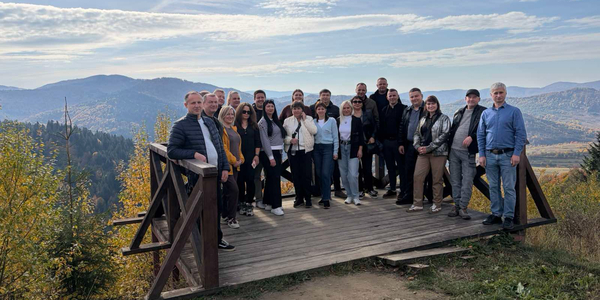
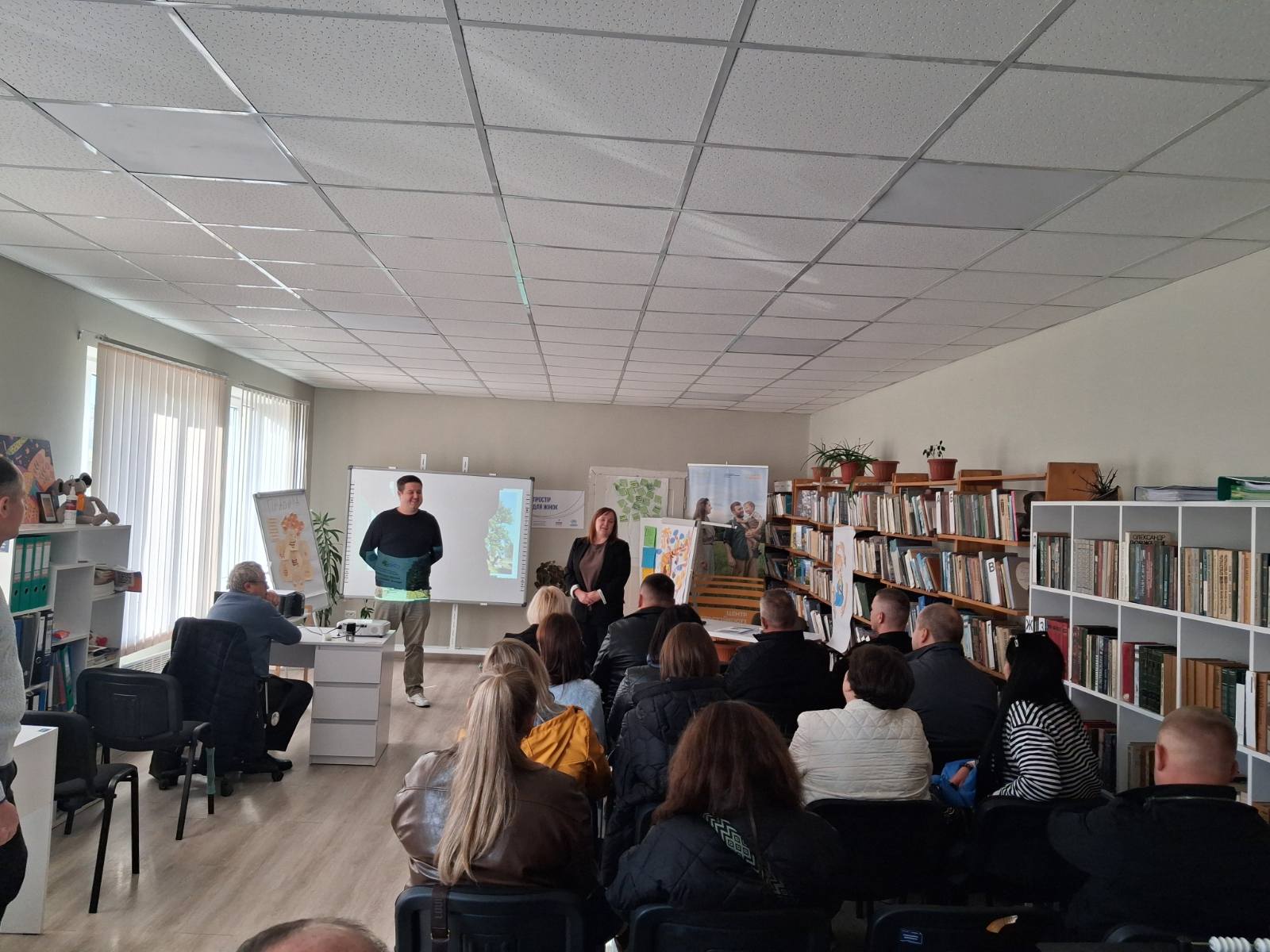
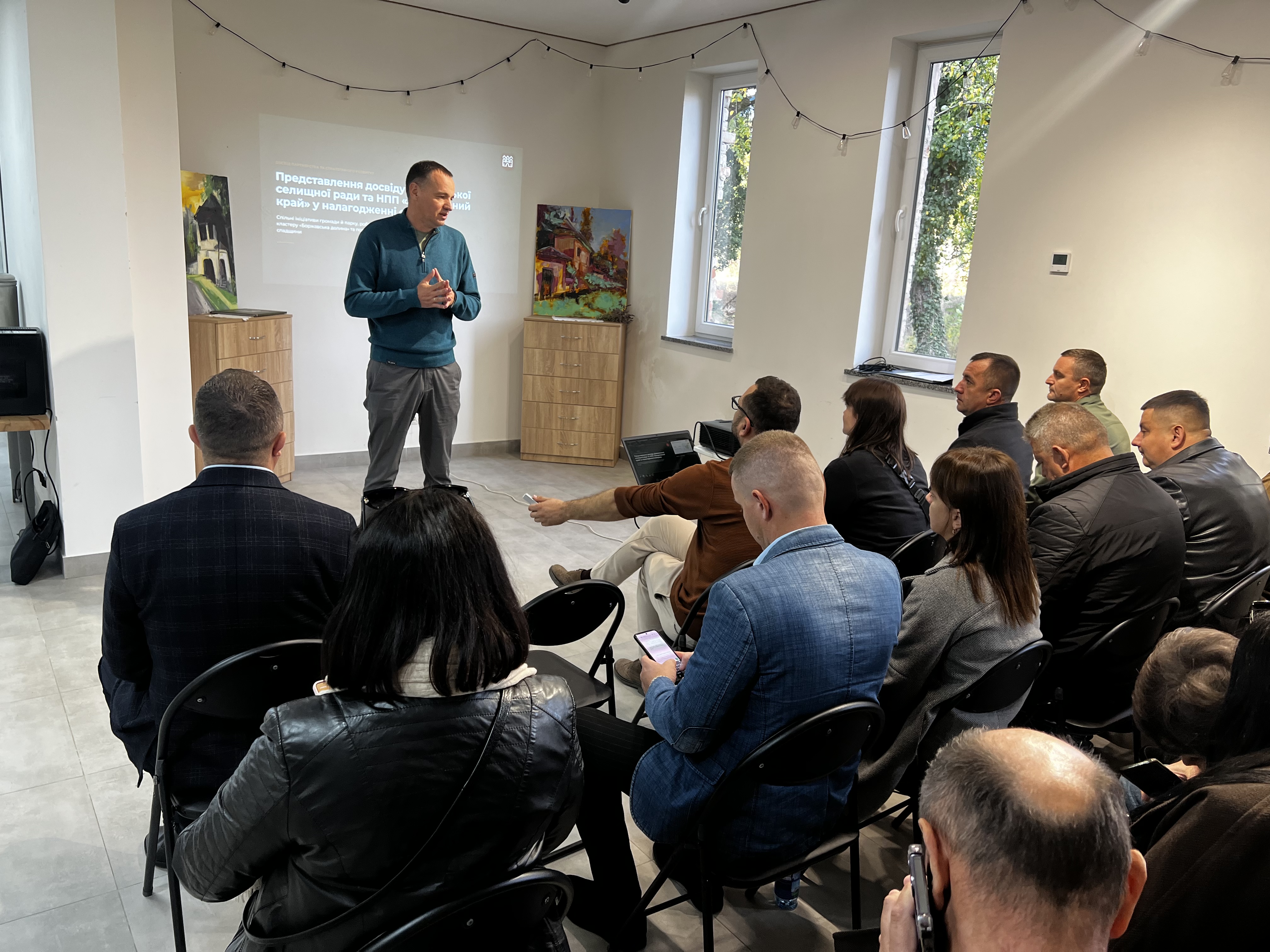
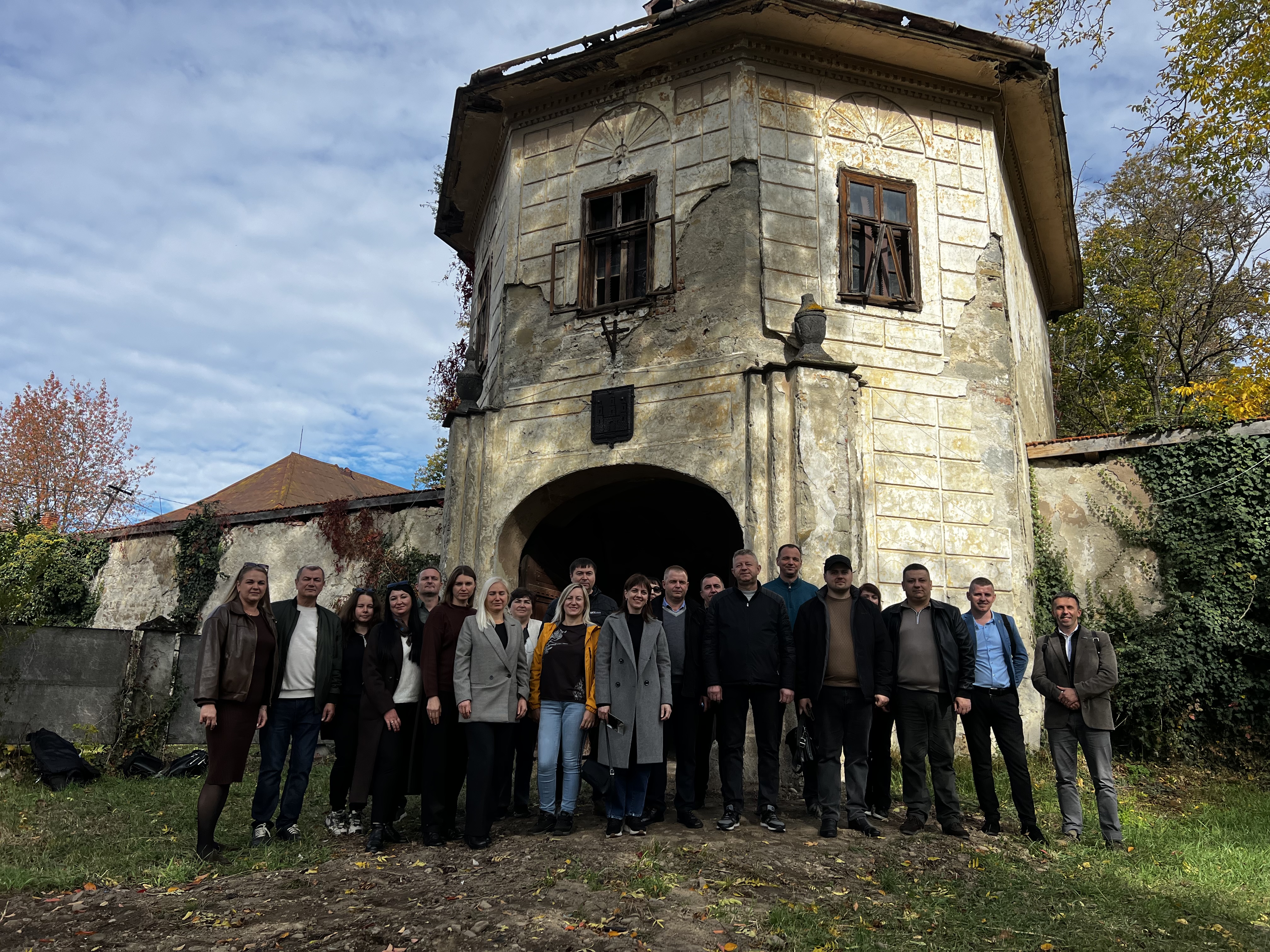
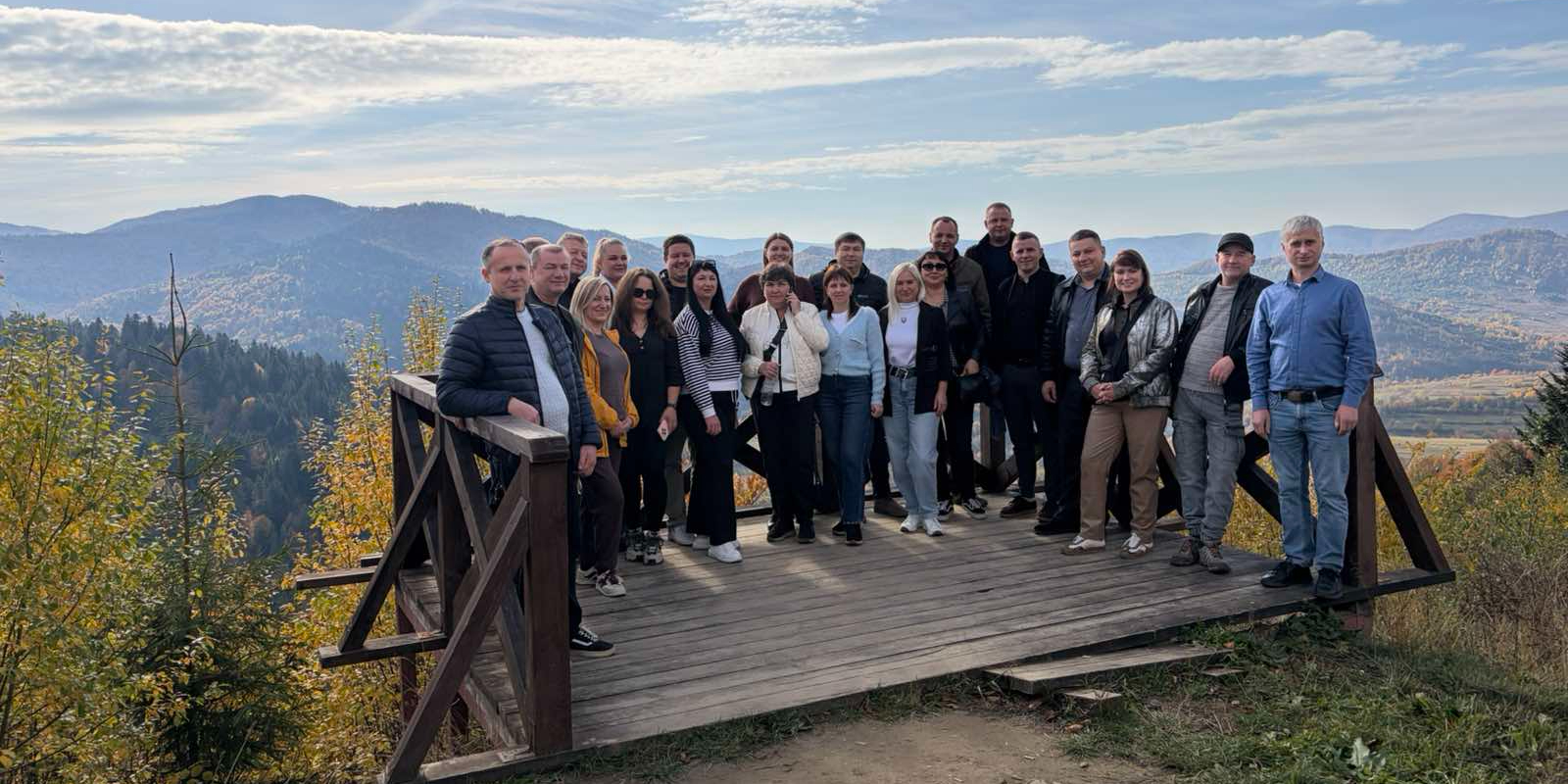
Over the summer, participants took part in online training that included info sessions on the legal framework governing nature reserves and communication with stakeholders, as well as a workshop on setting up coordination boards. This was followed by the preparation of a package of documents for their own councils. On 19–22 October, the training participants, municipal officials and national park representatives travelled to Zakarpattia Oblast to see how the system works in practice. This was the first visit as part of the workshops on nature conservation areas.
A case study
Maksym Chopei, the Head of the Regional Office of U-LEAD with Europe in Ivano-Frankivsk Oblast and coordinator of “Municipal Magnets: Nature Conservation Areas” workshops, noted that Zakarpattia was not chosen for the visit at random. The region has many national parks, which make up a significant part of the local municipalities, and coordination boards have been operating here successfully for a long time:
“The participants were most interested in where to start and what the main challenges might be. During the visit, we were able to learn from experiences, which showed that co-creation and the involvement of a wide range of stakeholders are the key to the comprehensive development of the region. Analysing available resources, identifying local ‘magnets’, supporting local businesses and promoting the area create opportunities for a boost to our shared history and development.”
From environment to bridge-building
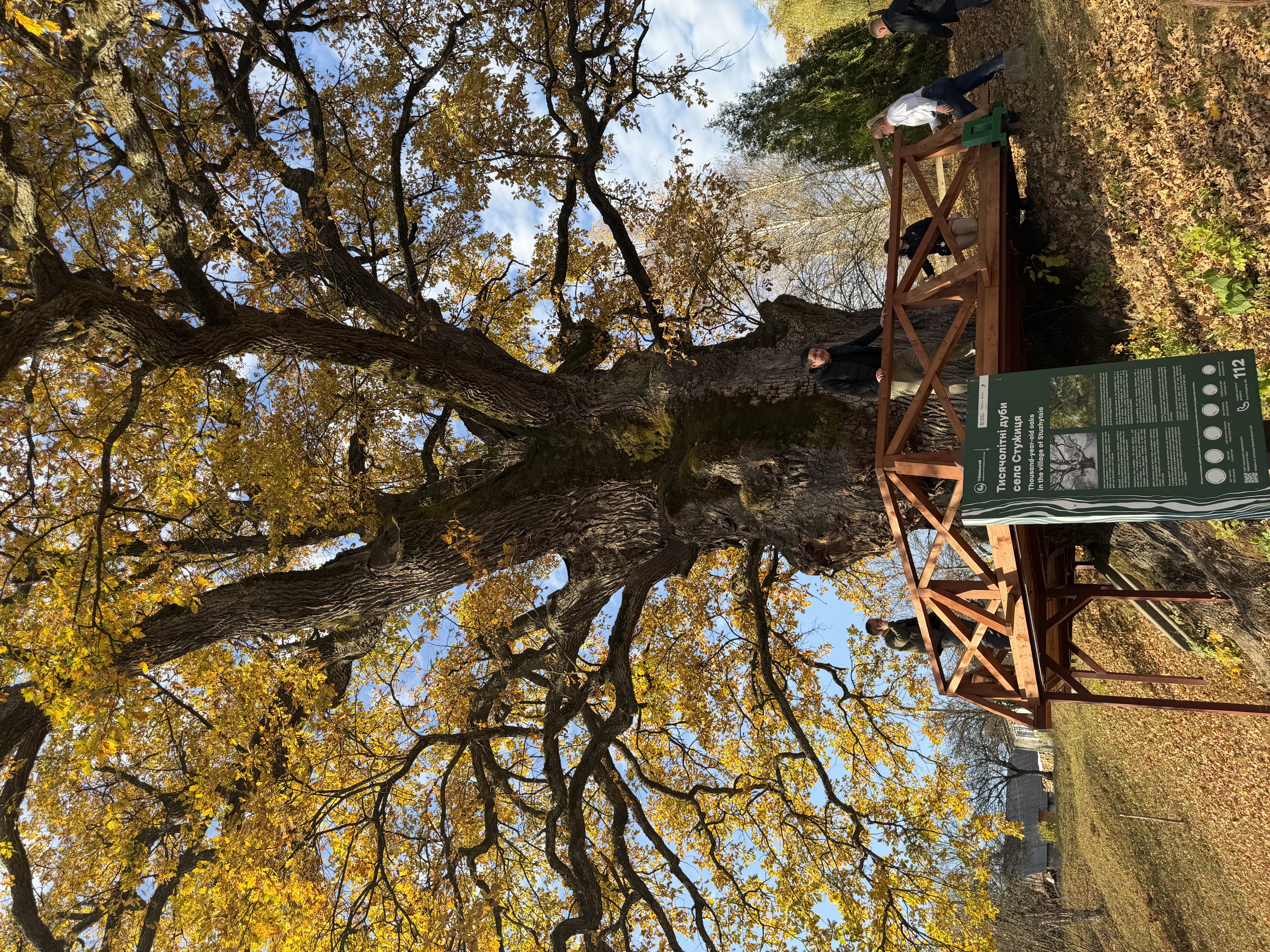
During the visit, the participants toured Dovhe municipality and Zacharovanyi Krai National Nature Park, Kamianka Tract in Irshava municipality, Stavne municipality, Uzhanskyi National Nature Park and Uzhok Pass. They observed how the municipalities and the parks analyse shared needs, mobilise resources and implement joint initiatives, develop recreational areas and trails, manage visitor flows and carry out joint projects.
Each municipality shared its own experiences of cooperation with the national park. For example, according to Viktor Symkanynets, the Mayor of Irshava, there are a number of promising projects that could be implemented in partnership with the park:
- The municipality funded a project to clean up the springs, whilst the park installed benches and small tables nearby so that visitors could stop, drink some water and have a snack.
- A joint project to mark and clear the path to Buzhora Mountain: municipality and park staff worked together to clear the route.
- For the third year running, the town council, the park and the Veterans’ Space — an organisation bringing together veterans, starting with those who served in the Anti-Terrorist Operation (ATO) — have been organising joint nature outings to mark Volunteer Day. The park provides transport, whilst the municipality provides food.
- A year ago, they jointly built a bridge across the river: the park carried out the work, and the municipality helped with materials.
- Trees are planted twice a year: the park sources chestnut, hornbeam, beech and conifer seedlings, whereas the municipality organises the planting through nurseries, schools and the City Council. Researchers from the park give talks in schools, particularly to students in Years 7 to 9.
The key to this kind of collaboration is the ability to reach agreements, concludes Viktor Symkanynets.
Takeaways
The participants saw how coordination boards are set up and operate, assessed whether this mechanism would be suitable for their municipalities, and returned home ready to put it into practice. Rokytne municipality in Rivne Oblast provides an example of how this has worked in practice. For them, cooperation with a national park is a new endeavour. The head of the municipality, Hryhorii Tarhonskyi, explains:
“We have one of the youngest parks in Ukraine, Pushcha Radzivila. It was established on 1 January 2022. So we were most interested in what we could do and what opportunities were available. The things we saw in Zakarpattia Oblast sparked a lot of good ideas, which we hope to put into practice in the future. This definitely involves active work within the coordination board with the national park to influence the decisions and processes that will take place there.
We also saw great opportunities to create craft gift sets that highlight a particular region or national park. We already have a vision for creating something along the lines of Gifts of Polissia, including proper design and a roadmap. We will surely be able to bring this to life in collaboration with the national park. We are grateful to U-LEAD for highlighting this topic, and we look forward to further cooperation in this area.”
What to expect
To those who have taken the first step and set up a coordination board, Viktor Symkanych, the head of the village of Dovhe, advises extensive public outreach and persistent educational efforts:
“The idea behind coordination boards is to strengthen communication between all stakeholders. It is essential to talk and discuss matters continuously, as members of the coordination boards are not always experts and draw on various sources of information. Therefore, the boards must strengthen communication between all interested parties and smooth out any rough edges in this process. It is also critical to recognise that a national nature park offers a valuable opportunity to preserve natural ecosystems and to foster growth centres within municipalities, notably in mountainous and rural areas.”
Attached images:
Tags:
Область:
Закарпатська областьГромади:
Іршавська територіальна громада Довжанська територіальна громада Ставненська територіальна громадаSource:
Програма U-LEAD
04 November 2026
Primary healthcare reform to be rated on 64 indicators: What will be assessed
Primary healthcare reform to be rated on 64...
The Ministry of Health of Ukraine presented a methodology for a comprehensive study of the outcomes of the primary...
04 November 2026
Міжнародні молодіжні та дитячі обміни | П’ятниця з Cities4Cities
Міжнародні молодіжні та дитячі обміни |...
Молодіжні та дитячі обміни – один із найпоширеніших форматів для старту міжнародного муніципального партнерства. 6...
03 November 2026
From housing strategy to practical solutions:...
Housing policy in wartime has to address several challenges simultaneously: helping people find accommodation,...
03 November 2026
Housing as a condition for community recovery:...
Hundreds of thousands of internally displaced people have found refuge in communities across Ukraine. Sustainable...