Meeting “Expansion of the free school meals programme from 1 September 2026: challenges, updated rules, and practical solutions for communities” held
On 10 July, the meeting “Expansion of the free school meals programme from 1 September 2026: challenges, updated rules, and practical solutions for communities” was held. The school nutrition reform was launched in 2020 on the initiative of First Lady Olena Zelenska.
The event brought together representatives from more than 1,000 communities.
The event was initiated and attended by Tetiana Berezhna, Deputy Prime Minister for Humanitarian Policy of Ukraine; other participants included Anastasiia Sofiienko, Deputy Minister of Education and Science of Ukraine, Ihor Kuzin, Deputy Minister of Health and Chief State Sanitary Doctor of Ukraine; Oleh Osiian, Deputy Head of the State Service of Ukraine for Food Safety and Consumer Protection; Orest Stepaniuk, Head of the School Nutrition Reform Team; representatives of communities; and DECIDE Project experts Yana Brusentsova and Serhii Yatskovskyi.
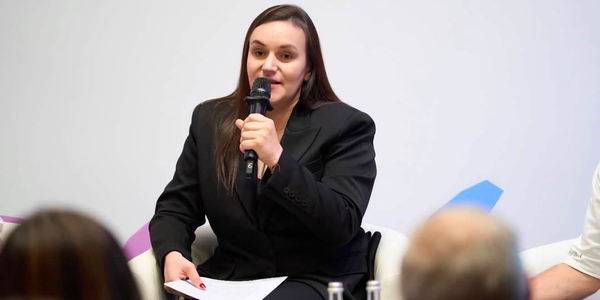
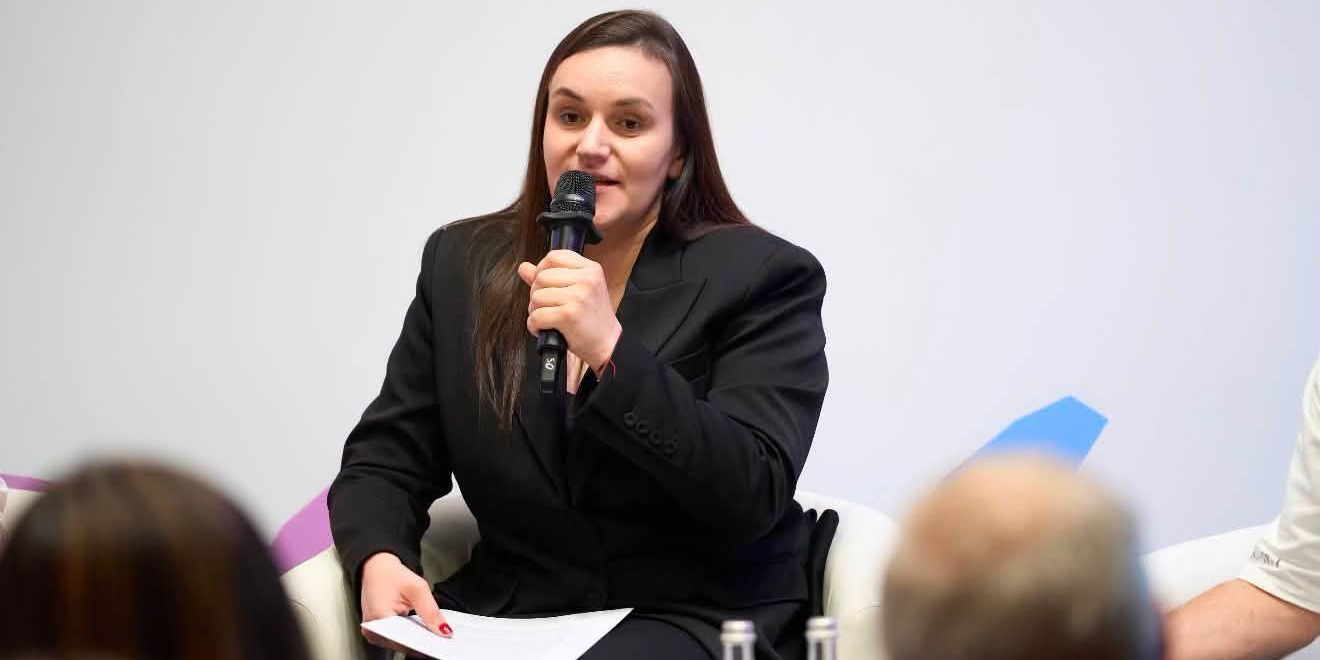
The event was organised with the support of the Swiss-Ukrainian DECIDE Project, which has created a dialogue platform for interaction between local communities and state authorities. Nadiia Petruniak, Coordinator of the Decentralisation Portal, moderated the meeting.
During the meeting, the participants discussed:
- the updated procedures and conditions for the use of state subsidies to organise free school lunches,
- the organisation of meal services in educational establishments, the possibility of using alternative premises for meal services,
- practical solutions for schools with insufficient capacity in their kitchen units,
- peculiarities of the procurement process,
- and the role of the State Service for Food Safety and Consumer Protection in ensuring safe meal services.
When opening the meeting, Tetiana Berezhna, Deputy Prime Minister for Humanitarian Policy of Ukraine – Minister of Culture of Ukraine, emphasised the importance of continuing and expanding the school nutrition reform.
‘School nutrition reform is one of the priority humanitarian reforms for the Ukrainian Government. It began with the realisation that children need new approaches to nutrition, whilst communities need modern infrastructure, trained chefs, and adequate production facilities. This reform is designed to change the culture of nutrition and foster healthy habits that will help our children grow up strong and resilient.’
Special attention was paid to the challenges that communities face today. These include a lack of production capacity in school kitchen units, staff shortages, the need to modernise facilities and equipment, the organisation of meal timetables, and ensuring suitable conditions for serving meals.
Anastasiia Sofiienko, Deputy Minister of Education and Science of Ukraine, highlighted that, despite all the challenges, the state remains committed to implementing the programme, ‘The state provides systematic support for free school lunches, and from 1 September 2026, we will enter the final stage of expanding the programme. This year, UAH 14.4 billion has been allocated for its implementation. We have also amended the mechanism for using the subsidies so that regions can allocate funds more efficiently among communities and ensure that educational institutions have sufficient time to prepare for the new academic year.’
A considerable part of the meeting was devoted to answering questions from representatives of communities. The participants were most interested in the process for organising free school lunches for all schoolchildren starting from 1 September 2026, the use of government subsidies, and the need for co-funding from local budgets, the organisation of food service in schools with insufficient canteen capacity, staffing levels in school kitchen units, the specifics of procurement procedures, as well as possible solutions for those communities that are still renovating their school kitchen units or operating in frontline regions.
Ihor Kuzin, Deputy Minister of Health and Chief State Sanitary Doctor of Ukraine, emphasised that the use of alternative premises for meal service is only possible provided that sanitary and hygiene requirements are met, ‘This involves ensuring appropriate conditions in the premises, access to handwashing facilities, wet cleaning after every meal, the correct handling of food waste, and the ability to ventilate the premises. Food safety remains an absolute priority.’
Orest Stepaniak, Head of the School Nutrition Reform Team, shared the achievements of the school nutrition reform.
‘Nowadays, communities have far more opportunities: they receive state subsidies, are modernising their school kitchen units, and are introducing new approaches to organising school nutrition. To date, 1,741 school kitchen units have been modernised, 38 culinary hubs have been established, and state communication campaigns have reached over 7 million Ukrainians.’
DECIDE will continue to foster dialogue between the state, communities, and all stakeholders of the school nutrition reform.
16 October 2026
Від бюджету до послуг для дітей: про що говорили громади на Львівщині
Від бюджету до послуг для дітей: про що...
У першій частині бюджетної дискусії на Львівщині йшлося про фінансові можливості громад і правила розподілу коштів....
16 October 2026
ПДФО, реверс і потреби громад: Всеукраїнська асоціація ОТГ провела бюджетну дискусію на Львівщині
ПДФО, реверс і потреби громад: Всеукраїнська...
На Львівщині Всеукраїнська асоціація ОТГ провела дискусію щодо проєкту Державного бюджету на 2027 рік. Учасники...
16 October 2026
The Multiannual Financial Framework 2028 –...
With a focus on the expenditure-side files NRPP, the Performance Framework and Global Europe (including the Ukraine...
16 October 2026
До $65 тисяч на соцпослуги: Уряд масштабував програму Малих грантів на всі громади України
До $65 тисяч на соцпослуги: Уряд масштабував...
Кабінет Міністрів України ухвалив рішення, яке кардинально розширює можливості територіальних громад у розвитку...