Ministry for Development proposes to update approaches to assessing capacity of communities
The presentation was attended by Oleksii Riabykin, Deputy Minister for Development of Communities and Territories of Ukraine; Yevhen Mashyna, Deputy Director of the Recovery for All (RFA) Project at Alinea International Ltd; and Oleksandr Solontai, Chairman of the Board and Chairman of the Steering Committee of the Recovery and Development Agency.
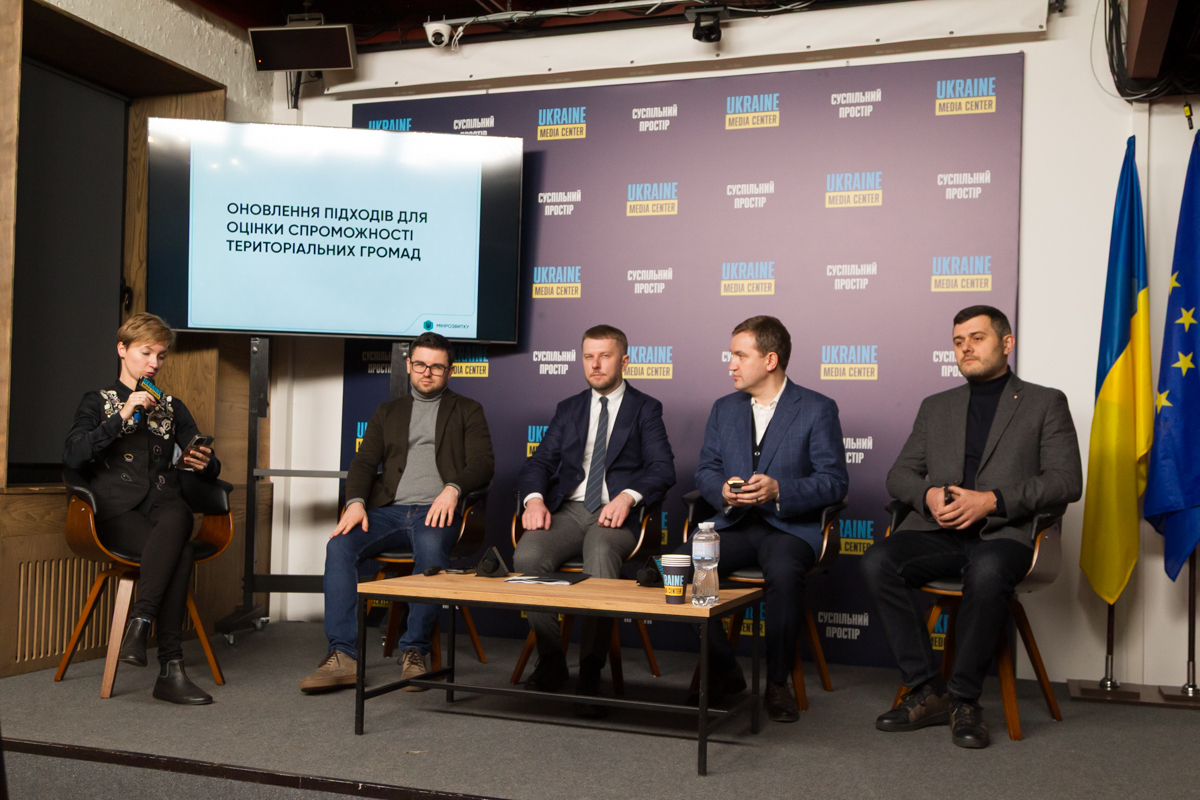
‘We are not talking about ratings; we are talking about a unified, highly accurate system that can identify the strengths and weaknesses of each Ukrainian community. The state needs to understand which communities are capable and which need the most support, and choose the appropriate tools accordingly. People need to see the true state of their community. Communities also need to understand which aspects of development require attention in order to strengthen their potential consistently. This approach fully complies with the requirements of Negotiating Chapter 22, “Regional Policy and Coordination of Structural Instruments”. If we are talking about implementing a targeted, territory-specific mechanism for providing state or international resources, we must have a clear understanding of the situation in these territories,’ explained Oleksii Riabykin.
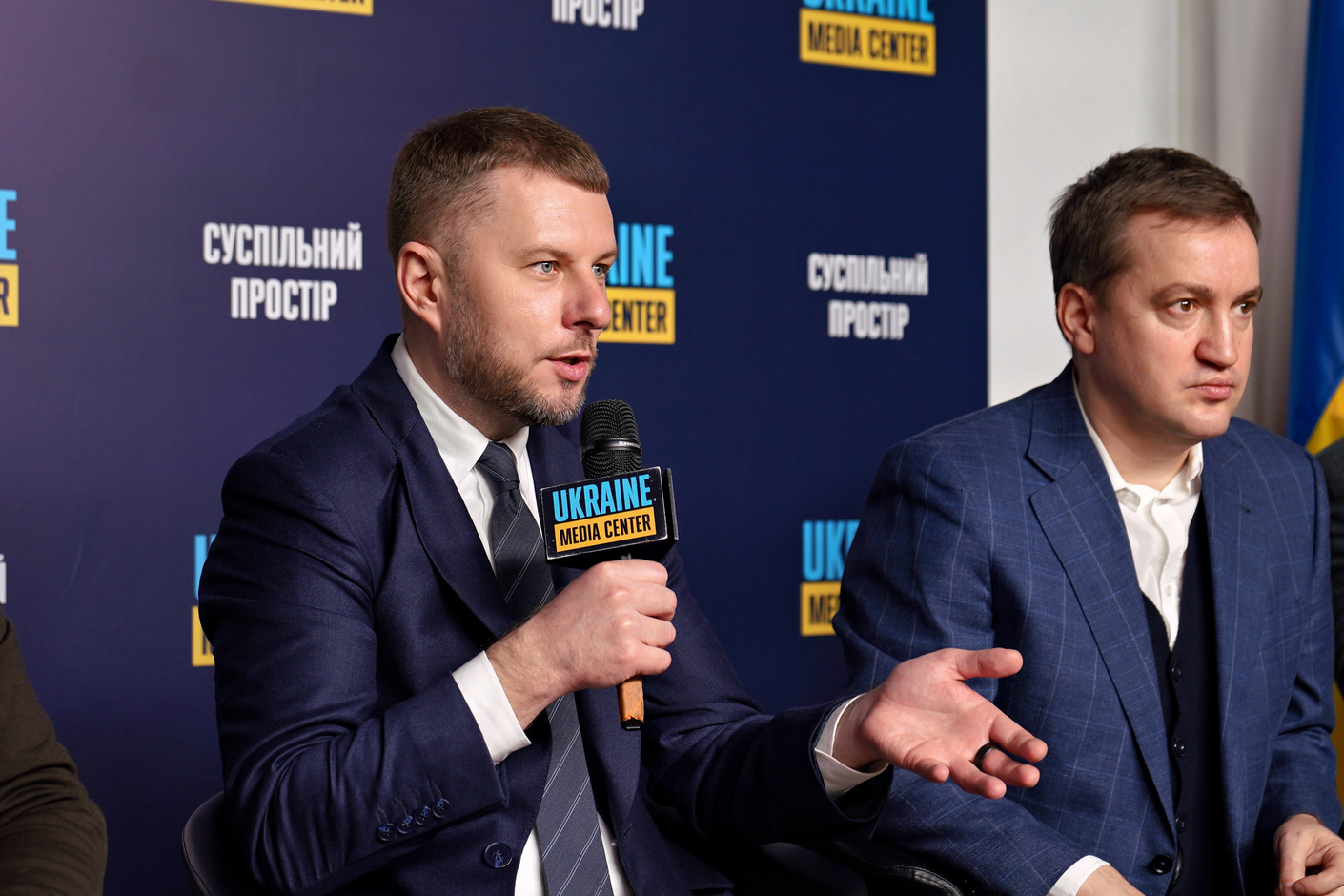
He also noted that the Dashboard is already available via the link and that capacity assessment is currently carried out according to 24 criteria grouped into four categories:
- ‘human potential’: total population, children in particular, and demographic trends;
- ‘humanitarian and economic potential’: economic activity, employment, construction index;
- ‘institutional capacity’: access to administrative services, international assistance and cooperation;
- ‘financial capacity’: income, expenditure, level of subsidisation, tax structure, transfers.
All calculations are based exclusively on verified data provided by executive authorities and local governments. The current list of criteria is not final and will be expanded gradually.
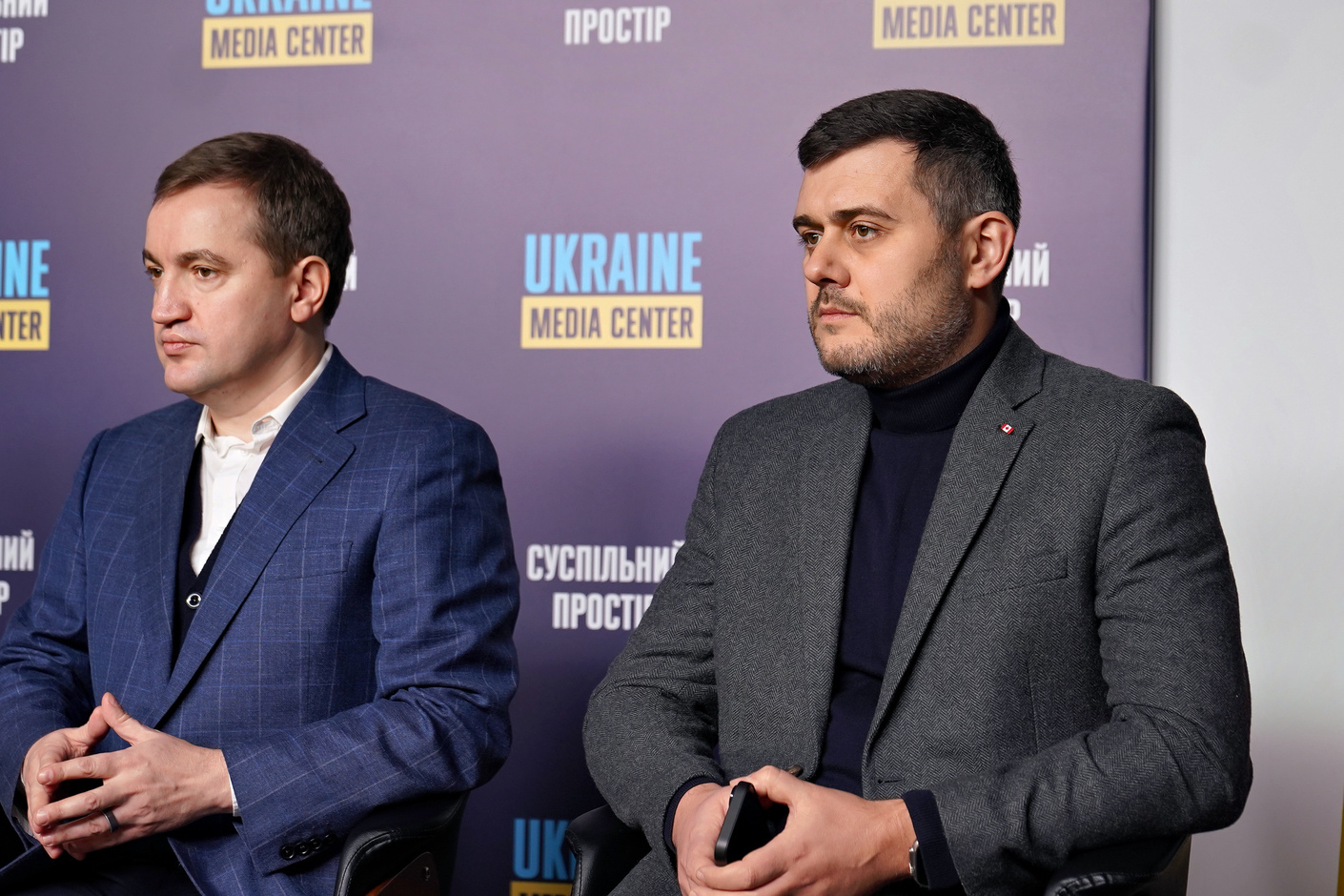
The updated assessment model is proposed for application to rural, settlement, and urban communities separately. The collected data will be constantly updated to allow tracking of the community’s progress in solving its problems and the steps needed to do so.
‘These criteria must form the basis of the action programme. They can be used to track trends, set priorities, and plan measures to enhance community capacity. The Dashboard shows the current situation and provides insight into the future: even if capacity is weak today, effective policies and community work can help it to grow in a few years,’ emphasised Oleksandr Solontai.
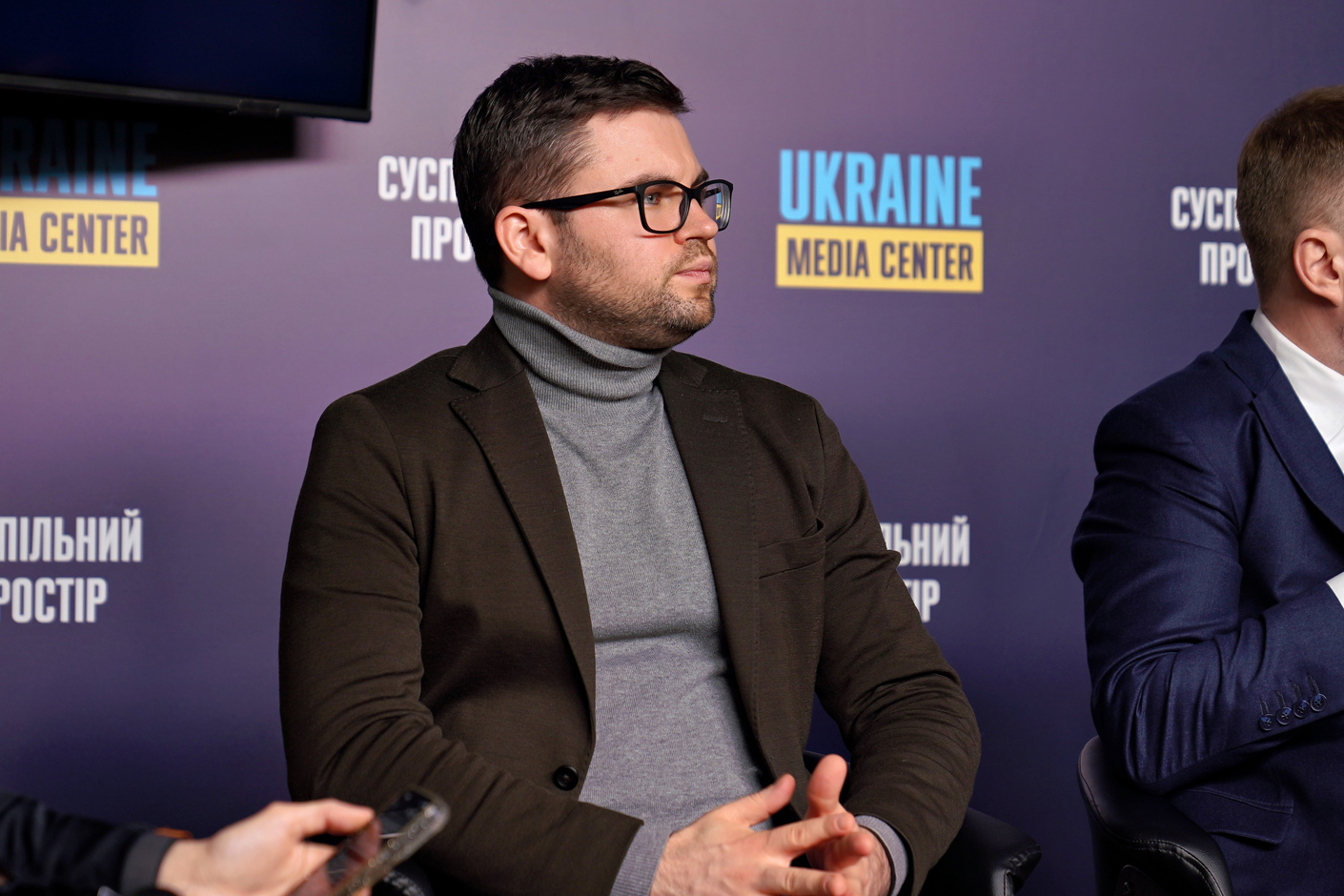
The updated assessment model was developed by the team of the Ministry for Development in partnership with experts from the Recovery for All and Polaris projects.
Presentation of the Dashboard via the link
08 October 2026
Простір, де дитину чують: досвід Миколаєва у підтримці родин дітей з аутизмом
Простір, де дитину чують: досвід Миколаєва у...
Портал «Децентралізація» продовжує серію матеріалів про рішення громад, які роблять публічні простори та послуги...
08 October 2026
Мінфін: за 9 місяців 2026 року до загального фонду місцевих бюджетів надійшло 441,3 млрд гривень
Мінфін: за 9 місяців 2026 року до загального...
Протягом 9 місяців 2026 року до загального фонду місцевих бюджетів надійшло 441,3 млрд грн, що на 67,2 млрд грн...
08 October 2026
21 жовтня – онлайн-лекція «Як продуктивно взаємодіяти з медіа»
21 жовтня – онлайн-лекція «Як продуктивно...
21 жовтня 2026 року о 15.00 відбудеться безоплатна онлайн-лекція «Як продуктивно взаємодіяти з медіа» для...
07 October 2026
20 Regional Development Agencies to master KROKUS: UCORD strengthens the regions’ project capacity
20 Regional Development Agencies to master...
In Lviv, representatives of 20 regional development agencies started a two-day training course on developing project...