Regional agencies, investment, and sustainability: UCORD and EURADA combine Ukrainian and European expertise in Brussels
In Brussels, representatives of the Ukrainian Government, European institutions, financial organisations, and regional development agencies discussed how regions should respond in times of crisis. The Ukrainian experience demonstrated that resilience begins with the ability to provide people with basic services and, at the same time, to prepare for the future.
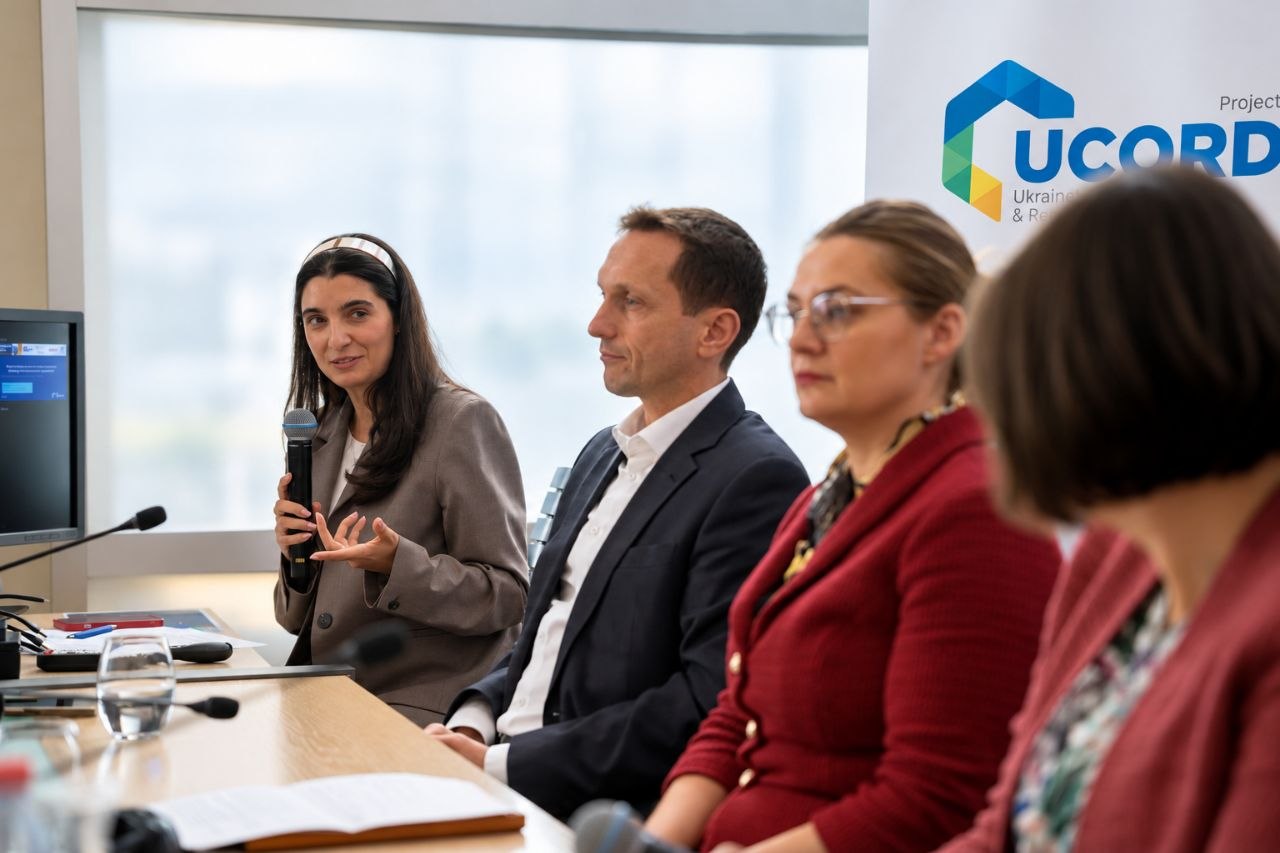
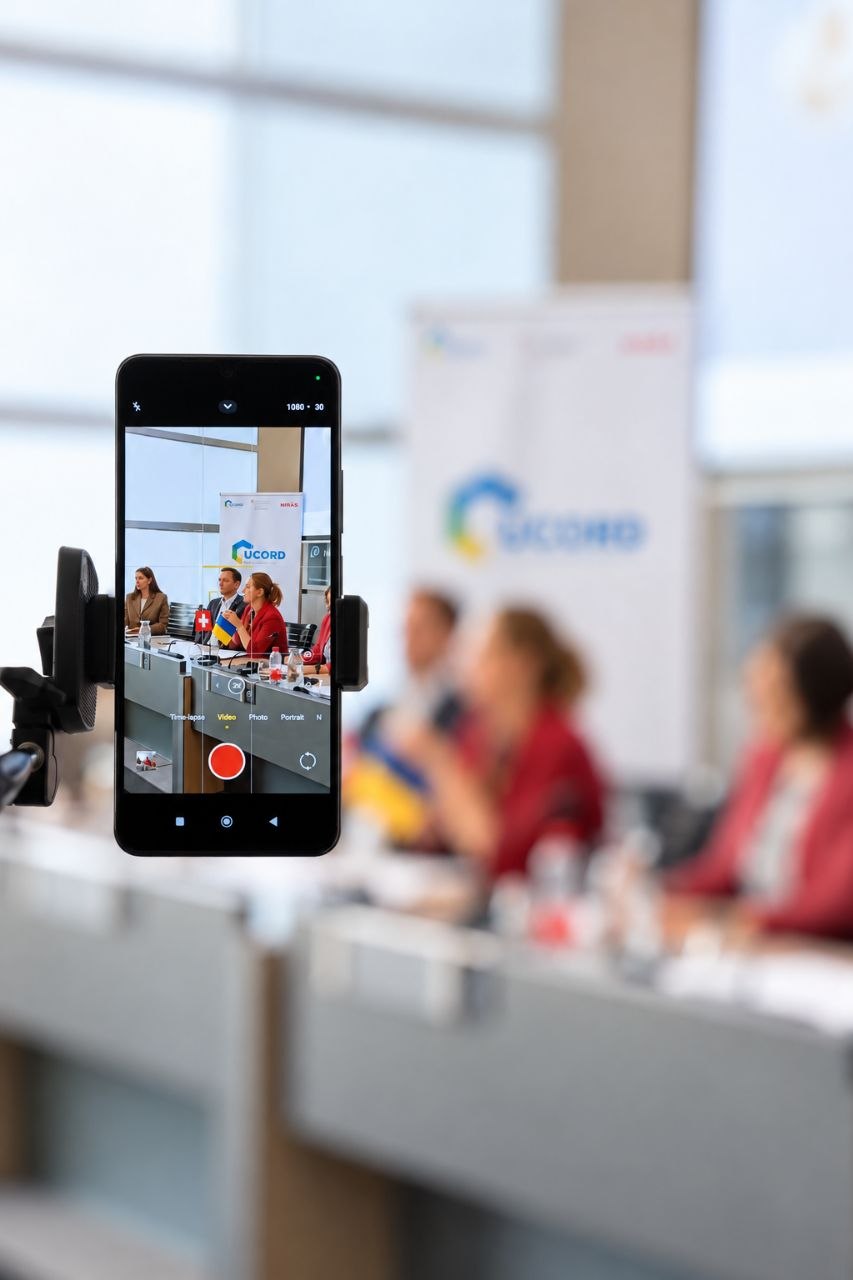
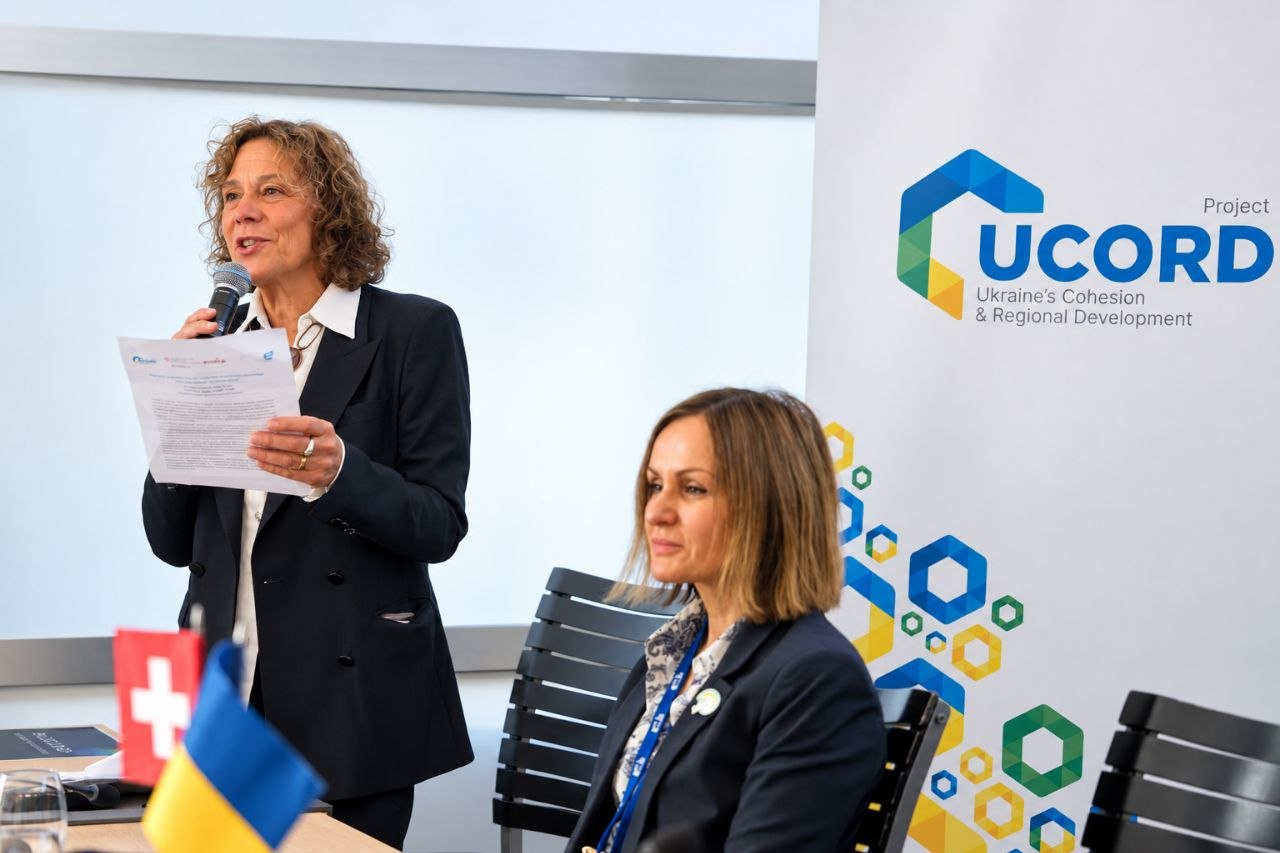
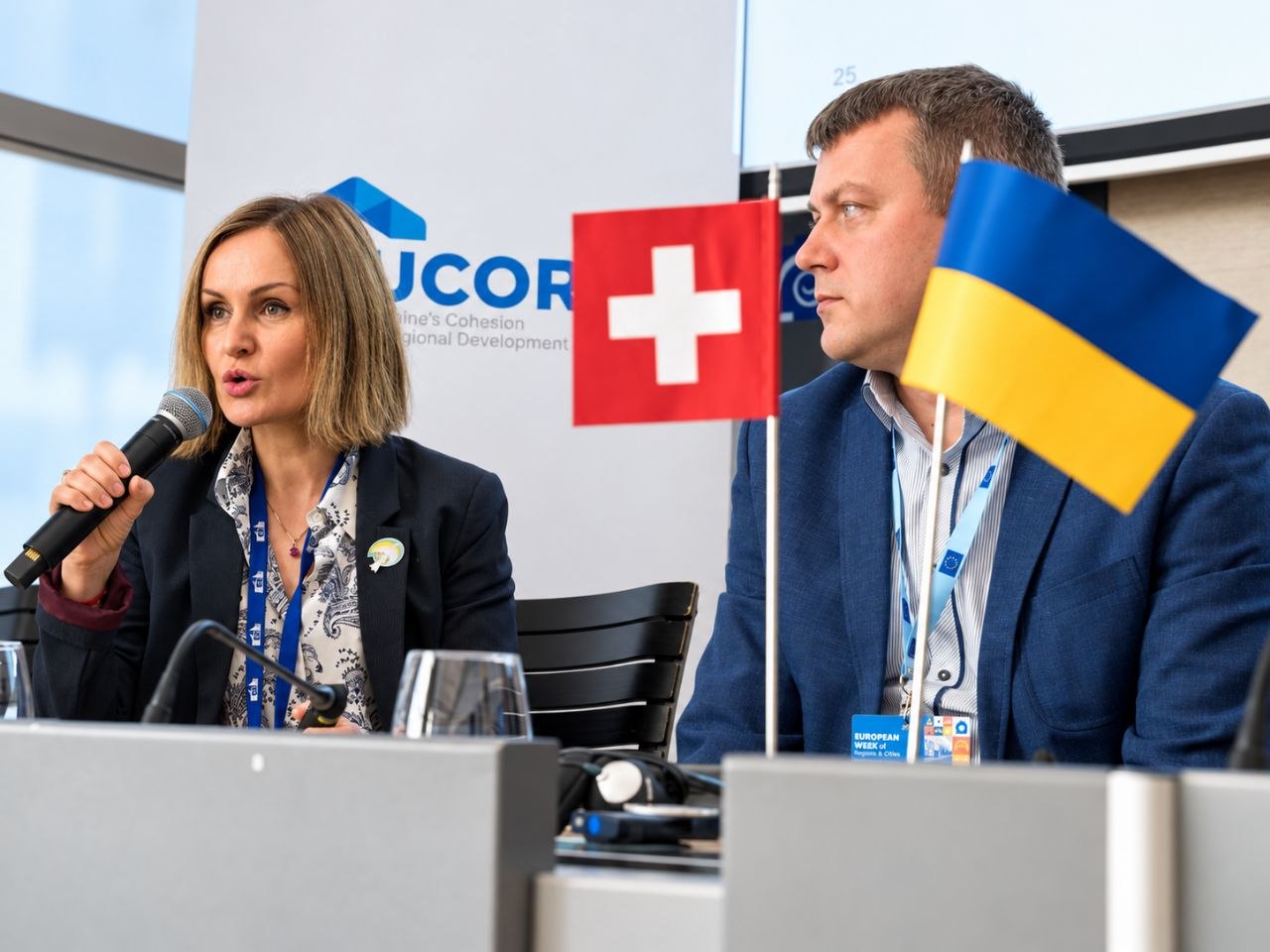
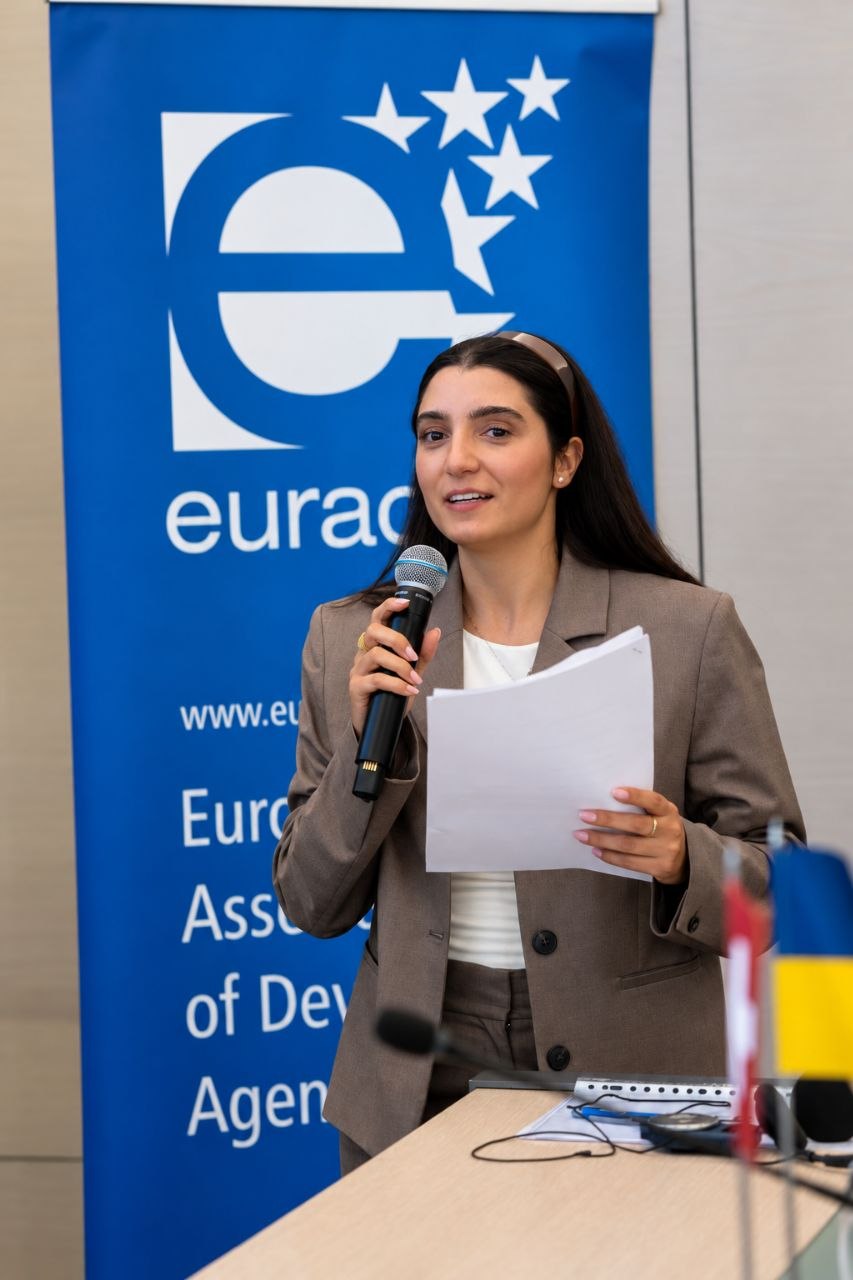
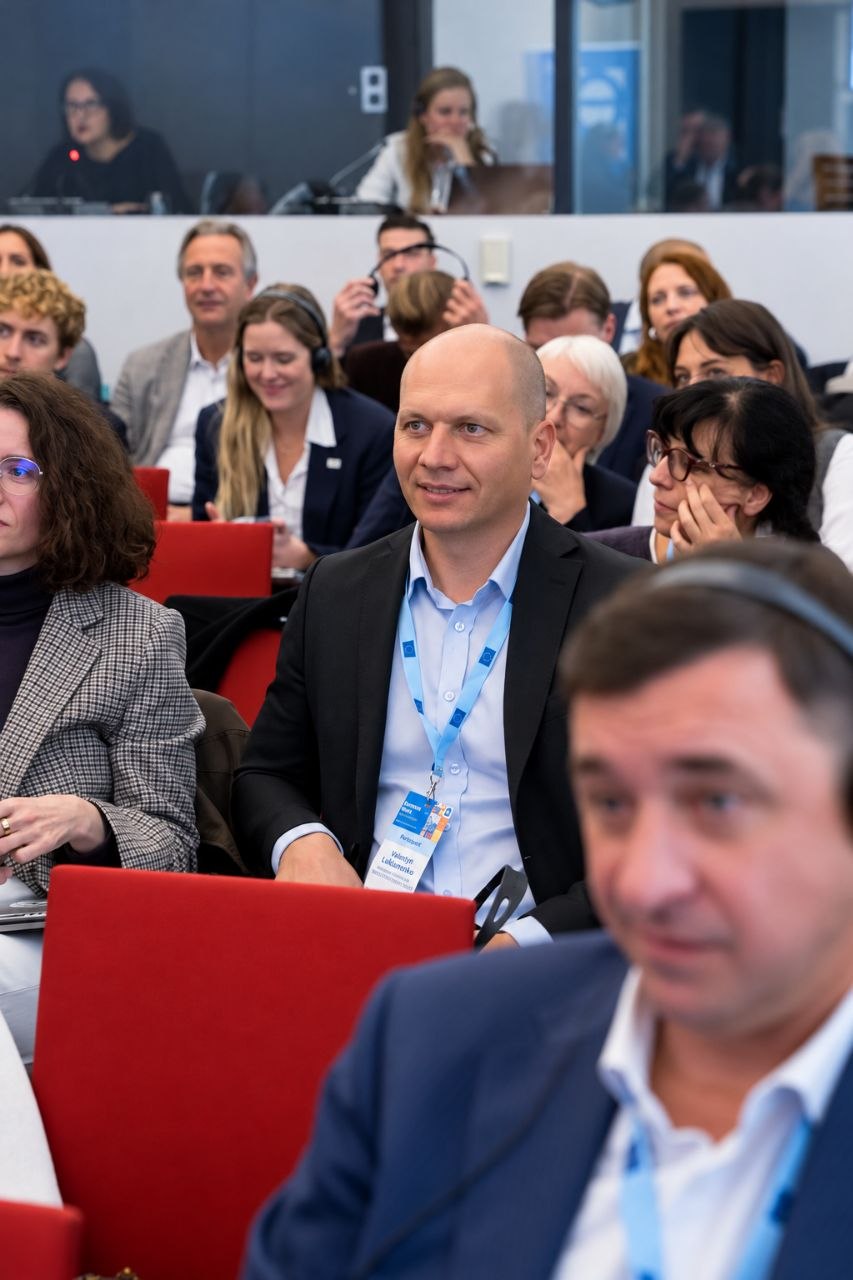
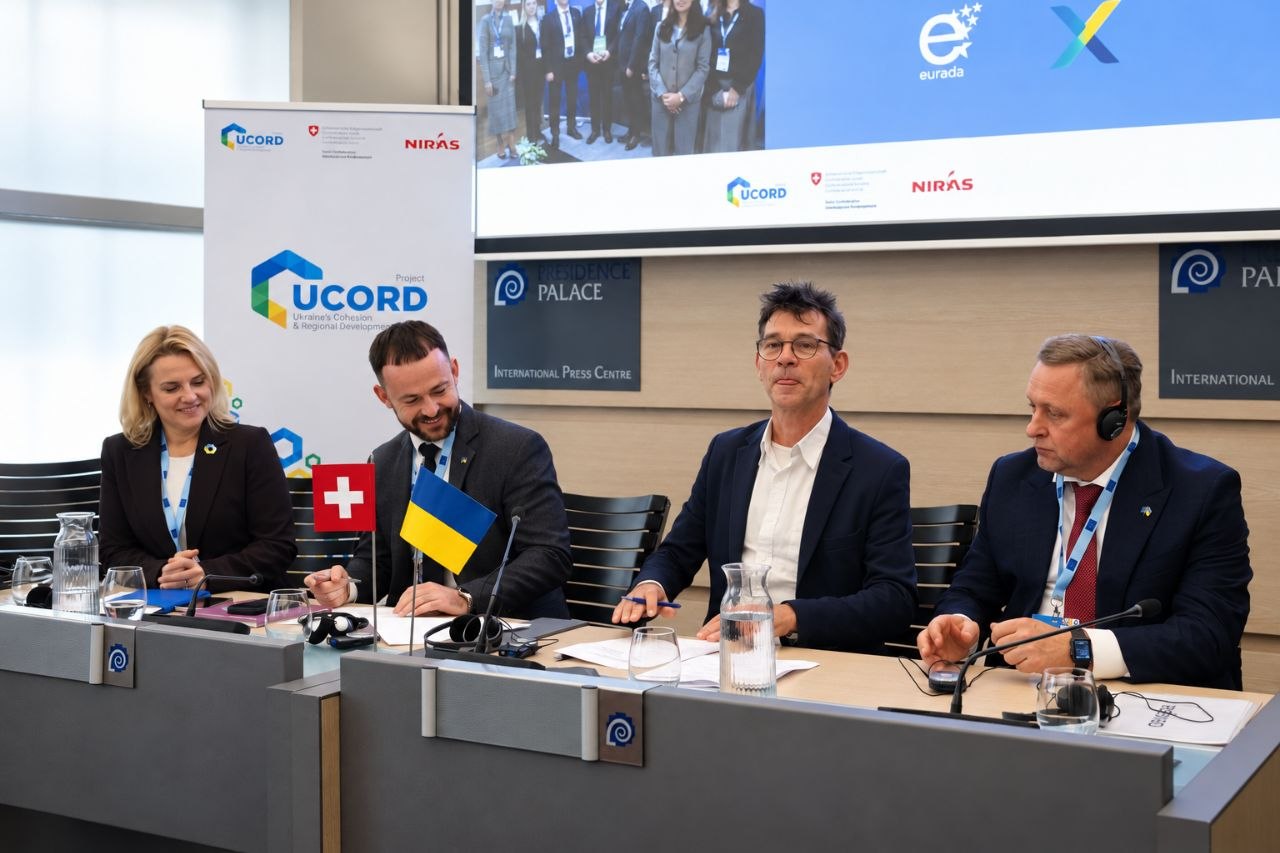
On 12 October, an international discussion “Regional pathways to turn crisis into competitive advantage: from adversities to opportunities” was held in Brussels. The event is organised by “Ukraine’s Cohesion and Regional Development” (UCORD) Project, in partnership with the European Association of Development Agencies (EURADA).
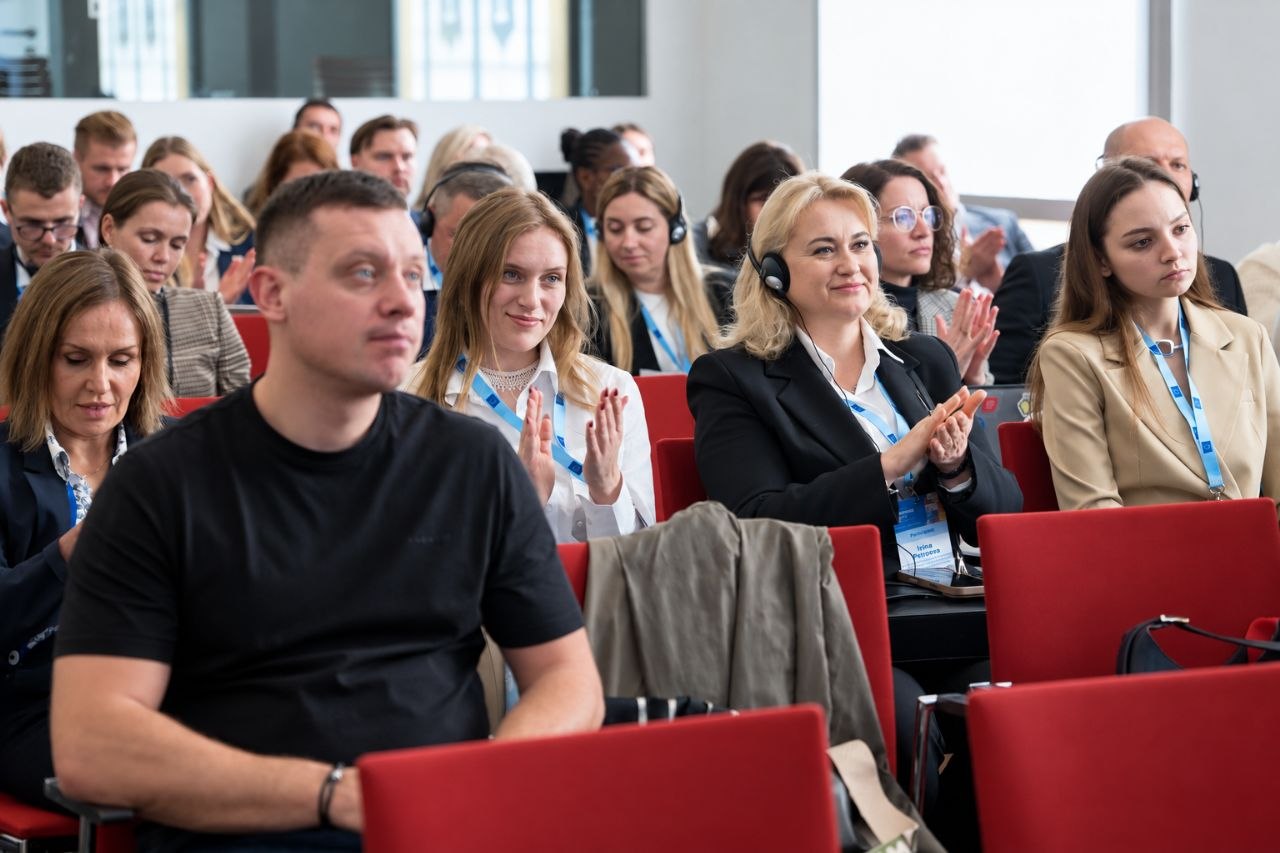
The participants discussed how regions can remain competitive in the face of geopolitical instability, technological change, energy crises, and war. One of the key takeaways from the discussion was that resilience does not emerge at the moment of crisis. It is built up in advance – through strong institutions, innovation, partnerships, well-prepared projects, and the ability to listen to the needs of specific territories.
How regions build competitiveness
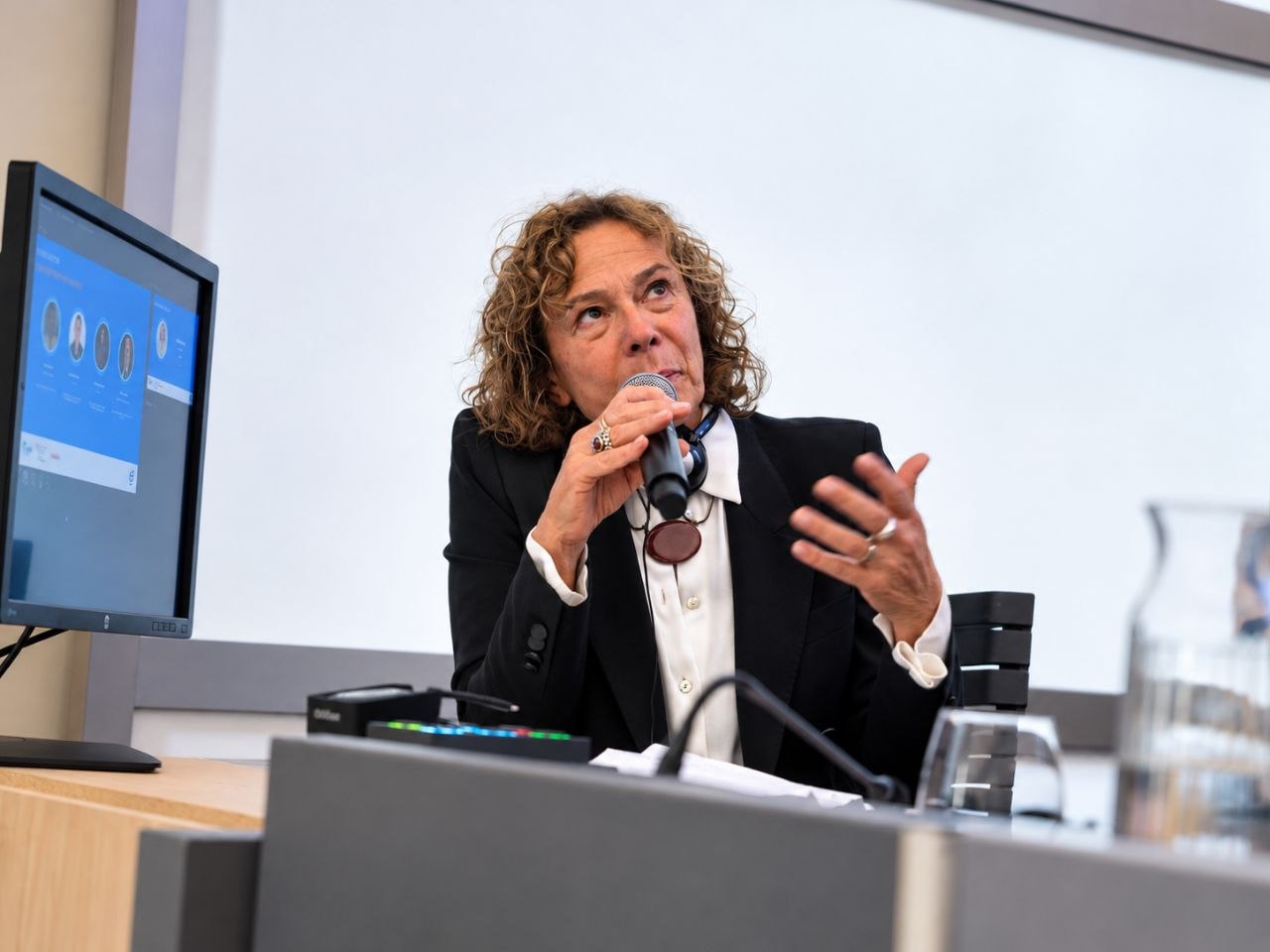
Cristina Oyon, Vice-President of EURADA and Deputy Director of the Basque Agency for Business Development (SPRI), emphasised that investments are made, technologies are tested, and innovative ecosystems are formed in the regions. Regional development agencies help to bring together companies, research institutions, academic institutions, and public authorities, as well as to identify priorities for the development of the region.
The example of the Basque Country shows how a consistent policy can help overcome an industrial crisis. Forty years ago, the region began investing in technology and innovation and supporting local companies’ entry into international markets. Key factors included the consistency of industrial policy, strong regional institutions, and cooperation between the public and private sectors.
‘There is no single recipe that works for everyone. However, I am firmly convinced that research and innovation, internationalisation, sustainability, and equality must be transformed into changes that have economic, social, and territorial impact,’ said Cristina Oyon.
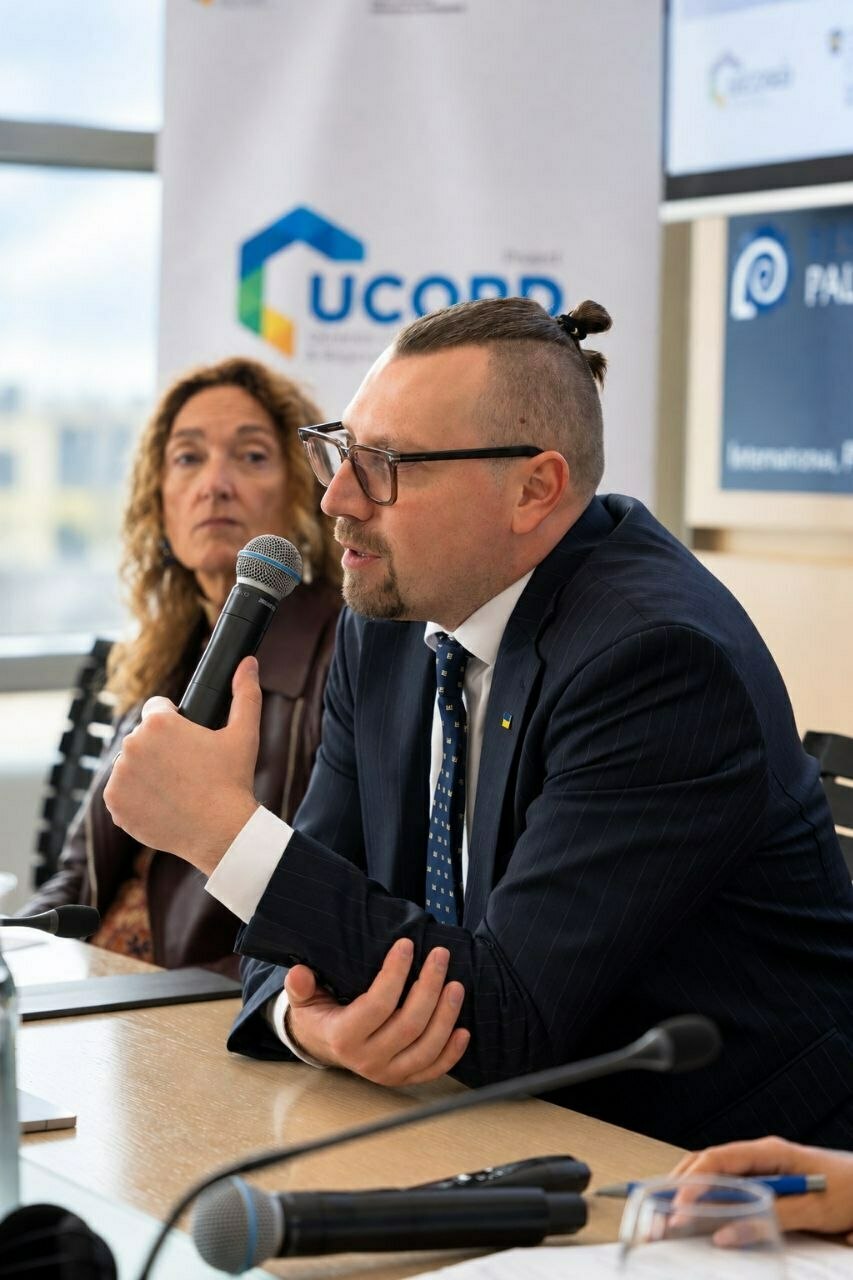
Minister for Communities, Territories and Internally Displaced Persons of Ukraine Vitalii Bezgin suggested considering competitiveness through the lens of Ukraine’s experience of the full-scale war. Two tasks are equally important for the country, its regions, and communities today: ensuring people’s physical survival and preparing for competition in the context of future EU accession.
‘When talking about Ukraine, we are primarily concerned with how to operate in the context of the largest full-scale war since WWII. How to provide people with food, electricity and water, and how to maintain public services under rocket and drone attacks. This is no longer just the reality of frontline regions,’ said Vitalii Bezgin.
However, he added that responding to current threats does not negate the need to think about the future. For regions to be effective and competitive after the war, stronger local and regional institutions are needed, particularly regional development agencies. A specific challenge is the shortage of specialists capable of preparing projects, representing the regions’ interests, and working with European procedures.
‘We need both European expertise in building effective systems and the opportunity to share our own experience. I hope that in a year’s time, or perhaps in a decade, we will be speaking in this very chamber about competitiveness in recovery, resilience, and the restoration of a democratic state after the war,’ said Vitalii Bezgin.
Investments should work for the long term
In a political debate on innovation and investment, Paolo Pasimeni, Chief Economist at the European Commission’s Directorate-General for Research and Innovation, linked Europe’s competitiveness to productivity growth. He emphasised that the EU common objectives had to consider the different capabilities and constraints of each region. If local conditions are not taken into account, policies and investments may fail to deliver the expected results.
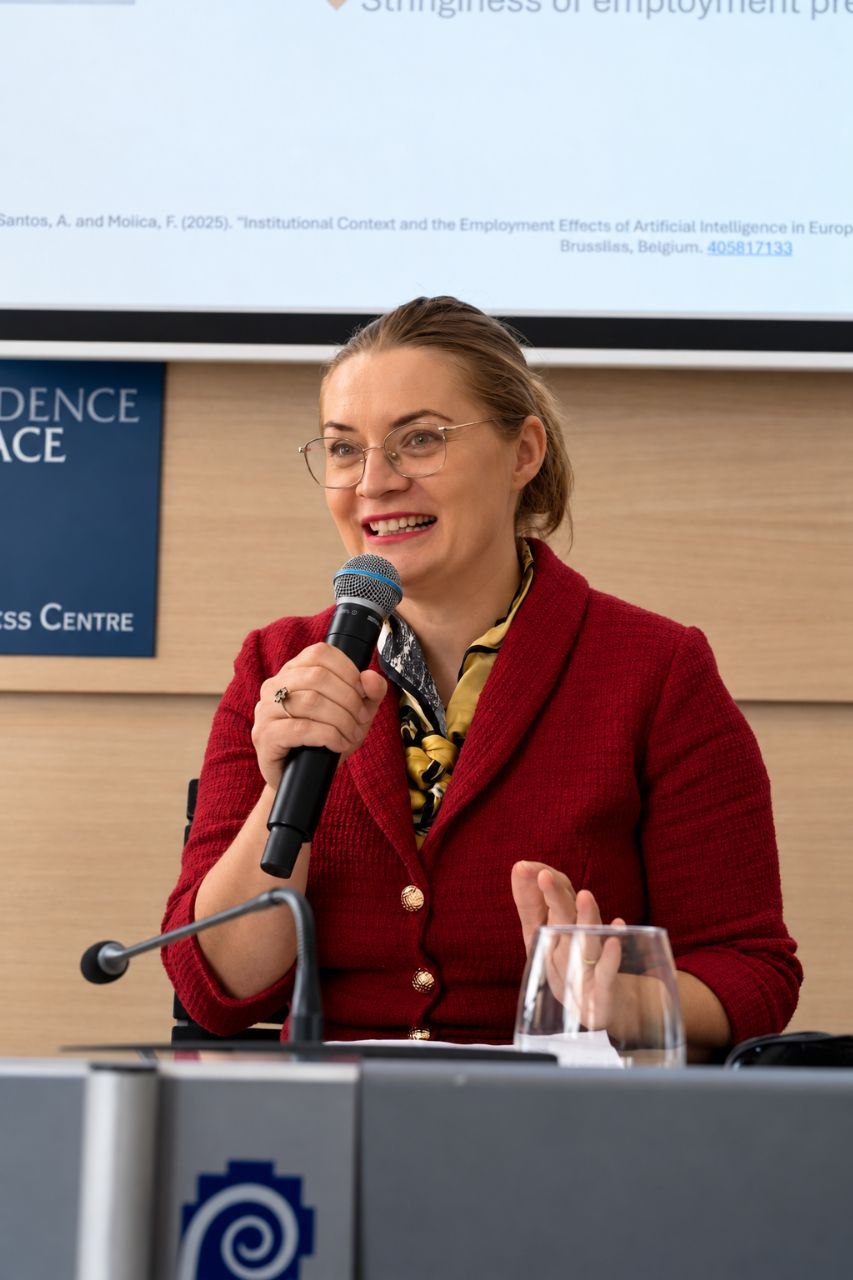
Anabela M. Santos, an expert at the European Commission’s Joint Research Centre, drew attention to the fact that productivity, innovation, and the volume of investment do not provide a complete picture of competitiveness. To assess the transition to a sustainable economy, it is important to also take into account environmental indicators, in particular emission intensity, and how a region changes over time.
According to Anabela Santos, institutional capacity is a key factor in regions’ ability to overcome technological challenges. Her research also shows that innovation helps regions to overcome short-term crises, create opportunities for growth, and adapt to change.
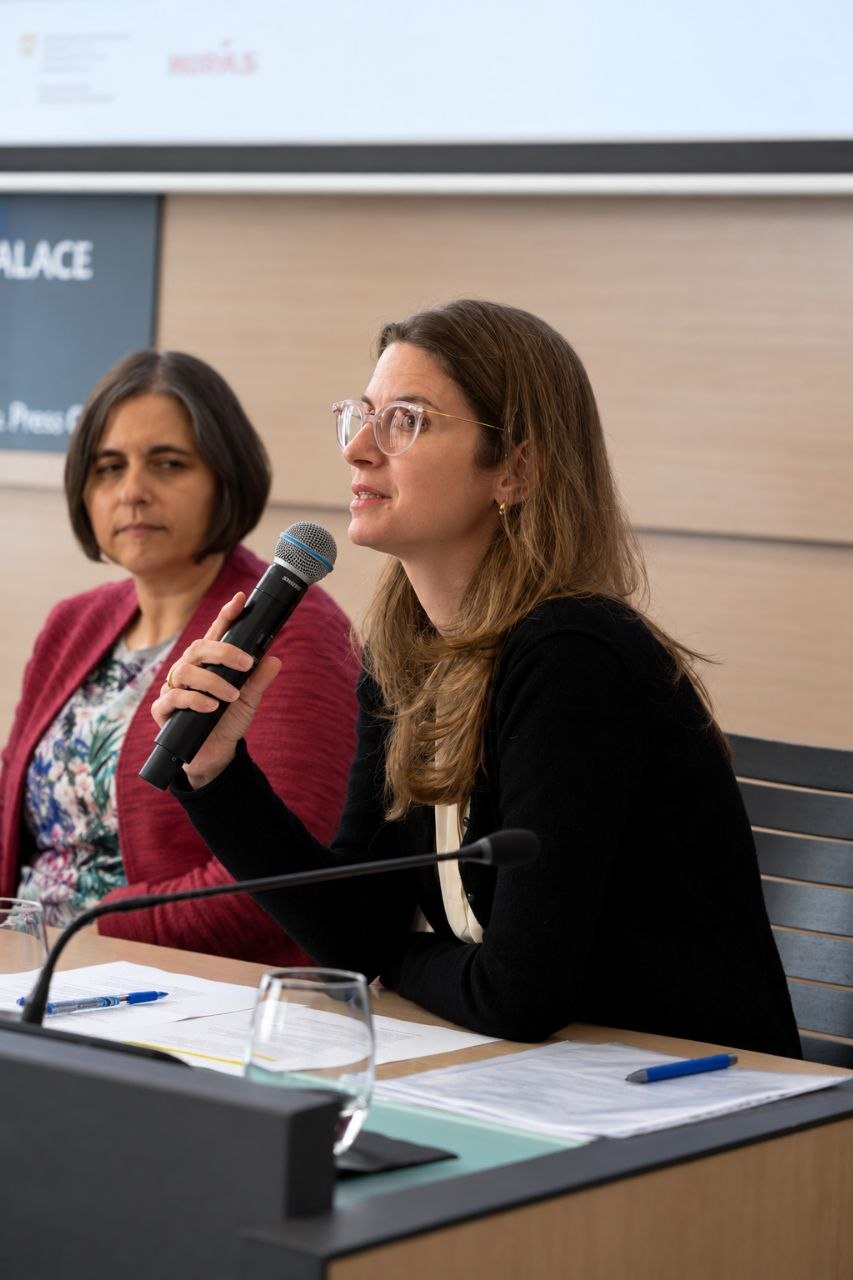
Bianca Faragau Tavares, a representative of the European Investment Bank, emphasised that uncertainty makes long-term investment even more important. Regions need flexibility to respond to short-term shocks, but this should not take precedence over planning for the coming decades.
The EIB can support investment when the private sector is scaling back its investment, as well as helping to attract private finance. The practical approaches outlined by Bianca Faragau Tavares include combining climate, economic and social objectives within a single project, using grants to attract private funds, and preparing high-quality projects that are ready for funding.
Projects require not only an idea, but also a competent team, a business case, a financial model, and an implementation plan. This is where consultative and technical assistance becomes crucial.
Hannah Abdullah, a senior fellow with the GMF Cities programme, presented examples of such support. The Ukraine Cities Partnership initiative helps small and medium-sized Ukrainian cities develop their capacity in urban and infrastructure planning. Korosten in Zhytomyr region has become the pilot city: the solutions developed there are set to be compiled into practical resources that other communities can use.
Hannah Abdullah emphasised that such support should meet local needs, engage communities, and transfer knowledge to local teams. Private-sector partners provide assistance free of charge. It is equally important to identify potential sources of funding for the projects from the very beginning.
Regional development agencies work with communities and businesses
Vitalii Rastorhuiev, Director of the Sumy Regional Development Agency, presented the practical experience of Sumy region. The agency was established in 2022. Despite shelling, infrastructure damage, people fleeing, and businesses relocating, the agency has not limited itself to the role of a project office.
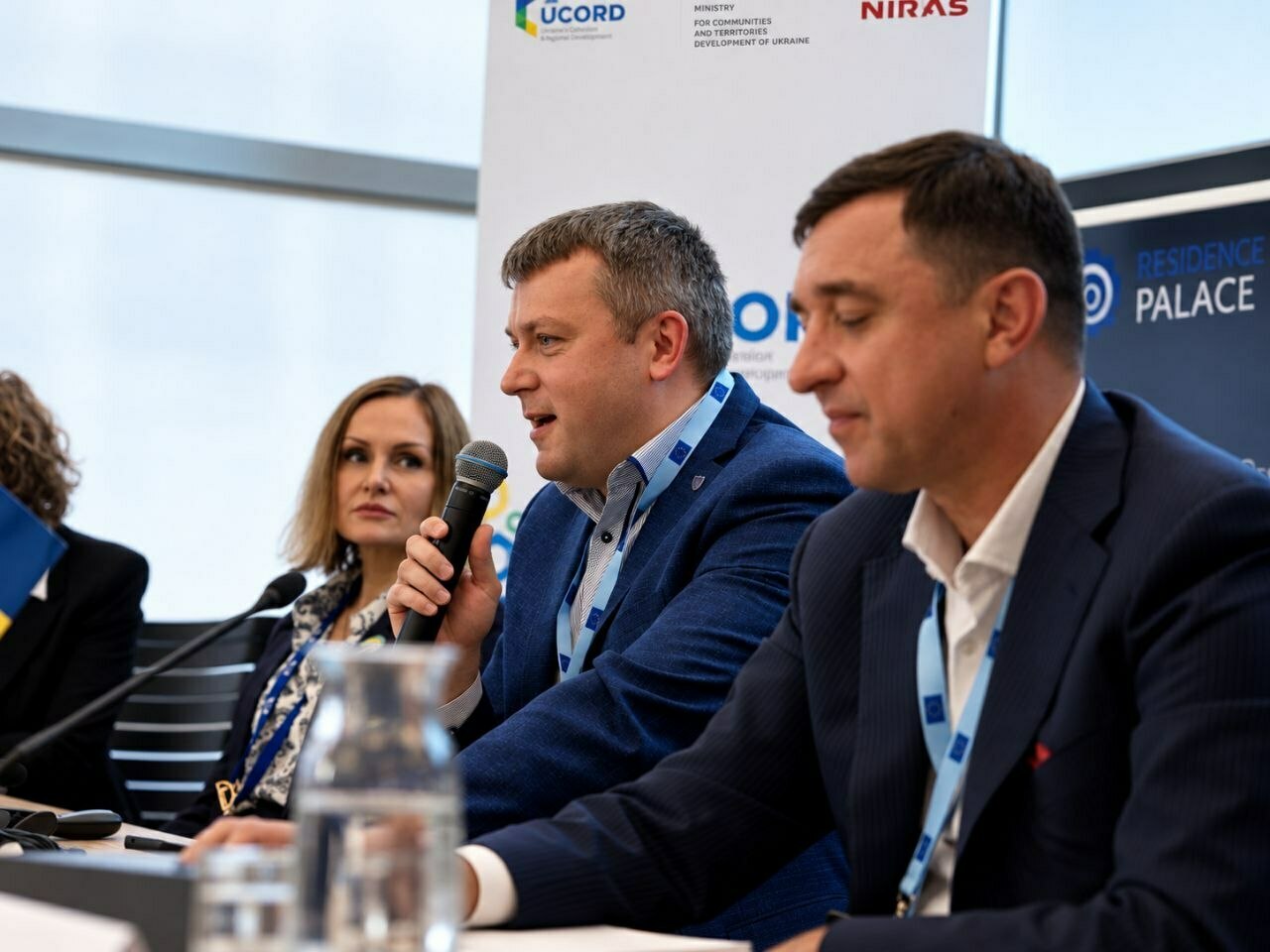
‘We felt that we had to become a bridge that unites different organisations and structures working for the resilience of the region,’ said Vitalii Rastorhuiev.
Clustering has become one of the key areas of business support. The engineering cluster brings together 18 enterprises, whose products are supplied to 40 countries. Another cluster is developing the processing of industrial crops – from food products to building materials and clothing. The agency also prepares a catalogue of local manufacturers, runs an export training programme, and helps businesses establish international contacts.
The agency operates in all 51 communities in Sumy region. Its activities include training specialists for communities and businesses, fostering cooperation between universities and enterprises, and facilitating inter-municipal partnerships. There are currently 18 such partnerships. The agency has partnerships with international and business organisations from 25 countries.
‘The most important aspects are transparency, accountability, and trust. These are the foundations on which the agency is built. We assess the risks in every project and every communication,’ emphasised Vitalii Rastorhuiev.
Director of the Odesa Regional Development Agency Serhii Kononenko spoke about how to combine responding to crisis challenges with long-term planning. The agency is involved in monitoring the regional development programme and is working in groups that are preparing the strategy of Odesa region until 2028.
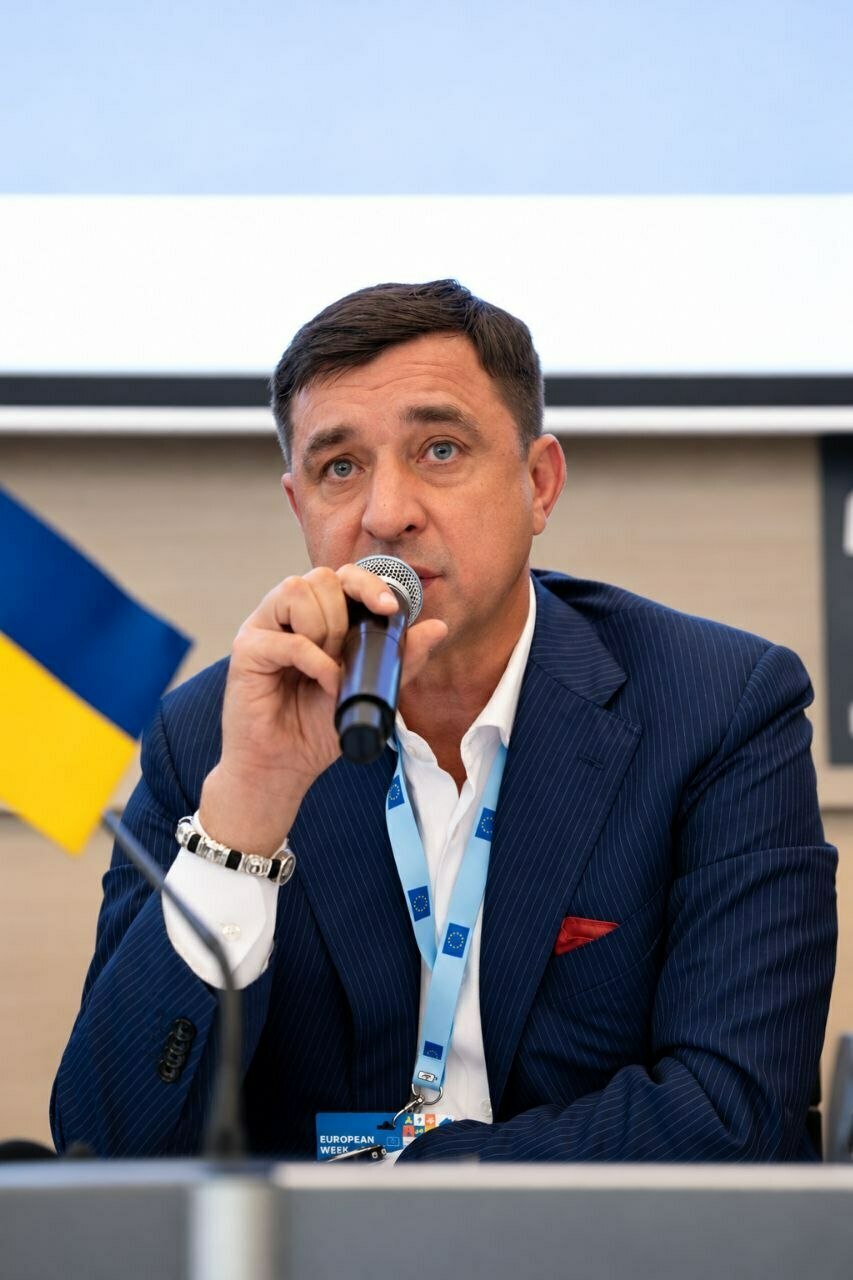
‘Every crisis response project or decision has to be integrated into strategic development,’ he emphasised. According to Mr Kononenko, such planning should balance the community, regional, and national levels
During the preparation of the strategy, the agency brings together local authorities, academics, businesses, and civil society organisations.
‘Our aim is to develop a shared vision and encourage mutual interest from each organisation,’ said Serhii Kononenko.
The agency is also involved in international initiatives in digitalisation and sustainability. It acts as the contact office for the “Ukraine–Moldova–Romania” programme. As part of another project, the selection process for the winners of the competition to fund ICT hubs in four regions of Ukraine and Moldova has already been completed. In addition, the agency cooperates with research institutions and international partners on issues of cybersecurity and sustainability.
The experience of the Alentejo region in Portugal was presented by Daniel Janeiro, Head of External Relations at the Alentejo Regional Development Agency (ADRAL). The region covers a third of the country’s territory, yet is the least densely populated. The agency has four regional branches, local offices in more than half of the 47 municipalities, and a network of over ten business incubators. This presence enables it to support entrepreneurs and municipalities directly on the ground.
‘We cannot be concentrated solely in the regional capitals. We need teams on the ground to support micro, small, and medium-sized enterprises and rural municipalities,’ said Daniel Janeiro.
He called for planning recovery based on the future – sustainability, digital transition, and innovation. Daniel Janeiro described cooperation with Ukrainian regions as a two-way learning process: European agencies are ready to share their experience while learning from Ukraine, particularly on how to respond during a crisis.
Cooperation as part of European integration
Tetiana Shulha, Sector Manager at the European Commission’s Directorate-General for Regional and Urban Policy, spoke about the opportunities available through Interreg and other cooperation instruments. Their value extends beyond funding: the programmes enable regions, communities, and organisations to exchange experiences, develop institutional capacity, and engage in joint governance.
Tetiana Shulha emphasised the opportunities for Sumy and Odesa regions, as well as other Ukrainian regions, to participate in the wider Interreg framework. For Sumy region, such participation could become a platform for exchanging experiences with European counterparts, in particular in terms of manufacturing, agricultural production, and clusters.
‘It may seem that people have simply stood still, but that is not the case. You are continuing to develop,’ said Tetiana Shulha about the Ukrainian regions. She also remarked that future funds will need to be strategically planned, spent, monitored, and evaluated. Participation in international programmes helps communities develop precisely these skills.
Summing up the discussion, Maryna Bryl, UCORD Project Leader, came back to the role of regional institutions. National and European policies set the framework, but they are implemented in the regions and communities. At the same time, even neighbouring frontline regions have different needs that have to be taken into account.
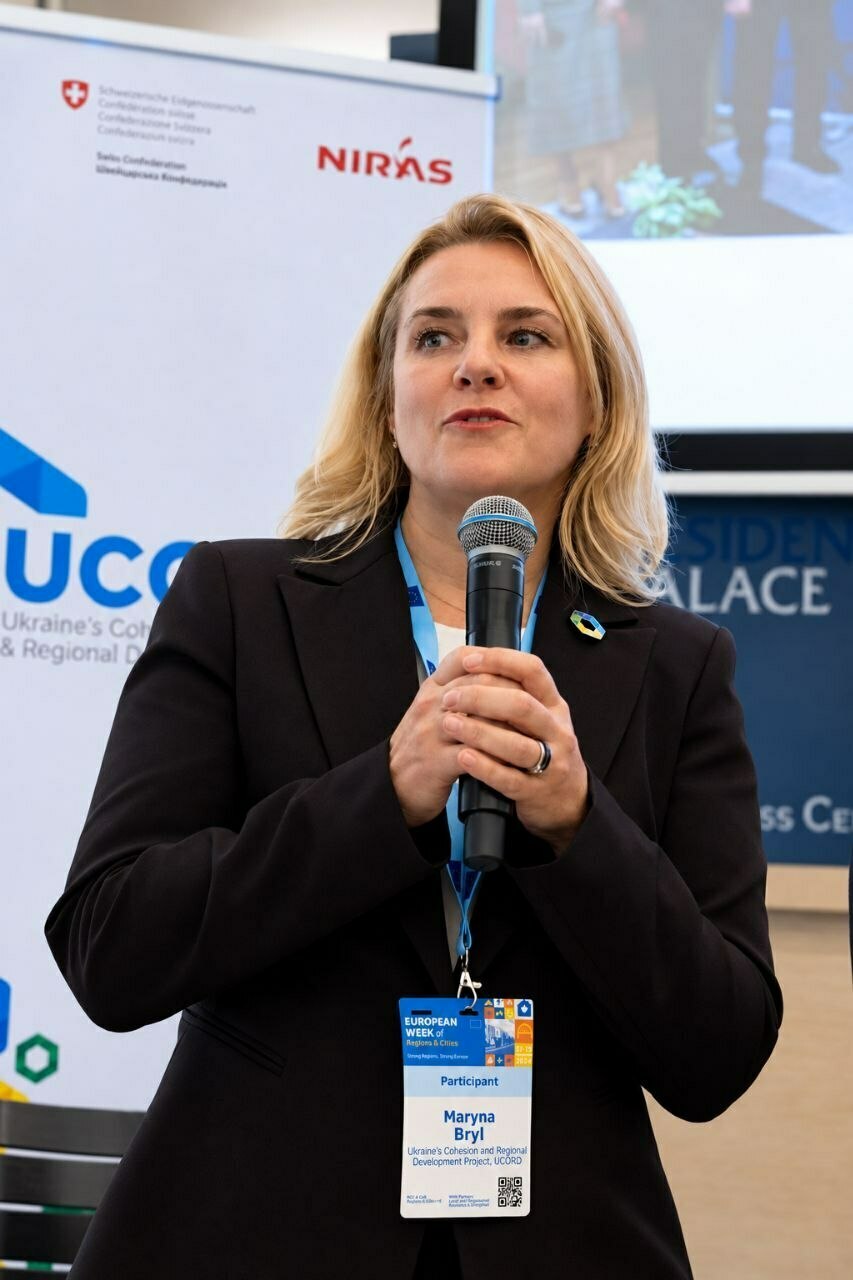
Maryna Bryl stressed that regional development agencies have to bring together local authorities, regional authorities, business, universities, the academic community, civil society, and other regional partners.
‘This is necessary to forge high-quality partnerships, create systematic and sustainable projects, and attract the necessary investment to implement them,’ said Ms Bryl.
She also highlighted the challenge that Ukrainian agencies face: combining urgent restoration with preparations for future development. Partnerships with European institutions are important not only as a source of funding, but also for the exchange of knowledge and experience.
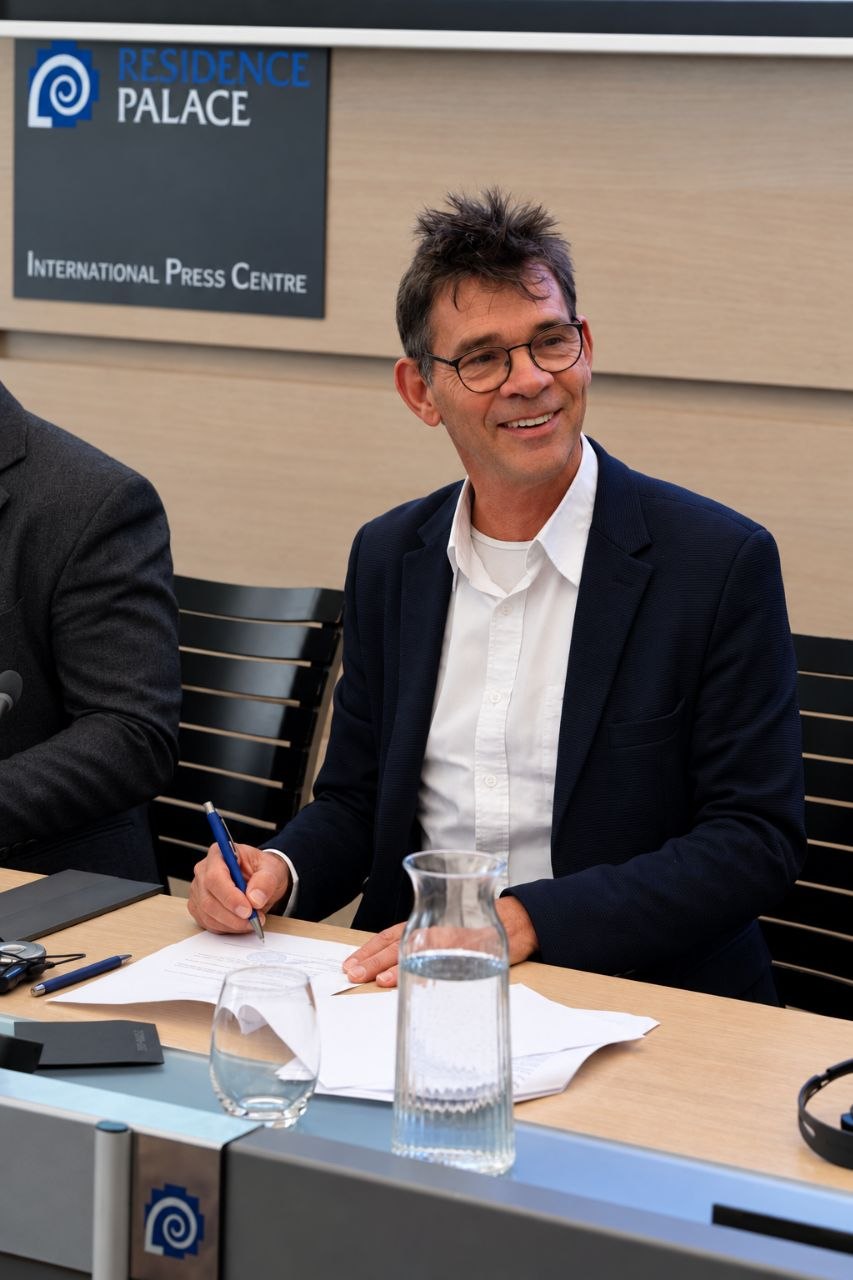
During the event, the Kherson Regional Development Agency became a member of EURADA. Maryna Bryl invited other Ukrainian agencies, in particular pilot and frontline agencies, to join the association.
Theo Föllings, President of EURADA, offered to view resilience as the ability to act in conditions of uncertainty. It is impossible to predict every crisis, but regions can strengthen institutions in advance, develop innovative businesses and research organisations, and maintain high-quality public services.
‘We cannot prepare for every crisis, but we can prepare regions to adapt to almost any crisis,’ said Theo Föllings. This requires not only resources, but also trust and cooperation between people.
The examples of Sumy and Odesa regions, as well as Alentejo, have shown how this capacity is built in practice: regional development agencies bring together communities, businesses, universities, and partners, help transform local needs into projects, and at the same time maintain a focus on the future. For Ukrainian regions, this work supports both resilience during the war and preparations for recovery.
UCORD is implemented with the support of Switzerland by NIRAS Sweden AB.
Attached images:


Tags:
regional development ucord European Cohesion Policy European cooperation
Source:
Портал "Децентралізація"
12 October 2026
Ukraine and EC discuss implementation of Ukraine Facility Plan and support for communities
Ukraine and EC discuss implementation of...
In Brussels, Vitalii Bezgin, Minister for Communities, Territories and Internally Displaced Persons, met with Gert...
12 October 2026
Regions and cities provide more than half of...
In 2025, cities and regions accounted for 51% of public investment in the European Union. However, the funding gap...
12 October 2026
Не чекати нового закону України «Про службу в...
Грай Марина, кандидат наук з державного управління, старша експертка проєкту Повернення ветеранів і...
12 October 2026
European Week of Regions and Cities 2026 starts...
The European Week of Regions and Cities 2026 has opened in Brussels. Representatives of Ukrainian communities from...