People’s distrust of decentralisation is dispelled when their hromada starts using opportunities provided by reform, - Vyacheslav Nehoda (+ results of sociological study)
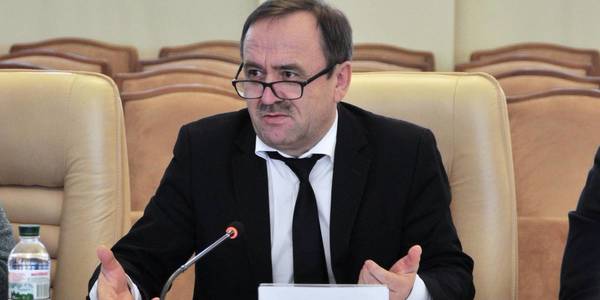
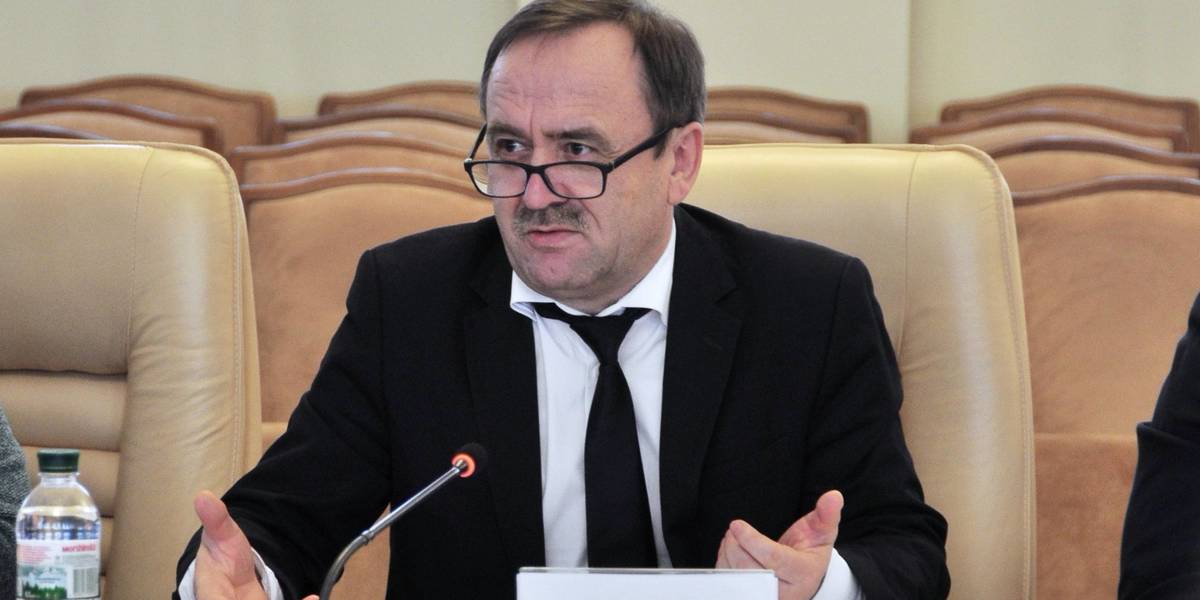
Distrust and fears about decentralisation disappear where local leaders begin to effectively use all the opportunities provided by the reform: attract resources, invest in hromada development and take responsibility for their decisions and actions, commented Vyacheslav Nehoda, First Deputy Minister of Regional Development, Construction, Housing and Communal Services, on the results of sociological study carried out by the Kyiv International Institute of Sociology (KIIS) and Social Indicators Centre, at the request of the Council of Europe Programme “Decentralisation and Territorial Consolidation in Ukraine”.
According to the research, 79% of people in the country are aware of the reform of local self-government and the administrative-territorial structure – decentralisation, and 58% - support it.
“The study showed, in particular, how the opinion of the rural population about the reform changes before and after the villages amalgamated into one hromada. 62% of the residents of non-amalgamated villages support the reform only if their village becomes the AH centre. And in villages which have already joined the AH and have not become its centre, this support is unconditional and makes up 60-62%. Therefore, we see that fears and distrust of people dispell after amalgamation,” said Vyacheslav Nehoda.
In his opinion, it is natural, because there are changes taking place in the amalgamated hromadas that the residents cannot fail to notice. Roads, sidewalks, kindergartens, schools, hospitals, sports grounds are being repaired there, street lighting is being installed, and water pipes laid. “There, people begin to realise that location of the AH centre is not so important for them, as the quality of life in their village is changing for the better, and services become more accessible,” said Vyacheslav Nehoda.
He also emphasised that urban residents, who used to hardly support hromadas’ amalgamation before (63% were against in 2015), are now mostly in favour of establishing a single AH with the neighbouring villages (50% in favour in 2017).
“Experience shows that amalgamation of cities with neighbouring rural hromadas is advantageous for all. The city has territories for development, villages receive support from the city. City residents began to realise the benefits of amalgamation. And now the main thing is to enable all major cities to use this mechanism – adopt the draft law on accession of hromadas to the cities of oblast significance,” said the First Deputy Minister.
The research shows that the earlier the hromada has taken advantage of the opportunities that appear in the course of decentralisation, the more benefits and achievements are seen and noted by the residents. “Thus, those who are still slow, loses not only time, but also support of people,” summed up Vyacheslav Nehoda
Results of the All-Ukrainian Sociological Study “Decentralisation and Local Self-Government Reform” CAN BE DOWNLOADED IN UKRAINIAN ENGLISH
Results of the All-Ukrainian Sociological Study “Decentralisation and Local Self-Government Reform”: socio-political sentiments of the residents of hromadas amalgamated in 2015-16” CAN BE DOWNLOADED IN UKRAINIAN ENGLISH
28 October 2026
Congress of the Council of Europe condemns...
The Congress of Local and Regional Authorities of the Council of Europe has adopted the Declaration condemning...
28 October 2026
Congress of the Council of Europe supports Carpathian Integration Initiative
Congress of the Council of Europe supports...
The Congress of Local and Regional Authorities of the Council of Europe has supported the Carpathian Integration...
28 October 2026
Vitalii Bezgin discussed support for...
Vitalii Bezgin, Minister for Communities, Territories and Internally Displaced Persons of Ukraine, met with Gunn...
28 October 2026
Програми є, а чи є результат? Що показав аналіз 240 місцевих програм підтримки ВПО
Програми є, а чи є результат? Що показав аналіз...
В Україні діє 1350 місцевих цільових програм, які передбачають підтримку внутрішньо переміщених осіб на рівні громад...