“Hear Tulchyn”: How the municipality translates Leontovych’s legacy into a tourist route
Every year on Christmas Eve, you can hear Shchedryk playing in different corners of the world. But behind the world-famous Carol of the Bells lies the story of Mykola Leontovych, a composer who lived, taught, and wrote music in Tulchyn, Vinnytsia Oblast, for over a decade.
Today, the municipality hopes that discovering his work will inspire people to visit and explore the city. To this end, Tulchyn has developed the Hear Tulchyn tourist route: seven locations, cost estimates, and initial trials of the route with potential visitors. The Hear Tulchyn route was created during the “Municipal Magnets: Tourist Route” workshops. This is a programme for 16 municipalities that already have a tourist attraction and want to transform it into a proper tourist route. Teams of three people from each municipality participated in seminars, received group and one-on-one consultations, and attended an in-person module in Poltava Oblast.
Tulchyn’s experience showcases how a municipality can transform its cultural heritage into a tourism product: where to start, how to assess its economic potential, and what is needed to attract visitors.
Anniversary that brought everything together
When U-LEAD with Europe announced the Municipal Magnets initiative, Nataliia Hnatenko, the Head of the Department of Economy and Investment Development at Tulchyn City Council, immediately thought of Leontovych.
“When I saw the announcement, I knew right away that this was a topic very close to Tulchyn’s heart, as Mykola Leontovych is an integral part of our city’s cultural heritage,” says Nataliia.
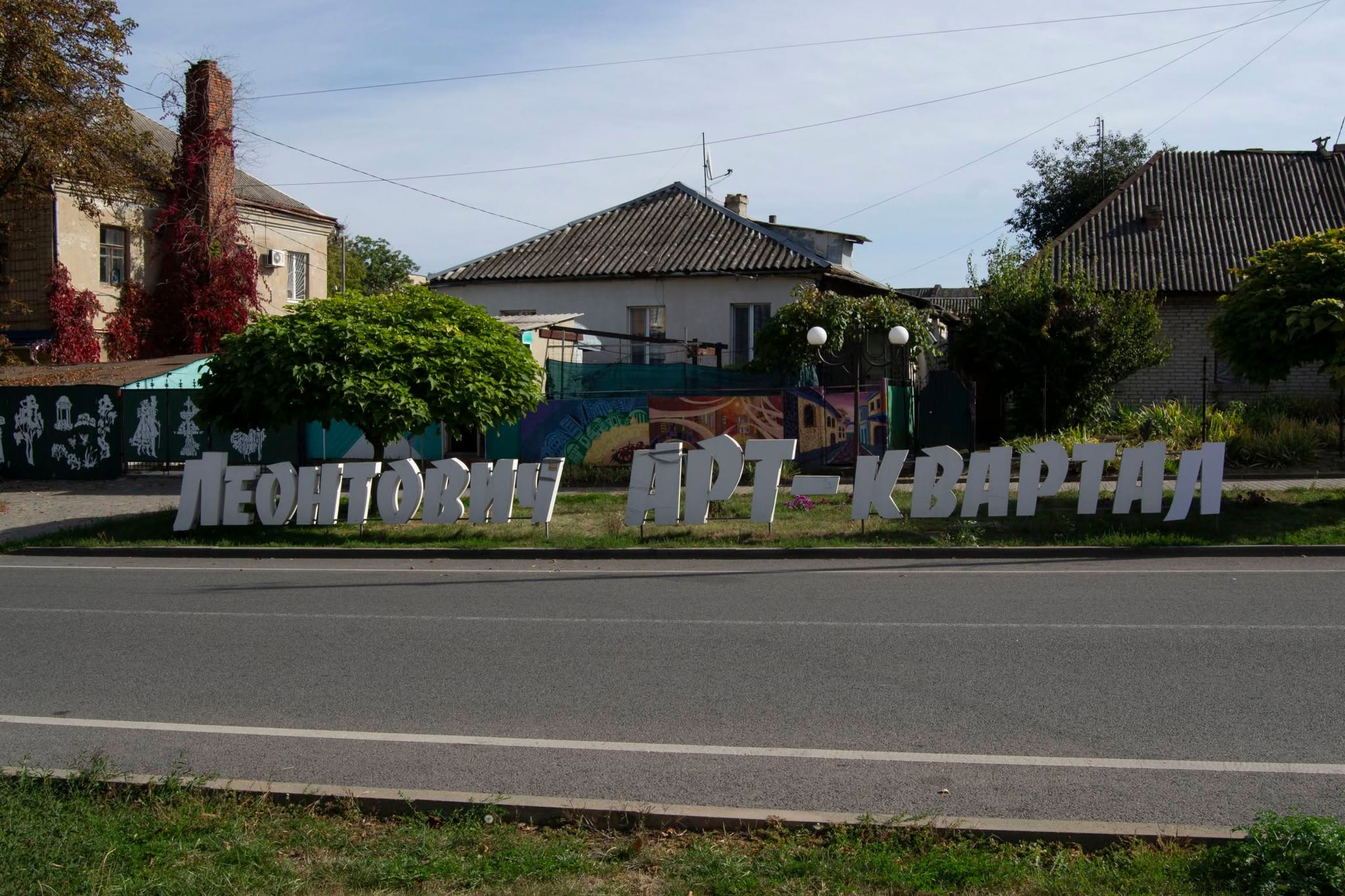
The municipality put forward the idea of “Leontovych 150: From Shchedryk to Carol of the Bells”, a comprehensive cultural and artistic project to mark the 150th birth anniversary of the composer, to be celebrated worldwide in 2027. This project sought to bring together everything Tulchyn has built up over many years around Leontovych’s legacy: Leontovych Art Quarter, Meridian Shchedryk, the refurbishment of the composer’s museum-apartment, the digitisation of the museum’s collections, and the From Shchedryk to Carol of the Bells festival.
Valerii Vesnianyi, the Mayor of Tulchyn, hopes that the route will attract tourists in time for the composer’s landmark anniversary.
“It is very important to us that people are aware of Mykola Dmytrovych Leontovych’s connection with Tulchyn. He lived here for a significant part of his life and created his works in our city between 1908 and 1921. However, even today, many people are unaware that there is a museum-apartment dedicated to him in Tulchyn. We hope that the tourist route will help to introduce this chapter of history to a wider audience. We need to preserve Leontovych’s name, cherish his legacy and pass it on to the younger generation, so that people in Ukraine and around the world know that Shchedryk is tied to Tulchyn,” says Valerii Vesnianyi.
In line with the initiative’s criteria, the municipality assembled a team of three people: the deputy mayor and the heads of the departments of economy and culture. The Municipal Magnets training programme was where the team first conceived the idea of tapping into the life story of this prominent figure to create an engaging tourist attraction. This marked the start of their work on bringing these ideas to life.
Training, Poltava and lessons learned from other municipalities
Initially, the whole team took part in online training. They immediately applied the theory to their own idea, working through the Route Development Plan section by section. In early August, one team member travelled to an in-person module held in the Poltava Oblast, where they were able to learn from the experiences of other municipalities in practice.
Three cases stuck in Nataliia’s mind. Opishnia is creating new reasons for tourists to visit, such as a new site featuring a tower that highlights the highest point in Poltava Oblast, and there are new routes and “health trails” of varying difficulty. The settlement head, Mykola Riznyk, spoke about this experience. About 80 kilometres from the border with the aggressor state, Kotelva runs archaeological excavations every year and publishes books based on the findings. Dykanka is building its tourist identity around recognisable stories and symbols such as Gogol’s characters, Kochubei’s oak trees and galushky.
Nataliia’s main takeaway from these meetings was a shift in her perspective on the tourism product itself.
“The training gave us a framework and an understanding of how to develop it, whilst the municipalities’ experiences showed that we shouldn’t wait for a tourism product to just ‘fall into place’ on its own. It can and must be created — by finding new stories, mapping out new routes, developing venues and involving local businesses. That’s exactly what we set out to apply in our efforts with Hear Tulchyn.”
The scope of the project has also evolved: “Initially, we thought of the route more as a guided tour. As time went on, however, it became clear that it needed to be a fully-fledged tourism product, with its own story, brand, target audience, business model, partners and potential for ongoing development.”
Oksana Levkivska, a coordinator of the Tourist Route strand of the Municipal Magnets initiative, sees the value of this case study in how Tulchyn put what they had learnt into practice.
“The Tulchyn municipality’s experience is valuable in that, rather than starting from scratch, they rethought what had already been achieved. Taking part in Municipal Magnets enabled them to view their own achievements from a different perspective, analyse their previous approach and identify opportunities that had previously been overlooked. An important component of the programme was the integration of theory and practice: not only did the municipality master the tools for developing a tourism product, but it also put its work to the test, identified weaknesses and understood what needed further refinement. This case study shows other municipalities that sometimes, to move forward, you don’t need to create something new. Instead, you should take a critical look at what you already have, recognise untapped potential and put your ideas to the test in practice,” she says.
Seven points and a single thread
The name, Hear Tulchyn, conveys the idea behind the route: to discover the city through the music of Mykola Leontovych, the stories of the people who lived and worked here, and its architectural and cultural heritage. It is an invitation to take a closer look at familiar streets, buildings and places, to hear their stories and to experience Tulchyn in a new light.
“Leontovych is a kind of thread that helps us see the town and its cultural heritage in a new light,” says Nataliia.
At the very heart of the route are seven main locations:
- Leontovych Art Quarter;
- former Tulchyn Diocesan School;
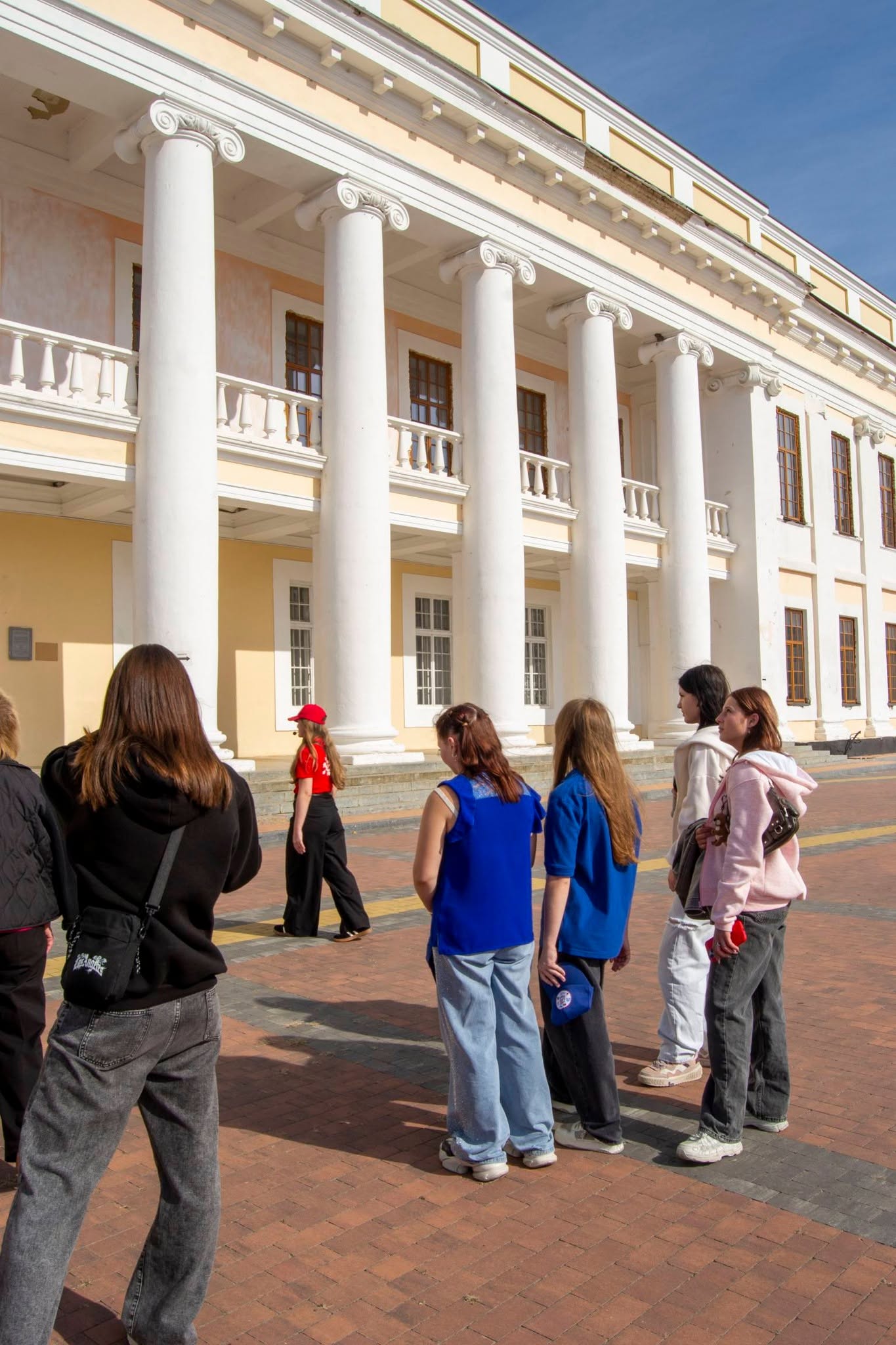
- the Potockis Palace;
- Mykola Leontovych’s museum-apartment;
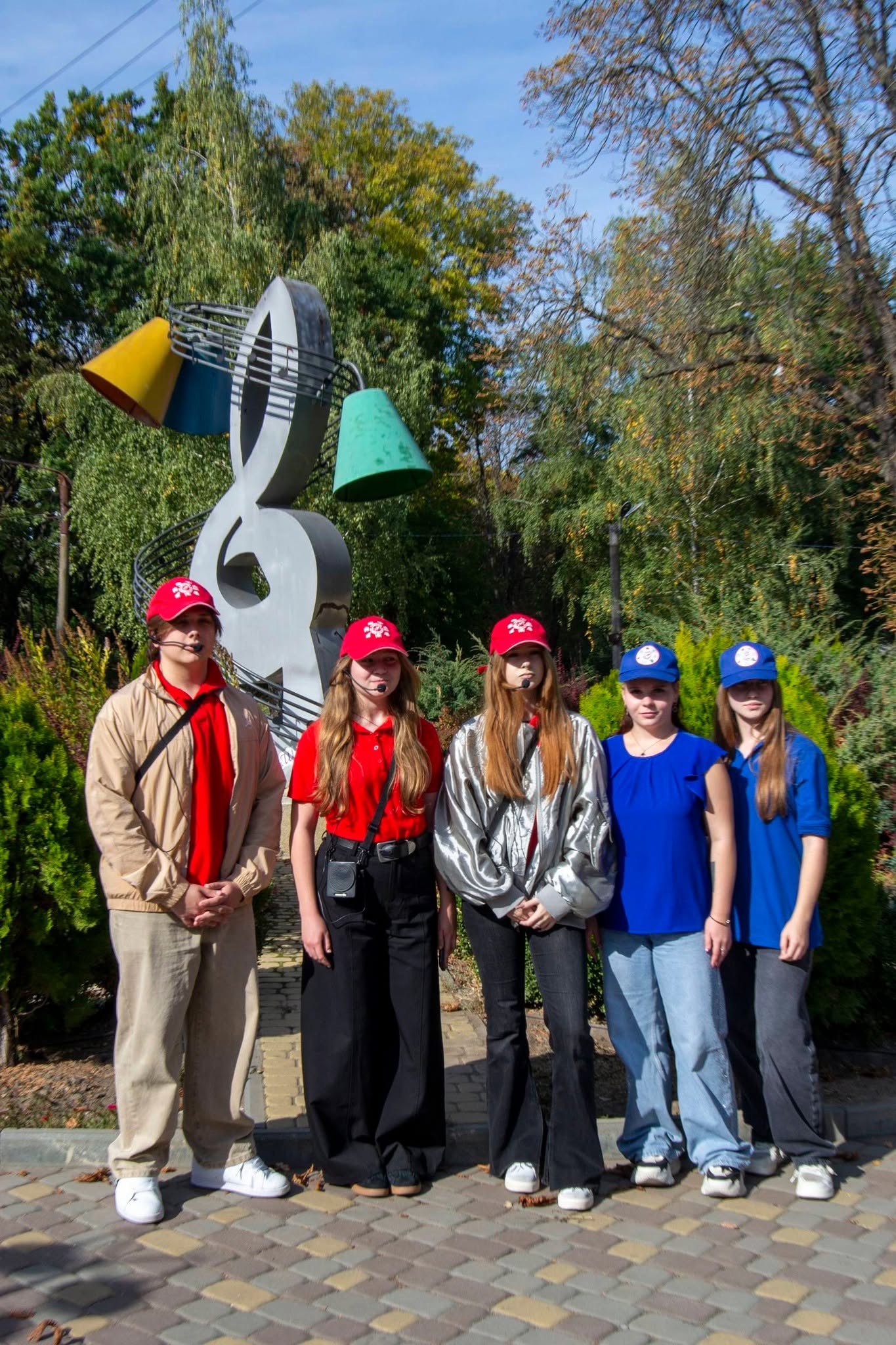
- Musical Tea Party;
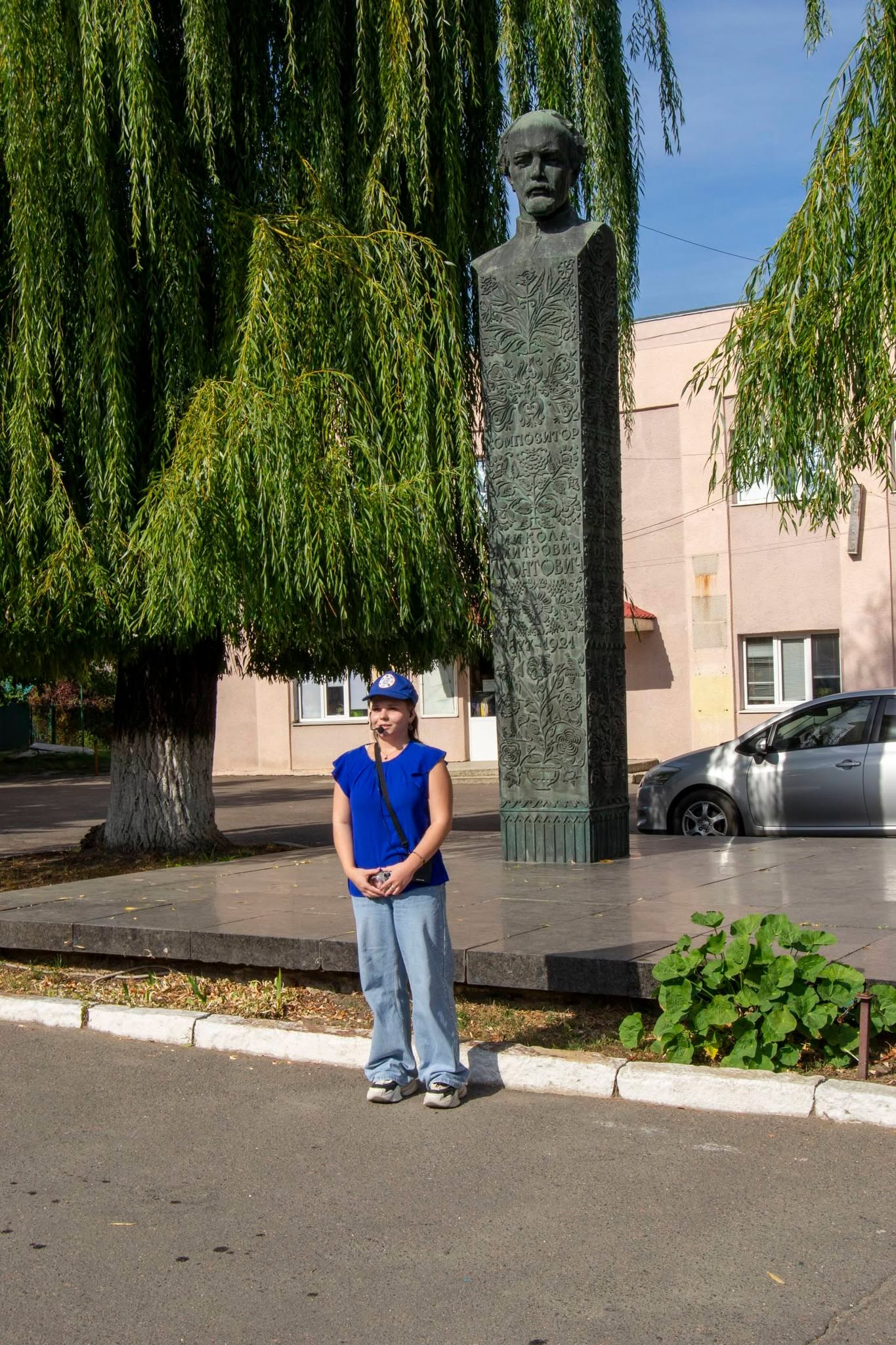
- the monument to Mykola Leontovych;
- the KeramArtMisto Creative and Experimental Lab.
Each of these places reveals a distinct aspect of Tulchyn’s history and cultural life and contributes to a cohesive narrative. The route therefore combines historical sites linked to Leontovych, contemporary cultural spaces, creative initiatives and gastronomic experiences. KeramArtMisto showcases how cultural heritage can be combined with contemporary creative practices.
Local businesses are not yet included in the core concept as established venues; negotiations with potential partners are ongoing. According to Nataliia, local cuisine, craft producers, souvenirs and other services could become a natural extension of the tourist experience. The seven venues make up the core of the project, and the municipality hopes to expand this through new partnerships.
The route was designed for tourists interested in culture and history, as well as for families, solo travellers, educational groups and schoolchildren. One of the target audiences is the residents of Tulchyn themselves: as Nataliia explains, we very often live right next to history, but only become aware of it when someone helps us see familiar places in a new light.
Results of the calculations
As an economics graduate, Nataliia says the section on economics was the easiest for her to understand. The team determined the product’s cost, forecast tourist numbers, and calculated expenses, revenue and the break-even point.
The baseline target is 300 tourists per month, with an average spend of around UAH 250. This amounts to approximately UAH 75,000 in revenue per month, or UAH 900,000 per year. The municipality has estimated operating costs at around UAH 600,000 per year. The route covers its basic costs when it attracts around 200 tourists per month.
However, Nataliia considers the most important decision to be that the team took a broader view of the route’s economics rather than focusing solely on its own revenue.
“We did not include our future partners’ earnings in our own revenue estimates, such as those from catering establishments, souvenir makers, craft workshops, workshop organisers and so on. These are their respective businesses. Instead, the route should generate a new flow of tourists and potential customers for them.”
The municipality sees Hear Tulchyn as an economic chain: a tourist arrives to explore Leontovych’s history, uses the services of local businesses in the city, buys local produce, visits creative venues and may choose to stay longer. The team is currently building a network of partners around the route so that the tourist flow benefits the municipality’s economy as a whole.
A route explored on foot
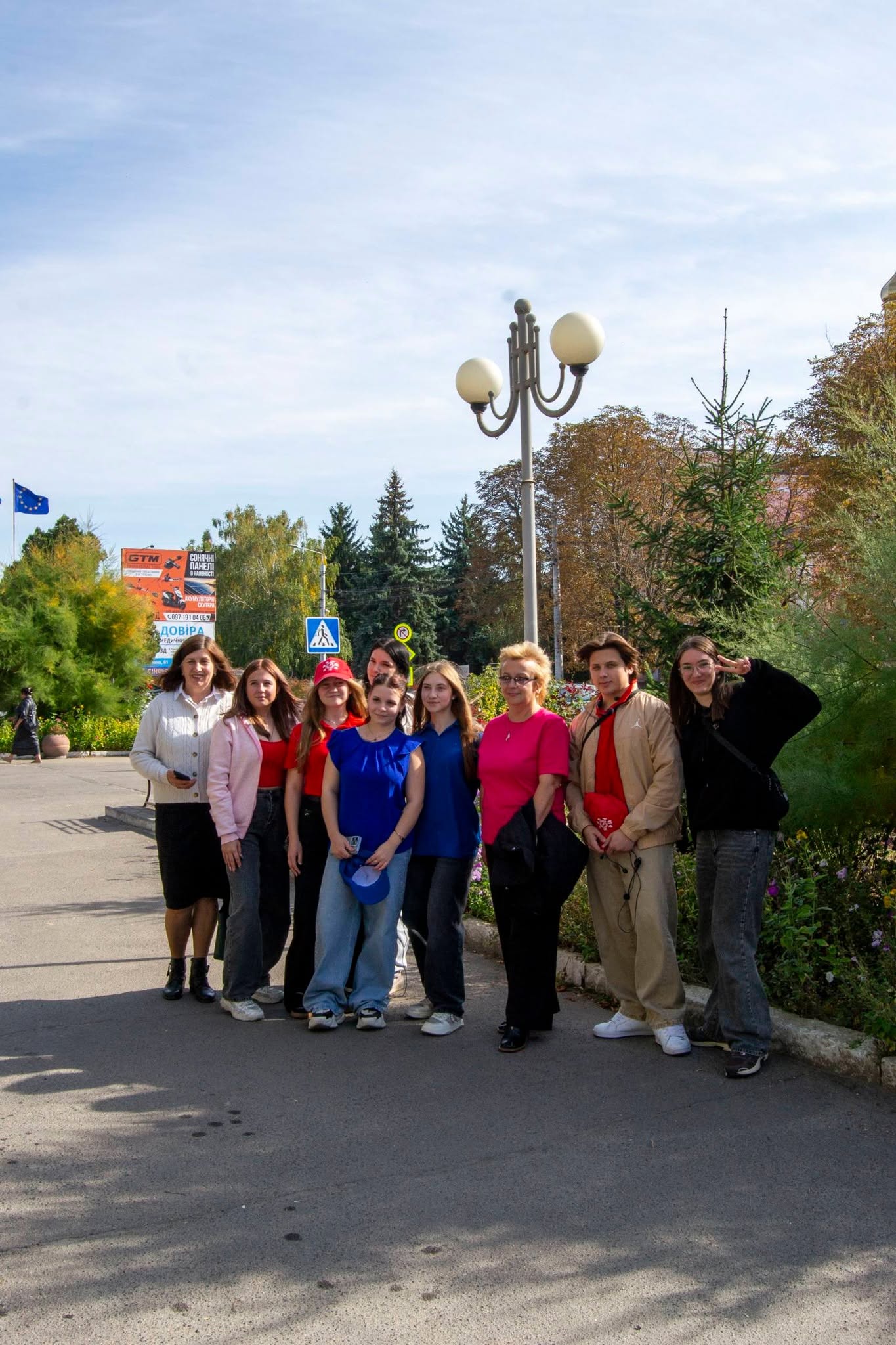
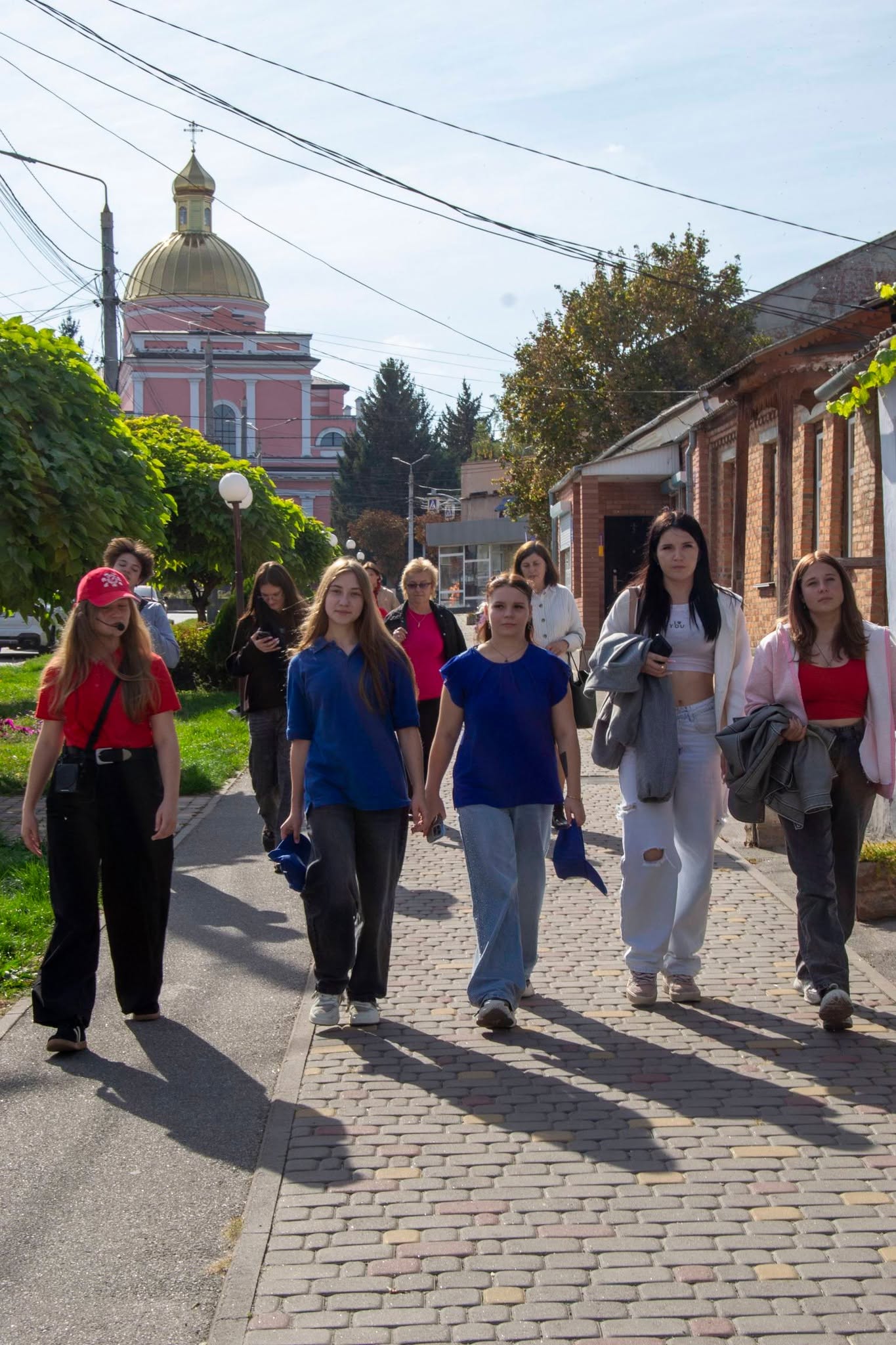
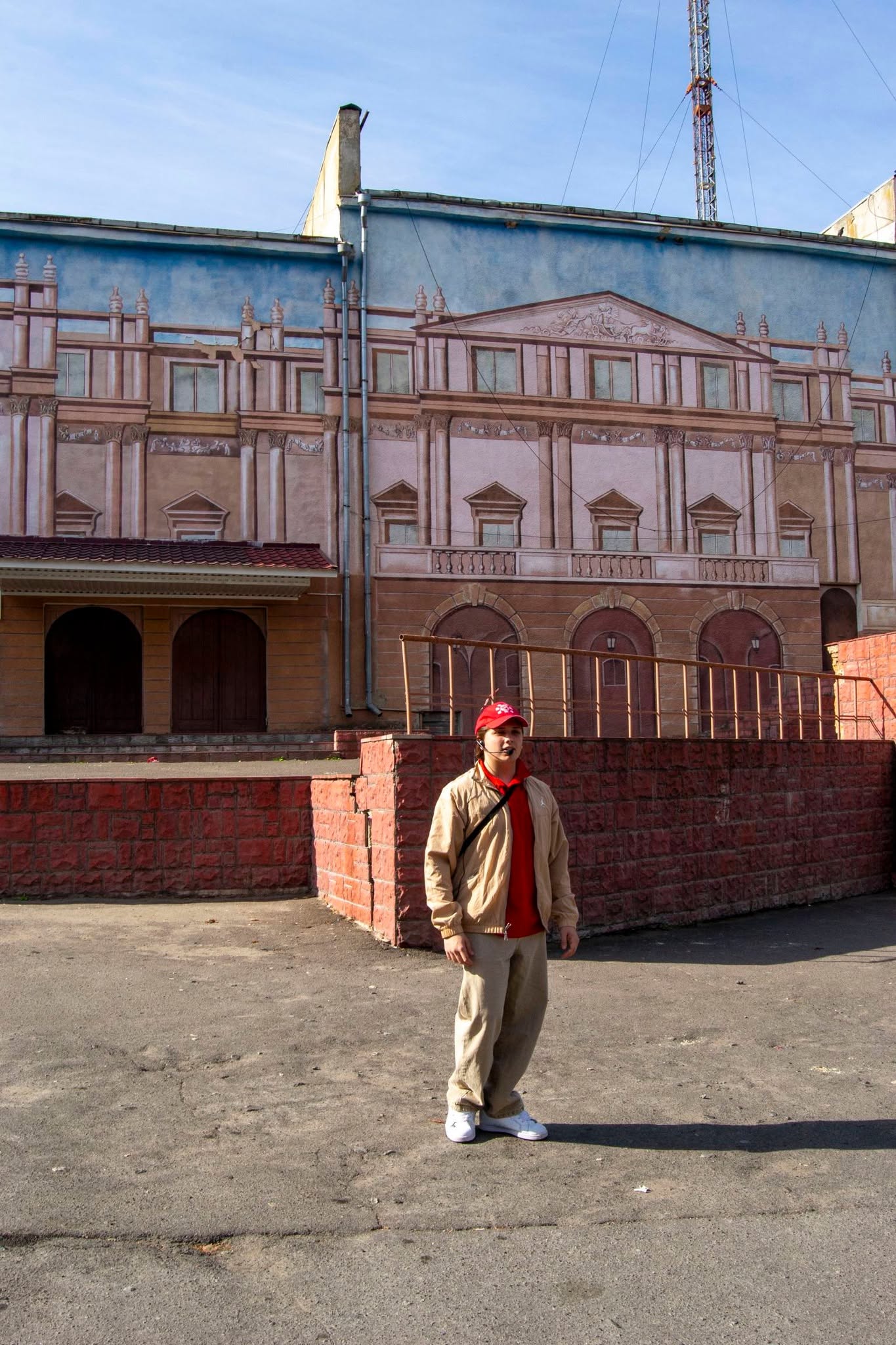
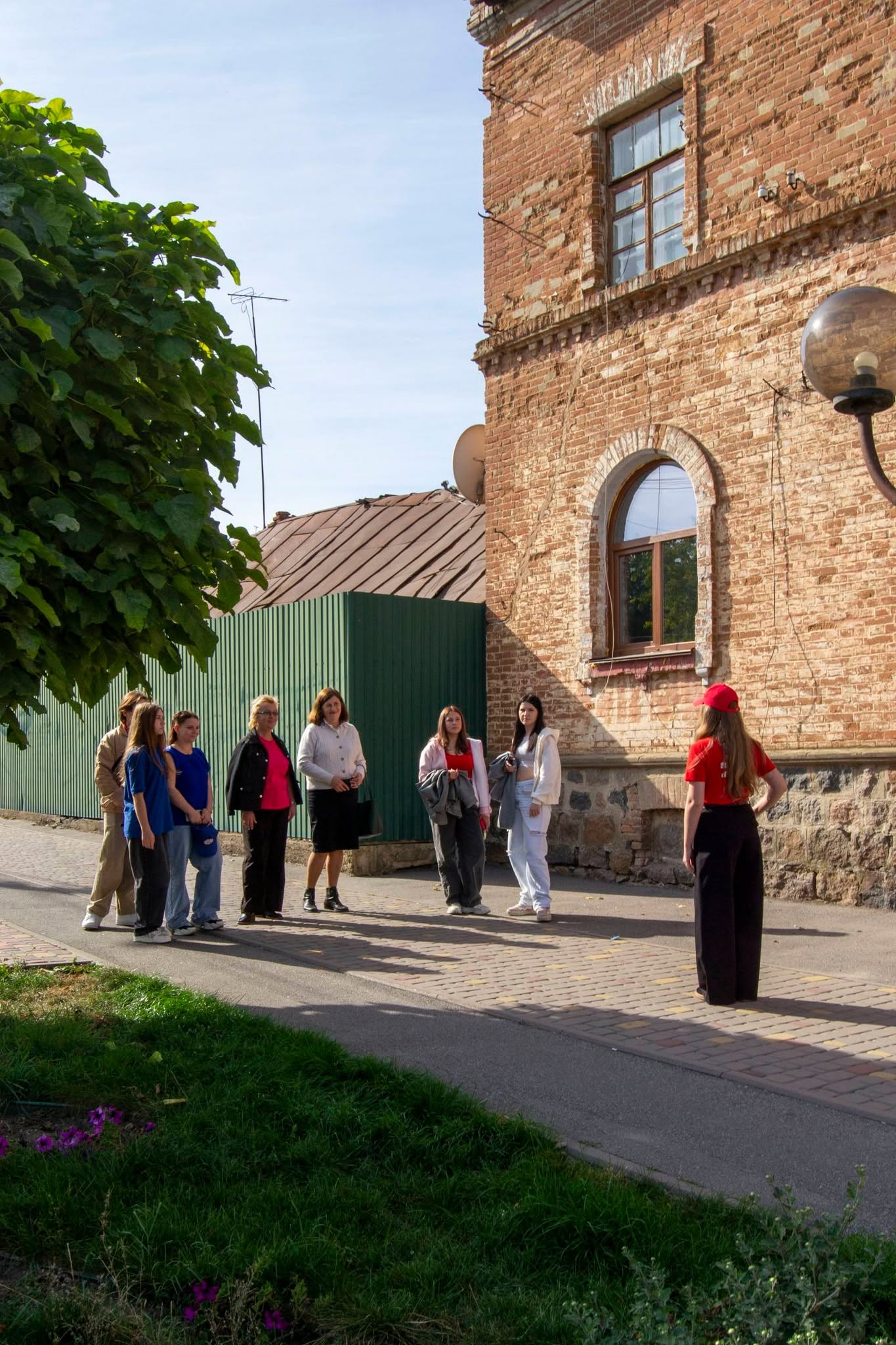
Before the trial run, the route existed mainly on paper: the municipality had developed it, discussed it, and worked out its logic and content. It was then explored as a real-life guided tour. The participants comprised 26 people, including lecturers and students from the Tulchyn Vocational College of Culture and representatives of Dyvokrai, a local NGO.
This audience was especially valuable to the team. The lecturers were able to assess the route from a professional perspective, whilst the students could evaluate it as future practitioners in tourism and the creative industries. The team examined whether the logic of the route was clear, whether the locations and stories changed dynamically enough, where the greatest interest lay, and what needed further refinement.
“Some things that seem obvious when you’re planning things out at your desk are perceived quite differently when you walk the route yourself,” says Nataliia.
Following the trial, the municipality received specific suggestions for improvements, ranging from the presentation of individual narratives to the overall tourist experience. Young people have joined the process, with the municipality creating the route alongside future professionals who can continue to develop it.
Moving forward: from a route to a tourist magnet
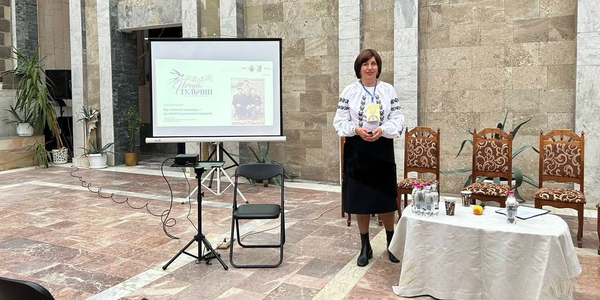
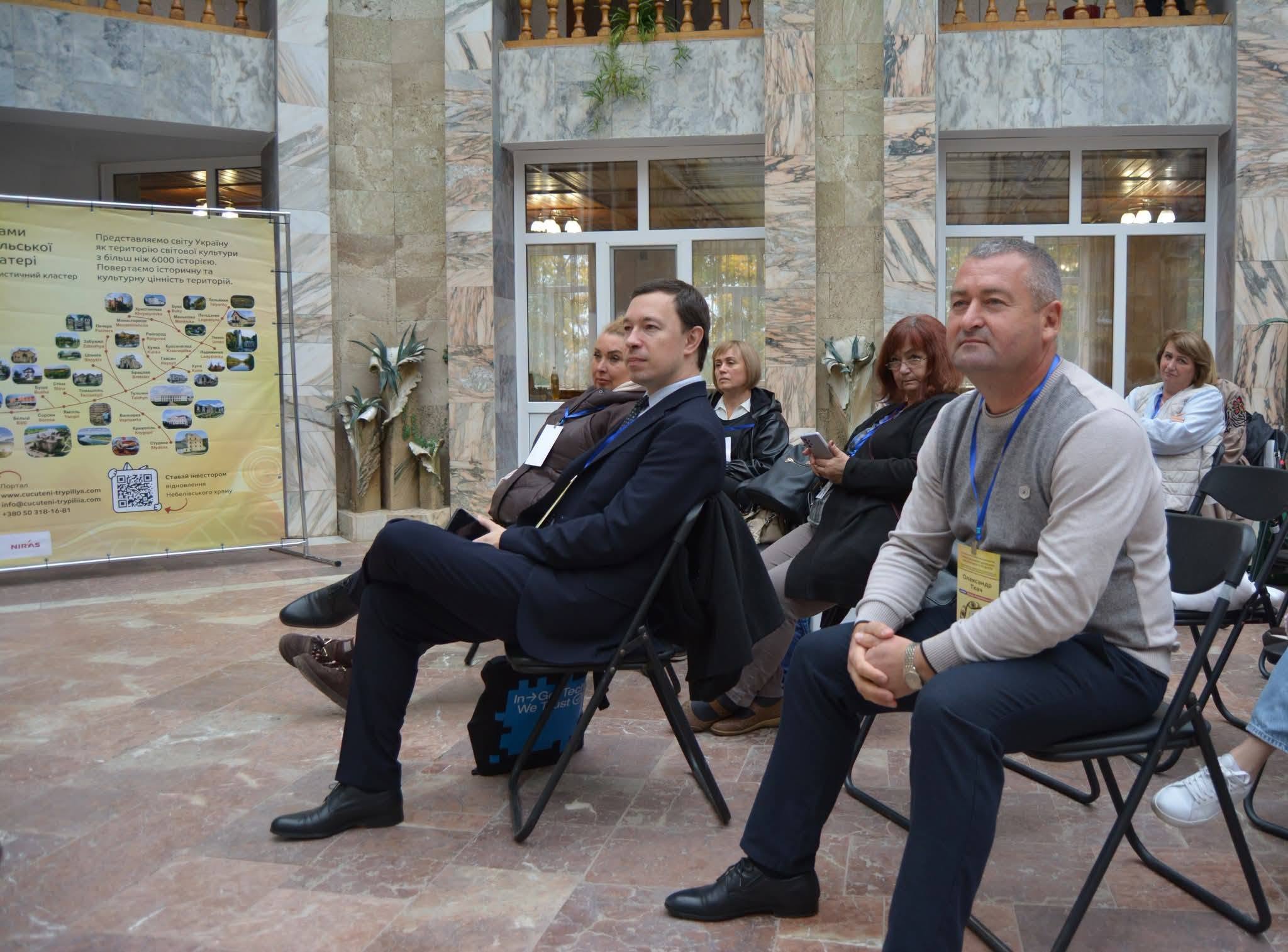
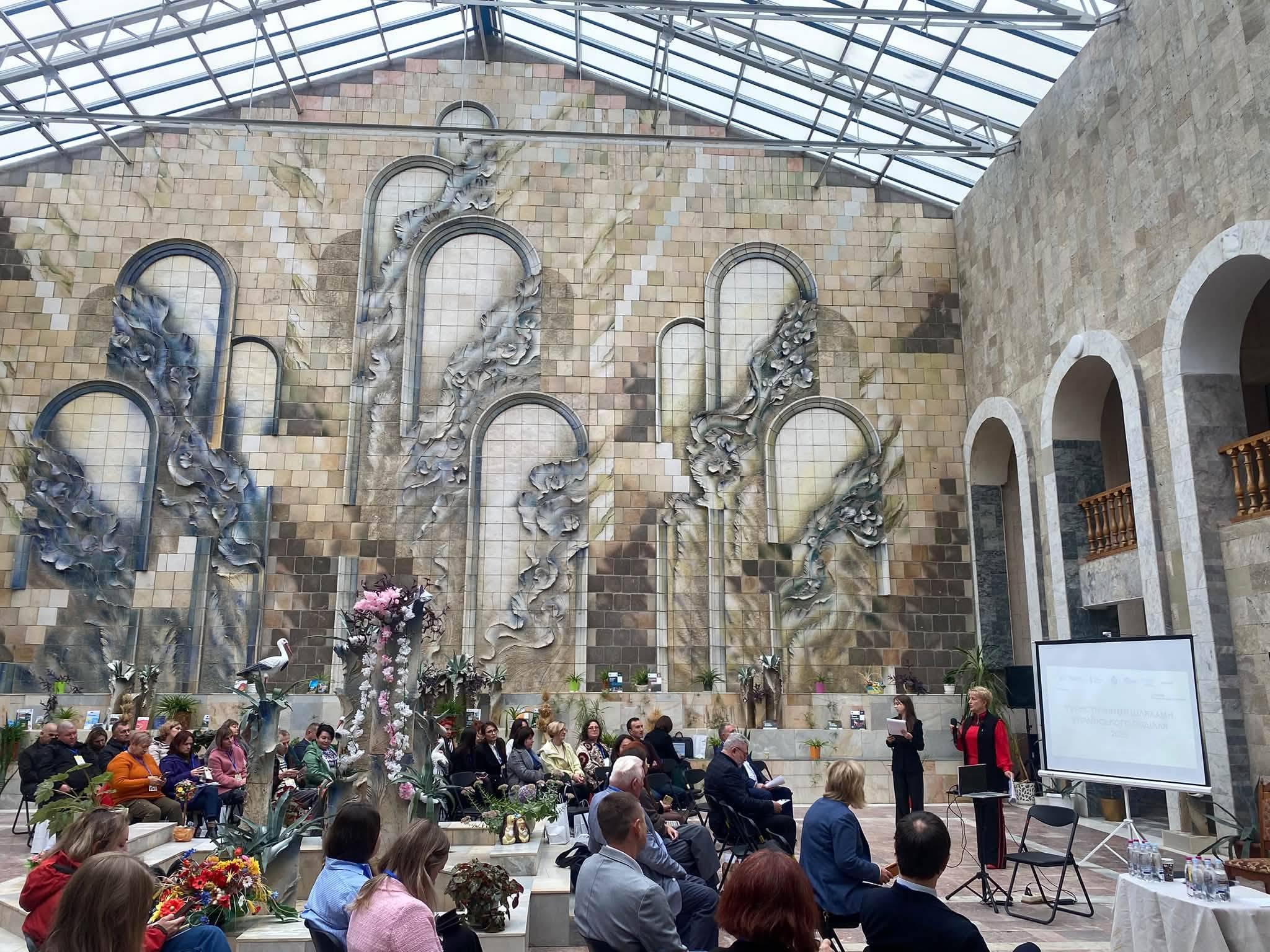
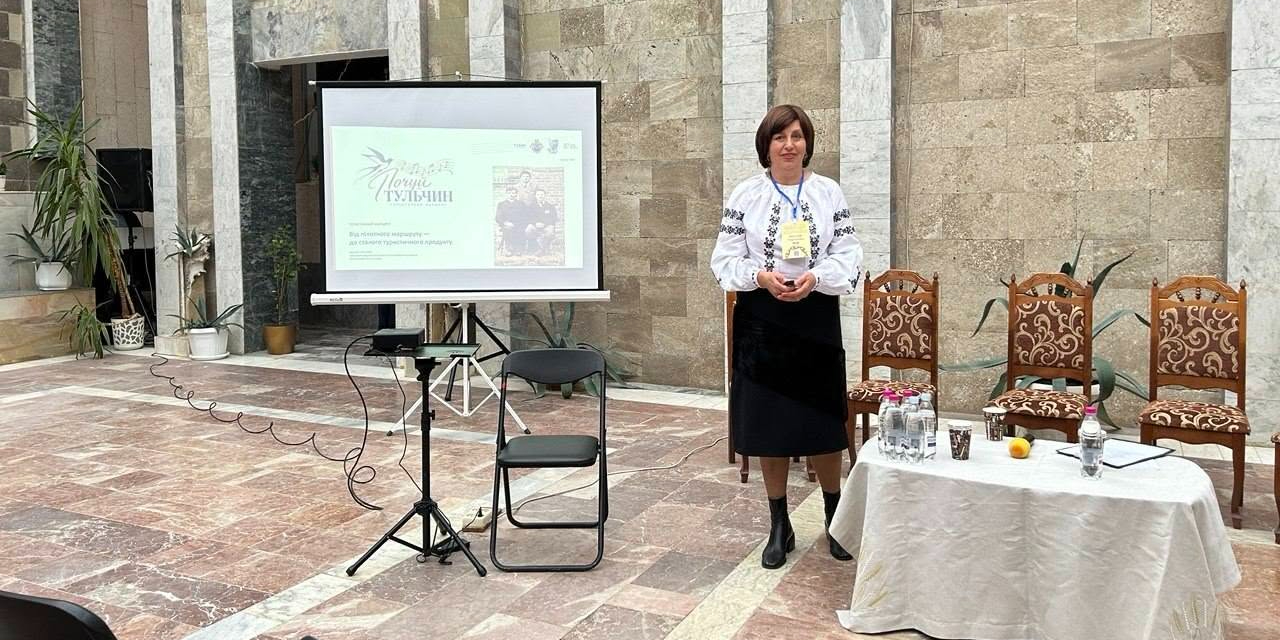
The Hear Tulchyn project is currently in the finalisation stage and preparing for launch. The team needs to finalise the navigation, create high-quality digital content, and establish a network of partners and an organisational model. On 16 October, the team presented the route and the process behind its creation at the 4th Tourism and Economic Forum “Tourist Routes of the Ukrainian Podillia” in Lypivka, Tomashpil municipality.
Going forward, the municipality plans to develop various formats of the route, including options for individual travellers, groups, schoolchildren and families, and, in the long term, for visitors from other regions and the Ukrainian diaspora. To this end, it is seeking partners amongst local businesses, museums, cultural institutions, tour operators and educational establishments.
Oksana Levkivska believes that the journey towards becoming a tourist magnet has already begun.
“The municipality has already set in motion the process of turning Hear Tulchyn into a veritable tourist magnet. The next step is to find a model for its practical implementation and an operator. This could involve collaborating with travel agencies, engaging interested local businesses, or utilising the capabilities of the tourist information centre, provided it has the necessary resources. Alongside this, it is essential to actively promote the route, build its brand recognition and attract partners who will ensure a high-quality tourist experience. The route becomes a real draw not when it has been developed and tested, but when it begins to offer tourists a unique experience, one that makes them eager to visit, recommend it to others and return again,” she explains.
“Here, the municipality’s role is not to operate the route, but to create favourable conditions for its operation: to provide the necessary infrastructure, bring together local businesses, and engage artisans and service providers who will enrich the route with meaning and emotion. It is important not simply to show tourists interesting places; you need to give them the opportunity to hear, feel, try something for themselves and experience that very ‘wow factor’. This synergy between the municipality, entrepreneurs and local custodians of unique heritage is what transforms a route from a tourist concept into a magnet for local economic development,” adds Oksana Levkivska.
Attached images:
Tags:
Область:
Вінницька областьГромади:
Тульчинська територіальна громадаSource:
Програма U-LEAD
26 November 2026
Experience of French communities for Ukrainian...
French municipal experts can help train Ukrainian project managers who will assist communities in developing projects...
26 November 2026
Як громадські організації можуть підсилити муніципалітети у проєктах Interreg
Як громадські організації можуть підсилити...
Фонд Східна Європа та організація Cities4Cities запрошують вас 8 грудня долучитися до презентації звіту "Участь ОГС в...
26 November 2026
‘The idea kept ringing in my head for about ten...
Lepetykha already has twelve trained volunteers, protective equipment, and an officially registered volunteer fire...
26 November 2026
DECIDE and Ministry of Education and Science...
On 20 November, Lviv hosted the Forum “Reform of Specialised Senior Schools: Opportunities and Challenges for...