How relocation of businesses and government bodies impacts small communities in Ukraine
Online media about eastern Ukraine “Svoi.city” spent six months investigating how in the context of a full-scale war, the relocation of businesses, and government institutions changes small communities in Ukraine. Journalists visited Kyiv, Lviv, Volyn, and Khmelnytskyi regions and examined six different cases of relocation – ranging from a small restaurant business and a farm to a large industrial enterprise and a public hospital.
‘Our main aim is to find out how businesses from eastern Ukraine and the frontline regions are adapting to their new locations. The focus was not only on the stories of relocation, but also on what happens afterwards: how to find new premises and staff, whether it is worth transporting all the equipment, how business models are changing, what difficulties arise in relations with local communities, and what the cities and villages that host relocated people and organisations gain,’ says Svoi editor Olha Yatsyna.
The research showed that host communities view relocated businesses not merely as new taxpayers. They also bring jobs, orders for local suppliers, new residents and services that may not have existed before.
The experience of business relocation
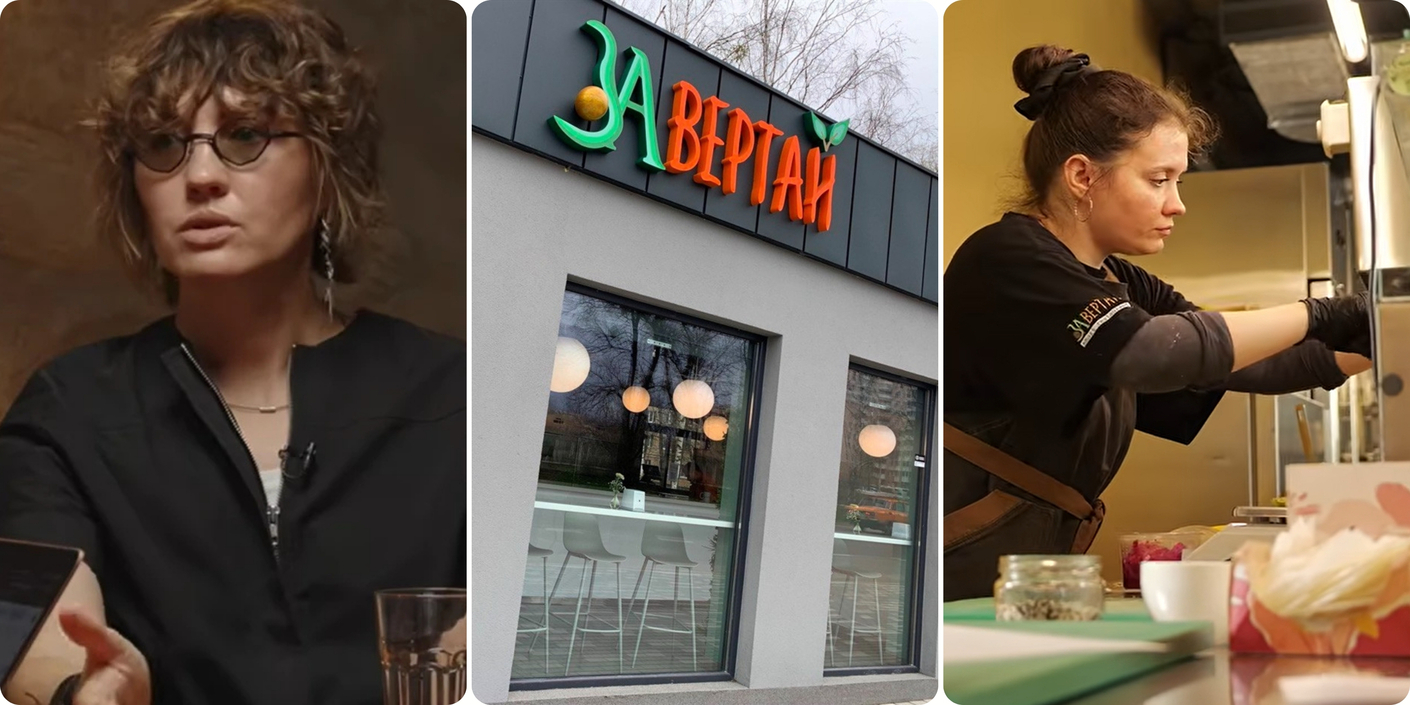
Svoi visited Iryna and Oleksii Honcharov, who, after losing their bakery in Luhansk region, opened the “Zavertai” smart restaurant in Bucha. The new business was not simply a replica of the old one – the entrepreneurs adapted the concept to suit the needs of the new city. Launching the restaurant cost around USD 70,000, approximately 30% of which came from their own funds, and the remainder was raised through grants and international support.
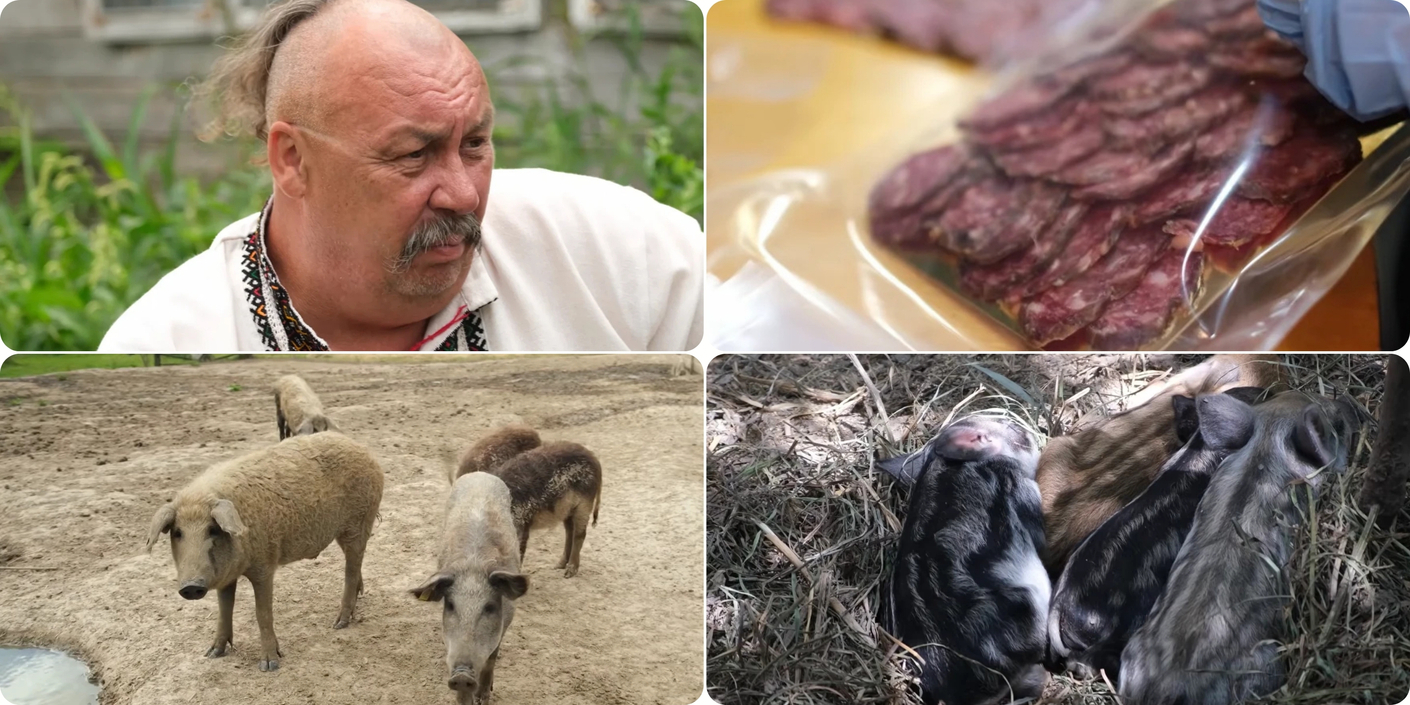
In Volyn region, the team visited farmer Serhii Svyrydenko, who had brought 150 goats, a mini-tractor, and some equipment with him from Donetsk region. However, after the move, it became clear that the old model of the farm could not be sustained. Due to a shortage of workers, Serhii gave up goat farming and switched to pig rearing and meat processing.
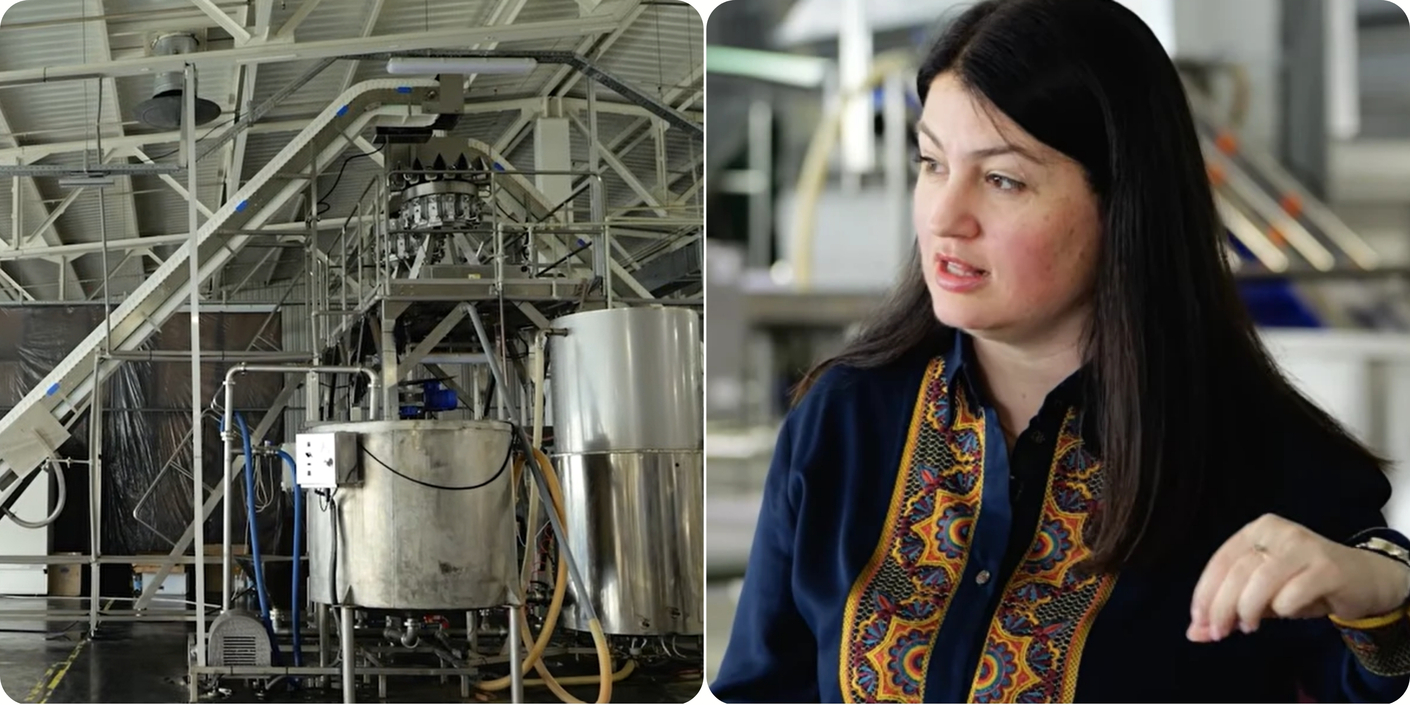
One of the families that have reorganised their production is the Bubnovs from Mariupol. Before the full-scale war, they were expanding their food production: they made vegetable salads, fermented and pickled products, vegetables for supermarkets, and, from 2021, frozen cream soups. After the outbreak of hostilities, the Bubnovs’ “Azovska Kukhnia” and their warehouses were destroyed.
The family began building their new business in Slavutych. This is where “Nova Kukhnia” was established – a production facility for ready meals in retort pouches that do not require refrigerated storage. The company can produce around 3,000 portions in a single shift, with a team of 15 people. Some of the raw materials are sourced from local producers, and Maria Bubnova herself has become involved in community life and serves as one of its ambassadors to other entrepreneurs.
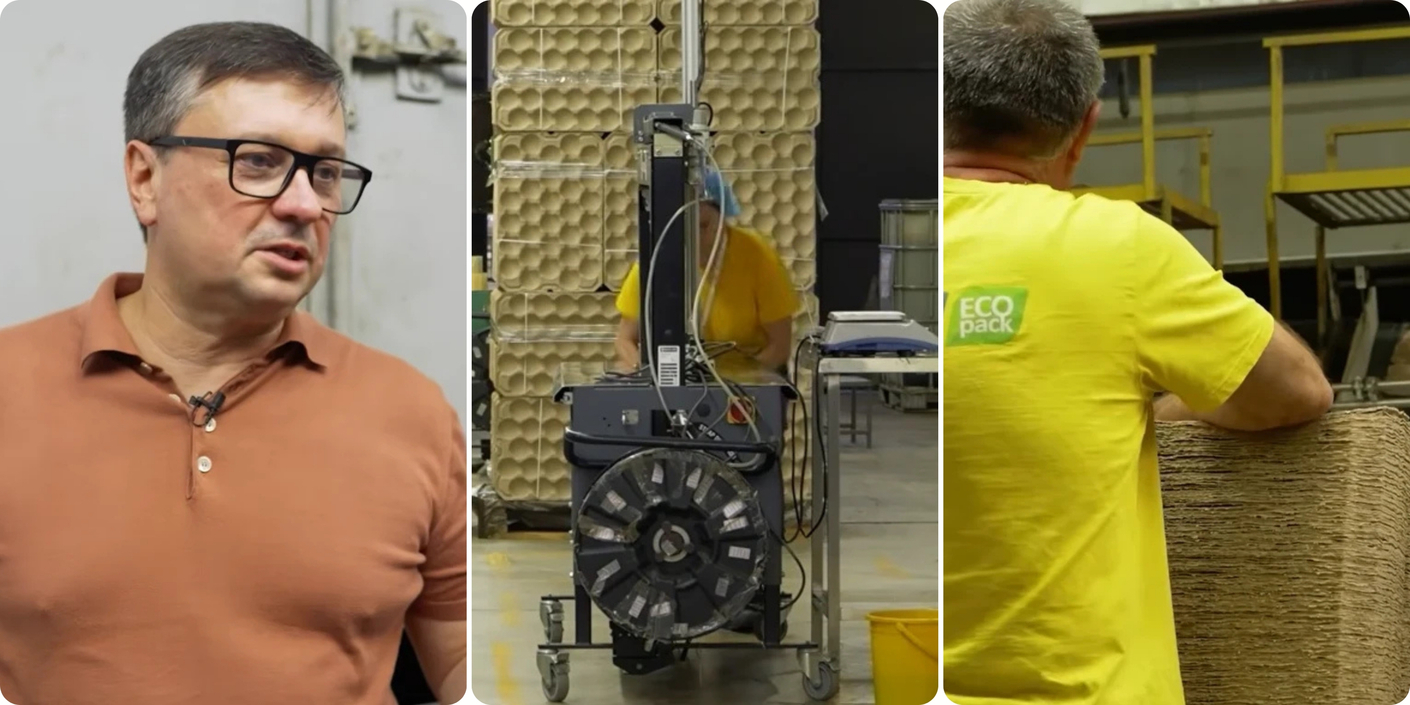
Another major relocation involved SEM Ecopack. The eco-friendly packaging manufacturer moved from Dnipropetrovsk region to Lviv region. Along with the equipment, key specialists moved with the company and passed on their expertise to the new team. The company now employs over 400 people. After the move, the company increased its output, modernised its production facilities and was able to establish cooperation with the European market.
For heavy industry, the prospect of relocation proved to be considerably more challenging. The owner of Donbas Ceramic Masses Viktor Levit, explained that after russian strikes, the Zeus Ceramica factory in Sloviansk was completely destroyed, whereas Donbas Ceramic Masses was more than half destroyed. Back in 2022, he managed to remove the equipment and set up operations at a workshop in Kyiv region. The businessman estimates the capacity of the relocated enterprise at 10% of its former output. It is impossible to restore Zeus Ceramica.
The experience of relocating a medical facility
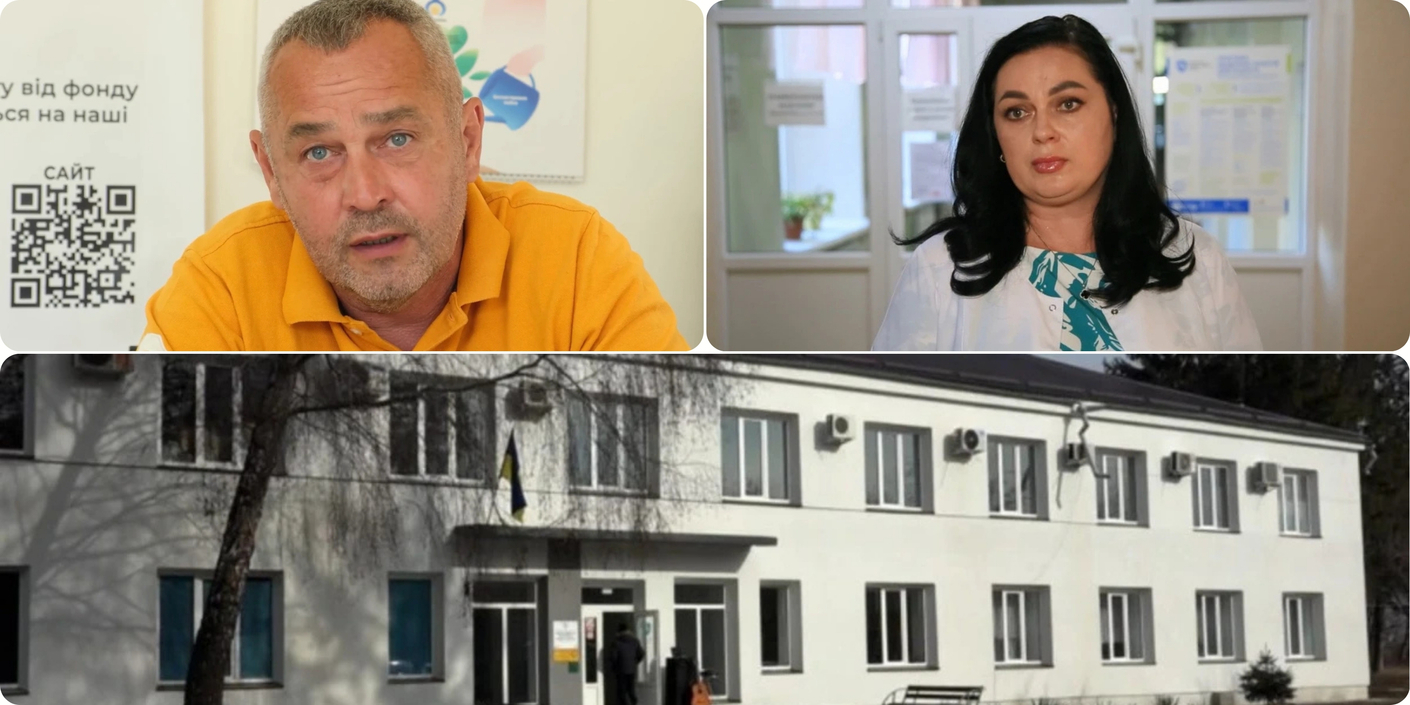
A separate part of the study focused on the experience of the Myrnohrad Central Hospital, which, as the front line drew nearer, gradually evacuated its most valuable medical equipment and part of its staff from Donetsk region.
Their new base became the premises of the former district hospital in Orynyne, Khmelnytskyi region, which had stood unused for several years. Over UAH 20 million was spent on renovating the main building. Charities, local businesses, farmers, the Myrnohrad Military Administration, the hospital itself, and members of the local community all contributed to the restoration.
During its heyday in Myrnohrad, the hospital employed around 600 people; after the relocation, the staff now numbers approximately 130. Some of the doctors moved from Donetsk region, whereas nurses and junior medical staff were recruited locally. The hospital specialises primarily in urology and surgery, and also offers gynaecology and general medicine. Patients travel to the hospital from several regions, and for residents of the surrounding villages, medical care has become much more accessible — previously, they had to travel 50 kilometres for certain services.
What communities gain
‘Even a single person sets many economic processes in motion: they use delivery services, other services, and have things repaired. And if that person runs a business that also employs people, this reduces the burden on the employment service and the local budget. The economy influences all aspects of the city’s life.
Slavutych warmly welcomes displaced persons. They integrate quickly into the community and take part in many activities. The Bubnovs are a very active family: Mariia belongs to the public council under the executive committee and the entrepreneurs’ council under the mayor,’ says Nataliia Hantimurova, Secretary of the Slavutych City Council.
The relocation of the Myrnohrad Hospital to Khmelnytskyi region has enabled people to receive medical care without having to travel dozens of kilometres. Moreover, local medical staff have found employment here.
‘I am delighted that I had the opportunity to play a part in bringing medical services back to this building, which had been turning into nothing more than a ruin. A very good hospital operated here for many years. And now medical care has returned here once more.
The building has been restored, beautifully renovated, and excellent conditions have been created – the sort you will not find in every hospital in the area. Another point is that the building has been preserved, and new life has been breathed into this area and this building. Local people who previously worked at that hospital for some time as orderlies, nurses, junior medical staff or support staff have also returned here and found work. That is important too. Institutions of this type immediately enhance the appeal of the area and the community,’ says Anatolii Tymchuk, Head of the Stara Ushytsia Community.
30 October 2026
Stronger together: How clusters change regions’ economies
Stronger together: How clusters change regions’...
Rehabilitation does not end in the facility. A person’s journey to recovery continues in the community, in the...
30 October 2026
«Середа з U-LEAD»: каталог інформаційних заходів для громад на листопад 2026 року
«Середа з U-LEAD»: каталог інформаційних...
У листопаді Програма «U-LEAD з Європою» проведе серію відкритих інформаційних заходів для представників органів...
30 October 2026
Expert of NGO Foundation for Support of Reforms in Ukraine
Expert of NGO Foundation for Support of Reforms...
In times of uncertainty, the importance of trust grows. It often remains the invisible link that brings together...
30 October 2026
Humanitarian buses to be used for suburban and intercity transport: Verkhovna Rada passes law
Humanitarian buses to be used for suburban and...
On 29 October 2026, the Verkhovna Rada of Ukraine passed, at second reading and as a whole Law No. 15102, which...