Ukraine’s European Path Is Being Built in Communities: Interview with CoR President Kata Tüttő
Ukraine’s recovery is not simply about restoring destroyed buildings and infrastructure. It must give communities the opportunity not merely to survive, but to shape their own future, attract investment, create employment and bring people home. It is at the local level that European integration takes on practical meaning through the capacity of local leaders, partnerships, high-quality public services and decisions that respond to the needs of individual communities.
The Decentralization Portal spoke with Kata Tüttő, President of the European Committee of the Regions, about the role of local communities in Ukraine’s recovery and European integration, the opportunities offered by the EU’s Cohesion Policy, and cooperation between Ukrainian and European cities and regions.
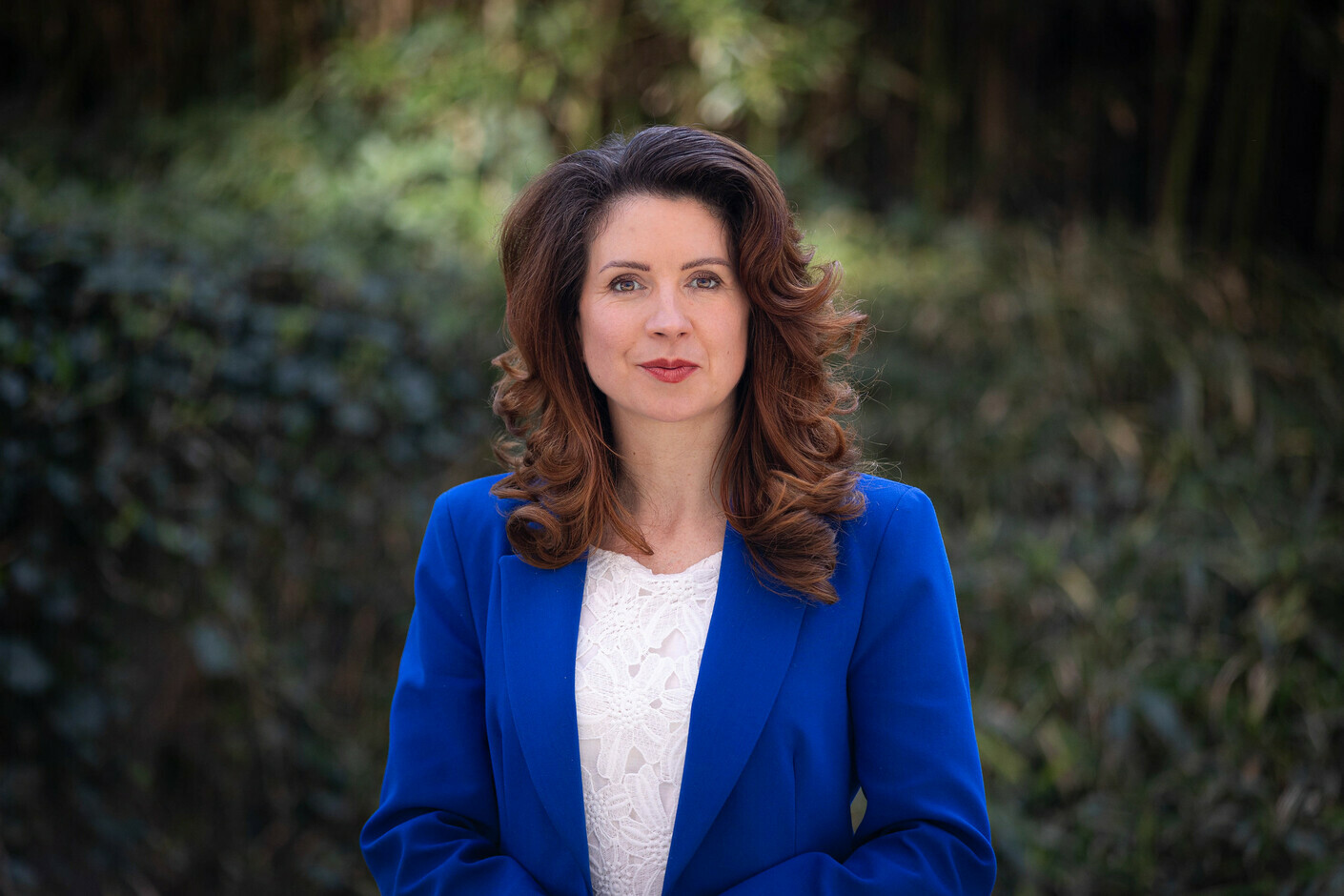
Kata TÜTTŐ
Copyright © European Union / Giedre Daugelaite
Kata Tüttő is a Hungarian politician, economist and public servant with over two decades of experience in local government, European policy-making, and urban sustainability. As of February 2025, and until the summer of 2027, she serves as president of the European Committee of the Regions (CoR), which represents local and regional governments from across Europe. Ms Tüttő's leadership at the CoR is focusing on strengthening the role of cities and regions in shaping the EU’s future as well as its social, economic, and territorial cohesion. At the same time, she remains a member of the Budapest City Council.
Previously, Ms Tüttő served as the deputy mayor of Budapest from 2019-2024, overseeing climate adaptation, waste and water management, public transport, and utility services. She played a crucial role in making Budapest more sustainable and resilient, advocating for green investments and inclusive urban development. Currently, she chairs the supervisory board of the Budapest Waterworks Company and the Budapest Sewage Works Company, that are public-owned companies.
A long-time advocate for climate action, Ms Tüttő has been chair of the CoR Commission for the Environment, Climate Change and Energy (ENVE) and rapporteur for key opinions relating to the European Green Deal, the Covenant of Mayors, climate and gender equality, the circular economy and energy poverty. She has represented the CoR at global climate summits, including the United Nations Climate Change Conferences (COP27 and COP28). Since 2022, Ms Tüttő has also represented the Hungarian Socialist Party (MSZP) as part of the PES Presidency and serves as a board member of the Progressive Alliance.
She holds academic degrees in economics, international relations, and finance from Hungarian universities.
Madam President, in June you visited Kyiv and spoke with representatives of the Ukrainian authorities about reconstruction, decentralisation and Ukraine’s path towards the EU. What impressions did you take away from your visit about Ukrainian local communities and regions?
I visited both Kyiv and Uzhhorod. My strongest impression was of a functioning country, with local leaders keeping everyday life going under extraordinary pressure while planning for the future.
In Uzhhorod, we discussed housing and economic needs following the arrival of displaced people, better connections with Hungary, industrial development and cooperation across borders. I met capable regional leaders with concrete ambitions.
With Mayor Klitschko in Kyiv, our discussion was very familiar to me from my responsibilities in Budapest: public transport, waste management, district heating and keeping essential services working. That attention to everyday life stayed with me. Maintaining a functioning city during war takes enormous effort, and it gives people some continuity and confidence.
Ukraine is rebuilding while the war is still ongoing. Why is it important that local communities should not only implement reconstruction projects, but also have a say in setting recovery priorities?
This is closely connected to our discussion in the EU about the Right to Stay. Local leaders have a strong stake in seeing a future for their community. They know its strengths, understand what is changing and have the ambition to develop new opportunities.
Reconstruction needs that knowledge. Homes, jobs, schools and transport have to work together if people are to stay or return.
Every level of government has a role. But we have enough experience of centrally planned industrialisation and urbanisation to understand the risks of designing a community’s future without involving it. Local leaders need real influence over priorities, alongside responsibility for delivering them.
European cohesion policy takes into account the specific characteristics and needs of individual territories. How can this approach help Ukraine avoid applying the same solutions to very different communities?
Cohesion Policy is a regional policy. It works best when local and regional leaders can shape investments around their territory’s needs and strengths.
It helps regions navigate industrial, digital, energy, climate and demographic change, connecting common European goals with local choices. It invests in the connections between places, in people’s skills and in local economic ecosystems, including small and medium-sized businesses.
That matters for competitiveness: every territory should have an opportunity to develop its capabilities and participate in the single market. For Ukraine, the same approach means recognising that different communities will have different paths to recovery. A common national ambition needs room for those differences.
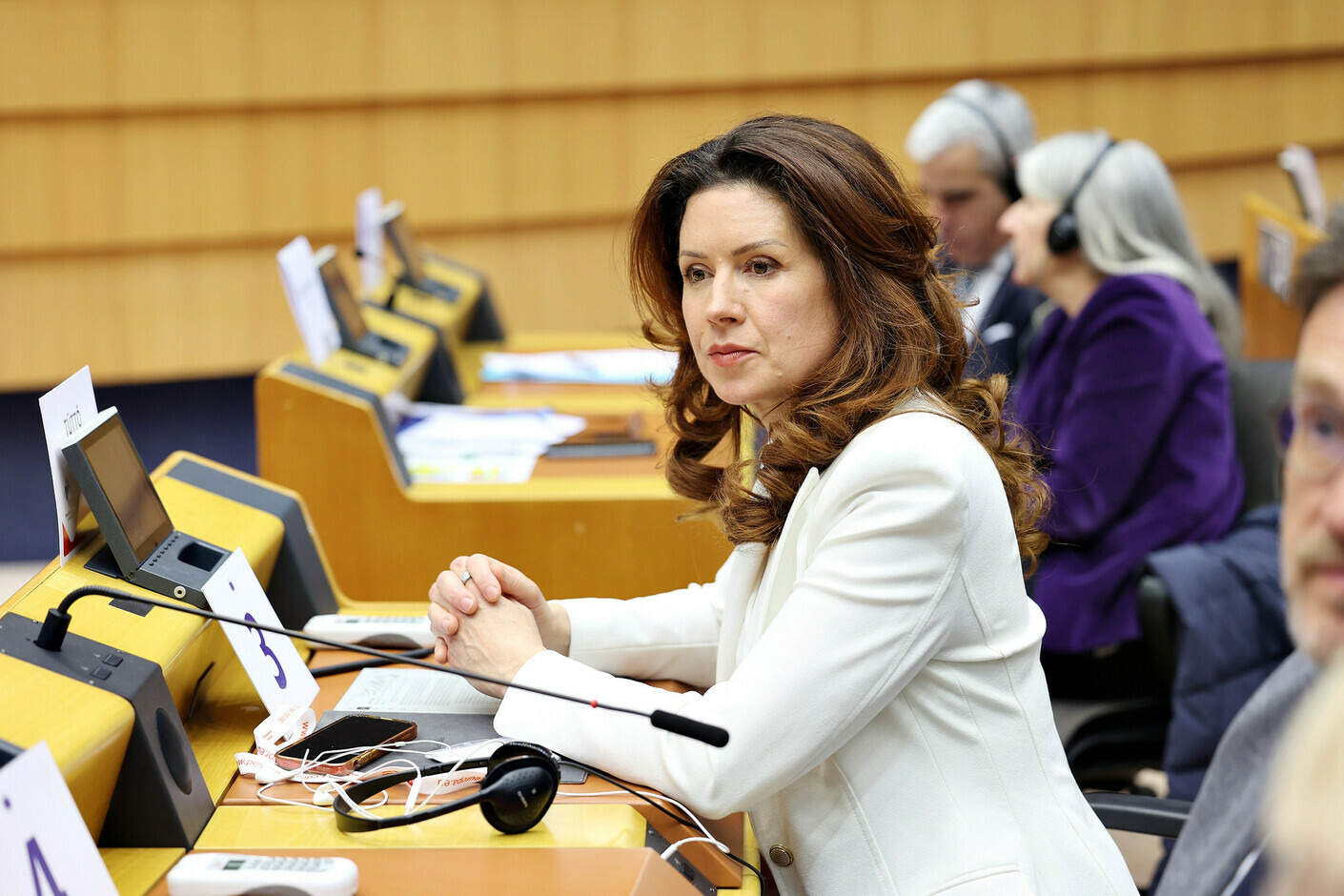
19 February 2025, 164th Plenary Session of the European Committee of the Regions
Copyright © European Union / Claudio Centonze
Which principles of European cohesion policy can Ukraine already apply, even before joining the EU?
Partnership is a good starting point: involve local and regional authorities while priorities are being developed, and give them clear responsibilities and the resources to act.
Another principle is to connect investments. Housing needs transport and services; support for businesses needs skills and reliable infrastructure. Individual projects should contribute to a coherent future for the territory.
Transparency also matters. People should be able to understand why an investment was chosen, how money is spent and what it delivers. These practices can be developed before membership, and they help build the capacity needed to use European funding well.
Ukrainian communities often have strong project ideas, but not always enough capacity or expertise. What kind of support from European cities, regions and institutions would be most valuable?
Many EU regions struggle with the same problem. Building a capable local administration takes time: you need people who can plan investments, prepare procurement, manage projects and maintain services afterwards.
Training and working alongside colleagues in other municipalities can help. This is the practical value of TIPS4UA, and cross-border programmes such as Interreg also offer opportunities to build knowledge through cooperation.
But it requires national commitment too. Local leaders need financial room to act, as well as administrative capacity. Cohesion funding is designed to add to national investment. It cannot compensate indefinitely for a lack of local resources.
Could Ukraine’s reconstruction become for the EU not only a programme of support, but also a shared space for developing new solutions?
Yes. Cities and regions across Europe are already experimenting with different combinations of policies. What works depends on local society, businesses, geography, traditions and the legal framework.
Local leaders follow each other’s work. We look at successes and failures, test ideas and adapt them. This is one of the strengths of a Europe organised as a network: knowledge can travel, while decisions remain connected to the place.
Ukrainian municipalities are part of that exchange. Their experience of adapting services and infrastructure under extreme pressure can contribute a great deal. Cooperation should give both sides opportunities to learn.
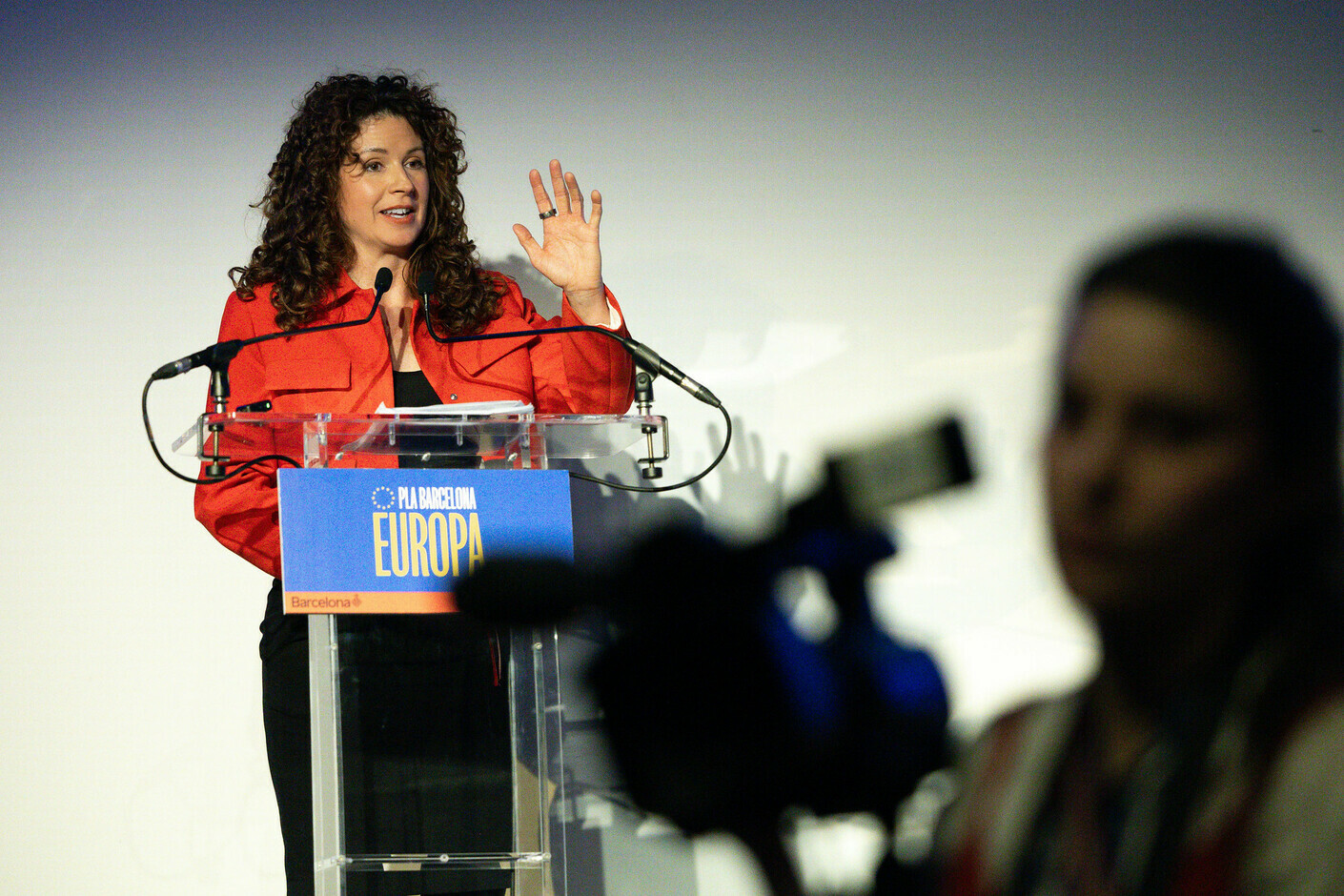
Plan Barcelona Europa24 March 2026
Copyright © European Union / Giedre Daugelaite
How do you see the role of the European Committee of the Regions in ensuring that the voices of Ukrainian communities and regions are systematically heard in Brussels?
Our role is to help Ukrainian local and regional leaders bring their experience directly into European discussions and find partners for practical cooperation.
The Ukraine Working Group, the European Alliance of Cities and Regions for the Reconstruction of Ukraine, and exchanges between administrations provide channels for that work. Ukrainian representations at our premises also help maintain contact in Brussels.
The practical test is whether these connections help communities raise a problem, reach the relevant people or develop a partnership. We should keep improving those opportunities and follow through on the conversations we organise.
What could be an effective format for a permanent dialogue between Ukrainian local communities, the Ukrainian Government, the Verkhovna Rada, the CoR and other EU institutions?
The planned Joint Consultative Committee can provide a useful structure. Its value will depend on how it works: regular discussions around concrete questions, with the people responsible for addressing them.
For example, where are municipalities encountering difficulties in preparing investments or implementing reforms? What needs to be resolved nationally, and where could European cooperation help?
There should be clear recommendations and follow-up. A permanent dialogue becomes useful when participants can see what happened to the issues they raised and return to them as work progresses.
Many Ukrainian cities and communities already have partnerships with municipalities in EU Member States. What would help turn these relationships into sustainable joint projects?
It is a learning process. Municipalities need time to understand each other, identify a shared priority and work out how to act on it.
A concrete project—on water, heating or public transport, for example—can help build administrative capacity as colleagues solve problems together. But that requires sustained attention, staff time, local resources and access to funding.
There is no secret recipe or guaranteed quick win. The human connection matters: knowing whom to call, being able to discuss a difficulty honestly and continuing to work together when progress is slower than expected. That is how partnerships become durable.
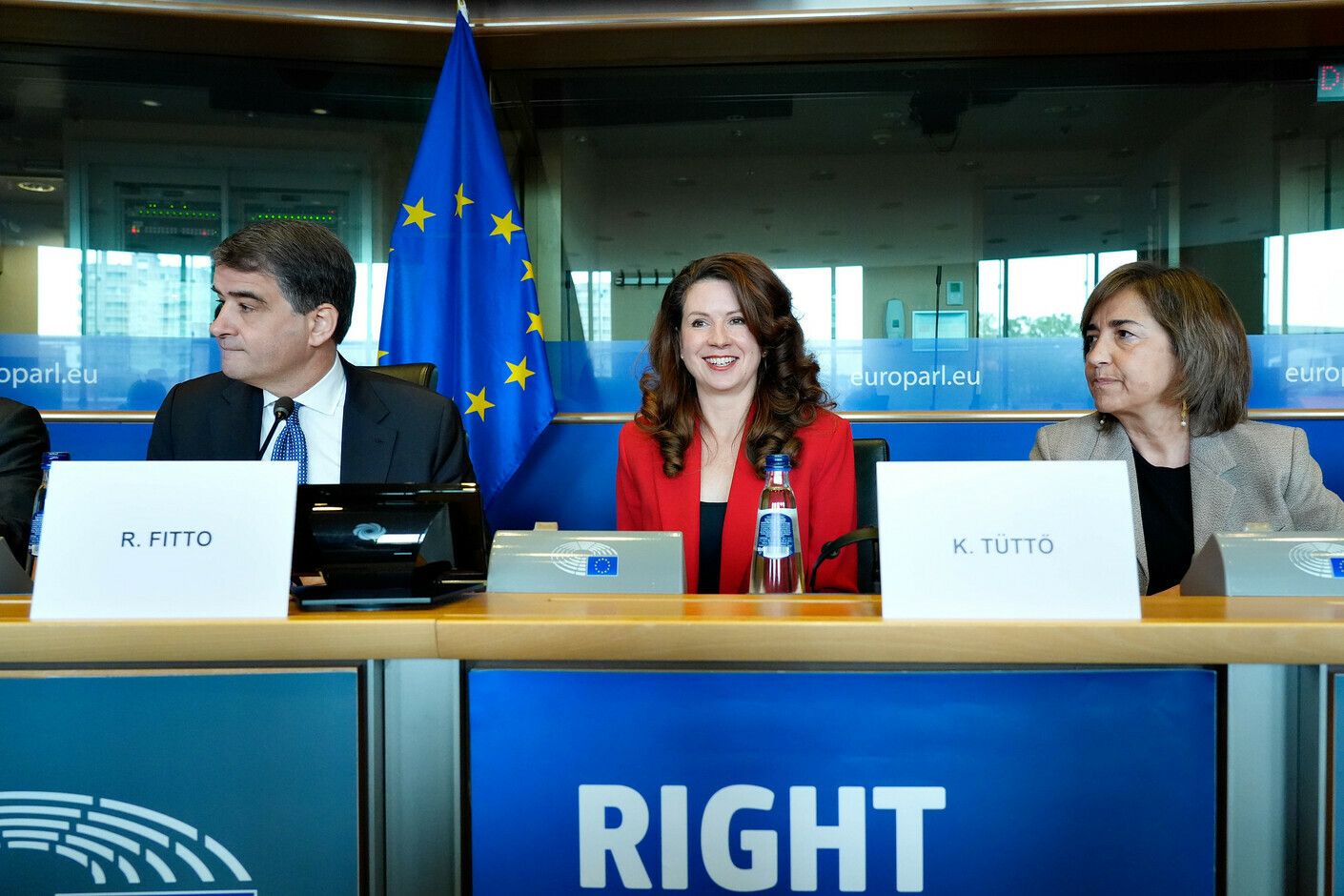
CoR President participates in the Right to Stay Strategy high level event
Copyright © European Union / Fred Guerdin
European municipalities have also experienced economic, energy, security and climate crises. Which lessons could be most useful for Ukrainian local government?
A few lines could hardly capture what municipalities have learned. But much of that experience is available in their published strategies on climate neutrality, energy and water resilience, ageing or gender equality.
These documents explain how a place understands its challenges, what it has learned and where it sees a path forward. They can be useful starting points for Ukrainian colleagues.
The next step is a conversation with the people doing the work: what succeeded, what proved difficult and what they would change. A strategy becomes more useful when you can ask about the experience behind it.
EU accession is often seen primarily as a process at national level. What needs to change so that local communities and regions become full participants in Ukraine’s European integration?
Preparation needs to start locally, through knowledge, administrative capacity and involvement in the reforms municipalities will help implement.
Integration also needs to become real for citizens and businesses. We should explain what access to the single market can bring, what preparation it requires and how local firms can develop the capacity to compete. Expectations need to be realistic.
Border regions have a particularly practical role. Cooperation between neighbouring municipalities, services and businesses can weave the fabric of Europe across borders. Those everyday relationships make integration tangible and build trust through working together.
How do you see Ukraine and its communities as part of the European family ten years from now, and what is most important not to lose along the way?
I would not try to predict where Ukraine—or Europe—will be in ten years. EU countries also face difficult choices in a world of growing disorder. Many citizens feel they have to run as fast as they can just to stay in the same place, while technology is transforming our economies and societies at extraordinary speed. I hope we preserve the determination I saw in Ukrainian local leaders to build a future together despite enormous uncertainty.
06 October 2026
Fiscal Decentralisation: 7 Hromadas selected for Partnership with the Polaris Programme
Fiscal Decentralisation: 7 Hromadas selected...
The Polaris Programme “Supporting Multilevel Governance in Ukraine” selected seven partner hromadas for...
05 October 2026
Органи влади запрошують організувати стажування...
ГО «Звитяжці» спільно з Національним агентством України з питань державної служби запрошує органи державної влади та...
05 October 2026
Де навчатимуться учні після 9 класу?
Де навчатимуться учні після 9 класу?
Майбутню мережу академічних ліцеїв України вже можна побачити на інтерактивній карті. На оновленому сайті «Реформа...
05 October 2026
Швейцарія спрямує 135 млн франків на вісім проєктів відновлення України
Швейцарія спрямує 135 млн франків на вісім...
Федеральна рада Швейцарії схвалила фінансування восьми проєктів із відновлення України, які реалізовуватимуть...