Accessible healthcare in rural areas: Experience of Bilotserkivka community
In small communities, quality medical care often seems like a luxury: there is a shortage of equipment, doctors, and opportunities for rapid diagnosis. Bilotserkivka community in Poltava region also faced these challenges, but thanks to the perseverance of the local team and the support of U-LEAD with Europe, it has gradually changed the situation.
Back in 2016, the community started its cooperation with U-LEAD. The first priority was administrative services: it was then, with the Programme’s support, that the community established one of the first modern Administrative Service Centres in Poltava region. The partnership subsequently expanded to include healthcare.
‘U-LEAD helped us map out a roadmap for the development of healthcare. As our community is small and resources are scarce, we wanted everything at once: both an inpatient ward and the latest technology. Yet, thanks to expert support, we realised that our first priority had to be ensuring high-quality diagnostics. This became the foundation for our next steps,’ recalls Ivan Leshchenko, Mayor of Bilotserkivka.
The community gained the knowledge and skills to identify and effectively use additional sources of funding, master project management, and prepare project applications, all thanks to its cooperation with U-LEAD. These skills have enabled Bilotserkivka to independently attract grant funding for the development of healthcare.
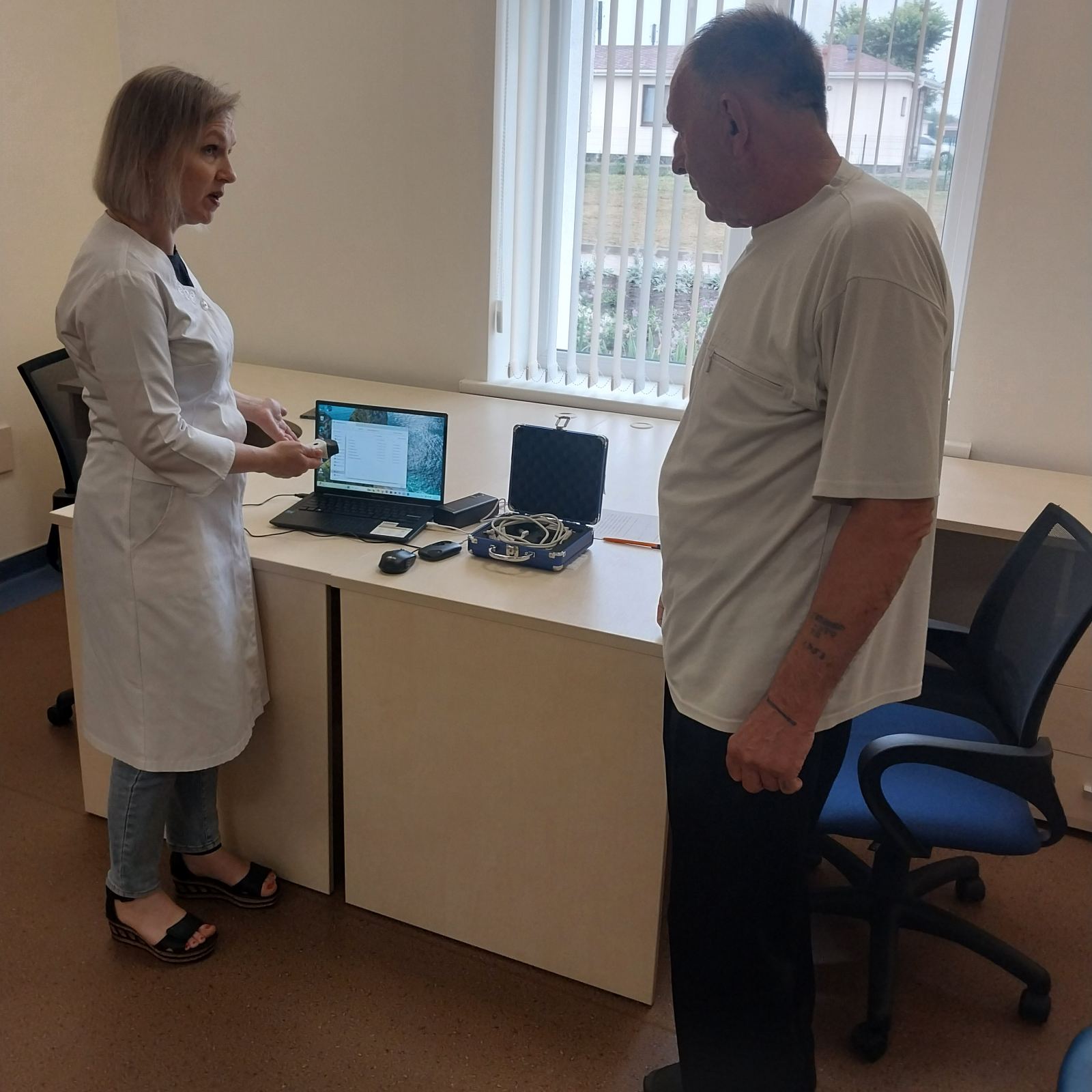
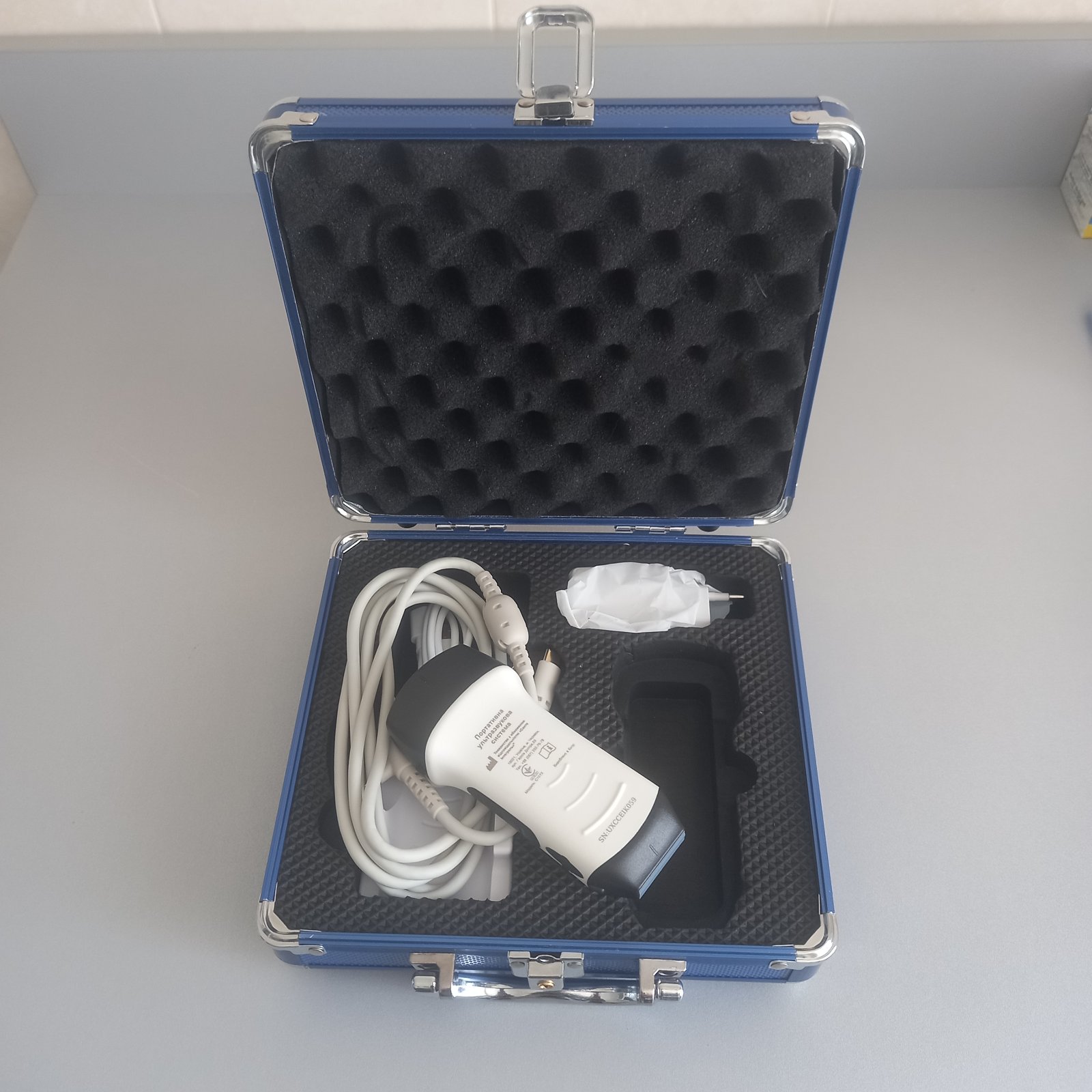
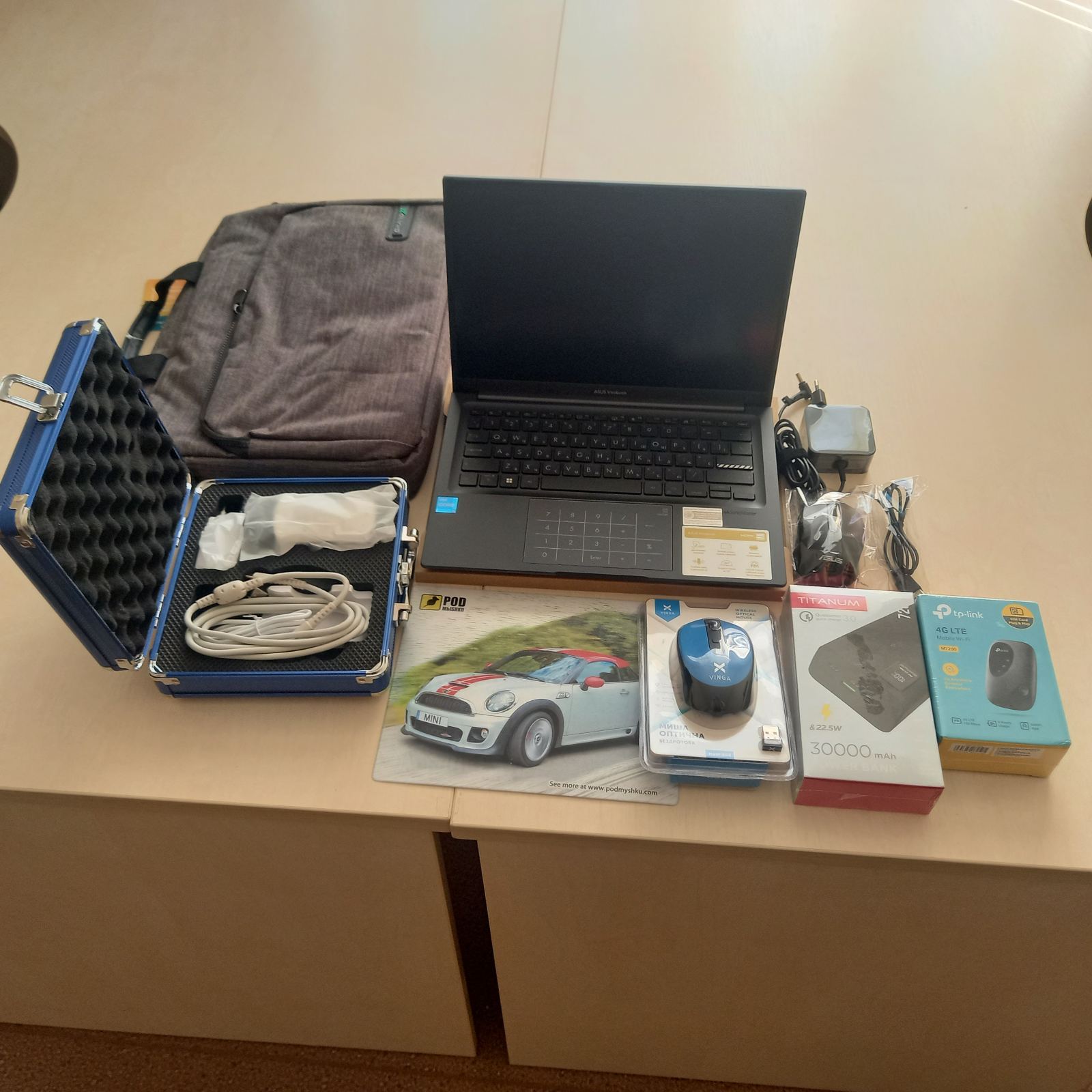
The first result of these efforts was a portable ultrasound scanner, which the community purchased thanks to a mini-grant, applying the knowledge they had acquired. With this equipment, a doctor can carry out a basic examination directly on site, even in remote villages.
‘This small sensor is handy to carry around. You connect it to a tablet or smartphone, select the relevant app – and you can examine the patient straight away. Ultrasound is not mandatory in primary care, but it is important for us to respond quickly to people’s needs and provide high-quality diagnostics without unnecessary trips to neighbouring communities,’ explains Maryna Yaremko, Director of the Primary Healthcare Centre in Bilotserkivka community.
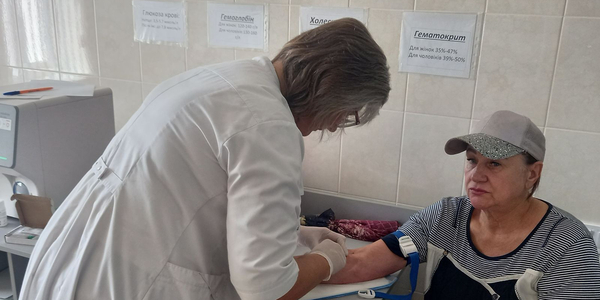
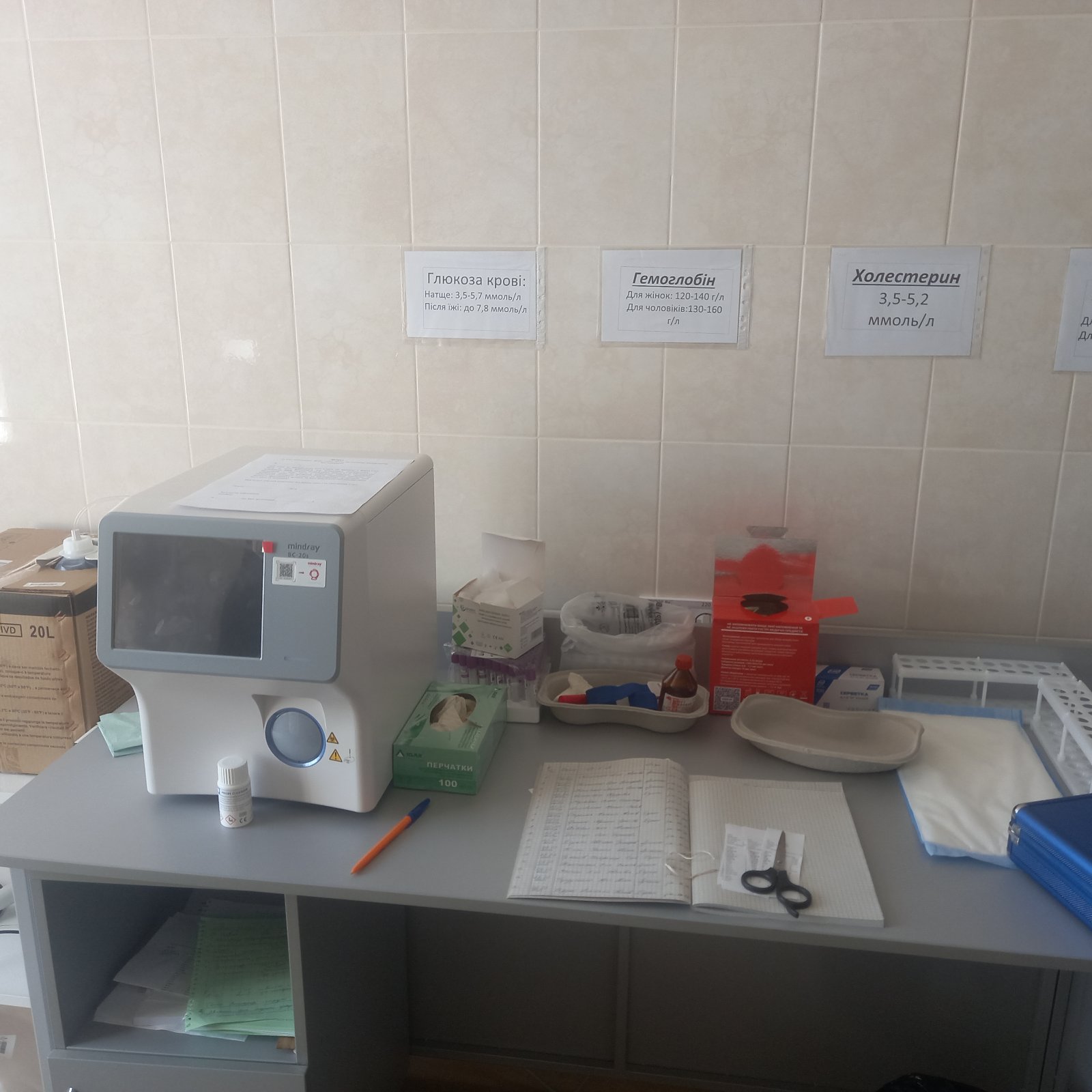
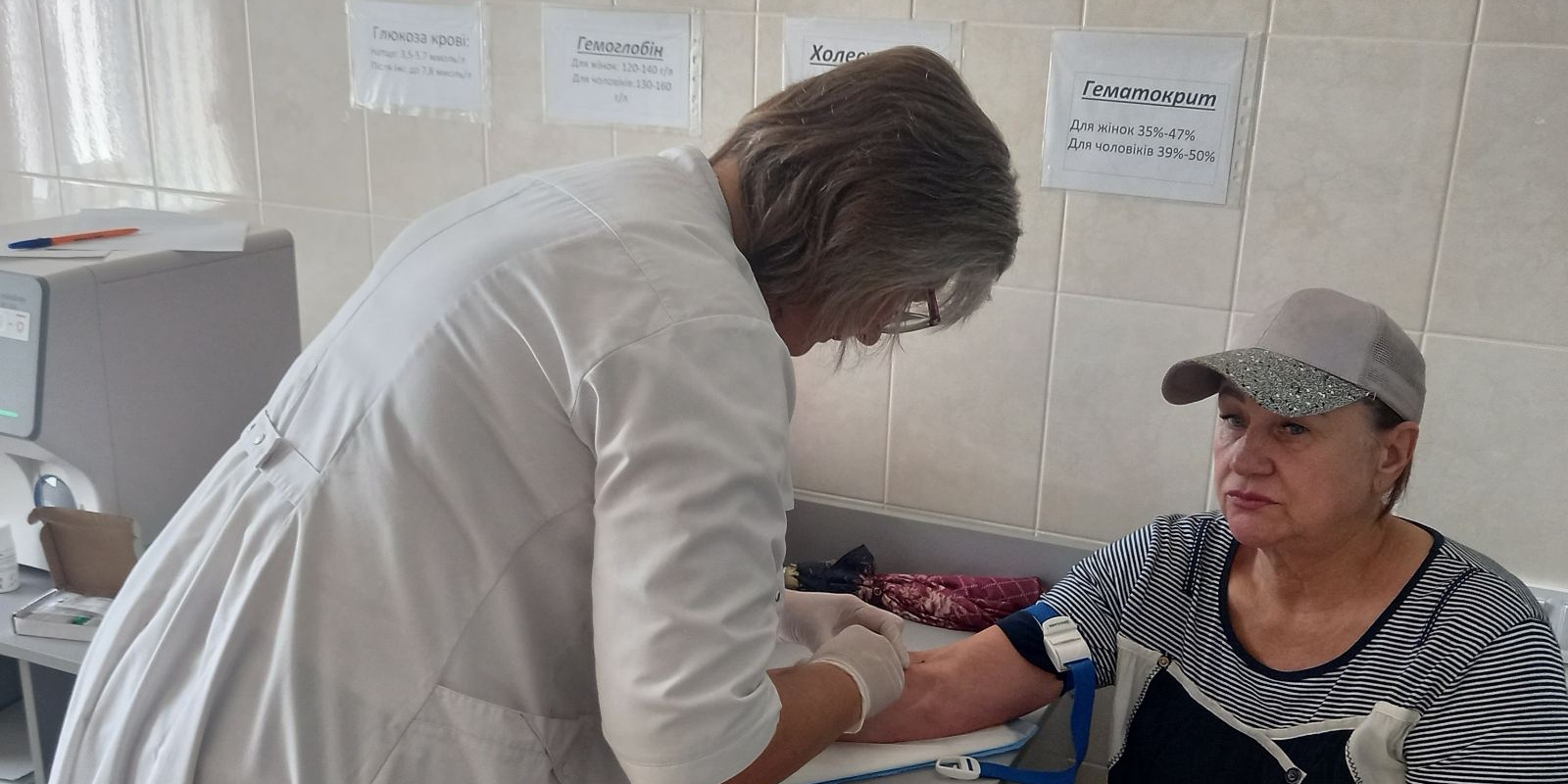
Another major breakthrough was the purchase of a modern haematology analyser. Previously, residents had to travel to a neighbouring community to have, for example, a blood test. Now, however, results are available free of charge within a few hours at their own clinic.
‘We used to pay a contractor for each test and spend tens of thousands of hryvnias a year. Now these funds remain in the community, and people have realised that Bilotserkivka offers the same opportunities as its neighbours. This is a huge step forward,’ says Maryna Yaremko, Director of the Primary Healthcare Centre.
With the help of a mini-grant, the community was also able to purchase a thermal massage bed for rehabilitation. It is in demand among both elderly people and war veterans, for whom high-quality rehabilitation services are especially relevant.
Nowadays, the community is working to modernise the outpatient clinic in Rokyta village, to expand the range of diagnostic services, and to provide medical staff with a mobile vehicle to visit the most remote villages.
‘Our community comprises 29 localities, the territory is quite large, the population is small, and it is difficult for some residents to get to the clinic in Bilotserkivka. Therefore, there is a need to provide medical services directly to people where they live,’ notes Ivan Leshchenko.
‘U-LEAD is always there for communities – not only in training, but also in the daily steps from project application to implementation. And our greatest source of pride is seeing how joint efforts transform into tangible results for people,’ concludes Iryna Balybina, Head of U-LEAD with Europe Regional Office in Poltava region.
Bilotserkivka community demonstrates by its example that even in small rural areas, it is possible to create modern healthcare facilities. The key is to identify priorities, work consistently, and engage partners.
Attached images:
Область:
Полтавська областьSource:
Програма U-LEAD
08 July 2026
Державна стратегія регіонального розвитку має...
У Міністерстві розвитку громад та територій України відбувся дводенний воркшоп, присвячений підготовці нового циклу...
08 July 2026
Мінфін: у I півріччі 2026 року до загального фонду місцевих бюджетів надійшло 287,7 млрд грн
Мінфін: у I півріччі 2026 року до загального...
Протягом I півріччя 2026 року до загального фонду місцевих бюджетів надійшло 287,7 млрд грн, що на 41,9 млрд грн...
08 July 2026
The future of specialised secondary education...
Last year and this year, four DECIDE expert teams, who work with communities across Ukraine, have been providing...
07 July 2026
Продовжено закупівлю на надання послуг експерта...
Громадська організація «Розвиток громадянських компетентностей в Україні» (ГО «ДОККУ») проводить запит цінових...