City of Ukrainian Glory. Interview with Serhii Bychkov, Head of Ochakiv City Council
Serhii Bychkov, a reserve lieutenant commander and Head of the Ochakiv City Council in Mykolaiv region, speaks about the thousands of square metres of bomb shelters beneath the city and about children born in the active combat zone
By Dmytro Syniak
On 24 February 2022, in Ochakiv, a small city with a population of 14,000, the day began with explosions that shook every house to its foundations. Later, in the first days of March, the russians seized the famous Kinburn Spit, on which three villages of Ochakiv community were located. However, they were unable to reach Ochakiv itself: it was defended by the 4-kilometre-wide Dnipro-Bug Estuary. russian troops also failed to approach Ochakiv by land: having advanced to within just 15 kilometres of the city, they were subsequently forced to retreat under pressure from the Ukrainian Armed Forces. Thus, Ochakiv remained de facto on the front line, cut off from its occupied villages, making Ochakiv community still the only partially occupied community in Mykolaiv region.
Almost from the very start of the full-scale war, Ochakiv has been living a very strange life. The strait is wide enough to prevent an invasion by the russians from the Kinburn Spit, but at the same time, it is not wide enough to seriously prevent their artillery strikes. Serhii Bychkov, Head of Ochakiv City Council, who has been in charge of the city since 2015, told Decentralisation how people are coping in such conditions.
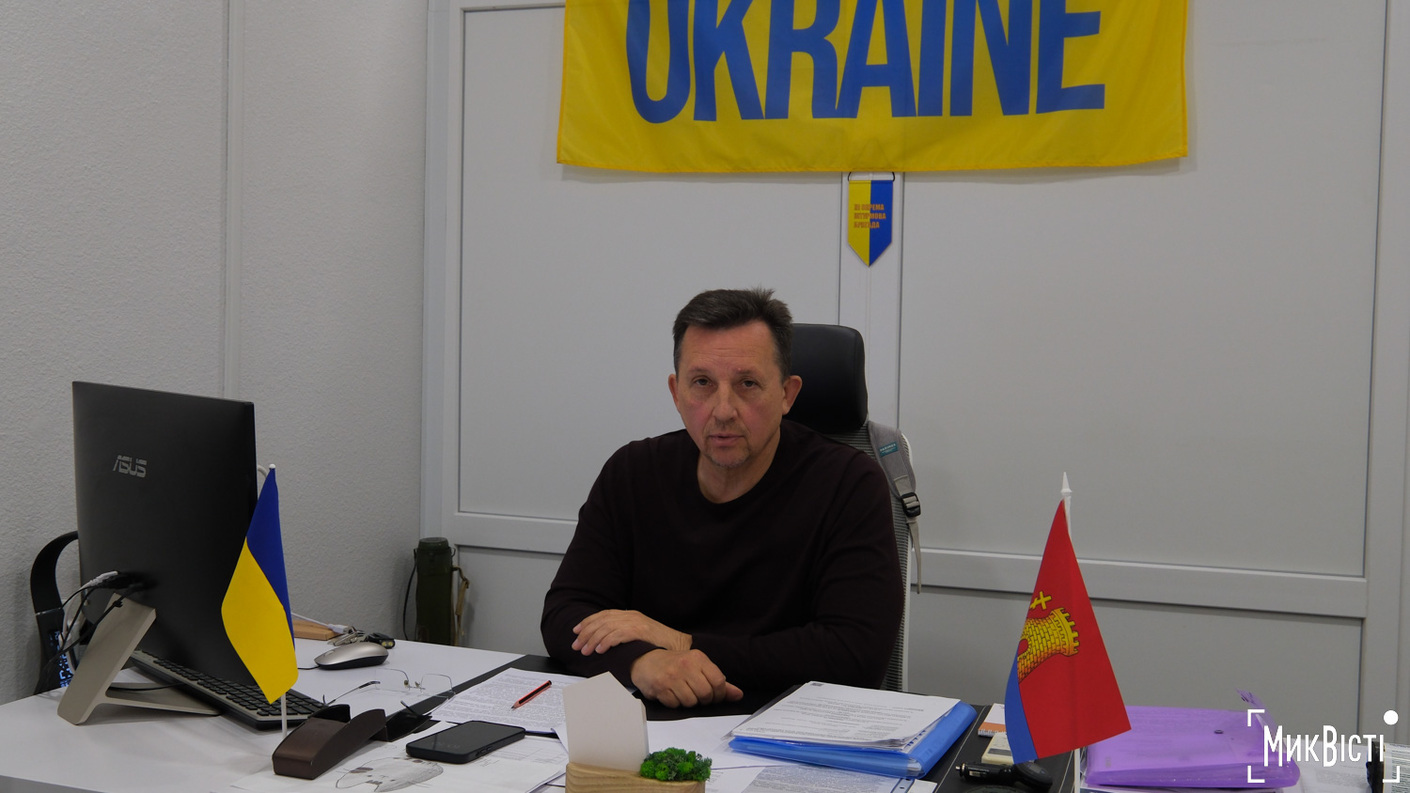
Serhii Bychkov, Reserve Lieutenant Commander, Head of Ochakiv City Council in Mykolaiv region
A dangerous city
Your community is both close to and far from the russians, whose positions lie across the strait on the Kinbur Spit. How dangerous is this proximity?
Very dangerous. It is almost impossible to shoot down everything coming in from the other side. Therefore, everything that can reach us ends up reaching us: not only rocket-propelled grenades and kamikaze drones, but also, for example, rocket-propelled artillery shells. For this reason, over the four years of this full-scale war, we have had 23 civilian casualties, and extensive destruction.
In April 2026, you told journalists that 80% of the infrastructure and housing in the frontline Ochakiv had been destroyed. Are you rebuilding all of this?
Nearly 5-10% of our housing stock and infrastructure has been completely destroyed. Overall, it is difficult to find a building in the city that is still intact. In fact, the city is still functioning because we are trying to repair the most critical damage: roofs, windows, floor slabs… But this is no easy task, because our community is classified as being in an active combat zone, and as a result, many donors refuse to work with us. Their logic is perfectly reasonable: why spend money on repairs that might be destroyed the very next day? Today they repair a roof, and tomorrow it is blown away by a blast wave. But we are still here. We exist. We have not fled abroad. So our people deserve to receive all necessary services and be as protected as possible from russian attacks. Some donors, such as the Red Cross, understand this and help us. Thanks to this support, we are able to perform the most critical repairs or find construction materials for people.
Can residents of destroyed homes receive housing certificates?
They can, and they receive them, and eventually new homes – mostly in Mykolaiv and Odesa. Nobody buys anything in Ochakiv – the city has become too dangerous now. Unfortunately, residents of Ochakiv are not yet eligible for assistance under the state’s eVidnovlennya programme, again due to the status of the city as being in an active combat zone. However, people are already preparing their documentation; all the data is recorded in the database, and when the time comes, they will receive compensation.
Before the full-scale invasion, there were 10 architectural monuments, 30 historical monuments and other sites in Ochakiv. What has become of them?
Luckily, none of the monuments have been completely destroyed, though some have been partially damaged. We have restored what we could. There are some buildings on which the experts have already reached a verdict. In the sense that they cannot be restored. But we are not doing anything with them at the moment; we are simply preserving what remains. After the war, we will submit the relevant applications: if it is a monument of regional significance – to the regional authorities; if of national significance – to Kyiv.
Before the full-scale russian invasion, there were three museums operating in Ochakiv. Are their collections safe? Have they been damaged by the shelling?
We evacuated the collections very quickly, and the Mykolaiv Military Administration played a key role in this, finding a place for our cultural treasures. We simply took care of the technical details, so to speak. The museum buildings themselves have now been shut down – until better times.
In 2015, a statue of Lenin that had stood in Ochakiv for 46 years was removed. In its place, the first illuminated fountain in Mykolaiv region was installed. So why is there still a statue of the bloodthirsty russian commander Alexander Suvorov?
Because it is a monument of national architectural significance. Moreover, Suvorov does not fall under the decommunisation law, so the situation with him is not as straightforward as it was with Lenin. It would be no problem to put a noose round his neck and pull him down. But what will the Ministry of Culture say to me afterwards? Our culture department is currently exchanging correspondence with the ministry on this matter, and there is a specific procedure which, it seems, involves public consultation and a city council session. We are following this procedure.
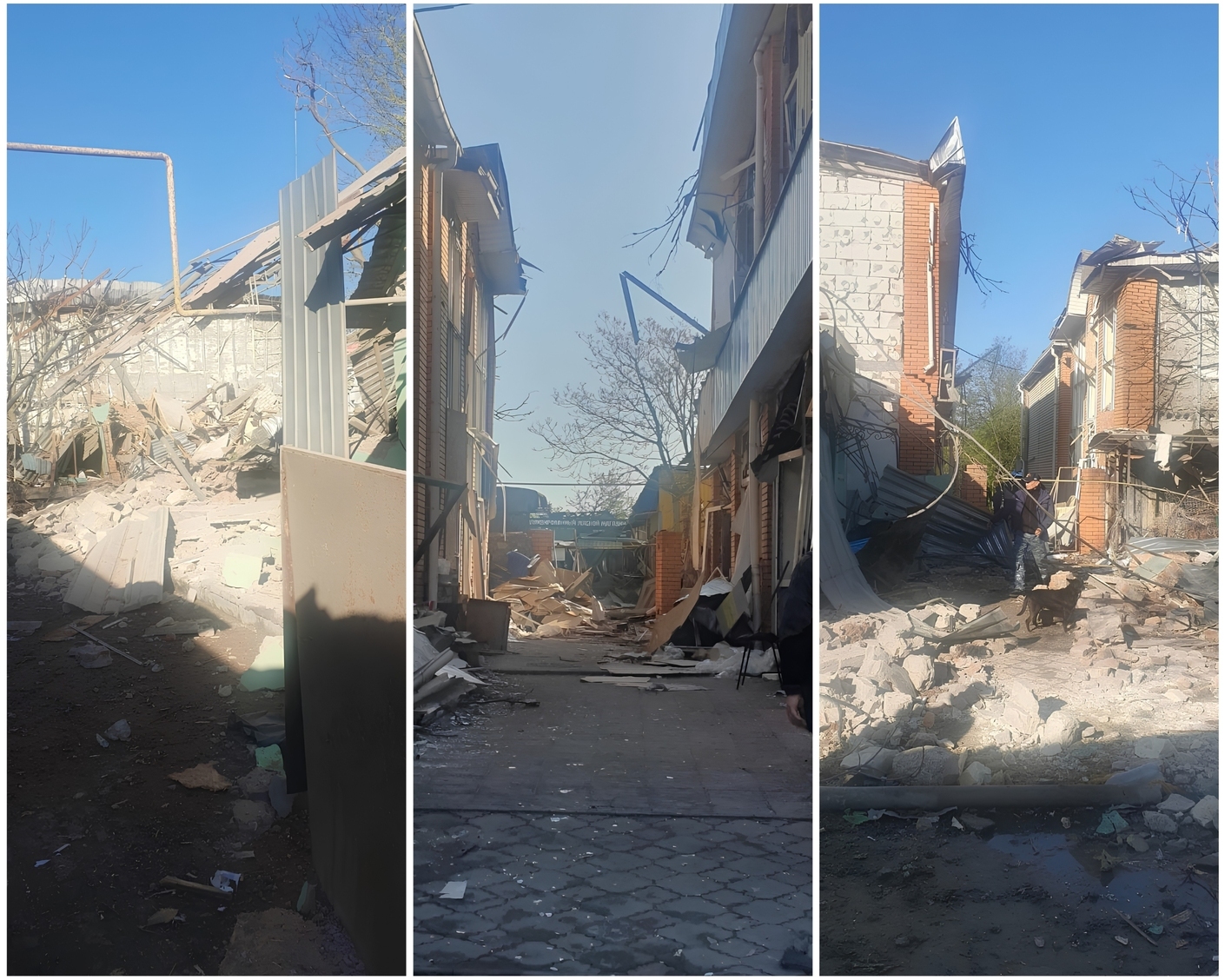
Streets of Ochakiv
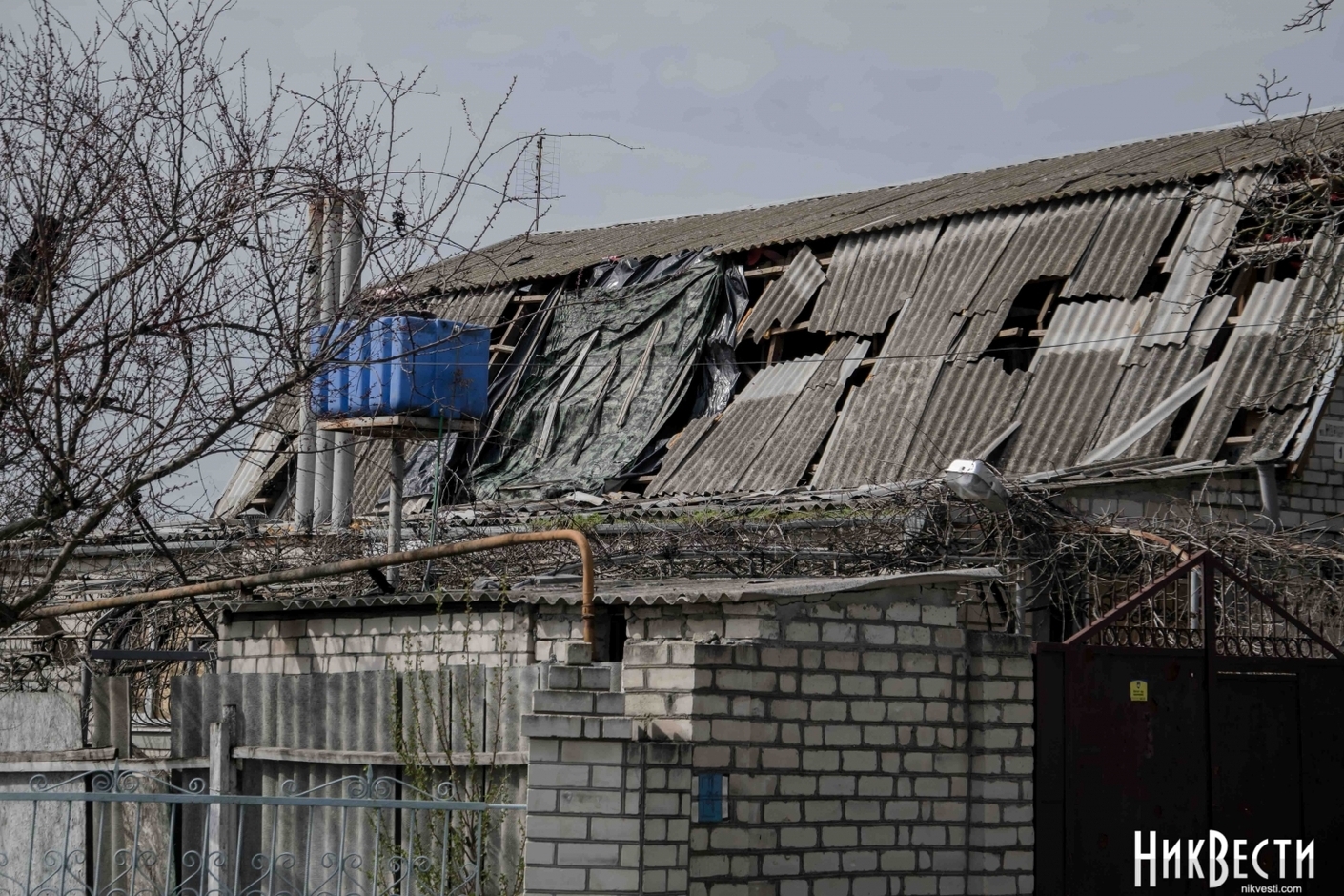
A house in Ochakiv after shelling
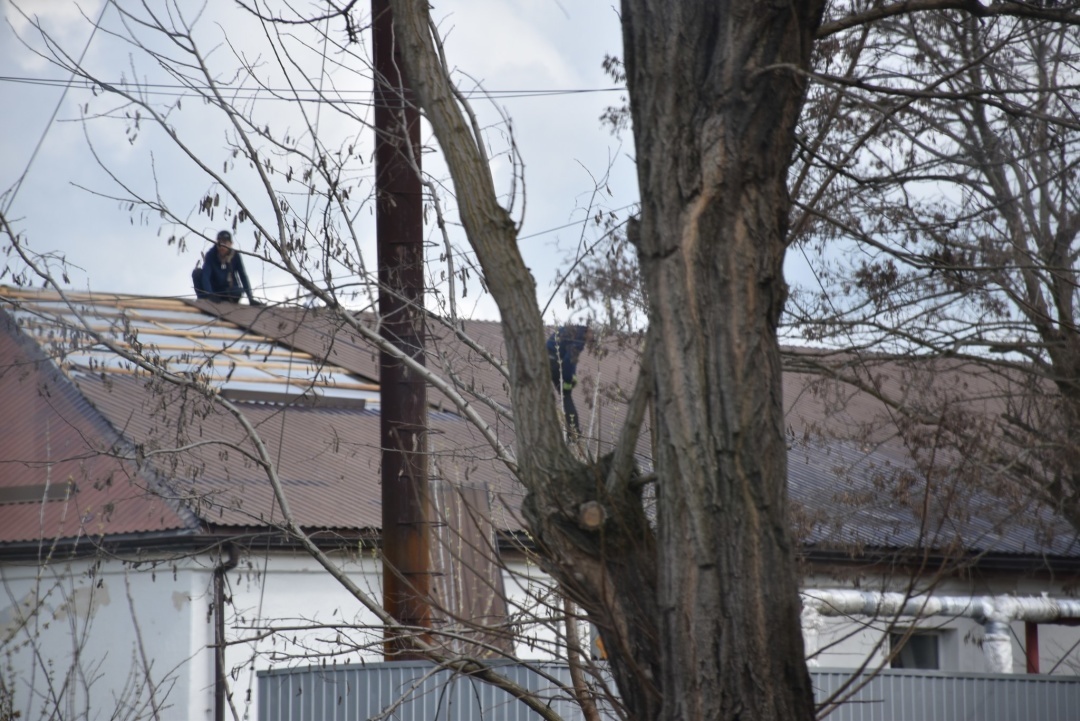
Repairs to a house in Ochakiv
‘Missiles were flying over us like pelicans…’
What has affected you the most during this war?
The way this war began. Missiles were flying over us like pelicans. On 23 February, we went to bed in a peaceful city, and on the 24th we woke up literally on the front line. Everything around us was exploding over and over again. It was utter horror. While the rest of Ukraine could still not believe what had happened, we were already trying to pull ourselves together, gather the children, and announce the evacuation. We also felt a sense of responsibility for those who remained on the Kinburn Spit; for some time, we continued to deliver pensions and humanitarian aid there by boat.
Three villages in your community have been occupied. Are you in contact with them?
Although they are nearby, across the estuary, we have no contact with them. Because getting in touch with these villages would put their residents in danger. The russians feel very uneasy there, as our soldiers continue to strike them hard. They are terrified that the locals will pass on their coordinates to the Ukrainian Armed Forces. So, we are not taking any risks. The estuary is mined, which is why the waterway to the Kinburn Spit is also blocked. The last time people fled to us across the strait was back in early 2023. Now, to cross those 4 km of water, they have to travel via Crimea to Turkey or Georgia, and from there by plane to Moldova or other European countries.
What is known about collaborators in the occupied communities?
We know everything, literally their every move. I will not disclose how we obtain information, but we know absolutely everything. Not a single one of them will escape justice.
In Soviet history textbooks, Ochakiv was referred to as the ‘city of russian glory’. Do local residents still share this view? Does it influence their attitude towards the war?
There are probably people who are waiting for the russians to return in every community. There are particularly many of them among those born in the USSR. These people often have a blurred sense of national identity, just like the russians, therefore they feel a closer spiritual bond with the russians. But those born in independent Ukraine are quite different. They are fighting for their own state, and they know no other. As for the “city of russian glory”, that is one of the Soviet myths, completely fabricated. They say Suvorov was here, but that is not true – he was on the Kinburn Spit. And it was our Cossacks, led by the Cossack leader (koshovyi otaman) Anton Holovatyi, who fought the Turks for Ochakiv. And they certainly showed the Turks a good fight. No, Ochakiv is a city of Ukrainian glory, and our courageous soldiers prove this every day.
What is the current state of the famous Kinburn Spit, a unique protected area that forms part of the Ivory Coast of Sviatoslav National Nature Park and the Black Sea Biosphere Reserve?
We can see the forests burning on the other side of the estuary. We can see all sorts of birds from the spit that have flown over here to us, ‘to the mainland’. For example, it used to be very difficult to spot a pelican in Ochakiv. But now it is possible. These pelicans are from the spit, where it is now far more dangerous than here. It is difficult to determine the scale of the ecological disaster caused by the russian invasion, but we can already say that it is considerable. The forests that have been burnt out on the Kinburn Spit will not be able to grow back there for a very long time. And the unique fauna that inhabited them will probably never recover. Unfortunately, little is said about this. That is why I ask you to emphasise this: the destruction of the protected nature of the Kinburn Spit is one of the occupiers’ crimes, for which they must be brought to justice.
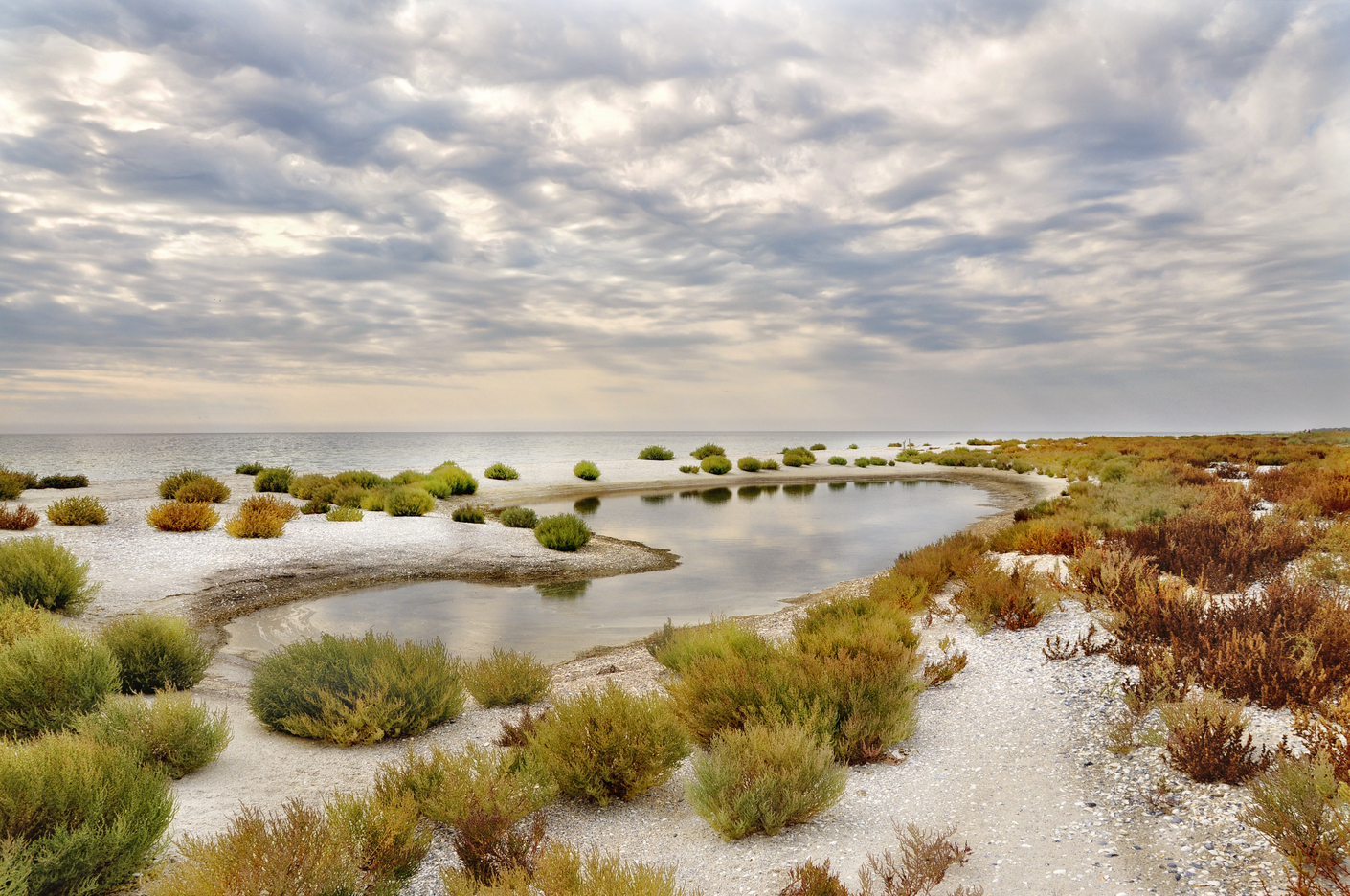
Before the russian invasion, the Kinburn Spit was a unique nature reserve. Now it is a military base criss-crossed with trenches. Photo by Anna Stryzhekin, 2010
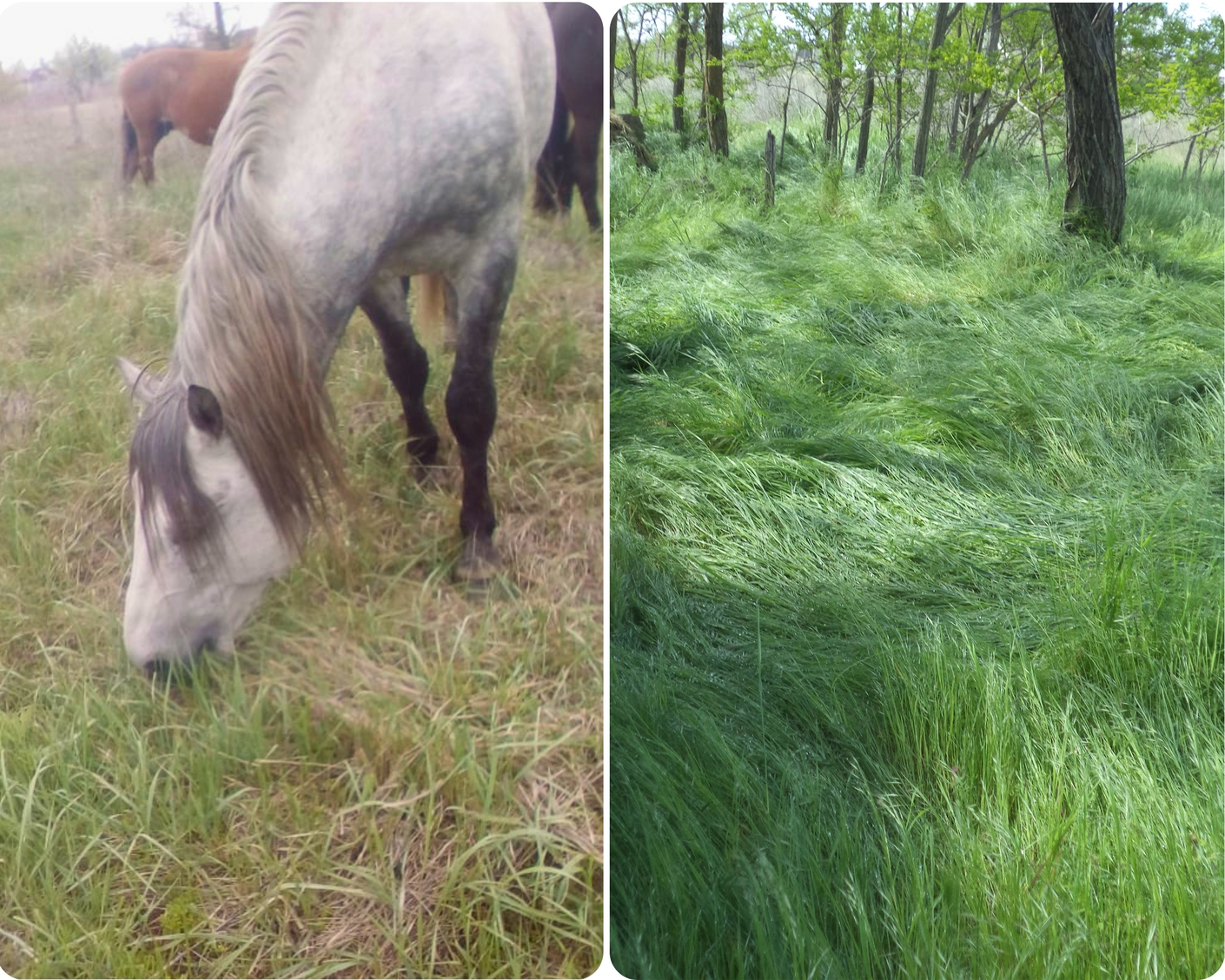
The protected forests of the Kinburn Spit are lost…
… and its unique fauna may never recover. Photo by H. Onkovych, 2019
4,600 square metres of bomb shelters
Is the Ochakiv hospital still open?
Yes, and it works well. We built a decent bomb shelter there, renovated the surgery ward, and restored the infectious diseases ward. Just the day before yesterday, we received a lorry from the Netherlands with modern equipment for our surgery department: hospital beds, medical devices, several incubators for newborns, and more. All of this was sent by the chief physician of a Dutch hospital, with whom I had been negotiating this for quite some time. Dutch businesspeople covered the transport costs. The only problem is with staff: there is a severe shortage of doctors, as is probably the case all over the country. We are looking for them everywhere; we are prepared to offer them anything: money, accommodation, transport. But no matter what we do, very few people agree to work in an active combat zone. Therefore, unfortunately, our hospital is only just half-staffed.
Is there any money to pay doctors’ bonuses? Before the full-scale invasion, Ochakiv community paid a reverse subsidy to the budget. What is the current state of the local budget?
You probably know that Ochakiv is a special city, mainly because of its military and border guard units. Because of this, we actually paid a reverse subsidy up until 2023, as we collected a great deal of tax revenue. But after the decision was made to transfer “military” personal income tax to the state, we lost 87% (!) of our budget revenue. Luckily, the leadership of both the region and the country understood our situation and are therefore compensating us for part of the losses. But now we are heavily subsidised, and it is impossible to change this situation for now. What business would want to operate literally on the front line?! Those entrepreneurs who continue to operate here are exempt from paying certain taxes, in particular land tax. That is all we can do for them at the moment.
I think you described the bomb shelter at the Ochakiv hospital very modestly. After all, you once told journalists that there are 21 rooms beneath the hospital, covering a total area of 620 square metres, with toilets, showers, wards for 25 patients, an operating theatre, and a dressing room. How did you manage to implement such a big project?
As soon as the full-scale war began, we realised that we simply would not survive without proper bomb shelters. So we started building them very actively – not just in hospitals, but also in schools, in nurseries – wherever we could. And we funded all of this from the local budget, as we still had the “military” personal income tax at that time. And, as a matter of fact, from mid-2022 onwards, we had, so to speak, ‘gone underground’. In total, we renovated or built around 4,600 square metres of bomb shelters in the city. A veritable city underground.
Is there anyone left for the Ochakiv hospital and schools to serve? In an interview, you said that ‘before the war, 14,000 people lived in the city, but now only half remain’. Is that really the case? How are these people living? Do they have electricity, heating, and water?
We never stop providing services to the residents, even when there is no electricity. In other words, we always find a way to cope. As for heating, all our homes have individual heating systems, and all public buildings also make partial use of alternative energy sources. As for the electricity supply… Unfortunately, the power grid has been severely damaged. Our heroic power engineers restore it every time after shelling, but it gets harder each time. This is a very serious problem – the power could go out literally any day. But we are prepared for this: people have power generators, batteries, and fuel reserves. We will hold on and we will keep holding on.
Before the full-scale invasion, there were two gymnasiums and a lyceum in Ochakiv. What has become of them now?
They are still working, and not just online. The children go to school, provided that the security situation allows it. And, of course, they study not in regular classrooms, but in bomb shelters. Even our nursery operates in a bomb shelter. The children spend all their time underground, safe and sound; they only come up for walks if there is no air raid alert.
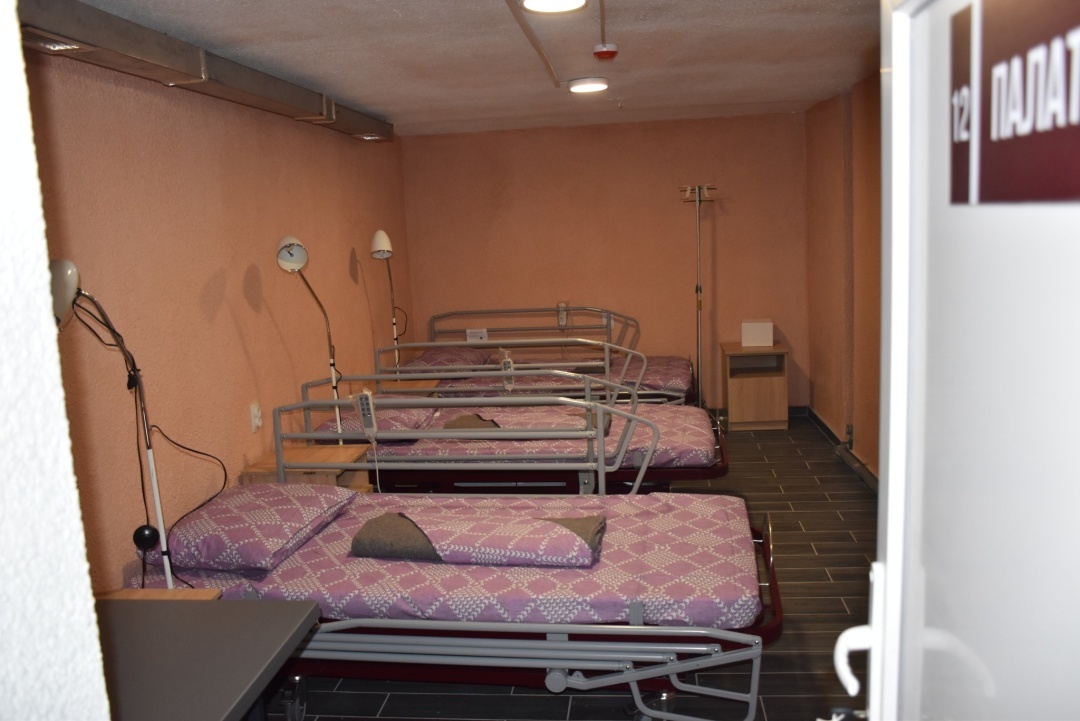
In the bomb shelter at Ochakiv hospital
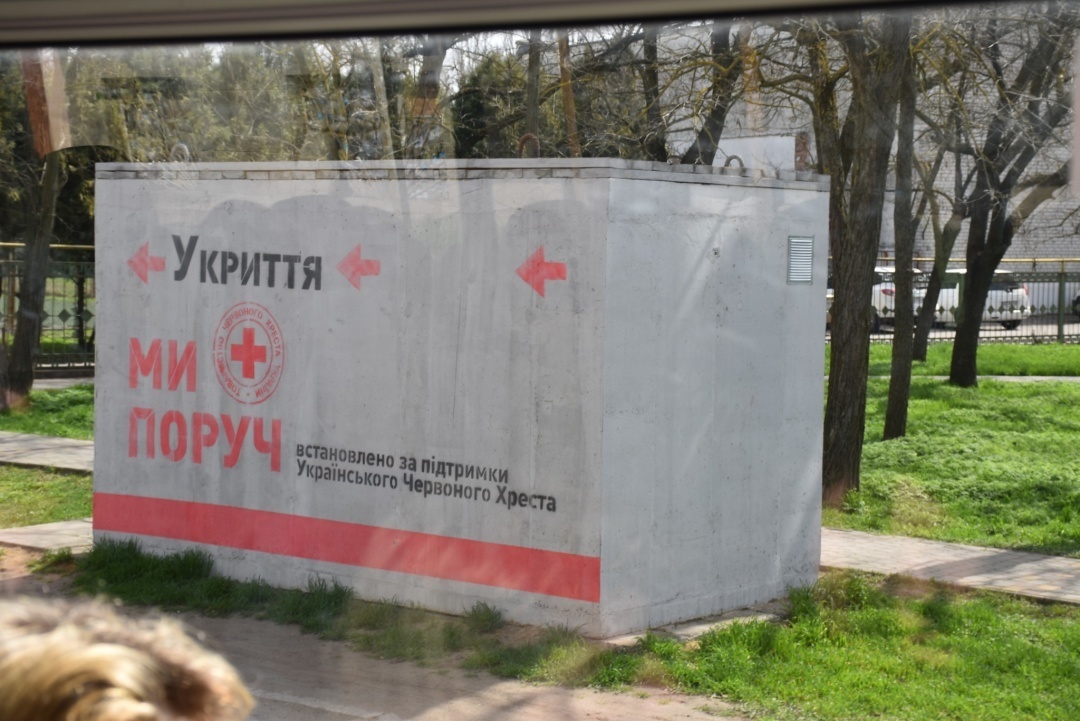
During the full-scale war, about 4,600 square metres of bomb shelters were repaired and built in Ochakiv
Each year, 40–45 babies are born in Ochakiv, and of the 7,000 residents, around 1,000 are children
‘If a community leader needs advice on international cooperation, they need to find a new job…’
You mentioned that the Ochakiv hospital received equipment from the Netherlands. Is this a unique initiative or is it typical? Please tell us more about the international cooperation of the community.
Every month, every resident of the city receives a humanitarian aid package: food, some essential items and hygiene products, provided to us by ADRA, the international charitable organisation of the Seventh-day Adventist Church. We also cooperate in this humanitarian field with the Howard Buffett Foundation GEM. He is a true friend of our community, providing everything necessary, primarily to low-income and multi-child families, orphans, and so on. And the Danish branch of the Red Cross helps us with construction materials.
The website of Ochakiv community reports that 37 Ukrainian children vacationed in the Spanish city of Castellón this year, courtesy of the Fundación Caja Castellón initiative. How was this possible? How long did the holiday last? Are similar trips planned for the future?
You mean our “Holidays for Peace” programme, through which we cooperate with France, Austria, Spain, and the Netherlands. Every year, our children go on holiday to these countries: five, six, or seven groups, depending on the year. We currently have around a thousand children here. This is so good that they have the opportunity to go abroad for a few weeks, and there are sponsors willing to cover the costs of their stay there. These are usually different international foundations, Ukrainian embassies in foreign countries, foreign businesspeople and MPs. We sign cooperation agreements with the cities and then send our children there. I believe it is very important for our children to see how people live in Europe. Because then they will be able to restore our city and our country based on the European model. By the way, you know, despite all the difficulties, the shelling and the danger, around 40–45 children are born in our city every year. And that speaks for itself.
In April 2023, the Ochakiv City Council, Association of Ukrainian Cities, and the Kingdom of the Netherlands signed a trilateral cooperation agreement. Later, agreements were concluded with Doorn (The Netherlands) and Gandía (Spain) on cooperation in tourism and sports. How did you manage to achieve this?
We have many friends; I have been the mayor since 2015 and before that, I worked in business. I know a great many people and am good at building relationships. We are currently preparing another lorryload of humanitarian aid in Spain for delivery. There, we are working with the director of the Santa Clara Monastery Foundation, Dominican Sr. María Lucía Caram Padilla, whom, by the way, Volodymyr Zelenskyy awarded the Order of Princess Olha last November – “for her exceptional attention to Ukraine”.
What would you recommend to community leaders who would also like to engage in international cooperation on the same scale as Ochakiv community?
If a community leader needs advice on international cooperation, they need to find a new job. If the head of the community needs this sort of advice, he needs to change jobs. When they ran for office, surely they promised people they would look after the community, didn’t they? Did they really have no ideas about this? If they want to find partners – they should look for them! Nothing just falls into a person’s lap; they have to make an effort, travel, negotiate, ask for, and offer something! There are many Ukrainians all over the world right now, and many who want to help Ukraine. Community leaders also have the opportunity to go on work trips abroad; the President has allowed this. Please, go and negotiate! People abroad usually respond to our requests; perhaps not quite as we would like, but at the same time they are not indifferent to us. If they are unwilling to travel anywhere, they should focus on cooperation with the regional authorities. We are working very productively with the Mykolaiv Regional Military Administration, headed by Vitalii Kim, who is well-known all over Ukraine. In fact, many benefactors who wish to help turn to him. They simply need to keep up and not be shy about making themselves known.
You have a rather unusual WhatsApp profile picture: the tablets bearing the Ten Commandments. Is that connected to the war in any way?
No, you see, I am a religious person. About 30 years ago, I completely changed my life by joining the Seventh-day Adventist Church. And, in fact, this church, which is extremely influential in the US, has been helping Ochakiv since the very first day of the war. The church network is very important for seeking all kinds of help, and I regret that many community leaders ignore it. Is it not logical that Christians should seek help from Christians? Ultimately, Muslim and Jewish communities can also be involved in providing assistance if there are Muslims and Jews in the community. Right now, any help will be welcome.
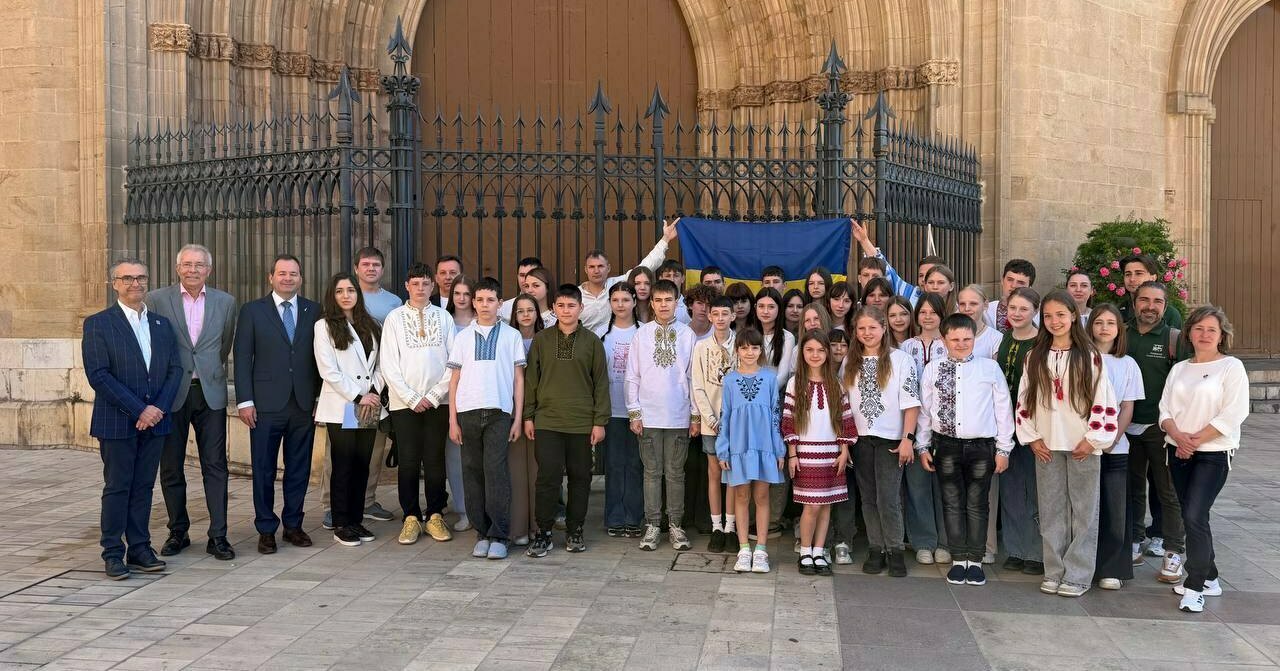
This year, 37 Ukrainian children spent their holidays in Castellón (Spain). The trip was organised by Fundació Caixa Castellón within the framework of “Holidays of Peace”, a programme run by Ochakiv City Council
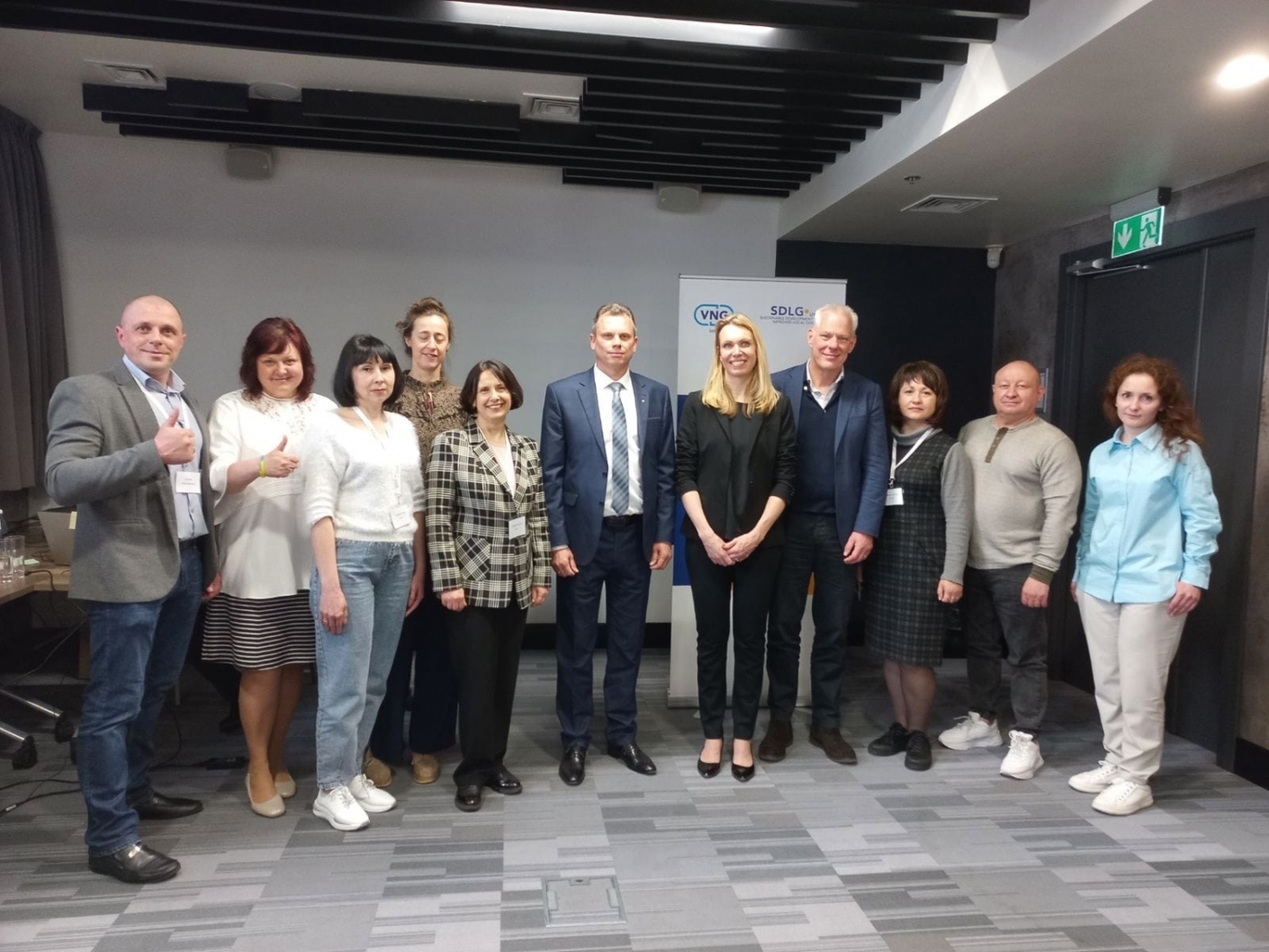
Фото 52. Signing of a Memorandum of Cooperation between Ochakiv community and the Government of the Netherlands
‘We very often cover the delivery costs from our own budget...’
I have heard that the main problem is not the humanitarian aid itself, but its delivery. How do you deal with this issue?
Very simple – we very often cover the delivery costs from our own budget. Sometimes the delivery of humanitarian aid is also funded by charitable organisations, both in Ukraine and abroad. This just needs to be agreed upon. However, this game must be played by the rules. It is very important to provide feedback to the people who send humanitarian cargo to you. You need to take high-quality photos and videos, send an official thank-you note, and subsequently provide a transparent report on the distribution of aid. After all, unfortunately, there are many negative cases where humanitarian aid disappears without a trace in Ukraine. This discourages donors. But I suspect that this humanitarian aid is not always stolen or sold off. I think that in most cases, the recipient simply does not want to bother with a report. Humanitarian aid is brought, handed out, and that is it. And, as a result, nothing more is received. It is important to understand: people abroad are not exactly living the life of luxury.
Well, at least they live much better than we do. I suppose a group of 15 children coming to stay for two weeks is not too much of a burden for them?
You are mistaken! Yes, incomes in the West are higher than here, but prices are much higher too, and housing often costs an absolute fortune. It seems like such a simple matter – sending children on holiday. Meanwhile, a single day’s stay abroad for one of our children costs between EUR 60 and 100 – including meals, excursions and all the rest. We send groups of not 15, but 45–50 children. Do the maths. A single trip costs up to EUR 70,000, including travel. Do you think the Spanish or the Dutch have nowhere else to spend this money? They have plenty of problems of their own! But these people still give it to us. Because they want to help, because they see the point in it.
Ochakiv has four partners in the “Shoulder-to-Shoulder: Cohesive Communities” project: Derazhnia community in Khmelnytskyi region, Kamianka-Buzka in Lviv region, Novodnistrovsk in Chernivtsi region, and Zvenyhorod in Cherkasy region. How do these communities help you?
We are very pleased with this project. Representatives from our partner communities visit us in person from time to time to gain a better understanding of what we need. We decided that we would not ask them for diapers or food, for example. It is better to work with international partners on these matters. Instead, we cooperate on activities related to our children’s recreation. Last year, they visited each of our partner communities. To make these trips as comfortable as possible, we even bought two coaches. We have just received an invitation from Chernivtsi region, where our children will soon be going for two weeks. It is quiet there, there is no shelling, and that is very important for the children’s rest.
You mentioned that your community purchased two buses. But how can you keep them safe from russian drones? This question is relevant for all of your utility vehicles.
I cannot say that our vehicles are completely safe; that is simply the situation we are in. But we are doing everything possible to protect our vehicles. We keep moving them around, distributing them, and sending them to other, safer communities. Some of our vehicles have indeed been damaged by shelling, and some have even been destroyed.

Ochakiv City Council recently purchased a new bulldozer with the support of VNG International
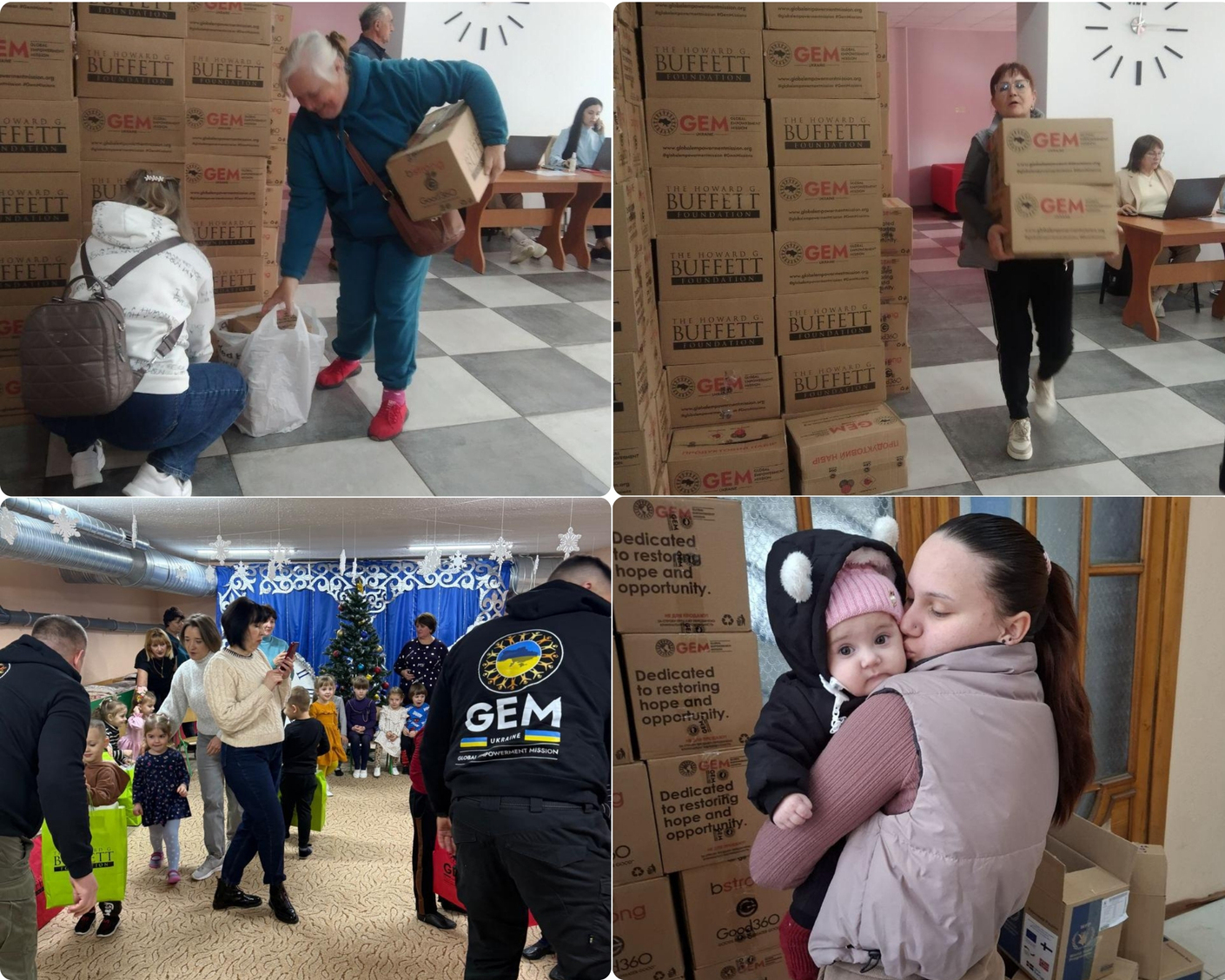
Distribution of humanitarian aid in Ochakiv
On the Reserve Lieutenant Commander and the 10-year plan for the restoration and development of Ochakiv
You are a reserve lieutenant commander. How much does your military background help you? Do current community leaders generally need a certain level of military knowledge?
It all depends on the person. If a person is responsible, they will do a good job wherever you put them. Ochakiv is a military city, and there have always been many military personnel here. And that connection has not been broken: we help many of them, especially the young soldiers defending the southern part of Ukraine, from Odesa to Kherson. We also support all our residents who are in the army. Of course, we would like to help more, but we give what we have. When we plan the budget, we allocate at least 15% to a variety of programmes related to supporting the military.
Many famous people lived in Ochakiv at one time or another, including, for example, the Kapranov brothers, who are writers. Do you contact them for help, and do they respond?
We do indeed contact many famous people who are in one way or another connected to Ochakiv. Some of them, for example, simply loved to holiday here before the full-scale invasion. But I have no right to name them. I will only say that quite a few of them are very influential people who have important positions. And yes, they help us a lot.
In January 2023, Ochakiv started developing a plan for the restoration and development of the community. The local authorities invited residents to submit their ideas, and they responded: a total of 805 people responded to the survey, which, given the current circumstances, is a pretty good result. Please explain this plan in more detail. Is it generally relevant at the moment?
The plan is timely. We developed it for the next 10 years in collaboration with the Association of Netherlands Municipalities (VNG). However, we are currently unable to implement most of the plan’s provisions due to the hostilities. But once they cease, we will be ready. Furthermore, we are already implementing some parts of the plan right now. For example, we are opening another nursery, with a bomb shelter, of course. We are also working on opening a care home for the elderly. We have made some progress in improving our electricity and sewerage systems, in waste recycling, and in the use of solar and wind energy.
Your Restoration and Development Plan includes a total of 40 projects amounting to UAH 1.6 billion. Is it realistic to raise such funds once the war is over?
Everything can be found – for example, through public-private partnerships with private companies. In other words, a private company and the city council can set up joint projects with 50/50 funding, for instance in the renewable energy sector. Businesses will be happy to work under such an arrangement. And we will be able to implement some projects using our own funds or state funding. There are many options, but we need to start working on this now to understand the situation. It is no secret that the most urgent issue once the hostilities end will be the demining of the community – not just the land, but the waters as well. We need to plan for this now; we should not wait for victory. Moreover, to build the future, we need to see it. And this vision will give us the strength to keep fighting.
Tags:
05 June 2026
Уряд схвалив Концепцію створення єдиної цифрової екосистеми управління публічними інвестиціями
Уряд схвалив Концепцію створення єдиної...
Кабінет Міністрів України схвалив Концепцію розбудови Єдиної цифрової екосистеми управління публічними інвестиціями...
05 June 2026
Проєкт DECIDE оголошує національний відбір громад на грантову програму розвитку академічних ліцеїв
Проєкт DECIDE оголошує національний відбір...
Швейцарсько-український проєкт DECIDE продовжує відбір та запрошує територіальні громади з усіх областей України...
05 June 2026
Quality preparation as the basis for hromada investment
Quality preparation as the basis for hromada...
The conference "Strengthening Resilience: From Strategic Decisions to Hromada Recovery Priorities" brought together...
04 June 2026
Онлайн-конференція “Енергетична стійкість громад: від викликів до практичних рішень”
Онлайн-конференція “Енергетична стійкість...
Центр розвитку інновацій спільно з EDIH “Kyiv HiTech” та робочою групою “Енергоострів” запрошують представників...