Bucha Forum ‘Reforms. Decentralisation. European Integration’: Key messages
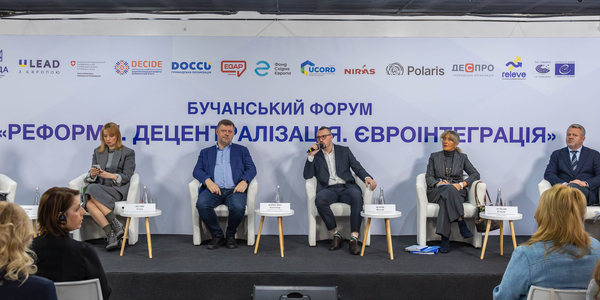
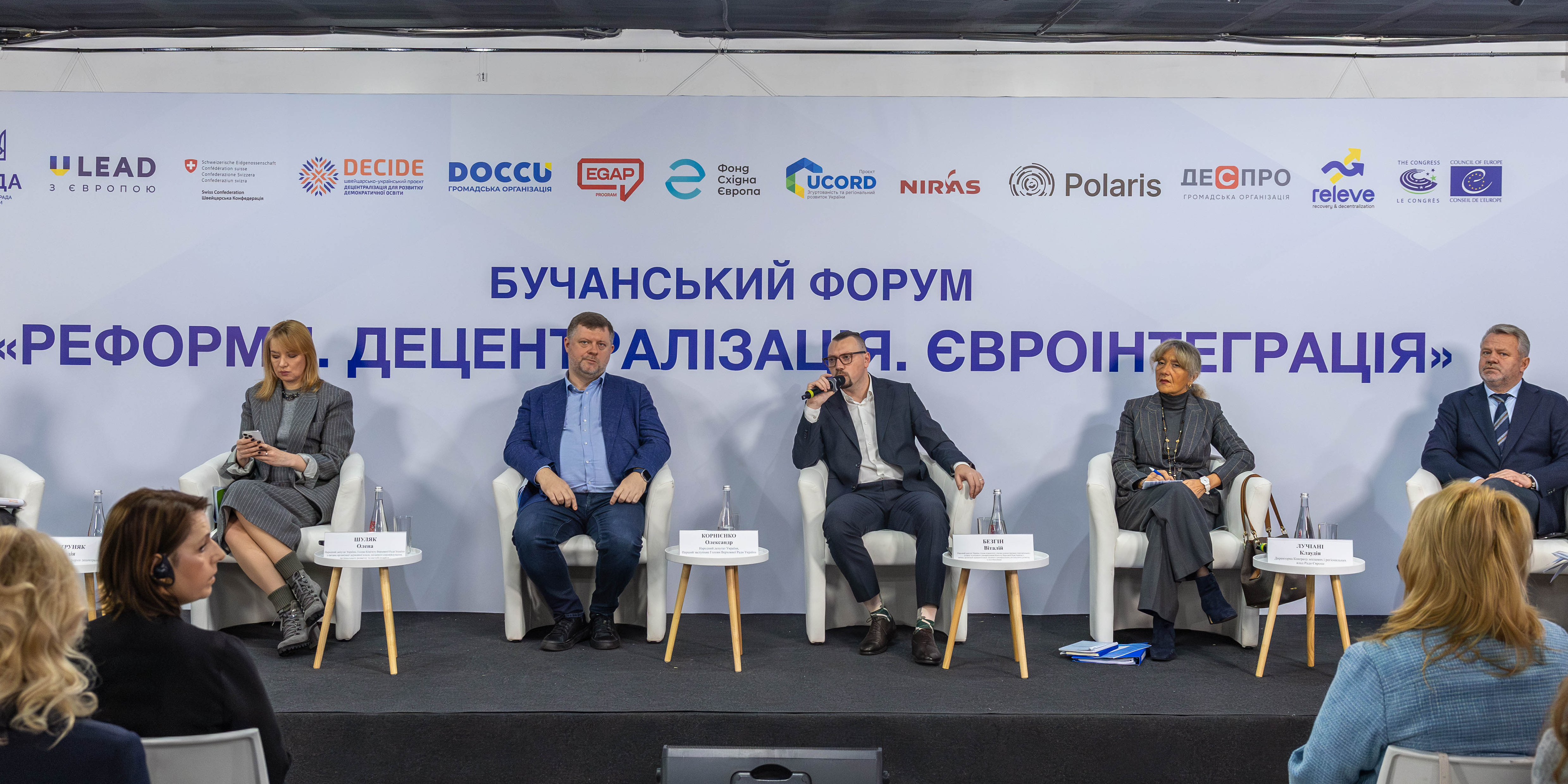
In Bucha, a city that symbolises resilience, tragedy, and the success of decentralisation, the annual Bucha Forum ‘Reforms. Decentralisation. European Integration’ was held. The venue was chosen for a reason: it was here that Russian aggression dealt devastating blows, yet Ukrainian communities demonstrated an incredible capacity for self-government and mutual assistance. The Forum provided a powerful platform for open dialogue between the Central Government, local self-government, and international partners regarding the future of the reform in the context of war and European integration.
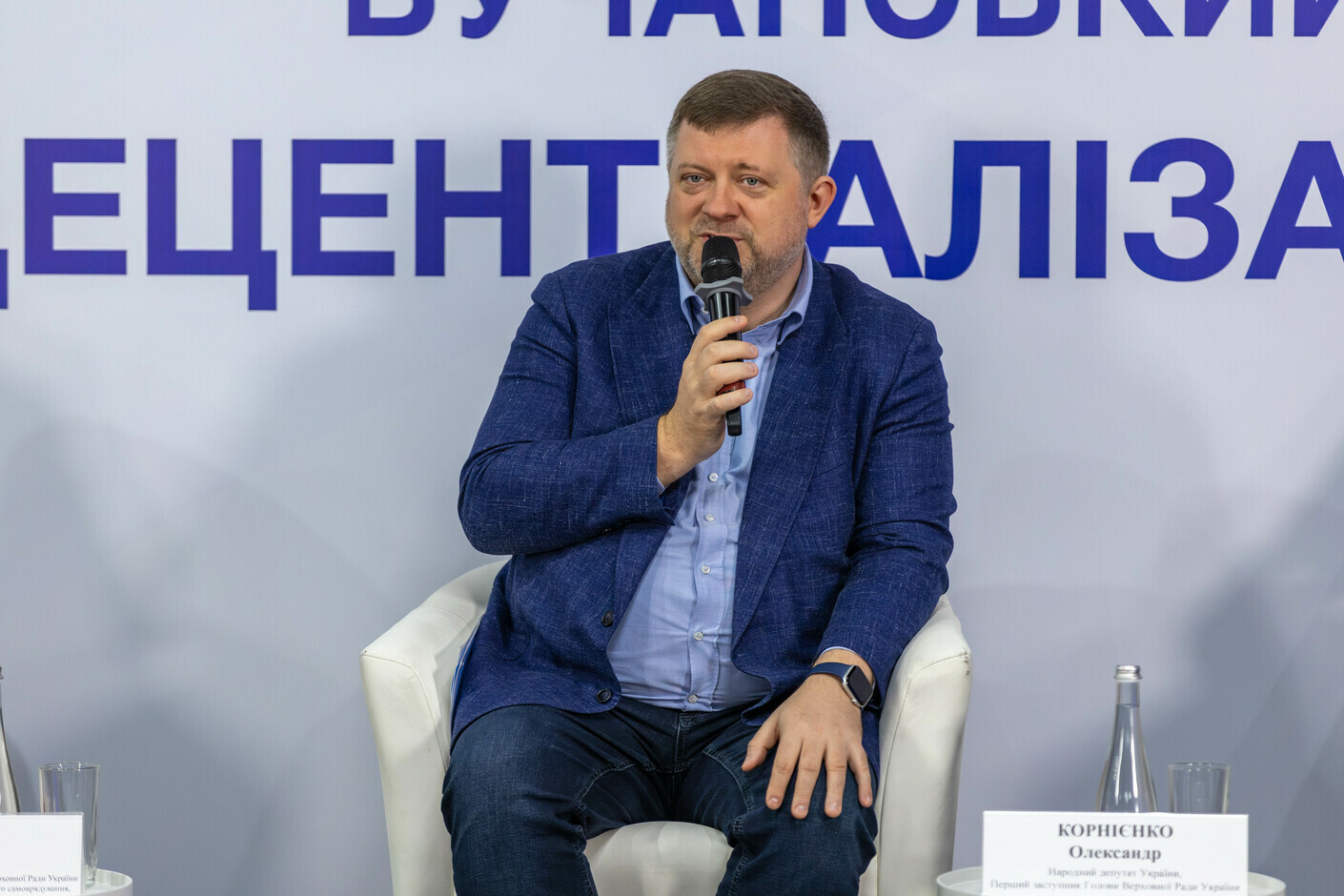
In his opening speech, Oleksandr Korniienko, First Deputy Chairman of the Verkhovna Rada of Ukraine, gave the Forum a deeply personal and humanitarian dimension, ‘This year, I proposed that this Forum be dedicated to the memory of local government officials who were captured or killed while defending their communities. We have all seen the state in which civilian prisoners of war return. We have gathered information about mayors and starostas who were held captive, and we will advocate for their release at the highest level. Each such action draws the attention of the international community to Russia’s horrific violations of conventions and human rights.’
He also emphasised the strategic importance of decentralisation, ‘Only strong regions and effective interaction between the Central Government and local self-government will ensure the future of the entire country, in terms of both politics and security.’ He encouraged communities to participate more actively in international projects and implement European standards locally, particularly with regard to supporting veterans and those released from captivity.
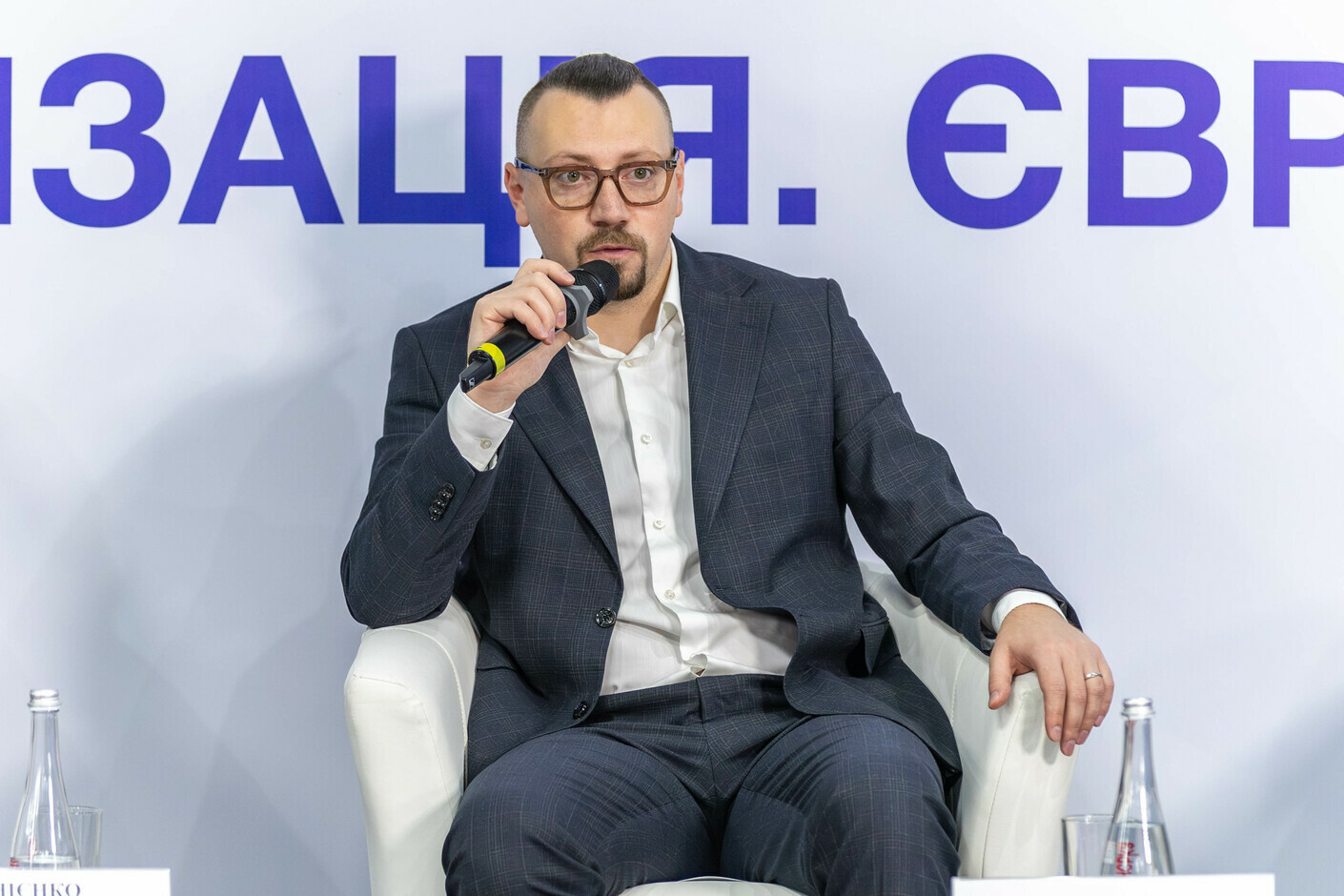
Ukrainian MP Vitalii Bezgin outlined the legislative steps taken by the Parliament, ‘Looking at the Verkhovna Rada’s decisions on self-government this year, I would highlight three key ones: the resolution on the continuity of local governments during the war; the adoption of the law on supervision; and preserving 64% of personal income tax for communities in the 2026 budget.’
Vitalii Bezgin announced new initiatives, including a resolution that appeals to international institutions to pressure Russia into releasing captured community leaders, and a draft law to ensure the continued operation of councils in small communities at risk of losing their quorum. He also cited the results of a survey of communities regarding their legislative priorities for 2026. The top three priorities are: banning salaries in local governments that are below the minimum wage; enabling the transfer of property from higher education institutions to municipal ownership; and administering local taxes.
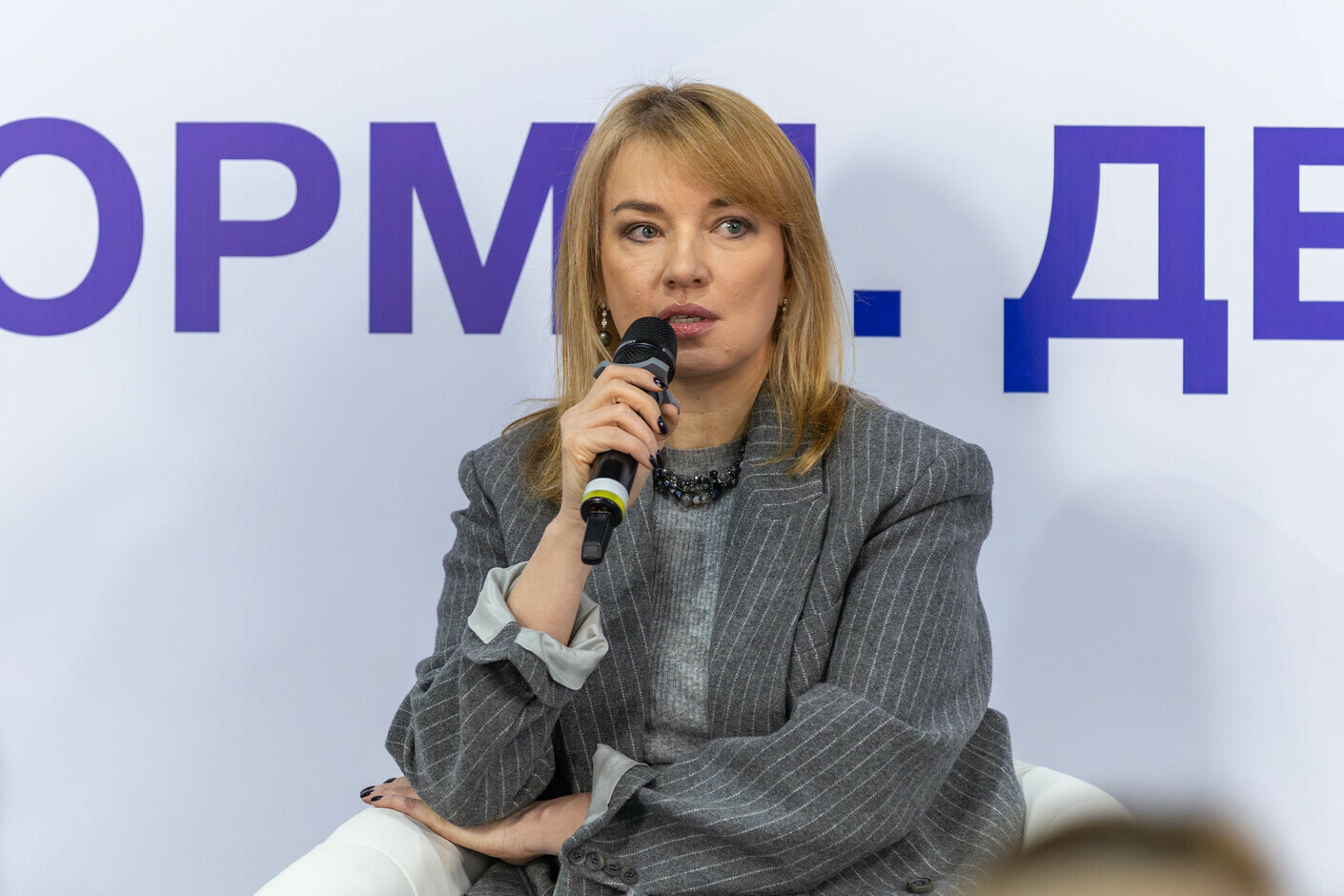
Olena Shuliak, Chair of the Verkhovna Rada Committee on Organisation of State Power, Local Self-Government, Regional Development and Urban Planning, emphasised the practical, ‘human’ aspect of European integration, ‘When we talk about decentralisation reform or recovery, these are no longer abstract concepts. They represent the specific expectations of people... After the full-scale invasion, these demands have become even more urgent.’
She noted that 70% of EU regulations are implemented at the local level and that true European integration begins in the community, not in Brussels or Kyiv. She identified five key steps for local self-government:
- Clear delineation of powers through draft laws within the Ukraine Facility.
- Differentiated policies for different types of regions, including those near the front line.
- Focus on development projects, not just reconstruction, with an emphasis on green and digital transition.
- Open discussion on the optimal model of regional self-government in Ukraine.
- Active involvement of business in local decision-making processes.
‘What is adopted as a directive in Brussels becomes law in Kyiv. And in Bucha, Irpin, Lubny or Mykolaiv, this translates into very specific changes, such as how convenient it is to get to work, whether there are modern schools and how clean the air and water are,’ Ms Shuliak summarised, emphasising that it is the communities that connect Kyiv and Brussels.
The Forum also included panels dedicated to successful international projects, a presentation of the Ministry for Development’s work on the delineation of powers according to the principle of subsidiarity, a presentation of a large-scale study of the legislative priorities of local governments, and a presentation of an experimental electronic platform for consultations with local governments.
Read more in the upcoming articles on the Decentralisation Portal.
The Bucha Forum was organised by the Committee on State Administration, Local Self-Government, Regional Development and Urban Planning.
The event was held with the assistance and support of the U-LEAD with Europe, the Swiss-Ukrainian ‘Decentralisation for Improved Democratic Education’ (DECIDE) Project, implemented with the support of Switzerland, the ‘E-Governance for Accountability and Participation’ (EGAP) Programme, implemented by the East Europe Foundation, the Swiss-Ukrainian ‘Ukraine’s Cohesion and Regional Development’ (UCORD) Project, the Swedish-Ukrainian ‘Support for Multilevel Governance in Ukraine’ (Polaris) Programme, the RELEVE Project, implemented by Expertise France, the Congress of Local and Regional Authorities of the Council of Europe, and the DESPRO public organisation.
Source:
Портал "Децентралізація"
13 February 2026
Територіальні громади 2025: ключові зміни та їхні наслідки
Територіальні громади 2025: ключові зміни та...
Пропонуємо увазі читачів «Децентралізації» ґрунтовний аналітичний матеріал, підготовлений експертами KSE Institute —...
13 February 2026
Language of Development: Narrative Glossary of Key Terms of EU Cohesion Policy
Language of Development: Narrative Glossary of...
The European Union has its own “language of development.” It is the language used to write strategies, allocate...
13 February 2026
Плани Комітету, позиція Мінрозвитку та...
У Києві відбулася підсумкова конференція «Місцеве самоврядування та територіальна організація влади в Україні на...
12 February 2026
Анонс: вебінар «Особливості проведення...
Запрошуємо керівників органів управління освітою, управлінські команди закладів освіти та юристів органів місцевого...