Urgent Issues of Local Self-Government: Brief Summary of Second Meeting
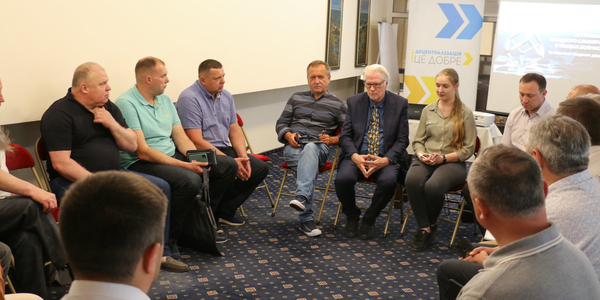
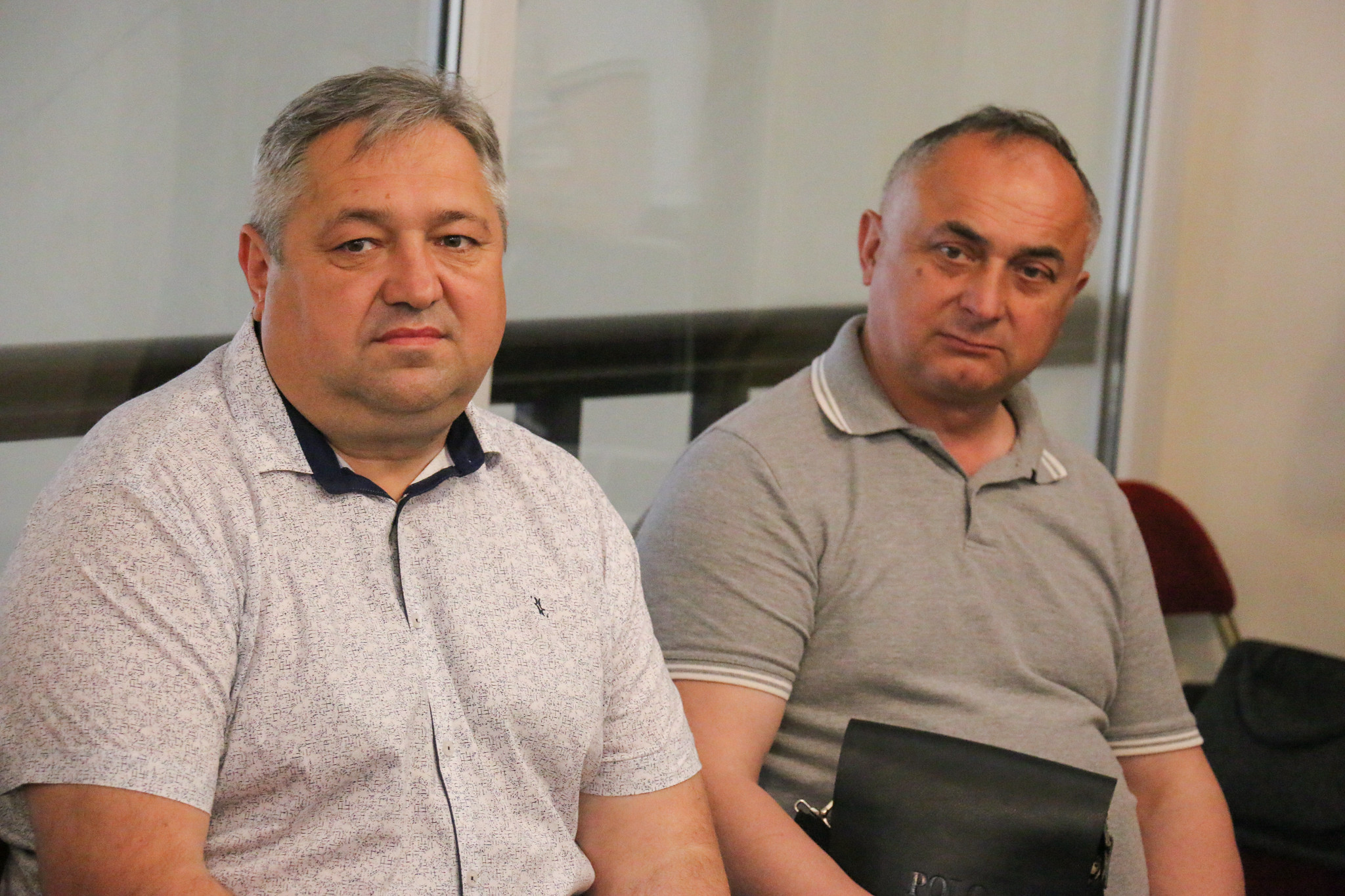
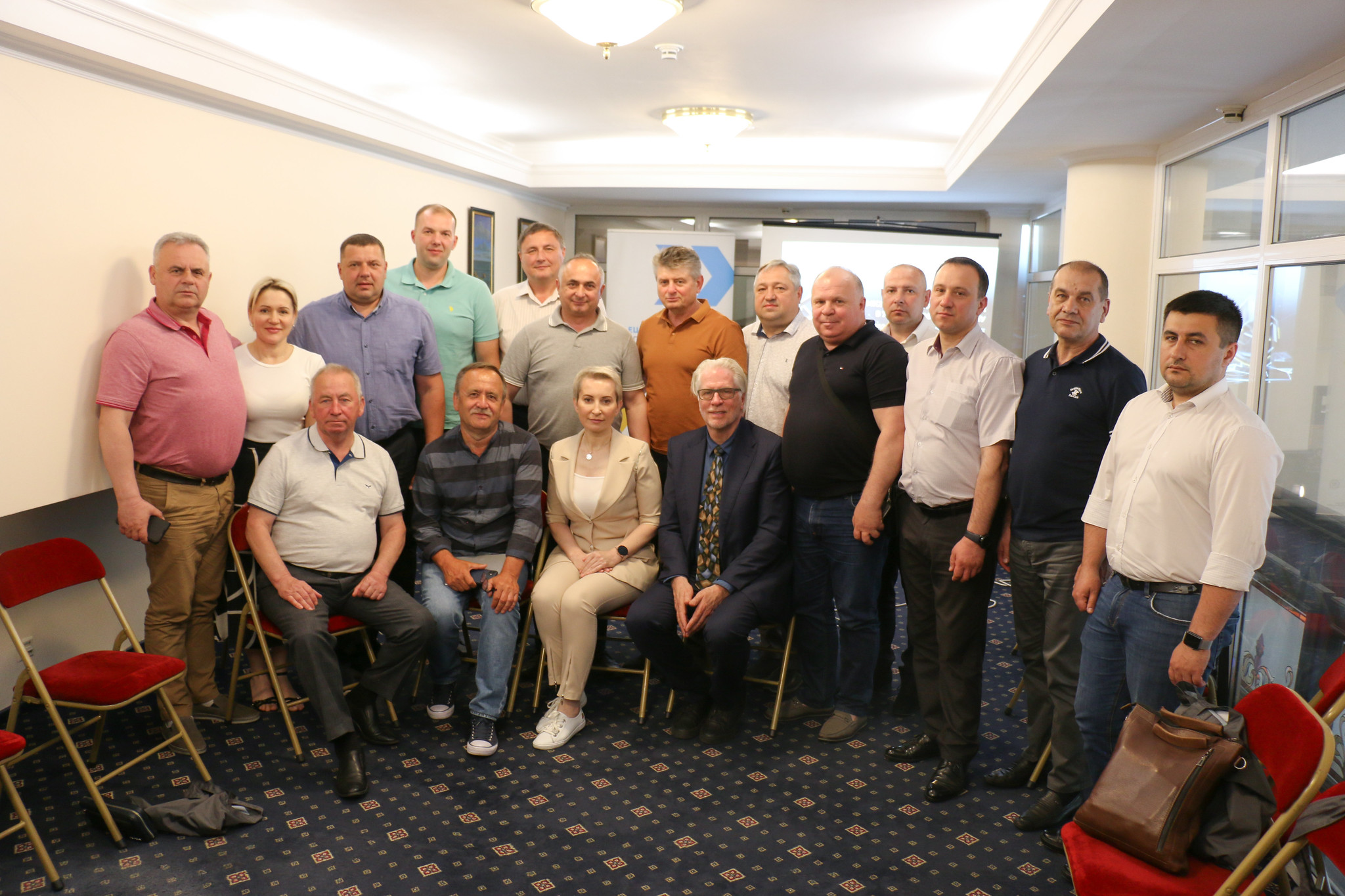
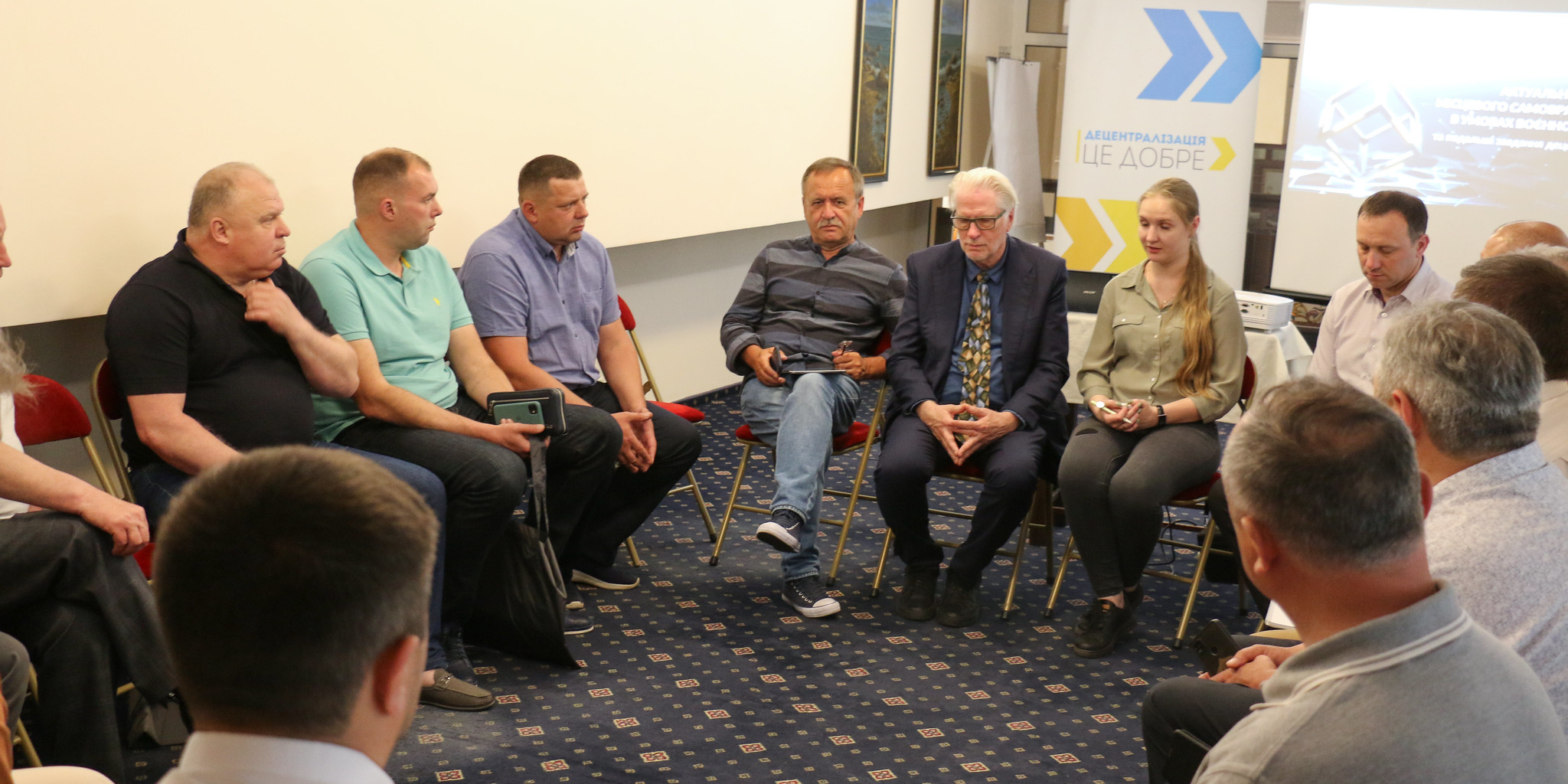
Vyacheslav Nehoda, Head of the Office of the Congress of Local and Regional Authorities under the President of Ukraine, and Heads of the USAID DOBRE partner communities discussed topical issues of local self-government under martial law. The second meeting, organized by the Ukrainian Crisis Media Center under the USAID DOBRE Program, was attended by community leaders from Zaporizhzhia, Chernihiv, Mykolaiv, Chernivtsi, Kirovohrad, and Ivano-Frankivsk Oblasts.
Will the administrative-territorial structure change: are early local elections in jeopardy this year; are there any problems with staffing in military administrations; how to strengthen communities in times of war - these were the questions, raised by representatives of the USAID DOBRE partner communities.
Brian Kemple, Chief of Party of the USAID’s Program, “Decentralization Offering Better Results and Efficiency,” (DOBRE):
"We had the opportunity to visit Kharkiv Oblast, and I saw the destruction with my own eyes. I understand the challenges you are facing. The USAID DOBRE Program is working with the Ministry of Infrastructure on the Recovery Program for 18 communities. We hope to complete this work by September, and I hope the Program's findings will be useful for communities across Ukraine. We see problems that require an immediate response. The communities, we have talked to, are eager to develop, move forward and implement projects."
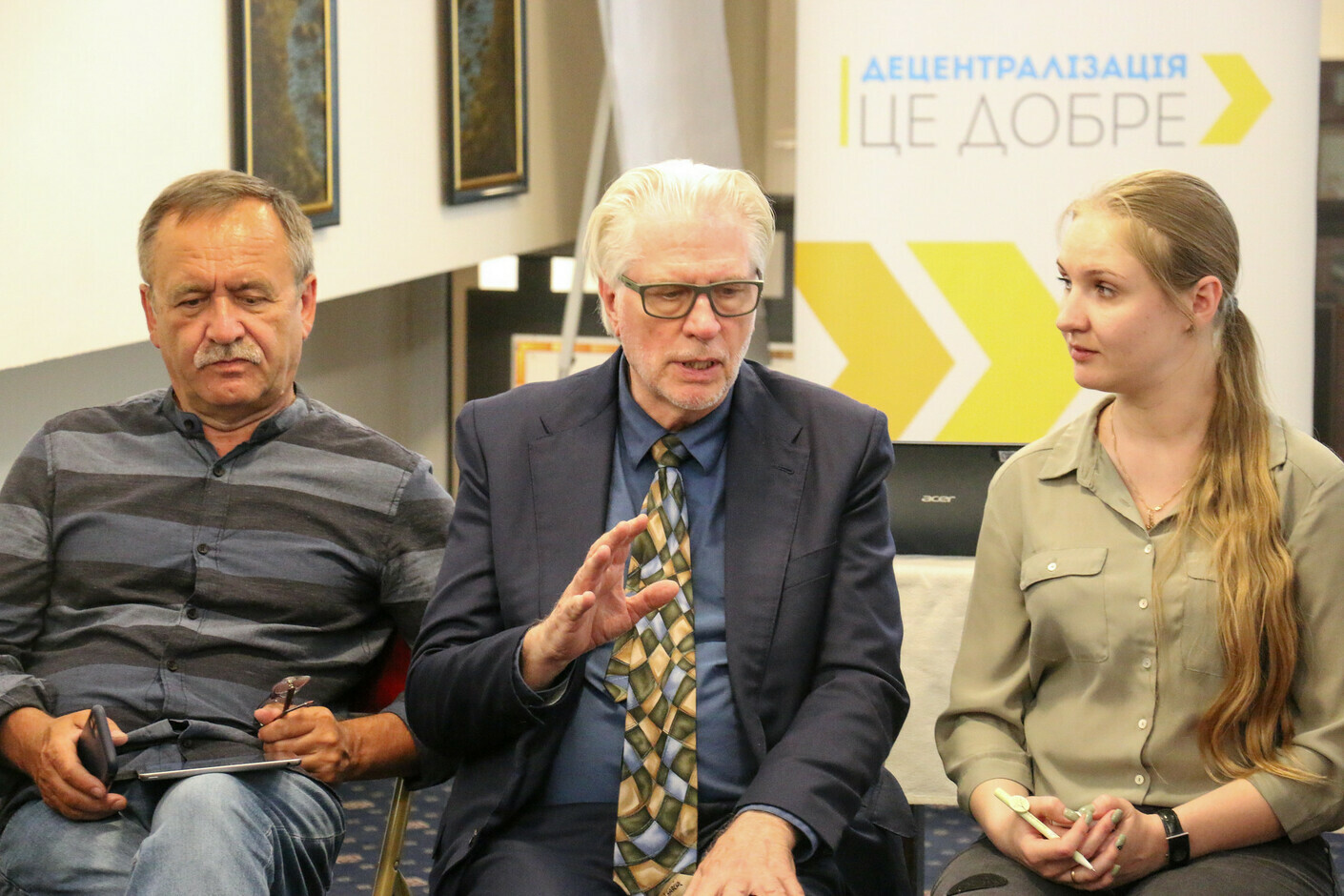
Vyacheslav Nehoda, Head of the Office of the Congress of Local and Regional Authorities under the President of Ukraine:
"I am grateful that the DOBRE Program has been helping communities really well, since the start of its implementation. It is one of the best programs in Ukraine, and it has a great team. Even before the full-scale war, thanks to international support, we managed to make important qualitative changes. Last September, Roger Myerson, the Nobel Prize Winner in Economics, spoke at the high-level meeting about the role of communities and decentralization. In one of his speeches last year, he noted that Ukraine is winning because it has, among other things, reformed local government and created communities that are now resisting the occupiers."
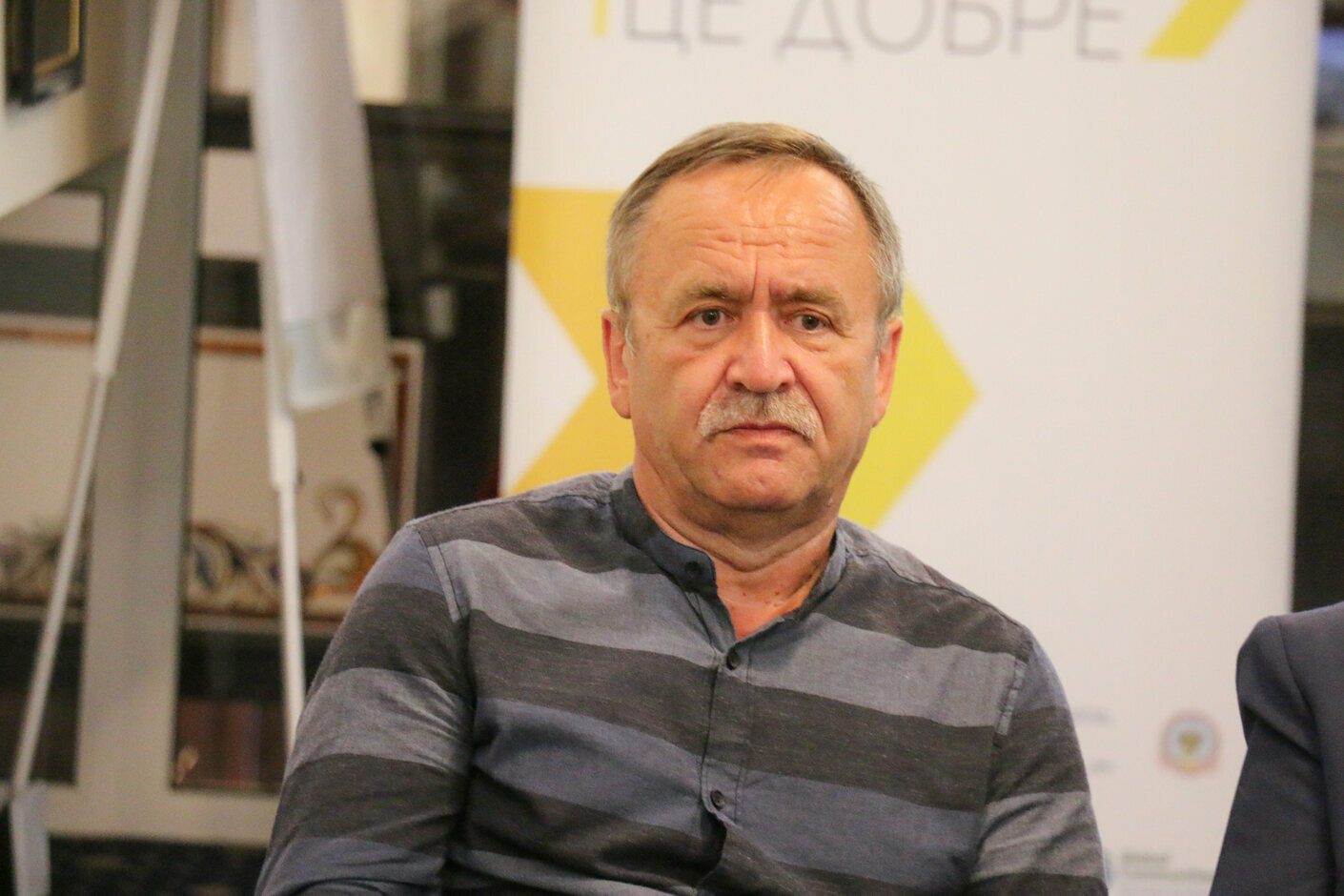
Responding to the participants' questions, Vyacheslav Nehoda noted that the talks around early local elections are speculations. According to the Constitution of Ukraine, local elections will be held no earlier than 2025. In addition, it is impossible to amend the main state document during martial law.
Regarding changes in the territorial structure, Head of the Office of the Congress noted that they primarily concerned the south and east of Ukraine during the restoration of the territories. However, this will be affected by demographics, infrastructure destruction, etc. According to Vyacheslav Nehoda, there may be settlements that will be impossible to restore.
Ihor Hnatusha, Head of the Komysh-Zoryanska Military Administration, Zaporizhzhia Oblast:
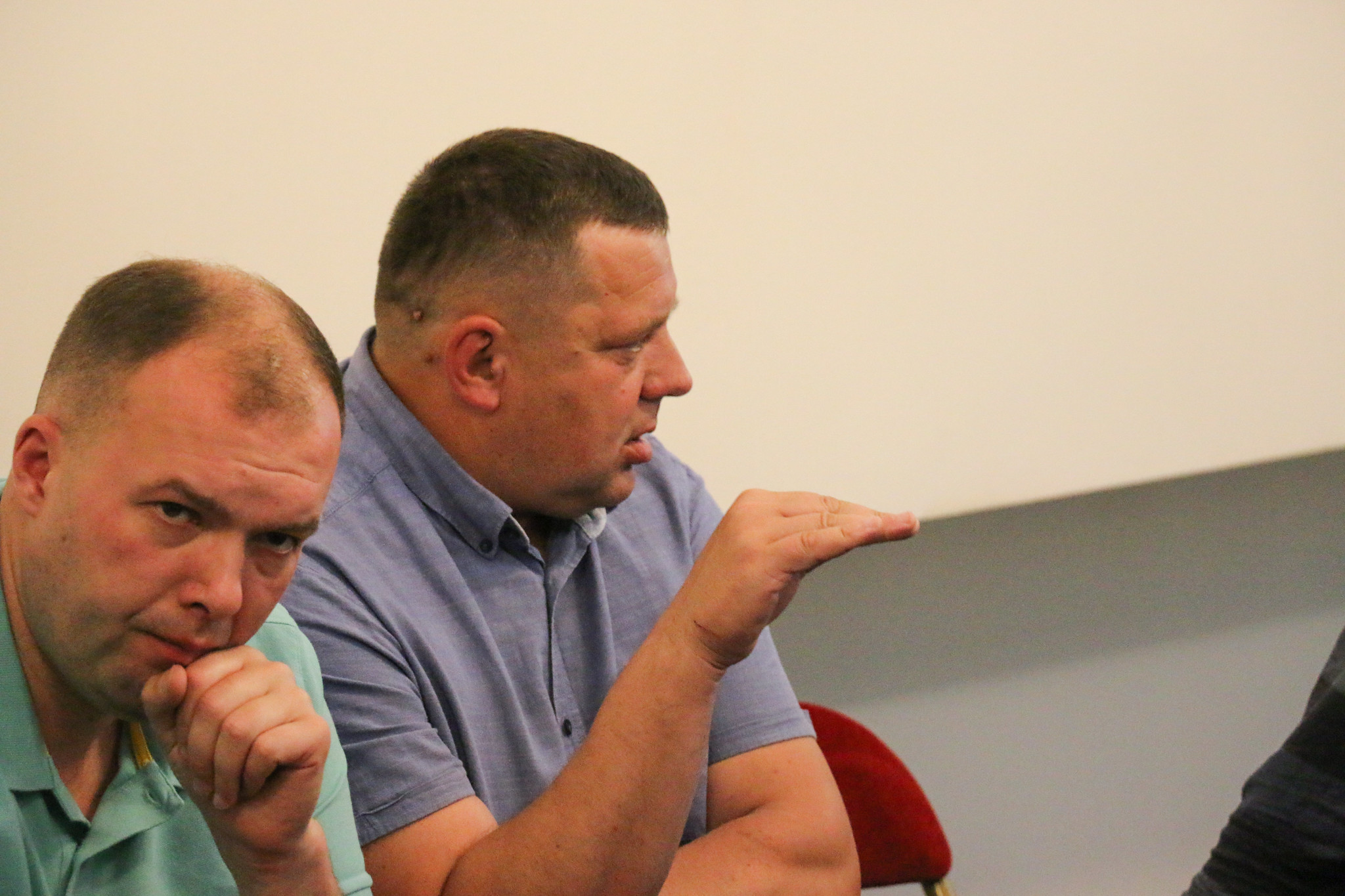
"Unfortunately, our community is occupied. But during such grief, people eventually appreciated what a community is and what service it provides in such difficult conditions. Even the opponents of decentralization recognized this. I am currently the Head of the Military Administration. I am facing a staffing problem. I am forming a staff, and I need reliable people. And it is impossible to take people away from local government because they will lose their seniority."
According to the Head of the community, there are shortcomings in the current legislation on the work of Military Administrations that make it difficult to form a team now, just as to return people from military administrations to work in local government.
Vyacheslav Nehoda noted that Draft Law No. 8056 is currently being developed. An offsite committee meeting will take place soon, and local self-governments will be able to express their proposals there. The committee is working on a new version of the draft law, which, according to Vyacheslav Nehoda, needs to be finalized and adopted as soon as possible.
Community heads from Zaporizhzhia, Chernihiv, Mykolaiv, and Kirovohrad Oblasts attended the first meeting. Distribution of power between executive authorities and local governments at all levels, competencies in the field of land management relations, correlation between competencies and resources, and, of course, how to strengthen communities in times of war - these were the questions asked by representatives of USAID DOBRE partner communities. Read more at the Ukraine Crisis Media Center’s website.
Attached images:
Tags:
Konhres mistsevykh ta rehionalnykh vlad V.Nehoda
Source:
DOBRE
28 September 2026
DECIDE представив результати масштабного національного дослідження «Майбутнє, яке обираємо ми!»
DECIDE представив результати масштабного ...
Як діти та підлітки в Україні бачать своє професійне майбутнє, що впливає на їхній вибір та чи бачать вони можливості...
28 September 2026
193 млн грн на доплати педагогам: яким бюджетам збільшили фінансування
193 млн грн на доплати педагогам: яким бюджетам...
Постанова КМУ №1180 перерозподіляє 731 млн грн субвенції на доплати педагогічним працівникам. Із цієї суми 193 млн...
28 September 2026
SWOT analysis as real-world testing: What Produce! initiative teams work on
SWOT analysis as real-world testing: What...
A region’s strengths alone cannot kick-start production. Agricultural raw materials do not guarantee processing,...
26 September 2026
Коли виробництво впирається в правила гри: уроки Produce! від Олександра Соколовського
Коли виробництво впирається в правила гри:...
Якісний продукт, сучасне обладнання й сильна команда не гарантують виробникові успіху. Підприємство може програвати...