‘The idea kept ringing in my head for about ten years’: How volunteers in Lepetykha, Mykolaiv region, create their own fire brigade against all odds
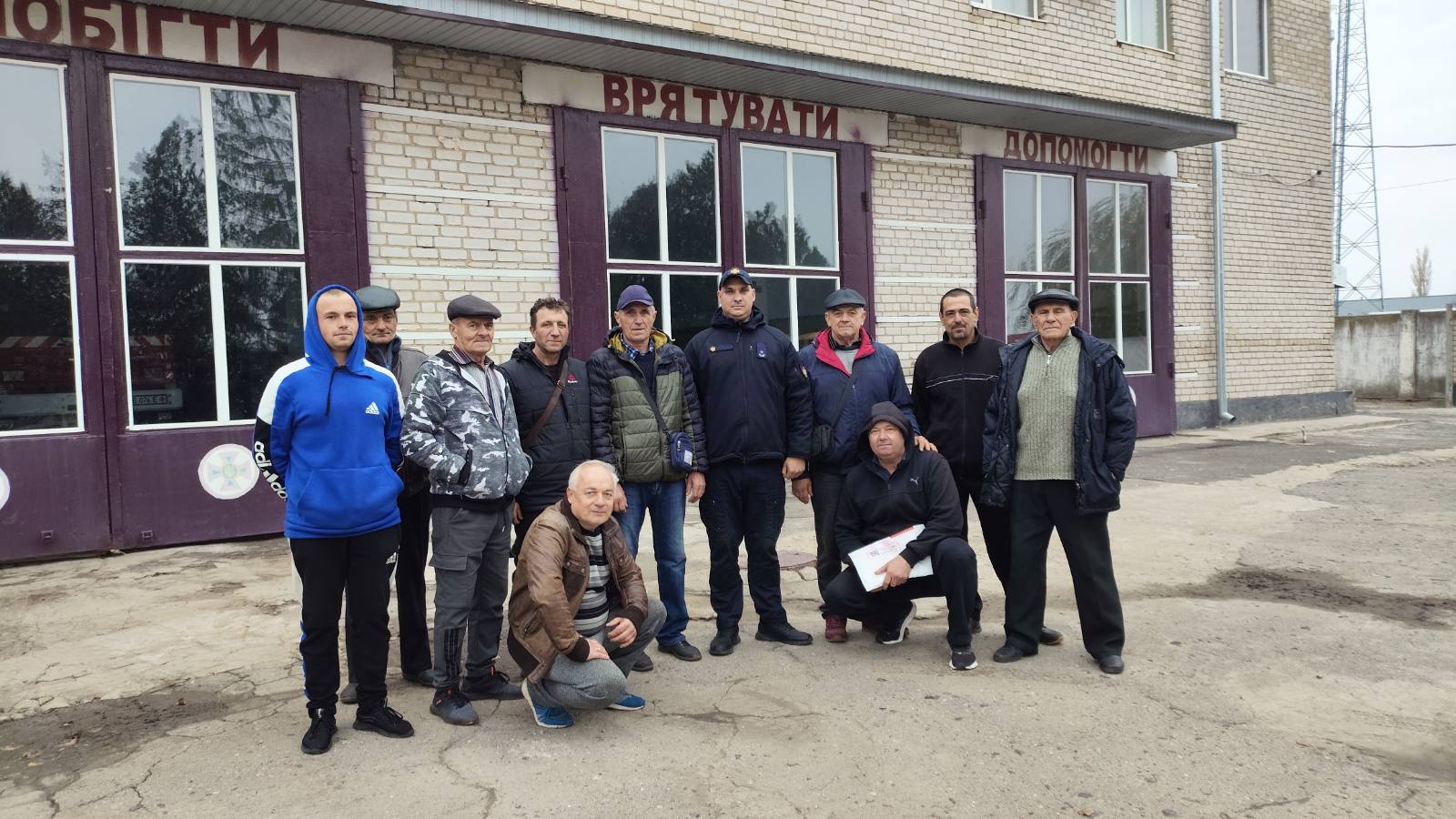
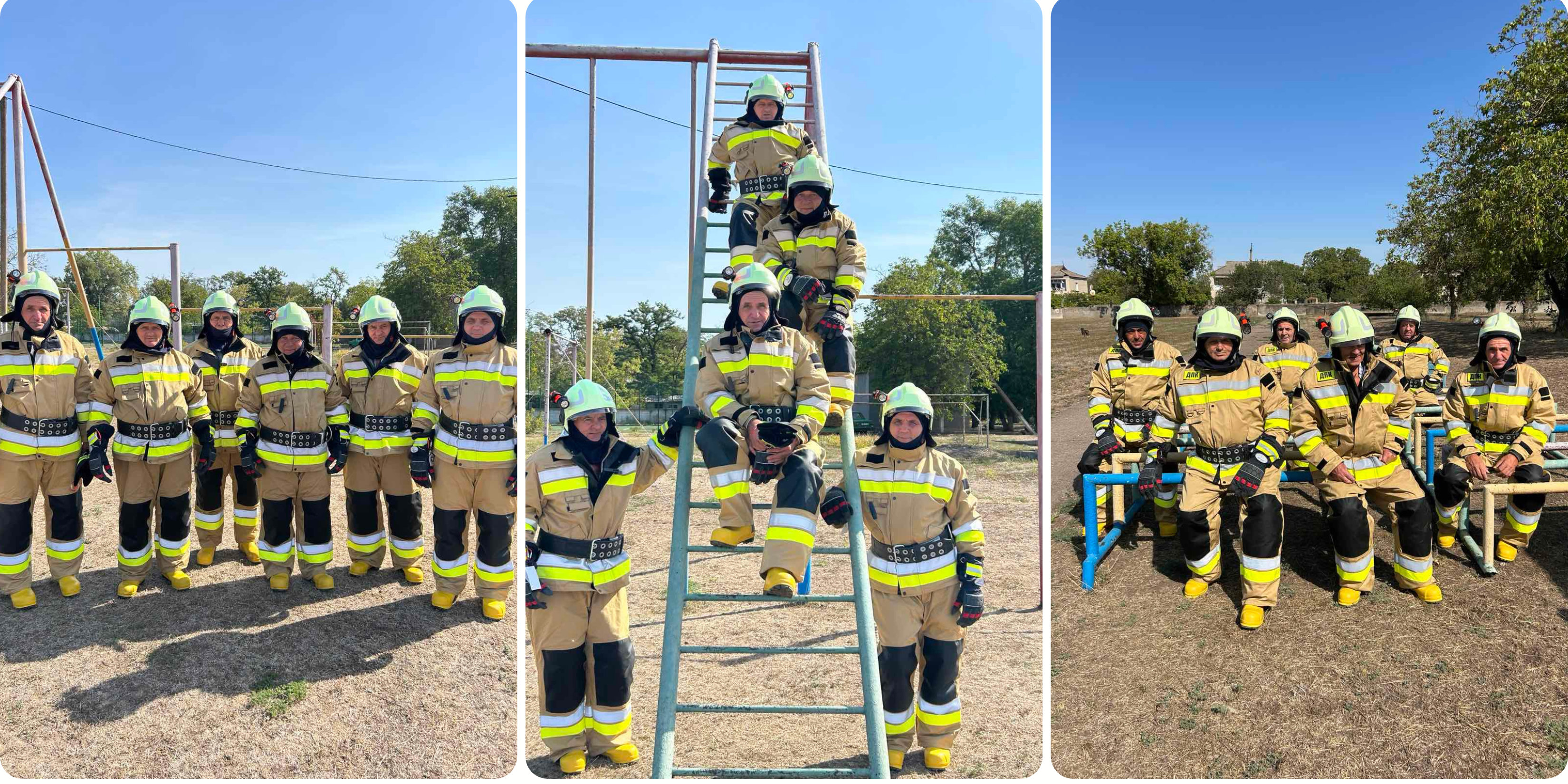
Lepetykha already has twelve trained volunteers, protective equipment, and an officially registered volunteer fire brigade. There is as yet no fire station or fire engine. The journey from the initial idea to full-scale operation has proved longer than anyone expected. But the volunteers do not give up: they put out fires with whatever they have, train and prepare for the day when the brigade will finally be able to respond to calls in their own vehicle.
This story tells of the community’s step-by-step efforts to overcome bureaucratic obstacles, without losing faith in the importance of bringing their idea to life.
Forty-one localities and poor roads
Bereznehuvate community in Bashtanka district of Mykolaiv region comprises 41 localities. According to Aliona Prylutska from NGO “Against Corruption”, which is supporting the formation of the team, the community stretches for over 70 kilometres, and the roads between the villages are often in poor condition.
‘The State Emergency Service really cannot keep up. By the time they arrive, everything has burnt down,’ she says.
There are quite a few fires in the community. According to the village council, in the two years leading up to the summer of 2025 alone, 149 fires were recorded there, and in 2024, the fire swept through around 60 hectares. Fields, forest strips, and dry grass are the most common things to catch fire.
The location for the team was not chosen at random. NGO “Against Corruption”, together with the community, spent several years gathering data and identifying priorities for recovery, with safety emerging as one of the main ones. The Lepetykha starosta district was chosen because it is the most difficult to reach from the administrative centre, where the State Emergency Service unit is based.
The idea that preceded the project
For Mykola Mykhalchuk, the starosta of the Lepetykha starosta district, nothing is new about this. He was born and raised in Lepetykha. He worked his way up at the local agricultural enterprise, starting as a mechanic and driver before becoming deputy director and then director; he then served as a village mayor for five years, and is now in his sixth year as starosta.
‘I have had this idea in my head for at least ten years, if not more. I used to say at council meetings that we needed to set up fire and medical stations in the villages, because with our roads, help cannot always reach us,’ he explains.
He also has experience in firefighting. From the early 2000s, the farm where he worked had its own fire engine, based on a Ural truck, fitted with a water tank and a pump. It was used to put out fires in the fields and in the villages.
The opportunity to bring this long-standing idea to life arose in 2025. In May, Aliona Prylutska and Serhii Boiko, Head of Bereznehuvate community, attended the Europe Civil Security international security forum in Warsaw, where they learnt about the “Firefighters” project run by the Solidarity Fund PL in Ukraine. NGO “Against Corruption” helped the community prepare its application, and in July 2025, Bereznehuvate community became the only one from Mykolaiv region among the 20 communities to pass the second stage of selection.
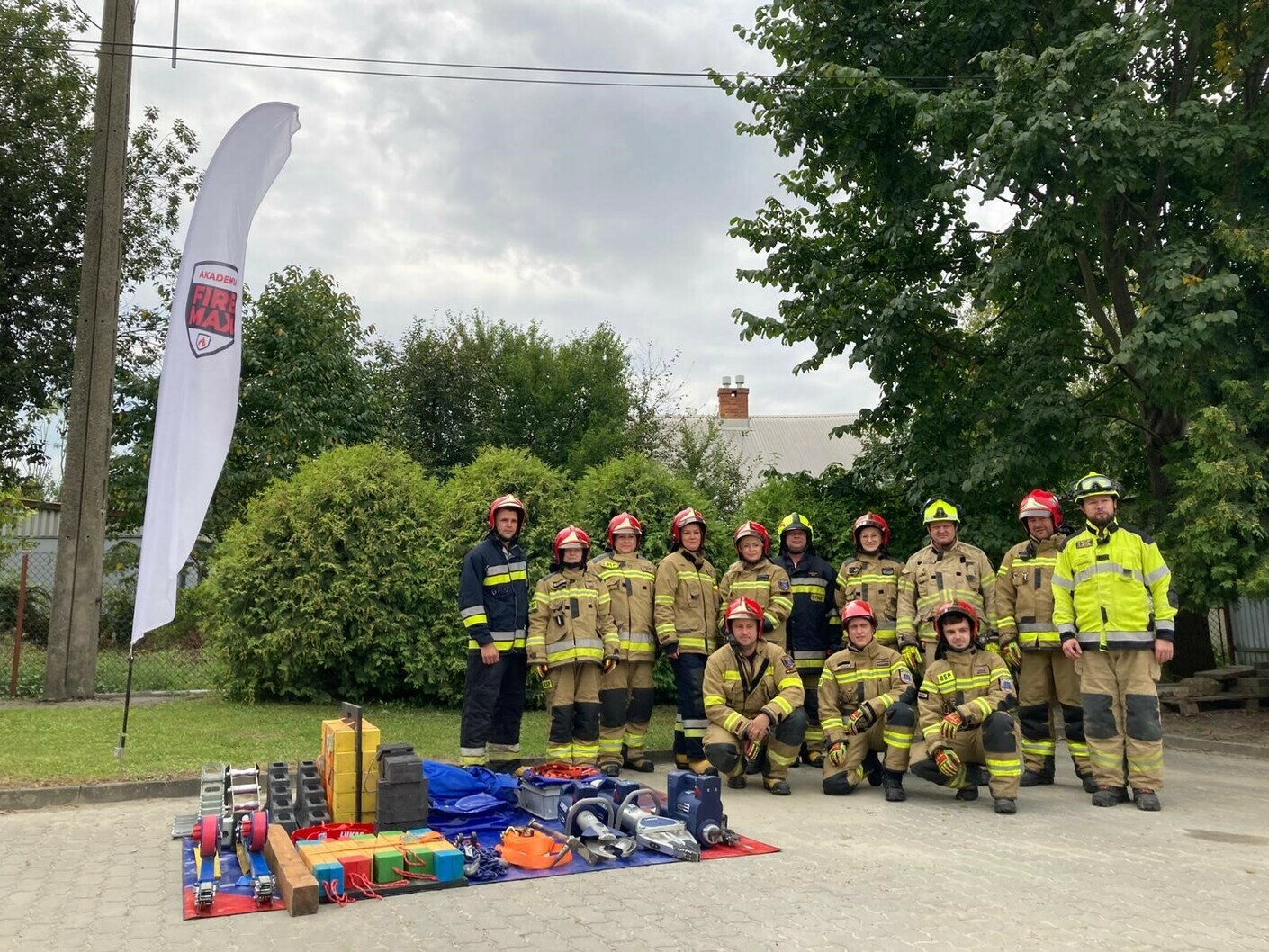
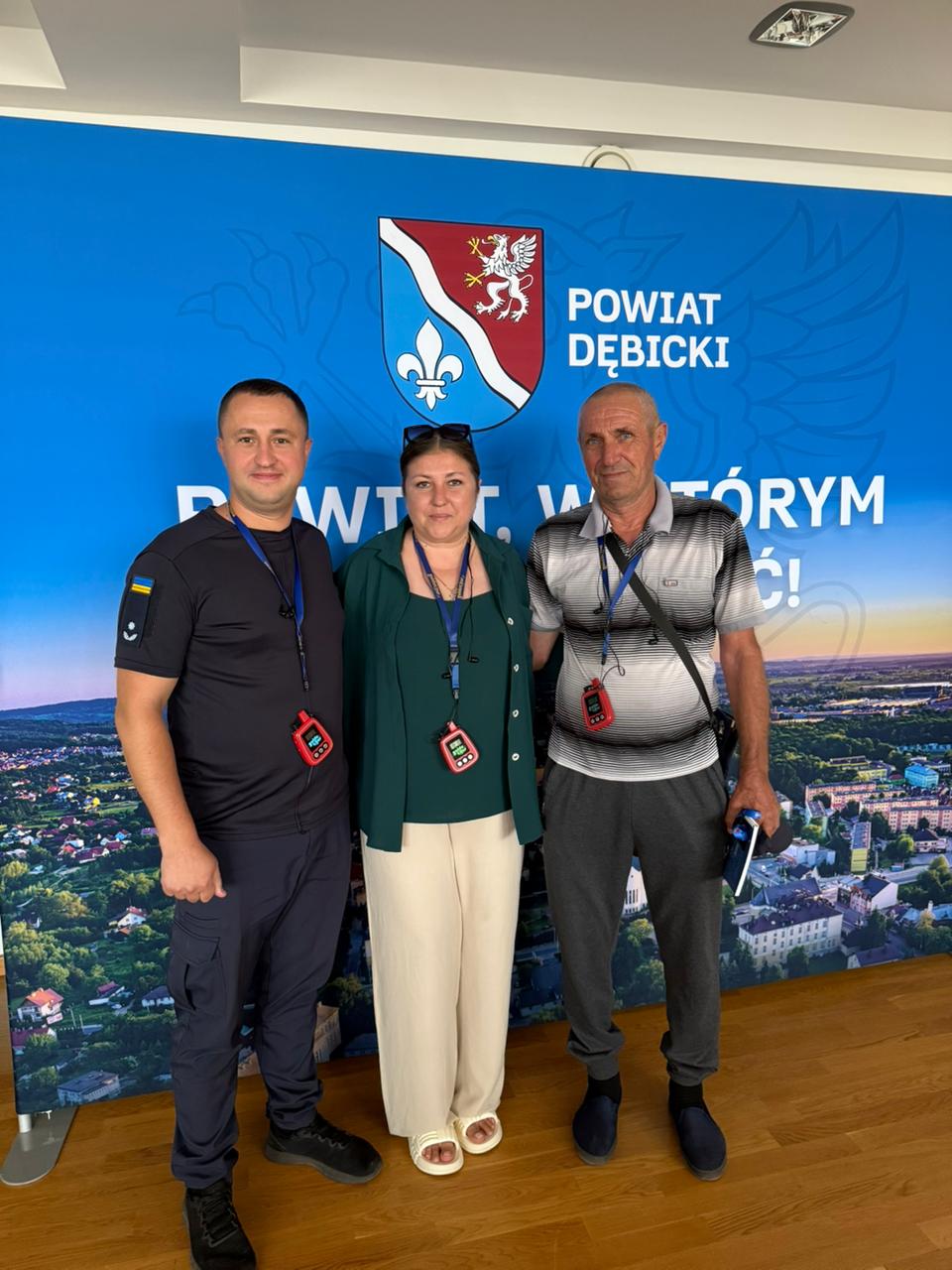
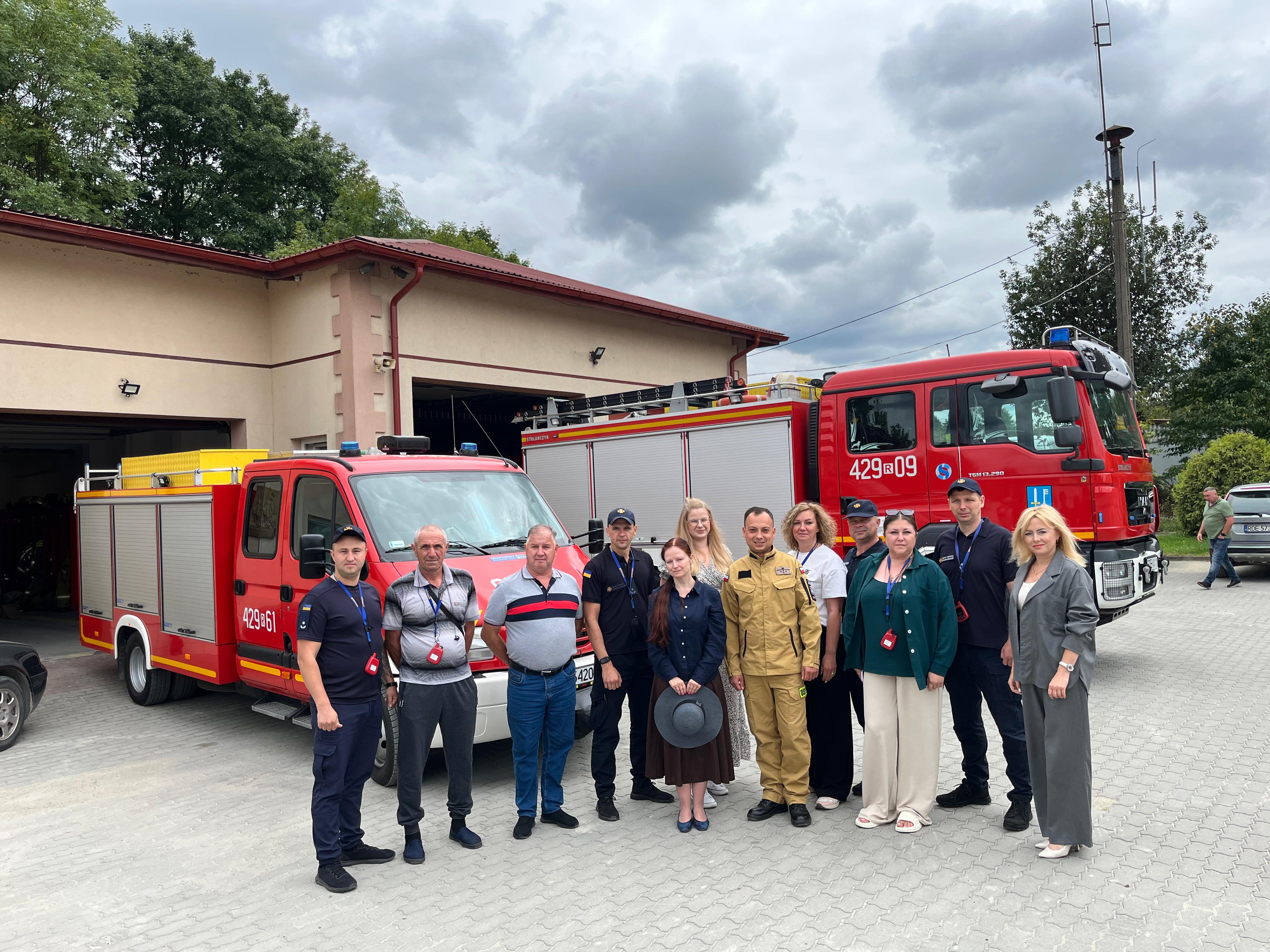
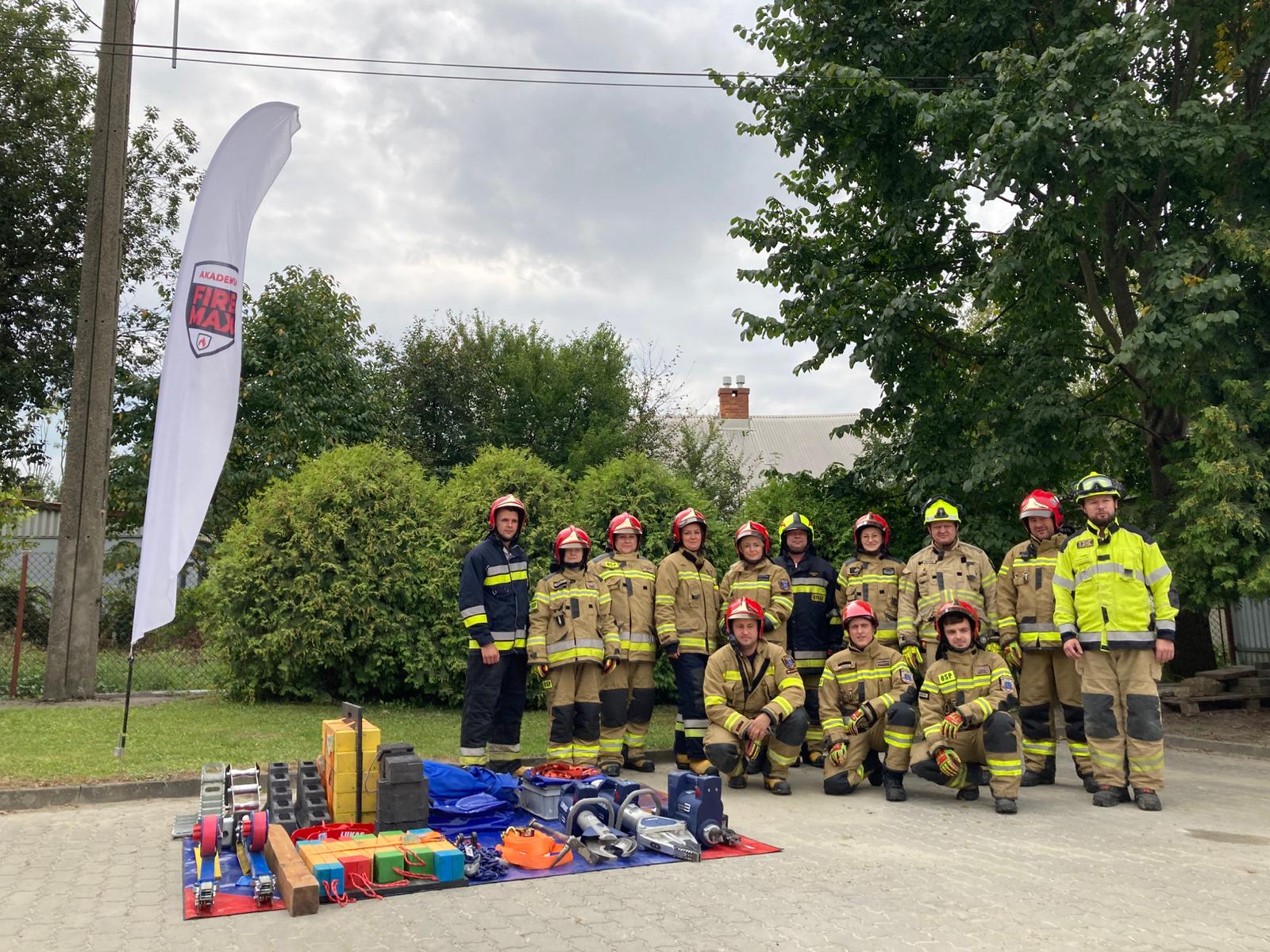
The community representatives also visited Poland, where their Polish colleagues demonstrated how their volunteer fire brigades operate.
Twelve who agreed straight away
The starosta put the team together. He called on men he knew well: former drivers and machine operators from the local farm. Some of them had served as firefighters in their youth.
‘Everyone agreed, as one,’ says Aliona Prylutska.
At first, there were thirteen volunteers. One was called up for military service, and Mykola Mykhalchuk took his place. He refused any payment.
‘I do not need to be paid anything. I will join as a volunteer,’ says the starosta.
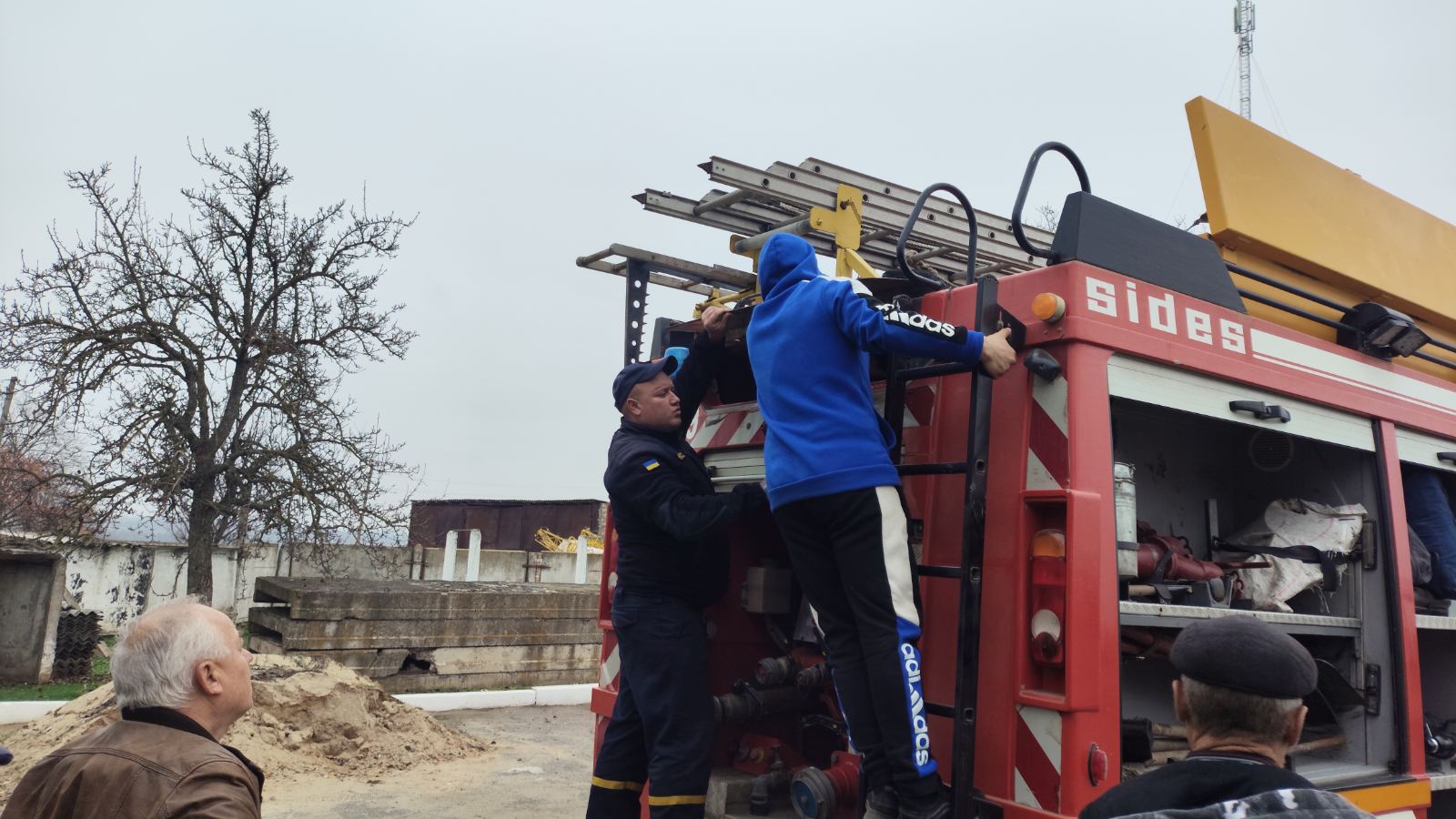
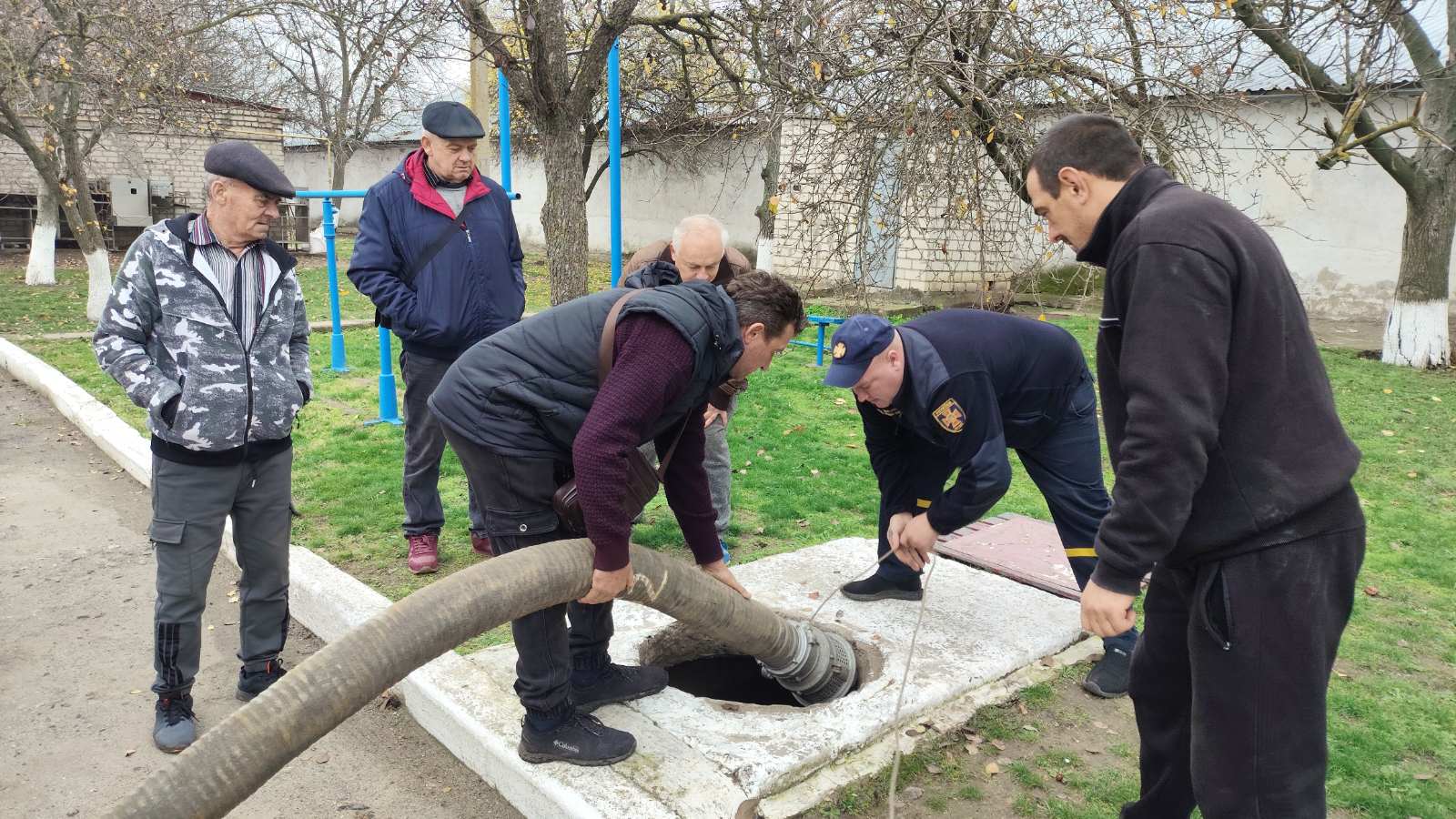
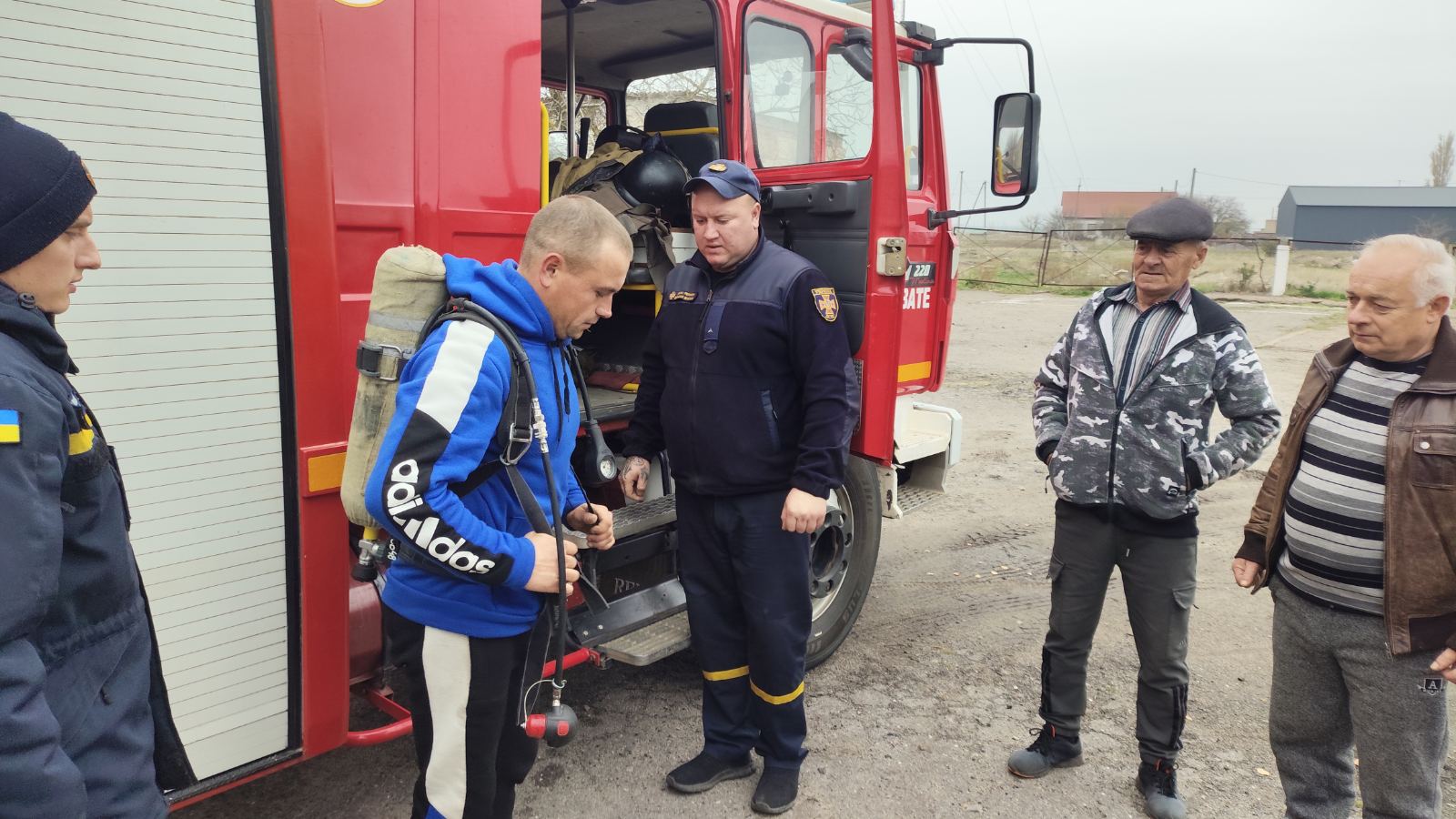
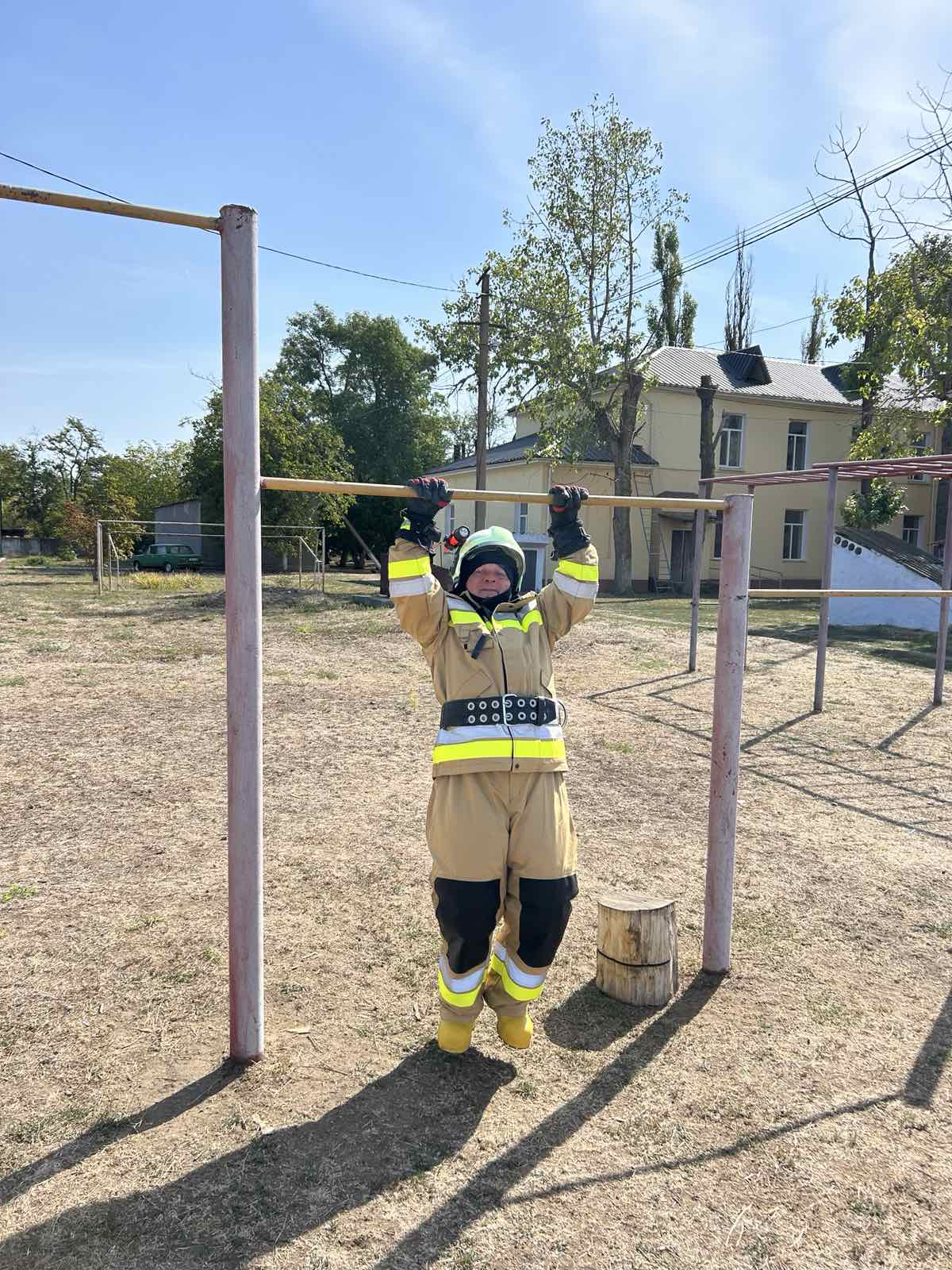
Half the team are elderly people. Webinars using push-button mobile phones proved tricky, so they watched the online sessions together on a single computer. And for the practical sessions, according to Aliona, “everyone rushed along as one”. At the end of 2025, the volunteers sat tests and completed a two-day practical training course on first aid and what to do in the event of a fire.
Getting through the paperwork
The community chose the status of a public utility company for the team. The decision to establish the “Voluntary Fire Brigade” public utility company of the Bereznehuve Settlement Council was adopted by the settlement council on 12 December 2025. Next, the paperwork began. In May 2026, a new version of the institution’s regulations was drawn up, which had to be approved by the State Emergency Service. The institution was successfully registered on 23 September 2026. Valerii Volochai was appointed its head.
For people who had been waiting for a result since the summer of 2025, every month was a struggle.
‘It is very hard to keep people’s spirits up. They can see that things got underway last summer, and now it is already autumn of the following year,’ says Mykola Mykhalchuk.
The starosta makes no secret of the fact that the bureaucracy is wearing him down, but he refuses to give up. ‘Every day of delay is like road repairs or healthcare: it could cost someone their life,’ he explains, outlining why he is pushing the process so persistently.
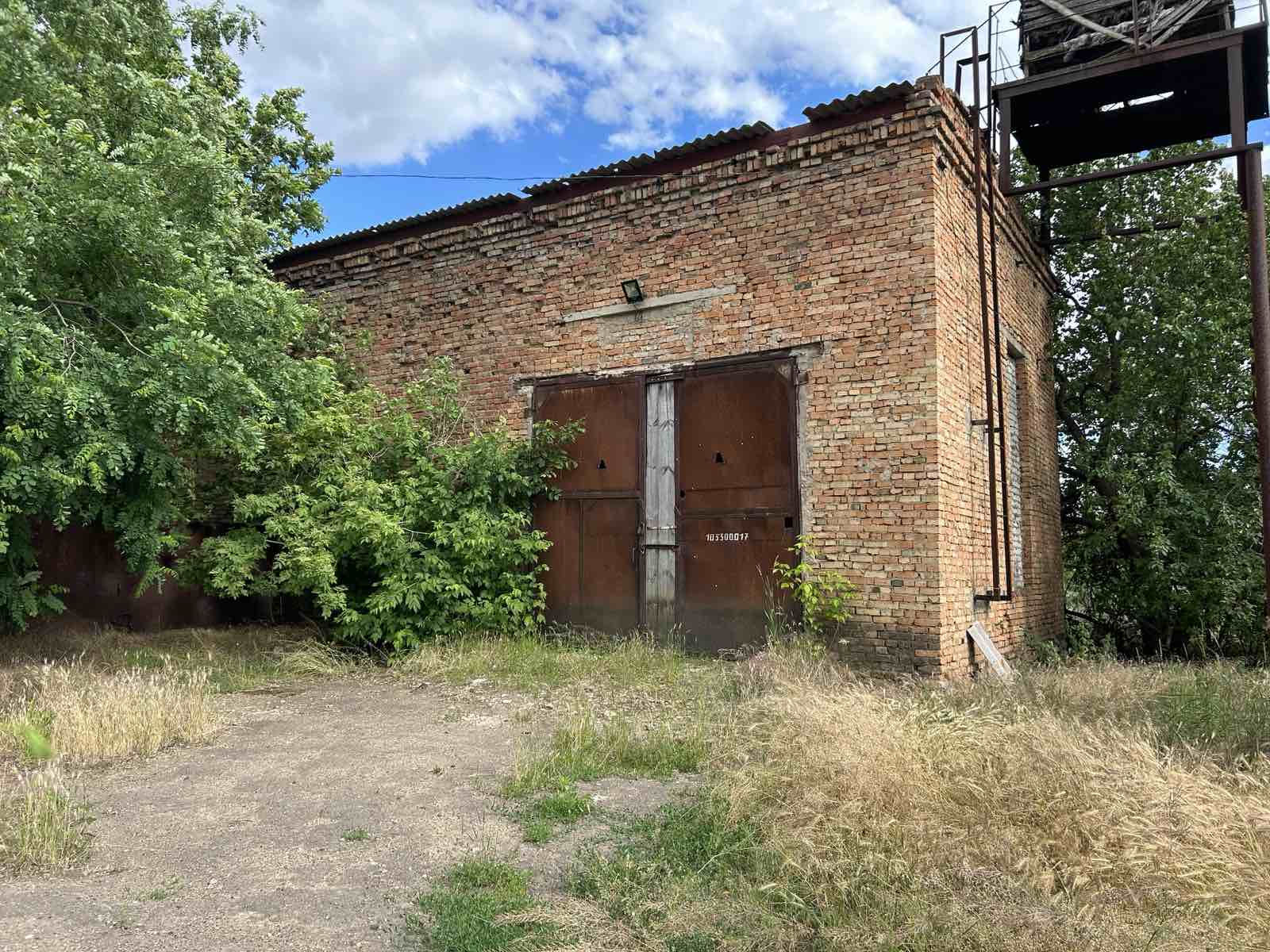
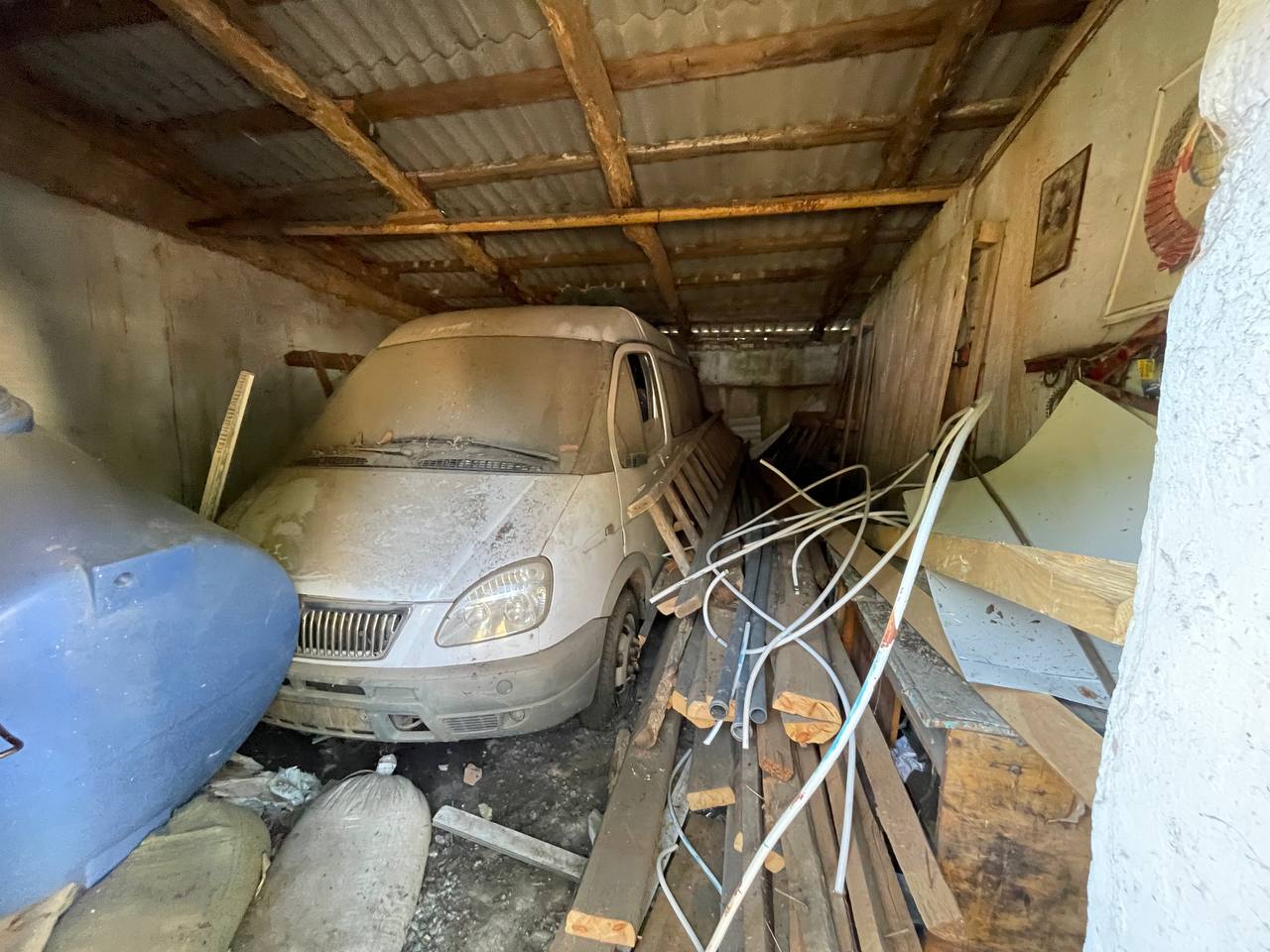
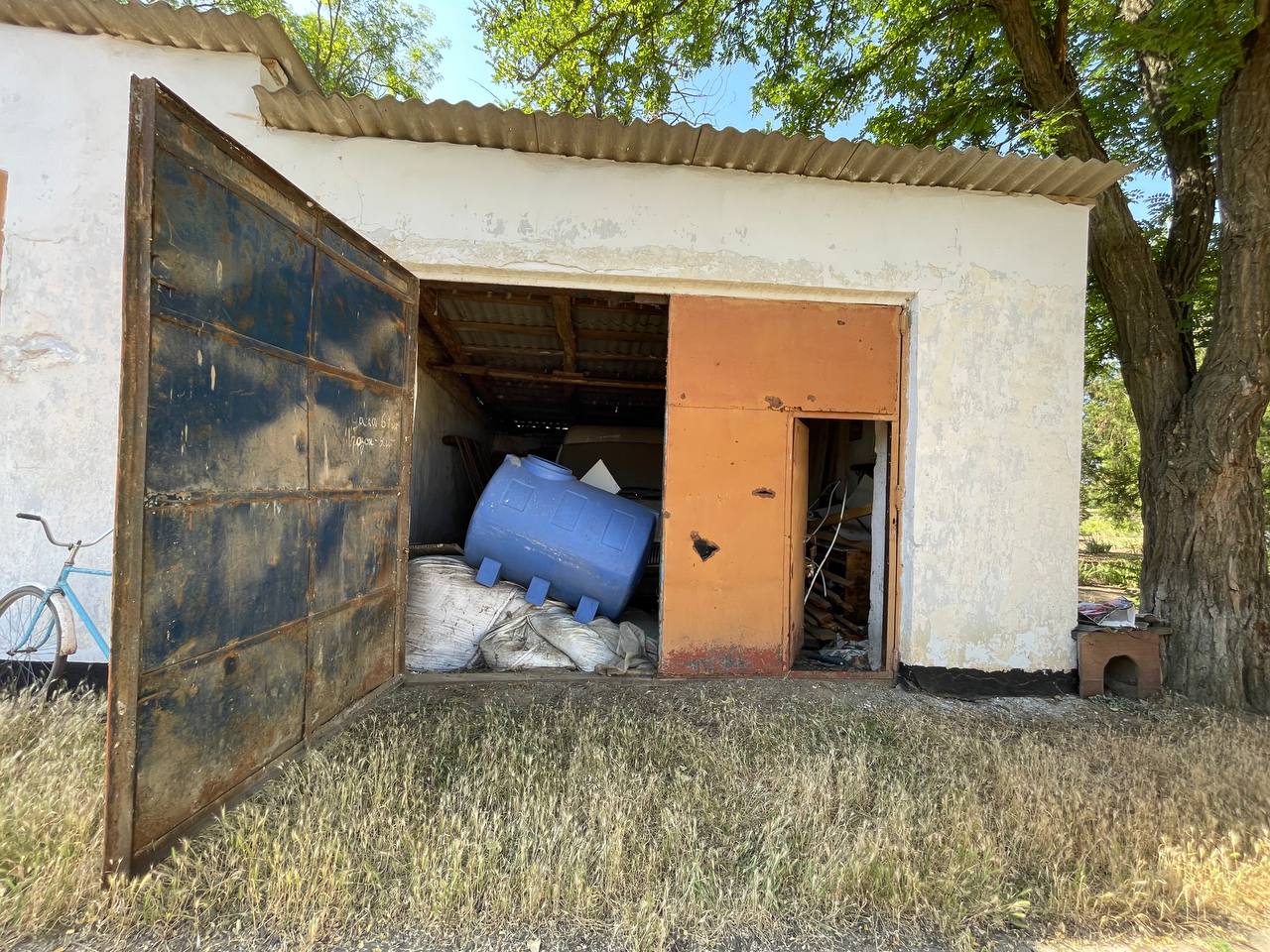
The search for a depot became a story in its own right. The first premises were unsuitable because a fire engine could not access them. The second turned out to be state-owned, and the process of transferring it would have dragged on for a long time. In the end, an unused section of the old two-storey village hospital building in Lepetykha was chosen for the depot. The premises have now been approved, and renovation work lies ahead.
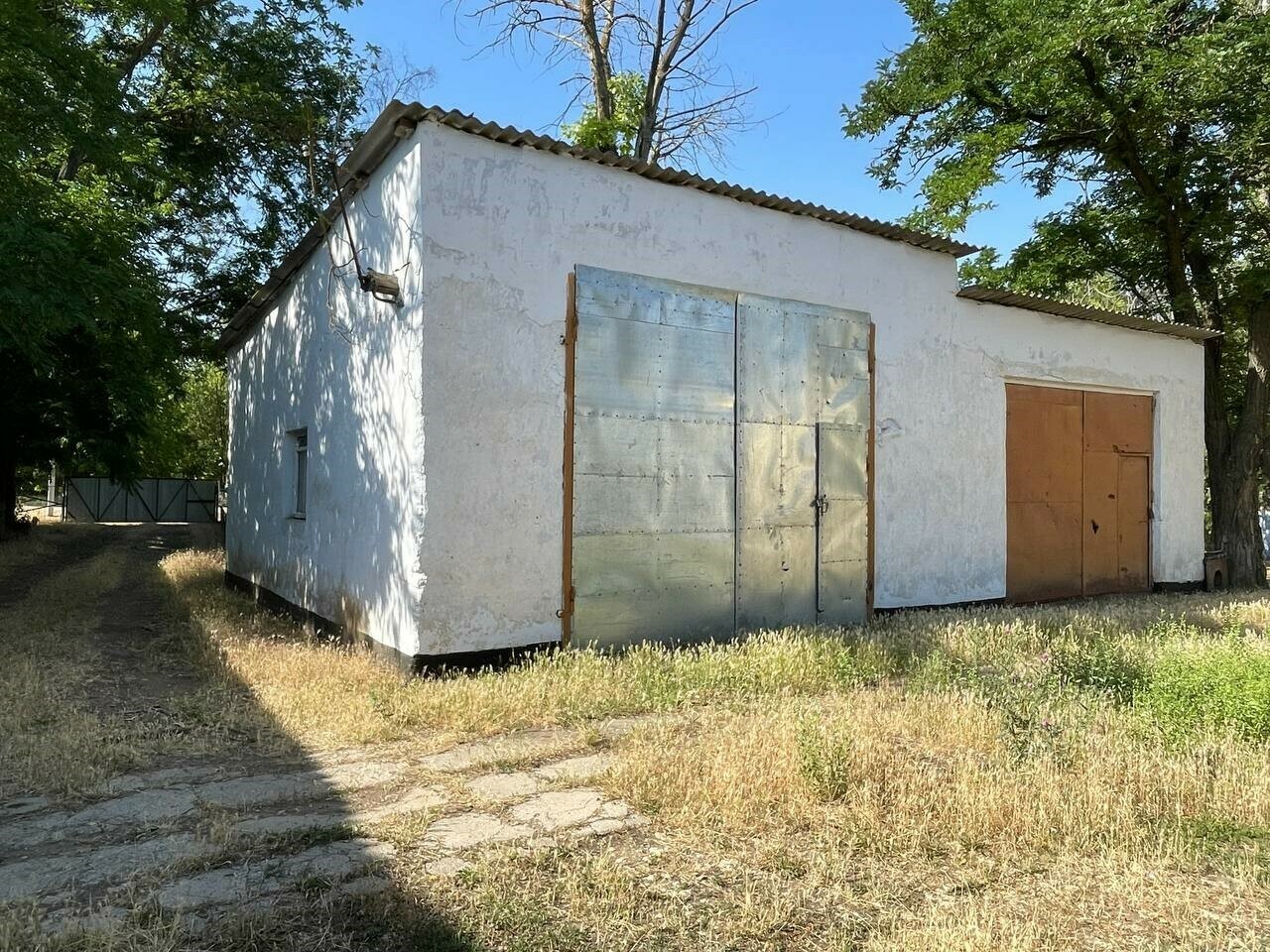
*the photo shows one of the premises that were turned down
The vehicle that is waiting
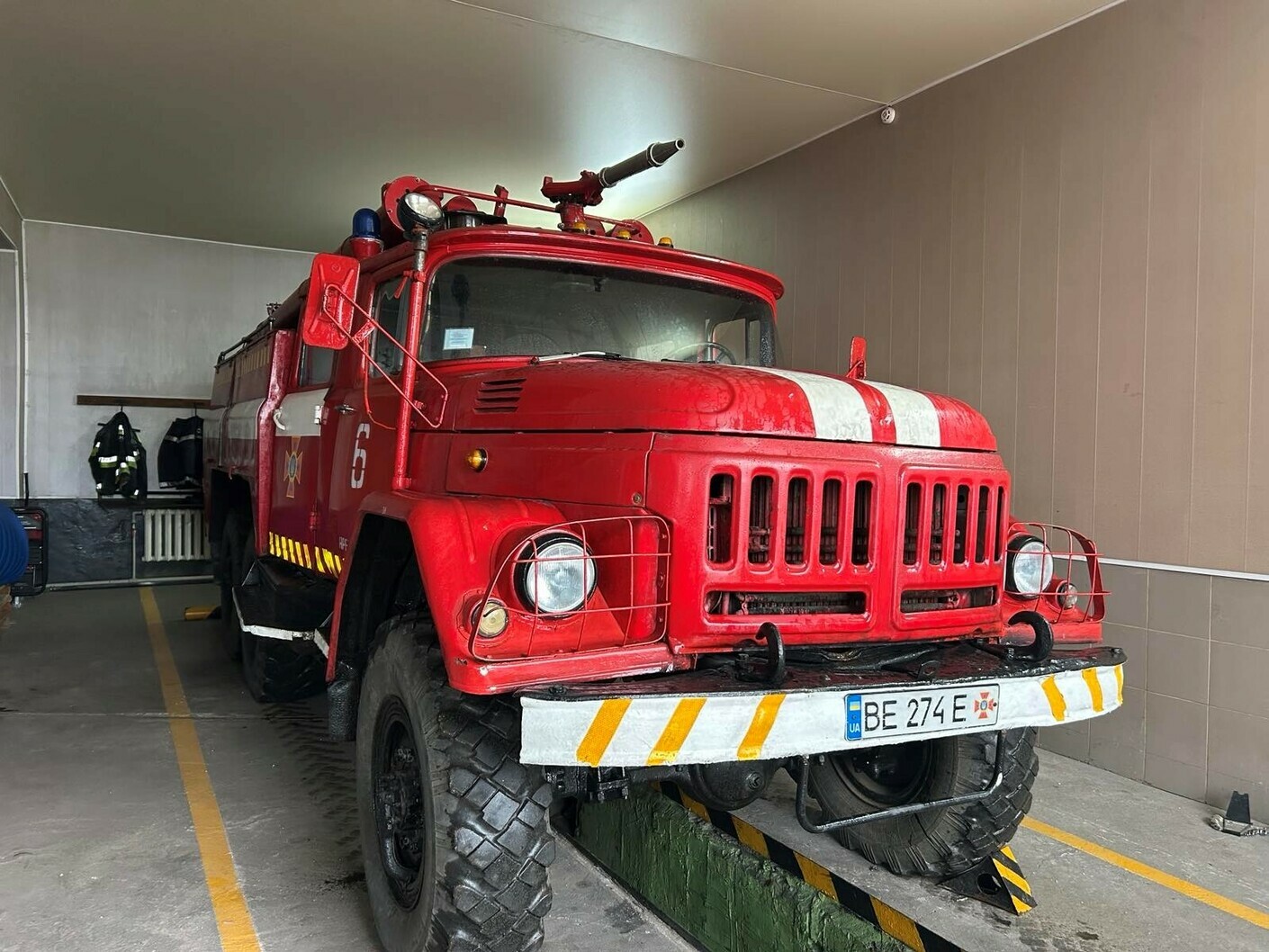
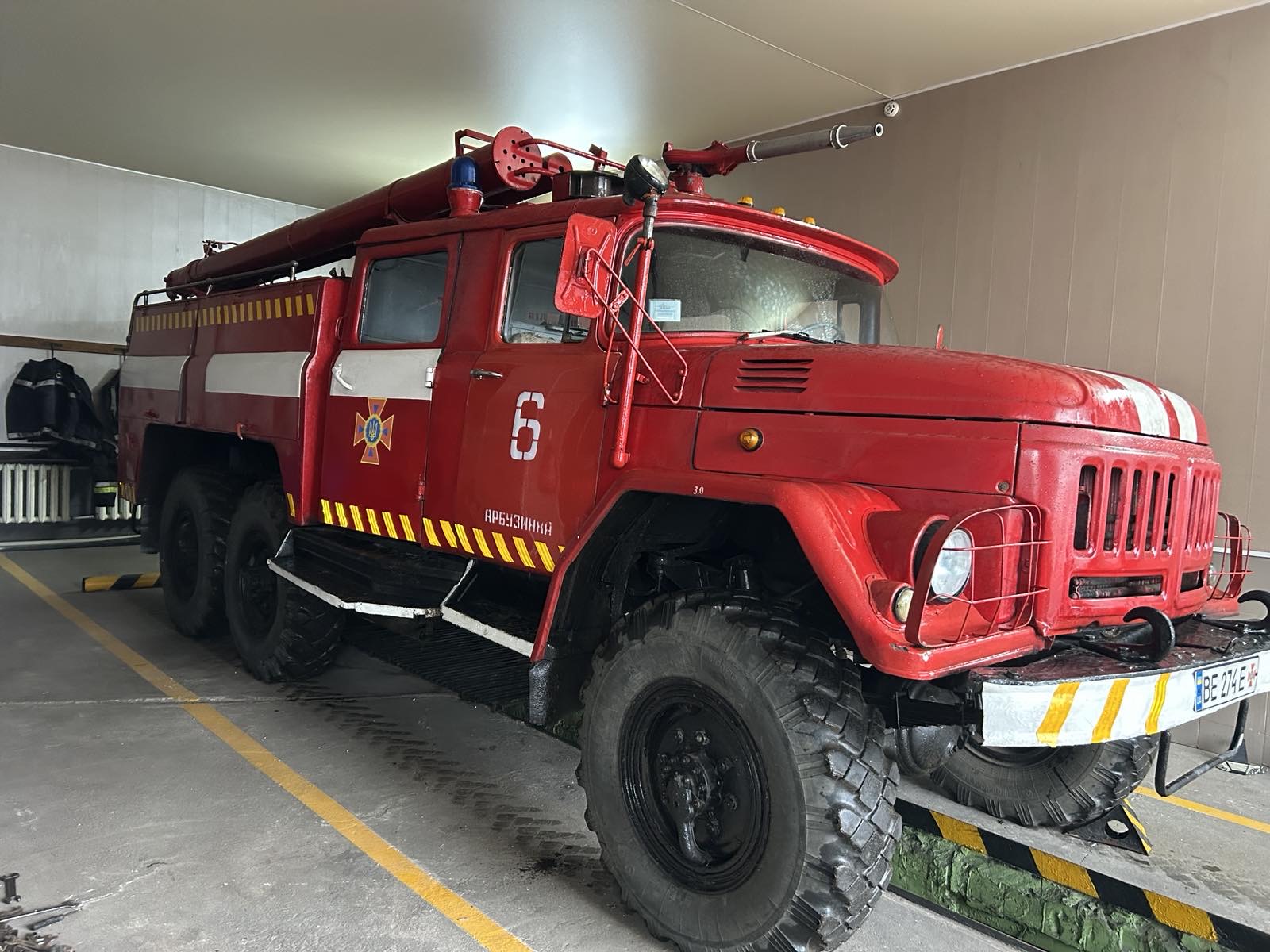
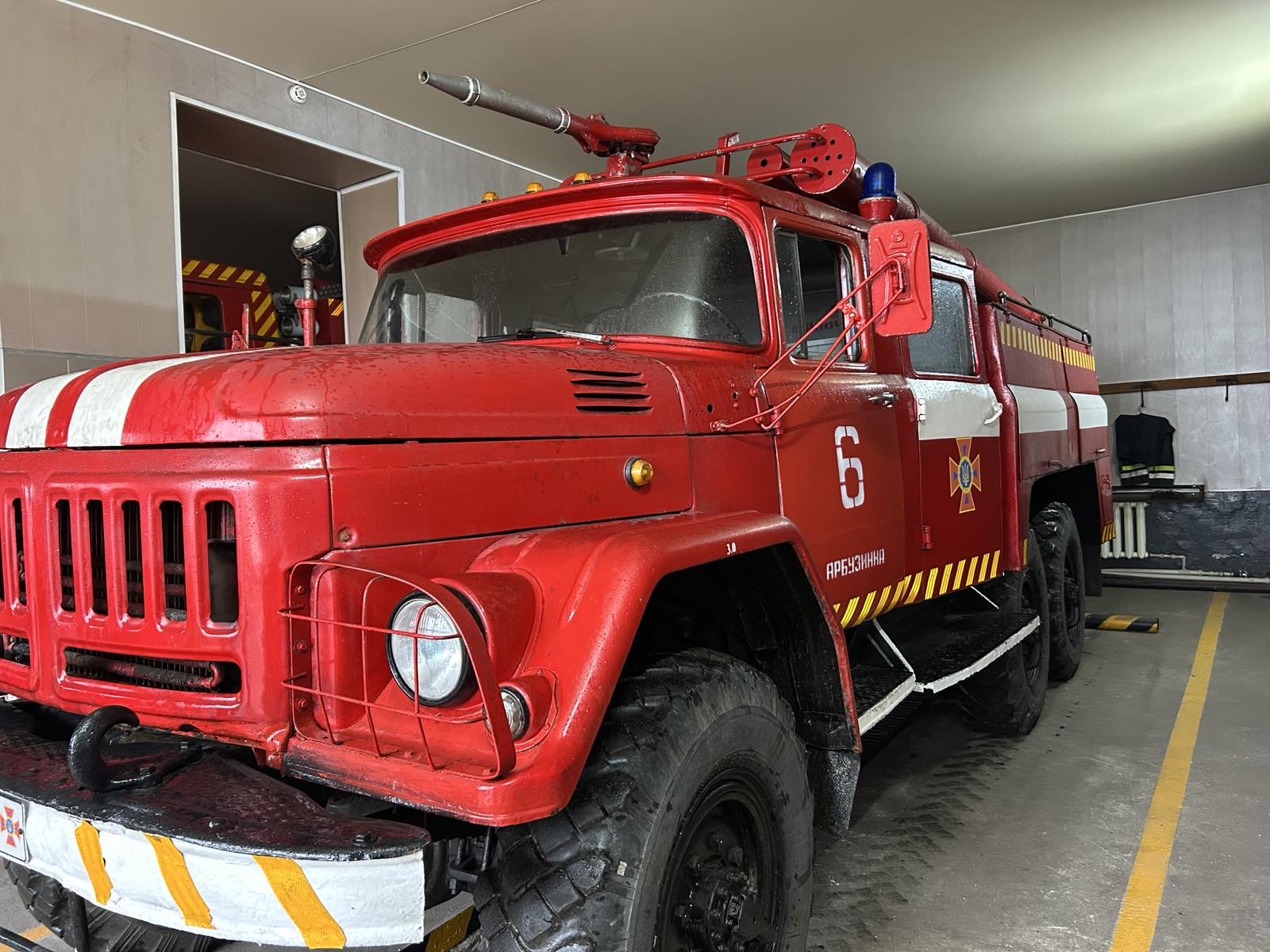
Mykola Mykhalchuk found a vehicle for the team himself. It is a ZIL-131 from the State Emergency Service’s fire and rescue unit in Arbuzynka. The starosta went to inspect it in person, took a test drive with the driver, and checked that the vehicle was in good working order. The vehicle drove to Bereznehuvate under its own power. However, it has not yet been handed over to the team and is still parked in Bereznehuvate.
The starosta offers a simple explanation as to why a ZIL rather than a more modern and fuel-efficient vehicle:
‘People tell me: we could get a Renault or a Mercedes from abroad; they use less fuel. I agree with you – it would come in handy in the summer. But in autumn and winter, on our rough terrain, we simply cannot manage without a vehicle with high off-road capability.’
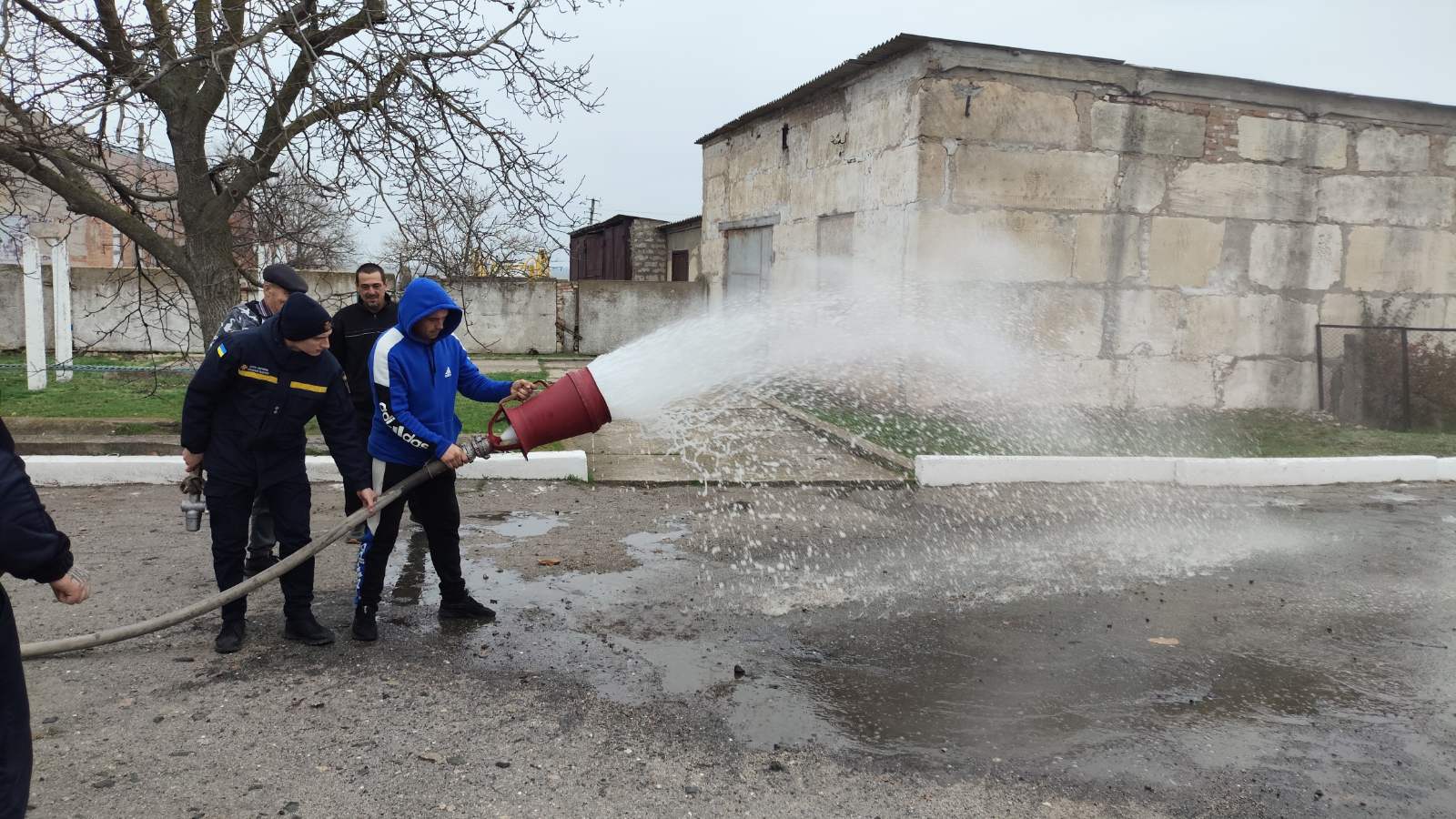
At the same time, the community is also looking for other vehicles, particularly to house the new fire-fighting equipment. In August 2026, Bereznehuvate community received a mobile fire-fighting module as part of the “Partnership for Community Safety and Resilience in Mykolaiv, Ukraine” project, which is funded by the Danish Government and implemented by UNOPS. The module has its own engine, a high-pressure pump, and tanks for water and foam concentrate, so it can extinguish fires using either water or foam. On 18 September, the community received foam concentrate from the same partners, which is required for the module to operate in foam mode.
The module is intended to be used for rapid response to small fires, particularly those involving dry vegetation, and to contain the fire until the main firefighting forces arrive. At the time, the community still had to decide exactly who would operate it: as Serhii Boiko, Head of Bereznehuvate community, told the local newspaper “TO! Diznaimosia”, the options included a municipal enterprise or a volunteer fire brigade. ‘But to make full use of it, we also need a vehicle on which the module can be transported,’ he added.
Fighting fires with whatever they have
Although the team has neither a fire engine nor a depot, the volunteers still turn out to tackle fires. They put out the blazes with fire beaters, spades and buckets, and farmers help to bring in water.
‘Fire beaters, buckets, spades. And if necessary, a vehicle from the farm comes with a five-cubic-metre tank and a pump,’ says Mykola Mykhalchuk.
He says that this year, the volunteers have put out three fires on their own, without the State Emergency Service; these were mainly fields and dry grass. On one occasion, children set fire to an orchard, and the flames began to spread closer to the village. During major fires, the starosta immediately telephones the head of the fire and rescue unit.
What has changed thanks to the “Firefighters+” project
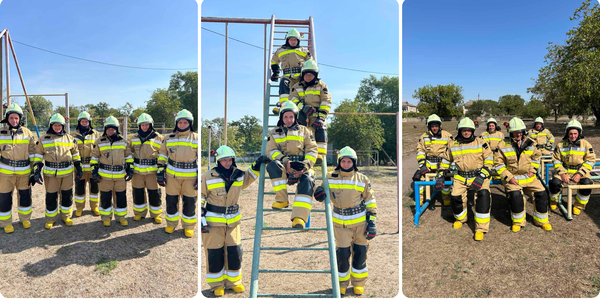
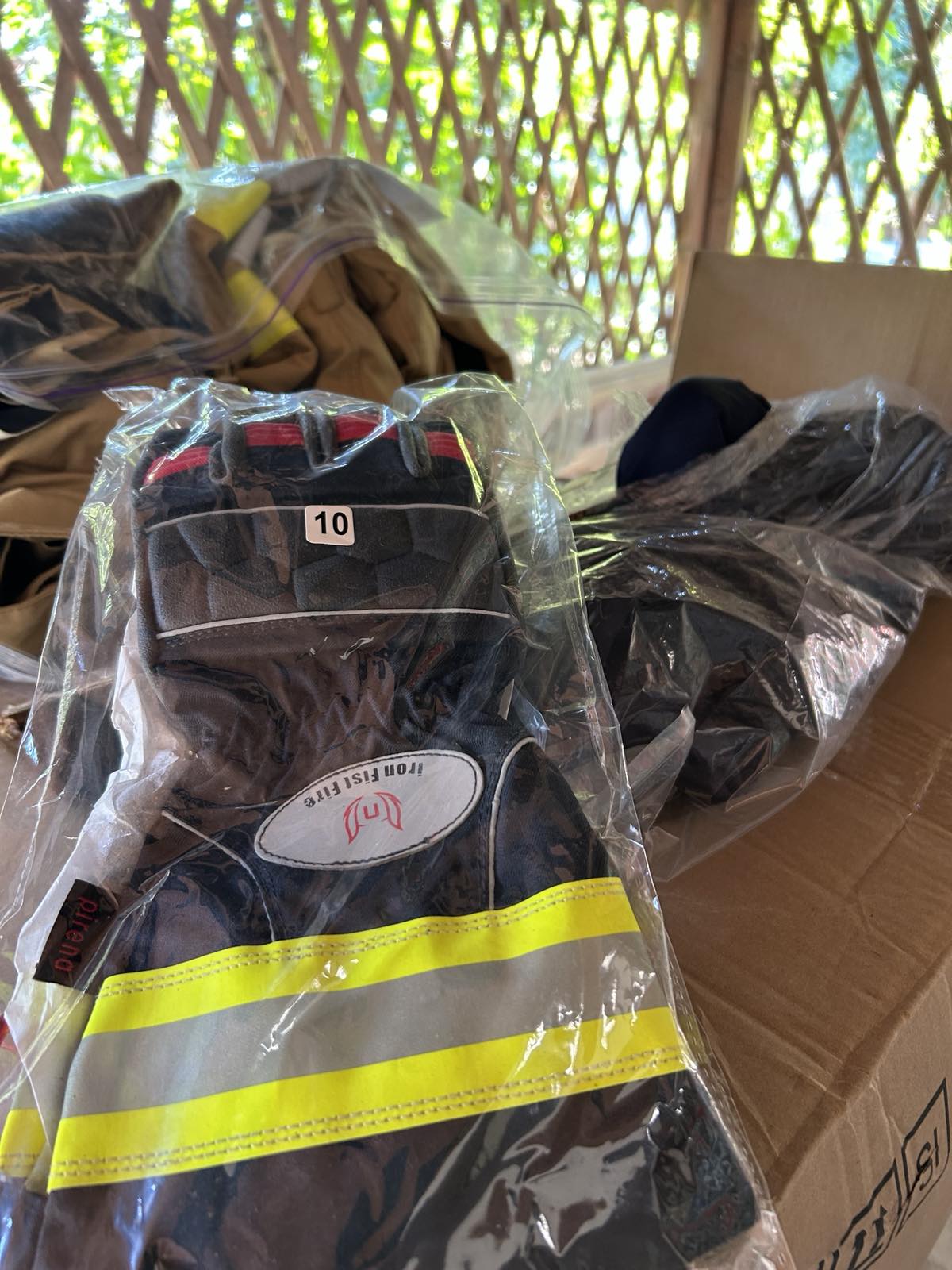
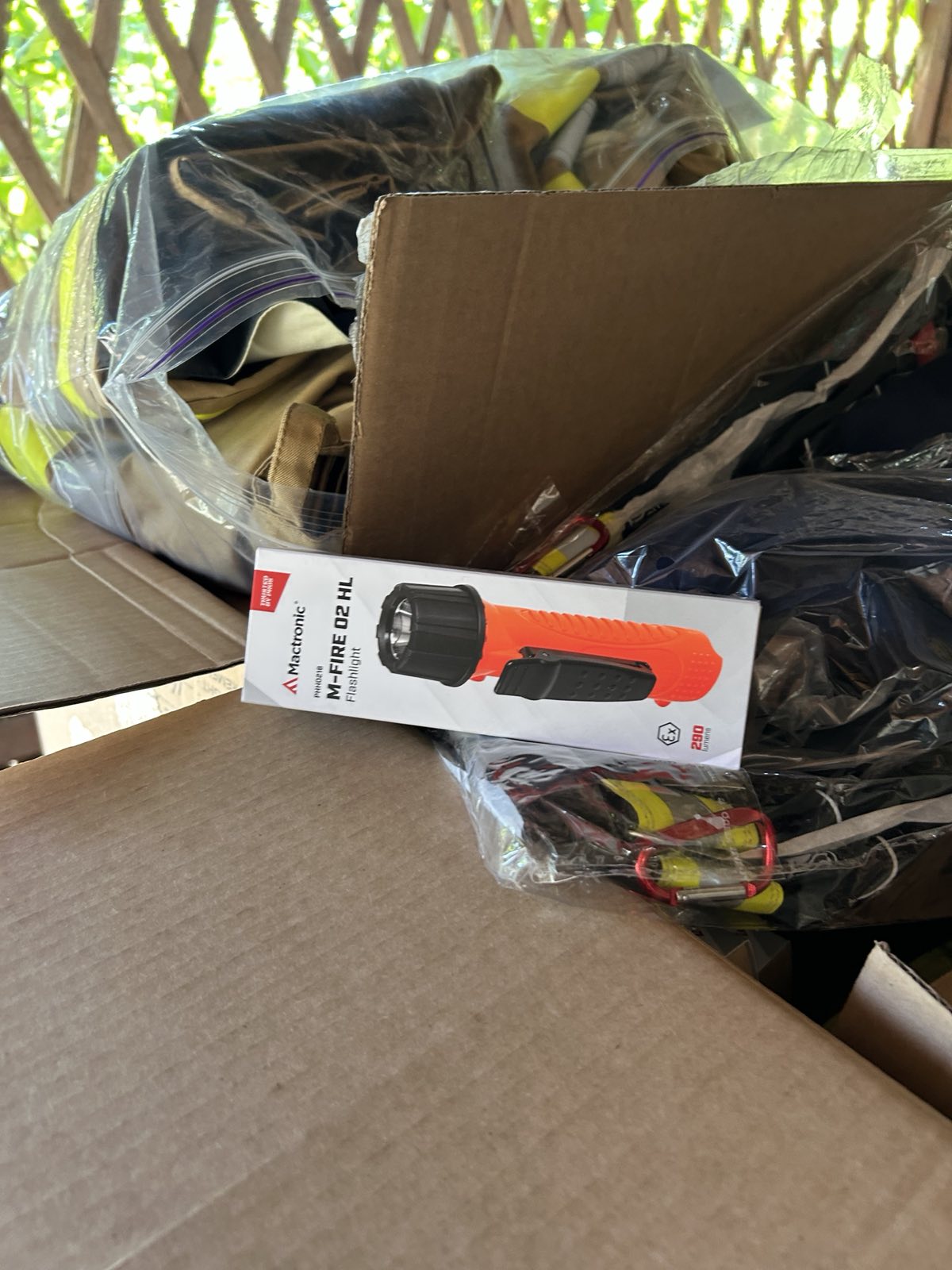
The first phase, the “Firefighters” project, provided the team with training and assistance with paperwork. As part of the project “Firefighters+. Support for the establishment and development of volunteer fire brigades in target communities”, implemented by the NGO “Volunteer Firefighters” in a consortium with Solidarity Fund PL in Ukraine, the team received six sets of protective equipment:
- special suits with removable heat-protective linings;
- heat-resistant helmet liners;
- rescue belts;
- headlamps with helmet mounts;
- firefighting boots and gloves.
According to Aliona Prylutska, the community helped to raise funds for a further six sets, so all twelve volunteers are now fully equipped.
‘This is a very good set; exactly like what real firefighters use,’ says Mykola Mykhalchuk.
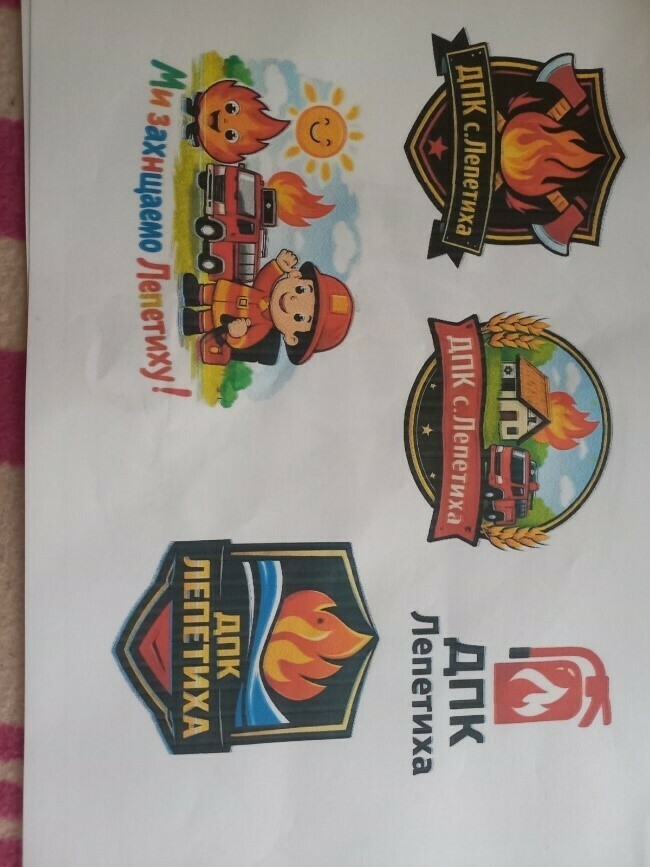
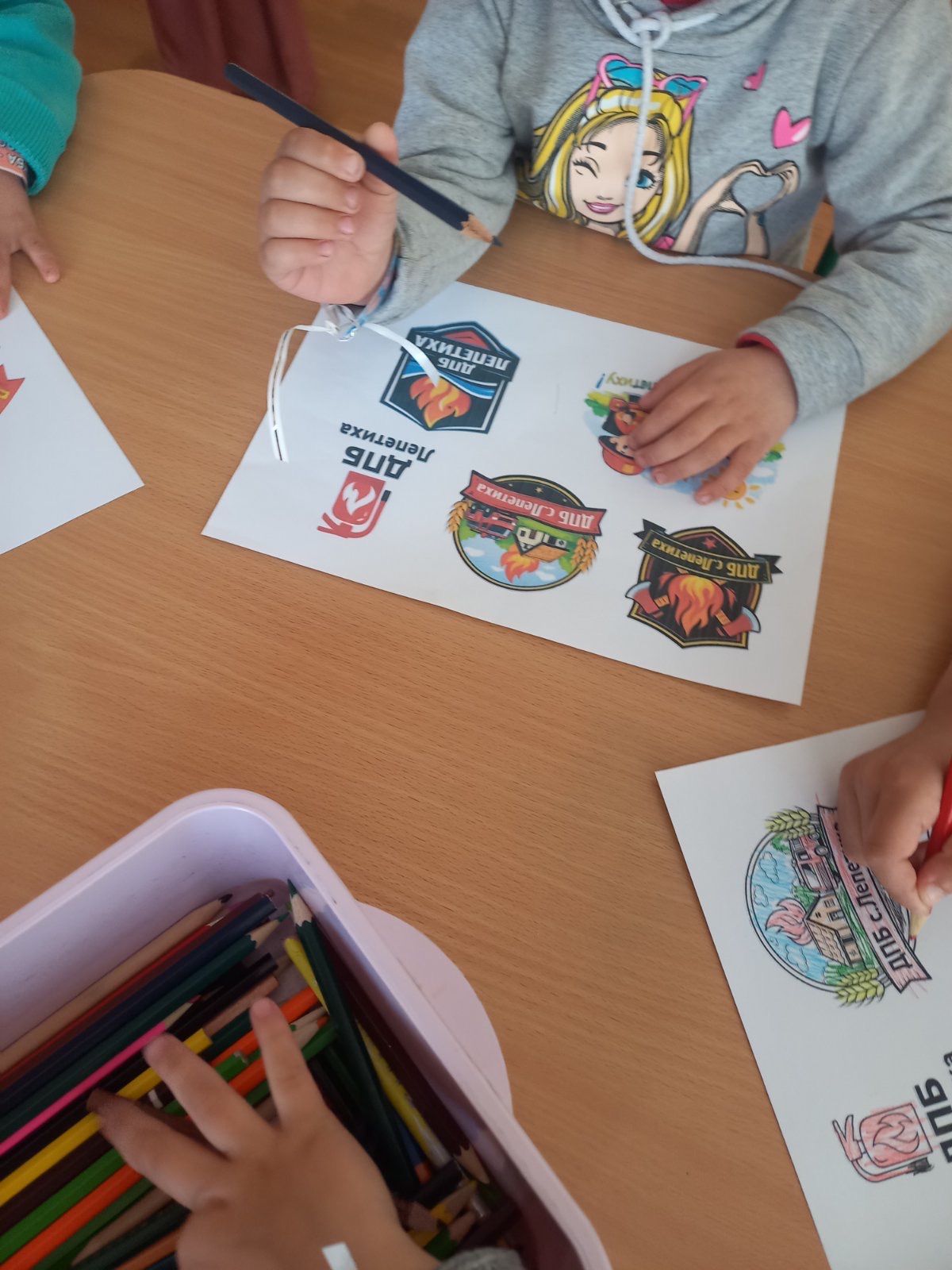
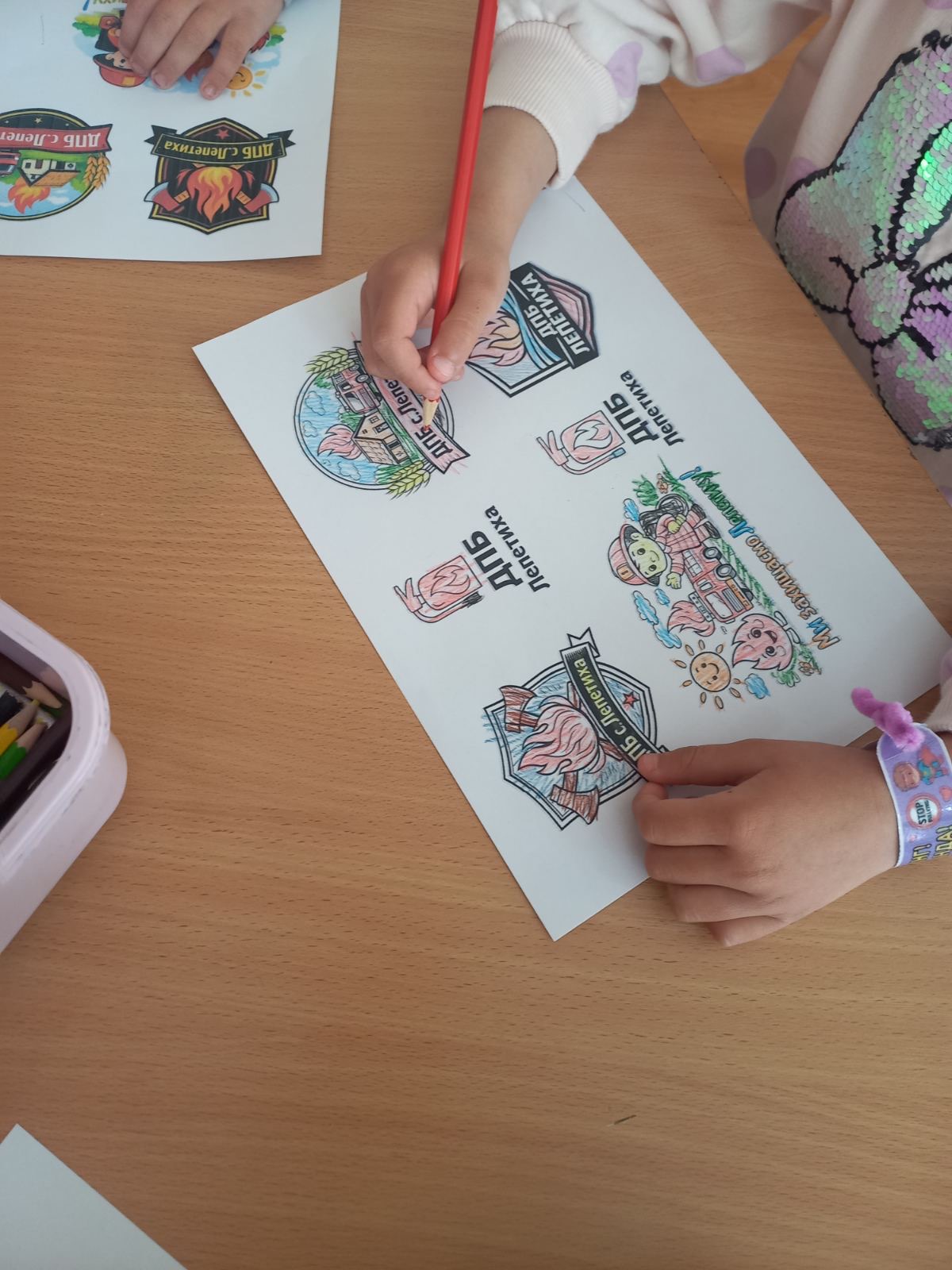
The project also provided resources to organise a series of events for the team and the community. The volunteers were given a training manikin for practising how to stop bleeding, tourniquets and dressing materials, and in July 2026, together with the children, they designed options for the team’s identity under the slogan “We protect Lepetykha!”. In September, talks were held at the Lepetykha Lyceum with young people about setting up a youth council. Later that autumn, the community’s rescue officers, Dmytro Mindov and Vladyslav Sushkov, delivered a safety lesson to senior students using materials from the project, with Mykola Mykhalchuk, a member of the volunteer fire brigade, also taking part. The school now wants to set up a team of young rescuers.
‘What will we leave for our children?’
Despite all the delays, Mykola Mykhalchuk is determined to complete the project.
‘We have already accomplished about 60-70 per cent of this journey, if I may put it that way. I think that by the end of the year everything will be fully operational,’ he says.
He explains his motivation this way: ‘What can we leave for our children? Let’s leave them something they can use and that will remind them of us. For a village to stay alive, it needs a school and a hospital, and it must be accessible by road. It also needs the police, medical services, and the fire brigade, because the distances between our villages are vast.’
Conclusions: lessons for other communities
- Choose a team location based on data. Lepetykha was selected based on the analysis of the community’s priorities and consultation with the State Emergency Service.
- Decide on the organisational and legal structure in advance. Depending on whether it is a municipal institution or a community organisation, the time required for registration and the available sources of funding will vary.
- Prepare the founding documents thoroughly. Every amendment to the regulations adds months to the team’s launch.
- Check the premises before any decisions are made. Find out right at the start whether a fire engine can access the site and who owns the property.
- Have a partner to guide you through the process. A non-governmental organisation helped with the application, paperwork, communication, and events.
- Keep people motivated. Training, equipment, joint drills and activities with children keep the team together throughout the registration process.
In Lepetykha, people already know who to count on when a field or plantation catches fire. What remains is for these people to be provided with a depot and a fire engine. Then the twelve volunteers, who have been putting out fires with fire beaters for years, will finally be able to respond to calls as a fully-fledged team.
This material was prepared by NGO DOBROVOLTSI-VOHNEBORTSI with the support of the Askold and Dir Foundation, administered by ISAR Ednannia as part of the project “Strong Civil Society in Ukraine – Driving Force for Reforms and Democracy”, funded by Norway and Sweden. The content of this material is the sole responsibility of NGO DOBROVOLTSI-VOHNEBORTSI and does not reflect the views of the governments of Norway, Sweden or ISAR Ednannia.
26 November 2026
Experience of French communities for Ukrainian...
French municipal experts can help train Ukrainian project managers who will assist communities in developing projects...
26 November 2026
Як громадські організації можуть підсилити муніципалітети у проєктах Interreg
Як громадські організації можуть підсилити...
Фонд Східна Європа та організація Cities4Cities запрошують вас 8 грудня долучитися до презентації звіту "Участь ОГС в...
26 November 2026
DECIDE and Ministry of Education and Science...
On 20 November, Lviv hosted the Forum “Reform of Specialised Senior Schools: Opportunities and Challenges for...
26 November 2026
Agglomerations need clear rules for cooperation, says Vitalii Bezgin
Agglomerations need clear rules for...
Big cities and neighbouring communities have significant potential for joint economic development. In Ukraine, at...