KROKUS in regions: UCORD helps Regional Development Agencies prepare for project development of territories
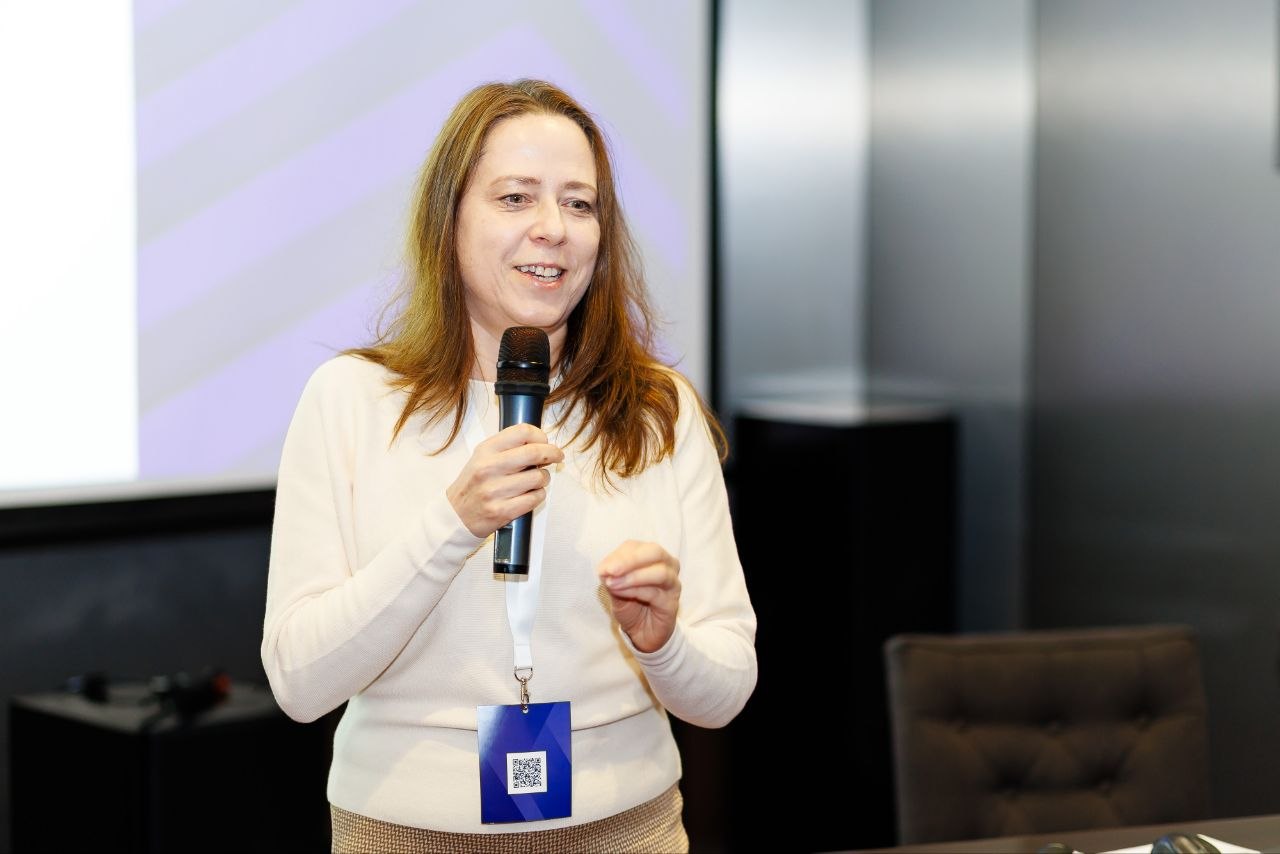
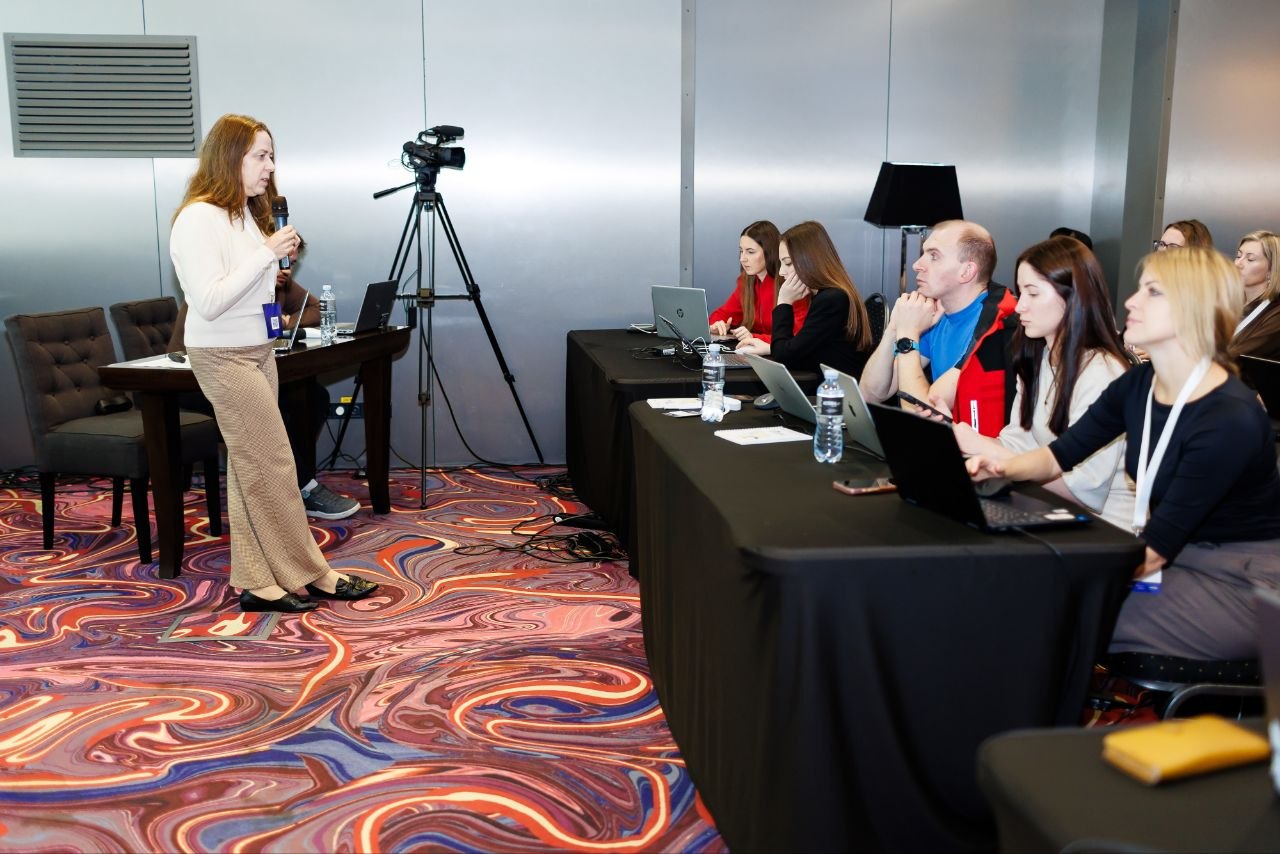
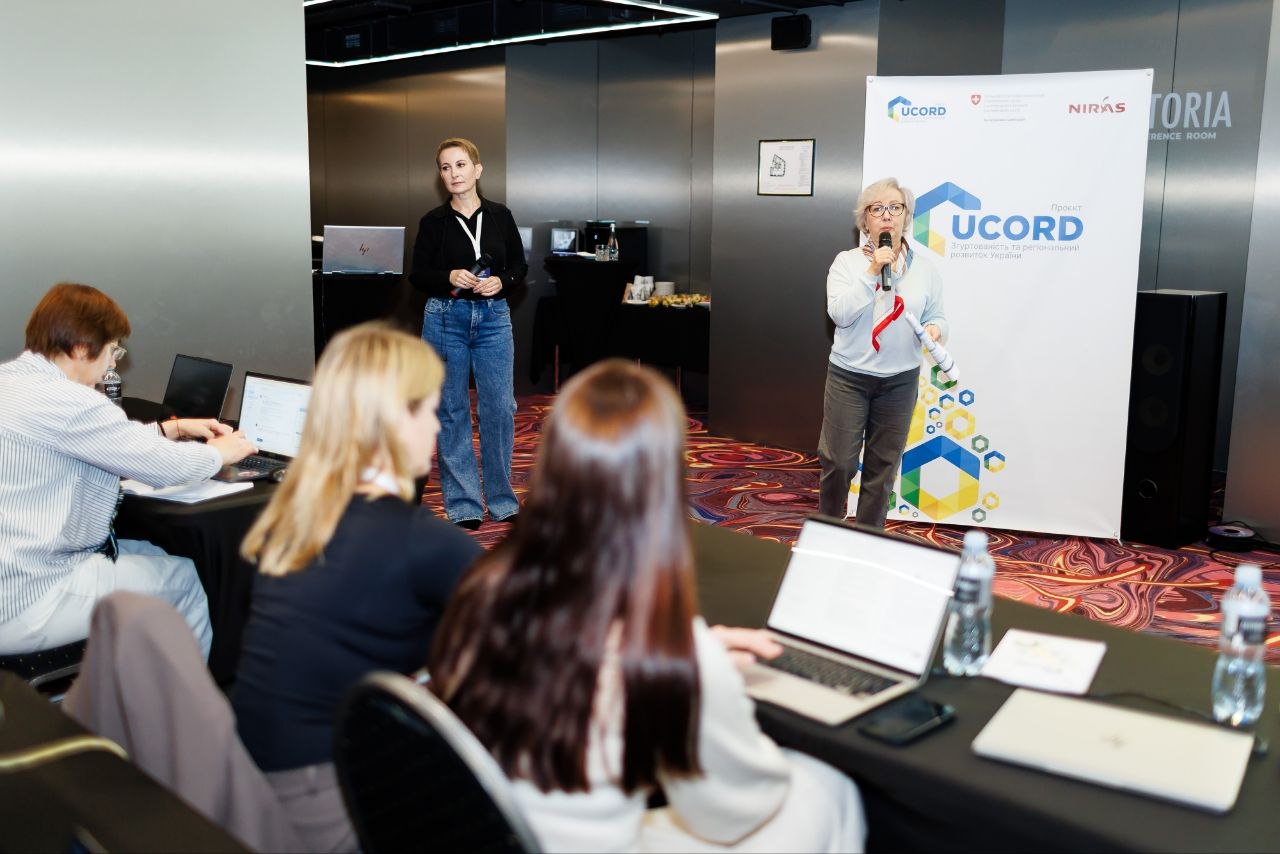
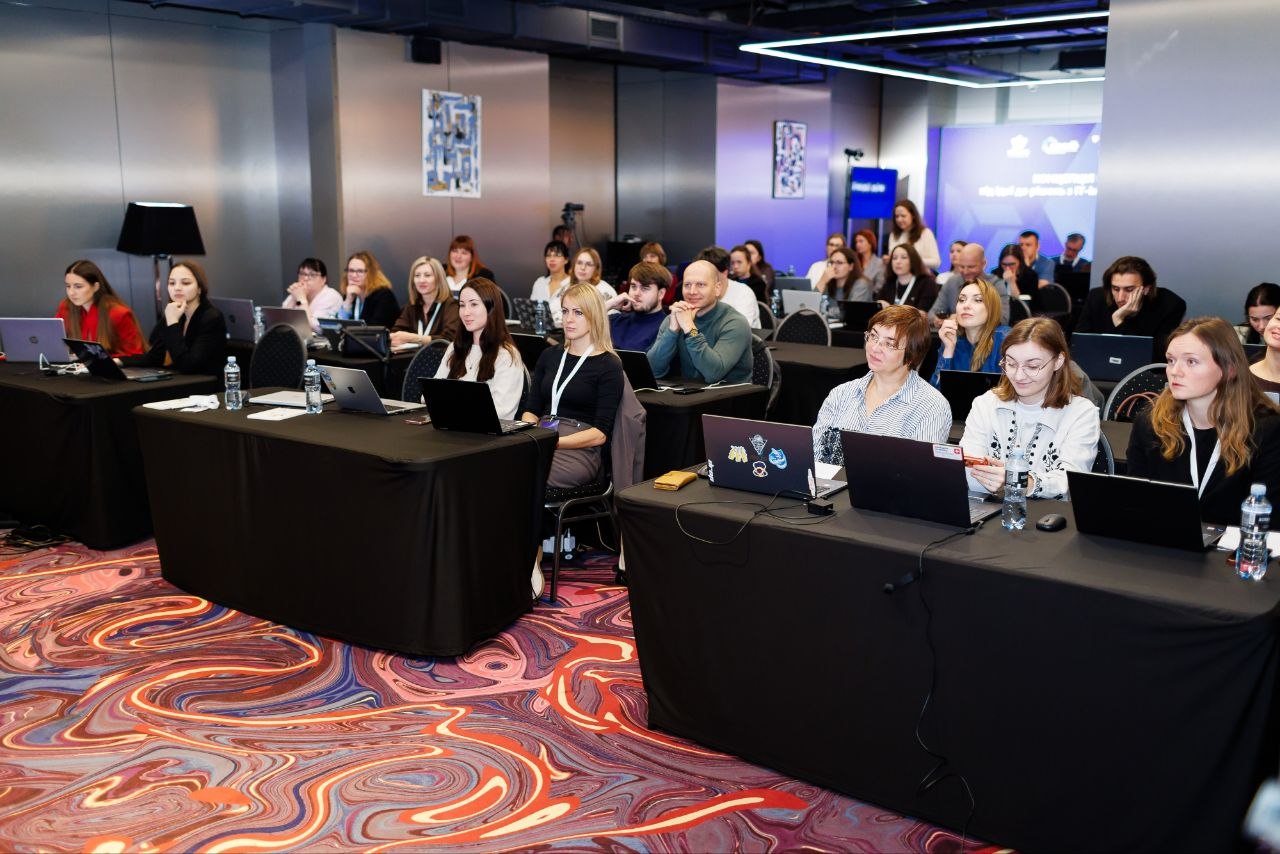
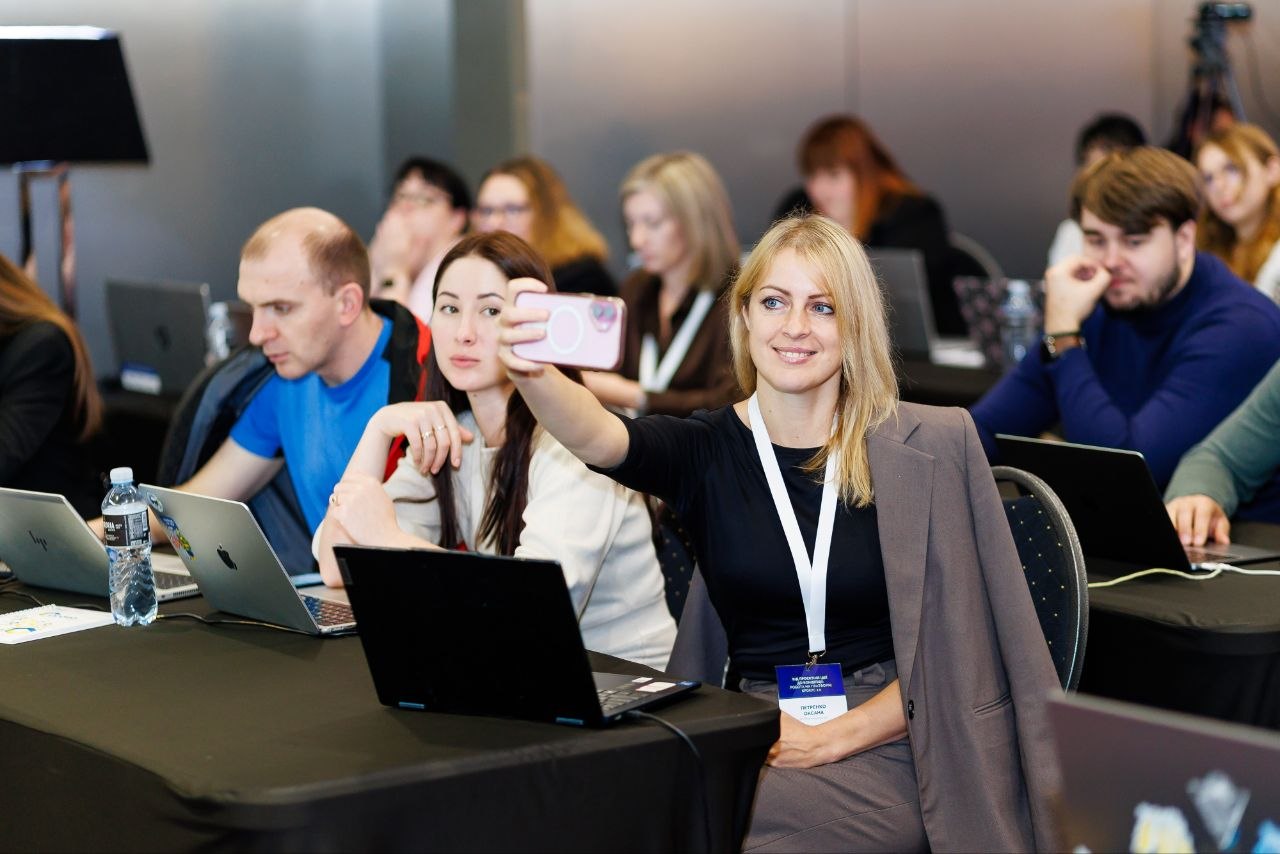
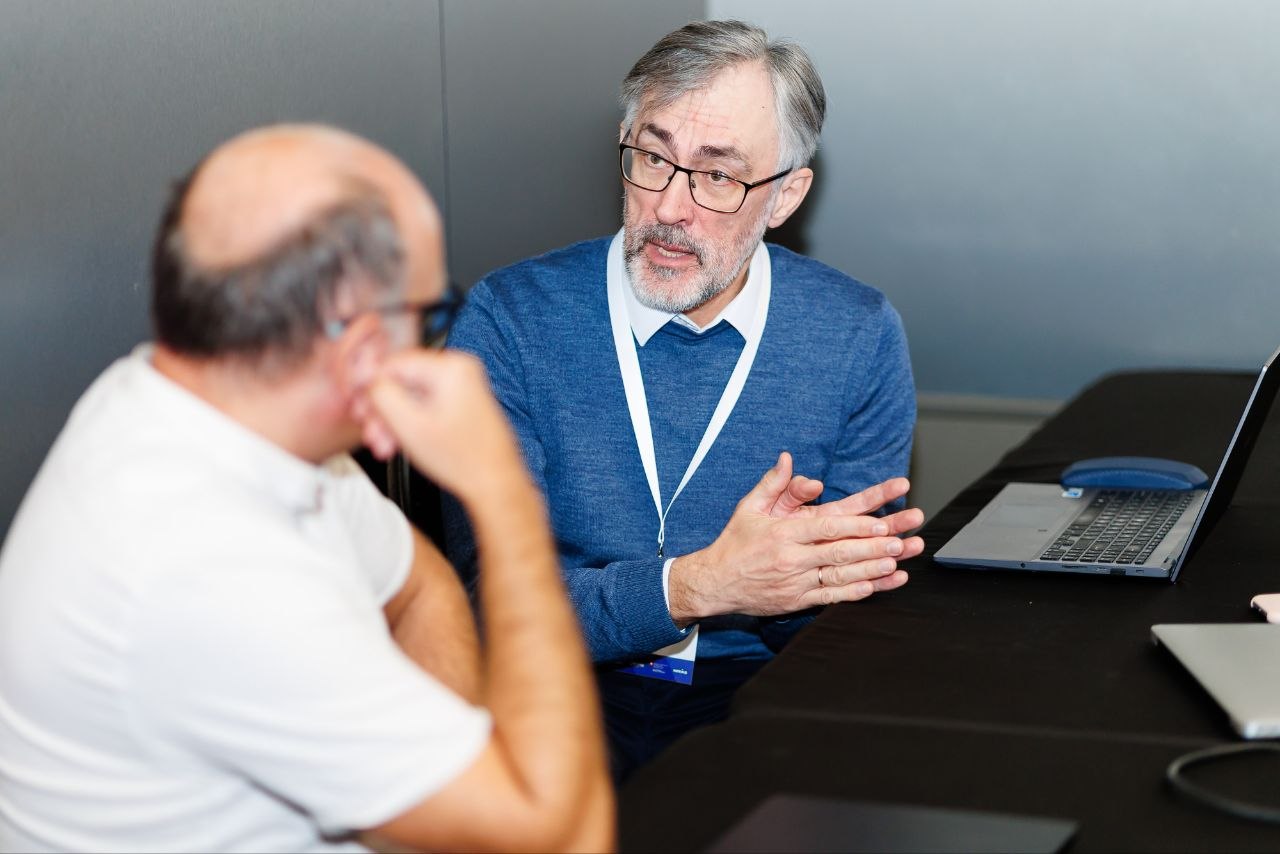
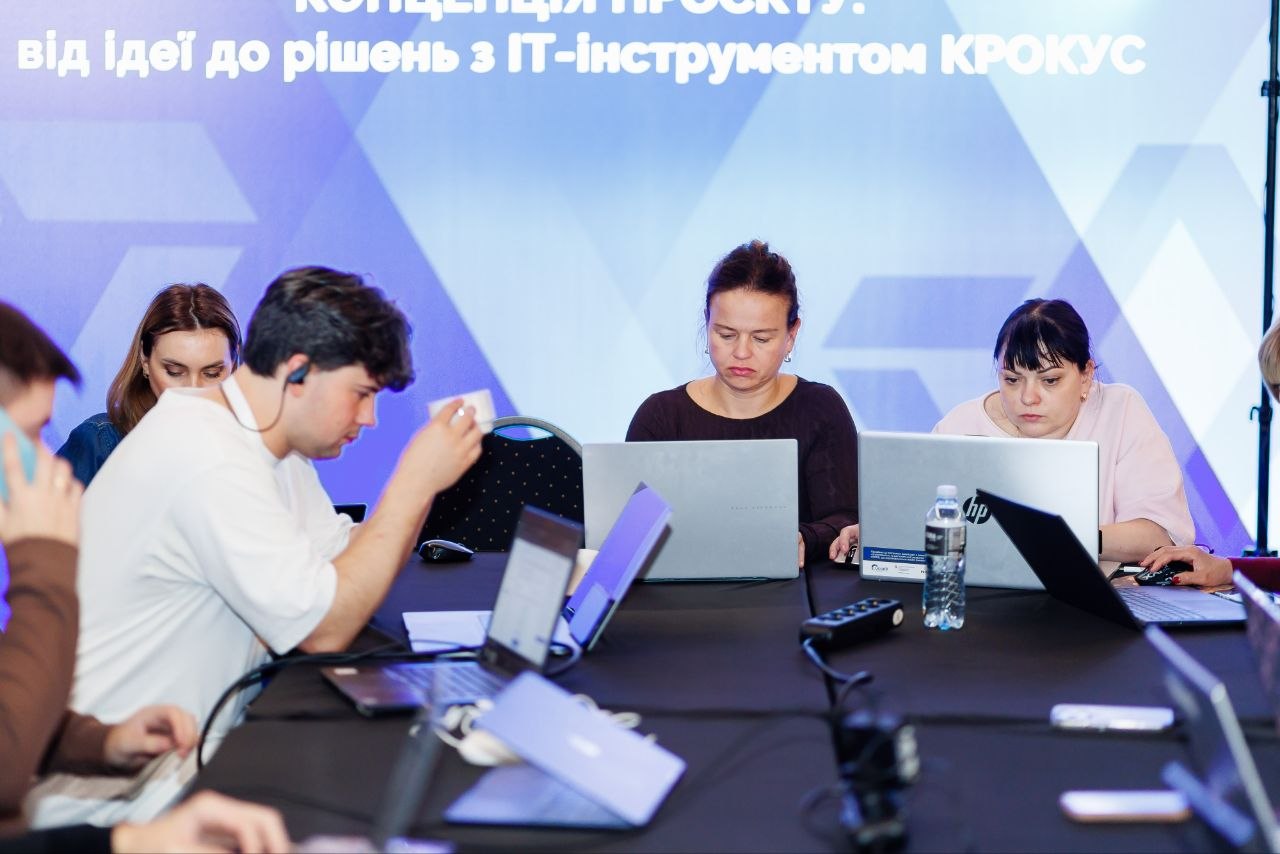
A two-day training course on using the KROKUS platform for representatives of 20 regional development agencies was completed in Lviv. The outcome was not limited to the ideas and concepts developed by the participants. The agencies are preparing to become regional knowledge hubs that will help communities, businesses, civil society organisations, and educational and expert communities to transform local needs into well-prepared project concepts.
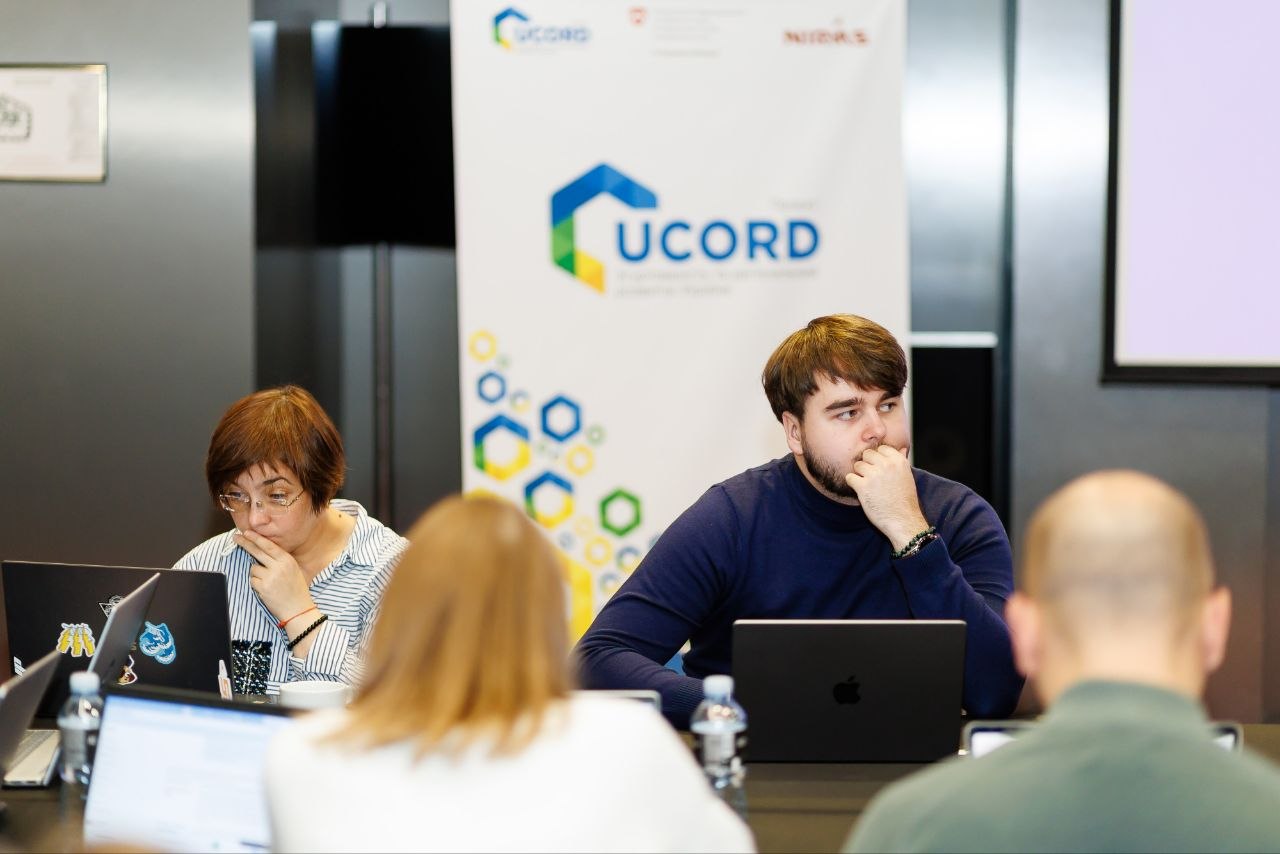
The training was conducted by the Swiss-Ukrainian “Ukraine’s Cohesion and Regional Development” (UCORD) Project. The project is implemented with the support of Switzerland, through the Swiss Agency for Development and Cooperation, by NIRAS Sweden AB.
KROKUS is an educational IT platform developed by UCORD. It helps users to systematically navigate the process from the initial idea to the project concept: identifying the problem and its causes, target groups, objectives, outcomes, actions, risks, resources, indicators and budget. The user then receives a structured document that can be reviewed with partners and used to progress to the funding stage.
However, the main objective of the training was not merely to instruct 20 teams on how to complete the fields on the platform. The focus was on establishing a network of experts in the regions who can pass on the methodology for working with project ideas.
It is important for regional policy. Development ideas often emerge in communities, in the business sector, in the education sector, and among veterans’ and civic initiatives. But there is a long way from a good idea to a project that can be discussed with partners or submitted to a competition. One has to demonstrate that the problem is real, identify who it affects, choose a realistic solution, understand the resources and risks involved, and formulate the expected outcome.
This is an area in which regional development agencies can add real value to their regions. They should act as professional intermediaries between local needs, the region’s strategic priorities, potential partners and funding opportunities, rather than simply collecting completed applications.
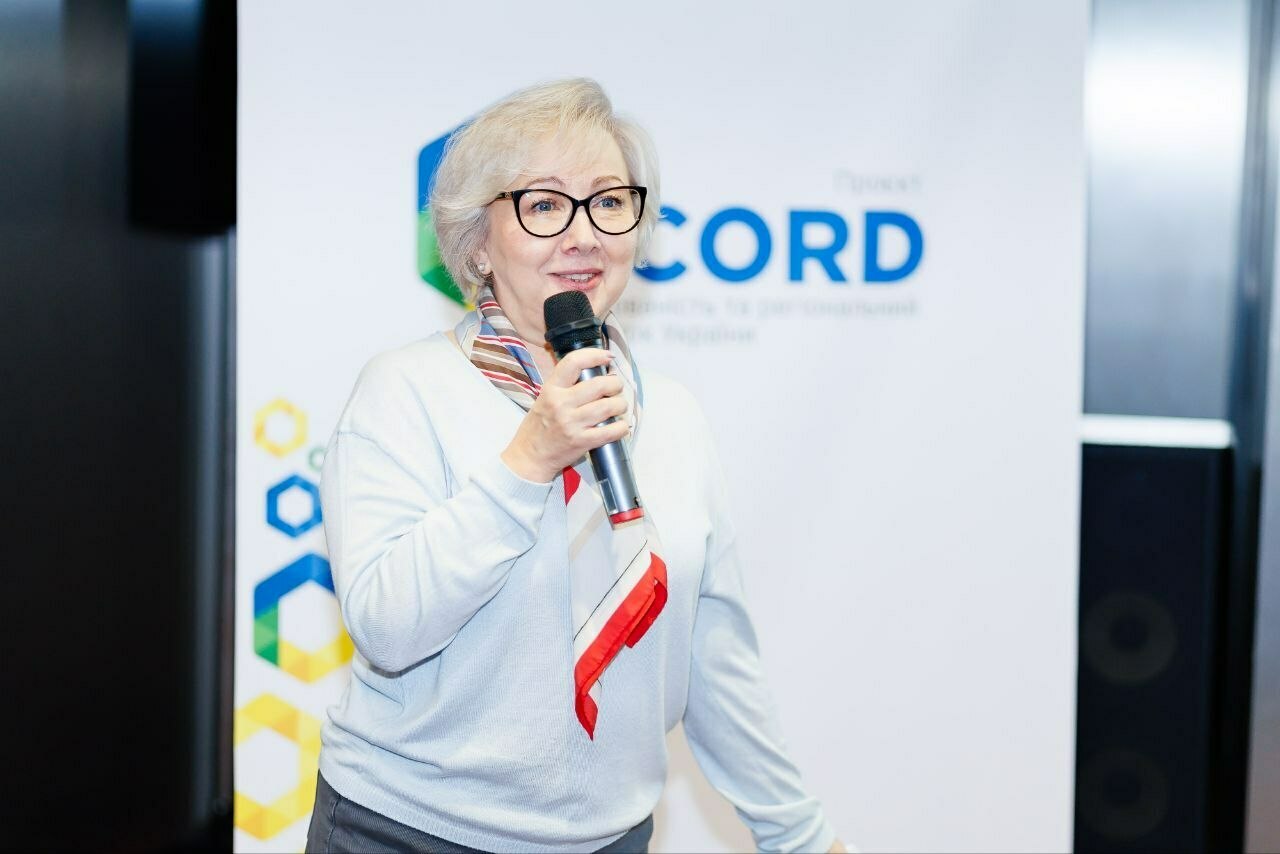
Olena Nyzhnyk, Head of UCORD Component 1 “Regional Development”, emphasised that KROKUS should provide regions not with yet another template document, but with a method for working through an idea in a systematic way.
‘We created KROKUS not to add yet another form that needs filling in. The platform is designed to teach the team to think systematically: from the needs of a specific individual or community to a solution that can be implemented. If the agency can pass on this way of thinking, the regions will produce not just good ideas, but concepts ready for partnership, further development, and the search for funding.’
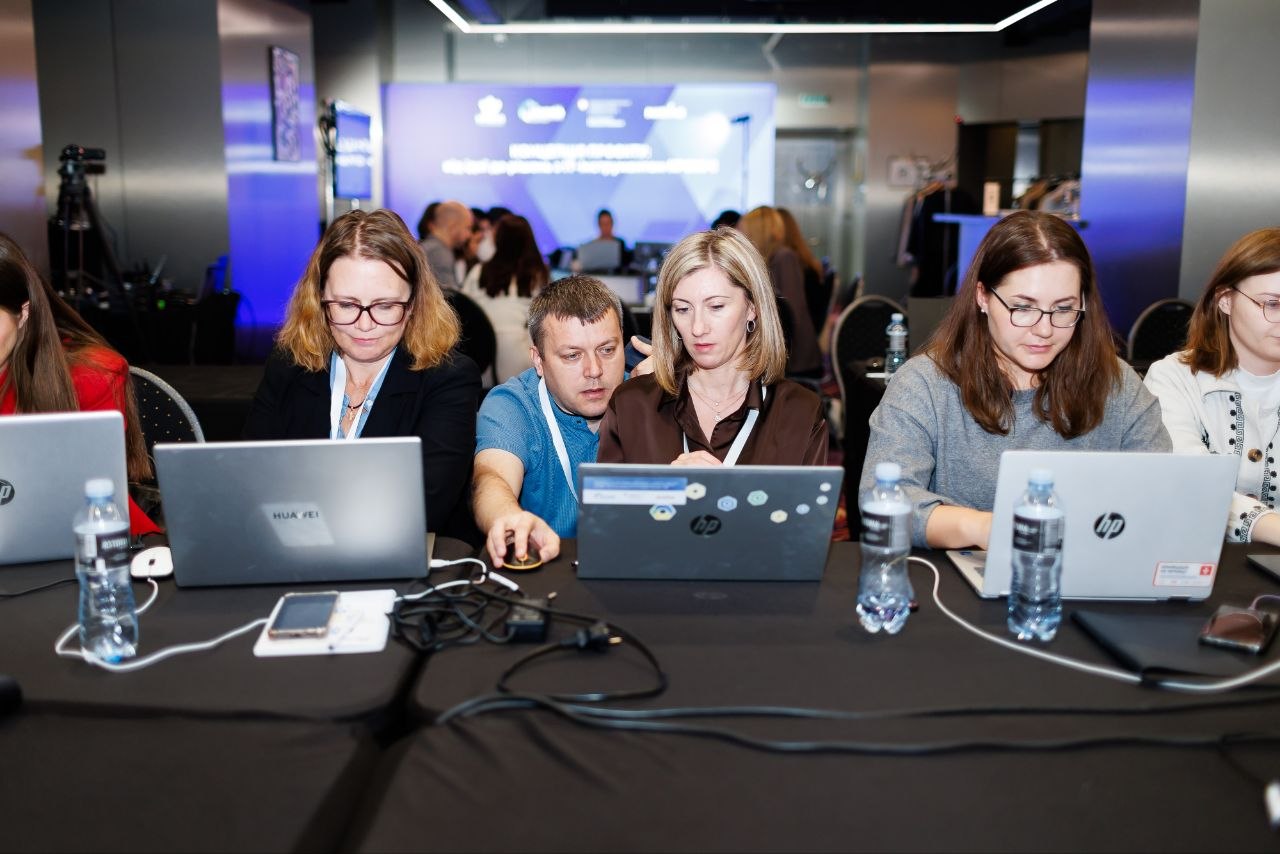
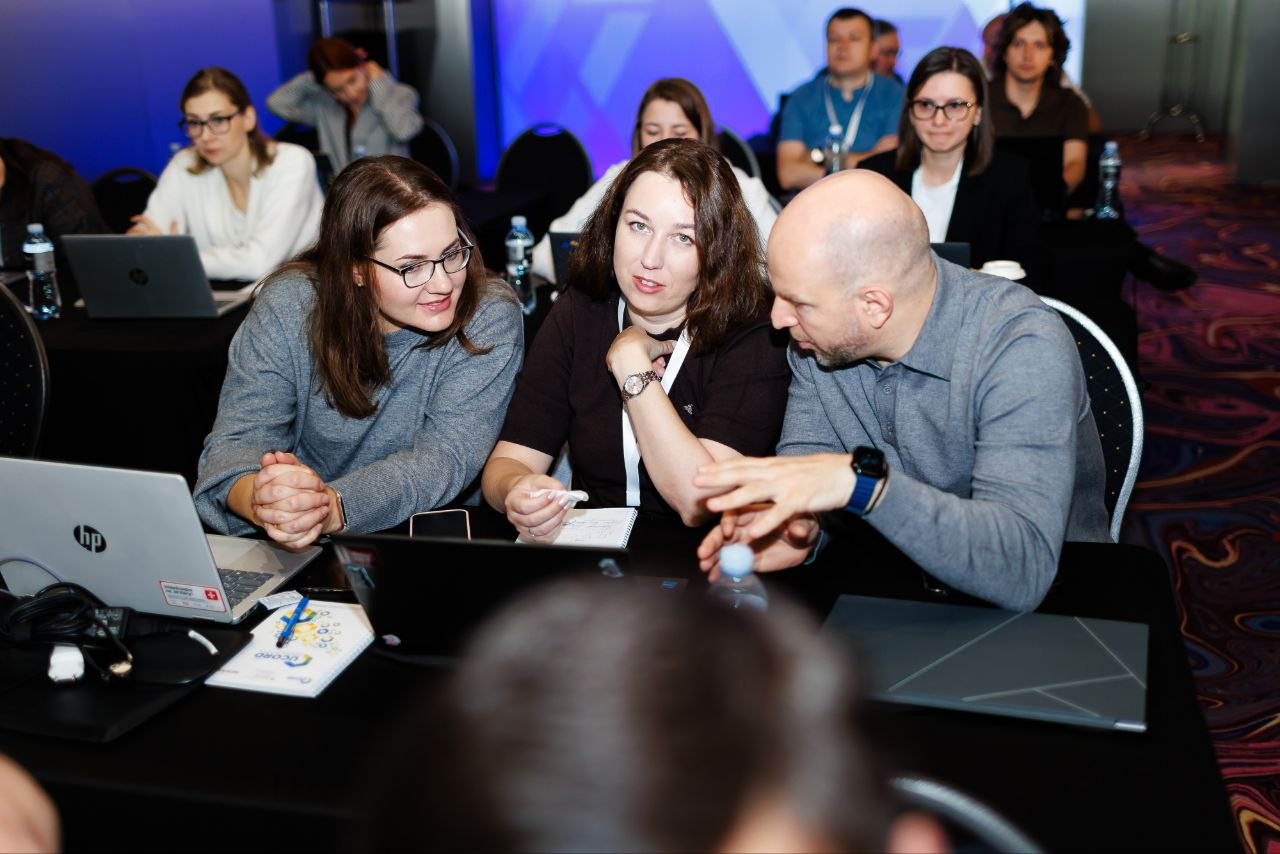
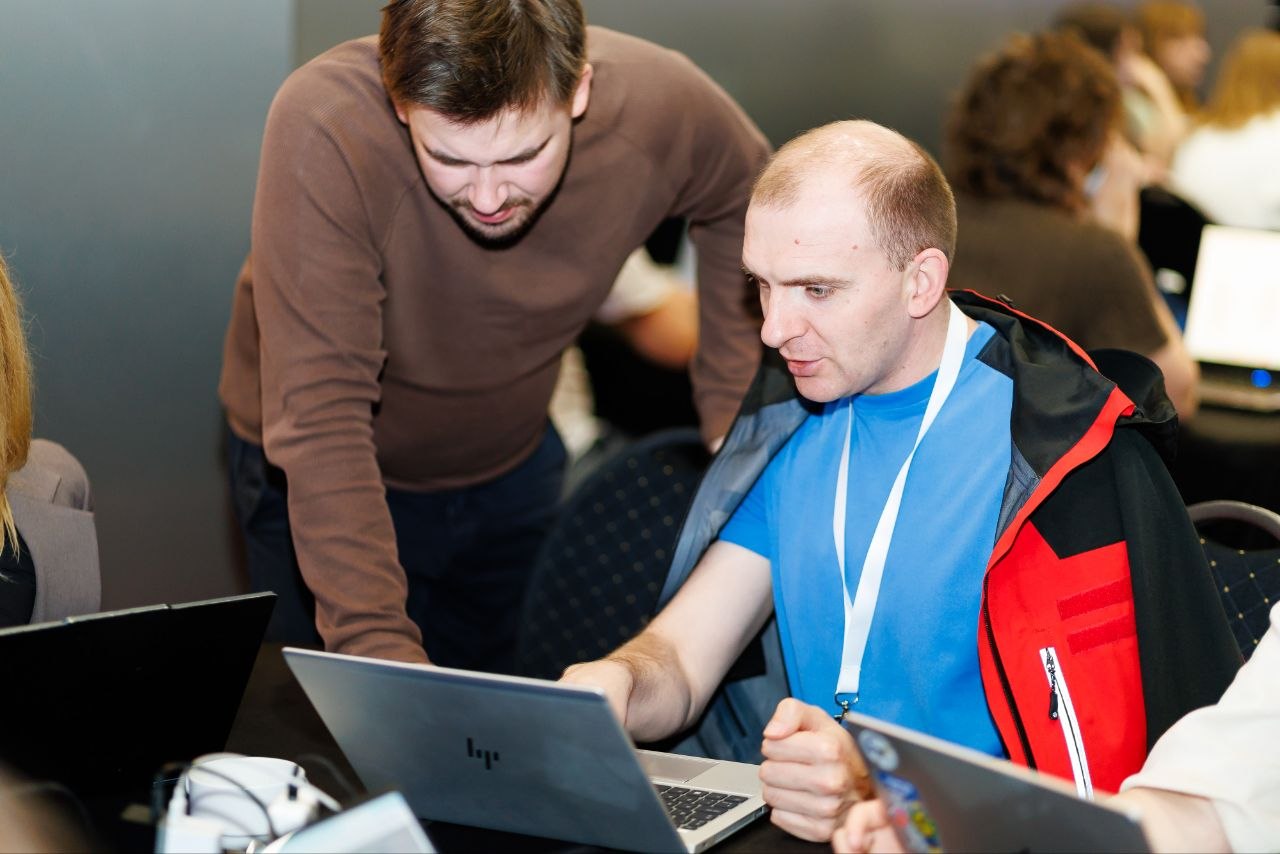
The participants worked on their own project ideas. This was a fundamental element of the approach: a future trainer should not simply watch a presentation about the platform, but should follow the user’s journey themselves, encounter challenging questions, and understand where another person might need clarification or support.
During the expert analysis of the team’s anonymised work, they identified common mistakes that frequently arise at the start of a project. In particular, when the lack of a building, equipment or funding is presented as the problem, even though the real problem is the constraints that people face. When the “entire community” is cited as the target group, without explaining exactly who will be involved in the project and who will experience the changes. When large-scale results are promised, but no specific actions can be identified that will lead to them.
This analysis is not intended to grade the participants. It helps the regional development agencies to see the work ahead through their own eyes: these are the inconsistencies, questions, and expectations they will encounter when teaching others to use the platform.
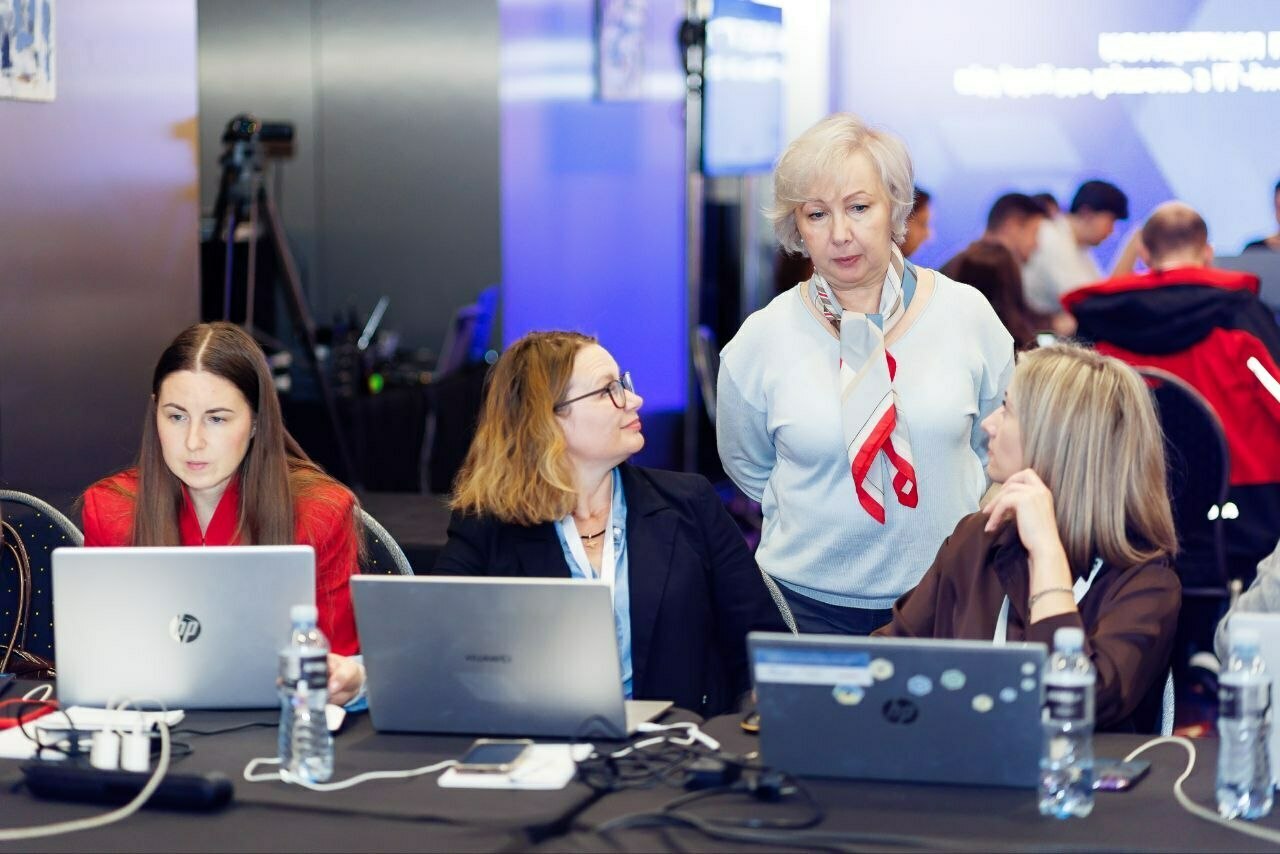
‘The platform does not replace an expert and does not provide ready-made answers. Its value lies in the way it forces the team to pause at the right moment and ask themselves the uncomfortable questions: have we identified the problem correctly; who is actually affected by our solution; what can we do on our own, and where do we need a partnership? These questions are often missing at the start of a project,’ noted Olena Nyzhnyk.
A particular focus of the training is the responsible use of artificial intelligence. KROKUS’s AI assistant helps users clarify their ideas, explains terminology, highlights logical gaps, and offers recommendations for improving the concept. However, it does not replace the team. The quality of the outcome depends on who formulates the query, reviews the suggested options, discards irrelevant ones, and makes the final decision.
This is very important for regional development agencies. They have to help future users of the platform understand that although AI can speed up work, it does not know the community’s context, needs, and priorities any better than the community itself. It can be a good assistant, but it is not the driving force behind the development of the territory.
During the training, the participants also tested two different workflows on the platform. One allows them to develop an idea step by step, with detailed guidance. The other is useful for those who already have draft work prepared and need a tool to structure and finalise it. This is an important experience for the regional development agencies: in their future work, they will be dealing with people of different levels of preparation and will therefore be able to offer them a suitable format.
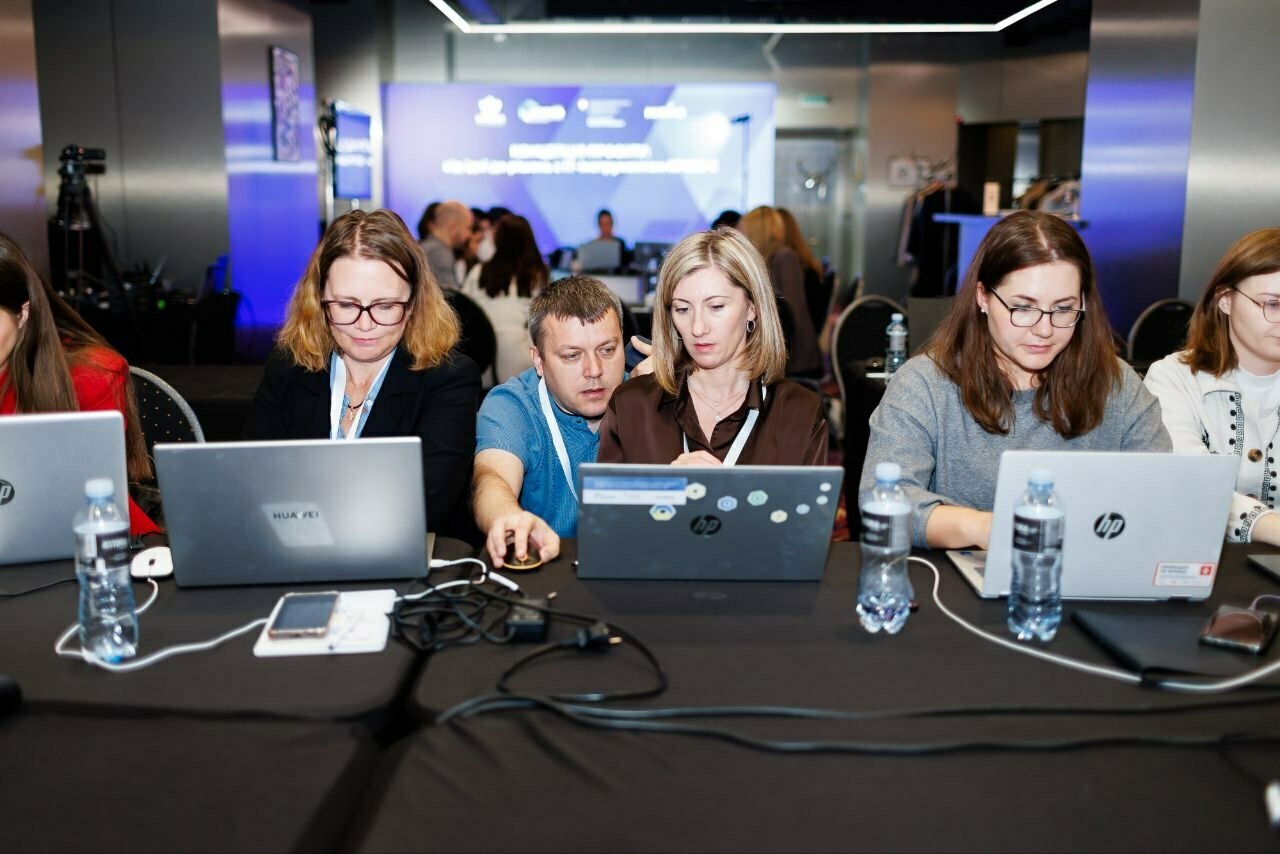
Another important outcome is working with colleagues on a shared document. The platform allows access to the concept to be granted to other team members, comments to be collected, the text to be finalised, and a final document to be produced in Word or PDF format. This allows KROKUS to be viewed not as a single-use training tool, but as a workspace for preparing and jointly discussing project solutions.
The certificates marked the completion of the training. But the real results will begin afterwards – when 20 regional development agencies start working with KROKUS in their respective regions, helping different teams move from “we have an idea” to “we understand the problem, have a realistic solution, and are ready to move forward”.
Attached images:


Tags:
regional development regional development agency amalgamation of hromadas ucord study
Source:
Портал "Децентралізація"
16 October 2026
Уряд спростив реалізацію проєктів за комплексними планами стійкості
Уряд спростив реалізацію проєктів за...
З 15 жовтня для проєктів у межах експерименту за комплексними планами стійкості діють оновлені правила. Уряд визначив...
16 October 2026
Профорієнтація в дії. Як Івано-Франківська громада виховує фахівців, які хочуть працювати вдома
Профорієнтація в дії. Як Івано-Франківська...
Уявіть дев'ятикласника, який упевнено заявляє, що мріє про кар'єру в IT лише тому, що чув про високі зарплати у цій...
15 October 2026
Правовий режим майна закладів освіти...
правовий статус майна комунальних закладів освіти та повноваження засновника і керівника закладу; які...
15 October 2026
«Я цінний для своєї громади й держави». Як у...
У Зимнівській громаді на Волині профорієнтація перестала бути формальністю. Тут не просто розповідають про...