20 Regional Development Agencies to master KROKUS: UCORD strengthens the regions’ project capacity
In Lviv, representatives of 20 regional development agencies started a two-day training course on developing project ideas and concepts on the KROKUS platform. The teams are learning how to transform their own ideas into structured documents that can be used to establish partnerships and attract funding.
The training is conducted by the Swiss-Ukrainian “Ukraine’s Cohesion and Regional Development” (UCORD) Project. The project is implemented with the support of Switzerland, through the Swiss Agency for Development and Cooperation, by NIRAS Sweden AB.
KROKUS is an educational IT platform developed by UCORD for regional development agencies, communities, civil society organisations, and representatives of the expert, educational and scientific communities. It aims to help users acquire the skills to prepare high-quality project concepts that can become the basis for the further development of projects that are ready for funding.
The platform provides step-by-step guidance for teams, helping them to identify problems and their causes, define target groups, set objectives and outcomes, create an action plan and anticipate risks, resources and budget requirements. An AI assistant supports users throughout the process by asking clarifying questions to help develop ideas, explain terminology, and ensure a logical connection between the problem, objectives, and planned actions. The result is a structured concept that can be downloaded in Word or PDF format.
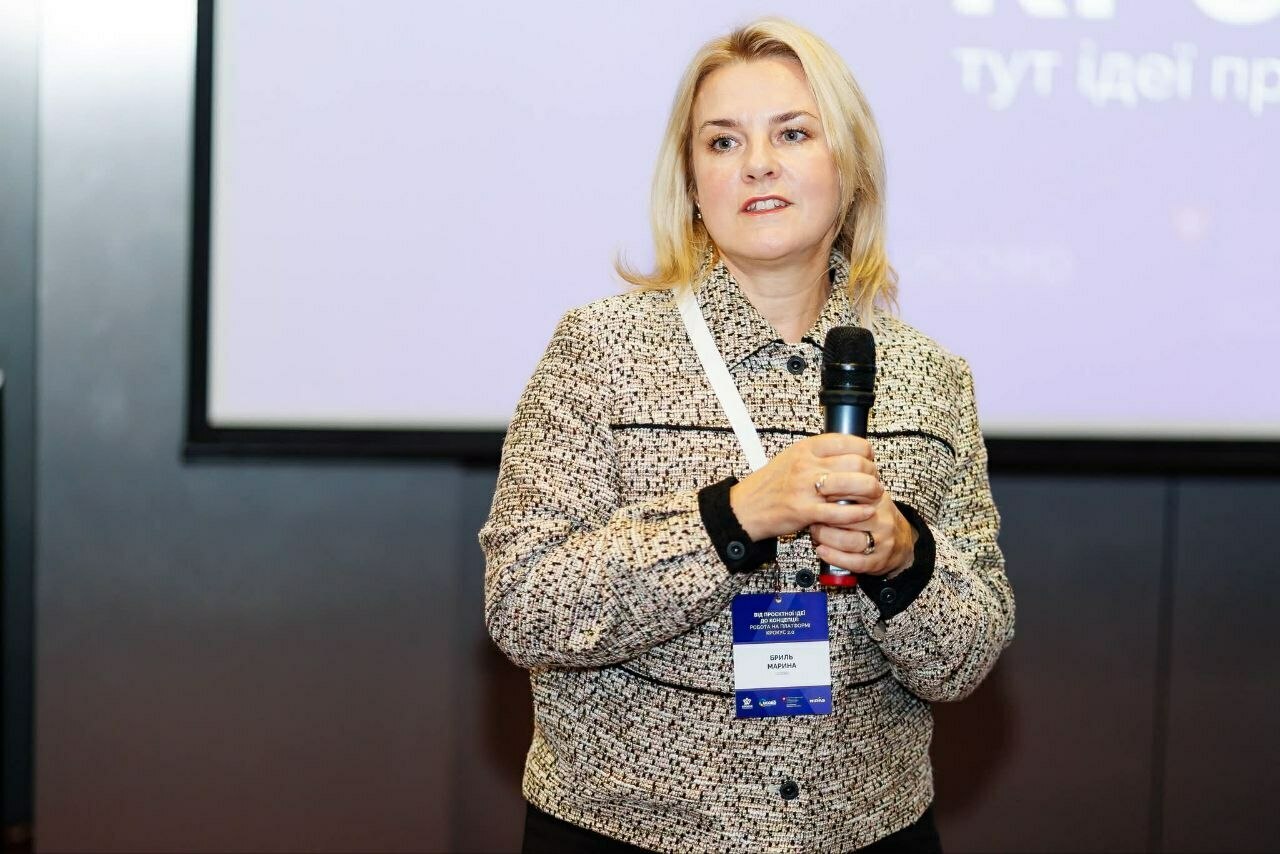
Maryna Bryl, UCORD Project Leader, emphasised that agencies should focus not on individual applications, but on solutions that can transform their regions.
‘You are regional development agencies and you work for your regions. Therefore, think about ideas that will foster the development of your regions. Not just a single idea, but how it can create a whole ecosystem of projects that will contribute to economic, social, humanitarian, or educational development.’
During the training, the teams are working on many different ideas: creating an analytical database and a project portfolio; initiatives to support veterans and their families; promoting European integration in communities; preserving water sources; a secure data centre; digitising cultural heritage; and training specialists for the water and heating sectors in communities.
The topics vary, but the platform offers the same working process for every idea. The team has to clearly answer the following questions: what problem does the project solve, who is it designed for, what changes are expected, what is required to achieve this, and how the results can be verified.
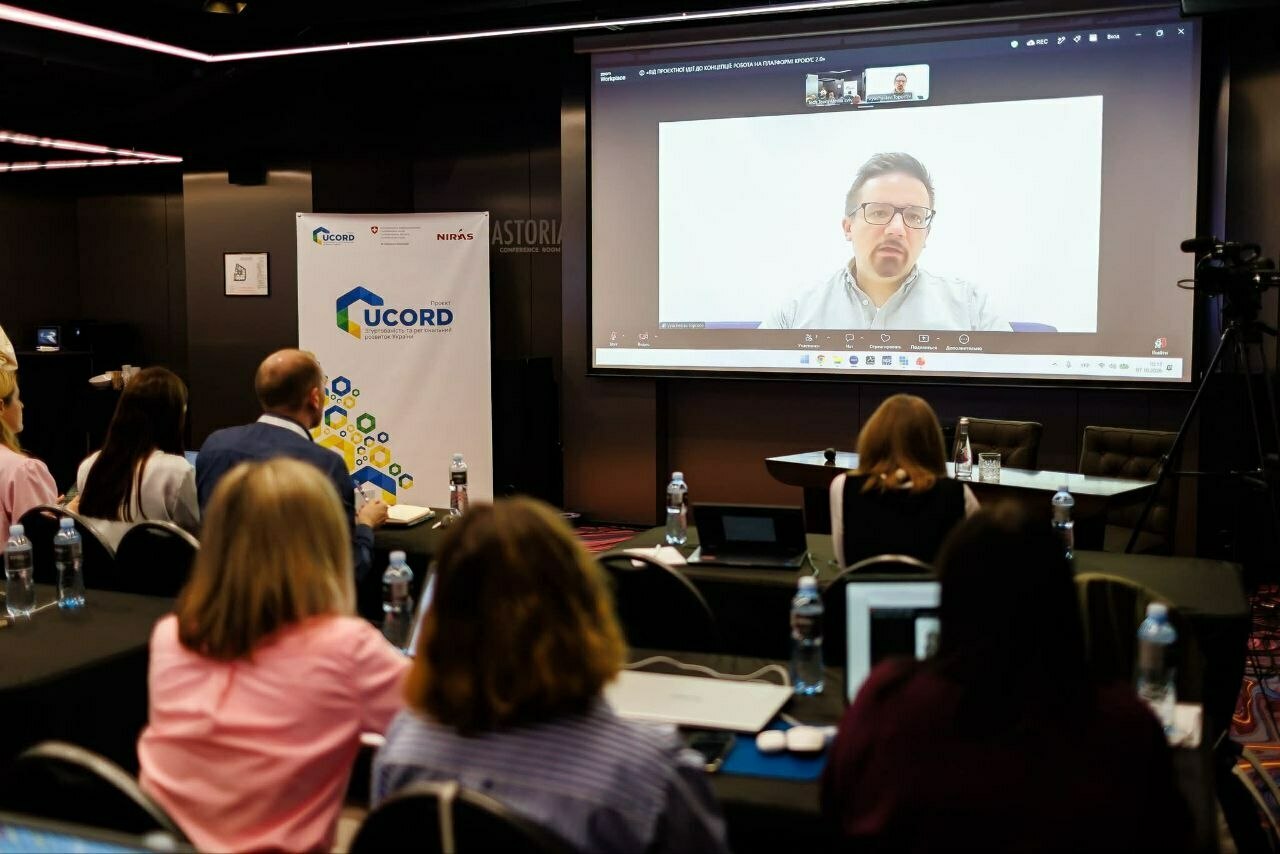
The first training session was conducted by Viacheslav Toporov, a national expert on content development and quality assurance for the KROKUS platform. He focused on the basic elements of project management: how to distinguish a problem from a ready-made solution, construct a problem tree and an objective tree, identify target groups, and verify the cause-and-effect logic of a future project.
Separately, the participants examined outcomes, indicators, risks, resources, and the budget. This is the stage at which the team has to check not only the relevance of their idea, but also its feasibility: whether the planned change is achievable, whether it can be measured, and whether the resources are adequate for the tasks set.
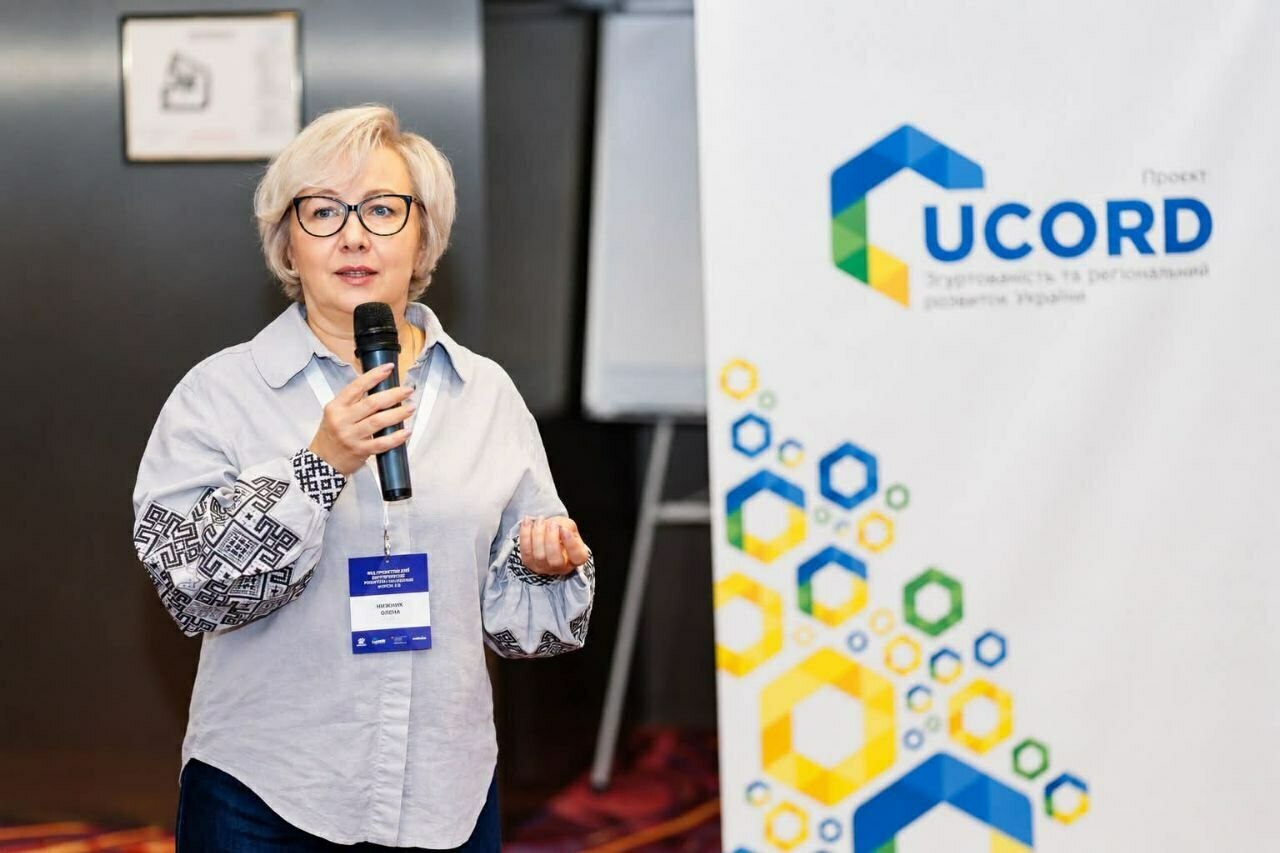
Olena Nyzhnyk, Head of UCORD Component 1 “Regional Development”, emphasised that KROKUS should become a tool that agencies can use in their everyday work and disseminate further in their regions.
‘Our training is not theoretical. It provides a tool that can be used in everyday work – teaching communities, educational institutions, partners and stakeholders how to prepare projects. It is intended to be an additional training resource so that people can not only learn, but also independently develop their own ideas and concepts.’
On the first day, the participants draft documents describing their own project ideas. UCORD experts will analyse the work produced, and the following day the teams will receive feedback, work on project concepts in groups, and present their results.
For UCORD, this is also an opportunity to listen to the regions, identify their needs and ideas that have the potential for partnerships and further development. Maryna Bryl stated that systematic, sustainable, and interconnected projects are particularly valuable.
‘If the projects are systematic, sustainable, interconnected, involve partnerships, and work to develop the entire region you represent, this will be invaluable to us. Perhaps this is exactly how our future cooperation with you will begin.’
KROKUS creates a shared tool and a common framework for agencies to work with development ideas. This allows a strong idea to gain what it often lacks at the outset: a clear structure, a realistic plan, and a path to implementation.
Tags:
regional development regional development agency study ucord
Source:
Портал "Децентралізація"
16 October 2026
Уряд спростив реалізацію проєктів за комплексними планами стійкості
Уряд спростив реалізацію проєктів за...
З 15 жовтня для проєктів у межах експерименту за комплексними планами стійкості діють оновлені правила. Уряд визначив...
16 October 2026
Профорієнтація в дії. Як Івано-Франківська громада виховує фахівців, які хочуть працювати вдома
Профорієнтація в дії. Як Івано-Франківська...
Уявіть дев'ятикласника, який упевнено заявляє, що мріє про кар'єру в IT лише тому, що чув про високі зарплати у цій...
15 October 2026
Правовий режим майна закладів освіти...
правовий статус майна комунальних закладів освіти та повноваження засновника і керівника закладу; які...
15 October 2026
«Я цінний для своєї громади й держави». Як у...
У Зимнівській громаді на Волині профорієнтація перестала бути формальністю. Тут не просто розповідають про...