Ensuring All Hromadas Are Ready for EU Integration: What Systemic Readiness Requires
On 15 June, Ukraine opened accession negotiations on the ‘Fundamentals’ cluster,and on 14 July, on the ‘External Relations’ cluster. This marks not only an important stage in the negotiation process with the European Union, but also the start of practical preparations for the implementation of European legislation.
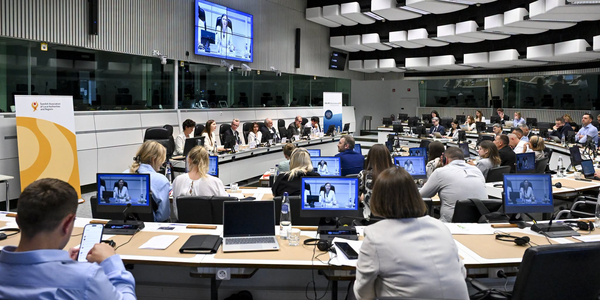
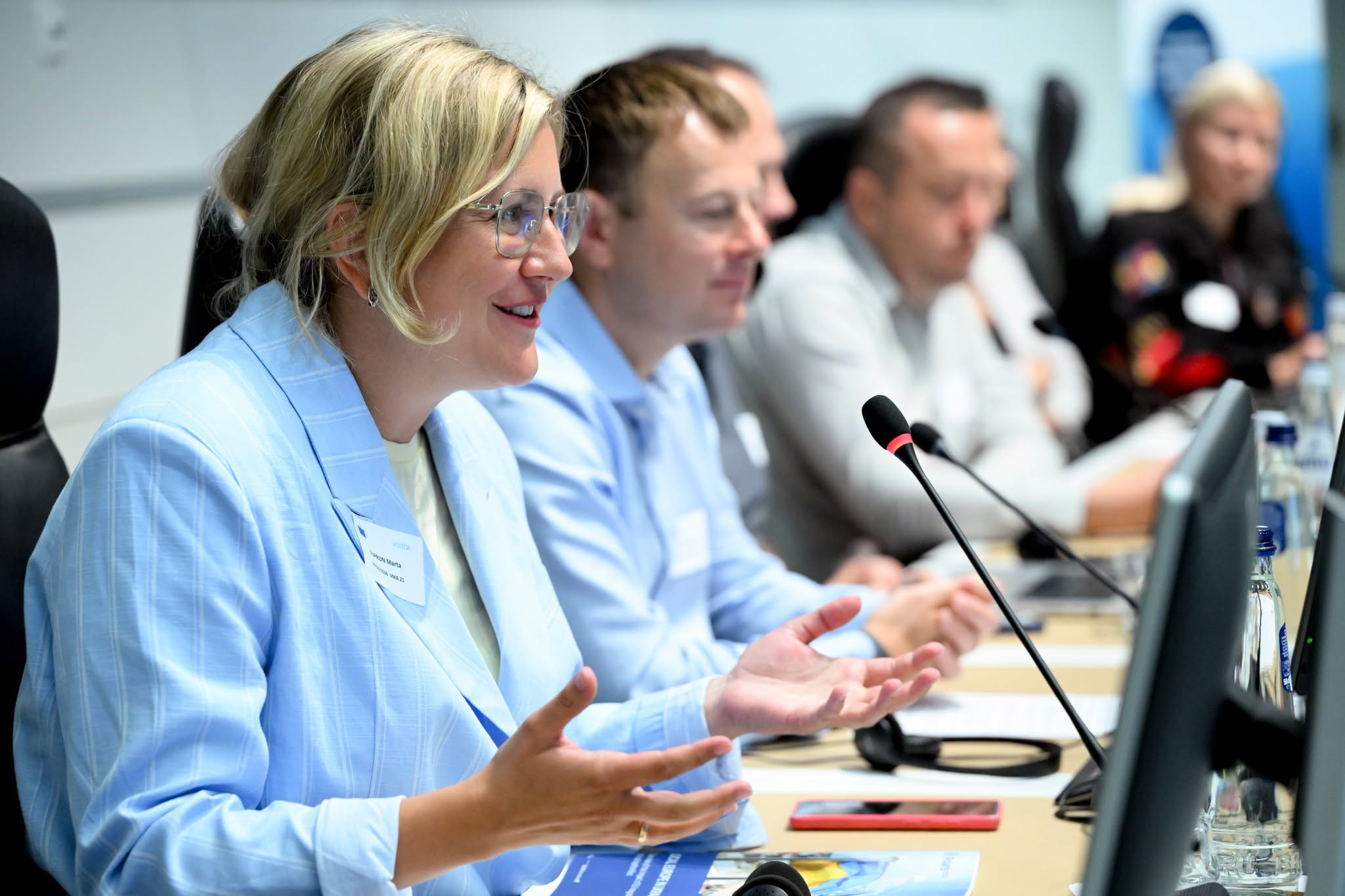
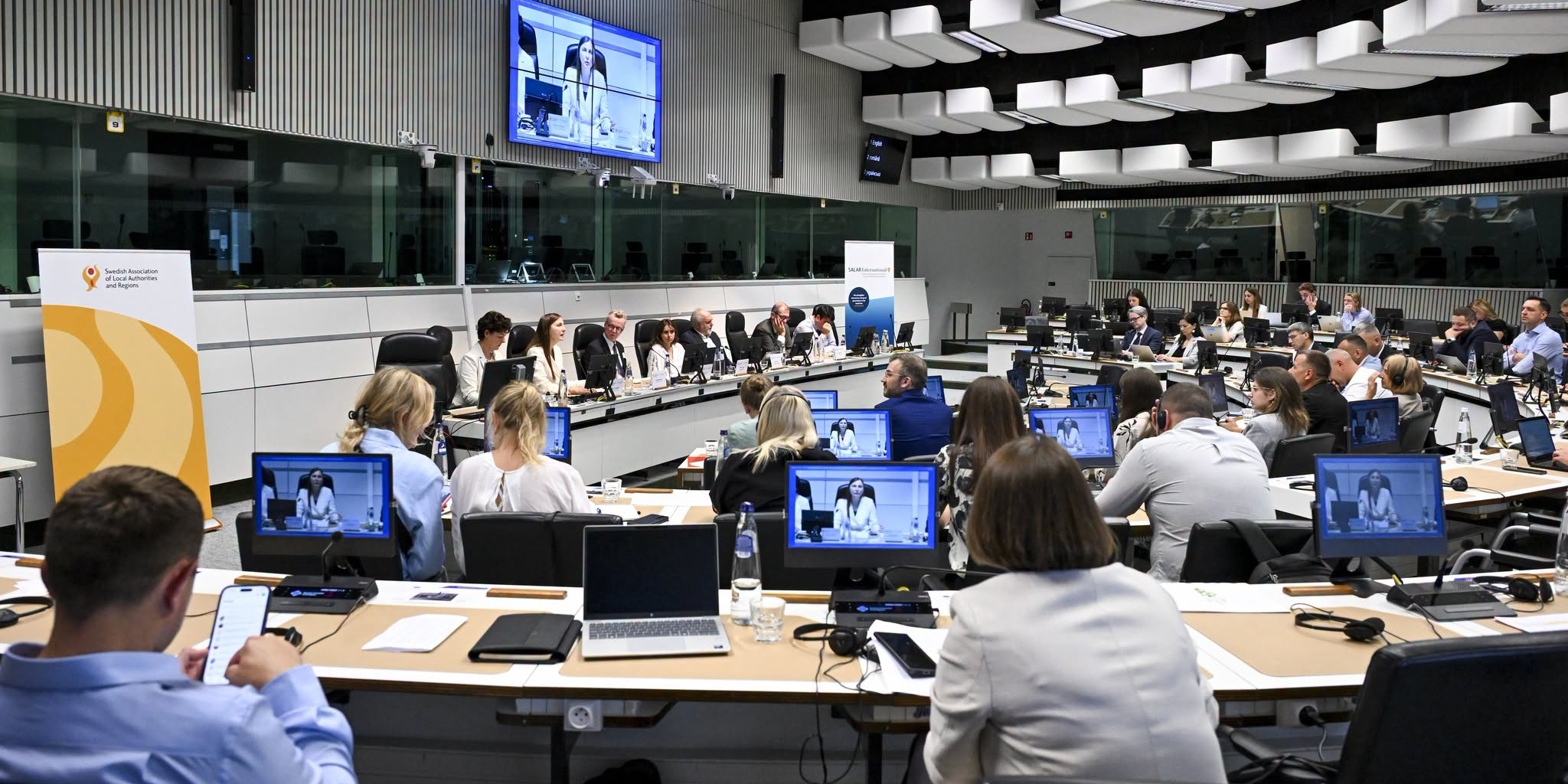
The role of local self-government in Ukraine's EU integration process was the focus of the seminar "Local Readiness for EU Accession", organised by SALAR International together with the European Committee of the Regions in Brussels. Ukraine was represented by the heads of the Zlatopil, Teofipol, Opishnia, and Savyntsi hromadas, as well as representatives of the Ministry for Development of Communities and Territories of Ukraine. The discussion on Ukraine's experience was moderated by Marta Suprun, EU Integration Coordinator of the Polaris Programme and expert of the Cities4Cities initiative.
The Polaris report "Local Europe in Ukraine," presented to international partners, highlights a gap between the responsibilities assigned to local governments and the resources available to implement European standards, particularly in the areas of municipal waste management, water resource management, accessibility and inclusion, energy efficiency, and public service delivery. Due to disparities in financial, administrative, and human capacity, the same EU requirements are likely to affect hromadas differently, potentially widening territorial inequalities. Strengthening the financial capacity of local governments, enhancing their ability to implement EU policies and prepare high-quality projects, fostering international and intermunicipal partnerships, and addressing implementation risks early in the accession process will help turn EU integration commitments into opportunities for sustainable local development.
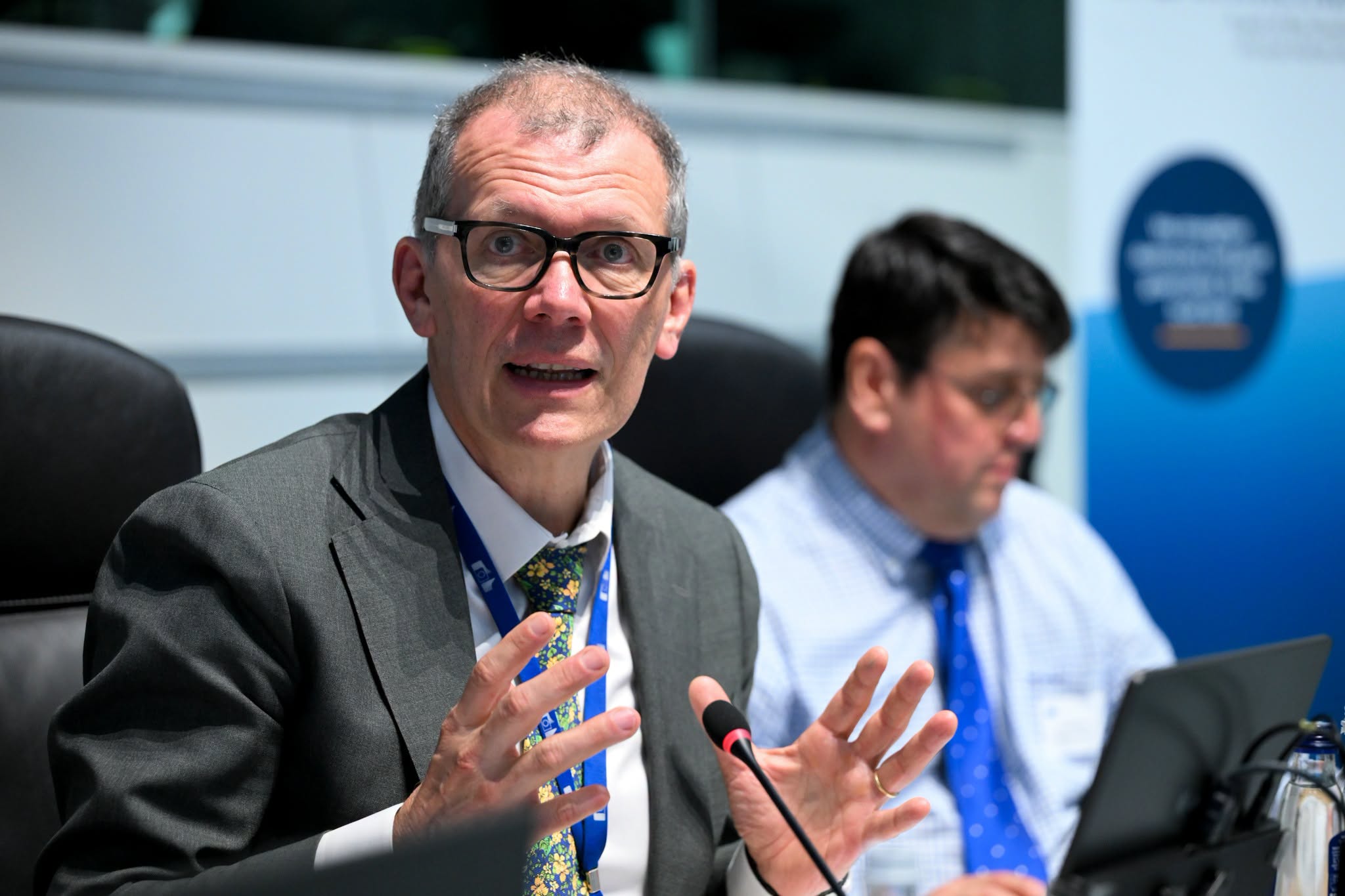
“The EU provides substantial resources to support the accession process of candidate countries, and there is a clear understanding that hromadas should be actively involved in planning, implementing projects, and monitoring the use of these resources. For the European Commission, the key priority is to ensure the irreversibility of structural reforms in candidate countries, and municipalities are essential partners in achieving this,” said Mathieu Bousquet, Director for Enlargement Coordination, Strategy and Investments at the Directorate-General for Enlargement and Eastern Neighbourhood (DG ENEST).
A comparison of the experiences of Ukraine, Serbia, Montenegro, North Macedonia, Moldova, and Bosnia and Herzegovina identified common challenges faced by municipalities in the EU accession process. These range from the limited involvement of local governments in accession negotiations to shortages of expertise and resources needed for the practical implementation of the EU acquis:
- Serbia: The Association has prepared 21 assessments of the impact of EU acquis on local self-government.
- Montenegro: Municipal representatives have participated in working groups covering 11 negotiation chapters.
- North Macedonia: The Association is involved in 10 subgroups under the Environment negotiation chapter.
- Moldova: The government has launched national training programmes to prepare 2,000 EU integration specialists and has included local government representatives in accession negotiating groups and the State Council for European Integration.
In Ukraine, the involvement of local self-government in the EU accession process remains fragmented. Representatives of local government associations participate in the negotiating process under Chapter 22 – Regional Policy and Coordination of Structural Instruments. However, only one of Ukraine's four national local government associations is represented in the negotiating group. In other chapters of particular relevance to local governments – such as those on the environment and rural development – systematic representation at the local level is still lacking.
“It is important to ensure that the opportunities created by EU integration are accessible not only to large cities and the most capable hromadas. We are learning from European approaches, including the LEADER method, which offers practical mechanisms for development based on local initiatives and partnerships. Rural areas need clear implementation tools, skilled professionals, and adequate resources. This is how we can prevent widening disparities in opportunities between hromadas on the path to EU membership,” said Mykola Riznyk, Head of the Opishnia Hromada and Head of the Poltava Regional Branch of the All-Ukrainian Association of Communities.
Hromadas leaders presented practical examples that closely align with EU policies and approaches. These included initiatives in the areas of the energy transition and energy efficiency (Teofipol Hromada), the circular economy (Zlatopil Hromada), inclusive rural development (Opishnia Hromada), and resilience and recovery in the context of war (Savyntsi Hromada). Most of these achievements have been made possible through Ukraine's decentralisation reform and international partnerships, with some initiatives advancing ahead of the formal alignment of Ukrainian legislation with the EU acquis.
“For hromadas, European integration is no longer just a matter of international policy. It is about the day-to-day work of developing project portfolios, shaping new policies and strategies, and improving local infrastructure. EU integration delivers its greatest value when people experience its benefits directly through better public services and a higher quality of life,” said Marta Suprun, EU Integration Coordinator for the Polaris Programme and Expert with the Cities4Cities Initiative.
A team of experts from the Cities4Cities initiative, which implements the international municipal cooperation strand of the Polaris Programme, worked with the heads of hromadas to present Ukraine’s experience of European integration at the seminar.
The cases presented at the seminar demonstrate the potential of the local level, but they should not be interpreted as evidence that communities are fully prepared for the demands of EU membership. As the accession negotiations advance, the key question is not only how quickly Ukraine aligns its legislation with the EU acquis, but also whether all hromadas will have the mandate, expertise, human capacity, and financial resources needed to implement these rules in practice. Otherwise, the accession process risks progressing at different speeds: while some hromadas will be well positioned to seize new development opportunities, others may face new obligations without the capacity to fulfil them.
Attached images:
Tags:
Source:
Програма Polaris
06 October 2026
У Львові відбудеться III Міжнародний форум агломерацій в Україні
У Львові відбудеться III Міжнародний форум...
22–23 жовтня 2026 року у Львові відбудеться III Міжнародний форум агломерацій в Україні, присвячений міжмуніципальній...
06 October 2026
Агенції регіонального розвитку навчатимуться готувати якісні проєктні концепції на платформі КРОКУС
Агенції регіонального розвитку навчатимуться...
7-8 жовтня у Львові відбудеться дводенний тренінг «Від проєктної ідеї до концепції: робота на платформі КРОКУС» для...
06 October 2026
Мінфін у вересні забезпечив перерахування з...
У вересні 2026 року Мінфін згідно з бюджетним законодавством забезпечив перерахування міжбюджетних трансфертів до...
06 October 2026
The Polaris Programme invites communications...
The Swedish-Ukrainian Polaris Programme ‘Support for Multi-level Governance in Ukraine’ is announcing a call...