Oleksii Marchenko: ‘I have no doubt that nearly 90 per cent of our people will return…’
Oleksii Marchenko, Head of the Lazurne Settlement Military Administration in Kherson region, speaks about his community, which has temporarily lost its physical territory but retained its institutional capacity; about maintaining contact with residents and effectively caring for them; about the future of the community; and about what unites people most
By Dmytro Syniak
Before the full-scale invasion, Lazurne in Kherson region was a promising, rapidly growing resort on the Karkinit Bay of the Black Sea. Holidaymakers could enjoy all the same amenities here as in the neighbouring towns of Zaliznyi Port and Skadovsk, but at lower prices. Although the sea in Lazurne was just as good, the village also boasted a decent infrastructure, including over thirty holiday resorts. Now, in Lazurne, the holiday resorts have been replaced by the occupiers’ military bases, which are regularly targeted by Ukrainian missiles and drones. Meanwhile, the beaches, which used to be so crowded there was hardly room to drop a pin, are completely deserted because they have been heavily mined by the russians. Oleksii Marchenko, Head of the Lazurne Settlement Military Administration, shared with Decentralisation what is currently happening in the occupied territory, how to address refugee concerns in unconventional ways, and why former residents are certain to return to their homeland once the war ends.
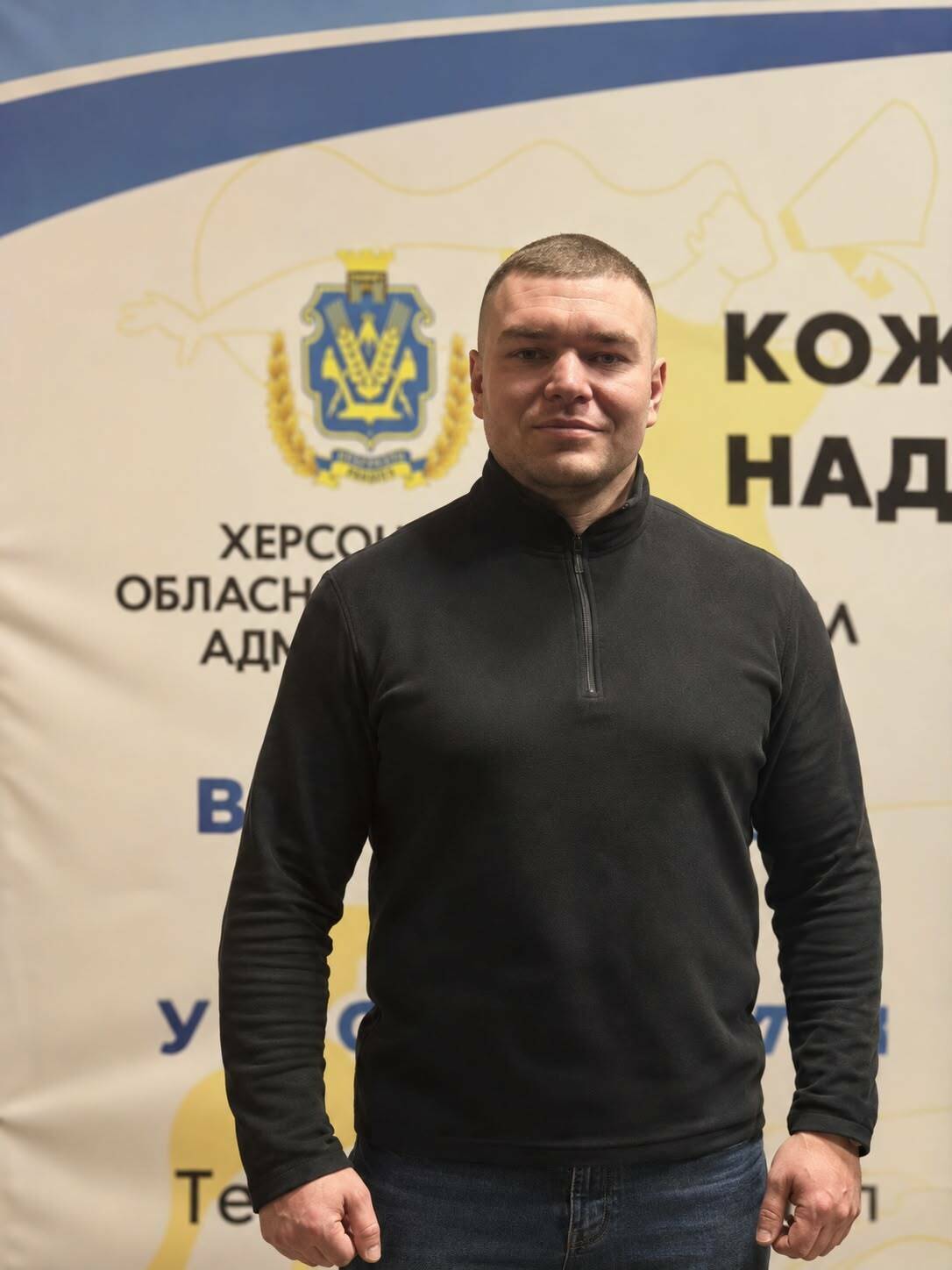
Oleksii Marchenko, Head of the Lazurne Settlement Military Administration
Tourist resorts in Lazurne lie in ruins; the beaches are mined
Lazurne community voluntarily amalgamated back in April 2018. What benefits did the decentralisation reform bring it? And what – in contrast to this reform – did the “russian world” bring it?
Thanks to the decentralisation reform, our community literally flourished. As we are a resort community, land tax, revenue from the sale of plots of land, and the resort levy provided significant income for our budget. Then there are the farmers! Our community, like the whole of Kherson region, is a renowned agricultural territory where delicious tomatoes, onions, peppers, cabbages, aubergines, wheat, rapeseed and, most importantly, watermelons and melons are grown. Well, as soon as we amalgamated, we immediately set to work on developing the tourism infrastructure. We realised, of course, that the more holidaymakers came, the more our people would earn and, accordingly, the more tax they would pay into our budget. We always showed people exactly where their tax money was going: a park is built here, a road is repaired there, a pavement or a children’s playground is constructed elsewhere. Moreover, thanks to the decentralisation reform, we were able to actively cooperate with numerous governmental and non-governmental programmes and attract funding. Believe me, were it not for the full-scale war, Lazurne would now be among Ukraine’s top resorts.
And now?
Nowadays, out of the 8,000 community residents, barely 2,000–3,000 remain, mostly pensioners. The others have left – some to the territory controlled by the Ukrainian Government, others to Europe. As far as I know, not a single person has gone to russia. The russians have mined all our wonderful beaches. Back in 2022, on one of these beaches, right in front of their young children, a husband and wife from our community were killed when they stepped on a russian mine. So now, nobody is eager to go for a swim or sunbathe to the sound of the waves. There is another reason for this as well. As soon as anyone appears on the seashore, they are captured and dragged down to the cellar. Because the russians have a lot of military infrastructure along the coast, which, from time to time, our drones successfully target. So, the russians are afraid of spies.
In Oleshky, which is literally just 50 km away, there is famine. Are people in Lazurne starving?
The russians have turned our picturesque resort into a military logistics hub, which is now difficult for civilians to enter and from which it is difficult to leave. However, this status as a logistics centre does make it easier to supply food. We are, to put it bluntly, just a stone’s throw away from Skadovsk, where the occupying authorities are based. This means that people can still resolve some of their most pressing problems. However, there is much less locally produced food in our community now, as the occupiers’ bombing of the Kakhovka Hydroelectric Power Station on the night of 6 June 2023 caused catastrophic damage to the agricultural sector. The agriculture of Kherson region is directly dependent on irrigation systems, and these systems no longer work because the Kakhovka Reservoir is empty.
How is the fuel crisis – which has fundamentally altered the course of the war – affecting the occupiers?
Firstly, it has hit local business owners, who were forced to register under russian law long ago. They need to work in the fields, but there is no fuel. Or rather, there is a serious shortage, and prices are high. Because of this, food supplies have become irregular. For almost the whole of last winter, the community had no electricity: it was supplied once every four days from 5 pm to midnight, and there were times when people were left without electricity for weeks, surviving solely on stoves and generators. But without fuel, even a generator cannot be used. Moreover, the weather is hot at the moment and the fridges do not work, so food is going off. Under such conditions, starvation is indeed a real possibility.
What is the current situation with the holiday resorts and children’s camps in Lazurne?
They are all situated along the coast, which means they are some distance from our villages. The russian military uses them to house their personnel. Therefore, Ukrainian drones and missiles strike these bases from time to time. This means that, once the community is liberated, most of these facilities will need to be rebuilt.
A promotional video about Lazurne, produced by the Settlement Council for TikTok, 2021
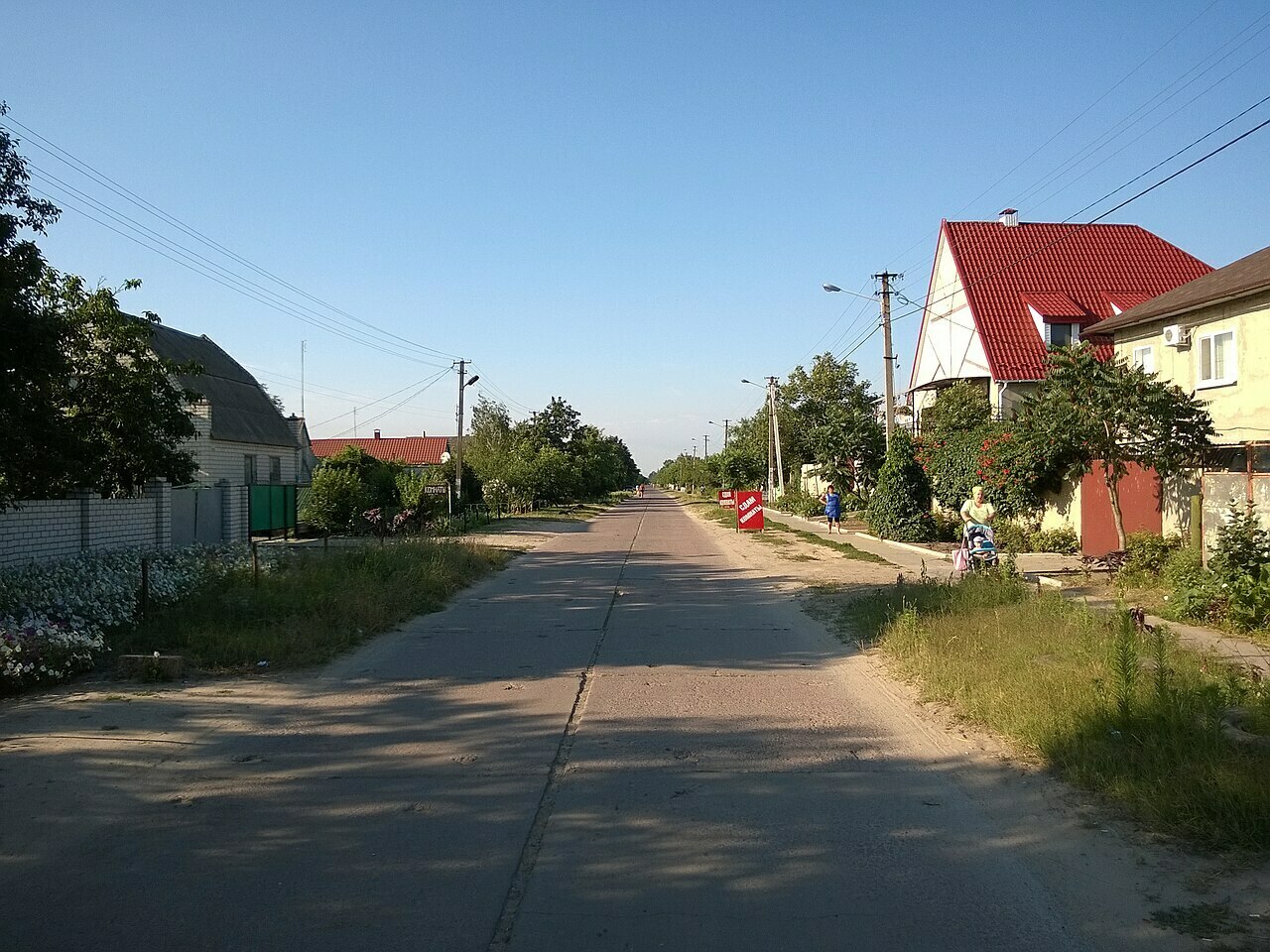
A street in Lazurne. Photo by Andrii Khrabryi, 2021
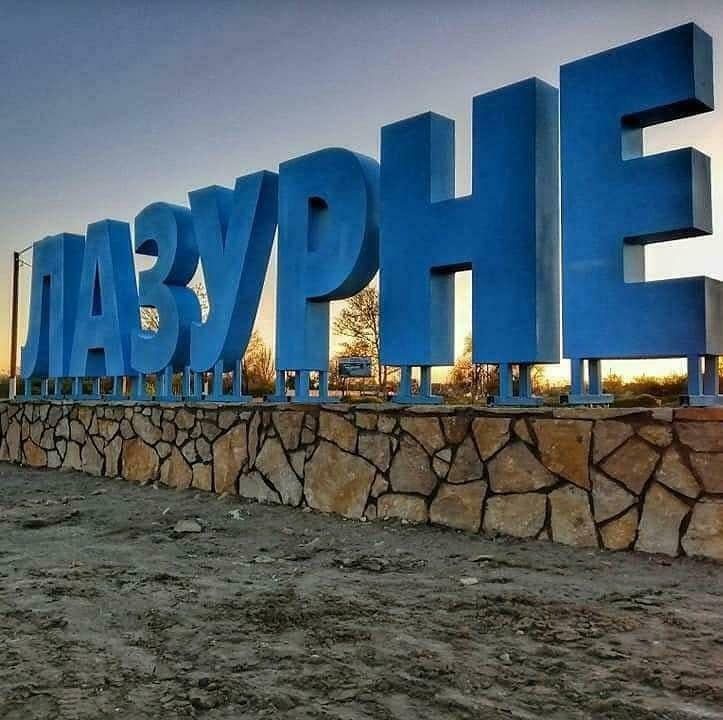
A sign in Lazurne, one of the most promising Ukrainian resorts on the Black Sea coast, summer 2021
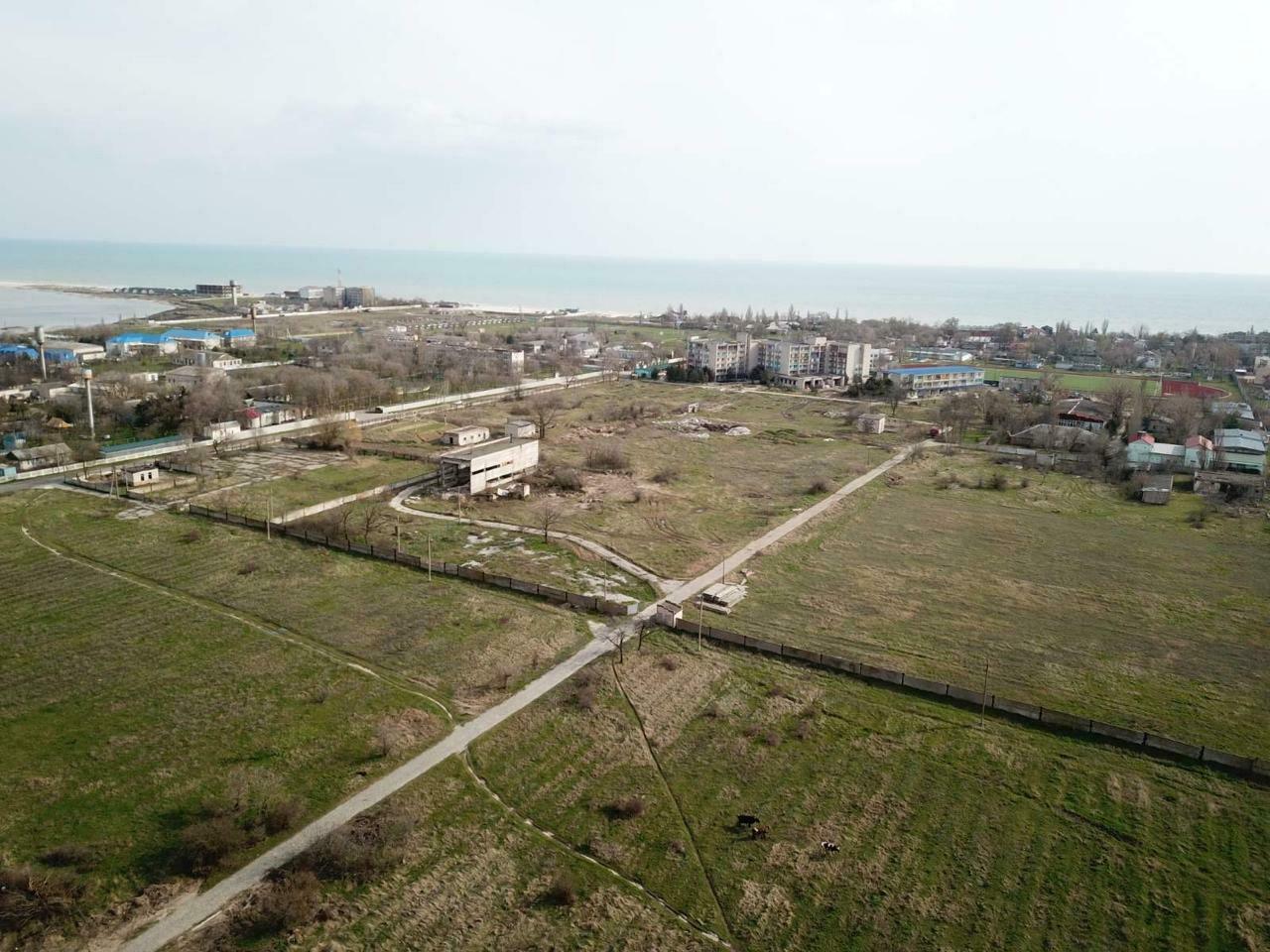
Lazurne from a bird’s-eye view, summer 2021
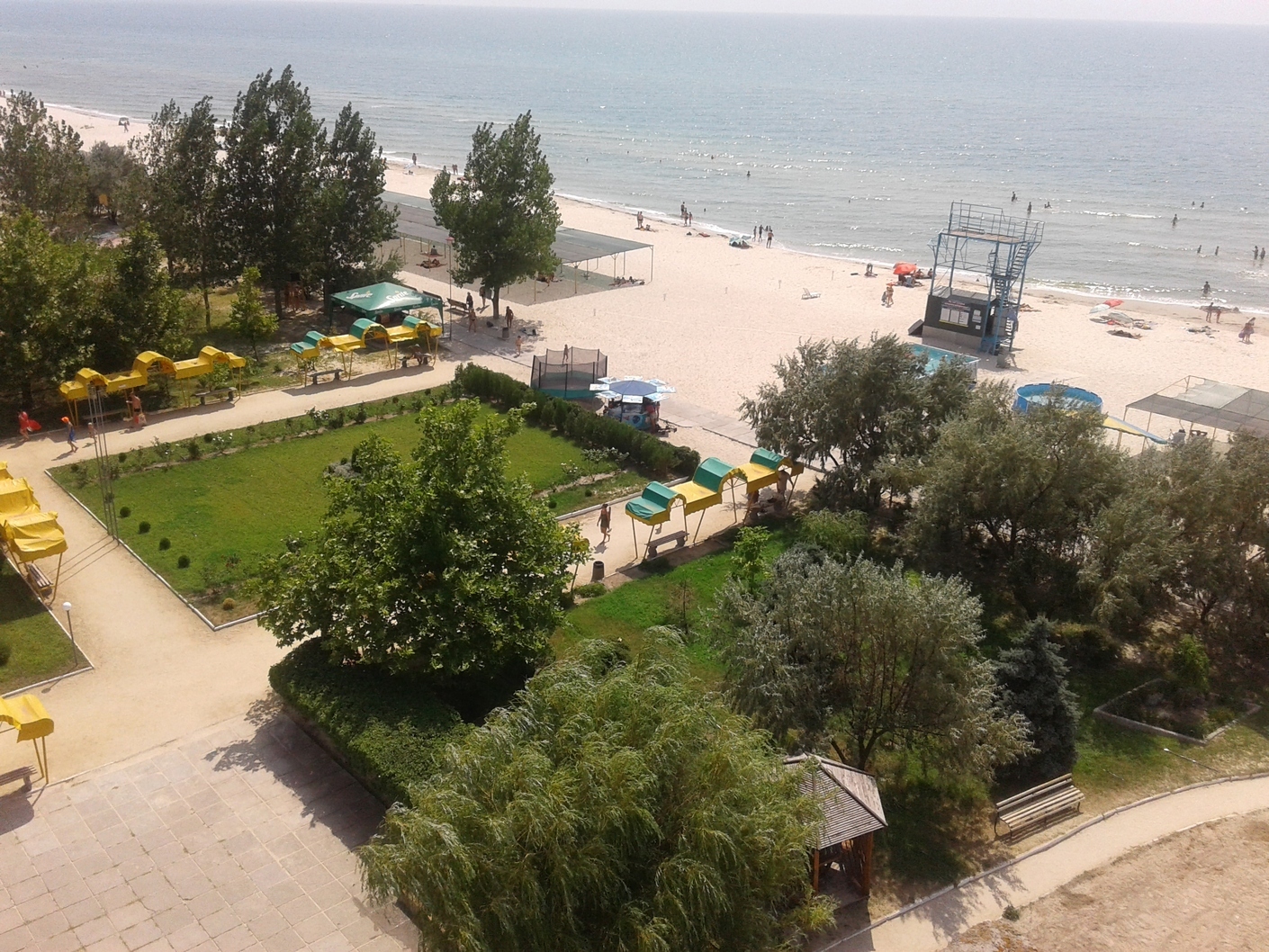
A view of the beach in Lazurne from the Chaika sanatorium. Credits: Maks.Vas
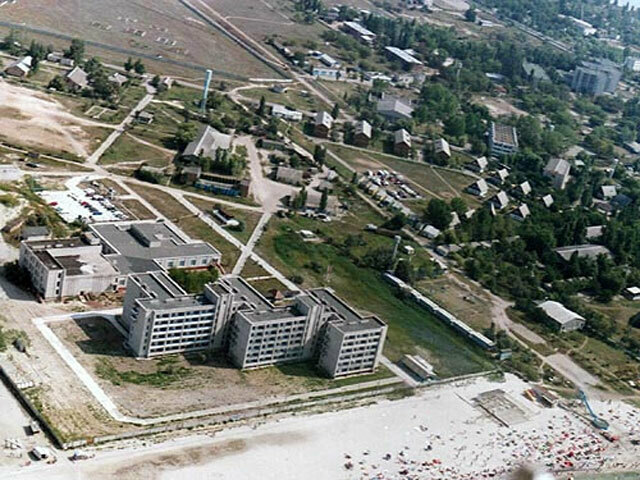
Holiday resorts in Lazurne, summer 2021
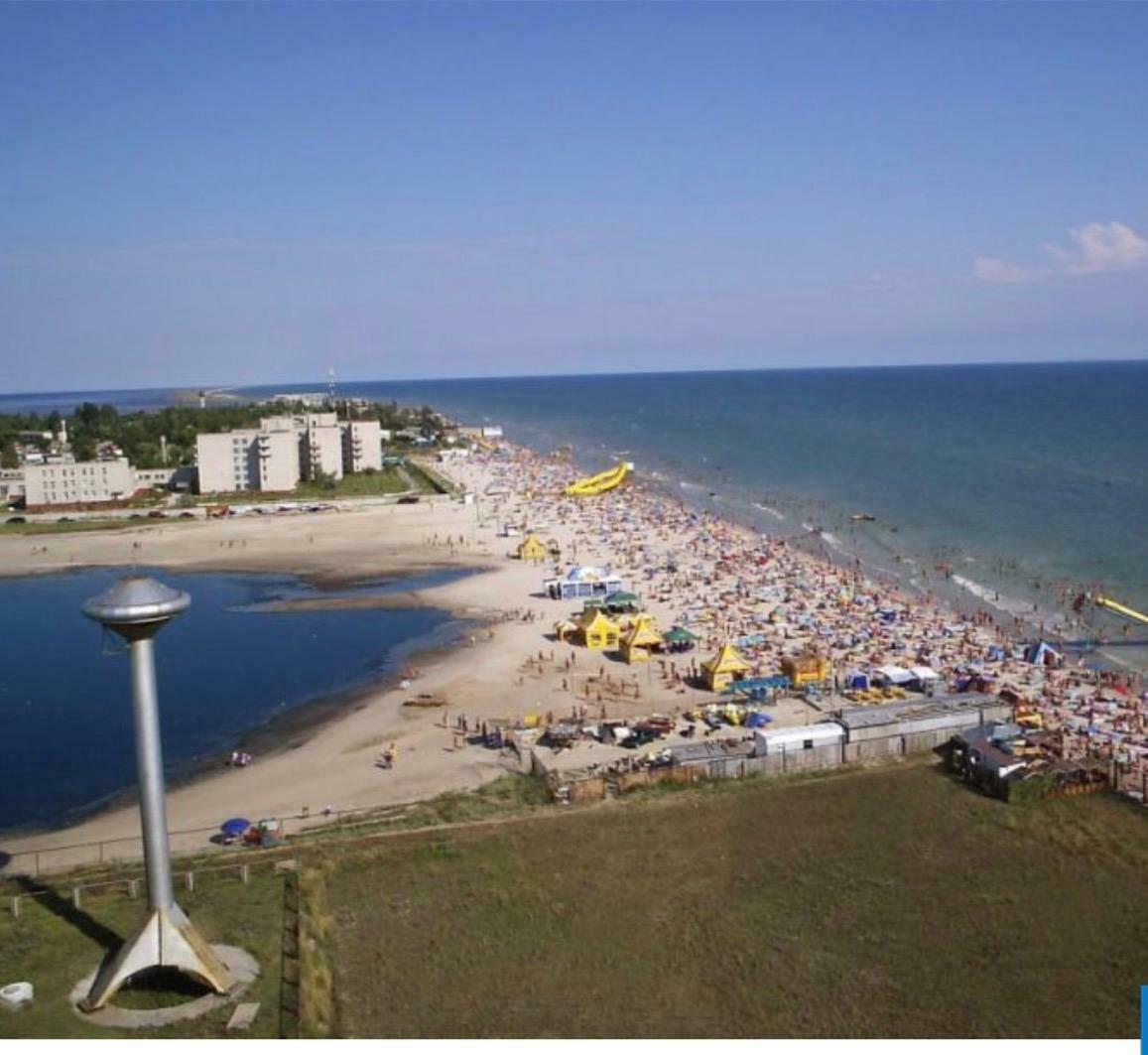
A crowded beach in Lazurne, summer 2021
Extreme experience in crisis management
Occupation media often paint a picture of a “peaceful life” on the coast, but we are well aware of the terrible pressure exercised by the occupiers, of forced passportisation, and of restrictions on the provision of medical care and other services to our people. As a leader, how do you maintain a balance in your public communications to support those living under occupation?
We support all our people: those who have left and those who remain in the community. The only difference is that people in government-controlled territory can be supported not only with words but also with material aid, and we have a range of programmes for this purpose. However, to those who have remained under occupation, we constantly reiterate: sooner or later, the community will be liberated from the invaders. Because the entire civilised world is on our side!
How did residents of the occupied community react to the news story of the partially withdrawal of the occupiers from the Kinburn Spit and the raising of the Ukrainian flag there?
Of course, they were happy, but they have to keep silent about it. Because the russians, who fear strikes by the Ukrainian Armed Forces, exercise very strict control. But I know all the same that any news story of a “good Ukrainian drone” causing damage to the occupiers inspires our people. Everyone is sick and tired of this “russian world”; nobody wants it. This applies not only to the residents of our community, but to all those living in the occupied territories.
Before the full-scale invasion, you were First Deputy Mayor Serhii Bielyk. He betrayed Ukraine and joined the enemy’s side, thus becoming a suspect in treason and collaboration. How did you get on with him? Was he pro-russian before the full-scale war?
No, I cannot say that. Nobody in our settlement council showed any sympathy for the aggressor state. But I cannot speak to Serhii Bielyk’s personal motives. That is something for you to ask him directly.
When the former head betrayed his oath and sided with the occupiers, you had to take full responsibility upon yourself and restart the governance system of the community virtually from scratch. What was the hardest about that for you: the legal uncertainty or the moral burden?
I would not say that it was all too difficult for me. We quickly formed a good team of reliable, committed people who restored and relaunched everything. I was lucky not to have been caught up in the occupation, because at that very time – that is, when the full-scale invasion started – I was on holiday, away from the community. And then I got straight back to work. Although you are right, at times it really was not easy, especially given that all the documents of the settlement council had burned down along with its premises.
Your experience in crisis management in the context of military administration is indeed extreme. What are the main management lessons you have learnt for yourself over the years of this full-scale war? What can your experience teach your colleagues further in the rear?
Right after the liberation of the Right Bank of Kherson region, all heads of the military administrations of the occupied communities were sent to the liberated territories. I, for example, was sent to Bilozerka community, and from the very first days of de-occupation I worked alongside the local authorities to restore normal life there. In particular, we organised the delivery of humanitarian aid, launched critical infrastructure, and supervised demining operations. But above all, we took care of the people. I believe that this kind of cooperation is vital: communities situated practically on the front line – these outpost communities – receive support from people who can only dream of the liberation of their own small motherlands. Therefore, this approach works like no other. It can truly be described as an extreme practice. But thanks to it, my team and I have prepared for the liberation of new territories. We will restore them very quickly as soon as we return, believe me.
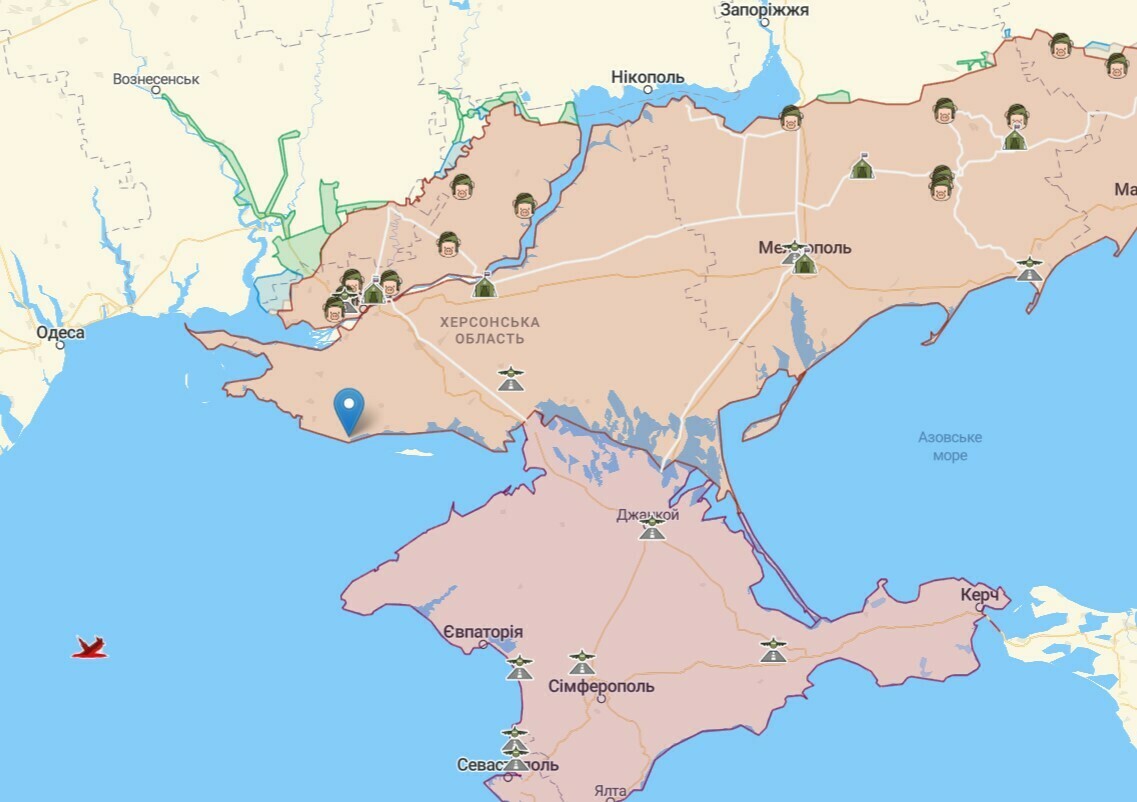
Lazurne on the DeepState map
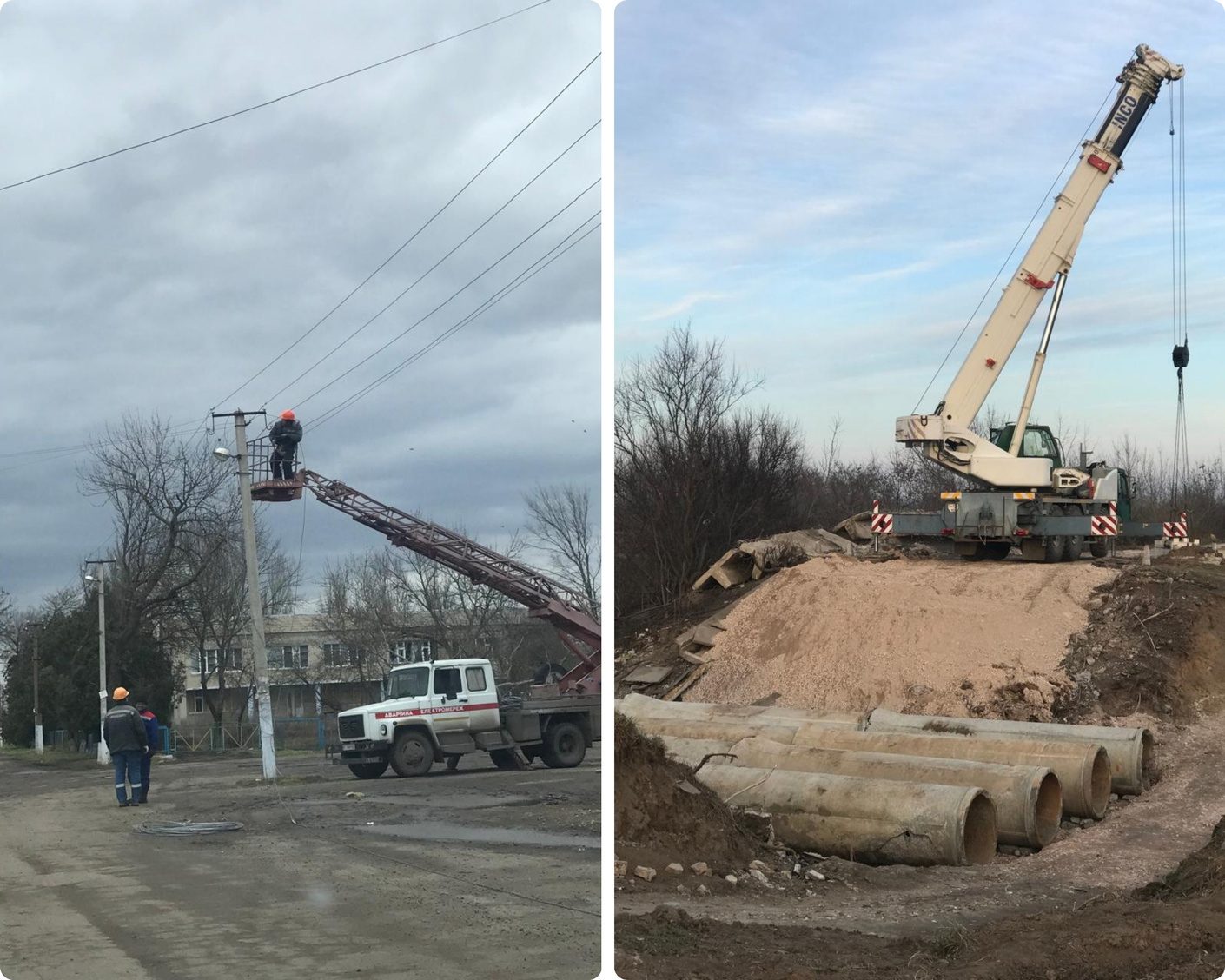
Restoration of normal life in Bilozerka community. Autumn 2022
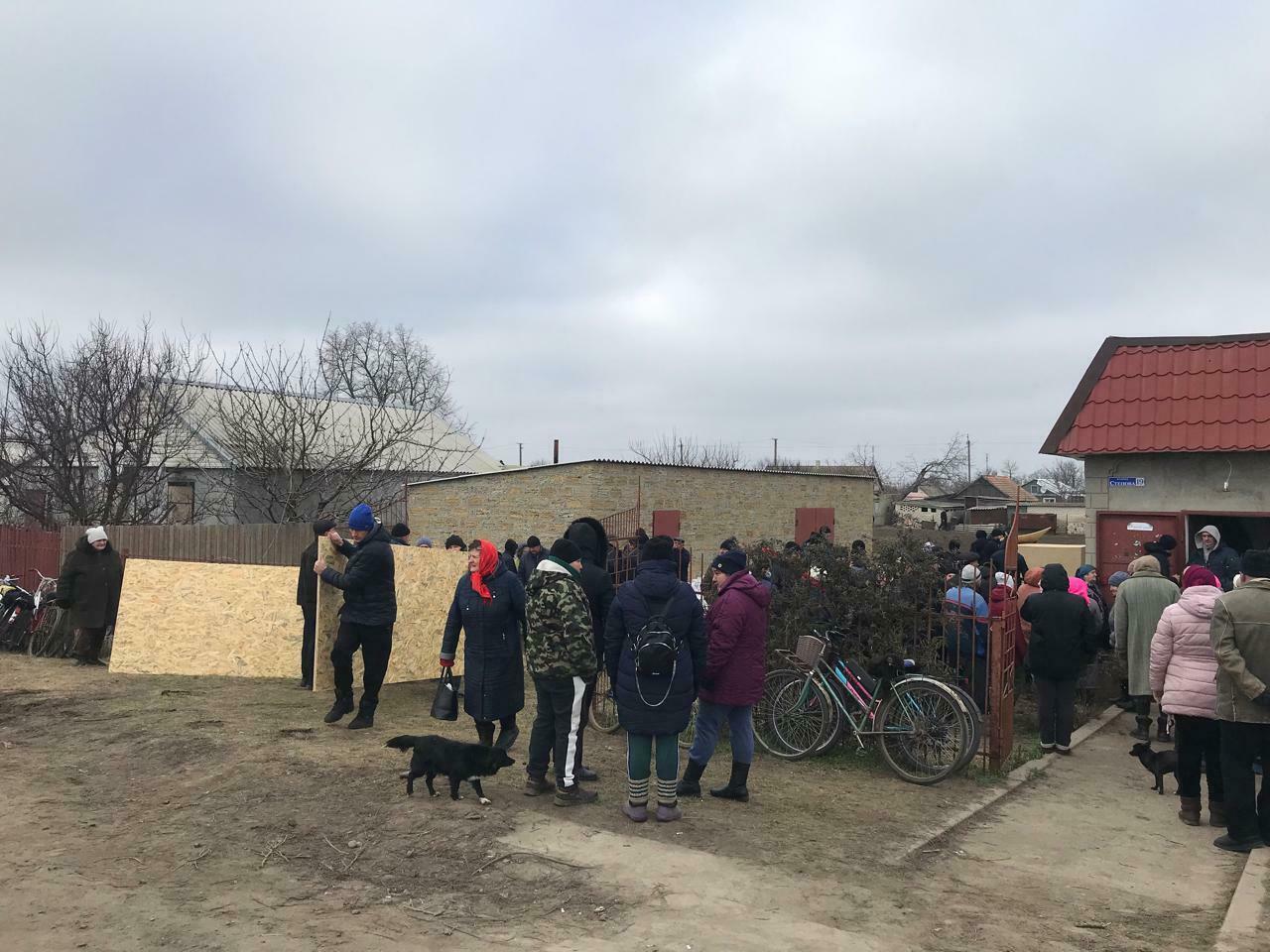 During the delivery of construction materials to Bilozerka community. Autumn 2022
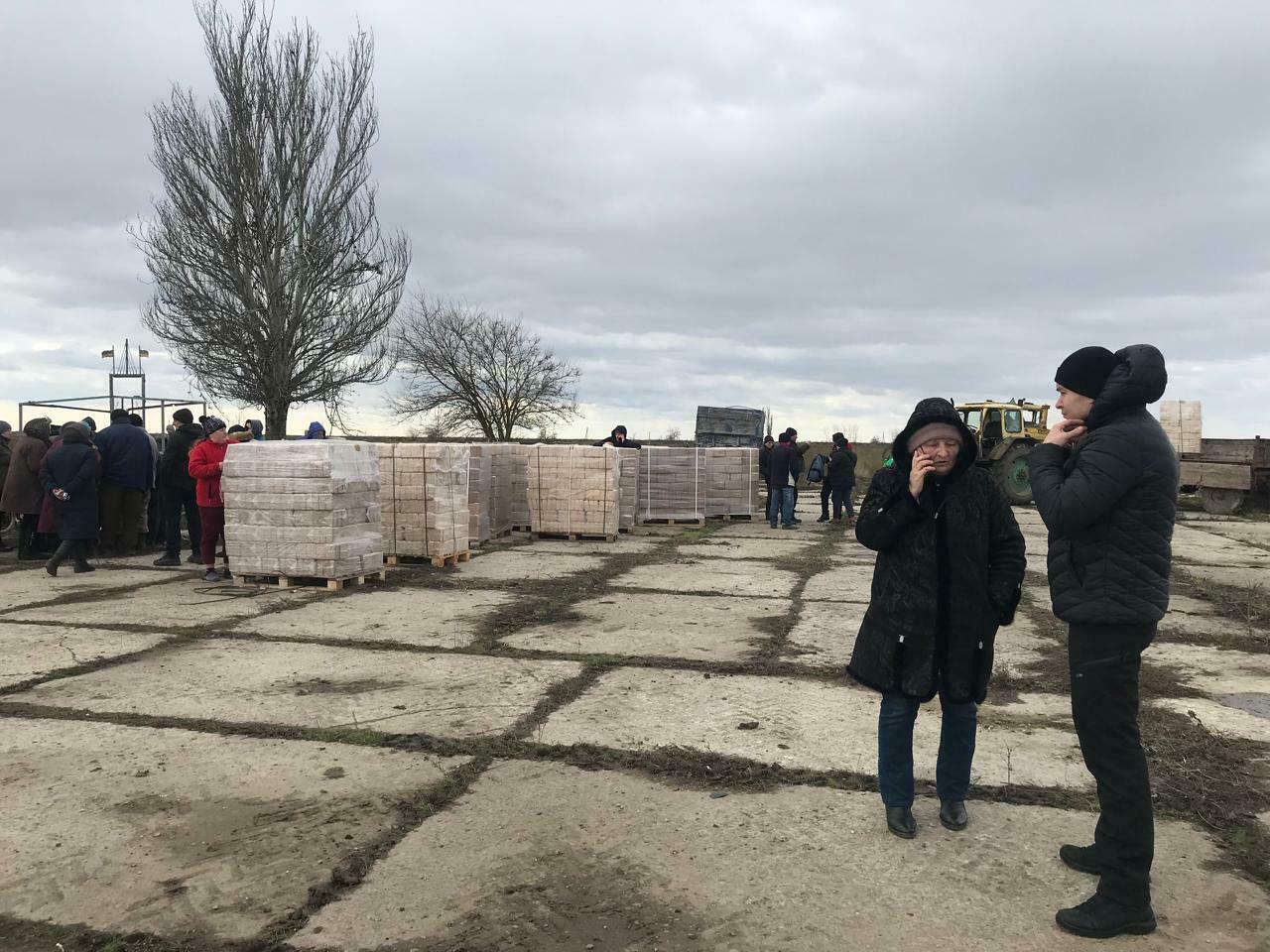
Fuel briquettes for Bilozerka community, in whose receipt and distribution Oleksii Marchenko was directly involved. Autumn 2022
On a humanitarian centre for four communities and an informal competition for the number of newborns
Your community has co-founded a large humanitarian centre in Mykolaiv. Please share your experience of this inter-municipal cooperation. Could this example of several occupied communities joining forces serve as a model for others?
Yes, absolutely! The creation of such centres (there are already 13 of them in Mykolaiv region, by the way) is a very important and innovative initiative by the regional military administration. Thanks to the combined efforts of several communities, our people – whether from Lazurne community or any other – can receive more support. So, this is a very timely and appropriate step. We want these people to come and take whatever they need; we want them to receive all the services available! And we want them to feel a sense of solidarity with other Ukrainians. This solidarity provides the strength that is so badly needed right now! Alongside the regional military administration and our community, Skadovsk, Chulakivka, Bekhtery, and Velyki Kopani communities have also become co-founders of our centre. However, Skadovsk community recently left our group of five, having opened its own centre in Odesa. But Skadovsk is a large city compared to us, so I think the remaining communities will now support one another.
What specific help can people receive at your humanitarian centre?
Any kind of help, ranging from humanitarian aid to access to lawyers and psychologists. The centre even runs the English language and computer literacy courses for children and adults. We also have more than 30 memoranda of understanding with different organisations and charitable foundations, so we have many opportunities when it comes to receiving different types of help. But other communities have partners too, so our strength grows significantly when we work together. Some communities find one thing, others find another. We exchange services, goods, and experience. Ultimately, we fund this centre of ours together. Our database contains information on more than 10,000 families, divided into categories. If any aid arrives, we know where to direct it and who needs it most. We have basically built not a hub, but a coordination centre, which makes identifying and delivering aid highly effective.
Could you share an example of this effectiveness?
The first example that comes to mind is this: every community sends children on holiday. But when communities join forces, the children benefit far more. If any of the communities in our centre finds, for example, free places at our Carpathian Artek camp, we send not just anyone there, but those who need it most – from all the communities in Kherson region whose residents have registered with us. On the other hand, we can gather the required number of children more quickly: for example, if there are 40 places on a trip to Lviv, by the very next day we have the full list of those going.
All residents of Kherson region who are registered with your centre have received what is known as the “Kherson Resident Card”. Please tell us about this initiative. Where did it come from?
This is also an idea from the regional administration. The card is numbered and personalised, which enables the targeted provision of services. The regional military administration has signed agreements with several dozen companies that offer discounts to cardholders. So, for example, when someone goes to a bakery, a chemist’s, or a domestic goods shop, they can use this card to get goods or services at a reduced price. Depending on the person’s age and social status, discounts can be 5, 10, 20, or even 30 per cent. Sometimes, this card also provides free access to certain food items once a quarter. Families with children can also use the “Kherson Resident Card” to receive school kits. In my view, this is a brilliant idea that works really well.
What key needs of IDPs does your community address?
You know, there are people who had to leave everything they owned in the occupied territories and fled with literally just one bag of personal belongings. These are the people who need everything – from clothing to financial assistance. Thanks to our partner, the charity organisation ADRA of the Seventh-day Adventist Church, each of these people can receive UAH 12,300. They can use this money right away to buy essentials or pay their first month’s rent. We can also provide them with certain items: clothes, blankets, pillows, toiletries, nappies, baby food – all of which we collect at our humanitarian centre. We even have toys for children there. Generally speaking, despite such a difficult situation, children are still born here, which is a good sign. Let me reveal a little secret: there is even a sort of informal competition between communities to see which one will have the most babies.
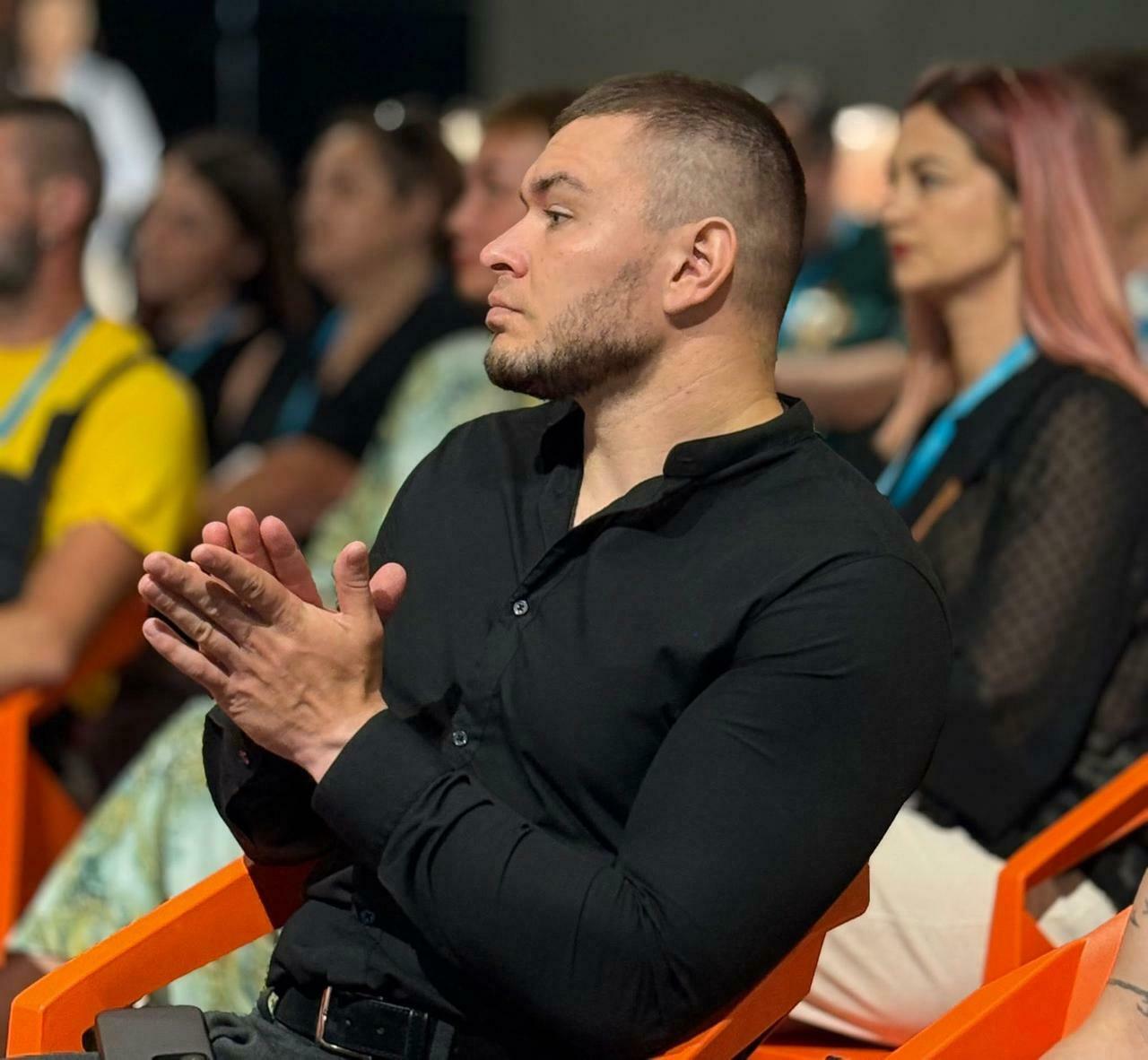
Oleksii Marchenko at one of the events dedicated to the recovery of communities
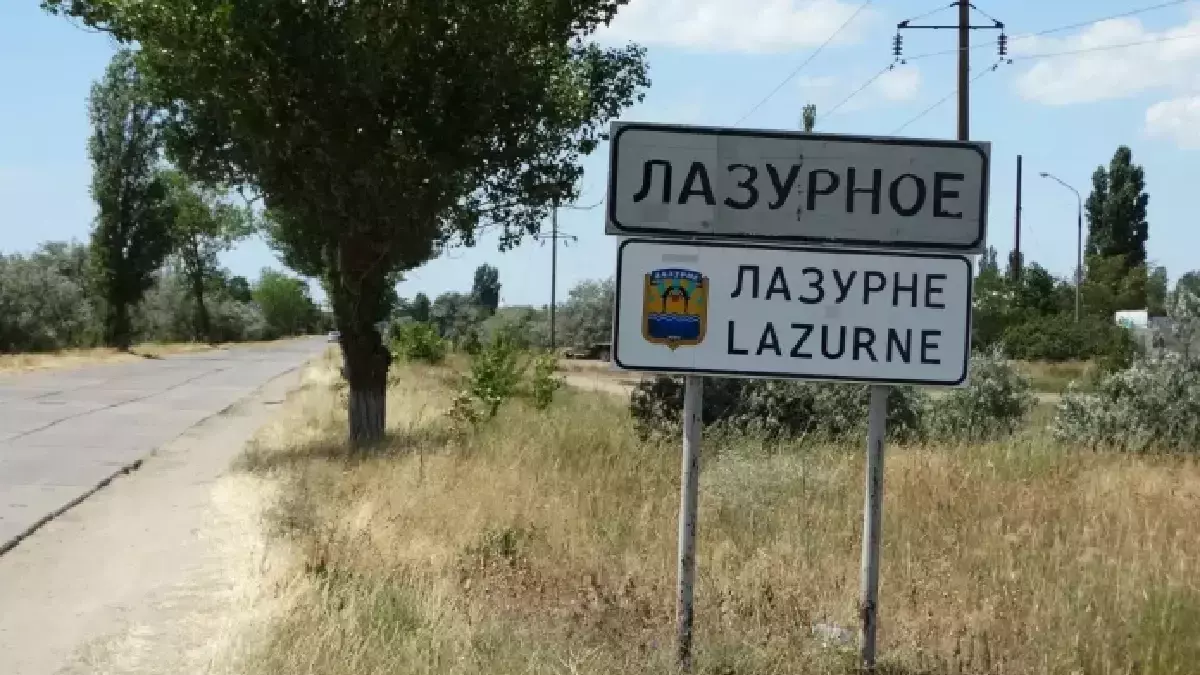
Фото 42. A signpost in Lazurne, vandalised by the occupiers. In exactly the same way, they have ruined the life of this seaside resort, forcibly making it part of the “russian world”
International cooperation for the sake of the future
Mr Oleksii, European municipalities are used to traditional partnerships – for example, cultural exchange programmes or joint infrastructure projects. But the territory of your community is currently inaccessible. What ideas form the basis of your dialogue with your international colleagues?
The first thing that I try to convey is the enormous potential of our community. It is a real future tourist gem, and anyone who invests in it in the future will be able to make a good profit. We also have the potential to develop not only tourism, but green energy and the agricultural sector as well: our land is fertile, the winds are strong, and there is plenty of sunshine. Last year, I travelled to Poland for the 10th European Congress of Local Governments to find partners from France for us there. The fact is that our village was founded in 1803 by a Frenchman, Wilhelm Rouvier, who fled to Kherson region during the French Revolution and successfully raised sheep there. Rouvier named his settlement after his eldest daughter – Sofiivka. Later, the Soviet authorities renamed it first to Novooleksiivka, and then, as late as 1975, to Lazurne. So, I hoped that our history would interest someone from France. And I was not mistaken: Frédéric Petit, Member of the French National Assembly, has shown serious interest in our community. He is currently searching French archives to find out exactly who was in Wilhelm Rouvier’s team. Once he has found out, we will reach out to the French communities from which they came. After my visit, a French delegation also visited our centre and signed a cooperation agreement with the regional administration. Thanks to this, the entire Kherson region, now free of the russians, has been receiving considerable aid from France. As you quite rightly pointed out, a community is not just a territory; it is also the people. They are, indeed, our greatest asset. And thanks to friends like these, we are able to care for them.
How do you explain to potential partners the importance of supporting Lazurne community right now, without waiting for its liberation?
Is there a risk that our community will not be liberated for a very long time? Yes, there is, but it could also be liberated quite quickly. Business always involves risk, so this does not scare any of our partners. Some of them are even prepared to invest in Lazurne community literally the very next day after de-occupation. To some extent, this is why they are investing in our children’s recreation, and in the purchase of medicines and humanitarian aid for our people. The time will come when we will thank them for this help.
Our European colleagues have no experience of working amidst war and occupation, so you actually share with them unique crisis management skills. What exactly, from your experience of keeping the community together “in exile”, impresses your foreign partners most during meetings? What lessons in Ukrainian resilience can they learn from your team?
It does not matter exactly where we are located, but we feel at home in the territory controlled by the Ukrainian Government. We are united by the belief that tomorrow our territories will be liberated and we will return there. Our people do everything they can to make this happen. But this understanding needs to be nurtured. It is a kind of local patriotism, which is at the same time linked to national patriotism. That is what gives us the strength to stand firm for as long as it takes.
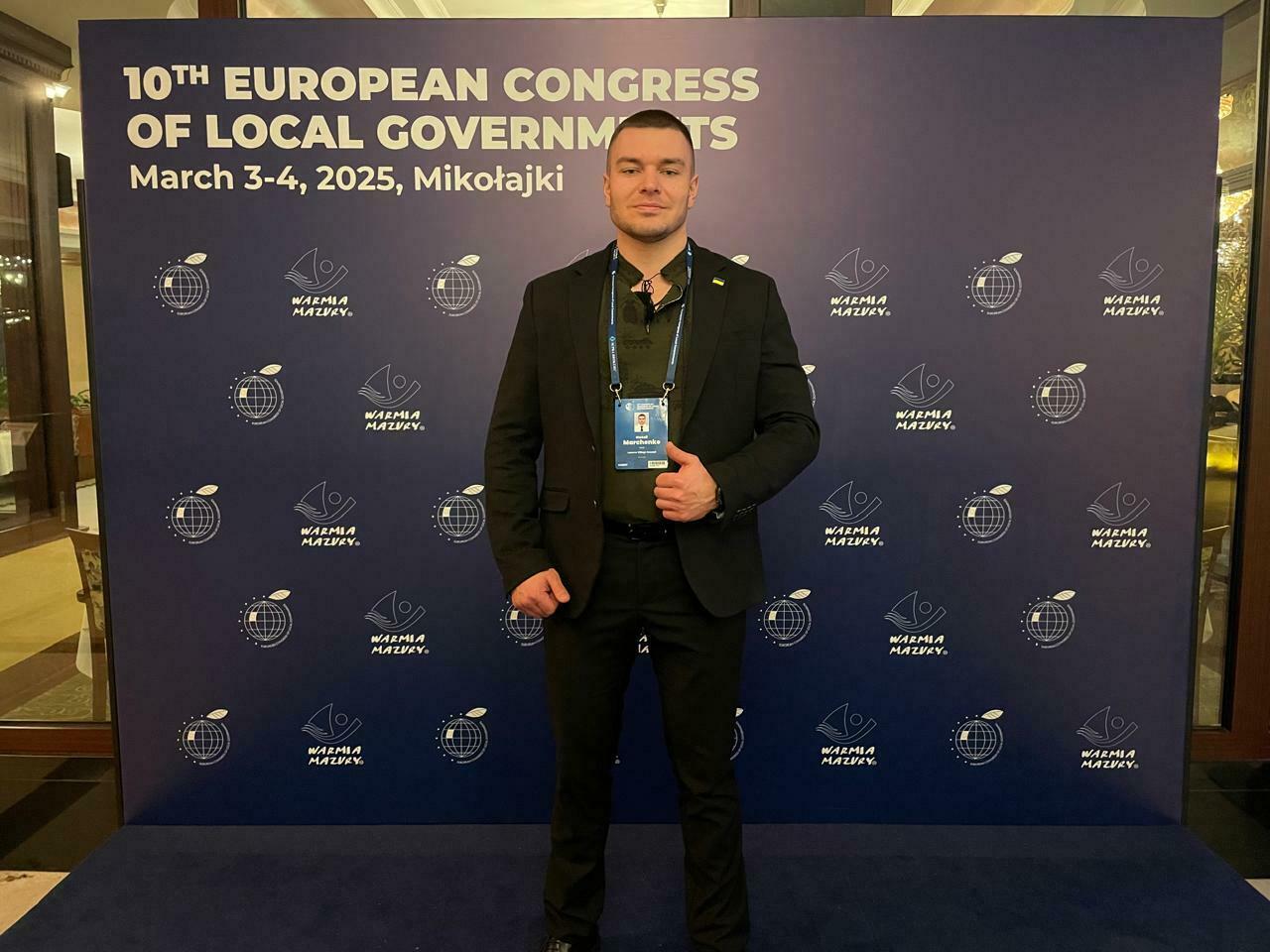
At the 10th European Congress of Local Governments in Poland
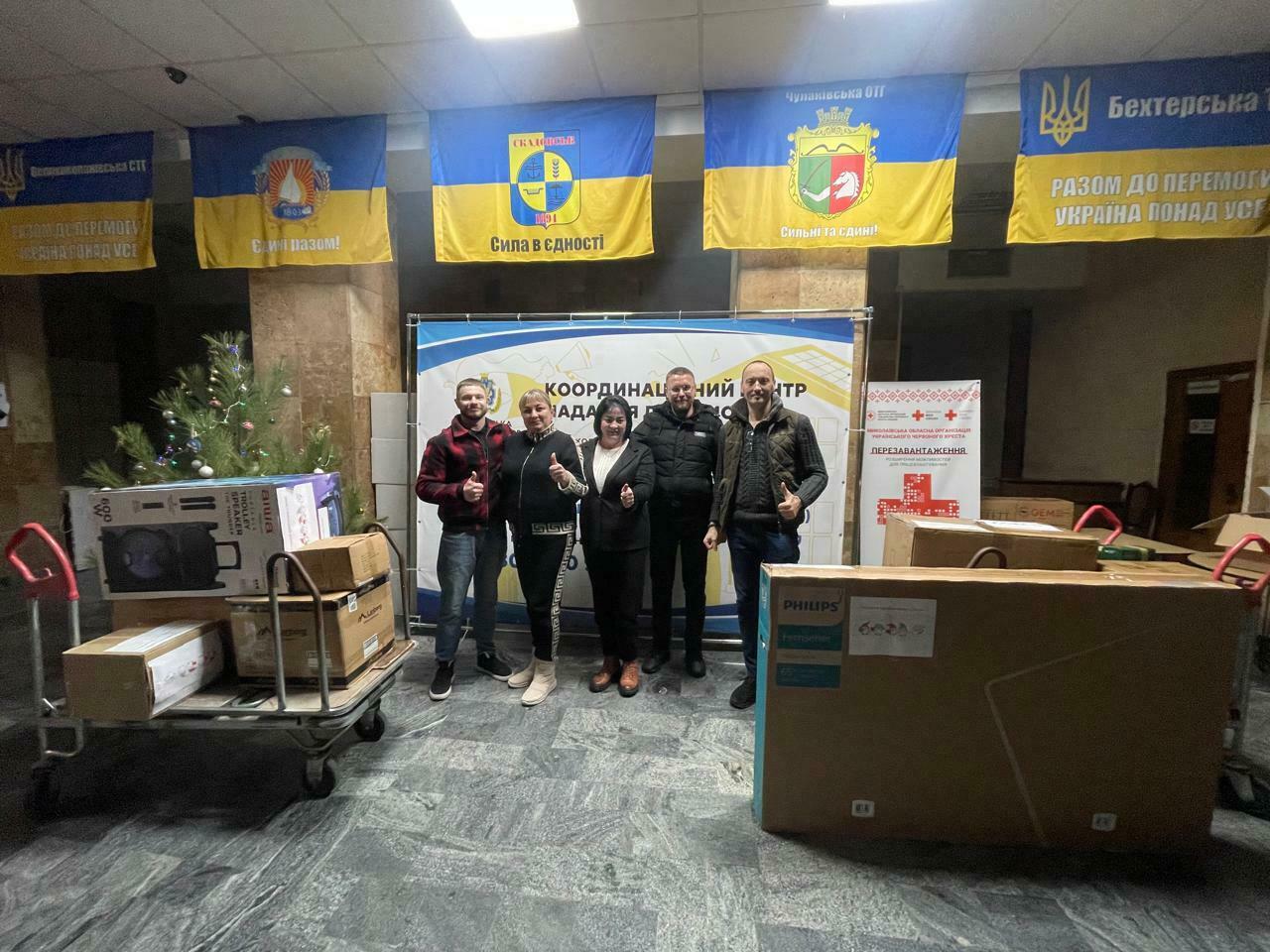
Together with Lithuanian partners, who brought humanitarian aid to the residents of Lazurne community
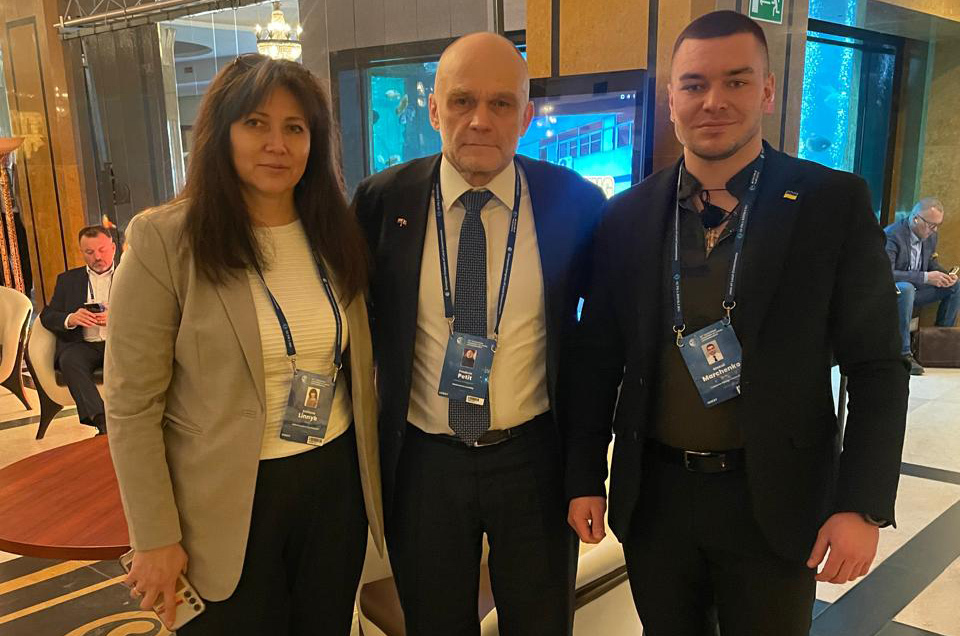
Frédéric Petit, Member of the French National Assembly (centre), and Oleksii Marchenko, Head of the Lazurne Settlement Military Administration (right), at the 10th European Congress of Local Governments in Poland
On the partners that stand “Shoulder-to-Shoulder” with the community
Where and how do you look for partners? Do they refuse to work with you once they find out that your community is under occupation?
Some partners, on the other hand, are keen to help the very communities under occupation. For example, our partners in the “Shoulder-to-Shoulder” project, within which we have signed agreements with several communities in Kherson region that are free from the russians, such as Bilozerka and Novovorontsovka. We also have agreements with Zelene and Biloberizka communities in Ivano-Frankivsk region, as well as with Tulchyn community in Vinnytsia region. Many of our people live there. Ivano-Frankivsk region helps us primarily with recreation for children and with funds for our defenders. And we, for our part, help them in any way we can. Just recently, we partially funded the purchase of specialised vehicles for Novovorontsovka community, and also the creation of a veterans’ centre in Bilozerka community.
Where do you get your funds from? Local businesses must be out of business, right?
I must say that up until 2023 we received a considerable amount of personal income tax from the military unit we were sponsoring. Some of our businesses, even after relocating to Kyiv or Odesa, continued to pay taxes to us for quite some time. Finally, we managed our funds wisely, so we had a healthy balance for quite a long time. Now we are keeping our heads above water thanks to a government subsidies.
Local governments usually have a lot of work to do with the local economic sector. You lack this economic sector, but you have people. Would it be fair to say that caring for them is your single task?
At least, it is the main task. We help frontline communities and outpost communities, and we organise the evacuation of people from those places. If anyone wants to leave the occupied territory, we give them advice on routes, contacts and so on. There are international organisations that deal with this; people just need to get in touch with them. Normally, when people flee, they stay with their relatives. Another group of people travel for medical treatment. For those without accommodation, we help arrange places in hostels in partner communities, and our partners in the “Shoulder-to-Shoulder” project never refuse us such requests. Another priority of our work is to support the military, though I do not wish to go into detail about this aspect.
Do residents of occupied communities have the legal right to receive state compensation for lost homes, and does the Lazurne Military Administration play any role in this?
At present, residents of the Left Bank of Kherson region who have combatant status are eligible to receive up to UAH 2 million for the purchase of a home – provided they do not own any property in territory free from the occupiers. However, we already have information that the list of those eligible for benefits will be expanded. The only requirement is that this programme receives adequate funding. Currently, several dozen residents are unable to redeem their housing vouchers precisely because of insufficient funding. But in my view, a far better option would be the liberation of the occupied territories, so that everyone can return to their homes.
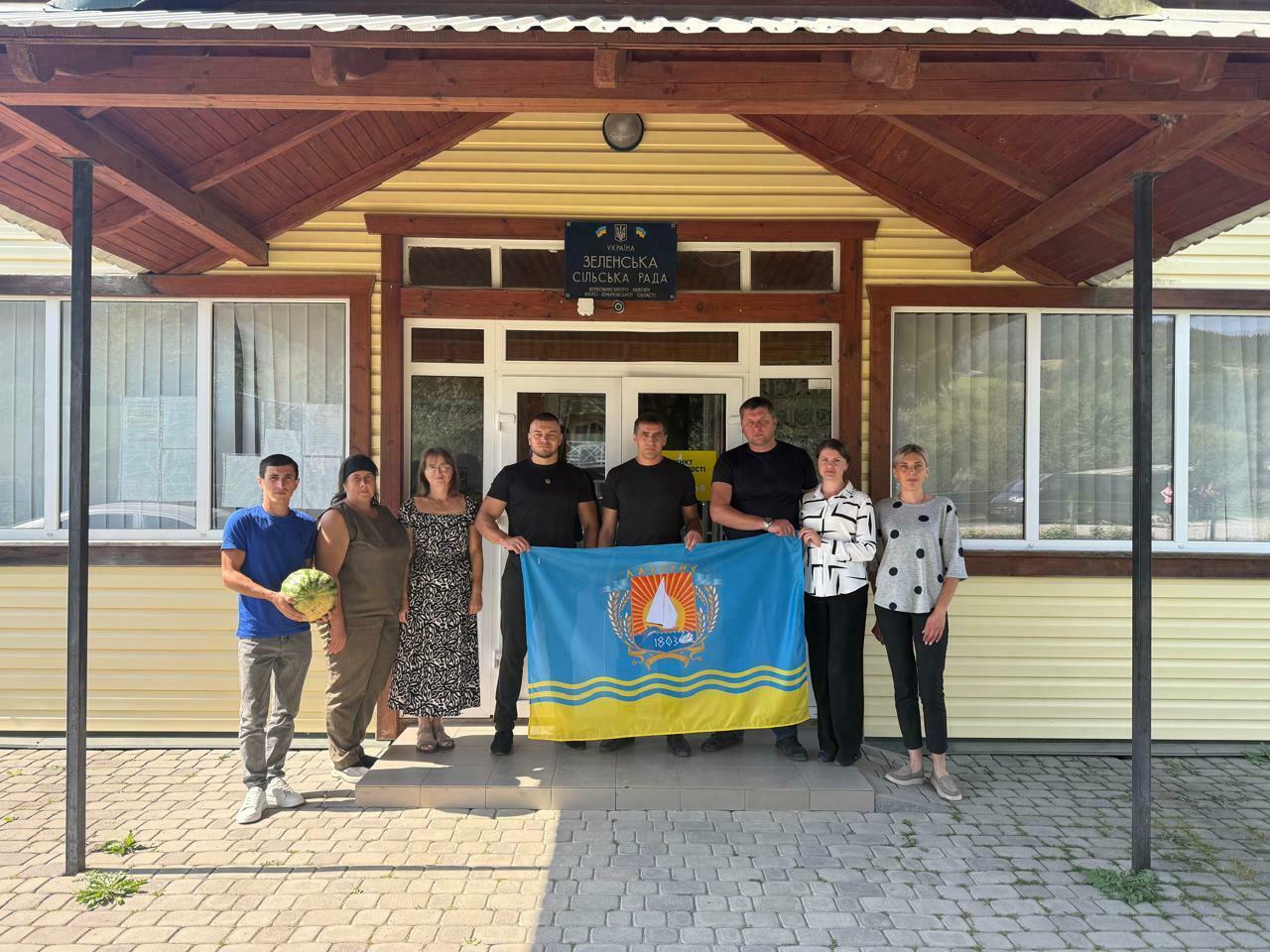
Signing of a Memorandum of Cooperation within the framework of the “Shoulder-to-Shoulder: Cohesive Communities” project between Lazurne community and Zelene community (Ivano-Frankivsk region)
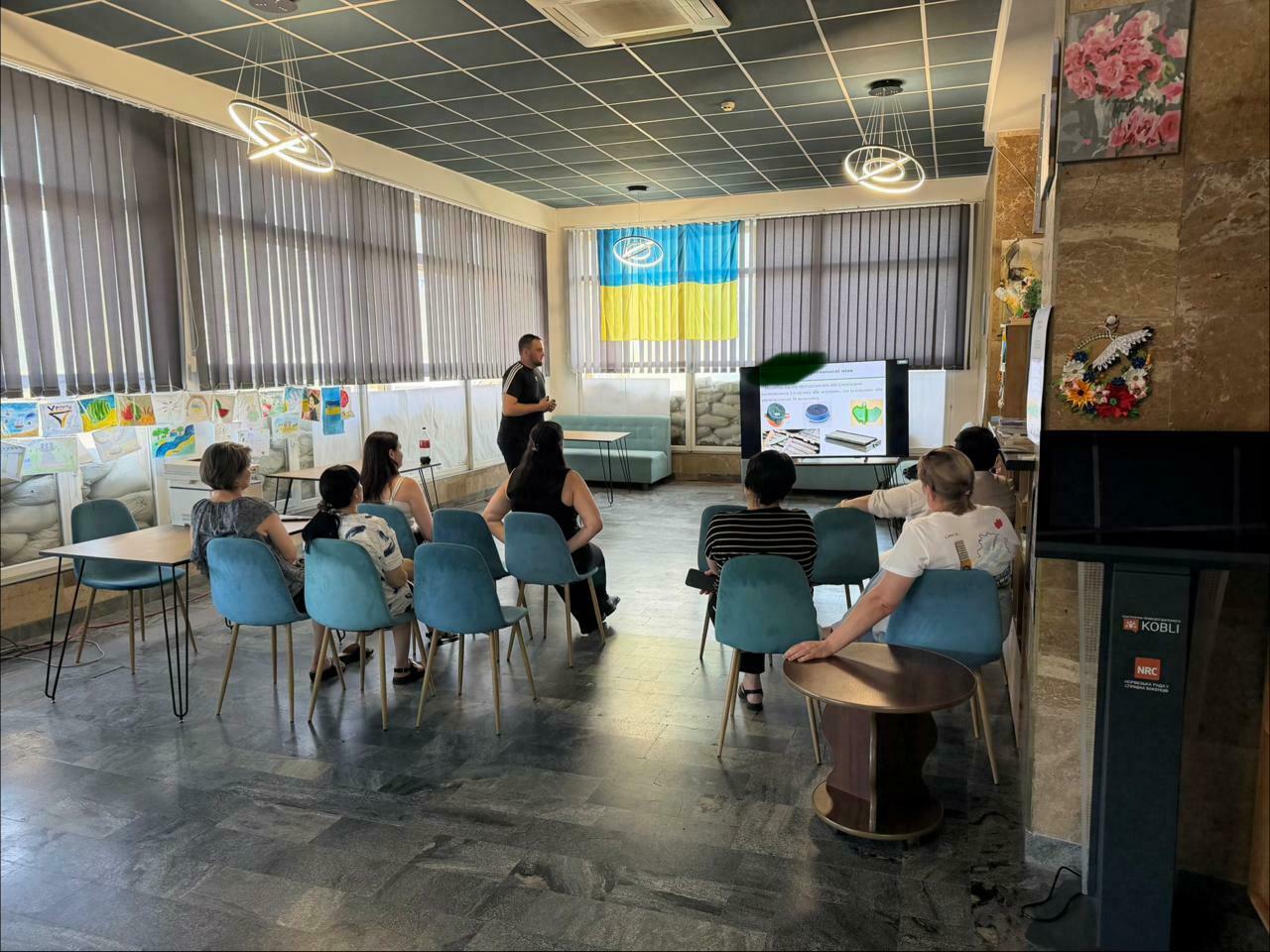
Training on mine safety in the Humanitarian Centre of Lazurne community
Why people are bound to return to Lazurne community
The tragedy of Dzharylhach hurts not only your community, but the whole of Europe, as it involves the loss of the natural environment of a unique, uninhabited island. The occupiers are known to have filled in the strait and connected the island to the mainland, which has altered its entire ecosystem. Will the strait need to be restored in the future?
It has already returned to normal – all by itself. Indeed, in the spring of 2023, the russians filled in this channel to set up a firing range on Dzharylhach, in the National Nature Park. But this channel was there for a reason – it had been formed by currents and waves. Therefore, after a few storms, everything returned to its original state. In other words, Dzharylhach has once again become an island, and the russian firing range is no longer there. However, during live-fire exercises, 1,500 hectares of protected forest were burnt down, causing enormous damage to the ecosystem of the entire island. This is indeed an example of modern-day ecocide, just like on the Kinburn Spit. Immediately after de-occupation, we plan to engage international institutions to establish an international centre for the study and regeneration of nature on Dzharylhach, which will attract scientists from all over the world. After all, Dzharylhach is not only a natural but also a historical landmark: it was mentioned as far back as ancient times by historians such as Pliny the Elder, Ptolemy, Herodotus… In ancient times, Dzharylhach was connected to the Tendra Spit, and the Greeks called this vast, united spit the Course of Achilles.
Before the war, Lazurne was associated solely with traditional beach tourism and holiday resorts. It is clear that, due to the mines along the coast, a return to this model will take years. What will the new, reinvented Lazurne look like? What alternative economic sectors do you plan to focus on in the first few seasons after the return?
Demining is essential. It is needed not only for farmers but also for the energy sector. And it is a mandatory step for the development of tourism. But we can already say that the focus will be on private guesthouses, which were developing rapidly before the war: their owners were building swimming pools, new facilities, opening medical units and so on. These holiday resorts can be cleared of mines very quickly and given the green light to operate. I think that once Ukrainian territory has been liberated from the invaders, they will develop ten times faster than before.
For many, decentralisation is about square kilometres, roads, and property. But your case proves that a community is, above all, about people. What is the glue that holds the people of Lazurne community together, despite the fact that they are scattered across the country and around the world?
Let me repeat: our greatest motivation is the hope of returning home. The hope that we will once again live in our own homes, alongside our family and loved ones whom we left in the occupied territories. And that is precisely what unites us most of all.
Do you already have detailed plans for the development of your community after liberation?
Not only do we have such a plan, but we have tested it based on the example of Bilozerka community, correcting all the mistakes and inaccuracies.
Imagine the day of de-occupation that we are all waiting for. What will your first decisions be? What will you focus on first when you return to your small motherland?
The first step will be demining. The second – providing people with everything they need. The third – restoring critical infrastructure. The fourth – restoring fully-fledged local self-government. You know, I think other communities will face more problems getting people to return than we will. Our community is a resort, a real gem by the sea, a goldmine. I have no doubt that nearly 90 per cent of our people will return. Because nowhere else will they find conditions like ours, such earnings and such prospects for development. In fact, most of the houses in the community have survived so far, and the private sector is practically undamaged. So, for now, people have a place to return to and a reason to live. We just need to raise the Ukrainian flag over the Black Sea coast once again.
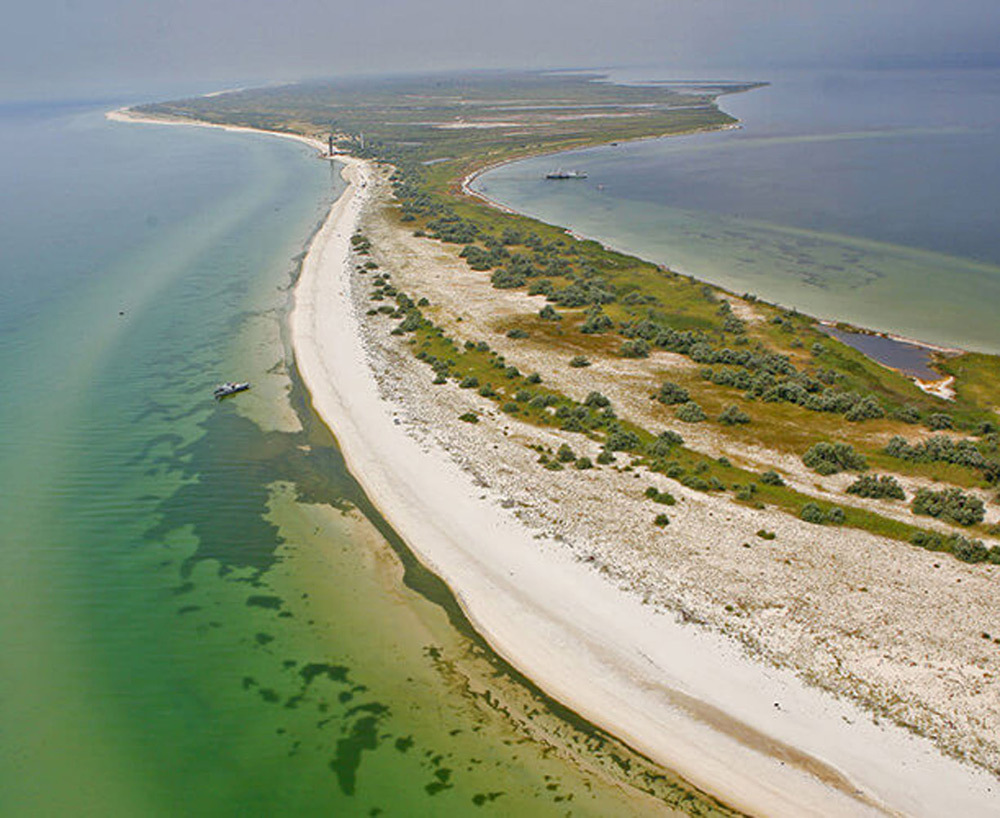
A birds-eye view of the unique Dzharylhach Island. The russians turned it into a training ground, burning down 1,500 hectares of protected forest
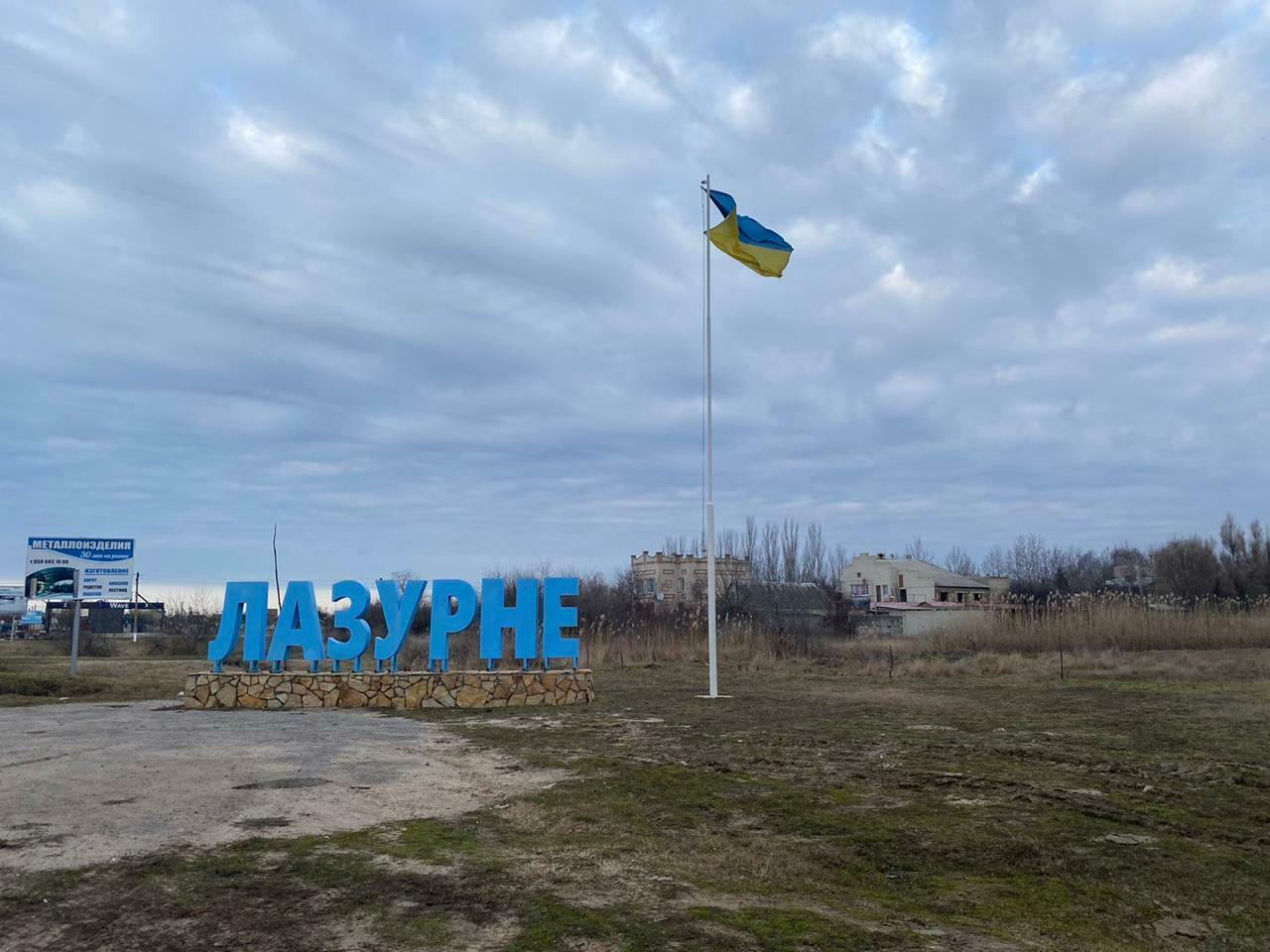
People dream of a time when the Ukrainian flag will fly over Lazyrnyi, just as it did before 2022
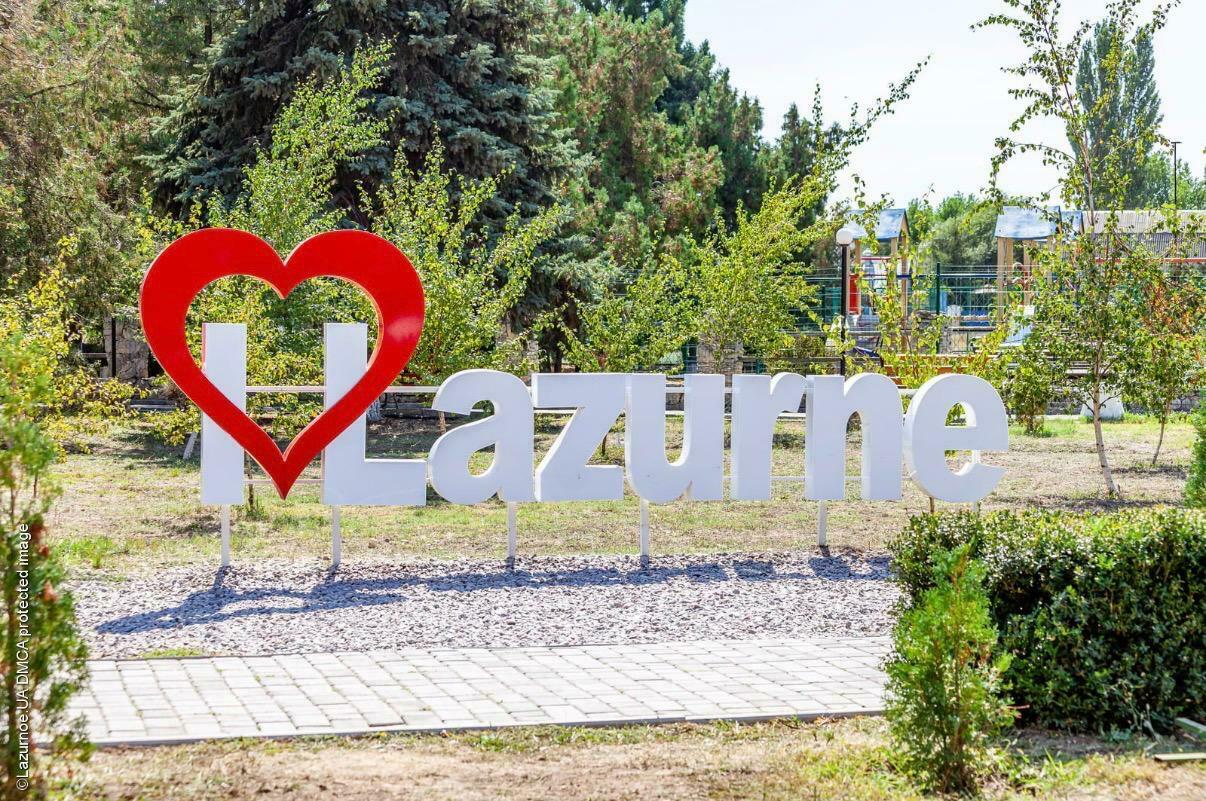
The photo stand in Lazurne, built before 2022. Now nobody takes photos in front of it. However, local residents are convinced that this situation will not last forever
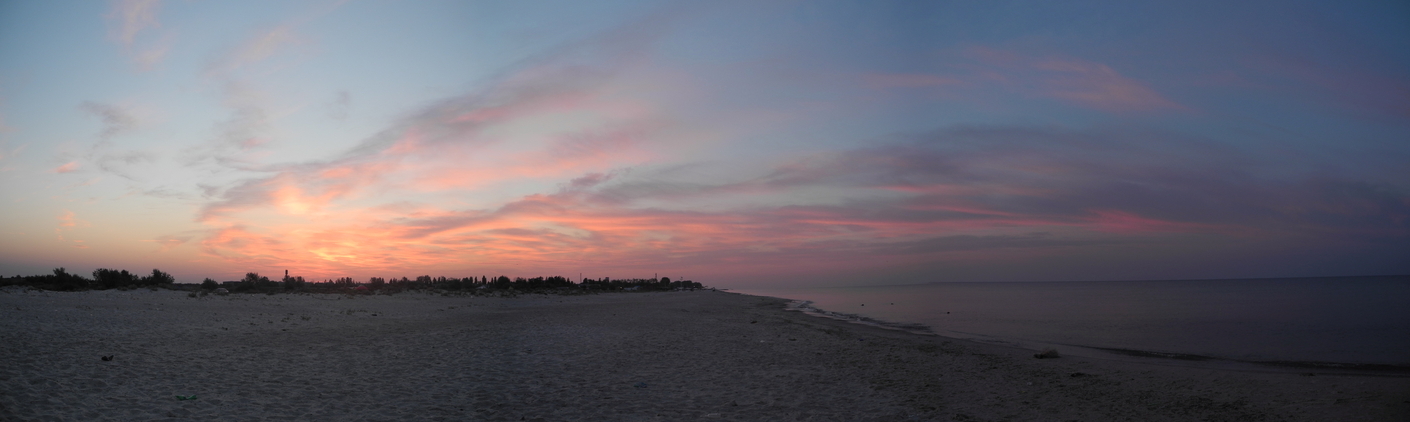
A panoramic view of a beach in Lazurne in the summer before the full-scale war. Credits: Askad.skynet
Tags:
15 July 2026
Модельна навчальна програма курсу за вибором...
Це важливий крок для розвитку освіти для демократичного громадянства та освіти з прав людини, що допомагають...
15 July 2026
МОН винесло на громадське обговорення проєкт...
Документ покликаний адаптувати чинні нормативи до реформи Нової української школи та сучасних потреб шкіл. Проєкт...
15 July 2026
У «Львівській агломерації» презентують...
16 липня 2026 року відбудеться фінальна презентація проєкту «Разом заради кращих послуг: міжмуніципальна співпраця у...
13 July 2026
Анонс: вебінар «Розширення програми...
До участі запрошуємо представників обласних військових адміністрацій, керівників...