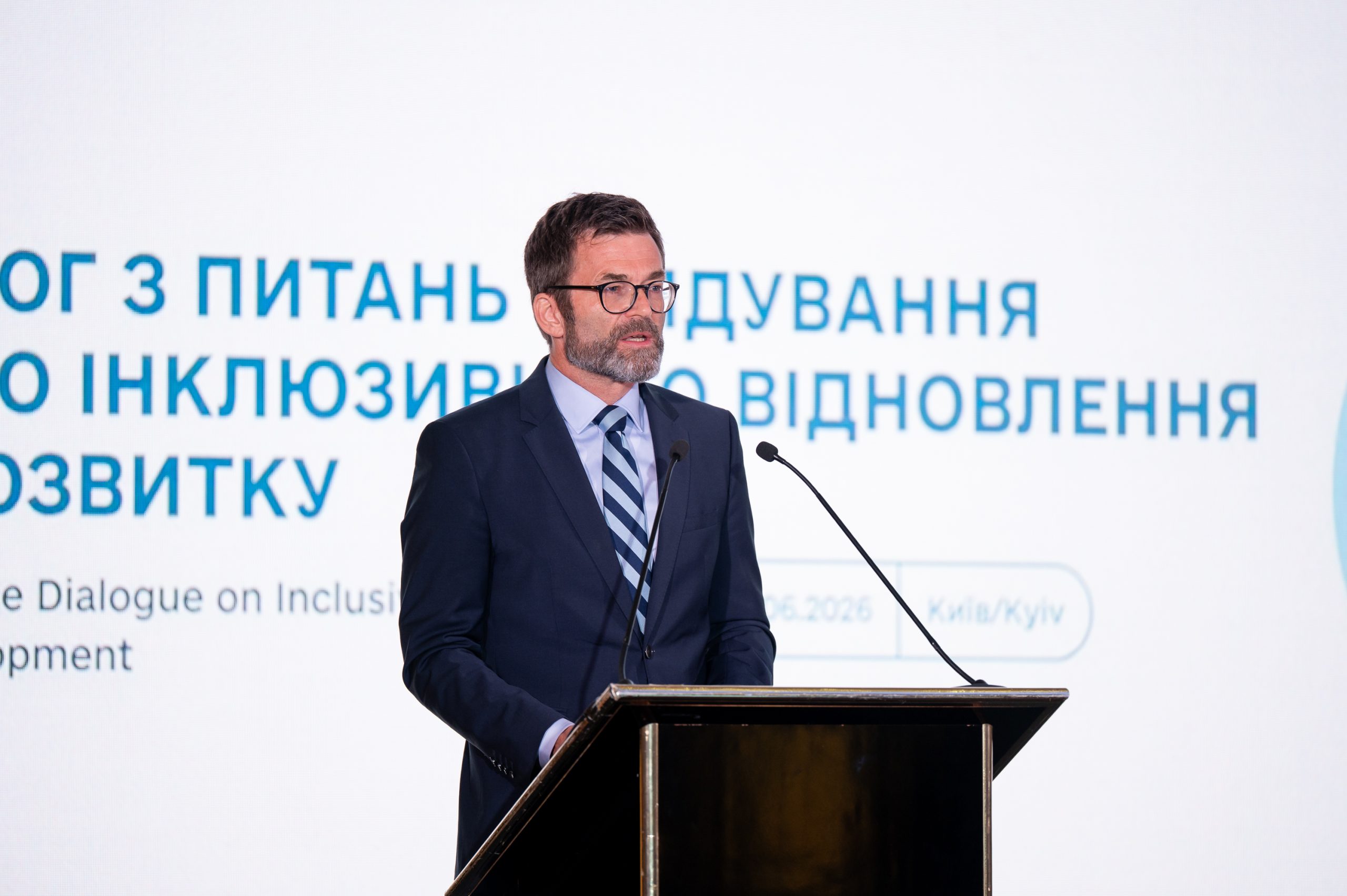
‘People must be at the heart of the recovery process: their safety, dignity, well-being, and the right to live and develop in their own community, on their own land,’ emphasised Oleksandr Korinnyi during the Dialogue on Governance
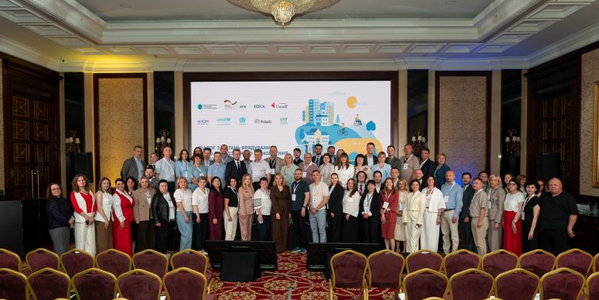
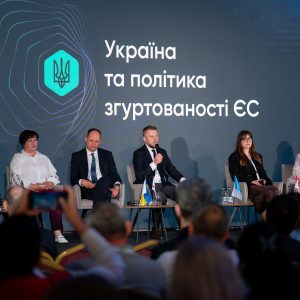
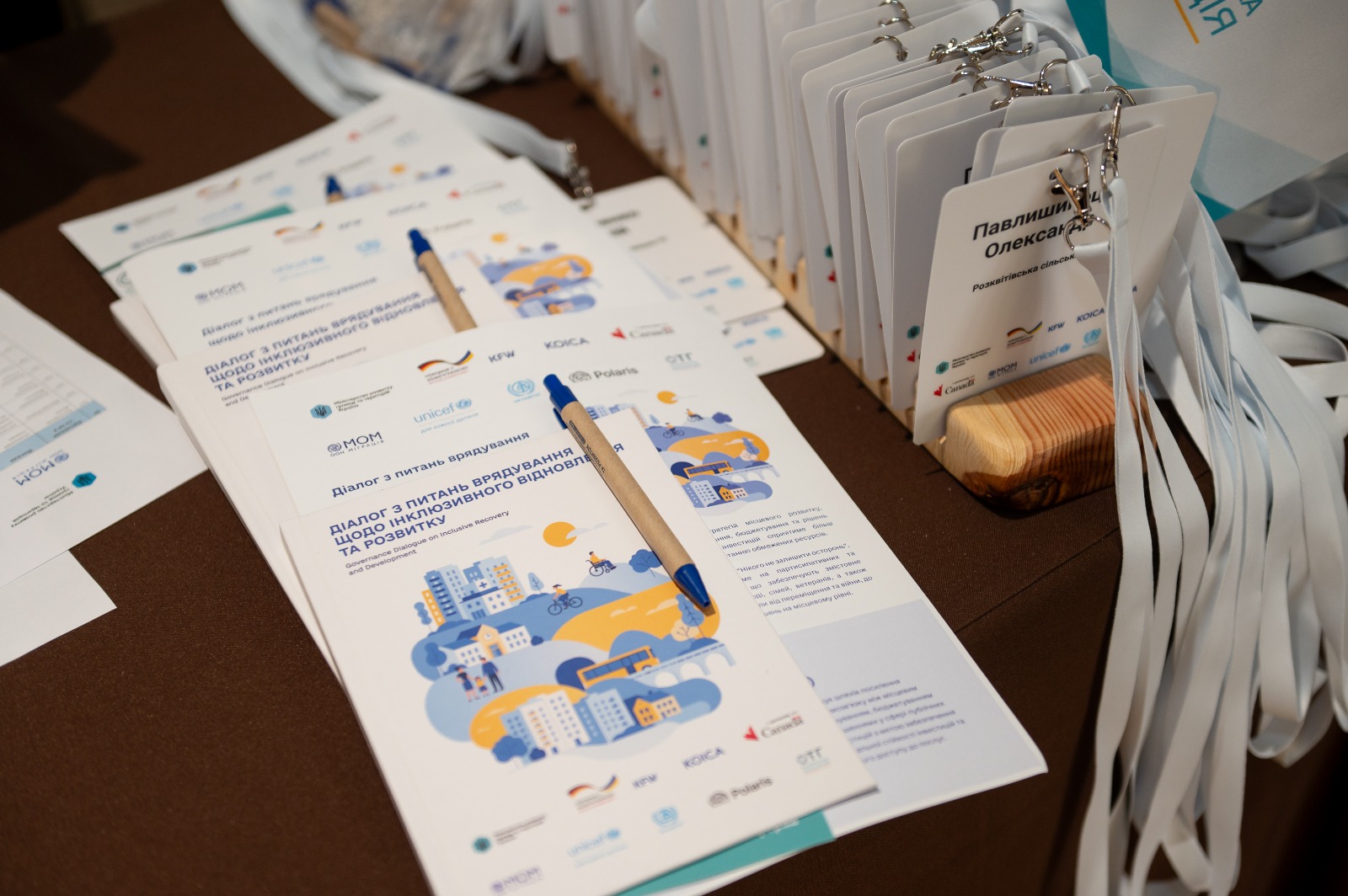
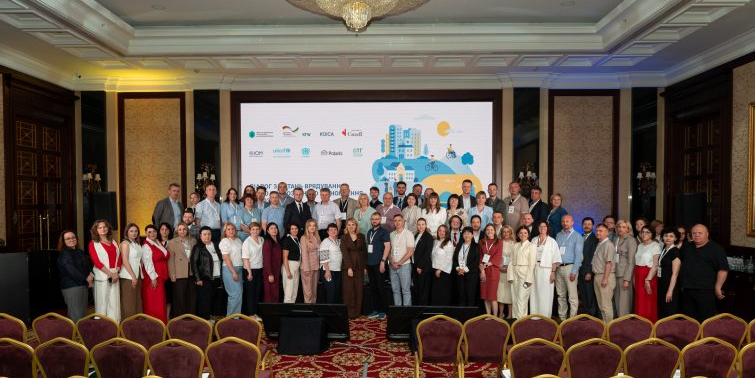
On 15 June 2026, Kyiv hosted the “Dialogue on Governance for Inclusive Recovery and Development” Forum, which brought together representatives from more than 150 communities from different regions of Ukraine, as well as national and regional authorities, international partners, civil society, and experts.
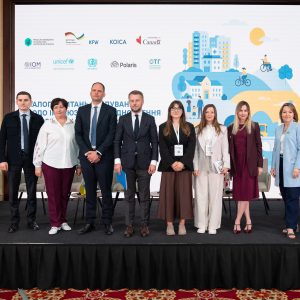
The event was organised on the eve of URC-2026, jointly by the Ministry for Development of Communities and Territories of Ukraine, the International Organisation for Migration (IOM), the UNICEF Office in Ukraine, UN-Habitat, the Polaris Programme, and the All-Ukrainian Association of Amalgamated Territorial Communities, with the support of the governments of Germany, Canada, and the Republic of Korea.
The Dialogue focused on the following: how to align recovery planning with the decentralisation reform and public finance systems, and how to strengthen coordination between levels of authority. The participants addressed practical approaches to planning, budgeting, and financing recovery, as well as ensuring the continuity of essential services. Well-known TV journalist Marichka Padalko moderated the Forum.
In his opening remarks, Oleksii Kuleba, Deputy Prime Minister for Restoration of Ukraine – Minister for Development of Communities and Territories of Ukraine, stated that decentralisation reform had become one of the key prerequisites for the state’s resilience during the war, and that recovery was not limited to individual projects or isolated solutions.
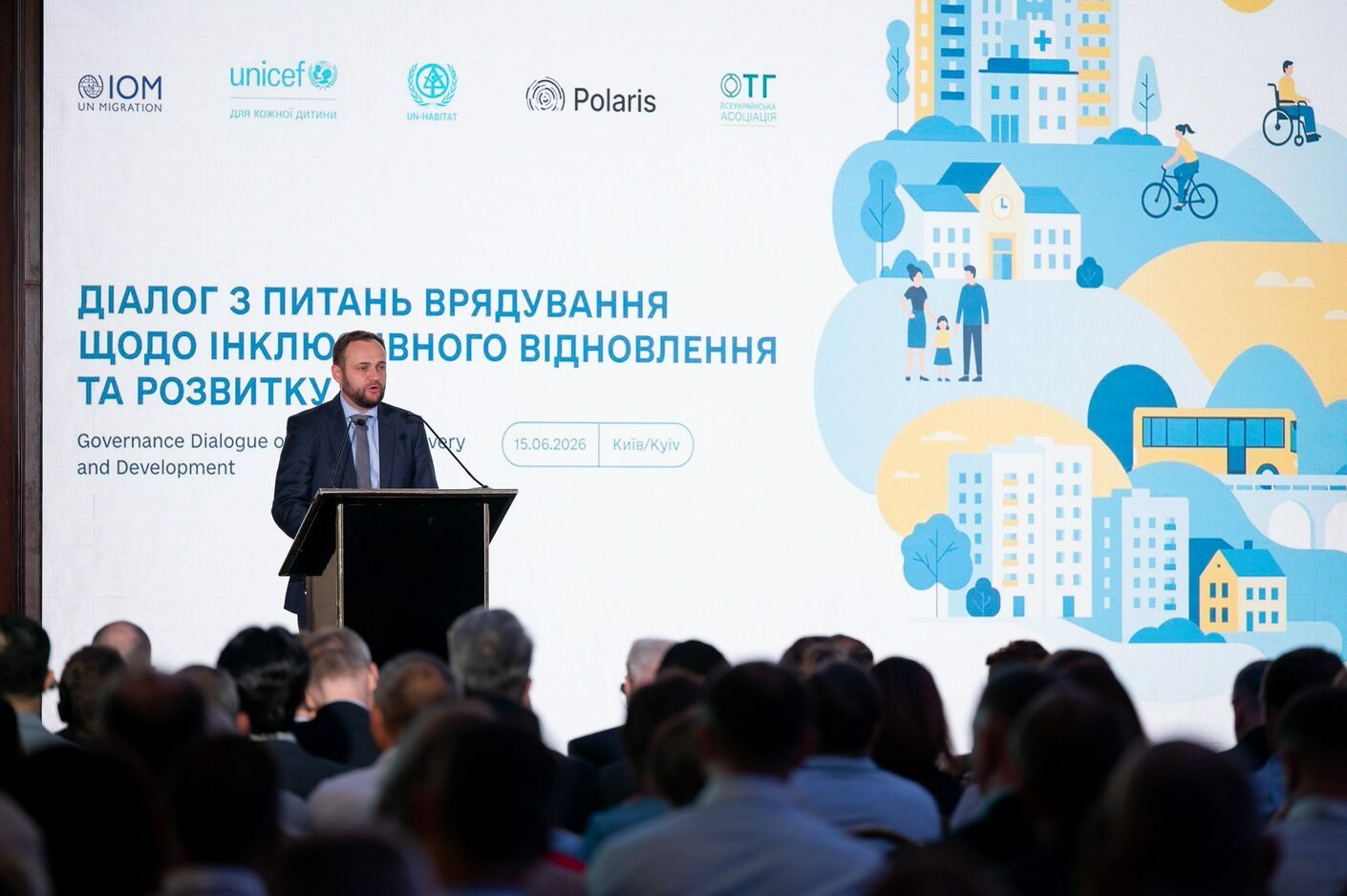
‘We need to create a holistic living environment for our citizens, where housing, transport, social services, and public spaces develop as a unified system. This comprehensive approach can transform national priorities into tangible changes for communities. Our task is not simply to rebuild what has been destroyed; we have to create modern, inclusive, and sustainable communities that meet European standards, take into account the needs of all residents, and ensure a decent quality of life,’ emphasised Oleksii Kuleba.
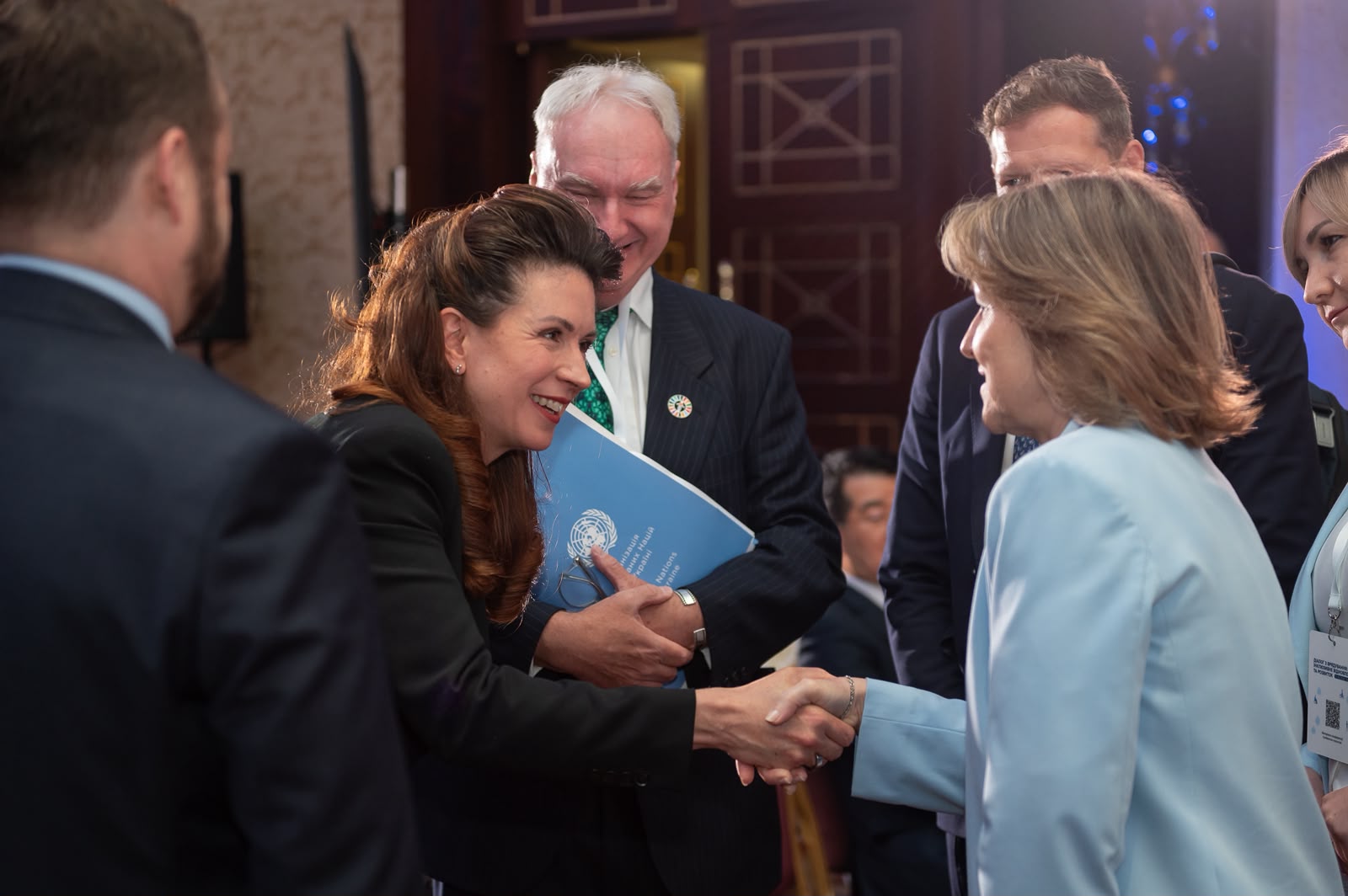
The presence of Kata Tüttő, President of the European Committee of the Regions, was of great significance to the event. Her participation underlined the importance of Ukrainian communities in the process of the European integration of Ukraine and confirmed that strong local self-government, multi-level governance, and community involvement in decision-making are an integral part of the European approach to territorial development.
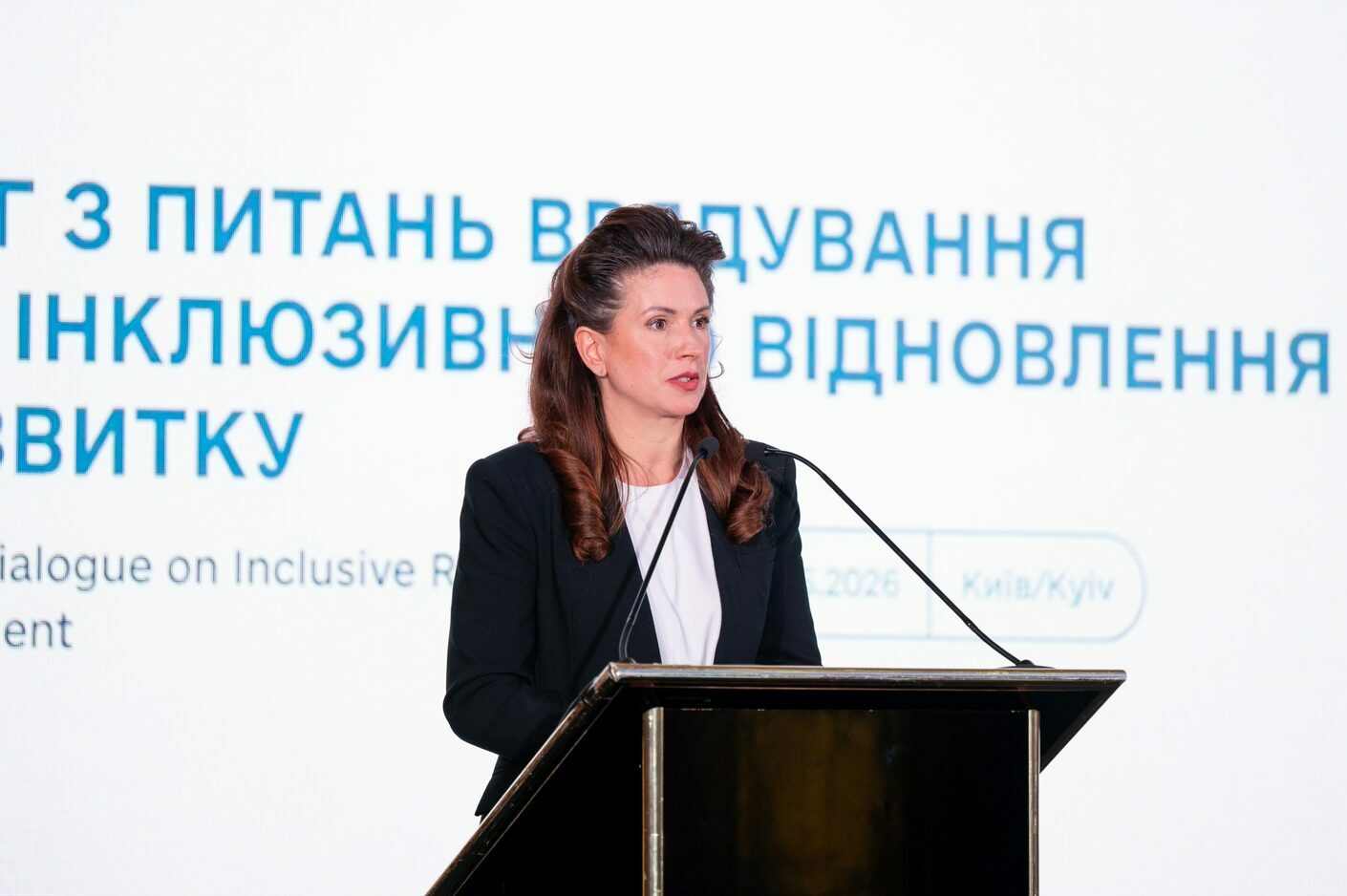
Kata Tüttő reaffirmed the unwavering solidarity of European cities and regions with Ukraine and their readiness to continue supporting our country, ‘We will also continue to make every effort to maintain your strength and resilience, in particular by ensuring that the voice of communities is heard by European politicians.’
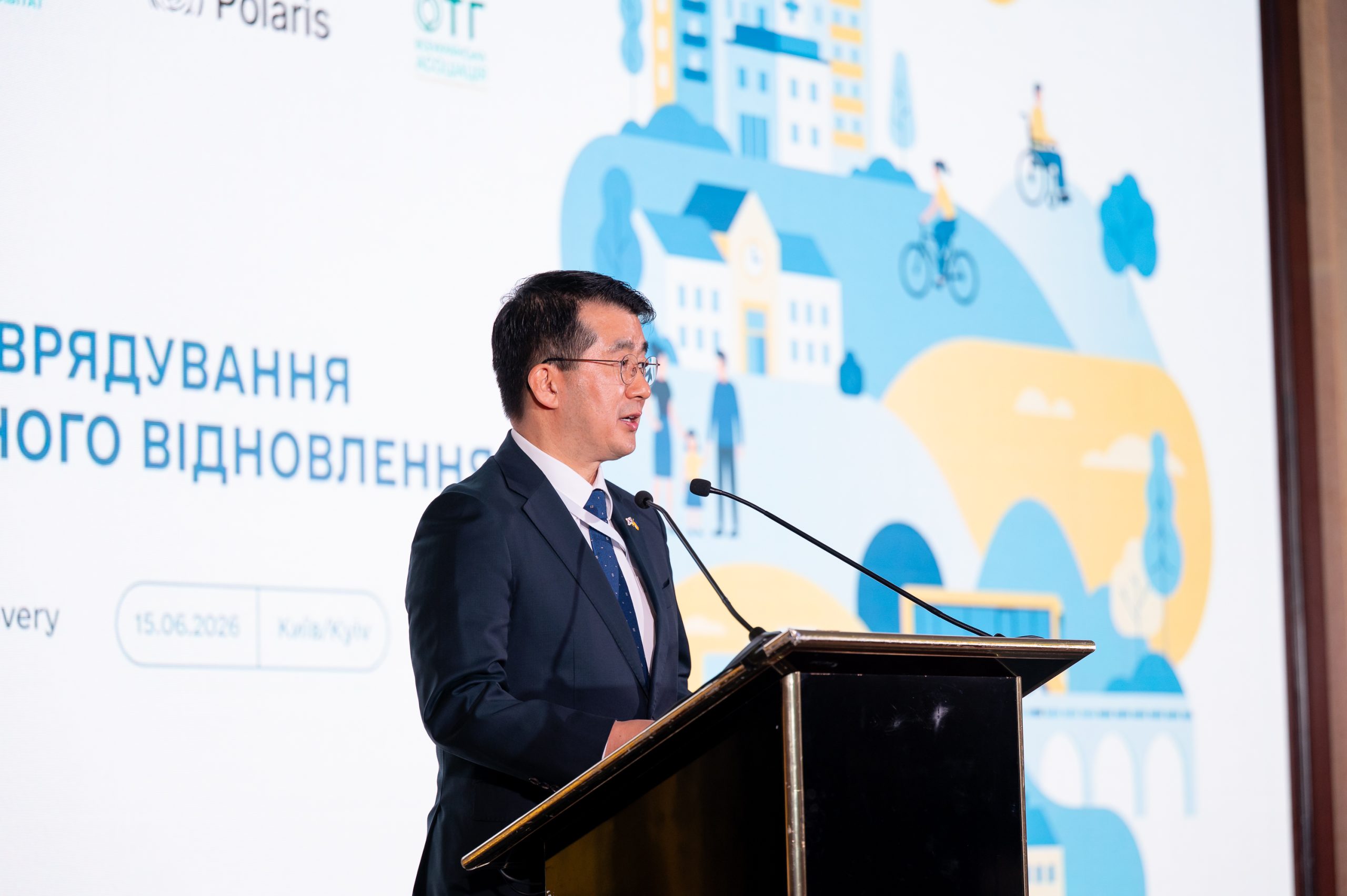
The All-Ukrainian Association of Amalgamated Territorial Communities is grateful to Heiko Christoph Thoms, Ambassador Extraordinary and Plenipotentiary of the Federal Republic of Germany in Ukraine, Park Ki-chang, Ambassador Extraordinary and Plenipotentiary of the Republic of Korea in Ukraine, and Natalka Cmoc, Ambassador Extraordinary and Plenipotentiary of Canada in Ukraine, for their participation in the Dialogue and their unwavering support for Ukraine during these tough times. The support of international partners is of particular importance to Ukrainian communities, because recovery becomes visible and tangible to people at the local level, and international support transforms into specific services, safe spaces, schools, social support, housing, jobs, and new opportunities for development.
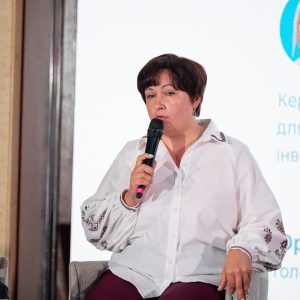
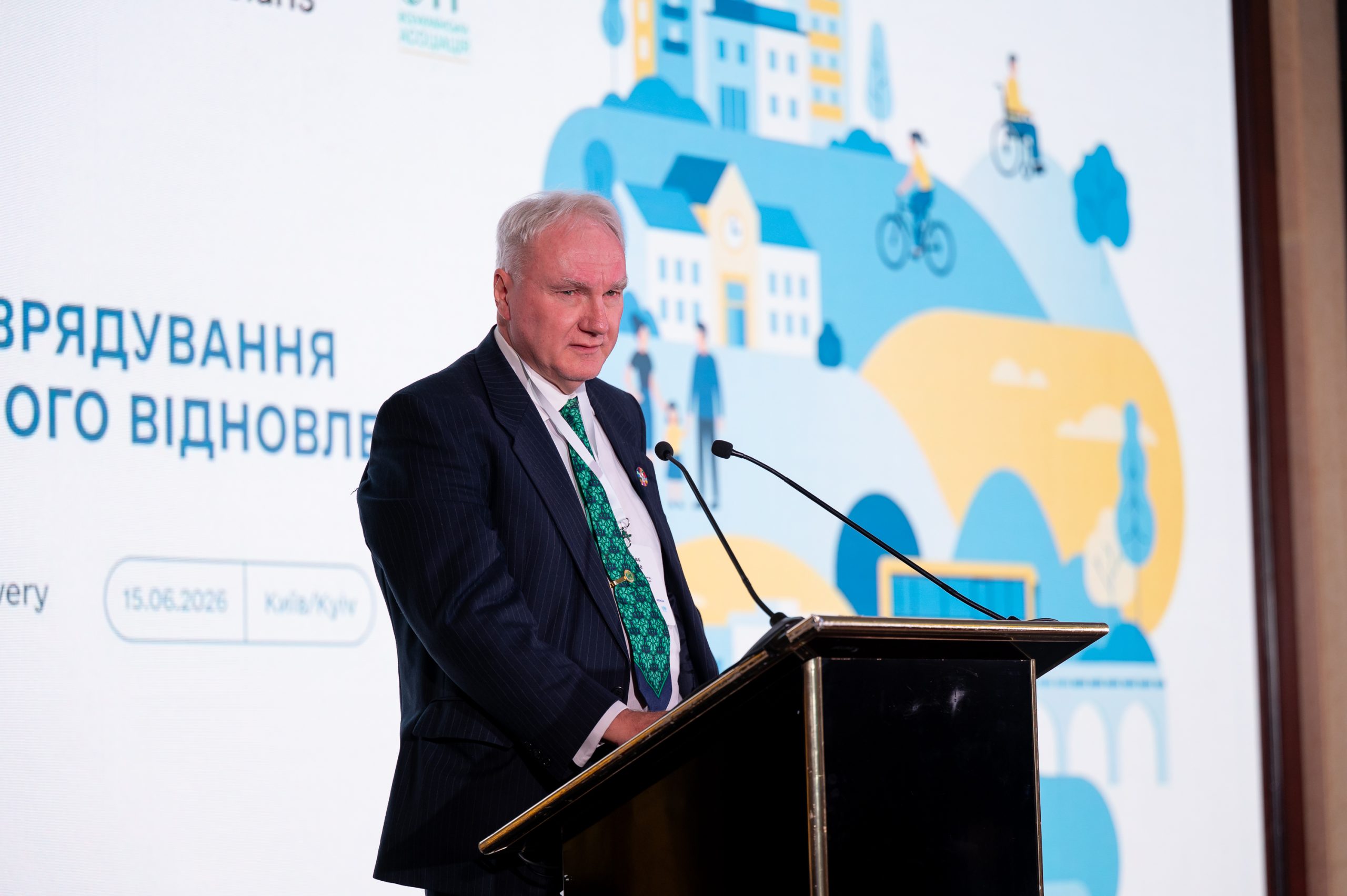
Communities are now key players in the recovery process; every day, they sustain the resilience of the country, work with people, provide essential services, host internally displaced persons, rebuild infrastructure, and lay the foundations for future development. Their interests should therefore be taken into account. This was emphasised by Oleksandr Korinnyi, Chairman of the All-Ukrainian Association of Amalgamated Territorial Communities.
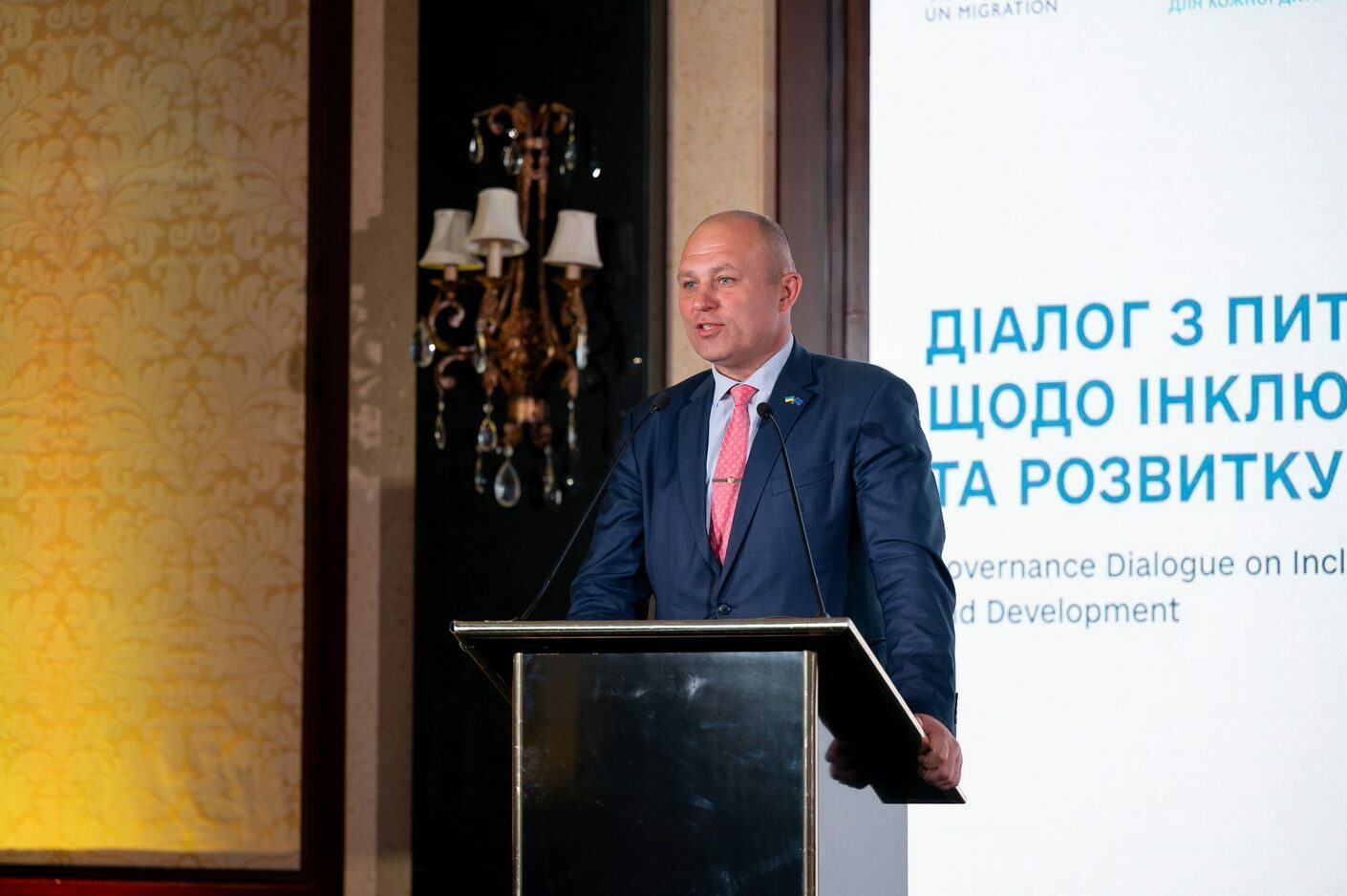
‘For the All-Ukrainian Association of Amalgamated Territorial Communities, this Forum is a significant platform to ensure that the voice of local self-government is represented on the national and international agendas. We bring together communities of different types – urban, settlement, rural, frontline, rear, de-occupied, as well as those that have hosted thousands of internally displaced persons. Therefore, it is of fundamental importance to us that the needs, experiences, and proposals of each of these communities are taken into account when making decisions on restoration and development,’ emphasised Oleksandr Korinnyi.
A human-centered approach emerged as a cross-cutting theme of the Dialogue as the fundamental principle for Ukraine’s recovery. The participants emphasised that investment should respond to the needs of children, families, young people, internally displaced persons, people with disabilities, and other vulnerable groups.
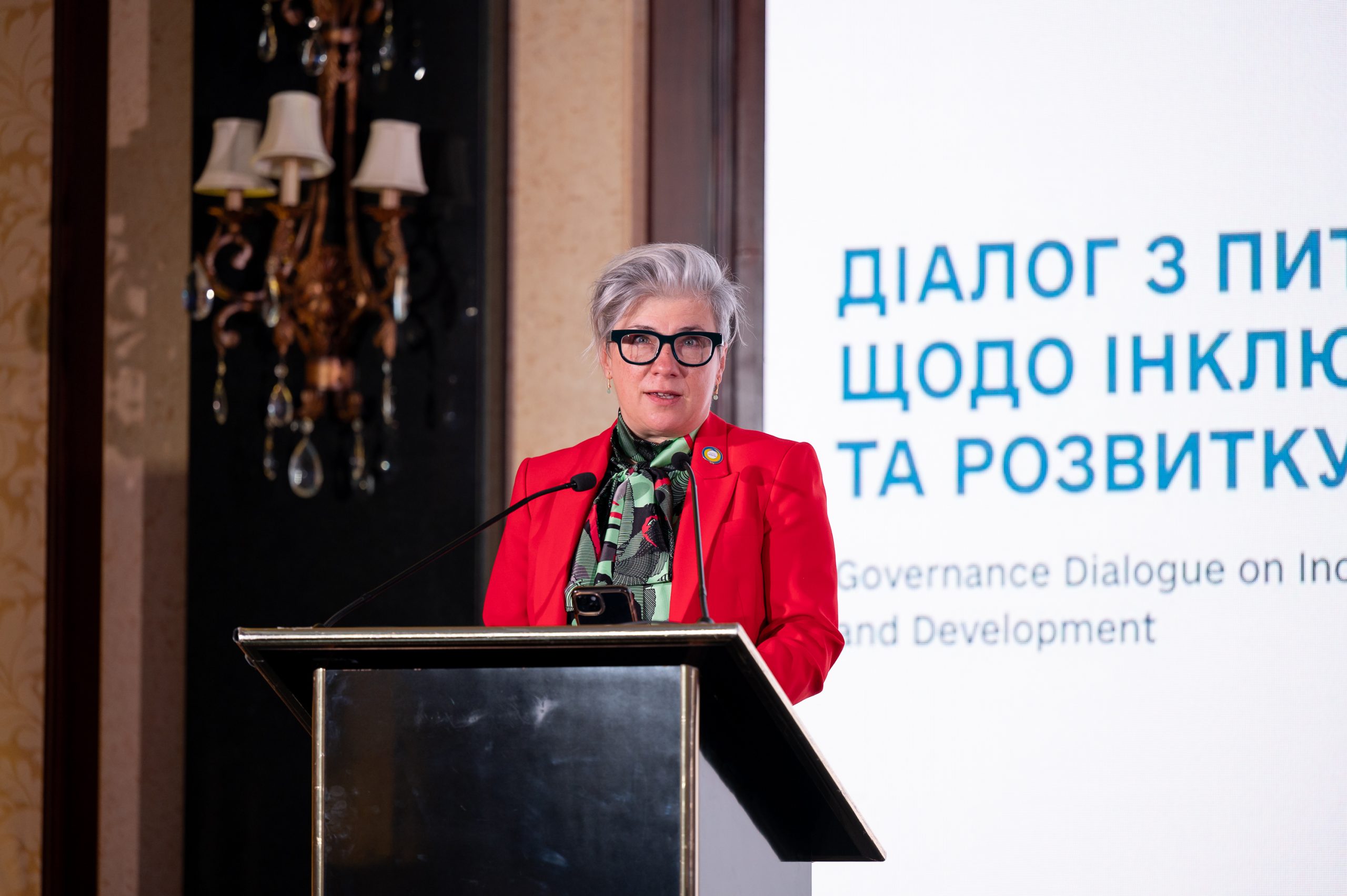
‘Evidence from numerous studies shows that investing in children and young people is strategically important, with inclusive and targeted approaches to reduce inequalities, taking into account decentralisation and the management of public finances at the local level,’ emphasised Anne-Claire Dufay, UNICEF Representative to Ukraine.
‘The protection of our most valuable resources and human capital is the most effective way to promote economic growth, social development, and inclusive recovery,’ she added.
Tetiana Yehorova-Lutsenko, President of the All-Ukrainian Association of Local Governments “Ukrainian Association of District and Regional Councils”, also took part in the Dialogue. She emphasised that capable communities and strong regions and districts ensure high-quality services, resilience of territories, and the development of the state.
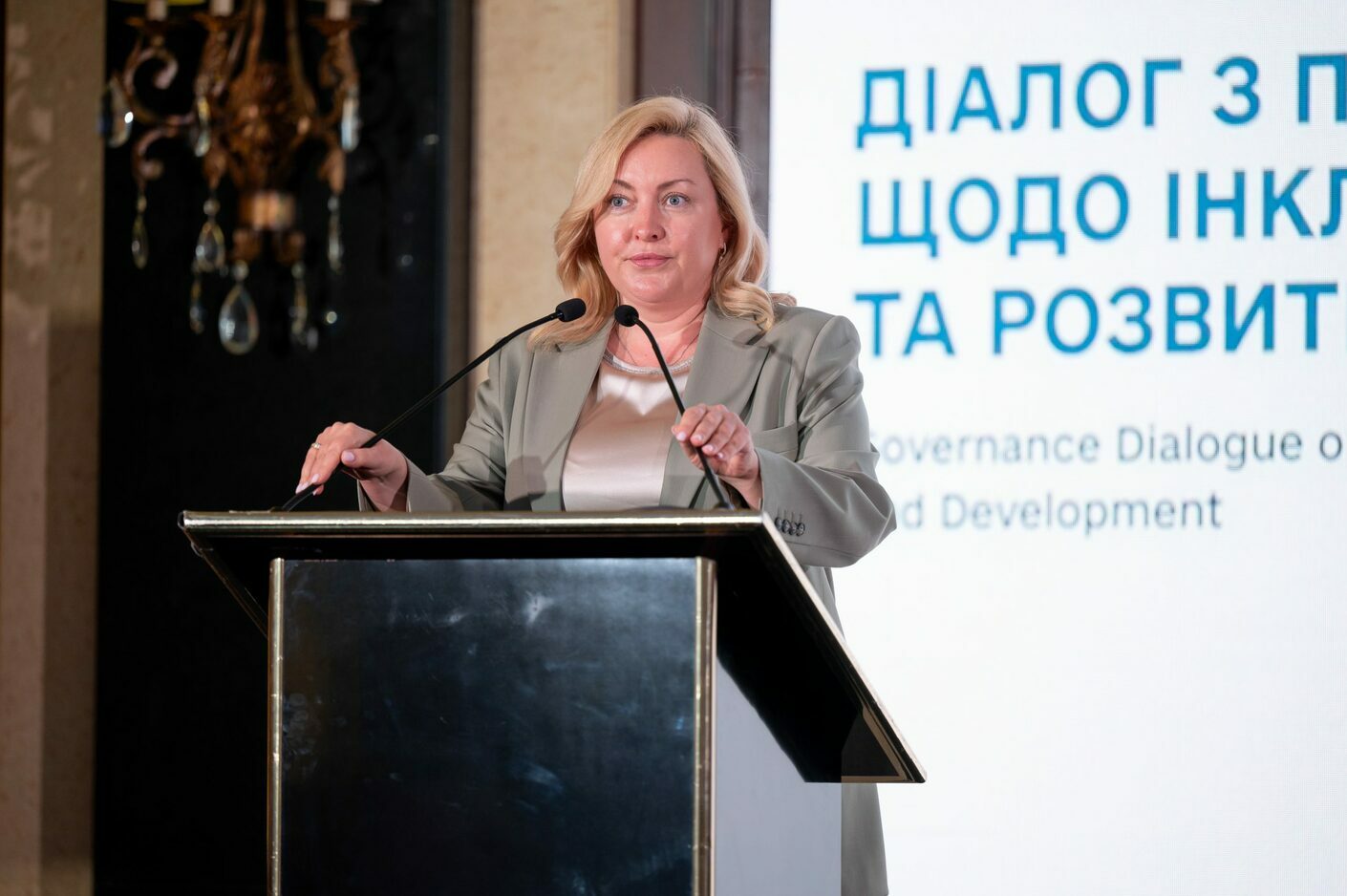
Key topics discussed at the Forum included the use of data and digital tools to support recovery processes, the funding of human capital, and the development of local systems. The participants also focused on the interrelationship between strategic and spatial planning at the national, regional, and local levels.
Ukraine’s recovery requires approaches that combine national reforms, regional development priorities, and the needs of communities into coherent practical solutions. Comprehensive recovery of communities ensures coordinated planning of investments in housing, infrastructure, services, public spaces, mobility, and local economic development, rather than treating them as individual measures. This is particularly important for communities affected by the war, where restoration decisions have to simultaneously address immediate needs and support their long-term transformation, resilience, and accessibility.
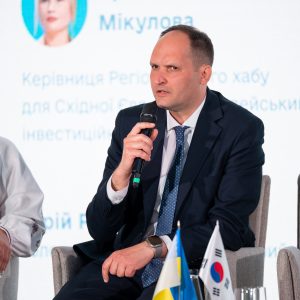
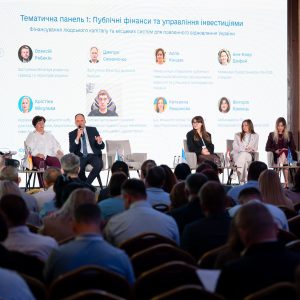
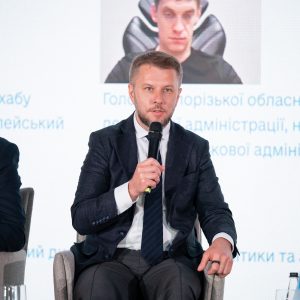
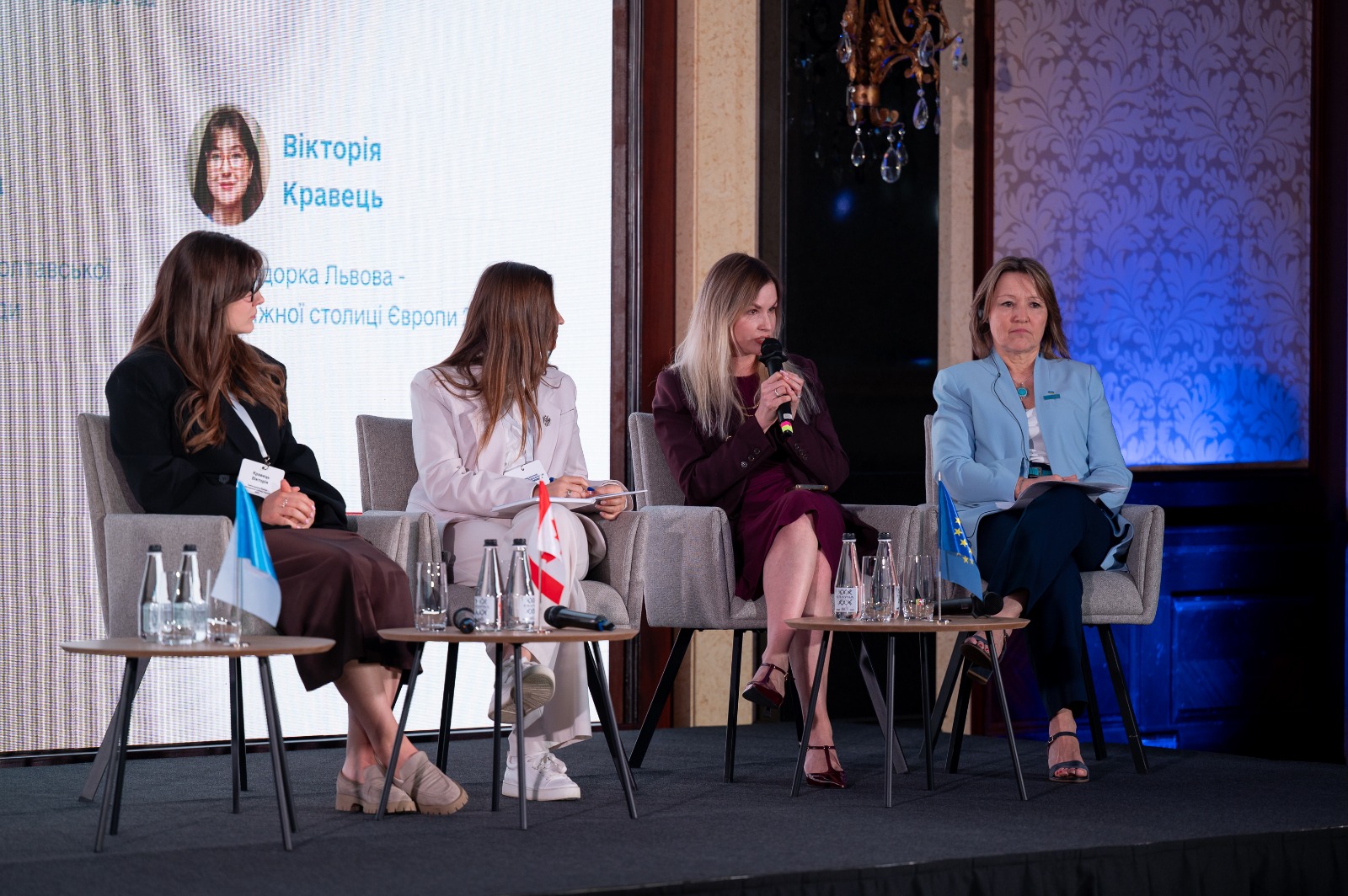
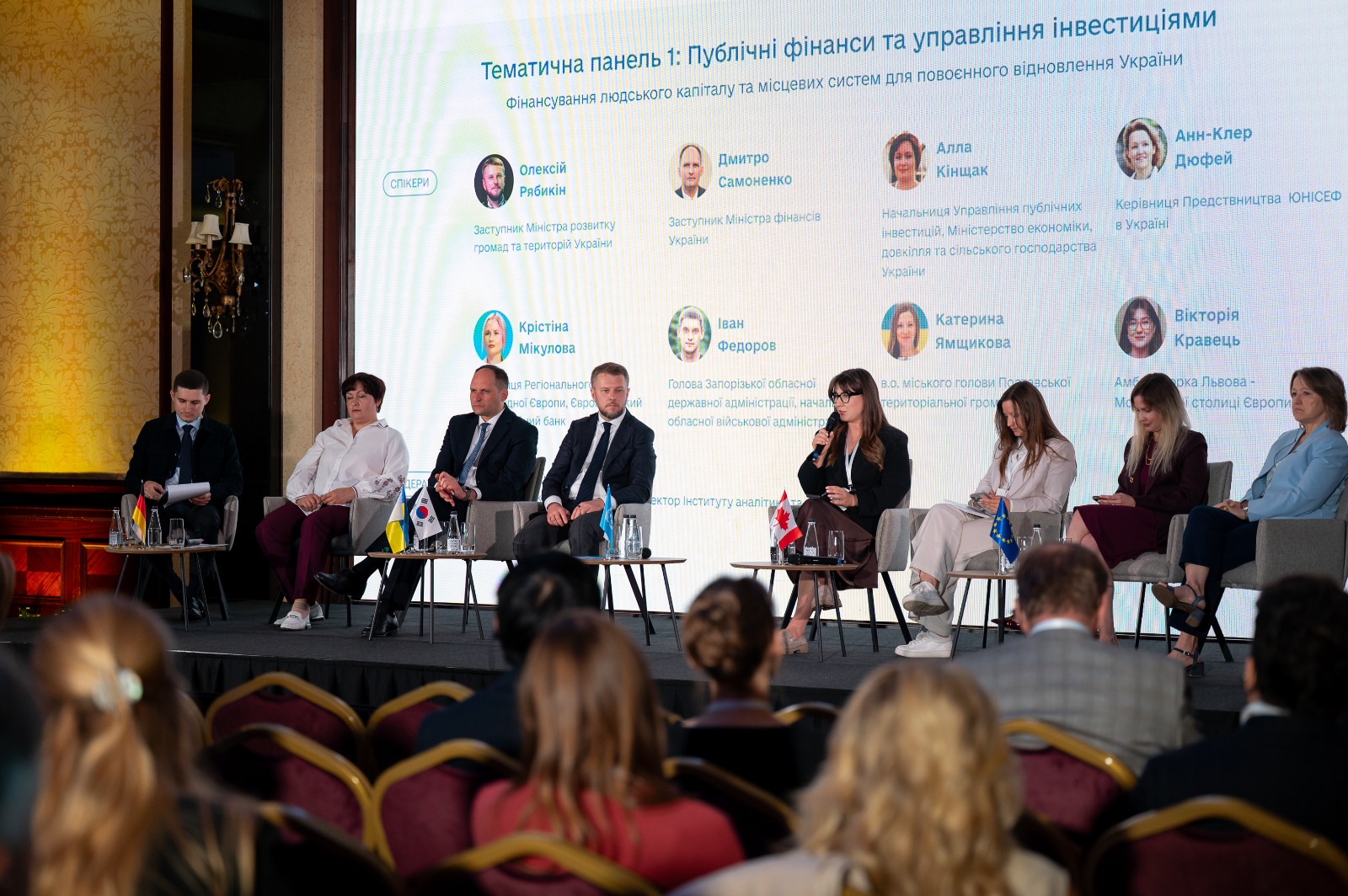
During the first panel ‘Public Finance and Investment Management’ the participants discussed how funding for human capital, the development of local systems, and sustainable public investment could form the basis for Ukraine’s post-war recovery. The key speakers on the panel were representatives of central authorities, international organisations, financial institutions, and communities: Oleksii Riabykin, Deputy Minister for Development of Communities and Territories of Ukraine, Dmytro Samonenko, Deputy Minister of Finance of Ukraine, Alla Kinshchak, Head of the Public Investment Department at the Ministry of Economy, Environment and Agriculture of Ukraine, Anne-Claire Dufay, UNICEF Representative to Ukraine, Kristina Mikulova, Head of the Regional Hub for Eastern Europe at the European Investment Bank, Kateryna Yamshchykova, Acting Mayor of Poltava, and Viktoriia Kravets, Ambassador for Lviv – European Youth Capital 2025.
Yurii Romashko, Head of RISE Ukraine and Executive Director of the Institute for Analytics and Advocacy NGO, moderated the panel. The panel’s underlying message was that recovery should be based not only on infrastructure solutions, but also on investment in people, the quality of service delivery, the capacity of communities, and the financial sustainability of local self-government.
During the following panels, attention was focused on the role of data, digital tools, spatial planning and ensuring equal access to recovery. The discussions were attended by Vitalii Protsenko, Director of the Department of Regional Policy and Territorial Reintegration at the Ministry for Development, Nadiia Melnyk, First Deputy Head of the State Statistics Service of Ukraine, Viktor Nestulia, Director of Ukraine Support at the Open Contracting Partnership, Robert Turner, Chief of Mission of IOM in Ukraine, Oleksandr Kokleida, Acting Head of the UN-Habitat Office in Ukraine, Mariia Hryshchenko, Leading Sociologist at the Institute of Sociology of the National Academy of Sciences of Ukraine, Taras Kuchma, Mayor of Drohobych, Serhii Danylenko, a representative of the Cherkasy Regional Military Administration, Serhii Vasylchenko, Deputy Mayor of Kamianets-Podilskyi, Anna Palekha, Head of the Association of Spatial Planners, Hryhorii Melnychuk, Dean of the Faculty of Architecture at the Kyiv Aviation Institute, and Oleksandra Naryzhna, Head of LLC Urban Reform.
The key focus of these discussions is that high-quality data, transparent digital solutions, and strategic and spatial planning should work as a unified system, which helps communities make evidence-based decisions, mobilise resources, and ensure equitable access for people to services and development opportunities. The participants also emphasised that data and digital tools should help communities make decisions in the interests of children and young people.
The event concluded with a final discussion “Inclusive Multi-Level Governance”, which focused on the practical delineation of powers between the national, regional, and local levels. The participants discussed how to ensure effective coordination between levels of authority, avoid duplication of functions, strengthen the capacity of communities, and make the decision-making process more open, accountable, and people-centred. The panellists were Mykola Rubchak, Director of the Department of Multi-Level Governance at the Ministry for Development of Communities and Territories of Ukraine; Ruslan Popiuk, Decentralisation Adviser for U-LEAD with Europe; Anatolii Melnychuk, Polaris Programme Expert; Ihor Onyshchuk, an independent finance expert, and Nataliia Havatiuk, Deputy Head of the Kyiv Regional Military Administration. Other participants in the discussion included Ihor Hnatusha, Deputy Chairman of the All-Ukrainian Association of Amalgamated Territorial Communities and Head of the Komysh-Zoria Settlement Military Administration. He presented the practical view of the community on multiple-level governance, the delineation of powers, and the daily challenges that local governments face, particularly in wartime.
For the All-Ukrainian Association of Amalgamated Territorial Communities, co-organising an event of this scale was a significant achievement in terms of systematic partnership work. Cooperation with the Ministry for Development of Communities and Territories of Ukraine, the International Organisation for Migration, UNICEF, UN-Habitat, the Polaris Programme, and international partners has provided an opportunity to represent the voice of communities at a high inter-institutional level, strengthen the expert role of the Association, and confirm its capacity to serve not only as a platform for discussing challenges, but also as a full-fledged partner in shaping policies on recovery, development, and European integration.
Such partnerships generate results that strengthen the institutional weight of the Association, open up new opportunities for communities to participate in the planning and financing of restoration processes, and demonstrate that local self-government is a key player in building a sustainable, democratic, and European Ukraine.
The Association will continue to work towards ensuring that the voice of communities is heard at the national and international levels, and that recovery policy is shaped on the principles of partnership, trust, accountability, and respect for the needs of every individual in the community.
01 July 2026
Реформа профільної середньої освіти – це не про...
Сьогодні багато територіальних громад прагнуть будь-якою ціною зберегти власний ліцей, навіть, якщо...
01 July 2026
Навчальна програма I_CAN з управління...
Навчальна програма I_CAN з управління публічними інвестиціями розпочала активне навчання громад під час своєї літньої...
01 July 2026
Вакансія: Експерт(-ка) з дошкільної освіти
Вакансія: Експерт(-ка) з дошкільної освіти
Опис контексту Щоб задовольнити мінливі потреби українських муніципалітетів і зацікавлених сторін на національному...
01 July 2026
Липневі каталоги можливостей для громад та бізнесу: гранти, події та навчання
Липневі каталоги можливостей для громад та...
Розпочинаємо спекотний липень з нових можливостей для громад та бізнесу! Аби не пропустити актуальні...