Quality preparation as the basis for hromada investment
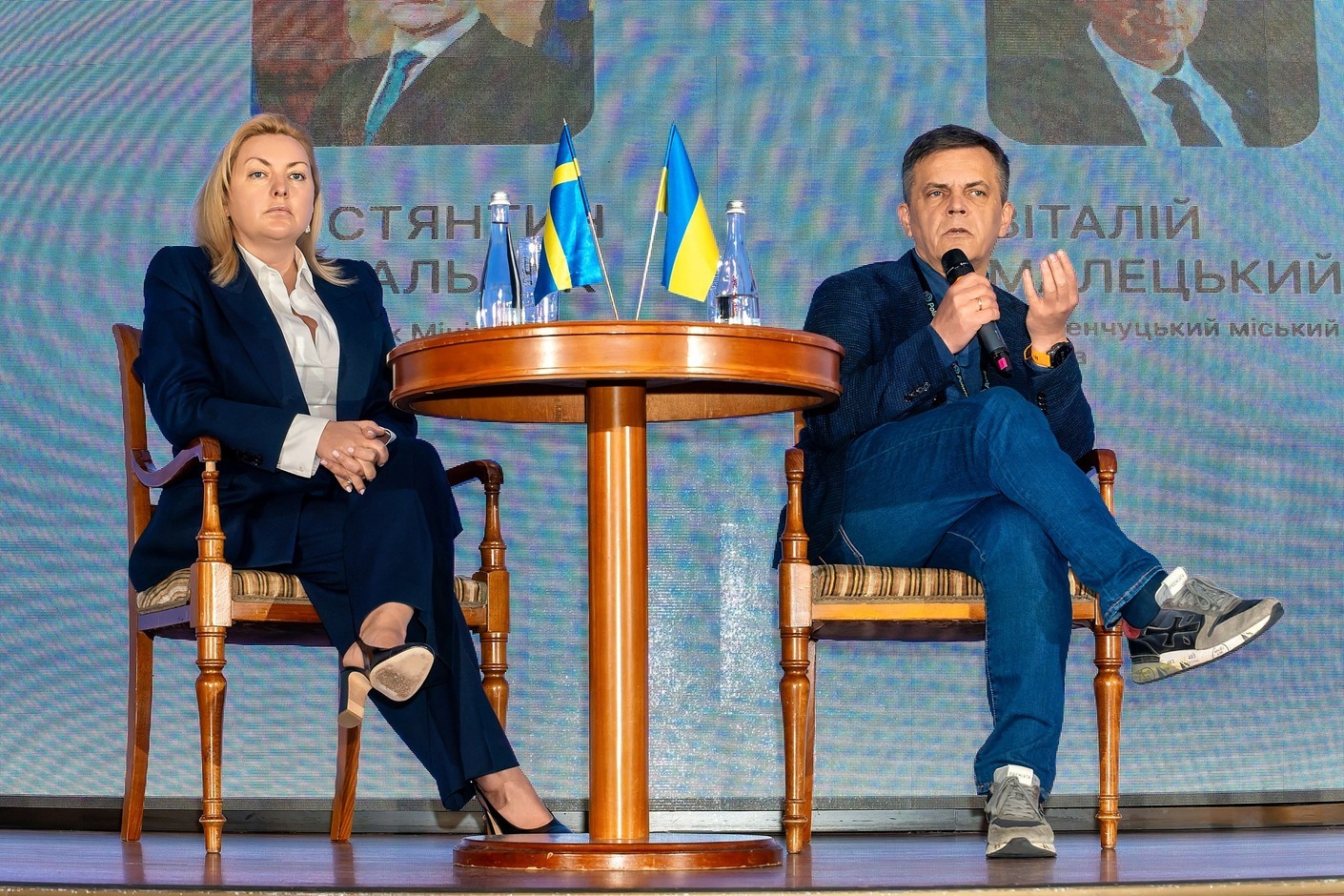
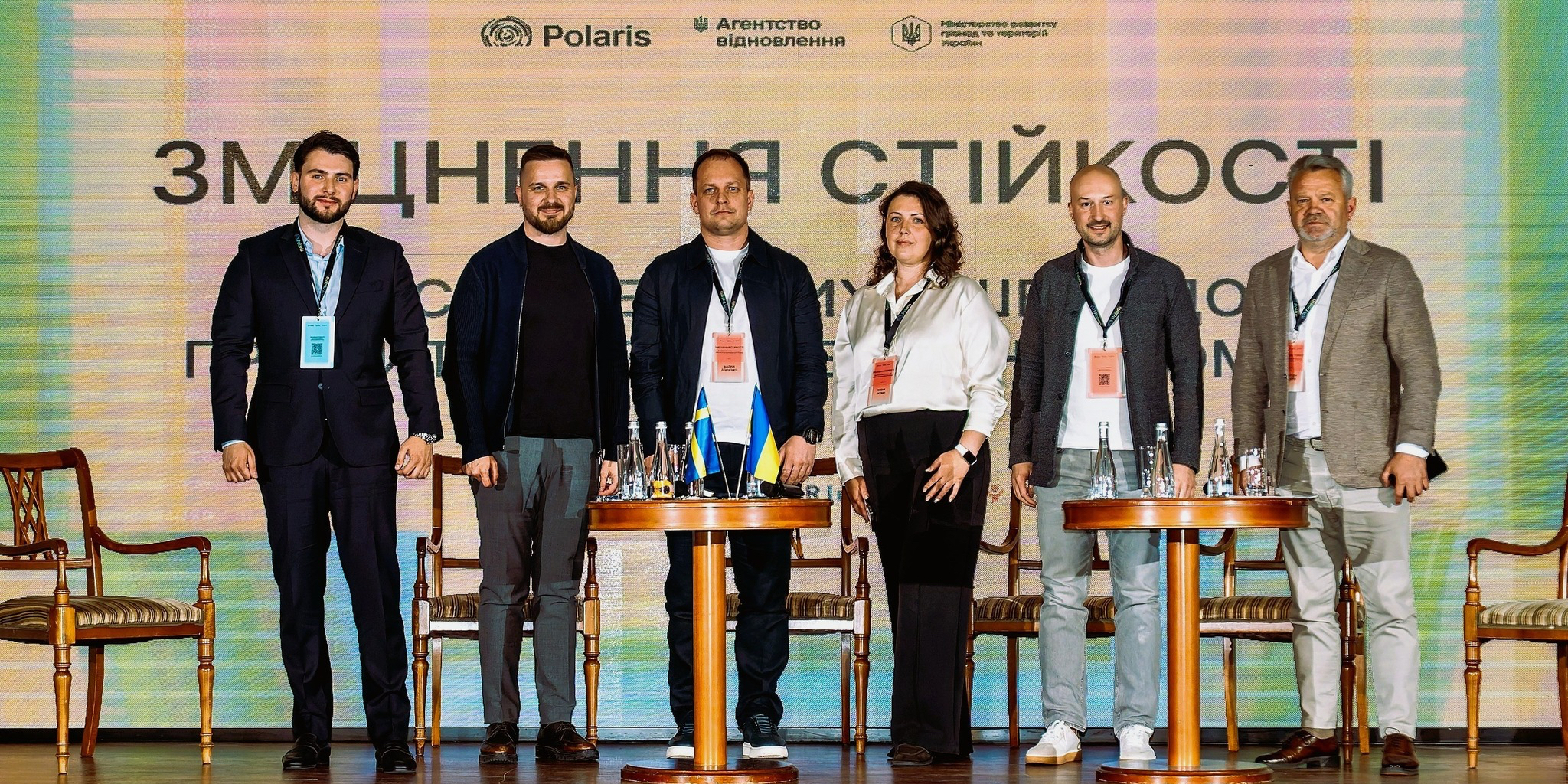
The conference "Strengthening Resilience: From Strategic Decisions to Hromada Recovery Priorities" brought together representatives of national government, international partners, and local self-government to share experience and identify solutions for the further development of Ukraine's hromadas.
Participants in the panel discussions outlined a number of systemic challenges that require joint solutions:
- Information gaps: a shortage of current statistical data on demographic and migration processes, which complicates the modelling of service networks.
- Human-resource capacity: the need for specialists able to prepare project documentation and feasibility studies in line with international standards.
- Balancing openness: ensuring transparency through digital monitoring systems while protecting data on critical infrastructure facilities.
- Economic aspects: losses in water infrastructure and the financial balance of water supply — topics for further dialogue in the context of local budget planning.
Particular attention was paid to the introduction of the new Public Investment Management (PIM) framework. As Viktor Nestulia, Head of the DREAM Project Office, noted, over two years the reform has established a single algorithm that turns strategies into practical tools and allows hromadas to move from formal planning to a quality project portfolio — a prerequisite for alignment with EU norms in the 2028–2034 planning cycle.
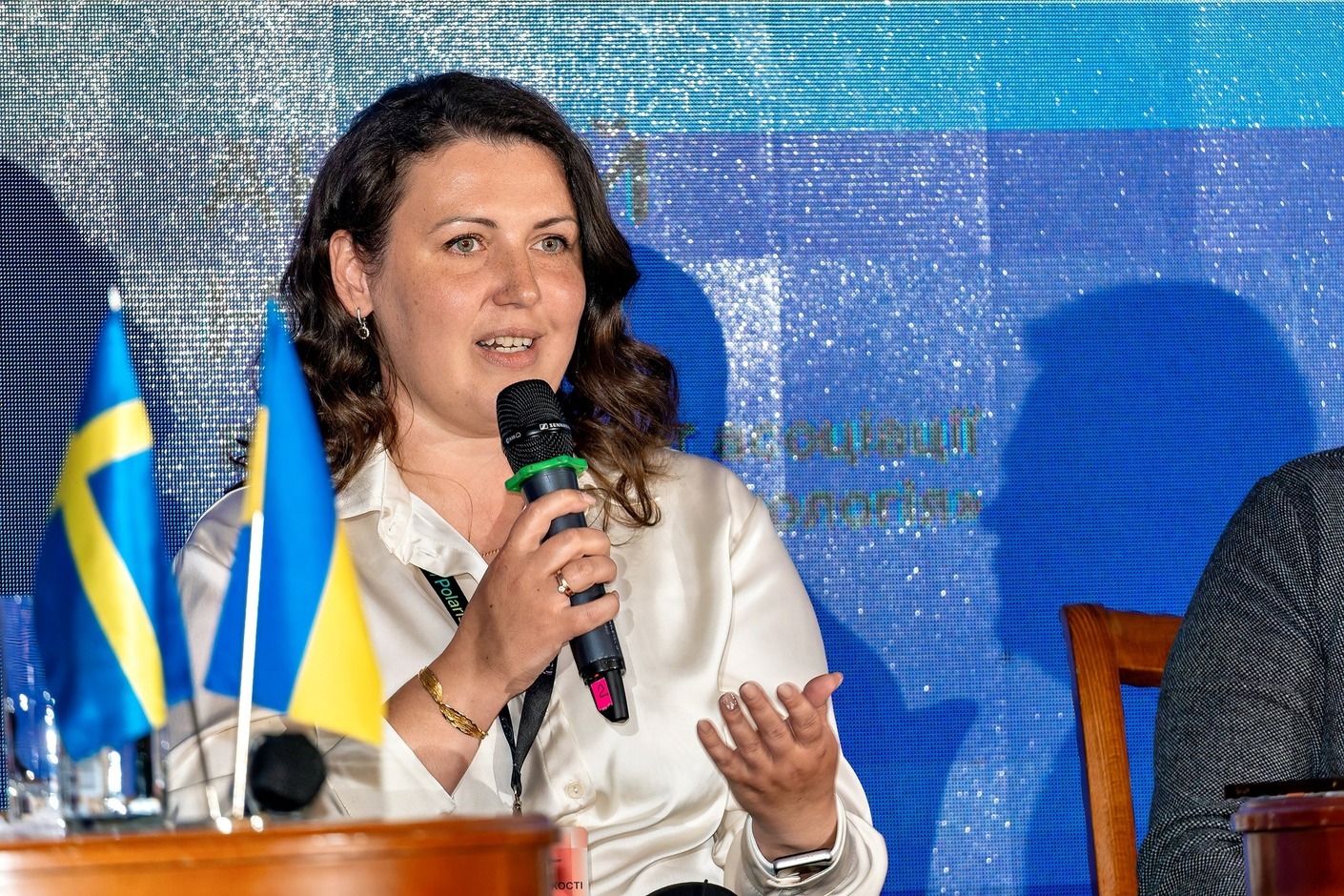
Tetyana Lytvyn, Investment Specialist and Head of the NEFCO Representative Office in Ukraine, shared NEFCO's experience of working with hromadas. NEFCO has supported hromadas for more than 15 years. Over this time, the organisation has delivered more than 250 projects in Ukraine, over 60 of which are being implemented amid the full-scale war. Alongside environmental and energy-efficiency priorities, one of NEFCO's key missions is building hromada capacity — strengthening their ability to prepare quality projects, attract financing, and work in line with international standards.
"Hromada capacity is one of the key elements of successful cooperation with international financial organisations and donors. It develops gradually — through the practical experience of preparing, structuring, and implementing projects to international standards. NEFCO works with hromadas directly, so we see clearly how this capacity grows. The Polaris Programme strengthens precisely this area, so we expect that some of the projects prepared within the first phase of the Recovery track will be able to move on to NEFCO for further implementation — already as well-prepared initiatives with a real need and a clear impact for hromadas," said Tetyana Lytvyn.
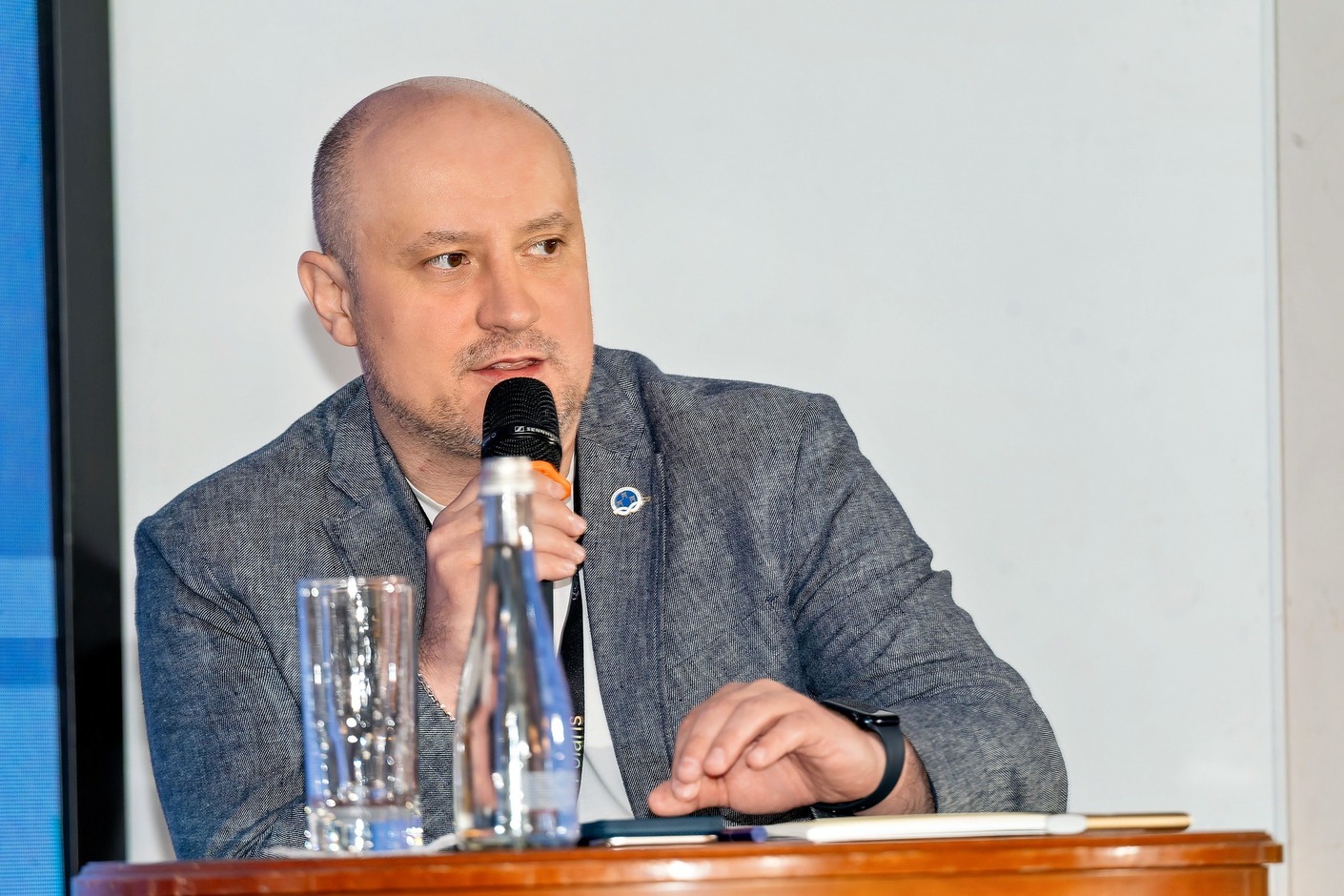
Oleksandr Slobozhan, Executive Director of the Association of Ukrainian Cities, drew attention to the expanding opportunities for attracting external capital. He noted that, given limited public resources, hromadas should become more active participants in the borrowing market, and that the Association supports them in establishing direct dialogue with international financial institutions. Clearly developed strategic plans are becoming a key indicator of reliability for financial partners. The AUC Executive Director stressed that preparing such frameworks should happen in advance: this allows a hromada, should a crisis arise, to act on tested and agreed scenarios rather than spend time on emergency planning.
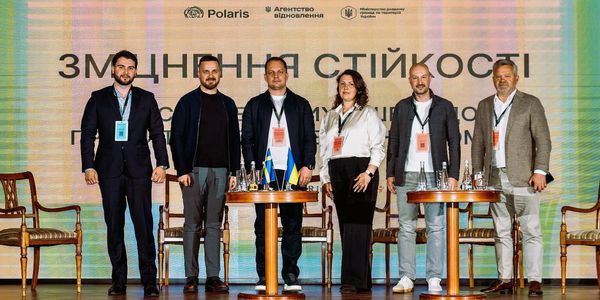
The conference on strategic approaches to recovery was held by the Polaris Programme "Support to Multilevel Governance in Ukraine" together with the State Agency for Restoration and Infrastructure Development of Ukraine and in partnership with the Ministry for Development of Communities and Territories of Ukraine.
Source:
Програма Polaris
24 August 2026
Про відновлення. Українська проблема та французький досвід
Про відновлення. Українська проблема та...
Замість вступу Війна триває, проте питання відновлення/відбудови присутнє у порядку денному. Багато об’єктів...
21 August 2026
Анонс: вебінар «Шкільне харчування в громаді: від юридичного рішення до безпечної логістики»
Анонс: вебінар «Шкільне харчування в громаді:...
До участі запрошуємо керівників органів управління освітою, керівників закладів освіти та всіх, хто відповідає за...
21 August 2026
Vitalii Bezgin: Government approves draft law...
The Government approved a draft law that will regulate the status of employees of military administrations in...
20 August 2026
«Серпнева-2026». Проєкт DECIDE традиційно виступив партнером головної події року в освіті
«Серпнева-2026». Проєкт DECIDE традиційно...
18 серпня у Києві відбулася щорічна освітня конференція «Серпнева–2026», яка цьогоріч пройшла під гаслом «Освіта —...