Enhancing transparency in local self-government and penalties for violations: Committee presents ambitious legislative initiatives
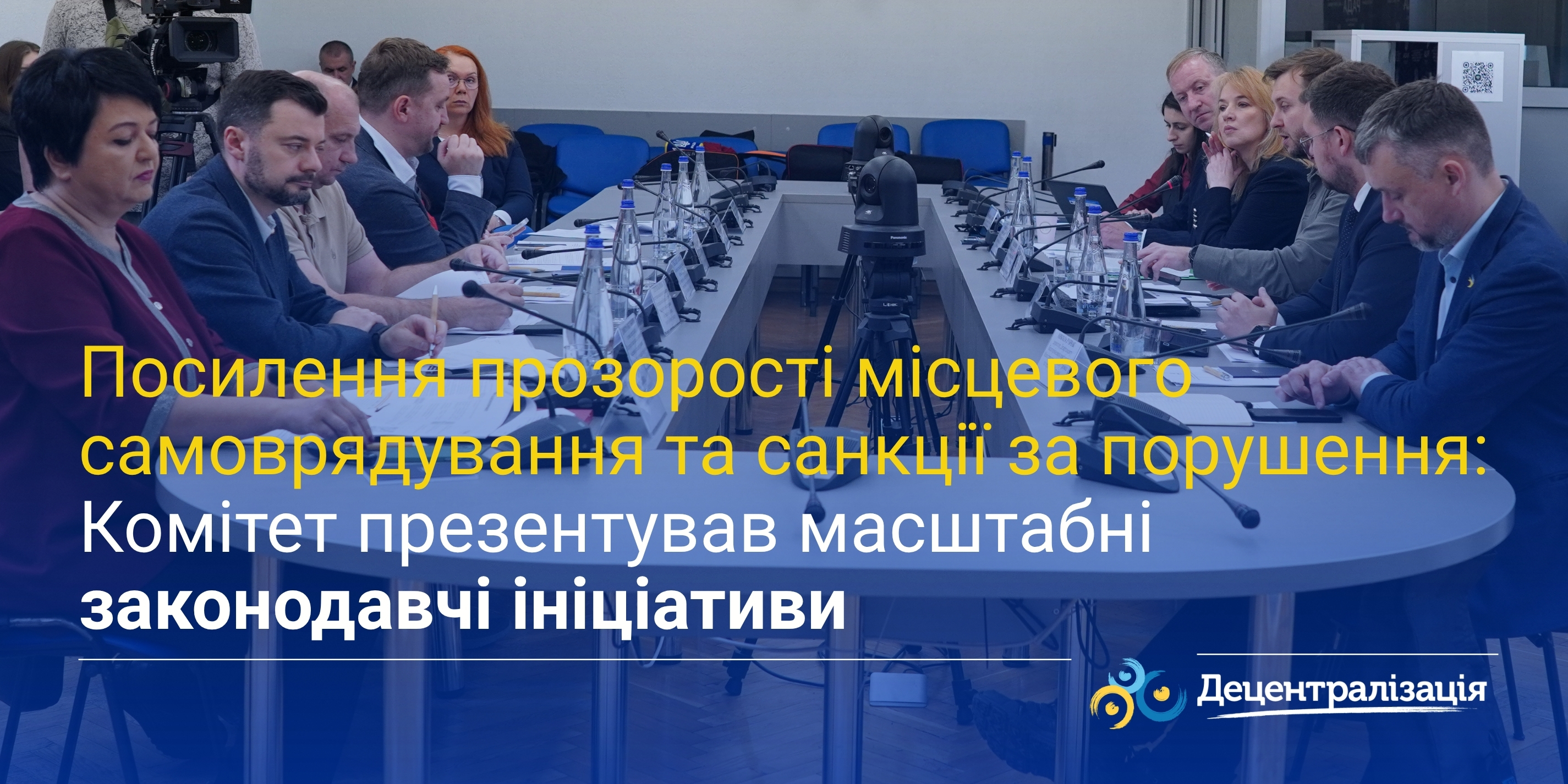
3 June The Verkhovna Rada Committee on the Organisation of State Power, Local Self-Government, Regional Development and Urban Planning, in cooperation with U-LEAD, held a presentation on legislative initiatives aimed to enhance the transparency of local governments and improve accountability mechanisms.
The proposals were developed by experts based on an in-depth analysis of the implementation of Law No. 3590-IX (Draft Law No. 6401), adopted in 2024. The main aim of the new initiatives is to address existing legislative gaps, introduce effective mechanisms for administrative accountability, and standardise requirements for official municipal websites.
What is the reason for these new changes?
Law No. 3590-IX, adopted in early 2024, introduced revolutionary requirements: online streaming of council and standing committee meetings, as well as the mandatory publication of minutes, conclusions, and recommendations. However, monitoring of how the rules are put into practice has shown that the level of transparency in communities is often dependent on the goodwill of individual officials rather than on the mandatory nature of the law. Moreover, some communities have learned to circumvent the established restrictions legally, taking advantage of the lack of clear penalties.
From declarations to effective mechanisms
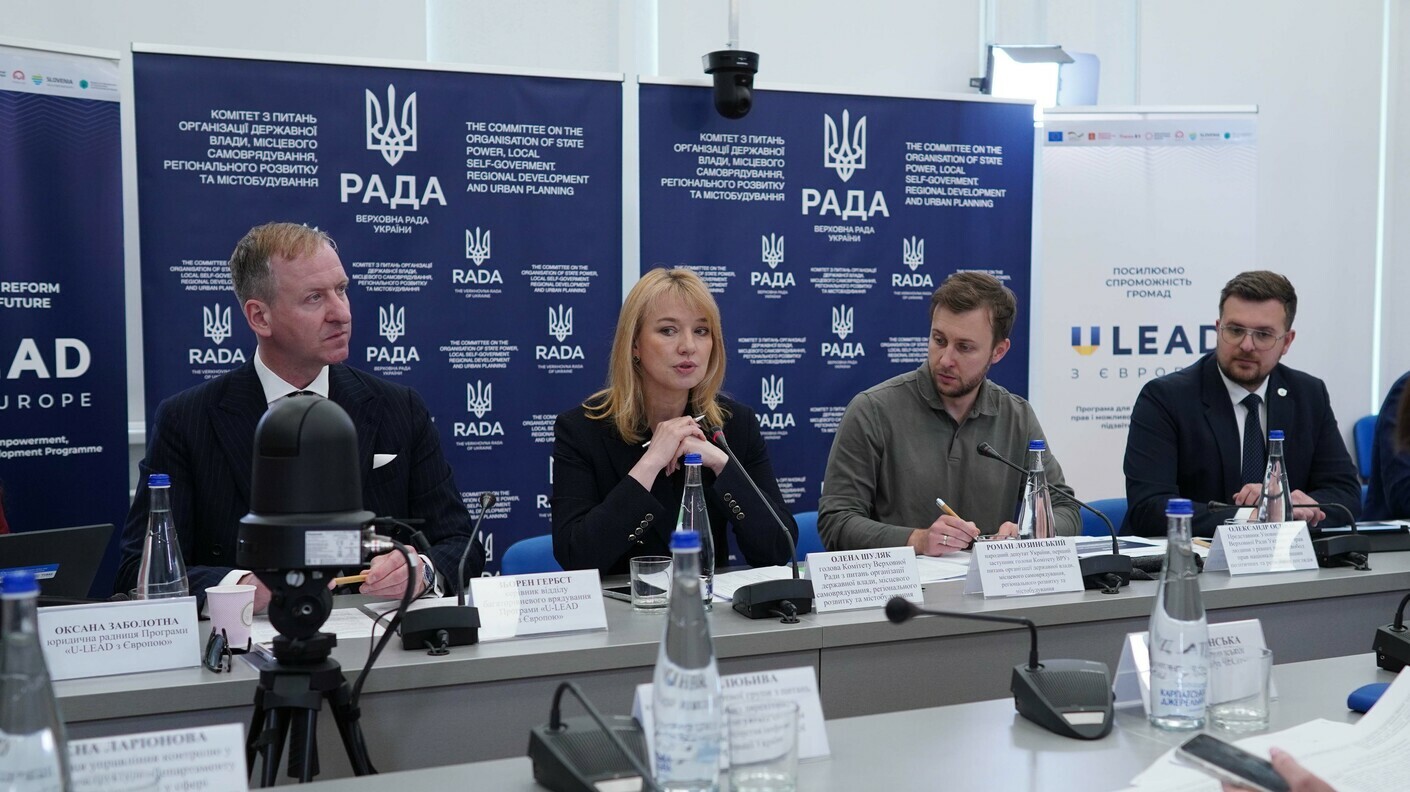
Opening the event, the Chair of the Parliamentary Committee, Olena Shuliak, emphasised that particular attention should be paid to the transparency of the work of local council standing committees, as decisions are often formulated there before being put forward for consideration at council sessions.
‘A community is not its leaders; a community is its residents. We take all decisions not for the sake of local governments, but to ensure that our residents receive better services and live more comfortably,’ said Olena Shuliak.
She also supported proposals to regulate the operation of the official websites of local councils and ensure their accessibility for people with disabilities.

Sören Herbst, Head of the Multi-Level Governance Unit at U-LEAD, stressed that the issue of transparency is directly linked to the European integration of Ukraine.
‘Transparency is not merely a technical requirement; it is the cornerstone of democratic governance. For the European Union, the openness of public authorities is a fundamental value,’ he underlined.
According to Sören Herbst, the quality of local democracy is more and more seen as one of the indicators of Ukraine’s readiness for EU membership.
Ministry for Development: Transparency directly influences public trust
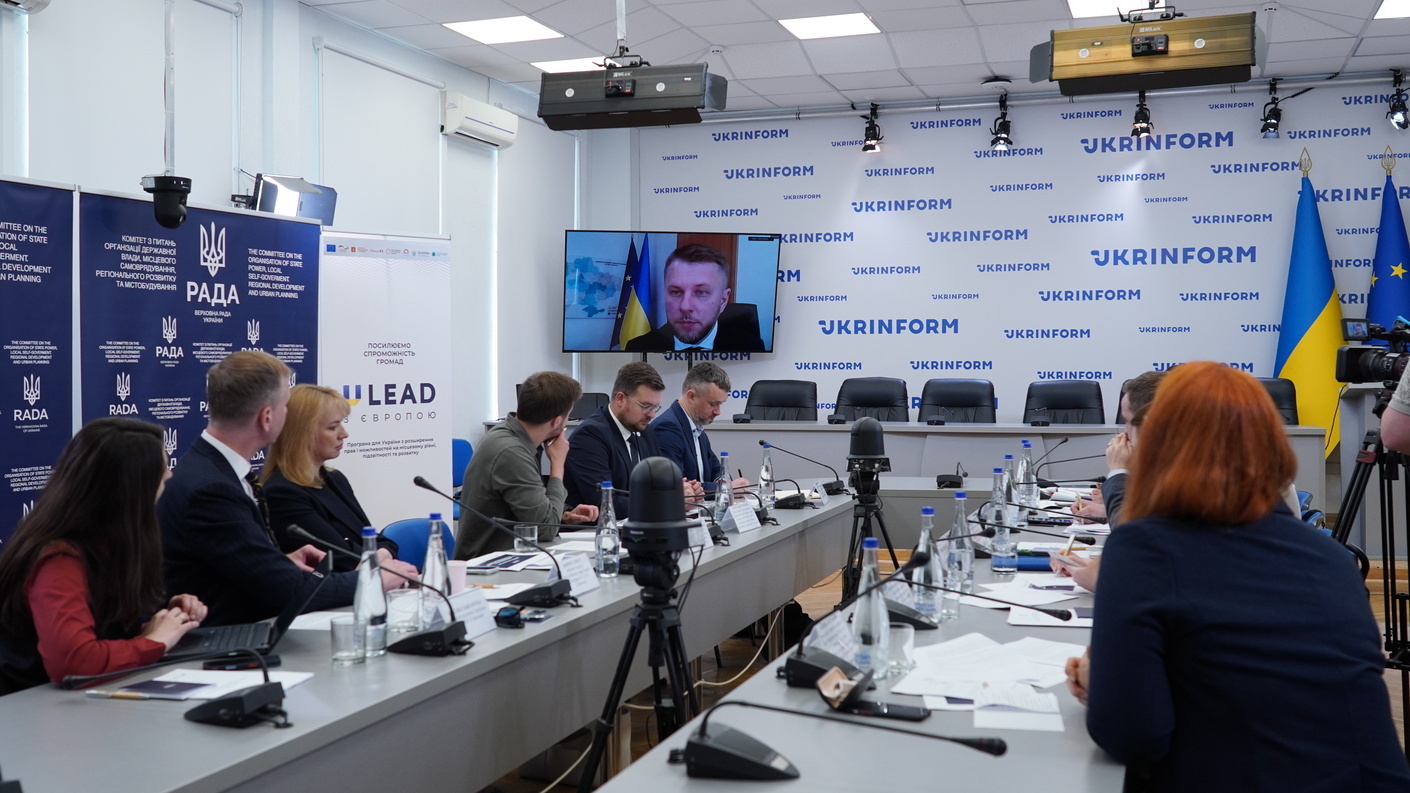
Oleksii Riabykin, Deputy Minister for Development of Communities and Territories of Ukraine, highlighted the link between the transparency of local government activities and the level of trust that residents have in local authorities.
‘Where the authorities are not afraid to be visible, and residents are not afraid to ask questions, cooperation and participation are fostered. Residents who are unaware of and do not participate in decision-making within their community do not trust those decisions,’ he noted.
However, the Deputy Minister emphasised that, alongside legislative requirements, it is necessary to take into account the capacity of communities, particularly small ones, to comply with new regulations, whilst providing them with methodological and organisational support.
Proposed changes: key initiatives
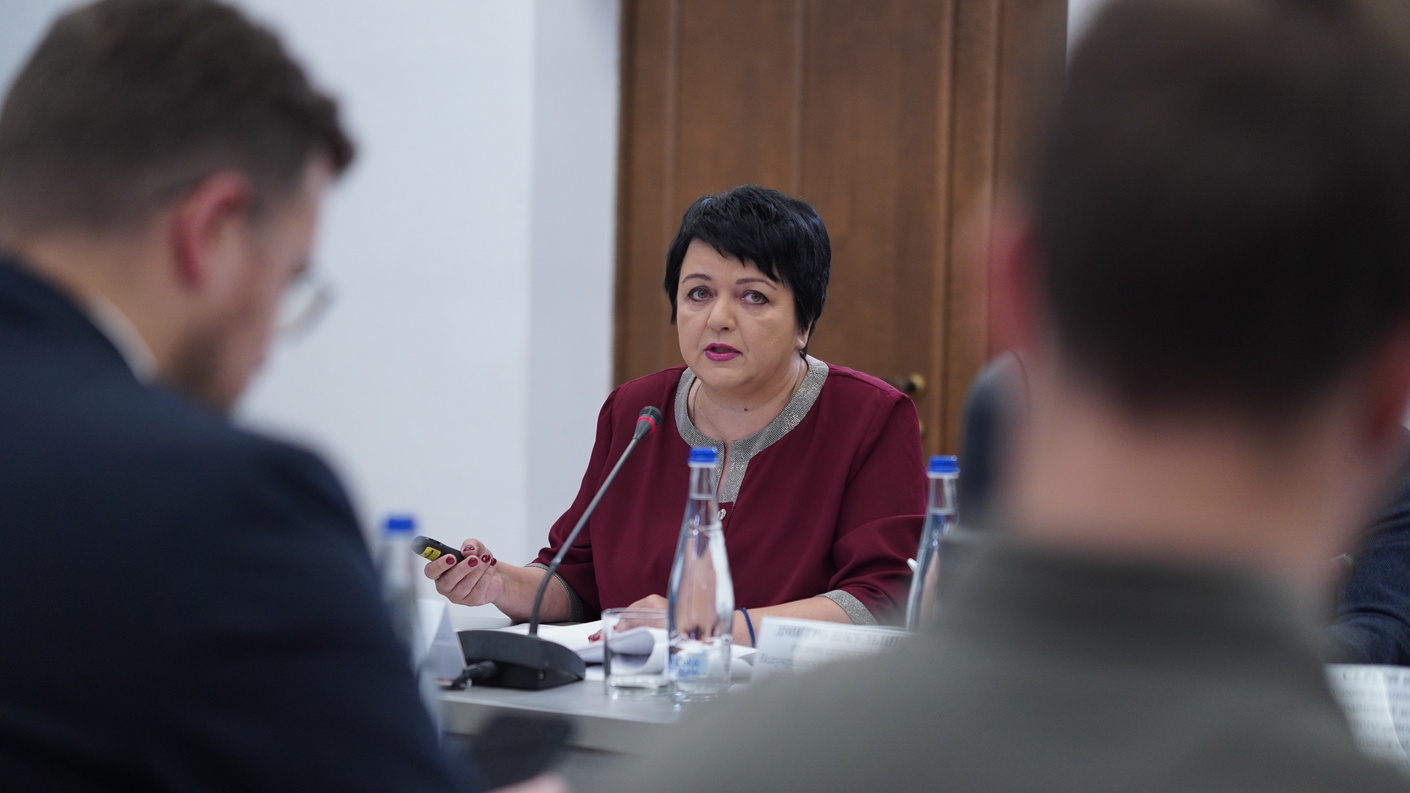
The presentation of the legislative proposals was given by Olena Boiko, an expert on local self-government.
In her words, the drafting of the proposals was preceded by an analysis of the implementation of Law of Ukraine No. 3590-IX, which reinforced the requirements for transparency in the work of local councils.
‘The draft law aims to improve the organisational and legal framework for implementing the principles of transparency in local government activities and to ensure that appropriate measures are in place to hold those responsible for breaches of these requirements to account,’ the expert noted.
The proposed amendments primarily concern the Law of Ukraine “On Local Self-Government in Ukraine”, the Law of Ukraine “On Access to Public Information” and the Code of Ukraine on Administrative Offences.
1. Enshrining the principles of transparency and accessibility
One of the key proposals is to amend Article 4 of the Law “On Local Self-Government in Ukraine” and to include the principles of transparency and accessibility in the list of fundamental principles of local self-government.
According to Olena Boiko, the law currently contains the principle of public disclosure, but the principle of transparency is not formally enshrined among the fundamental principles underlying the activities of local governments.
2. Transparency of the work of executive committees
A number of amendments relate to the activities of the executive committees of local councils.
Currently, the law largely regulates the transparency of representative bodies, whilst the requirements for the transparency of the work of executive committees remain insufficiently detailed.
It is also proposed to provide for the possibility of regulating specific procedures in the charters of communities.
3. Definition of the status and requirements for official council websites
One of the most comprehensive proposals concerns the regulation of local council websites.
The following is proposed:
- to define the term “official website of the local council” in legislation;
- to make the creation and operation of such a website mandatory;
- to set out requirements for its operation;
- to establish the procedure for administering the website by a council resolution.
The basic requirements include:
- the information published must be deemed official;
- the website must be available in the official language;
- the website cannot be used for commercial purposes;
- its operating procedures must be approved by the council.
4. Clear delineation of responsibilities among officials
The experts also propose to eliminate the problem of unclear accountability for compliance with transparency legislation.
To achieve this, the following responsibilities of specific officials are proposed to be defined by law:
- village, settlement, and city mayors;
- head of district and regional councils;
- council secretaries;
- chairs of standing committees;
- and chairs of plenary sessions.
According to the authors of the proposals, the lack of clarity in terms of responsibilities often prevents the imposition of personal liability for breaches of requirements for transparency.
5. Improving the mechanisms of control
Olena Boiko pointed out that current legislation already provides for parliamentary, public, and state control over access to public information.
The following proposals have been made:
- to update outdated terminology;
- to harmonise the provisions of relevant laws;
- to strengthen mechanisms of public control;
- to introduce internal control by hearing reports from standing committees to ensure the transparency of their work.
6. Transparency in the management of municipal property
A number of proposals relate specifically to the management of municipal property.
The proposed amendments include:
- to extend requirements for transparency to jointly owned municipal property;
- to eliminate duplication of the publication of information in different registers;
- to introduce an obligation to promptly update information on property transactions in an open data format.
7. Liability for breaches of requirements for transparency
The most controversial part of the draft law was on administrative liability.
Proposals include clarifying the provisions of the Code of Ukraine on Administrative Offences and extending liability to cover breaches of legislation on local self-government in terms of transparency.
These include, in particular:
- non-disclosure or untimely disclosure of information;
- disclosure of incomplete or inaccurate information;
- unjustified restriction of access to information;
- breaches of the procedures for video recording and storing video recordings of meetings;
- breaches of the requirements for disclosing information about municipal property.
According to Olena Boiko, the proposed fines are not new – they are already provided for in current legislation, and the proposal is simply to extend them to cover the relevant violations.
At the same time, the expert cautioned against unduly expanding the range of bodies authorised to issue administrative reports.
‘To avoid putting pressure on local self-government, this tool should be used with extreme caution,’ she emphasised.
The presentation of the proposed legislative amendments is available HERE
During the discussion, the participants mostly supported the proposed legislative changes, but highlighted a number of issues that require further consideration before the draft law is finalised.
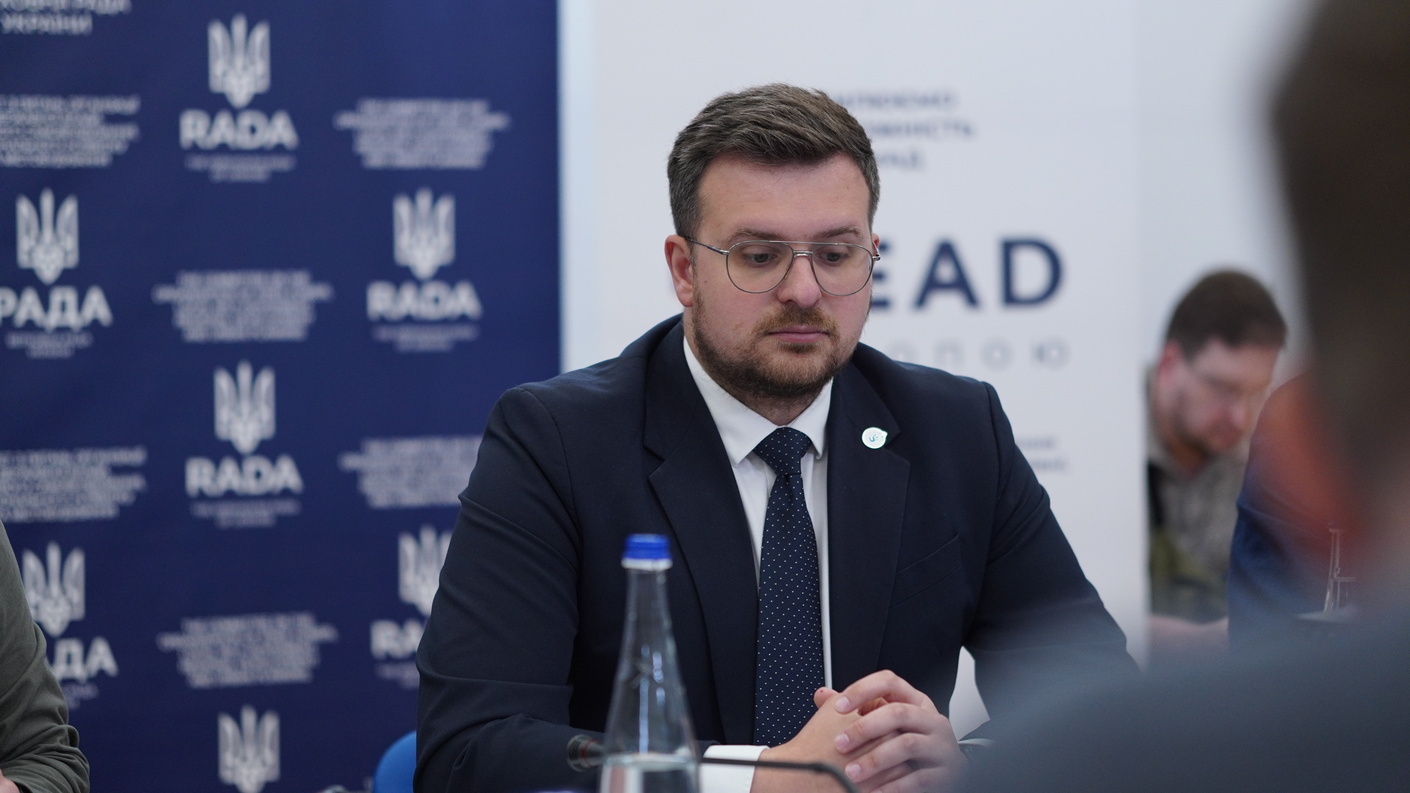
Oleksandr Osipov, a Representative of the Ukrainian Parliament Commissioner for Human Rights, emphasised that the issue of transparency in local self-government is primarily linked to safeguarding the constitutional rights of citizens to access information and participate in the management of public affairs. He also drew attention to complaints from citizens about violations of these rights and supported the strengthening of mechanisms for control and accountability.
‘The issue of transparency in local self-government is primarily about safeguarding people’s rights to information and to participate in the management of public affairs. Since the beginning of the year, the Commissioner has received 84 complaints about such violations, a significant proportion of which relate specifically to the local level. We fully support an approach in which accountability serves as a mechanism for enforcing the law, rather than merely as a punishment.’
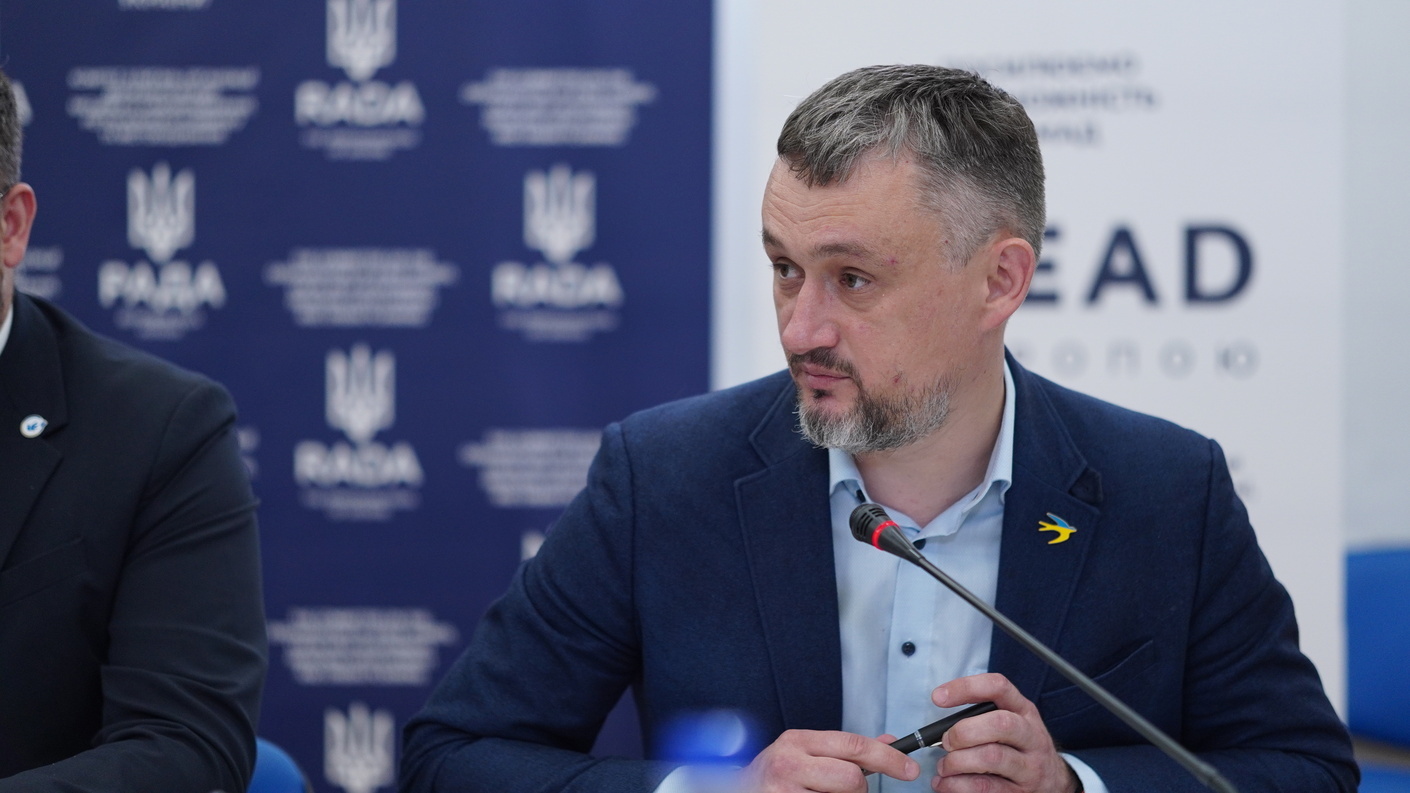
Mykola Rubchak, Director of the Department of Multi-Level Governance at the Ministry for Development of Communities and Territories of Ukraine, supported proposals for a clear delineation of responsibilities among local government officials. He also warned against excessive state interference in the organisation of community affairs, particularly with regard to the regulation of official websites.
‘A clear delineation of the spheres of responsibility for officials will eliminate the fundamental problem in our legislation, where a single body is responsible for everything and yet, in practice, no one is. However, when it comes to regulating official websites, it is important not to overstep the line between excessive state interference and the autonomy of local self-government.’
A separate series of comments concerned open data. Inna Liubyva, Head of the Expert Group on Open Data at the Ministry of Digital Transformation of Ukraine, emphasised that demand for open data from local governments is growing rapidly today, not only among citizens and journalists, but also among anti-corruption bodies.
‘There is a huge demand for open data from local governments on the part of National Anti-Corruption Bureau of Ukraine (NABU), the Specialised Anti-Corruption Prosecutor's Office (SAPO), journalists, and businesses. Non-disclosure of open data should also be included in the list of offences that may constitute grounds for administrative liability.’

Serhii Sharshov, Deputy Executive Director of the Association of Amalgamated Territorial Communities, outlined the position of local governments. He supported the idea of introducing legislation to regulate the activities of councils’ official websites and emphasised the importance of ensuring that any future changes are aligned with existing legislation on administrative procedures.
‘We fully support the idea of introducing legislation to regulate requirements for websites, because in the age of digitalisation, this is also a matter of combating disinformation and ensuring security. However, the proposed regulatory measures need to be aligned with the legislation on administrative procedure.’
Vita Dumanska, Head of the CHESNO Movement, called for efforts not to be limited to simply enshrining transparency requirements in legislation, but also to establish clear standards for their practical implementation.
According to the results of a survey of 100 communities conducted by the CHESNO Movement, around 20% of communities still face difficulties in complying with transparency requirements regarding the activities of local authorities.
‘It is good that accountability is introduced, because previously everything ended with the phrase: “nothing will happen to us because of this”. But it is also necessary to regulate standards for broadcasts, the quality of video recordings, and the conduct of remote and hybrid meetings, so that citizens can truly monitor the activities of local authorities.’
Further work on the initiatives
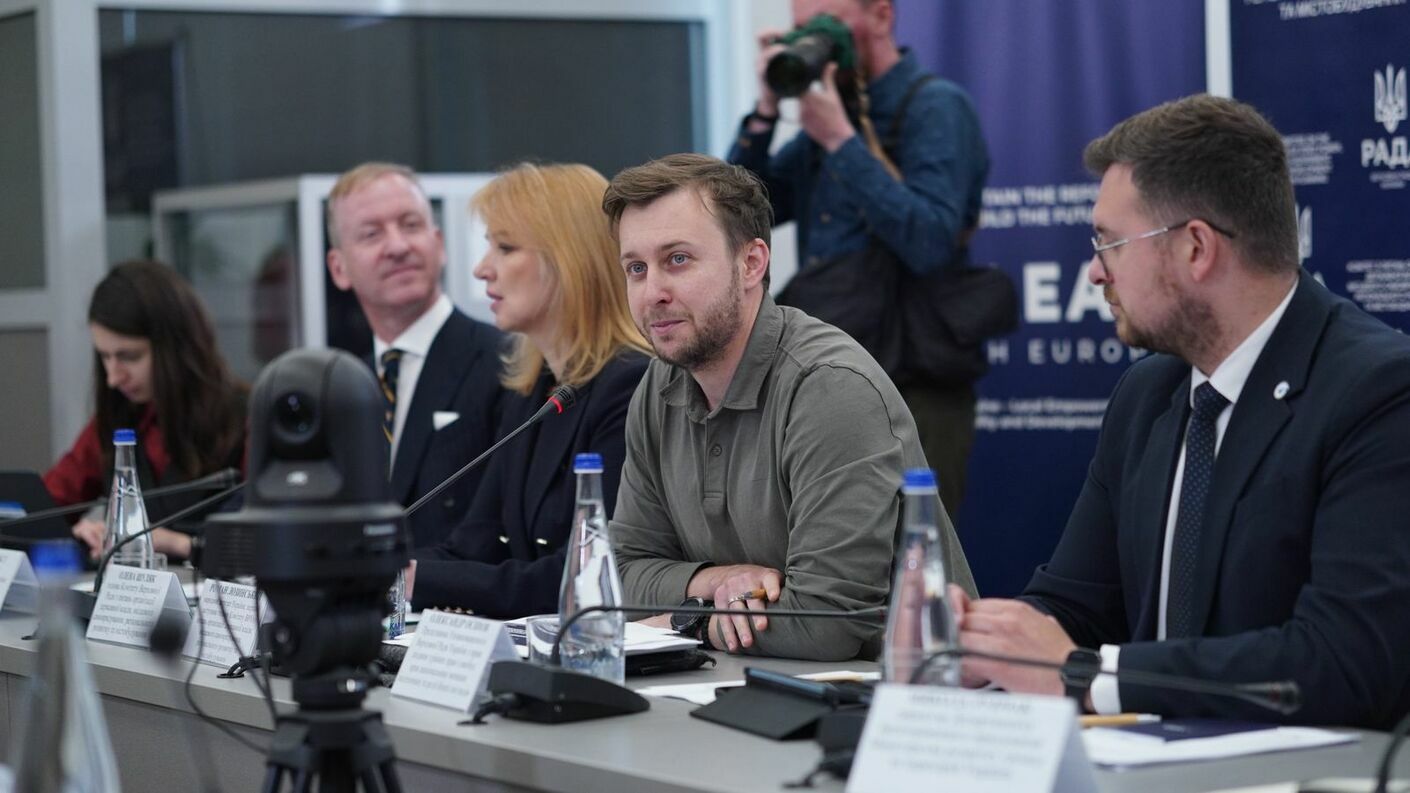
Summing up the presentation, MP Roman Lozynskyi stressed that the adoption of Law No. 3590 was merely the first step in the formation of a modern system of transparent local self-government.
‘The worst thing we can do is simply be content with the existence of the law and hope that it will somehow be implemented. We need to take an honest look at which provisions are working and which need to be revised,’ underlined the MP.
Mr Lozynskyi said that the proposals presented would be the subject of further discussion in the relevant Committee of the Verkhovna Rada, with the participation of MPs, representatives of local governments, experts, and local government associations.
The participants agreed that the next step should be not only to improve the legislation but also to establish practical mechanisms for its implementation, which will ensure real transparency of local authorities and boost public trust in the decisions taken.
Decentralisation portal continues to monitor the progress of this initiative. Representatives of communities can access analytical materials and join the expert discussion via the communication platforms of the relevant Committee of the Verkhovna Rada.
Source:
Портал "Децентралізація"
05 June 2026
Government approves Concept for the Development...
The Cabinet of Ministers of Ukraine approved the Concept for the Development of a Unified Digital Ecosystem for...
05 June 2026
Проєкт DECIDE оголошує національний відбір громад на грантову програму розвитку академічних ліцеїв
Проєкт DECIDE оголошує національний відбір...
Швейцарсько-український проєкт DECIDE продовжує відбір та запрошує територіальні громади з усіх областей України...
05 June 2026
Quality preparation as the basis for hromada investment
Quality preparation as the basis for hromada...
The conference "Strengthening Resilience: From Strategic Decisions to Hromada Recovery Priorities" brought together...
04 June 2026
Онлайн-конференція “Енергетична стійкість громад: від викликів до практичних рішень”
Онлайн-конференція “Енергетична стійкість...
Центр розвитку інновацій спільно з EDIH “Kyiv HiTech” та робочою групою “Енергоострів” запрошують представників...