Public investment reform: Key risks and 5 solutions from 523 communities
The transformation of Ukraine’s public investment management system is ongoing. This process aims to change approaches to the planning, selection, and financing of recovery projects. To evaluate how these changes are viewed locally, the Institute of Civil Society, in cooperation with the All-Ukrainian Association of Amalgamated Territorial Communities and the All-Ukrainian Association of Communities, conducted a large-scale study. The survey covered 523 communities nationwide. The basic level of local self-government formed the basis of the sample: 92.5% of respondents represented communities with a population of up to 50,000 people, 66.5% were rural or settlement communities, and 27% were border communities or those close to the front line. The data obtained and expert evaluations revealed a number of systemic challenges that need to be addressed for effective integration with European approaches.
The results of the survey show a high level of readiness among communities for strategic planning, which is, however, limited by the lack of clear budgetary guidelines from the state.
- 80% of the communities surveyed have an approved development strategy
- 86.4% have developed a medium-term public investment plan
- 72.1% have created a unified project portfolio
Despite complying with these requirements, only 3.4% of communities reported that they can realistically forecast the amount of funds to be received from the state budget. Moreover, 42.6% of respondents consider funding from the state budget to be completely unpredictable, whilst 53.9% regard it as partially predictable or unstable.

‘The state demands that communities plan three years ahead, yet at the same time cannot disclose how much funding they will receive even next year. This is organisational negligence. And it is a systemic flaw in the reform. A medium-term public investment plan is not just a document to tick a box. And if the financial basis of this plan is unknown, the document becomes a fiction,’ noted Borys Bilyi, Project Manager and Expert Analyst.
Experts point to the significant technological advantages of the DREAM digital ecosystem, in particular its analytical potential, interactive map, training module, and automatic data verification via state registers. However, an analysis of the platform’s practical application has revealed a mismatch between local expectations and actual financial resources.
Active marketing of the system in its early stages led communities to perceive the platform as a guaranteed source of donor aid. This has resulted in the system accumulating over 10,000 projects, a significant proportion of which have been stuck in a prolonged waiting period for funding. Overall, the demand for funding runs into trillions of hryvnias, whilst public resources are limited to billions.
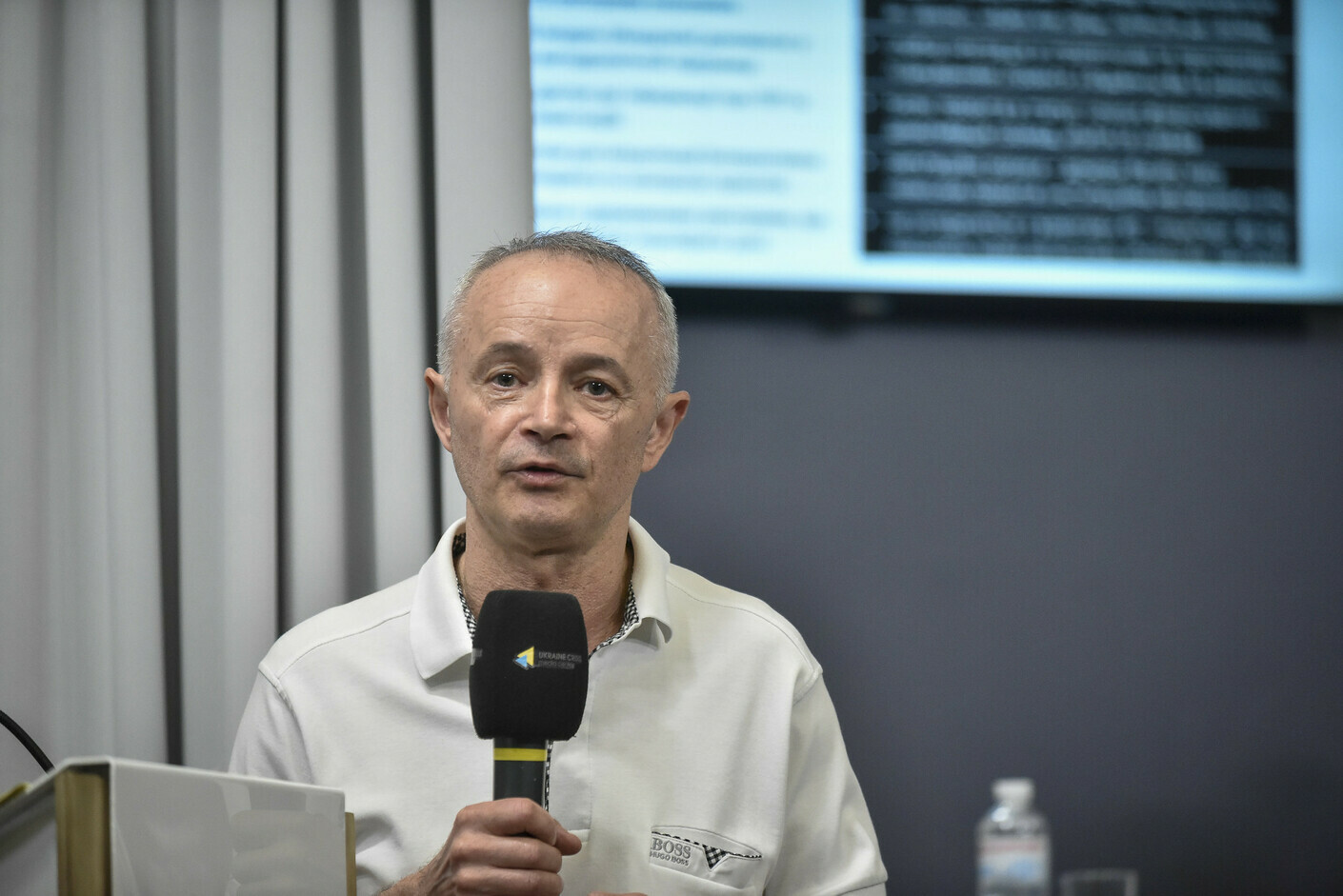
‘It was literally seen as a magic window: communities would simply submit their projects, and donor funds would immediately start flowing in… But this is not how it works, of course. And what has this led to? It has led to projects waiting in limbo for funding. Communities spent a great deal of time developing their projects, gathering data, and submitting this information to DREAM, yet they remain in a state of waiting for funding, and a very large number of them will not be funded, unfortunately,’ said Vasyl Fediuk, Expert in Data Analysis and Regional Development.
Experts point to the poor integration of DREAM with strategic and spatial planning as an additional problem, as most of the submitted initiatives are of a limited nature (major repairs, construction), which complicates the work of investors with the portfolio.
The survey revealed significant concerns among communities that disparities in regional development will widen. Large cities have the necessary human and financial resources to develop projects under the new rules, whereas rural, frontline or occupied communities face an acute shortage of specialists.
The risk anti-rating based on the findings of the research is as follows:
- A widening gap between strong and weak communities due to the inability of small territories to independently prepare, evaluate, and co-finance high-cost projects (38.4% of votes)
- Increased expenditure from budgets and international donors on the direct preparation of project documentation (25.8%)
- Loss of access to funds from international partners (18.4%)
Of those surveyed, 78.2% of communities stated that they never have access to external technical assistance, whilst 77.6% have never engaged independent qualified experts.
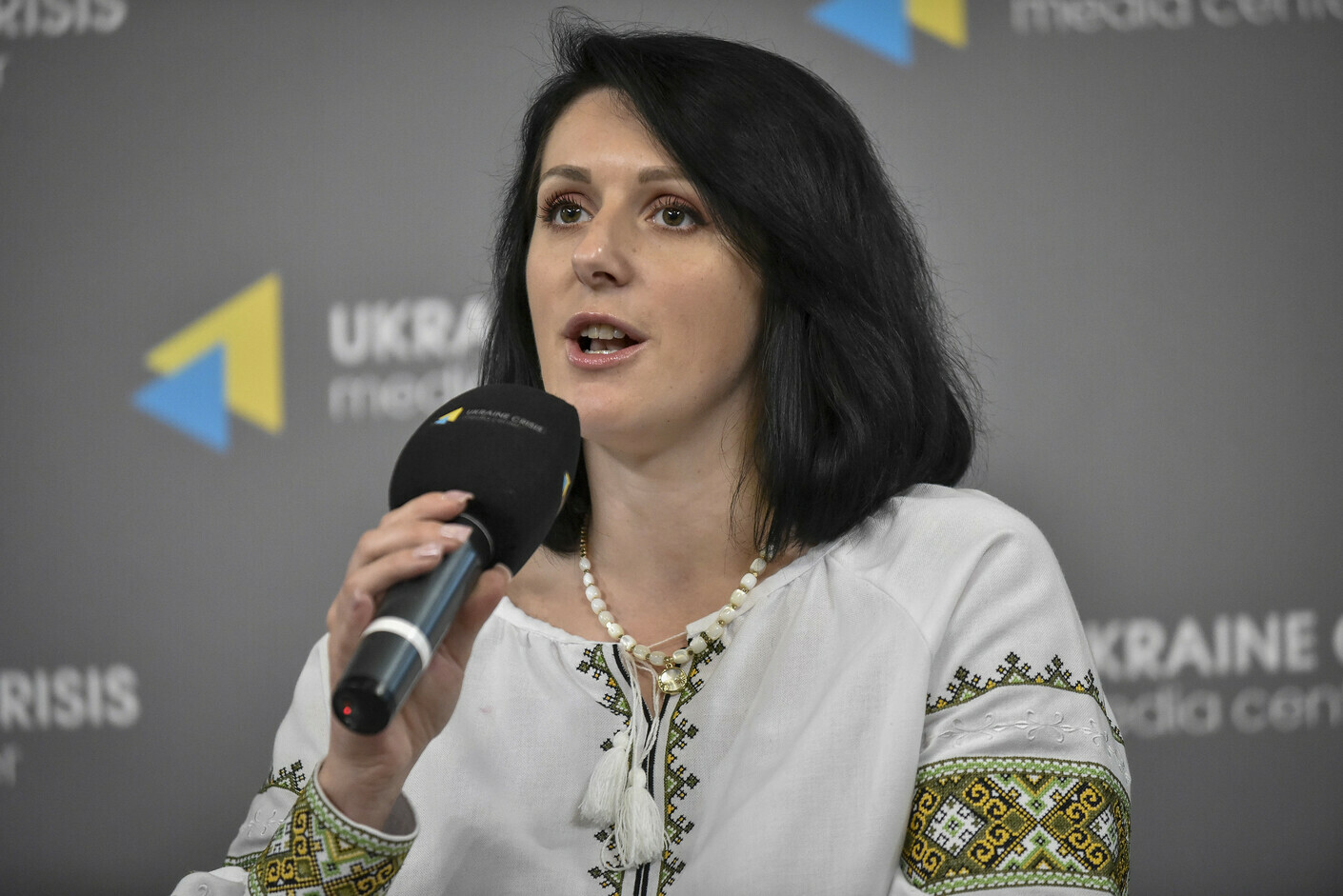
‘At present, we see a significant gap between state reform and the actual capacity of local governments. We are talking not only about institutional and human resources capacity, but also about financial capacity. Nowadays, communities are rushing to develop investment projects, which often results in ill-conceived proposals lacking proper technical, economic, and investment justifications. Moreover, results of the survey show that these initiatives completely disregard public opinion and are detached from reality. This has happened because the strict legislative framework, which encourages communities to make rapid management decisions, has failed to take into account the institutional barriers they face in practice,’ said Olha Budeichuk, Expert at the Economy and Investment Platform of the All-Ukrainian Association of Amalgamated Territorial Communities.
The current stage of the reform is accompanied by legal uncertainty about the terminology and criteria for evaluating projects. The lack of a clear distinction between routine capital repairs (infrastructure maintenance) and genuine investment projects creates additional procedural barriers at the local level.
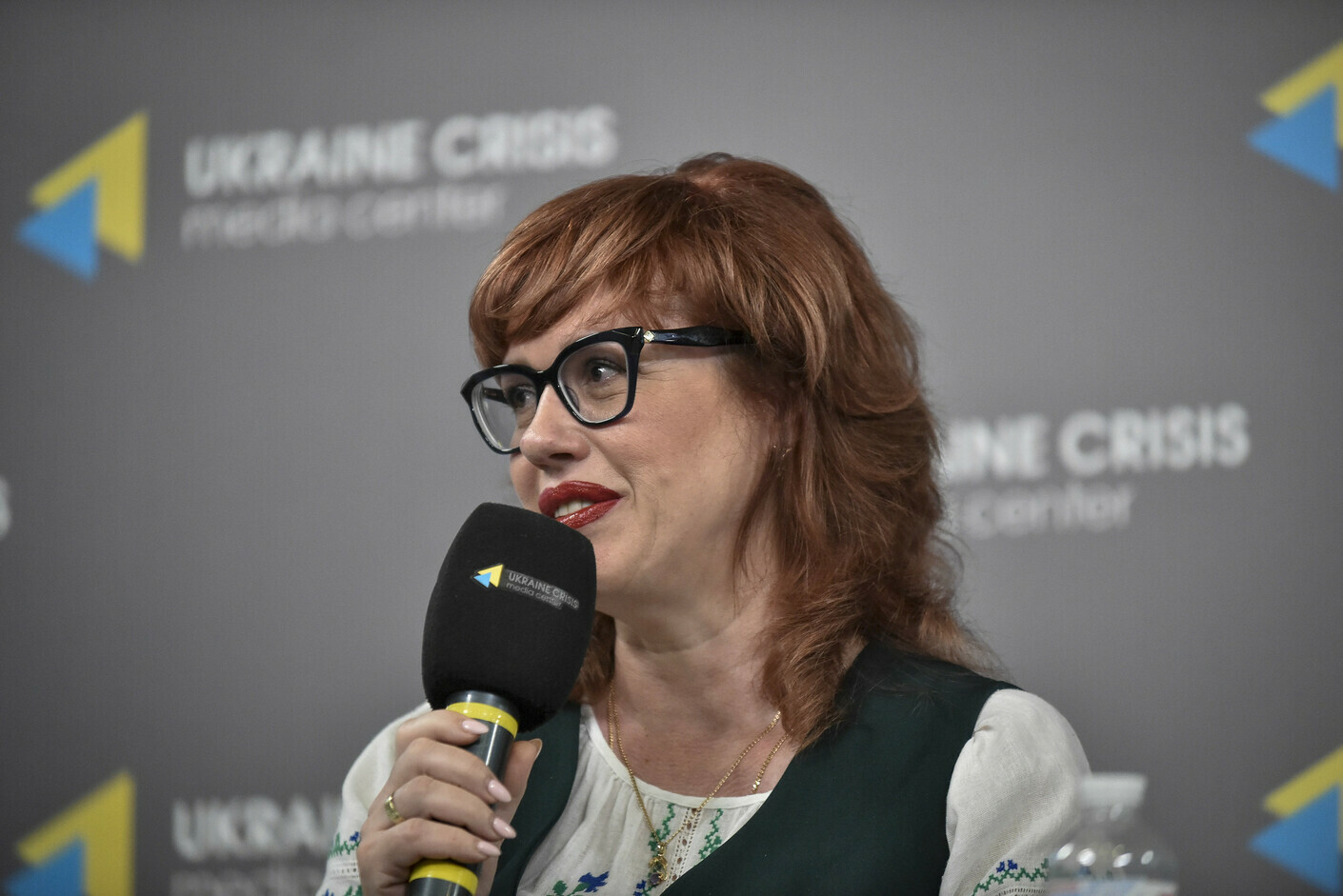
‘To date, the relevant ministry has not developed clear criteria for classifying local initiatives as public investments or as routine capital repairs. People at the local level are very concerned: if state regulatory bodies misclassify an expensive project, a legal conflict will arise – whether to classify it under the general fund of the local budget as a capital repair or to show it in the DREAM system as a public investment project. These criteria need to be defined without delay. Capital projects ensure the ongoing functioning of infrastructure – such as replacing windows or a roof. In contrast, public investment projects should be aimed at long-term development, the creation of new products, and improving the efficiency of services for specific beneficiaries,’ said Olena Skliarova, Expert on Budget and Tax Policy at the All-Ukrainian Association of Communities.
According to experts, the key methodological difference between Ukrainian practice and European Union requirements lies in the object of evaluation and funding. European Structural Funds are focused on comprehensively addressing specific problems at the community or regional level through long-term sectoral programmes, whereas in Ukraine, funding is predominantly directed towards isolated, single-point projects.
The experts pay special attention to the change in the status of the State Fund for Regional Development (SFRD), which, following legislative changes, has effectively lost its original function as a tool for regional policy and has become one of the public investment programmes, thereby hindering the comprehensive development of territories.
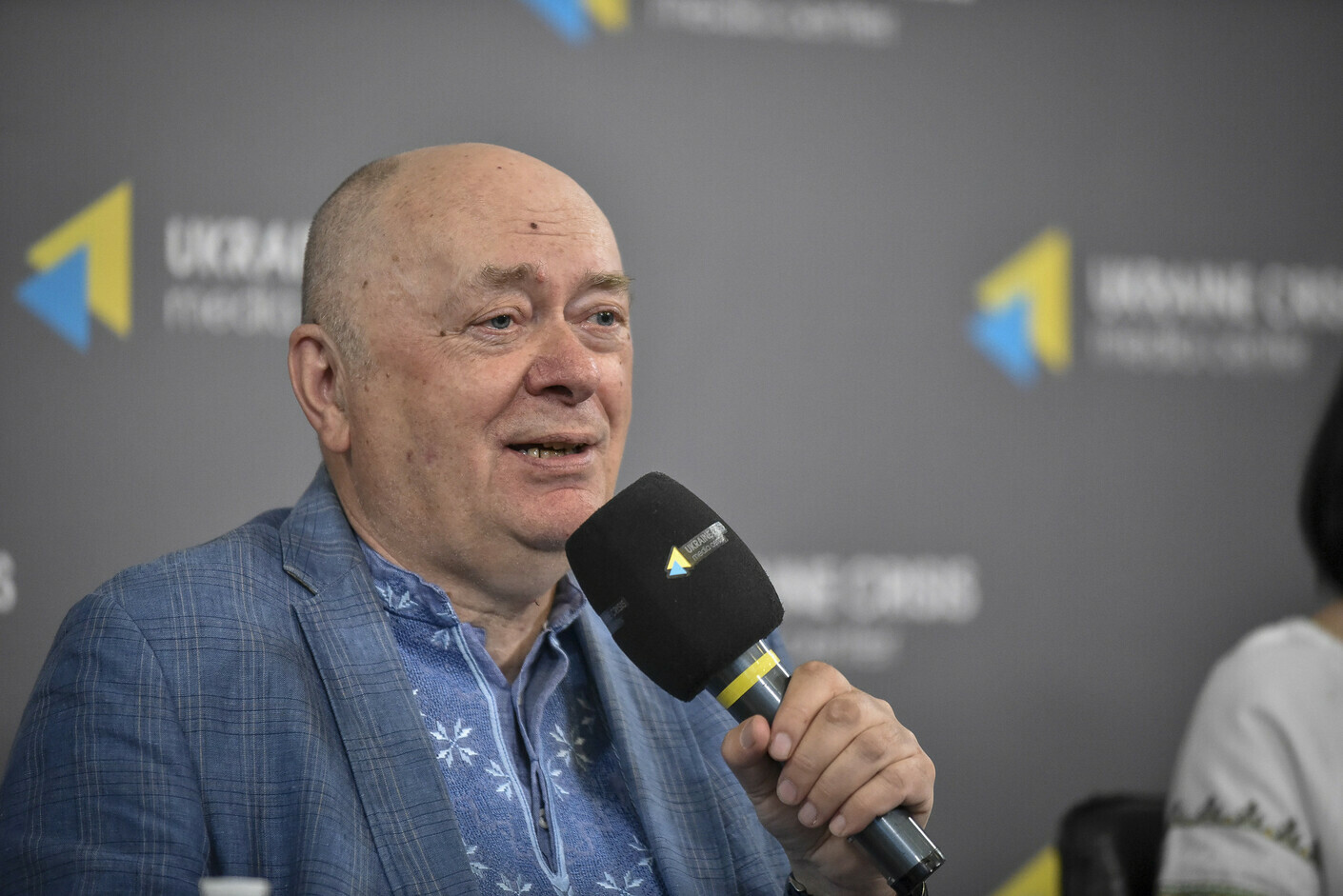
Anatolii Tkachuk, Director of Research and Development at the Institute of Civil Society:
‘Public investment is, in principle, a policy tool and cannot, strictly speaking, prevail over regional development policy. European approaches suggest that the development framework and funding methods are determined by policy rather than its financing; but most importantly, evaluation is based not on the absorption of funds for a project, but on the resolution of the problem. This is, I suppose, the key philosophical difference. Renovating a school or replacing its windows is a routine task that should be resolved very simply. And public investment in this school should be directed to other solutions to the problem of educational quality. In other words, a project stemming from the community’s strategy to improve the quality of education in the school consists of different elements. One element is replacing the windows... but another element is the teachers, new teaching methods... And if we divide one large project, single out the renovation from it and fund that, whilst failing to fund the rest, we will not achieve the desired result. And the European Union will never provide funding for this, because the European Union does not fund projects; it funds solutions to problems, and a project is merely a tool for solving a problem.’
In view of the realities of the war, Anatolii Tkachuk remarked that he is sceptical about the traditional three-year forecasting of subsidies, and therefore sees a systematic transformation of the State Fund for Regional Development as the only constructive solution. According to him, the SRDF should be transformed into an independent financial institution where funds from various sources – ranging from earmarked taxes and international loans to frozen Russian assets and technical assistance – would be pooled. The allocation of these resources should not be done manually or for political reasons, but exclusively for long-term programmes, following the example of European cohesion policy.
Based on an analysis of legislation, European experience, and requests from 523 communities, the authors of the research identified five priority areas for adapting the reform:
- Ministry of Finance: To introduce stable and predictable medium-term financial planning for communities.
- Ministry for Development: To introduce a differentiated approach and simplified procedures for small-scale infrastructure and security projects (worth up to UAH 5 million or EUR 100,000).
- Relevant bodies and Regional Development Agencies: To develop mechanisms to ensure that local governments at the grassroots level have access to external technical assistance and expert support.
- Organisers of the reform: To ensure systematic training for local government employees in advance, i.e. before the regulatory implementation of new strict requirements.
- Budget Committee of the Verkhovna Rada: To initiate the legislative reinforcement of simplified procedures for small-scale projects and strengthen parliamentary control over equal access for all communities to public investment management tools.
The experts conclude: the further development of the system requires a transition from a simple digital project register to a comprehensive investment cycle management tool that respects the autonomy of communities and is based on actual financial resources.

Source:
Портал "Децентралізація"

27 May 2026
Управління відходами по-європейськи: як Україні...
Команда Zero Waste Alliance Ukraine запрошує дізнатися більше на форумі «Міста Нуль Відходів». Коли: 23–24...
27 May 2026
Мінфін та Конгрес Ради Європи – про підтримку громад і відновлення
Мінфін та Конгрес Ради Європи – про підтримку...
Міністр фінансів України Сергій Марченко провів зустріч із Генеральним секретарем Конгресу місцевих і регіональних...
27 May 2026
Громади зможуть доплачувати фахівцям з...
Верховна Рада України ухвалила в цілому законопроєкт №10284. Він стосується тих, хто безпосередньо працює над...
27 May 2026
Україна та Польща працюють над новими інструментами підтримки громад і регіонального розвитку
Україна та Польща працюють над новими...
На полях IV Міжнародного саміту міст і регіонів віцепрем’єр-міністр з відновлення — міністр розвитку громад і...