Ministry for Development continues to work on classifying communities according to functional types of territory
The Ministry for Development of Communities and Territories is continuing its work on defining the functional types of community territories.
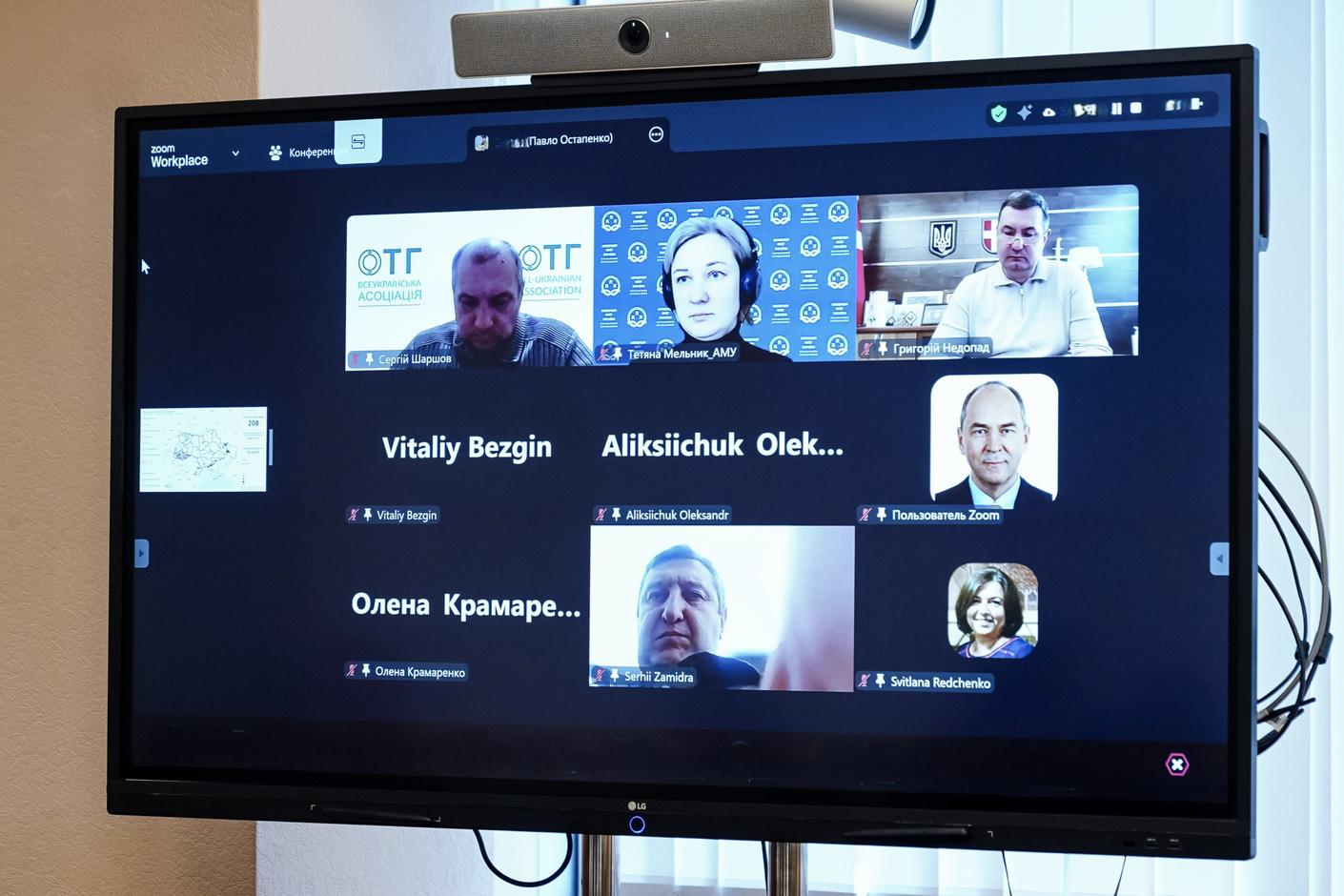
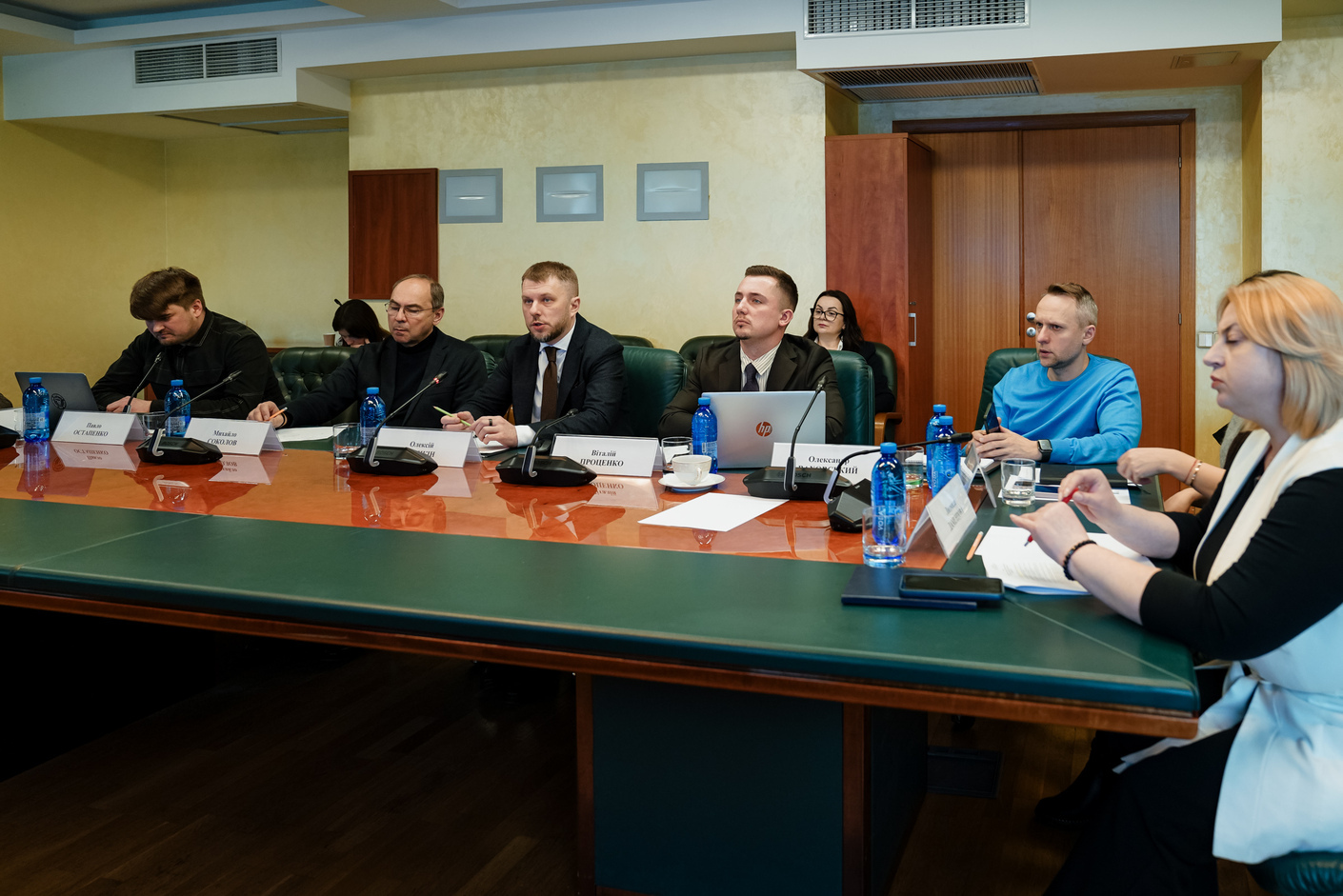
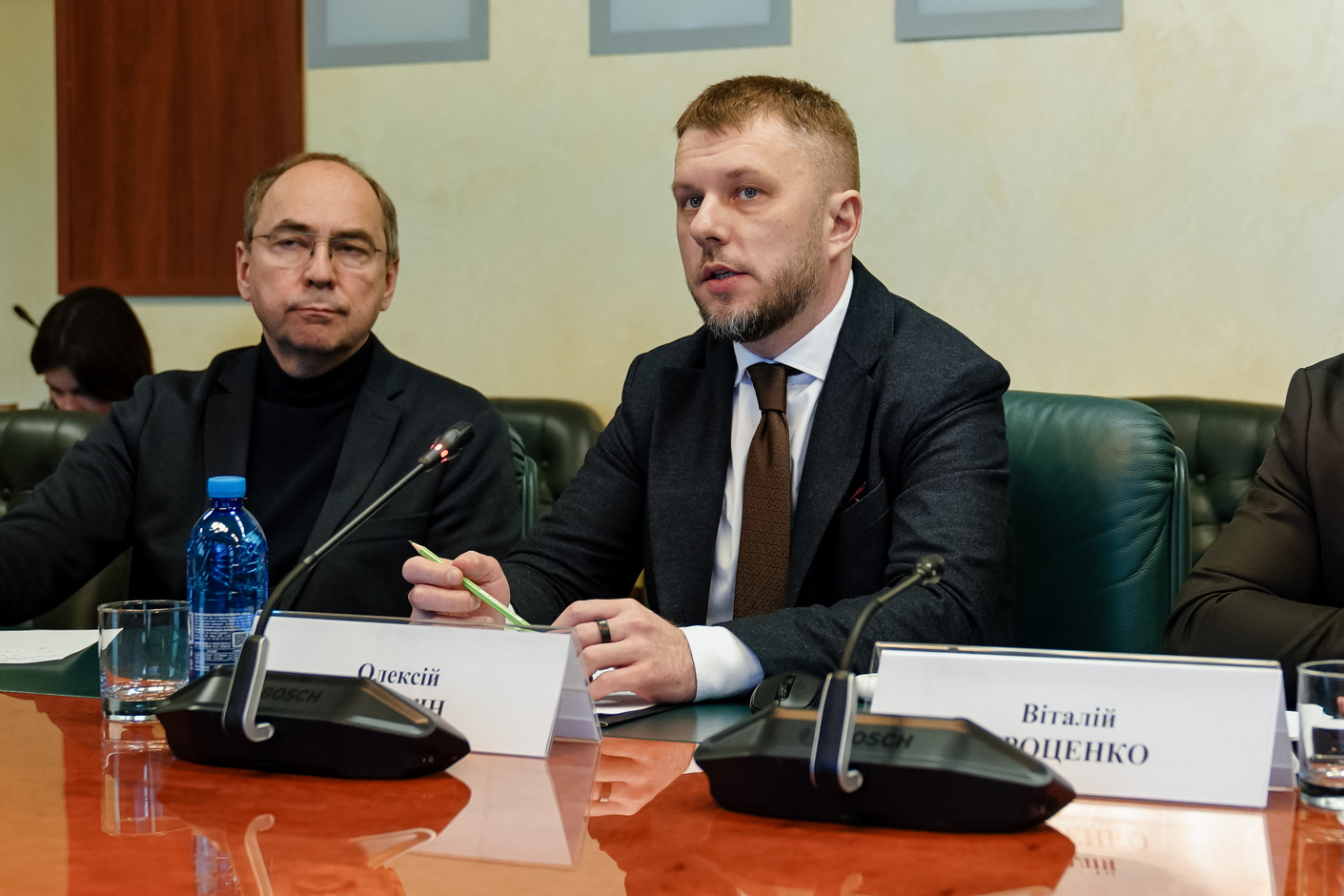
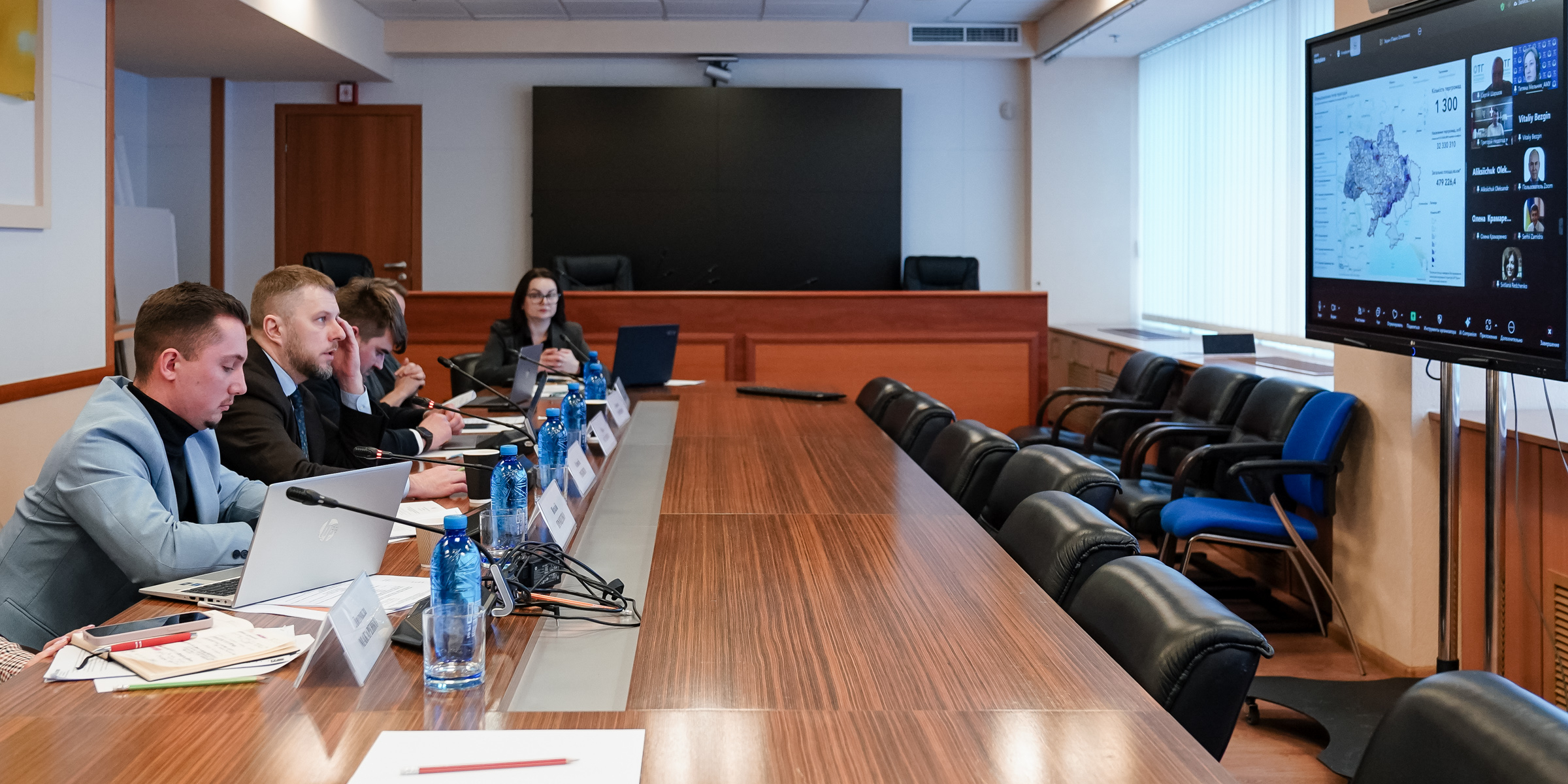
Two meetings of the Commission for the Assessment and Classification of Territories were held, chaired by Deputy Minister Oleksii Riabykin.
In compliance with the Government's Resolution, communities are classified into four functional types of territory: recovery areas, areas with special development conditions, sustainable development areas, and regional poles of growth.
Currently, 885 communities have been classified as areas with special development conditions.
‘Classifying communities according to functional types of territory is necessary in order to subsequently develop targeted support programmes for each of them. This will allow resources to be directed precisely where they are most needed. This territorial approach is a key element of the EU’s cohesion policy,’ emphasised Oleksii Riabykin.
The Commission comprises 12 Members of the Ukrainian Parliament – members of the relevant committee of the Verkhovna Rada of Ukraine – as well as representatives from the Ministry of Economy, the Ministry of Finance, the Ministry of Social Policy, the State Statistics Service, and national associations of local governments, and the public sector.
During the meetings, the following was determined:
- 208 communities have been classified as areas with a low level of socio-economic development in the following regions: Vinnytsia, Volyn, Dnipropetrovsk, Donetsk, Zhytomyr, Zakarpattia, Zaporizhzhia, Ivano-Frankivsk, Lviv, Mykolaiv, Odesa, Poltava, Rivne, Ternopil, Kharkiv, Kherson, Khmelnytskyi, Chernihiv, and Chernivtsi.
- 85 communities are classified as mountainous areas – in Lviv, Chernivtsi, Zakarpattia, and Ivano-Frankivsk regions.
- 101 communities are classified as forested areas – in Volyn, Dnipropetrovsk, Zhytomyr, Zakarpattia, Ivano-Frankivsk, Kyiv, Lviv, Chernihiv, Khmelnytskyi, Rivne, Cherkasy, and Chernivtsi regions.
- 199 communities are classified as steppe areas – in Kharkiv, Dnipropetrovsk, Donetsk, Zaporizhzhia, Odesa, Kherson, Kirovohrad, and Mykolaiv regions.
- 60 communities are classified as nature conservation areas – in Volyn, Zhytomyr, Ivano-Frankivsk, Zakarpattia, in the city of Kyiv and Kyiv region, Lviv, Odesa, Rivne, Dnipropetrovsk, Donetsk, Sumy, Poltava, Ternopil, Chernihiv, Kharkiv and Khmelnytskyi regions;
- 232 communities are classified as rural territories – in Vinnytsia, Volyn, Dnipropetrovsk, Donetsk, Zhytomyr, Zaporizhzhia, Ivano-Frankivsk, Kyiv, Lviv, Mykolaiv, Odesa, Kirovohrad, Poltava, Rivne, Sumy, Ternopil, Kharkiv, Kherson, Khmelnytskyi, Chernihiv, and Cherkasy regions.

Pursuant to the Resolution of the Cabinet of Ministers, areas with special development conditions are:
- Territories with a low level of socio-economic development – communities whose tax capacity index, based on the results of the last three years, is less than 0.45.
- Territories with natural constraints on development, including mountainous, forested (more than 50 per cent covered by forests) and steppe territories with low population density;
- Territories affected by man-made disasters – communities affected by the destruction of the Kakhovka Hydroelectric Power Station or located in a zone of radioactive contamination;
- Territories of just transition – communities with coal-mining enterprises and/or communities whose administrative centres are single-industry or old industrial localities;
- Nature conservation territories – where more than 20 per cent of the community’s territory is taken up by nature reserve sites;
- 232 communities are classified as rural communities – with low population density and/or a population decline of over 30 per cent and/or a tax capacity index of less than 0.9.
Data for determining the criteria is provided by the Ministry of Finance, the Ministry for Development, the Ministry of Energy, the Ministry of Economy, the Ministry of Social Policy, the State Migration Service, the State Forestry Agency, regional military administrations, and scientific institutions of the National Academy of Sciences of Ukraine.
16 October 2026
Від бюджету до послуг для дітей: про що говорили громади на Львівщині
Від бюджету до послуг для дітей: про що...
У першій частині бюджетної дискусії на Львівщині йшлося про фінансові можливості громад і правила розподілу коштів....
16 October 2026
ПДФО, реверс і потреби громад: Всеукраїнська асоціація ОТГ провела бюджетну дискусію на Львівщині
ПДФО, реверс і потреби громад: Всеукраїнська...
На Львівщині Всеукраїнська асоціація ОТГ провела дискусію щодо проєкту Державного бюджету на 2027 рік. Учасники...
16 October 2026
The Multiannual Financial Framework 2028 –...
With a focus on the expenditure-side files NRPP, the Performance Framework and Global Europe (including the Ukraine...
16 October 2026
До $65 тисяч на соцпослуги: Уряд масштабував програму Малих грантів на всі громади України
До $65 тисяч на соцпослуги: Уряд масштабував...
Кабінет Міністрів України ухвалив рішення, яке кардинально розширює можливості територіальних громад у розвитку...