Without interruption or disruption: National conference on personnel development at Administrative Service Centres
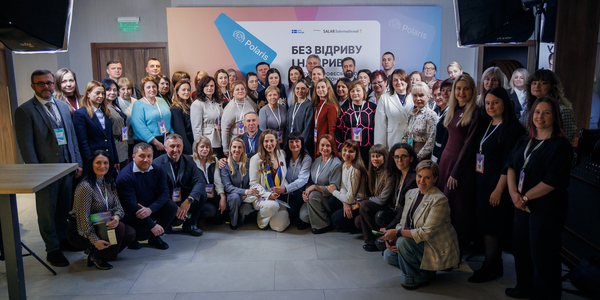
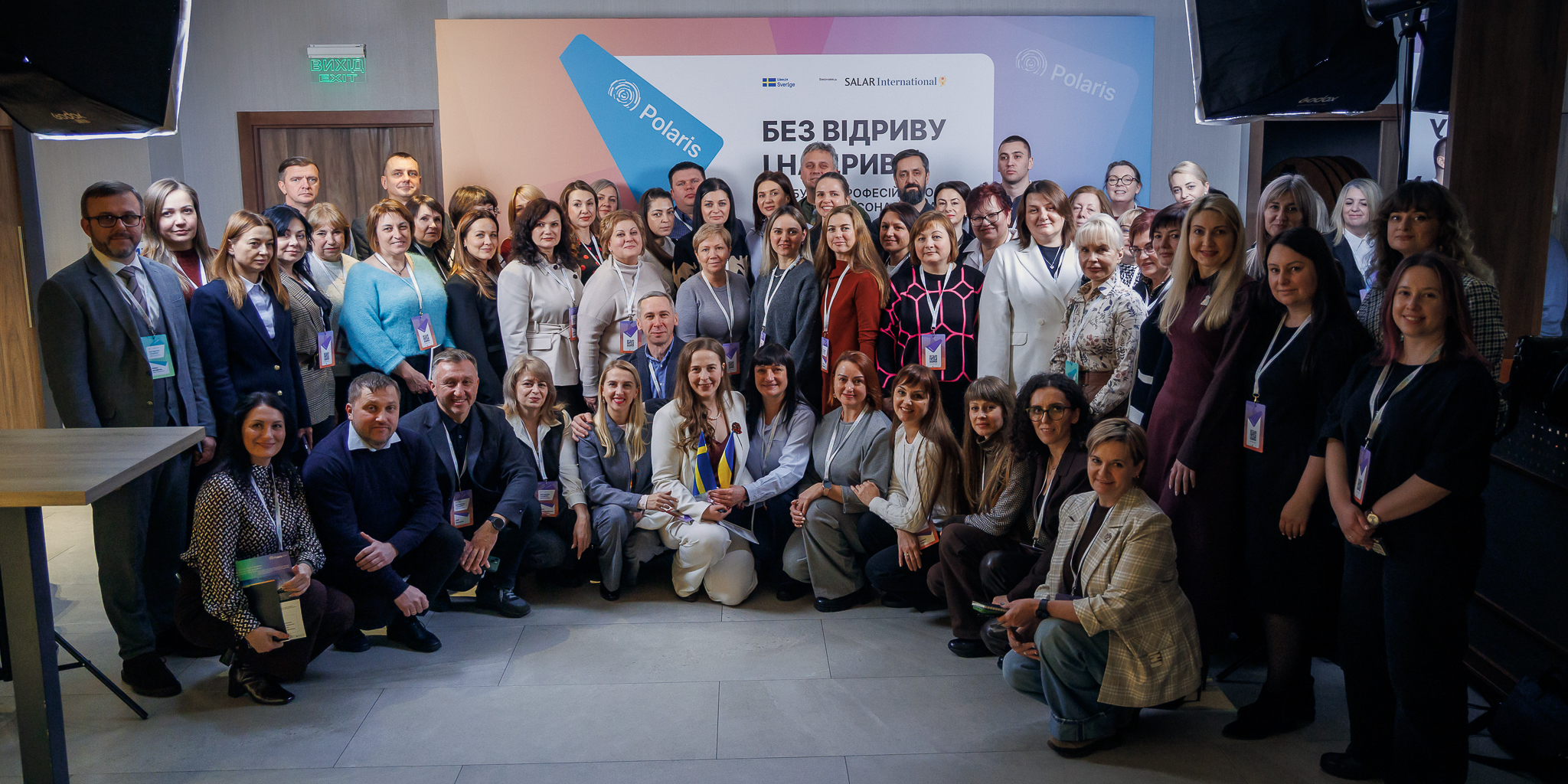
On 9 December, the Polaris Programme ‘Supporting Multilevel Governance in Ukraine’ brought together Administrative Service Centre (ASC) practitioners from across Ukraine in Kyiv to search for models of professional development for ASC staff. Participants discussed existing training programmes, the main challenges involved, and the prospects for creating a systematic approach to professional development. Polaris Programme experts Petro Makarenko and Alla Kovalchuk moderated the event.
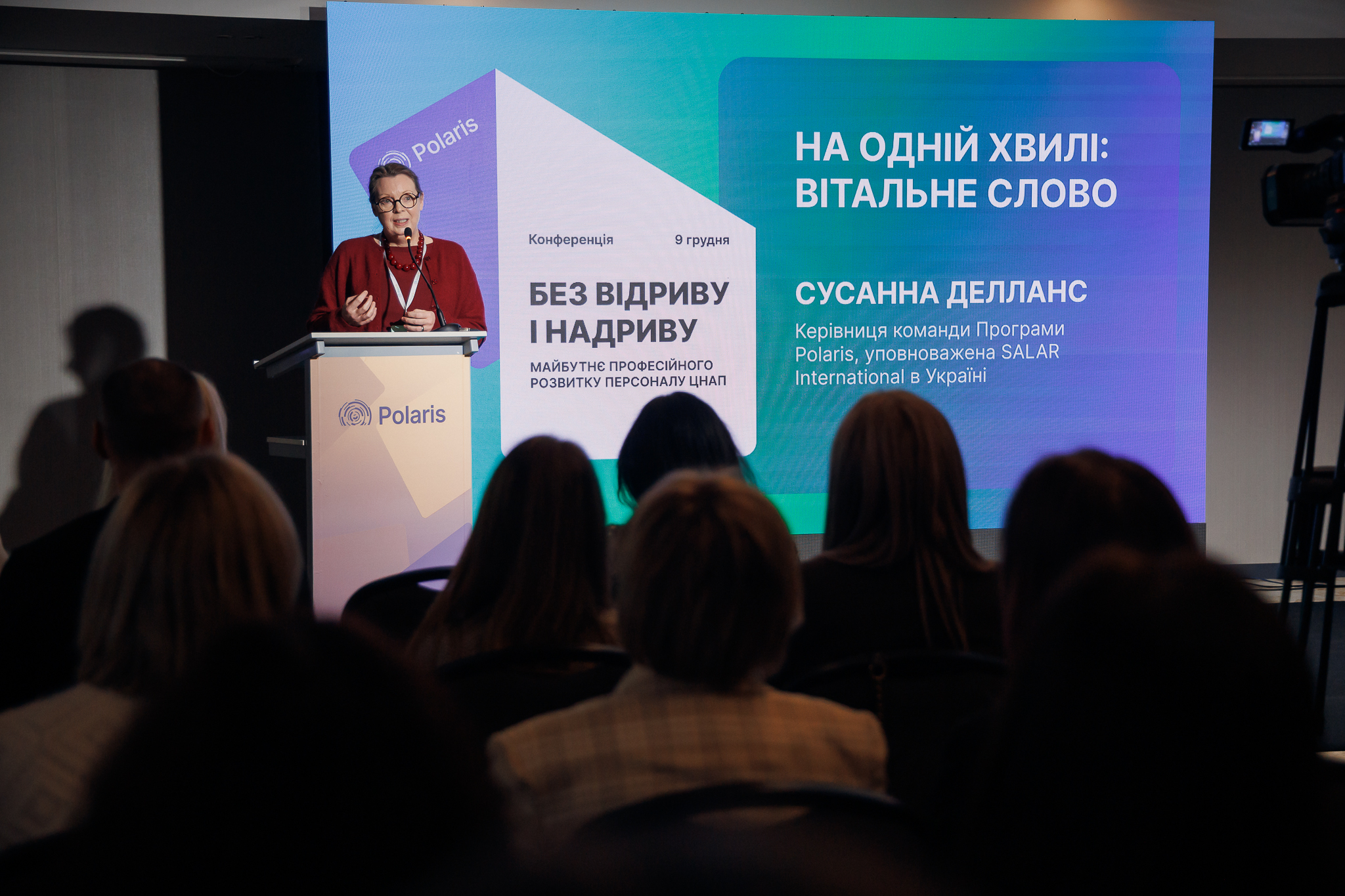
‘The Polaris Programme focuses on the practical strengthening of local self-government, particularly with regard to the institutional capacity of communities and the quality of service delivery. ASCs are the community’s superpower, the “front office” through which residents interact with the authorities on a daily basis. I hope that our conference has created a space for meaningful dialogue and helped form a shared vision of the key needs and prospects for the professional development of ASC employees,’ said Susanna Dellans, Polaris Programme Team Leader and SALAR International Representative in Ukraine.
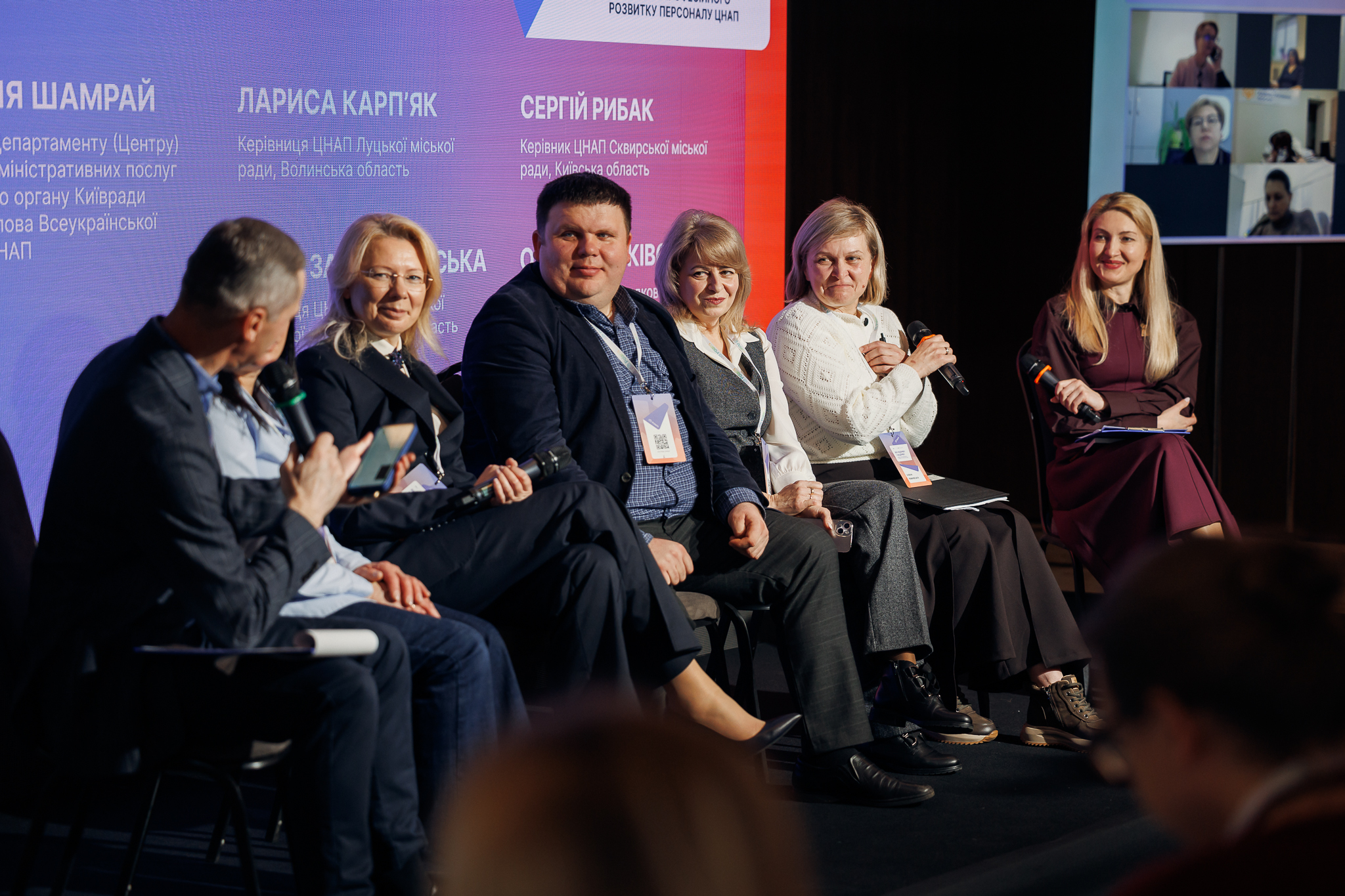
The first panel discussion focused on how ASCs organise training themselves, covering everything from the onboarding of new employees and internal training to the search for quality programmes and resource planning. The need for standardised approaches that enable personal development trajectories to be created for each specialist was also discussed.
Larysa Karpiak, Head of the ASC at the Lutsk City Council, emphasised that developing employee competencies should be based on clear professional role requirements and regular training programme updates. The Lutsk ASC currently employs around 80 people, and last year alone, the team received over 250 certificates on the Diya.Osvita platform. Every Wednesday, the ASC sets aside time for training, during which employees discuss relevant topics and develop hard and soft skills. The centre also practises workplace rotation, enabling employees to gain a better understanding of how services are provided in different departments and how the entire system works.
‘Training for ASC staff must be an ongoing process as legislation is constantly changing. In 2025, each employee of our ASC completed an average of 12 training courses, including the Polaris Programme, the “Training Platform for ASC Managers”, the Ministry of Digital Transformation’s “Digital Transformation in Public Administration” programme at the CDTO Campus, and others,’ emphasised Iryna Zamikhanovska, Head of the ASC of the Liubashivka Village Council in the Odesa region.
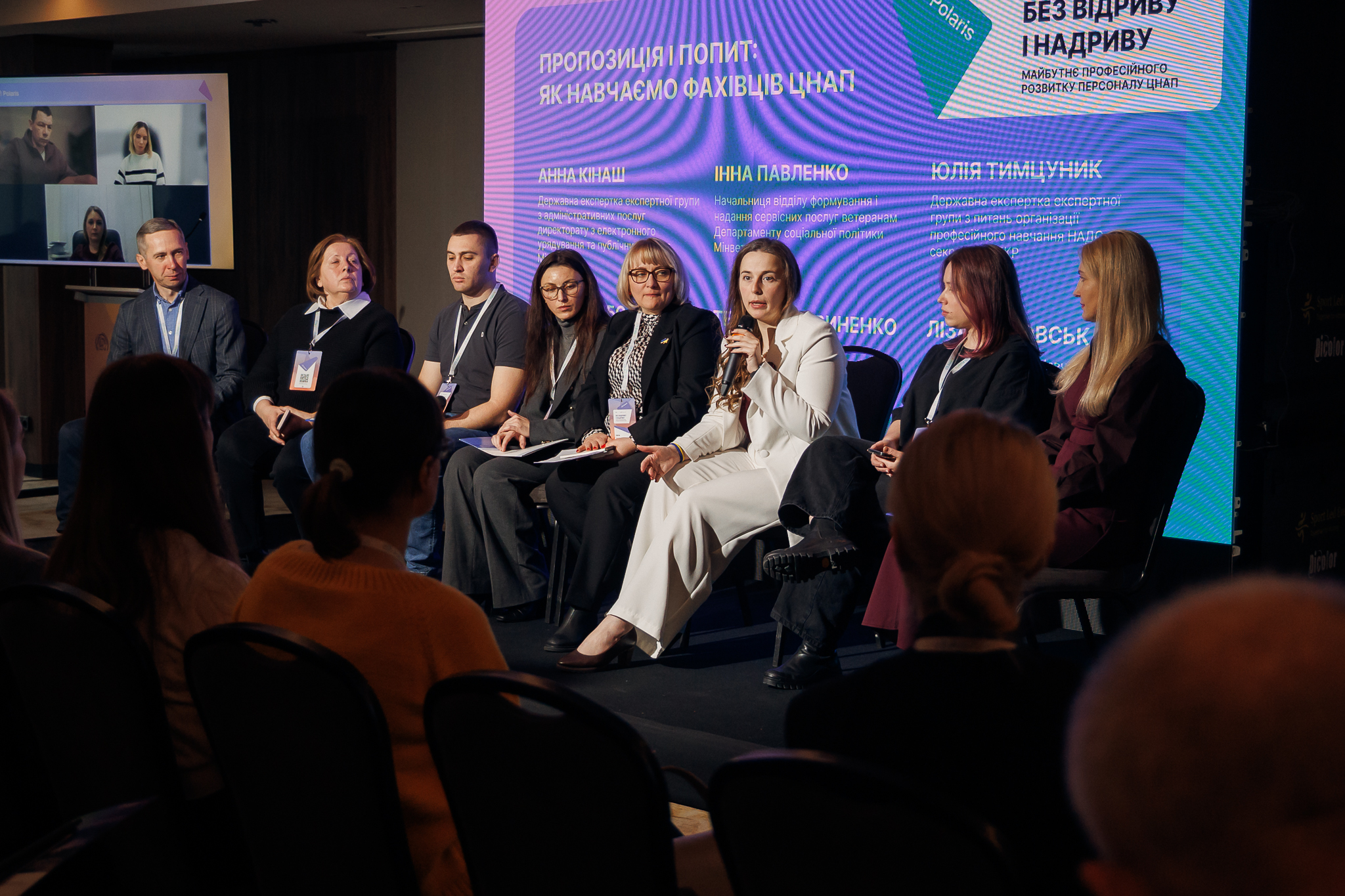
The second panel discussion brought together representatives of state authorities and international projects. Participants discussed the need to update training content, avoid programme duplication, introduce new formats, and establish a sustainable model of state support for professional development. The discussion also focused on the role of ASCs in providing veteran services, and on how these new functions should be reflected in administrator training and support.
In practice, these challenges can be seen clearly in the Skvyra community:
‘Our ASC consists of four departments, covering 42 employees and 25 remote workplaces in all of the community’s starosta districts. These districts are located within the boundaries of the former village councils that have now merged to form our community. Staff development is therefore not a “nice-to-have”, but a critically important part of our work,’ said Serhii Rybak, Head of the ASC of the Skvyra City Council in the Kyiv region.
Practical needs expressed by communities form the basis of new government decisions aimed at ensuring that the training of ASC staff and their day-to-day work are comprehensive, coordinated, and data-driven.
Hanna Kinash, State Expert of the Expert Group on Administrative Services of the Directorate for Electronic Governance and Public Services of the Ministry of Digital Transformation, presented the Concept of an Intelligent System for Monitoring Training Requests (ISMTR) for the ASC. The system automates the collection and analysis of training request submissions via the DIYA Centres platform, providing a centralised digital channel and an intelligent foundation for planning training events.
‘The community of administrators is our key resource and top priority when it comes to ensuring the sustainability of the network of centres. In 2026, we will introduce the ASC’s intelligent assistant, which will offer comprehensive insights into all administrative services and operate based on verified data from the State Services Guide and the current regulatory framework in real time. We are confident that this solution will enable administrators to significantly reduce the risk of errors and cut down on the time spent consulting to obtain services,’ said Hanna Kinash.
The main users of this innovation are ASC administrators, Ministry of Digital Transformation moderators and system administrators. Interactive dashboards enable the real-time tracking of regional statistics and request dynamics. Ultimately, the system generates a knowledge base that supports strategic planning for training and scaling up through regional centres.
Following the panel discussions, participants worked in groups to identify the needs of ASC staff, develop professional growth trajectories, and strike the right balance between offline and online training.
The event provided a platform for practical discussions at a national level about developing ASC staff and creating a comprehensive training system. The recommendations developed will serve as a foundation for future decisions and support from the Polaris Programme, enabling ASC employees to develop professionally without taking time off work or placing an excessive strain on resources.
27 March 2026
Денис Улютін закликав партнерів інвестувати у...
У фокусі уваги – роль територіальних громад у відновленні соціальної сфери, залучення інвестицій у розвиток...
27 March 2026
Мінекономіки залучає міжнародну підтримку для...
Як повідомляє Міністерство економіки, довкілля та сільського господарства України, заступник Міністра Олександр...
27 March 2026
Комітет ВРУ підтримав законопроєкт про...
Комітет Верховної Ради України з питань організації державної влади, місцевого самоврядування, регіонального розвитку...
26 March 2026
Громади шести областей України зможуть отримати...
Агенція регіонального розвитку в Тернопільській області підписала грантовий договір з Міністерством фондів і...