Ministry for Development presents key progress on delineation of powers based on subsidiarity principle at Bucha Forum
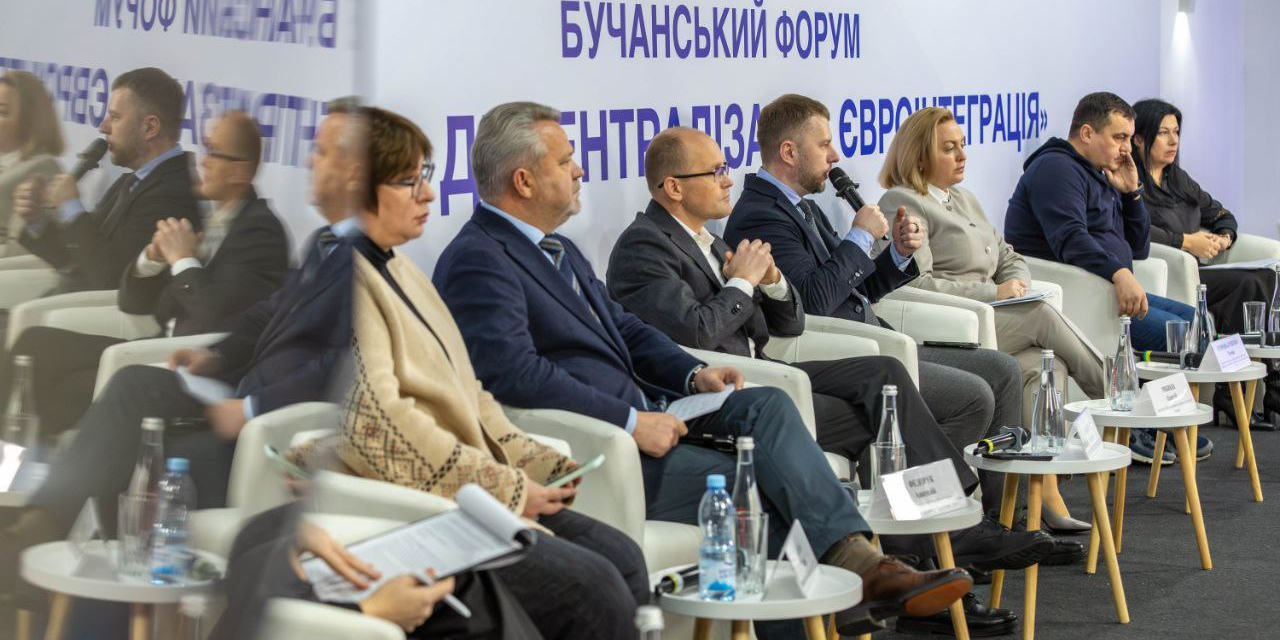
At the annual Bucha Forum ‘Reforms. Decentralisation. European Integration,’ the Ministry for Development of Communities and Territories of Ukraine presented its key progress in months of work on creating a legal framework for the next stage of decentralisation – a clear delineation of powers between local governments and executive authorities. This work, carried out on the principle of subsidiarity, is performed within the scope of Indicator 9.3 of the Ukraine Facility.
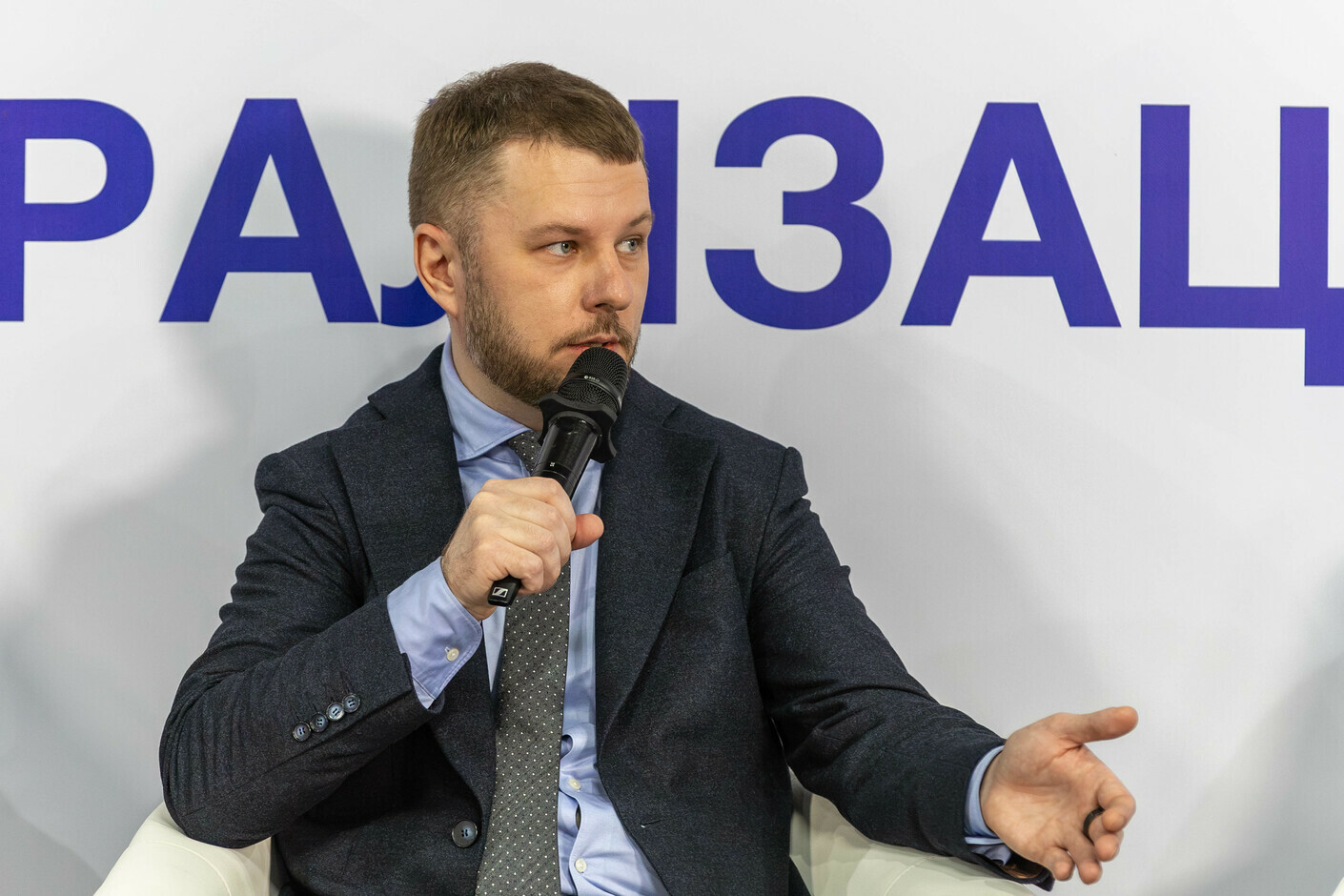
According to Oleksii Riabykin, Deputy Minister, the basic philosophy behind this complex reform is surprisingly simple and people-oriented:
‘When we talk about such complex issues, people always need to know why. Why is all this necessary? The answer is simple. So that people in a community understand who to approach. So they can solve a particular problem. The idea is that people can address their concerns and receive the best possible service or solution to their problem as quickly as possible.’
Inclusive approach and structured work
The Ministry organised a broad working group comprising representatives of relevant Verkhovna Rada committees, key ministries, all-Ukrainian associations of local governments and international partners (the Council of Europe, U-LEAD with Europe, to name a few). The work was structured through thematic subgroups, which held 25 meetings, analysing in detail the delineation of powers in such sectors as education, healthcare, social protection, local finance, civil protection, and others.
Key result: draft framework law
The main result of this collective work was the Draft Law of Ukraine ‘On the Principles of Delineation of Powers between Executive Bodies and Local Governments’.

A detailed overview of the key provisions of the draft law was presented at the Forum by Mykola Rubchak, Director of the Multilevel Governance Department at the Ministry for Development. He emphasised that the aim of the document is to improve the effectiveness of public governance by clearly defining the levels of authority, their competences and, most importantly, the guaranteed resources for the implementation of these powers.
Systemic principles of the proposed reform:
- Fundamental basis: The law is based on European principles, primarily subsidiarity (authority is exercised at the level closest to the citizen) and material and financial consistency.
- Clear classification: A systematic delineation of powers is introduced into own, delegated, joint (contractual) and those belonging to the exclusive competence of the state.
- Key innovation: The law clearly links the type of powers to the mechanisms for their financing, creating a legal basis for stability and transparency, in particular for the implementation of inter-community and infrastructure projects.
Regional perspective: focus on control, accountability and internal clarity

The Forum also featured practical insights from local executive authorities. Viacheslav Nehoda, Head of the Ternopil Regional Military Administration, described the draft law as unique because it lays the conceptual foundations for the entire system. He emphasised two key aspects for its effective implementation:
- Control over delegated powers: The state cannot be a passive observer. Effective mechanisms are needed to monitor and control not only the legality but also the quality of the performance of delegated state functions by local governments.
- Clarity within the executive vertical: Equally important is a transparent delineation of powers between the levels of the executive branch itself (according to the principles of decentralisation) – between regional and district administrations, whose functions are currently often duplicated. This will improve the quality of public services.
Viacheslav Nehoda also emphasised that, under martial law, responsibility for failing to perform state functions must be clearly defined, and the law must set out the appropriate response mechanisms.
Reform amid challenges
The draft law establishes framework procedures that will underpin future systemic changes to sectoral legislation. The successful implementation of the indicator is directly linked to receiving funding under the Ukraine Facility, so this work has a practical impact.
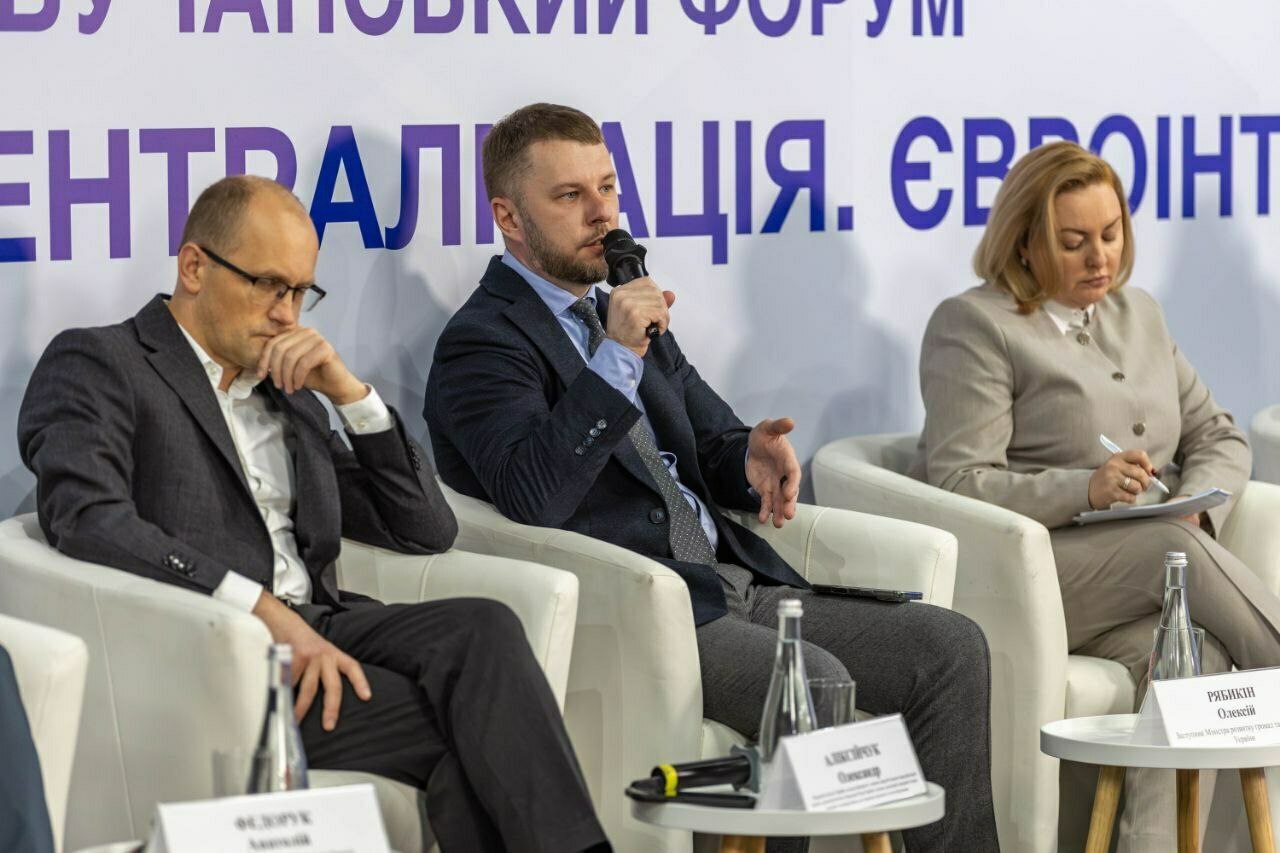
Oleksii Riabykin recalled that this extensive legislative work is taking place in a unique context, which makes the reform particularly important:
‘It is essential that we do not lose sight of the fact that the war is still ongoing. We are carrying out reforms at a time when the country is at war. This is an entirely unique experience that no other country in the world can claim to have.’
The Forum provided a platform for presenting the content of the reform and rethinking its significance for the country. In this context, the assessment of Vira Kozina, National Advisor to the Council of Europe, Centre of Expertise on Multilevel Governance at the Congress of Local and Regional Authorities of the Council of Europe, was very apt.
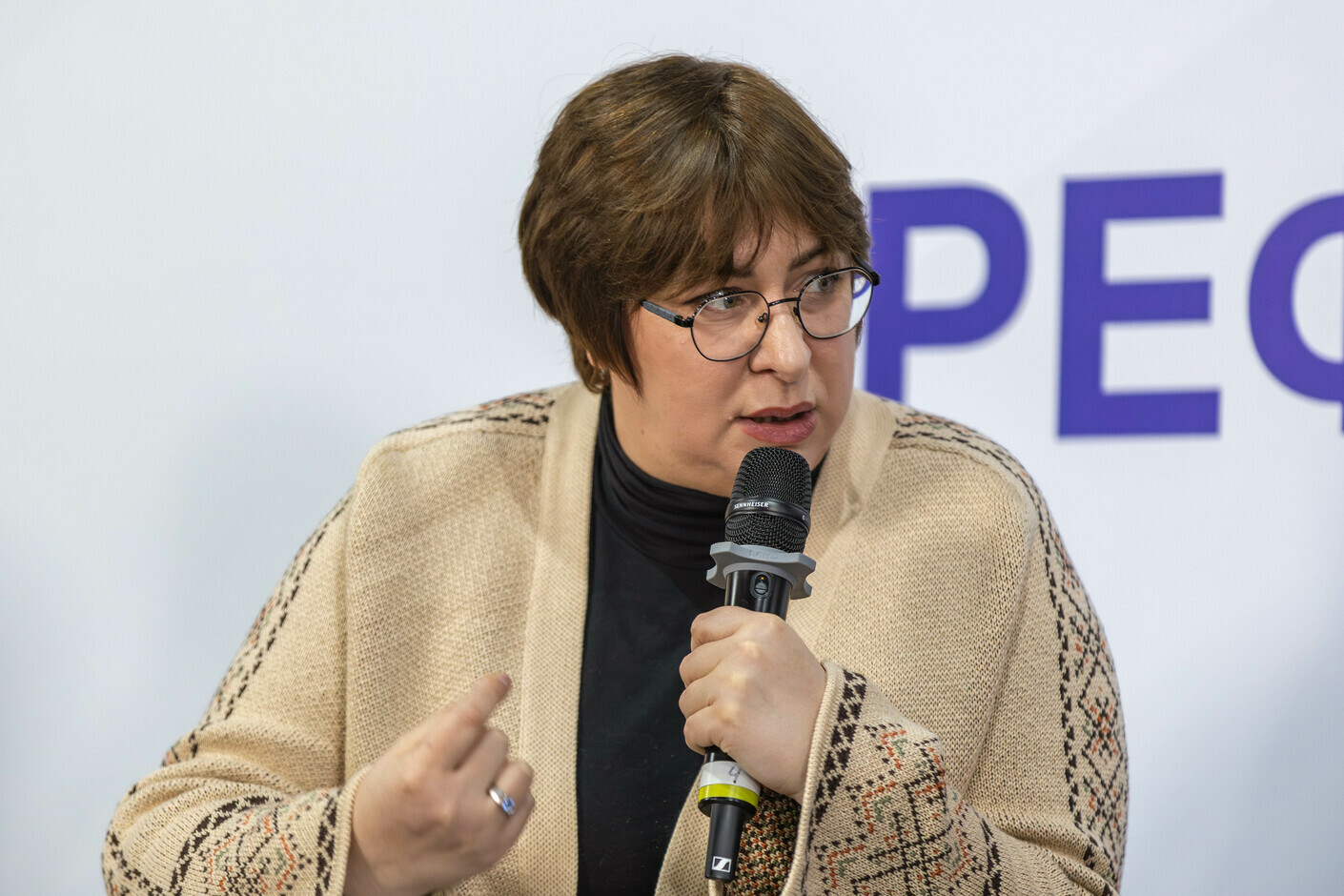
‘Ukraine is making its third attempt to solve a problem that has remained unresolved for the last 30 years of its independence. The draft law we are discussing today is probably the closest we have come to understanding and practically implementing the European Charter of Local Self-Government.
The process of its development is important in itself. It was not prepared just for show or for a tranche, but rather as a result of the hard work of 51 representatives of international organisations, experts, and central government bodies. The key factor was the ‘Strasbourg format’ of dialogue in June 2025, where a political agreement on common values and 'red lines' between levels of authority was reached for the first time at such a high level (deputy ministers and ministers). All parties then referred to this agreement when drafting the text.
Why is this draft law fundamental?
It sets out general rules, not just sectoral delineations. Without such rules, any sectoral changes will be a waste of time.
Key progressive elements of the draft law:
- The principle of subsidiarity is clearly implemented in Ukrainian legislation at the level of law for the first time, backed up by specific mechanisms in seven articles.
- The principle of consultation with local governments has been raised to a fundamentally new level: from now on, consultation is a mandatory condition without which ‘nothing else works’.
- The European Charter of Local Self-Government is explicitly enshrined as a source of law. This makes it possible to use not only the text of the Charter in courts, but also contemporary commentaries, monitoring reports and best practices of the Council of Europe to protect autonomy.
- For the first time at the level of law, local government associations have begun a serious discussion on the implementation of Article 11 of the Charter – on the judicial protection of local self-government rights, which is a historic step.
Where is there room for improvement?
Currently, the draft law does not specify the state’s responsibility for its violation. This provision needs to be refined in committees to prevent, for example, its ‘blocking’ by the Budget Code.
This draft law is not perfect; it is the result of compromises. But for the first time, it clearly delineates the levels of power, establishes criteria, protects autonomy, and provides modern tools for its protection. Ukraine’s third attempt to delineate powers looks the most promising and impressive in terms of its concept.’
The Bucha Forum ‘Reforms. Decentralisation. European integration’ was organised by the Committee on State Administration, Local Self-Government, Regional Development and Urban Planning.
The event was held with the assistance and support of the U-LEAD with Europe, the Swiss-Ukrainian ‘Decentralisation for Improved Democratic Education’ (DECIDE) Project, implemented with the support of Switzerland, the ‘E-Governance for Accountability and Participation’ (EGAP) Programme, implemented by the East Europe Foundation, the Swiss-Ukrainian ‘Ukraine’s Cohesion and Regional Development’ (UCORD) Project, the Swedish-Ukrainian ‘Support for Multilevel Governance in Ukraine’ (Polaris) Programme, the RELEVE Project, implemented by Expertise France, the Congress of Local and Regional Authorities of the Council of Europe, and the DESPRO public organisation.
Source:
Портал "Децентралізація"
19 October 2026
Орієнтир на повернення: як евакуйована Пологівська громада опікується майбутнім своєї молоді
Орієнтир на повернення: як евакуйована...
Місто Пологи, що на Запоріжжі, знає про те, як має відбутися профорієнтація, не із чуток. Пологівська міська...
19 October 2026
IV Всеукраїнський форум Рад ВПО відбудеться 21–22 жовтня у Львові
IV Всеукраїнський форум Рад ВПО відбудеться...
Два дні Форуму об’єднають представниць і представників рад ВПО з усієї країни, органів державної влади та місцевого...
16 October 2026
From budget to services for children: What communities in Lviv region discussed
From budget to services for children: What...
The first part of the budget discussion in Lviv region focused on the financial capacity of communities and the rules...
16 October 2026
PIT, reverse transfer, and community needs:...
In Lviv region, the All-Ukrainian Association of Amalgamated Territorial Communities (AAATC) held a discussion on the...