Communities working together: How agglomerations develop in Ukraine
Agglomerations are gradually emerging as a new form of cooperation between Ukrainian communities. Ukraine is moving towards a European approach to metropolitan governance, in which partnerships, voluntary participation and shared responsibility for territorial development are emphasised.
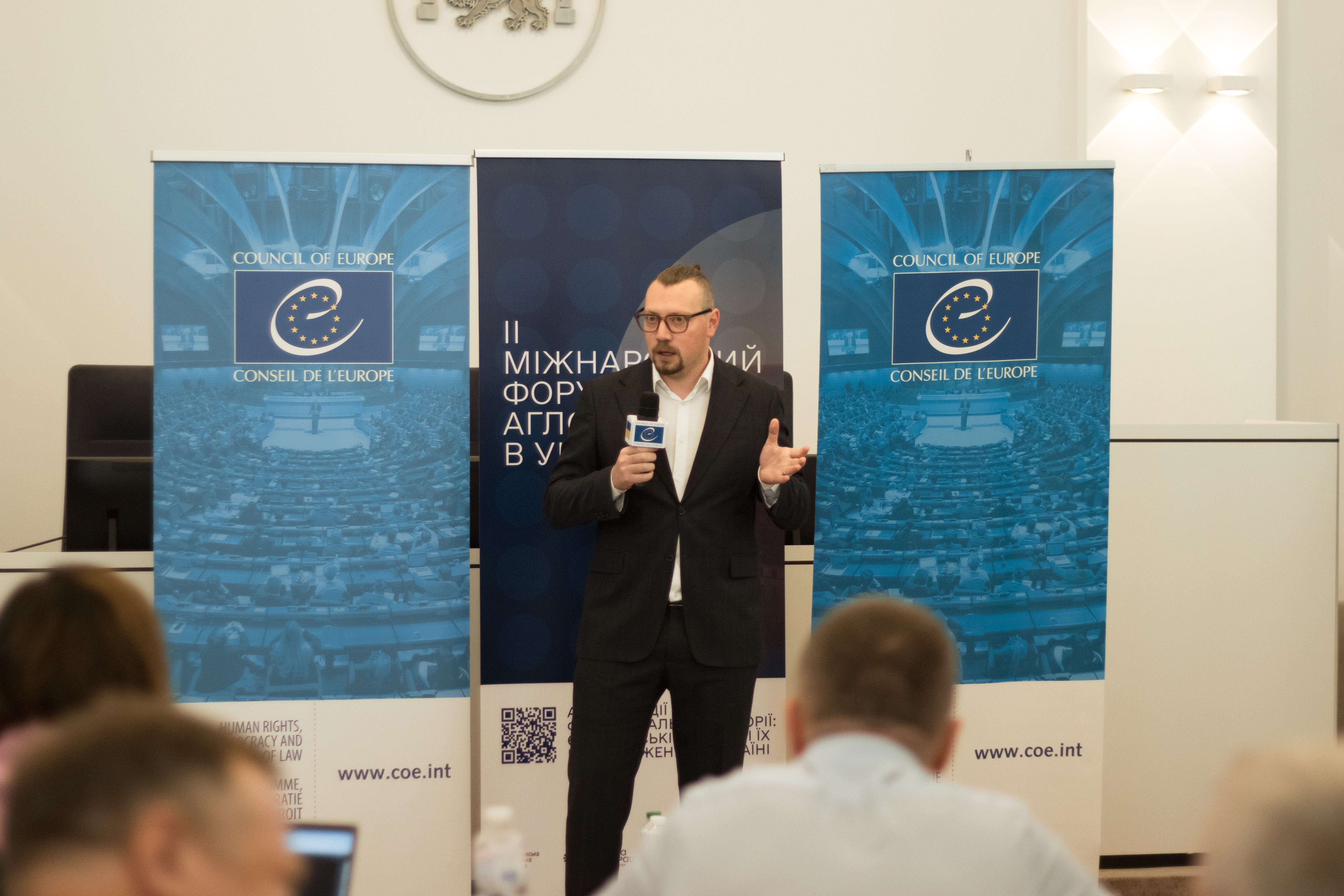
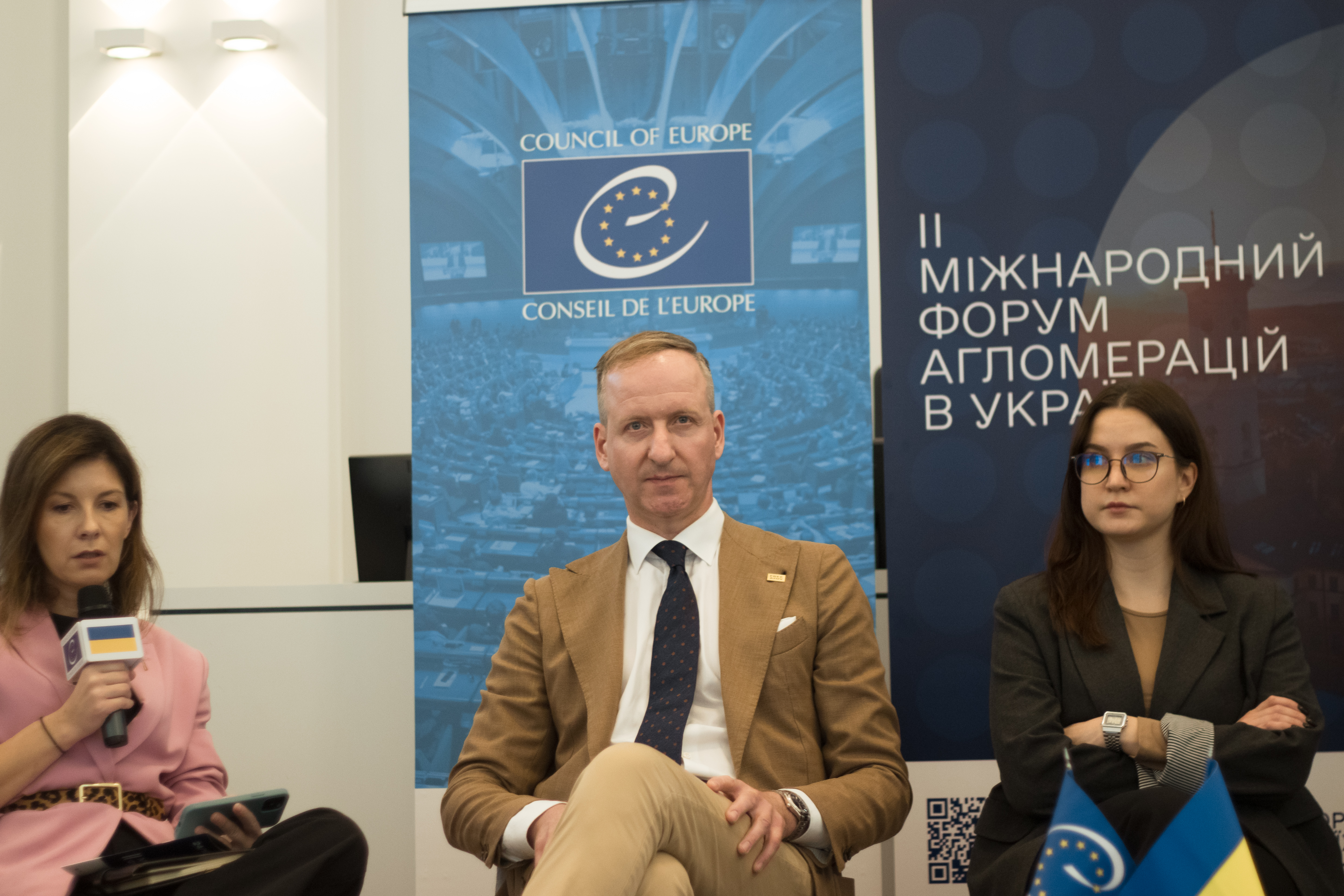
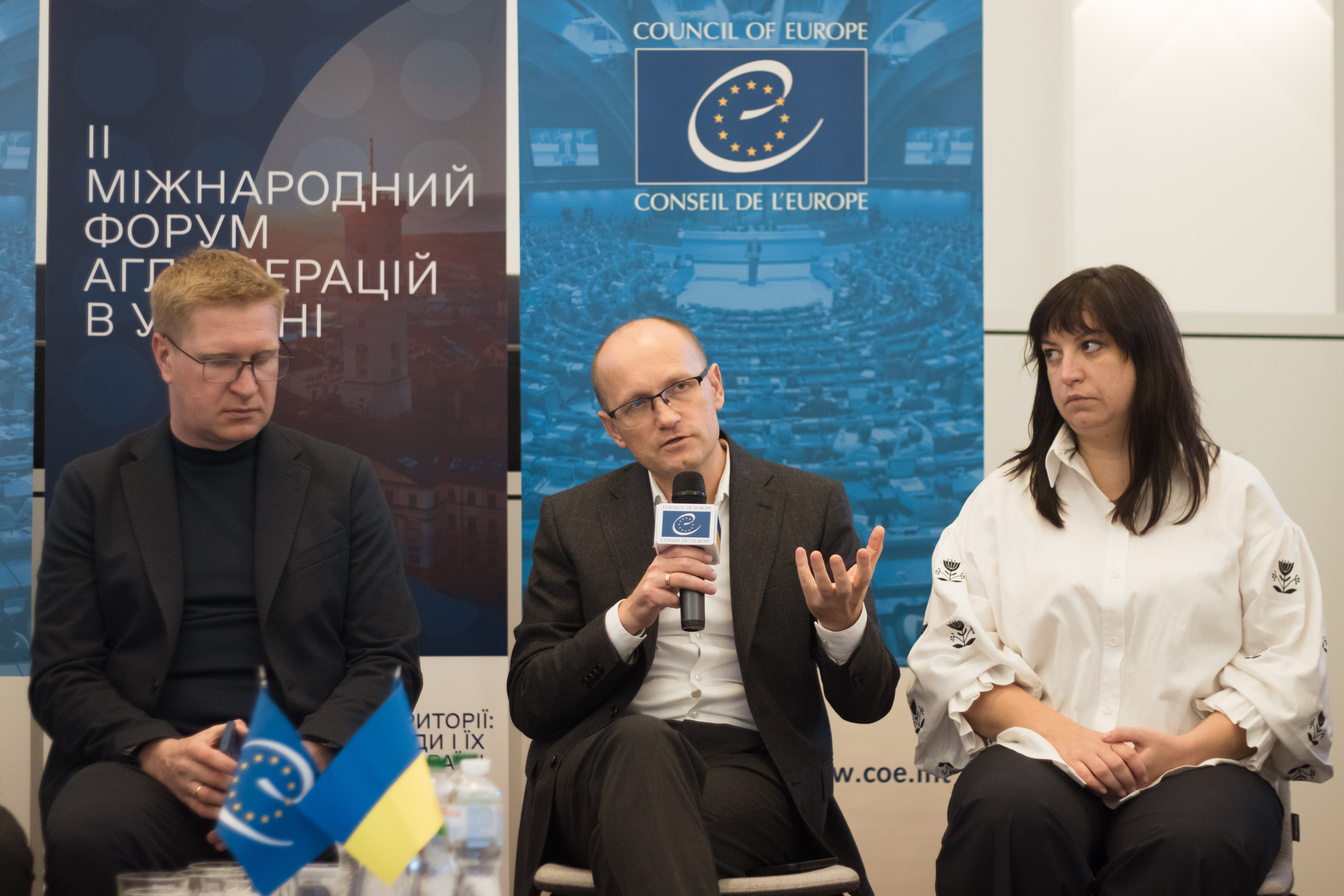
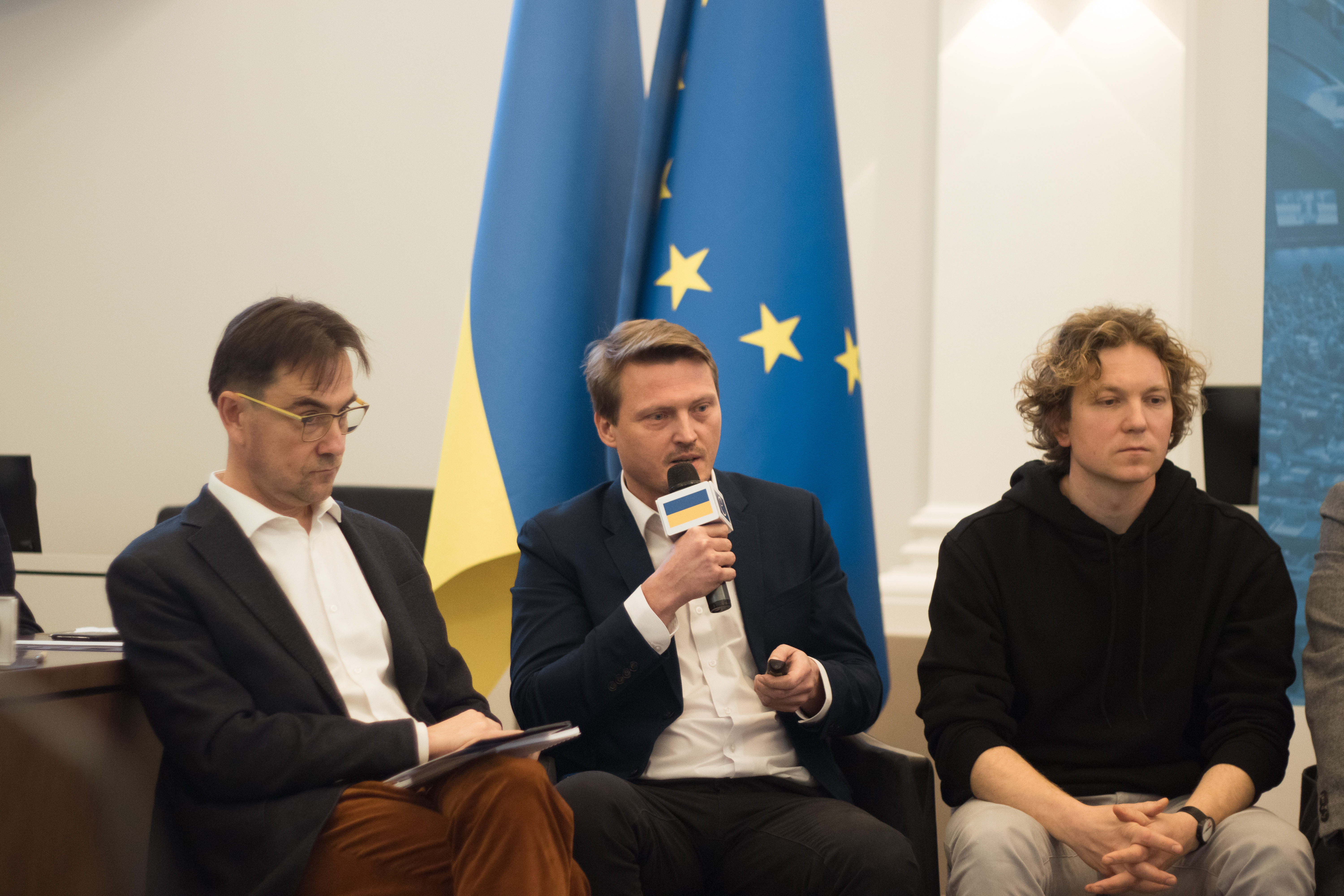
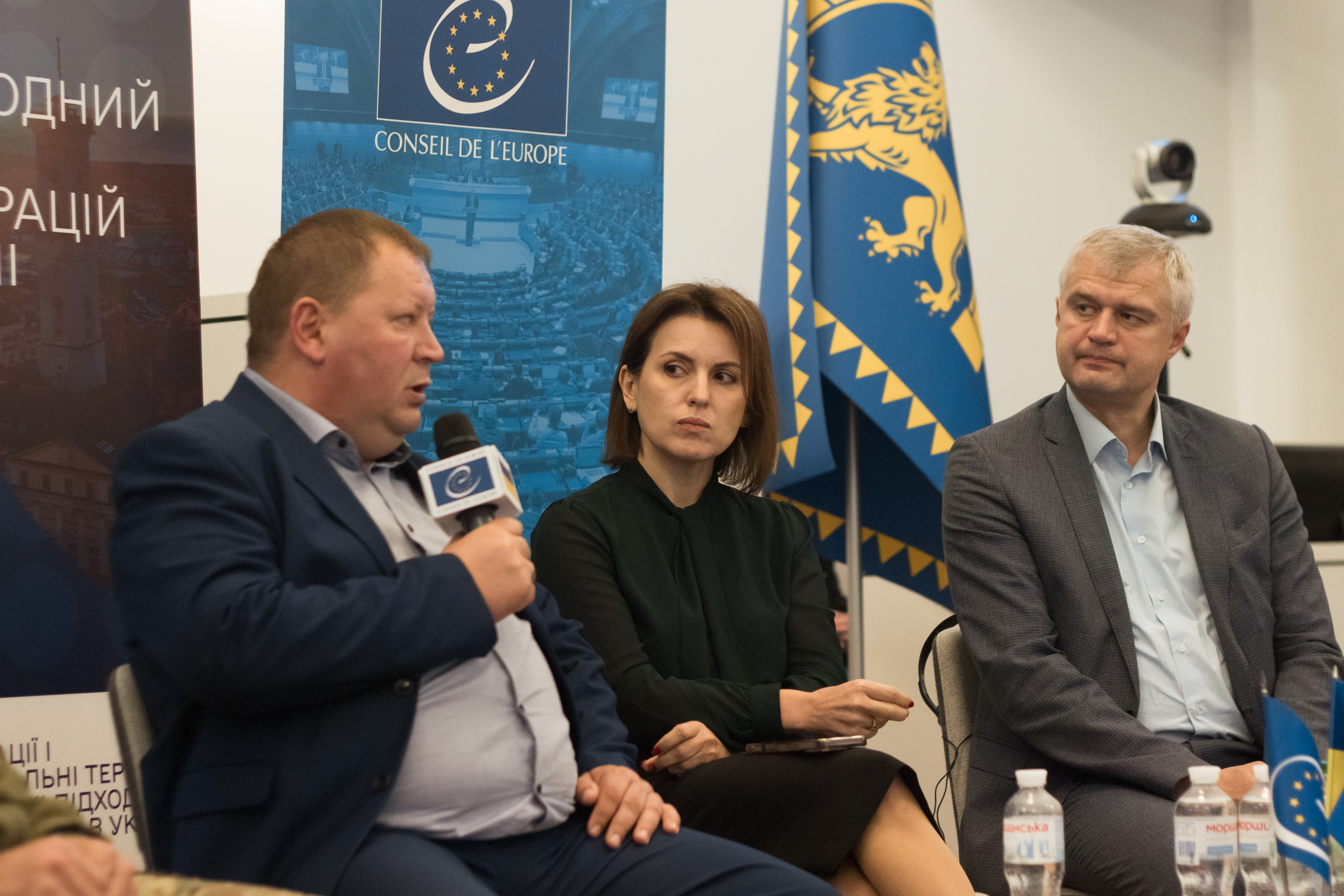
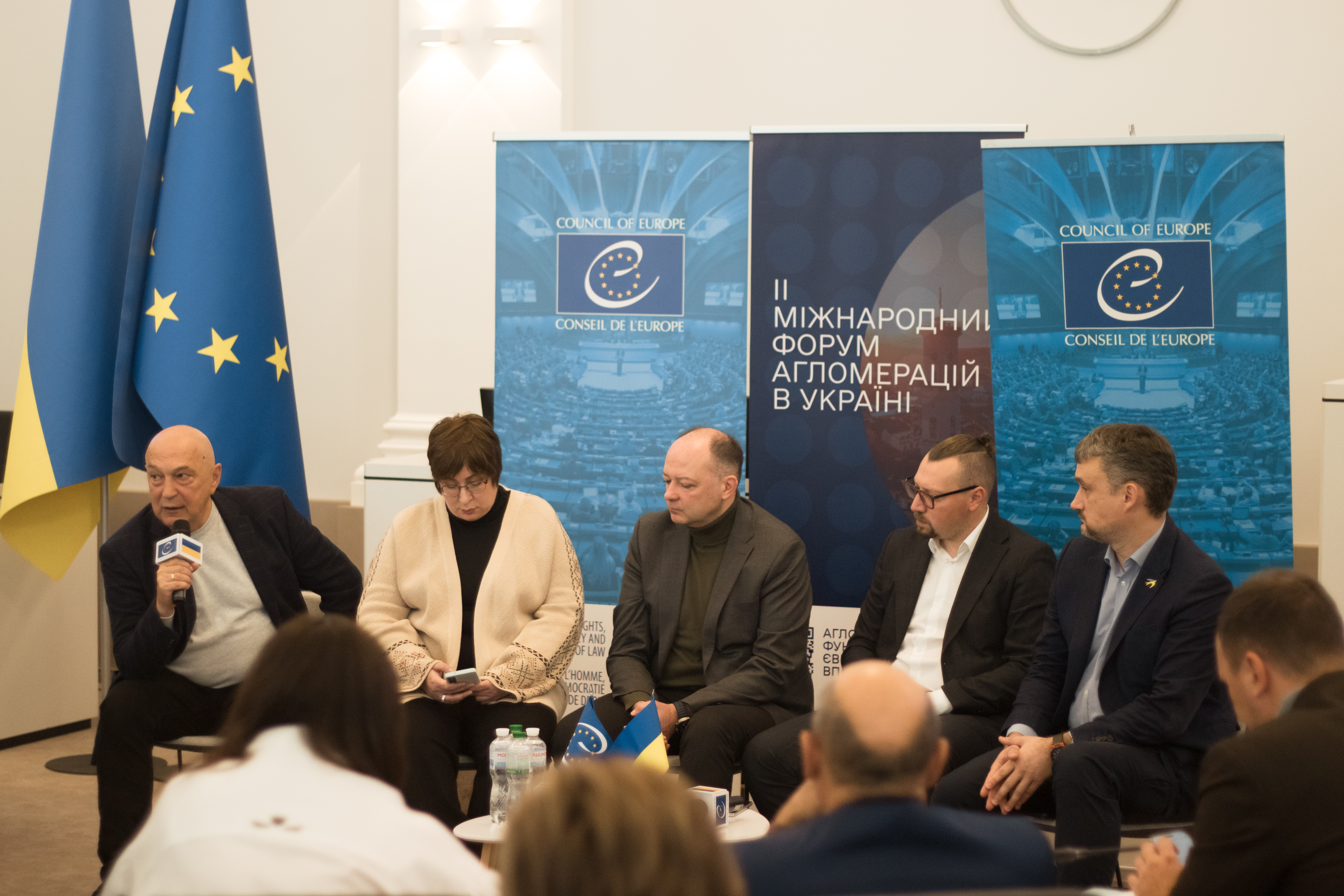
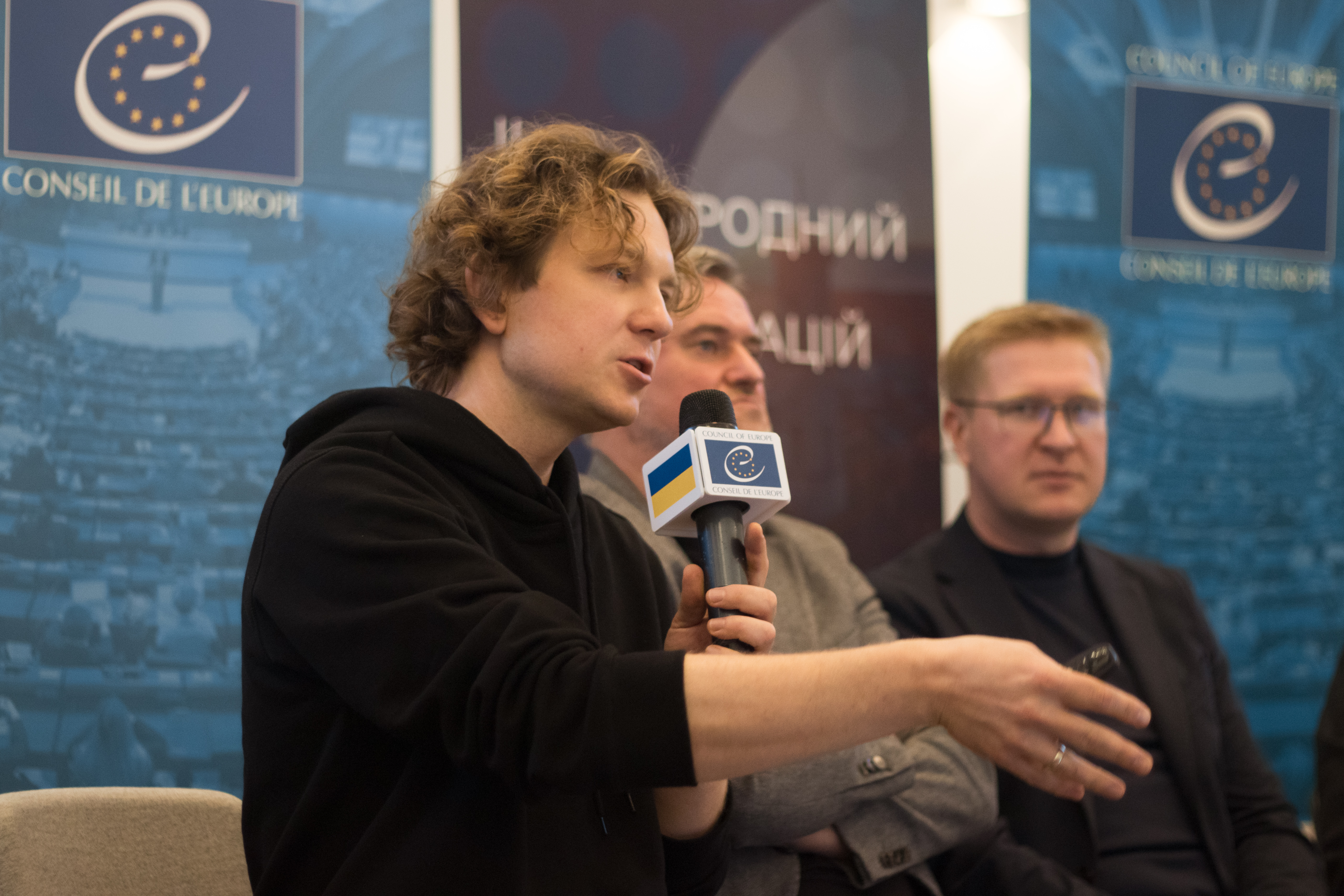
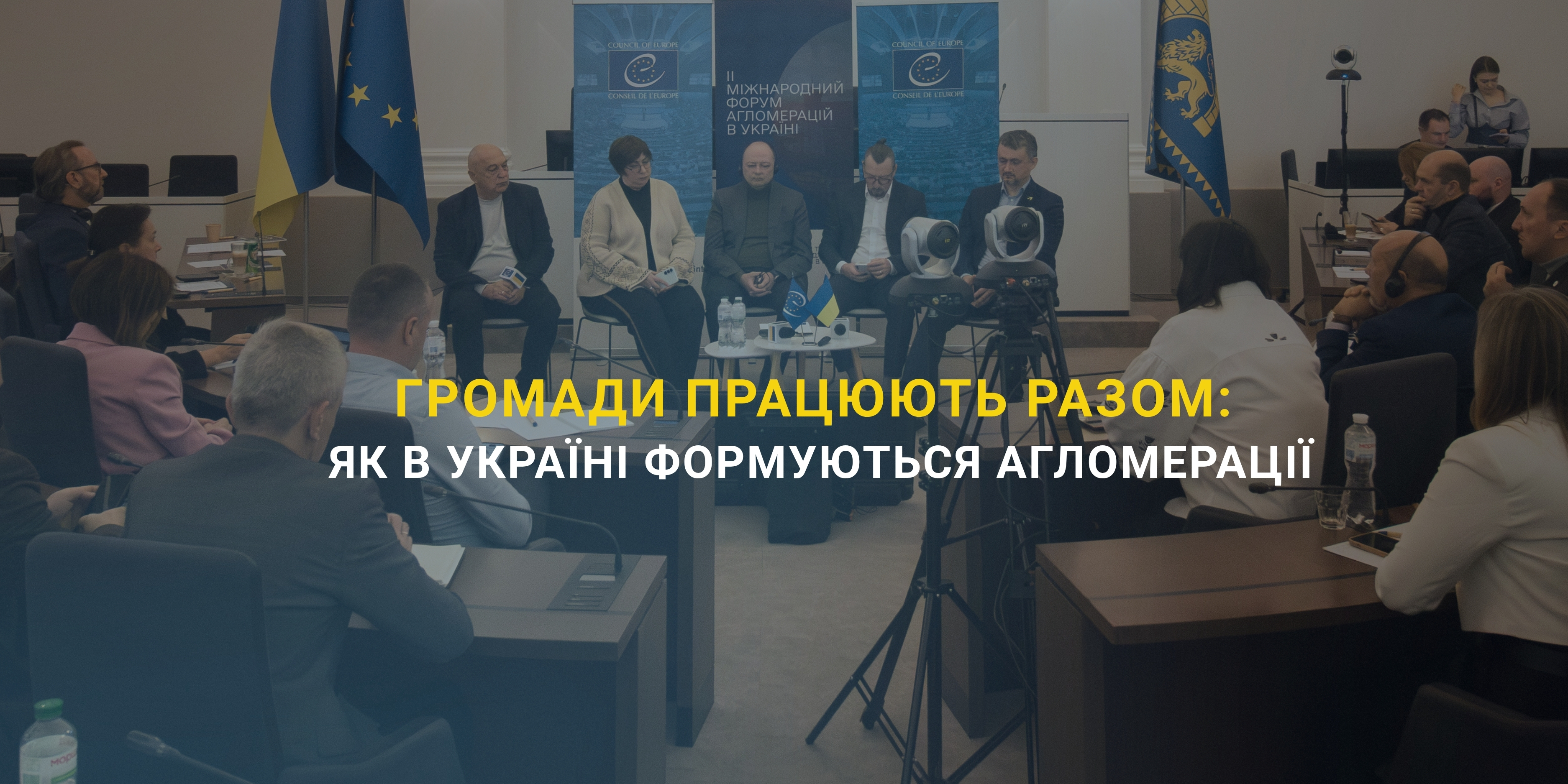
At the end of October 2025, Lviv hosted the Second International Forum of Agglomerations in Ukraine, organised by the Association ‘Lviv Agglomeration’ in cooperation with the Lviv City Council, with the assistance and support of the Council of Europe Project ‘Strengthening multilevel governance and local democracy to support Ukraine’s recovery’. The agglomerations referred to in the document are not currently clearly defined in Ukrainian legislation. In general, however, the term is commonly understood to refer to communities located around large and medium-sized cities that are linked by shared problems and interests, which should encourage cooperation.
However, establishing such cooperation is not easy. The fact that the Forum is becoming an annual event indicates gradual progress in the development of agglomerations in Ukraine and the regulation of their operation. After all, the aim of such regular events is usually to summarise the progress achieved and outline the current directions for further development.
Need to catch up
We say ‘finally’ because we have been trying to address these issues since at least the late 1990s. Thus, the State Building Standards 360-92 ‘Urban Planning. Planning and Development of Urban and Rural Settlements’, approved in 1992, defined the need to take into account ‘the existing network of urban and rural settlements, including agglomerations, both existing and emerging’ when planning the development of the settlement system. Accordingly, some master plans developed in line with these State Building Standards are still in force today and refer to the prospect of forming agglomerations, particularly around large cities. We can also mention the state-initiated programme for the development of Greater Yalta (1998), which provided for the comprehensive development of a resort and recreational region comprising 2 cities, 21 settlements, and 9 villages. Another example is the Irpin state-legal experiment (2001) on the development of local self-government in Irpin, Bucha, Vorzel, Hostomel, and Kotsiubynske in the Kyiv region. There was also an attempt to create the Drohobych agglomeration, which was formalised in the Association of Cities and Territorial Communities ‘Regional Agglomeration Drohobychchyna’ (2003). However, these initiatives remained just that: good intentions. The same can be said for several attempts to pass a law on agglomerations, the first of which took place in 2017.
Ukraine was already behind at that time. After all, attempts to develop agglomerations – more commonly referred to as metropolises or metropolitan areas in most countries – had intensified around the world since the 1950s.

Xavier Estruj Bosch, International Relations Project Officer at the Barcelona Metropolitan Area, spoke at the Forum about the first steps taken to develop the Barcelona metropolitan area in 1953. What prompted the initiators to take these steps? The realisation that neighbouring municipalities are interconnected. ‘People live, work and form cultural connections beyond the boundaries of municipalities. Our rivers flow through different municipalities and the water supply does not stop at their borders. Our citizens do not care who is responsible for the water supply, household waste or urban mobility. All they need is for the bus service to run on time, the water to be clean and the waste management system to function properly. They do not care who manages it. Metropolitan governance is the most effective way to manage services in agglomerations,’ said the guest from Catalonia.
Almost at the same time, in 1957, the non-profit organisation Washington Metropolitan Area Council was founded. Another Forum guest, Chuck Bean, who was its former executive director, described how it came into being. The first three employees recognised that municipalities work better together than separately, and began preparing joint transport and infrastructure development plans.
Starting point: willingness of municipalities to cooperate
In both of these examples, as with examples from other countries that were discussed at the Forum, there was one common starting point: municipalities were willing to cooperate in order to better serve their residents where there was real interdependence between them. While establishing such cooperation has not always been easy, Forum guests emphasised that it is possible even in the absence of a legislative framework to enforce it. Maria Sigroth, Development Manager in the Gothenburg Region (an elected, self-governing district in Sweden), said that their metropolis unites 13 municipalities, and that while there have been many discussions and even conflicts, its members have ultimately learned to find consensus. According to Ms Sigroth, this is more important than the legislative framework, which does not exist in Sweden for such entities. Joint decisions are made in a council that brings together mayors and opposition leaders from all municipalities in the metropolitan area.
Finding common solutions is perhaps even more challenging in the Brno metropolitan area of the Czech Republic, which comprises 184 municipalities. The reason so many municipalities belong to it is that the level of fragmentation of local self-government in the Czech Republic is higher than it was in Ukraine before the 2020 administrative-territorial reform. According to Ondřej Cmoriak, Project Manager of the Department of Strategic Development and Cooperation at Brno Municipality, there is also no relevant legislative framework, and decisions are made by a collegial council comprising not only municipal representatives, but also those from universities, businesses, and public organisations.
Understanding the benefits of cooperation and coordination of efforts in metropolitan areas unites diverse examples such as Gothenburg and Brno, which are at the 'soft' end of the spectrum of metropolitan governance forms presented to Forum participants, with Greater London, which is at the more formalised end of the spectrum. Andrew Boff, Vice-President of the Congress of Local and Regional Authorities of the Council of Europe and a long-standing member of this Assembly, spoke about this metropolis, which is governed by an elected mayor and an Assembly of 25 councillors.
In Ukraine, the lack of comprehensive local self-government has long been the main obstacle to the development of agglomeration cooperation. However, decentralisation and local self-government reform, which began in 2014, as well as the 2020 administrative-territorial reform, have helped to overcome the weaknesses and fragmentation of local self-government. This has laid the groundwork for the development of inter-municipal cooperation, including agglomeration cooperation.
However, international experience shows that in addition to the willingness and ability of local authorities to cooperate in forming agglomerations, state interest also played a key role.
Agglomerations as engines of economic development
All of the Forum guests, who were representing their respective metropolitan areas, spoke of them as powerful economic hubs. Xavier Estruj Bosch emphasised that the Barcelona metropolitan area generates more than half of Catalonia’s GDP. Māris Sprindžuks, Deputy Chairman of the Riga City Council, noted that its metropolitan area accounts for 70 per cent of the country’s economy. Emiel Reiding, Secretary Director of the Metropolitan Region of Amsterdam (MRA), described the region as comprising 300,000 businesses and 1.5 million jobs.
The 2006 resolution of the Congress of Local and Regional Authorities of the Council of Europe was one of the first documents to set out the principles of good metropolitan governance. It says the following about the role of metropolitan areas as engines of economic growth: ‘All over Europe, metropolitan areas are the centres of economic, political and cultural life. They are places for the mobilisation, con centration and canalisation of creativity. This creative energy results in technical and cultural innovations, new businesses and services, as well as in the change of societal values and standards… Metropolitan areas constitute the “knots in the global net”, where the interlinkages of the network economies meet. Economic and political management concentrate in metro politan areas; cultural as well as most product and process innovations find their starting point here.’
This is why many countries consider the development of metropolitan areas to be of national importance. For instance, the Regional Development Strategy of the Czech Republic 2021+ aims to develop the international competitiveness of the country’s three largest metropolitan areas: Prague, Brno and Ostrava. A notable example of EU-level support for such entities is the Integrated Territorial Investment programme, to which member states were required to allocate 5 per cent of European Regional Development Fund resources in the period 2014–2020 and 8 per cent in the period 2021–2027. This incentive has helped solve important infrastructure problems in metropolitan areas and achieve inter-municipal understanding, which, as noted above, is not always easy.
For Ukraine, understanding the national interest in the development of agglomerations is also important. Prominent experts such as Yevhen Hlibovytskyi, Yaroslav Hrytsak and Ella Libanova argue that agglomerations around major cities will play a key role in post-war reconstruction. While it is currently challenging to estimate the proportion of the national GDP that will be generated by agglomerations, we can compare this to the 60–70 per cent of the EU’s GDP generated in metropolitan regions. Therefore, by investing a proportion of its available resources in these ‘engines of economic growth’, the state can expect a multiplier effect and the creation of additional resources that can be redistributed to areas most affected by Russian aggression and in need of support.
Back to inter-municipal cooperation and standards of good metropolitan governance
Every country is seeking to address the challenge of balancing the interests of the state and municipalities in agglomerations while ensuring effective coordination and not compromising the fundamental principles of local self-government: subsidiarity, participation, and transparency. As we have seen, there are many differences in how metropolitan areas are structured in different countries.
The Council of Europe has focused on these issues for many years. The Council develops and promotes standards of good democratic governance, and its Congress ensures the implementation of the provisions of the European Charter of Local Self-Government. In its documents on good metropolitan governance, the Congress emphasises compliance with these basic principles and recognises that the path to achieving this may vary: ‘There is no common metropolitan governance model, either across Europe or even within individual countries. One size does not fit all. However, the principles of subsidiarity and political accountability remain as important as ever, and need to be kept in mind and put into practice if we are not to see a rolling back of local democracy under the guise of the need of stronger, more effective forms of decision-making. In this area, metropolitan areas can and in many cases are acting as a crucible for experimentation and innovation with new forms of citizen participation, involving new and increasingly loose forms of governance.’
High-ranking officials from the Council of Europe and the Forum discussed the fact that establishing such a system of governance in metropolitan areas requires finding the optimal solution for each country. Andrew Boff, mentioned earlier in this article, noted that the metropolitan governance system in Greater London is an experiment, ‘This system has been in place for 25 years, but we are still learning and changing, and we will continue to do so. We are evolving throughout Europe. So, I do not think that the model we have is the one that suits you. You have to create your own.’
Daniel Popescu, Head of Department of Promoting Local Democracy, Congress of Local and Regional Authorities of the Council of Europe, also supported this position, ‘Here at the Council of Europe, we do not have very strict standards regarding the form of metropolitan governance that you must follow. What matters is what is best for your residents. We are not only helping you; we are also learning from you in this process.’
Flexibility in choosing the form of metropolitan governance is necessary precisely in order to determine, on the basis of multilevel governance, what role the state should play in the development of agglomerations, what role the regional level should play, how communities should cooperate, how to optimally distribute powers, and how to best ensure the democratic participation of citizens in joint decision-making. Forums such as the one in Lviv are therefore important, as they provide an opportunity to learn about different approaches and discuss how they can be applied in our context.
Progress on the way to the development of Ukrainian agglomerations
As of today, Ukraine can draw on its own experience when it comes to developing agglomerations. At least two Ukrainian agglomerations have already been formalised as local government associations (LGAs): Kyiv and Lviv.
The development of the first agglomeration is complicated by the fact that Kyiv is the capital of Ukraine and has special status, while the surrounding communities belong to the Kyiv region, which has its own administration. When the full-scale invasion began, these communities bore the brunt of the attack and defended the capital. According to Oksana Bondarets, Executive Director of the Association ‘Kyiv Agglomeration’, Kyiv provided the 10 affected communities with direct financial assistance totalling UAH 255 million to aid their recovery.
The Lviv agglomeration began with the formation of a common strategy and a package of strategic projects, rather than institutional formalisation. Following the registration of the Association in 2024, the executive directorate focused on attracting grant assistance. Today, its portfolio includes two Interreg Europe projects on mobility development, the Sponge project aimed at restoring peatland ecosystems with the support of the International Network for Basin Organisations, and a project to develop the Lviv logistics hub linked to the construction of European ‘narrow’ standard railways, supported by the Ukraine-Moldova American Enterprise Fund.
The Council of Europe has contributed to establishing the Lviv agglomeration and developing its strategy. It has also recently supported the development of a common strategy for agglomeration communities in the field of solid waste management. As part of its Project ‘Strengthening multilevel governance and local democracy to support Ukraine’s recovery’, representatives of Kyiv and other potential agglomerations visited Lviv the day before the Forum to learn how the Lviv agglomeration functions, how decisions are made, and the benefits that its communities see from cooperation. Representatives from the Dnipropetrovsk, Ivano-Frankivsk, Kyiv, Odesa, Rivne, and Kharkiv regions were also among the guests. The experience of the Lviv agglomeration was presented during this visit and at the Forum panels by Andrii Sadovyi, Mayor of Lviv and Chairman of the Association, Volodymyr Remeniak, Mayor of Horodok and Co-Chairman of the Association, Roman Kizyma, Executive Director of the Association, and other mayors and representatives of the agglomeration communities.
The Lviv agglomeration’s know-how, which attracted the interest of representatives of other potential agglomerations, included the institution of co-chairs, the principle of double majority in decision-making (whereby decisions require the support of the majority of communities and must also represent the majority of the agglomeration’s population), and sectoral thematic committees where experience is exchanged and areas of cooperation are discussed. In general, the subordination of the association's activities to the previously defined goals of its strategy was also of interest.
The associations in question currently serve primarily as communication and coordination platforms for community efforts. They have no budget other than membership fees and grant funds. However, they demonstrate that it is possible to take the first steps towards establishing agglomeration cooperation within the framework of current legislation. Agreements reached by community representatives can currently be implemented under the Law of Ukraine ‘On Cooperation of Territorial Communities’ – the first agreement between Lviv and an agglomeration community has already been finalised, and preparations for a second agreement are almost complete.
These initial examples of agglomeration cooperation may soon be joined by more. A study conducted with the support of the Council of Europe at the end of 2024 confirmed the prospects for the formation of the Odesa agglomeration. At the Forum, Ruslan Martsinkiv, Mayor of Ivano-Frankivsk, informed participants that 15 communities, including Ivano-Frankivsk, had already decided to establish the Association of Local Governments 'Ivano-Frankivsk Agglomeration', expected to launch in early 2026.
However, the existing regulatory and institutional framework for the development of agglomerations does not fully meet the needs of representatives of existing and potential agglomerations. They expect the state to define the rules more clearly and provide incentives. All of this is reflected in the resolution adopted at the end of the Forum, which outlines the prospects for the future. Before we discuss this, however, there is another important concept for regulating the functioning of agglomerations, and for aligning Ukrainian regional policy with EU cohesion policy: functional areas. The Forum organisers included it in the wording of the key theme to emphasise its importance: ‘Agglomerations and functional areas: European approaches and their implementation in Ukraine’.
Why to introduce the concept of functional arears into Ukrainian legislation?
At events where the development prospects of agglomerations are discussed, representatives of smaller communities that are not neighbours of large cities sometimes express disappointment that these issues supposedly do not concern them. In reality, this is not the case; joint problem-solving with neighbouring communities is also relevant to them. In this sense, they are similar to agglomerations in many ways. The concept of functional areas has become widespread in the regional policies of the EU and the OECD, reflecting the fact that inter-municipal functional links are developing faster than administrative boundaries are changing. The basis for defining these areas is the resolution of the Council of Europe Conference of Ministers responsible for Spatial Planning (CEMAT): ‘A functional area is a cohesive territory that operates politically and/or socially and/or economically as a whole or as a system. Therefore, a functional area is defined by a structure of interactions that occurs in several territorial administrative units that work together and are linked e.g. by transportation, communications, economic activities or natural conditions.’
This concept does not exist in Ukrainian legislation. Unlike the more familiar concept of functional types of areas, this definition emphasises the similarity and territorial connection of these types of territory, rather than merely their shared features.
Agglomerations, also known as functional urban areas, are just one example of such places. However, they are far from the only ones. A functional area can be formed by a group of communities in a mountainous area, each of which has a lower chance of achieving full development if they act alone rather than joining forces and implementing joint projects. It is equally important to combine the efforts of interdependent communities in former coal regions to ensure their successful transformation. These issues were discussed at a separate panel at the Forum, with speeches given by Andrii Deliatynchuk, Head of the Yasynia Settlement Council, and Halyna Lytvyn, Head of the Power4JustTransition project component, GIZ Ukraine.
In fact, adopting an approach based on functional areas is crucial for Ukraine’s future development. Cooperation between communities in these areas can lead to more effective solutions to shared problems and strengthen weaker communities. This is not charity; today, it provides jobs for people within a radius of 30–50 km or more when it comes to any more or less serious business. As well as a shared labour market, people in these areas are connected by access to administrative and medical services, cultural activities, and even family ties. People from cities also often seek to live in more comfortable private housing with better access to nature.
To prevent depopulation and desertification, as well as the growth of intra-regional disparities, we must promote the development of interconnected areas – the basis of the concept of regional growth poles. Stepan Kuibida, First Deputy Head of the Ternopil Regional State Administration and former Director of the Economic Policy Department of the Lviv Regional State Administration, spoke about the launch of a pilot project for this approach in the Ternopil region with the support of the Ukraine Moldova American Enterprise Fund. He was actively involved in establishing inter-municipal ties in the Lviv agglomeration in his previous role. He believes that the role of regional authorities is to create platforms and facilitate communication between communities to enable such cooperation to be established.
The idea of cooperation between communities within functional areas is particularly important for those on the front line, i.e. communities close to the border with an aggressive neighbour. Viacheslav Bilkovskyi, Kherson City Councillor and current serviceman in the Armed Forces of Ukraine, said that such regions require ‘security agglomerations’ of communities linked by issues of survival, logistics, and joint socio-economic development solutions. The development of cooperation models in safer regions is intended to facilitate their subsequent implementation in territories that currently play a more significant role in deterring the enemy. Māris Sprindžuks, Deputy Chairman of the Riga City Council, also highlighted security as one of the new areas of agglomeration cooperation that Russian aggression against Ukraine has forced them to consider.
Thus, the concept of functional areas treats agglomerations as equal to other types of area. The development of these areas also requires joint planning, the definition of models for the distribution of powers and decision-making, and state incentives. European cohesion policy largely focuses on developing such areas, which do not always coincide with administrative-territorial units but are real living spaces for their inhabitants.
To effectively develop such ‘soft’ spaces, it is necessary to use different, perhaps less familiar, planning tools – various integrated concepts and strategies – which were discussed in particular by Anton Kolomieitsev, Director of the Department of Architecture and Spatial Development at Lviv City Council and Lviv’s Chief Architect. He titled his presentation ‘Absolute Agglomeration’, encapsulating the paradox we face with agglomerations and broader functional areas. ‘The Latin word “absolvere” means “to separate”. An agglomeration means bringing together. Absolute agglomeration is both separation and bringing together at the same time.’
The paradoxical nature of agglomerations means that all interested parties – including smaller and larger communities, as well as representatives of local, regional and national authorities, businesses and the public – must work together to find the best solutions. This idea is reflected in the motto of the Lviv agglomeration: ‘Uniting for opportunities’.
Summary of the Forum: Prospects for the development of agglomerations in Ukraine
The Lviv Forum evolved into a platform for exchanging experiences and discussing potential strategies for developing functional areas and agglomerations in Ukraine. Its participants summarised what has already been achieved in Ukraine and discussed the next steps. In terms of progress achieved since the previous Forum, in addition to steps already taken by the Associations of the Lviv and Kyiv Agglomerations, as well as new initiatives to launch similar processes in Ivano-Frankivsk, Odesa, and Rivne, it is worth noting that amendments to the Law of Ukraine ‘On Cooperation of Territorial Communities’ define agglomeration formation as a new, sixth form of inter-municipal cooperation, with the prospect of regulating their functioning by a separate law. As part of the update to regional strategies following the revision of the State Strategy for Regional Development, a number of regions have outlined their objectives for developing agglomerations to varying degrees. As part of its preparations for screening, Ukraine has declared its intention to introduce the concept of functional areas into its legislation as it is used in EU cohesion policy.
Commenting on this progress, Vitalii Bezgin, Ukrainian MP and Chairman of the Subcommittee on Administrative-Territorial Structure and Local Self-Government of the Verkhovna Rada Committee on Organisation of State Power, Local Self-Government, Regional Development and Urban Planning, noted that we must move more quickly. He believes that developing agglomerations is crucial for Ukraine’s future, both in terms of security and the economy. In particular, it will help to prevent further brain drain abroad, ‘I am convinced that agglomerations are one of the potential sources of economic growth after the war. That is why we need decisions that not only recognise their existence in law, but also provide clear incentives for their development.’
Notably, this year’s Forum brought together a significant number of legislators, among whom discussions on the prospects for the development of agglomerations in Ukraine seemed entirely appropriate. Among its participants were also Ukrainian MPs Oleksandr Aliksiichuk, Oleh Dunda, Viacheslav Rubliov, as well as Mykola Rubchak, Director of the Department of Multilevel Governance of the Ministry for Development of Communities and Territories of Ukraine.
They all agreed that it was time to address the issue of how they function in the context of the ongoing decentralisation reform. ‘Today, we have the most successful decentralisation reform in Ukraine. The next step is to create conditions that are comfortable and appropriate for inter-municipal cooperation and cooperation between large cities and the communities that surround them through legislative regulation. Agglomerations, which operate all over the world, can precisely become the tool in Ukraine that establishes a comfortable living environment around large cities, regardless of whether people live in the regional centre or in surrounding communities,’ said Oleksandr Aliksiichuk.
Another point on which they agreed was that incentives from the state are needed to encourage inter-municipal cooperation, particularly agglomeration cooperation. ‘Agglomerations are voluntary associations that strengthen communities. However, for these voluntary associations to exist, there must be economic incentives from the state,’ said Viacheslav Rubliov.
However, implementing these intentions requires elaborating on many details, such as how to define agglomeration boundaries, which agglomeration and functional area typologies to introduce, which powers to ‘raise’ to the inter-municipal level, and how to simplify cooperation between communities in agglomerations and other functional areas. With regard to incentive mechanisms, various options have been discussed, such as providing separate funds for different types of functional areas within the State Fund for Regional Development (SFRD), directing part of the reverse subsidy towards inter-municipal projects in functional areas, or allocating an additional percentage of taxes collected in agglomeration areas to the agglomeration itself, as is the case in some Polish agglomerations. Perhaps, as in Poland and some other countries, Ukraine should introduce several agglomeration options simultaneously. Oleh Dunda expressed this opinion: ‘We have the potential to be one of the largest countries in Europe in economic terms in the future. Therefore, I assume that we may have several rules for creating agglomerations depending on their regional affiliation.’
As a result, most Forum participants agreed that it would be best to start with a legal experiment involving one or more agglomerations. This was reflected in the Forum resolution, which was initiated by Andrii Sadovyi, Mayor of Lviv and Head of the Lviv Agglomeration. In order to prepare national-level legislation, it would be worthwhile revisiting all the problematic issues and options for their resolution. A good place to start would be the preparation of a Green Paper on the development of agglomerations and functional areas in Ukraine, which is often the starting point for the rule-making process in EU countries
Let us hope that, at next year’s Forum, such a book and the initial results of the legal experiment will be presented.
This material was produced within the Council of Europe Action Plan for Ukraine ‘Resilience, Recovery and Reconstruction’ for 2023–2026 and the project ‘Strengthening multilevel governance and local democracy to support Ukraine’s recovery’, implemented by the Centre of Expertise for Multilevel Governance at the Congress of Local and Regional Authorities of the Council of Europe.
Read more about the events and community cooperation here:
- ‘Agglomeration is not politics, but a tool to strengthen communities’
- ‘Trust, Scale, and Shared Vision: Lessons from U.S. Metropolitan Planning for Ukraine’
- ‘Even under shelling, we think about development. Agglomeration is our chance’
- ‘Agglomeration is a tool that will help communities develop shared services’
- ‘The support of the Council of Europe gives communities the confidence to act’
Myroslav Kosheliuk, Consultant of the Council of Europe




04 December 2025
Багаторівневе врядування на практиці: підсумки регіонального форуму Polaris
Багаторівневе врядування на практиці: підсумки...
3 грудня у Полтаві відбувся регіональний форум Програми Polaris «Розбудова системи багаторівневого врядування» –...
04 December 2025
15 грудня - круглий стіл «Громада як юридична...
Центр політико-правових реформ запрошує взяти участь у дискусіях на круглому столі «Громада як юридична особа...
04 December 2025
Мінфін у листопаді забезпечив перерахування з...
У листопаді 2025 року Мінфін згідно з бюджетним законодавством забезпечив перерахування міжбюджетних трансфертів до...
03 December 2025
Вакансія: Місцеві експерти з планування управління відходами (WM4U)
Вакансія: Місцеві експерти з планування...
Програма WM4U оголошує відбір двох експертів з планування у сфері управління відходами для роботи з кластерами...