Call for proposals launches for joint EIB-funded programmes to rebuild Ukraine
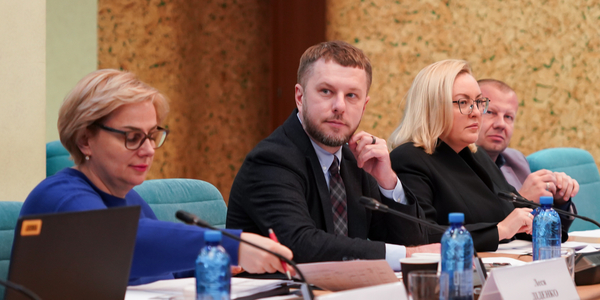
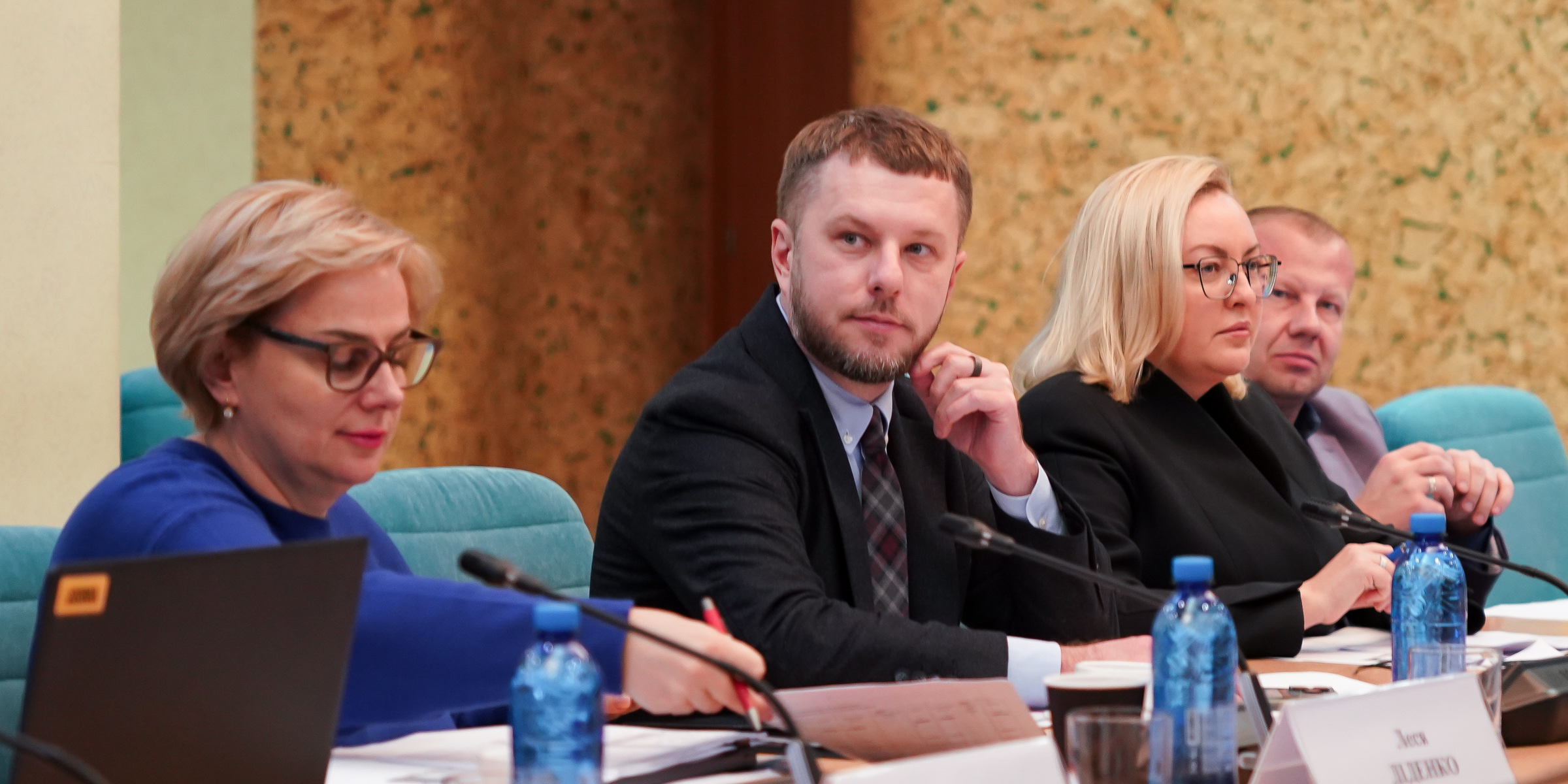
The Expert Working Group held a meeting to discuss the initiation, preparation, support, and implementation of joint projects with the European Investment Bank within the framework of the Emergency Credit Programme for Ukraine’s Recovery, the Ukraine Recovery Programme, and the Ukraine Recovery Programme III. The meeting was chaired by Oleksii Riabykin, Deputy Minister for Development of Communities and Territories.
Representatives of the Ministry of Finance of Ukraine, the Ministry of Education, the Ministry of Health, all-Ukrainian associations of local governments, the public sector and communities also joined the meeting.
At the inaugural meeting, the principles of a territory-oriented approach and the project selection procedure were approved. In particular, frontline regions will receive priority support, accounting for half of the available budget.

Between 11 and 30 September, communities were invited to submit proposals for funding restoration and development projects. A total of 677 applications were submitted, with a combined value of UAH 24.2 billion.
Approximately one-third of the applications, totalling UAH 8.6 billion, relate to heating, water supply, wastewater disposal and distributed generation networks. Over 120 applications were submitted for the construction of medical facilities, equating to UAH 6.8 billion, and almost 140 applications were submitted for the construction of bomb shelters in communities, kindergartens and hospitals, equating to UAH 4.4 billion. Almost 130 projects involve completing schools and kindergartens (UAH 2.3 billion), creating factory kitchen units for school meals (UAH 1 billion) and constructing housing for internally displaced persons (UAH 150 million). There are also 44 projects focusing on accessibility (UAH 850 million).
Following the first meeting of the Expert Working Group, certain projects were excluded based on proposals from the communities involved. Nine projects, totalling UAH 1.1 billion in funding, were recommended for implementation.
Four applications were recommended for implementation under the Barrier-Free Movement Project in Volyn and Ivano-Frankivsk regions. These are transport and pedestrian routes in populated areas created by communities to make cities and settlements safer and more accessible for veterans returning from war, older people, people with disabilities, parents with young children and other groups with limited mobility.
Another project involves constructing five factory kitchen units to provide children attending general secondary education institutions with access to quality meals. The kitchen units will be built in Vinnytsia, Zaporizhzhia, Kyiv, Lviv, and Sumy regions, providing more than 50,000 standardised portions of quality meals for children each day.
These factory kitchen units will improve quality control and food preparation standards, as well as helping to reduce water and electricity costs. Pilot projects are already underway in Bucha and Lozova (Kharkiv region) as part of the school nutrition reform initiated by the First Lady.
The date of the next Expert Working Group meeting, at which further projects will be selected, will be announced shortly.
04 December 2025
Багаторівневе врядування на практиці: підсумки регіонального форуму Polaris
Багаторівневе врядування на практиці: підсумки...
3 грудня у Полтаві відбувся регіональний форум Програми Polaris «Розбудова системи багаторівневого врядування» –...
04 December 2025
15 грудня - круглий стіл «Громада як юридична...
Центр політико-правових реформ запрошує взяти участь у дискусіях на круглому столі «Громада як юридична особа...
04 December 2025
Мінфін у листопаді забезпечив перерахування з...
У листопаді 2025 року Мінфін згідно з бюджетним законодавством забезпечив перерахування міжбюджетних трансфертів до...
03 December 2025
Вакансія: Місцеві експерти з планування управління відходами (WM4U)
Вакансія: Місцеві експерти з планування...
Програма WM4U оголошує відбір двох експертів з планування у сфері управління відходами для роботи з кластерами...