Meeting of the Working Group on the delineation of powers between communities and the state held
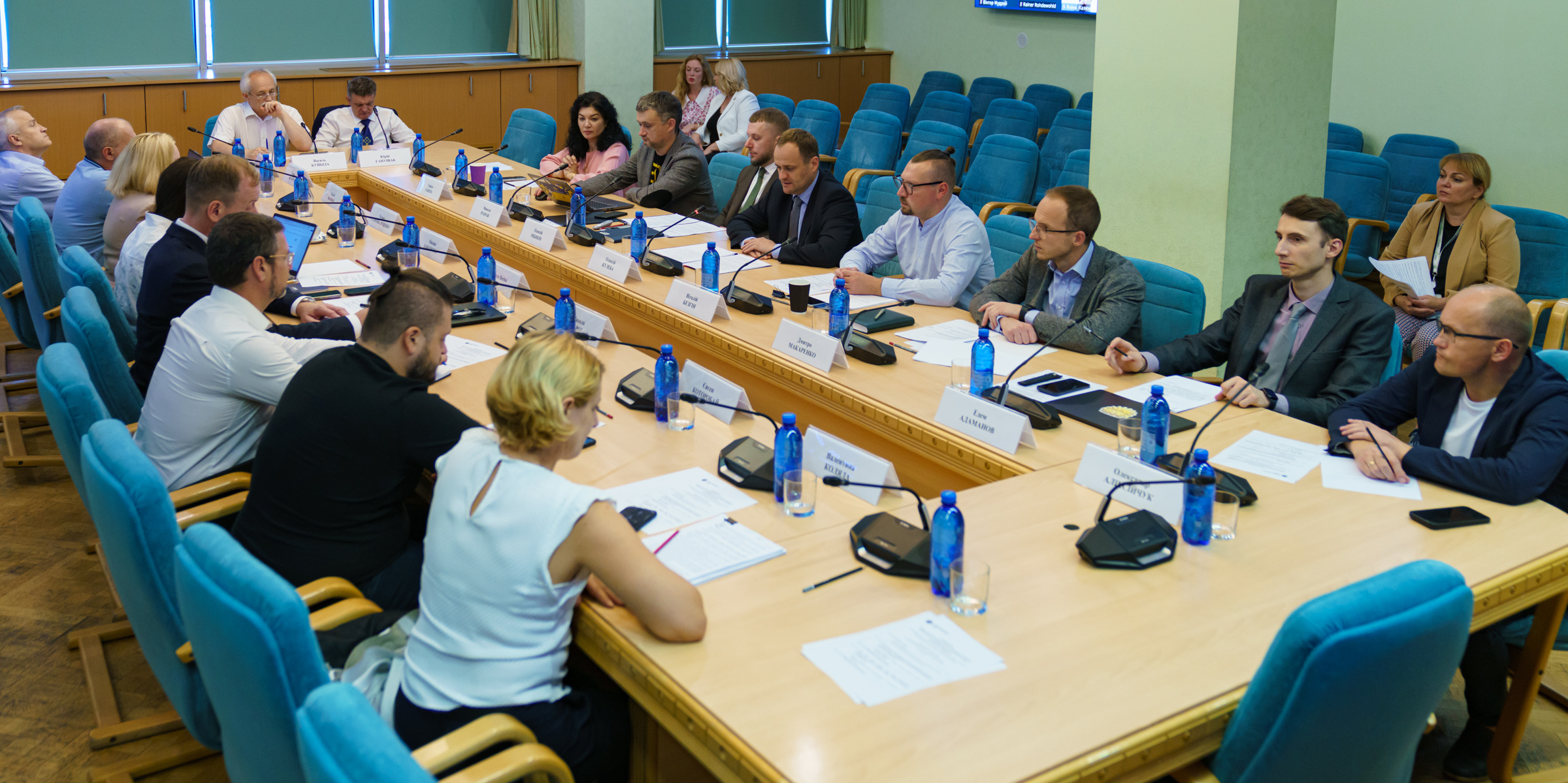
On 3 September, the Working Group on the delineation of powers between local governments and executive authorities, based on the principle of subsidiarity, held a regular meeting.
Local self-government reform remains a priority for the Ministry for Development. The aim is to establish democratic, multi-level governance in line with the standards of the Council of Europe and the best practices of European countries.
‘The European Commission’s reports on Ukraine’s progress under the 2023 and 2024 Enlargement Packages acknowledge the positive outcomes of the decentralisation reform. However, they also highlight the need for a clear delineation of powers between different levels of public authority. Achieving this will eliminate duplication of functions and ambiguity of powers, and is also an obligation under the Ukraine Facility programme. This will open up the possibility of attracting an additional €435 million to Ukraine’s budget,’ said Oleksii Kuleba, Deputy Prime Minister for Restoration of Ukraine – Minister for Development of Communities and Territories.
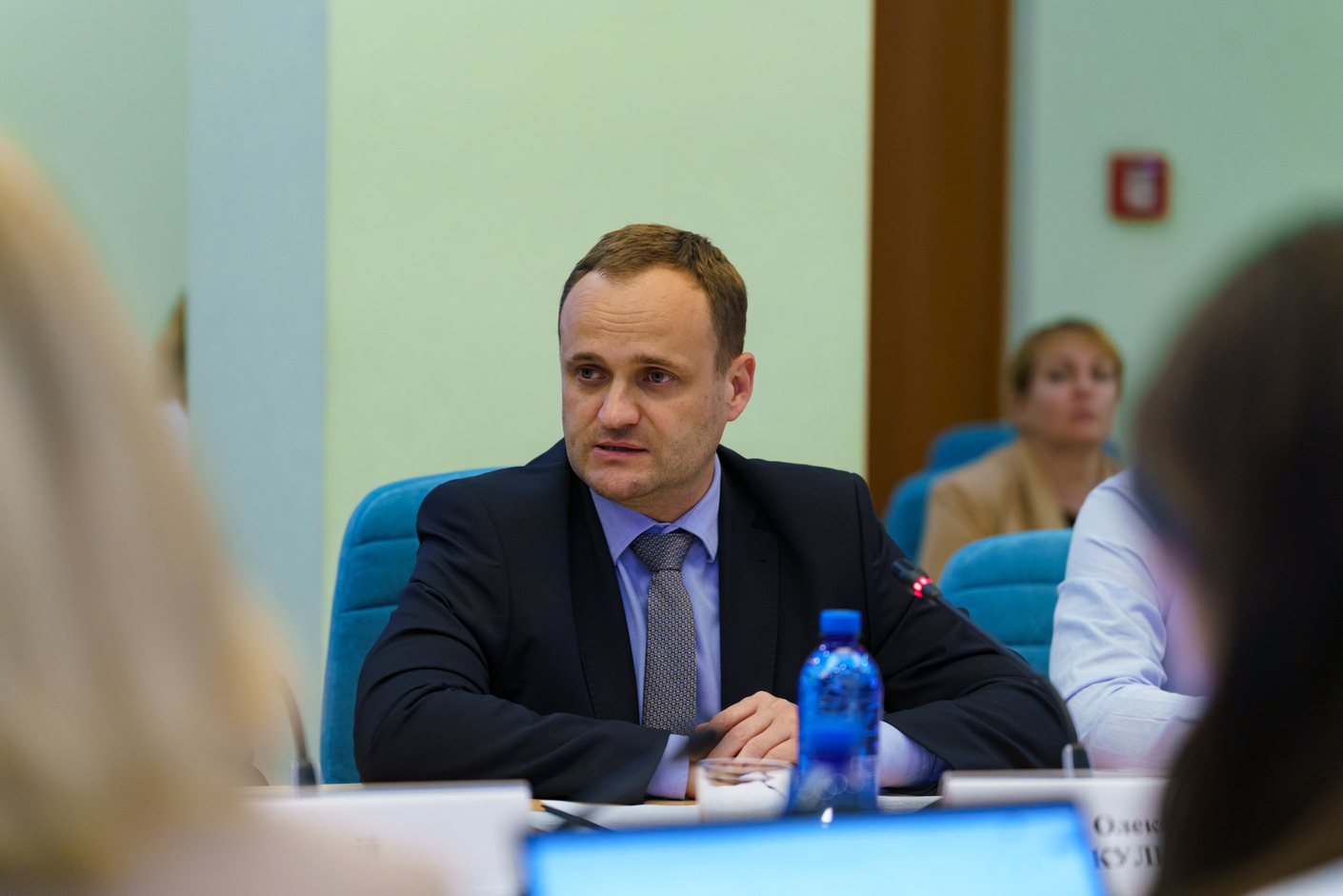
Decentralisation of power involves transferring powers to communities that are closest to the people, which improves the accessibility and quality of services provided to citizens. At the same time, decentralisation reform is necessary for Ukraine’s internal development as well as for its integration into the EU and for its post-war recovery.
Following the first meeting of the Working Group in June 2025, nine sectoral subgroups were formed. These include a subgroup on the delineation of the spheres of competence of the state and local self-government, as well as subgroups on local finance, spatial planning, housing policy, utilities, infrastructure, and other areas.
‘We worked on the conceptual foundations, including the criteria and principles for delineating the competences of the state and communities, as well as the delineation of powers into own and delegated ones. We then developed a Draft Law of Ukraine on the principles of the delineation of powers between executive bodies and local governments,’ said Oleksii Riabykin, Deputy Minister for Development of Communities and Territories.
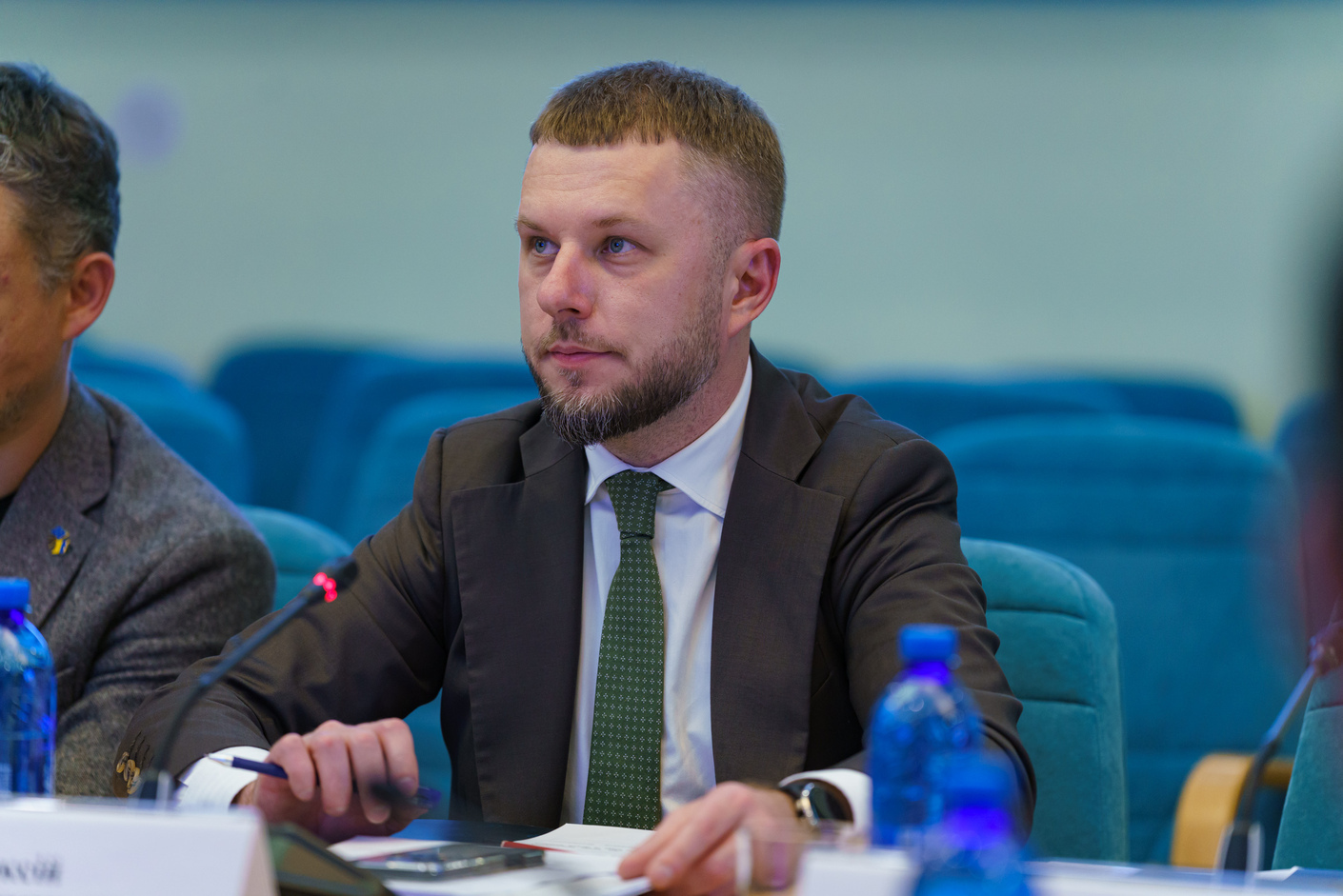
There have been 25 meetings since the subgroups began their work. During this time:
- laws defining the powers of local authorities and state bodies have been analysed;
- proposals have been prepared on how to clearly delineate responsibilities between the state and communities in various areas.
In addition to the Working Group members, MPs joined the work, including representatives of the Verkhovna Rada Committee on National Security, Defence and Intelligence, the Ministry of Defence, the Ministry of Internal Affairs, and the State Emergency Service. Experts from the DECIDE Project and the UNICEF Representative Office in Ukraine also participated. The U-LEAD with Europe and Polaris programmes provided professional facilitators for the subgroups.
Following the Working Group meeting, the participants decided to finalise the draft law. It will then be submitted to the central executive authorities for consideration.
05 December 2025
Як громадам бути почутими в ЄС | П’ятниця із Cities4Cities
Як громадам бути почутими в ЄС | П’ятниця із...
Україна входить у черговий переговорний етап євроінтеграції – і місцеве самоврядування тут відіграє ключову...
05 December 2025
Швейцарсько-український проект DECIDE...
Протягом п'яти років реалізації реформи децентралізації управління освітою продовжує залишатися критичним чинником...
04 December 2025
Багаторівневе врядування на практиці: підсумки регіонального форуму Polaris
Багаторівневе врядування на практиці: підсумки...
3 грудня у Полтаві відбувся регіональний форум Програми Polaris «Розбудова системи багаторівневого врядування» –...
04 December 2025
15 грудня - круглий стіл «Громада як юридична...
Центр політико-правових реформ запрошує взяти участь у дискусіях на круглому столі «Громада як юридична особа...