Meeting of the Working Group on the delineation of powers between communities and the state held
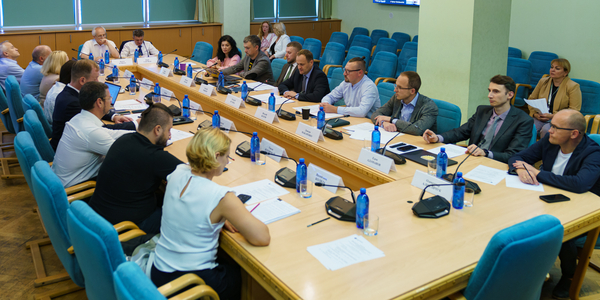
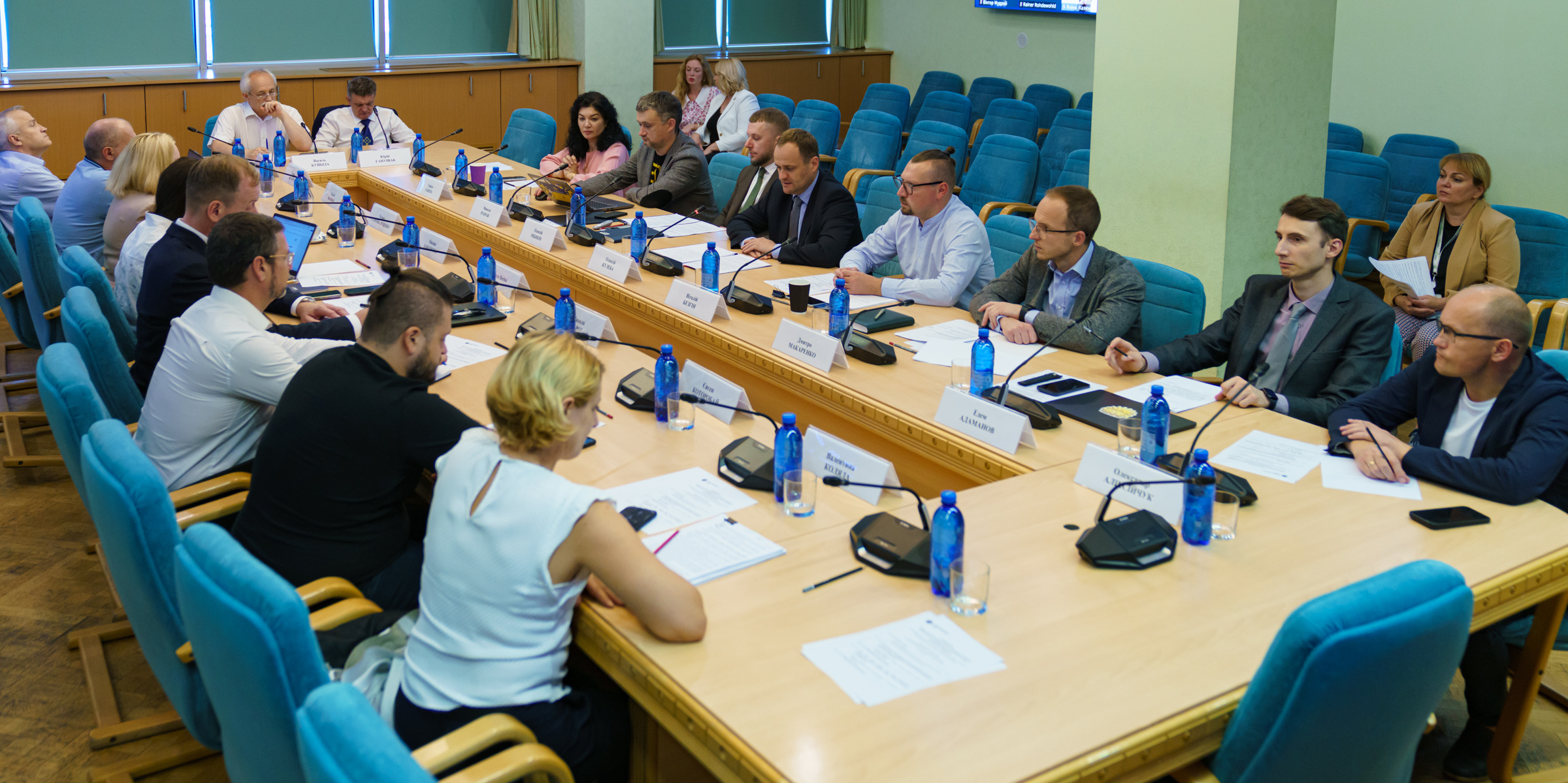
On 3 September, the Working Group on the delineation of powers between local governments and executive authorities, based on the principle of subsidiarity, held a regular meeting.
Local self-government reform remains a priority for the Ministry for Development. The aim is to establish democratic, multi-level governance in line with the standards of the Council of Europe and the best practices of European countries.
‘The European Commission’s reports on Ukraine’s progress under the 2023 and 2024 Enlargement Packages acknowledge the positive outcomes of the decentralisation reform. However, they also highlight the need for a clear delineation of powers between different levels of public authority. Achieving this will eliminate duplication of functions and ambiguity of powers, and is also an obligation under the Ukraine Facility programme. This will open up the possibility of attracting an additional €435 million to Ukraine’s budget,’ said Oleksii Kuleba, Deputy Prime Minister for Restoration of Ukraine – Minister for Development of Communities and Territories.
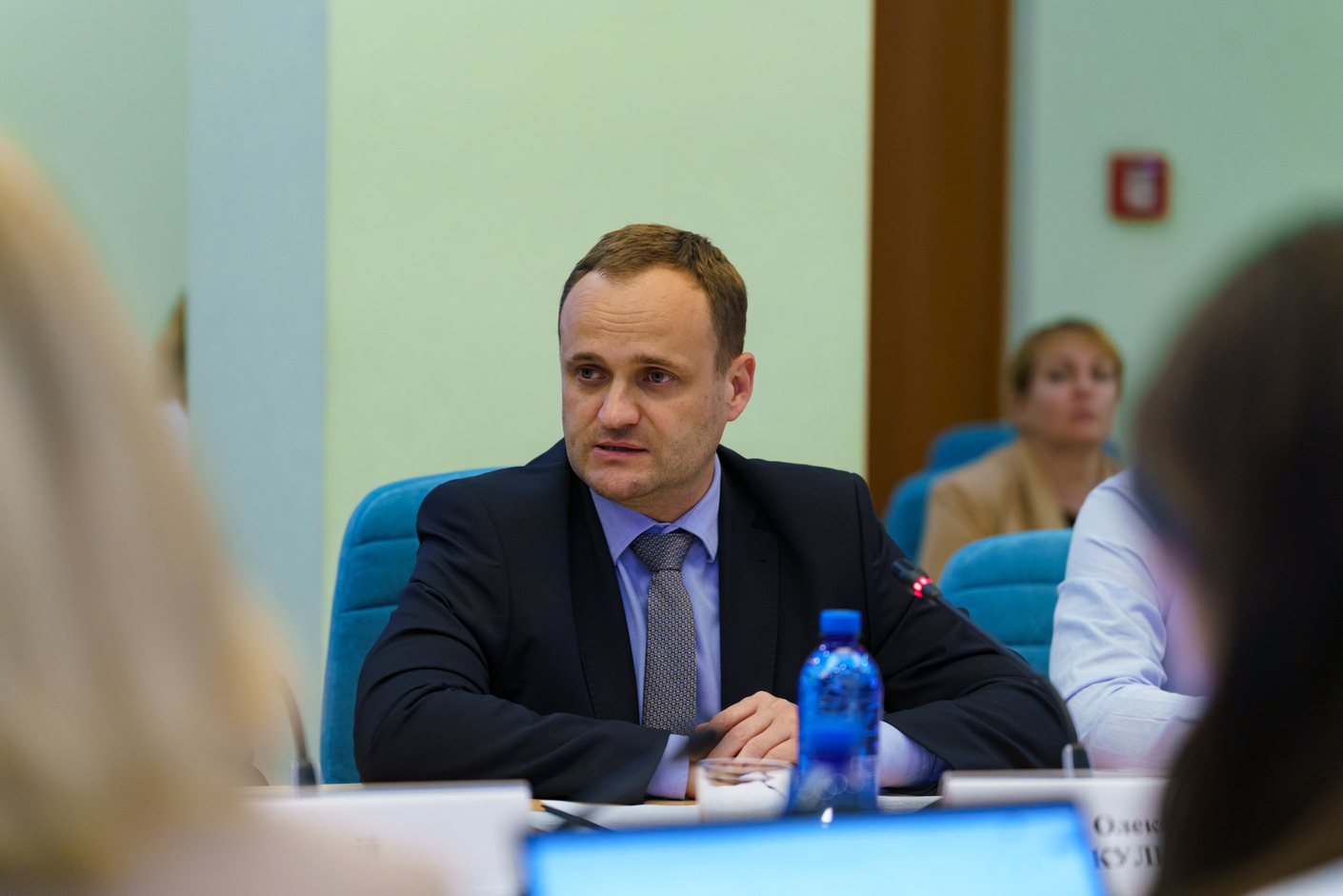
Decentralisation of power involves transferring powers to communities that are closest to the people, which improves the accessibility and quality of services provided to citizens. At the same time, decentralisation reform is necessary for Ukraine’s internal development as well as for its integration into the EU and for its post-war recovery.
Following the first meeting of the Working Group in June 2025, nine sectoral subgroups were formed. These include a subgroup on the delineation of the spheres of competence of the state and local self-government, as well as subgroups on local finance, spatial planning, housing policy, utilities, infrastructure, and other areas.
‘We worked on the conceptual foundations, including the criteria and principles for delineating the competences of the state and communities, as well as the delineation of powers into own and delegated ones. We then developed a Draft Law of Ukraine on the principles of the delineation of powers between executive bodies and local governments,’ said Oleksii Riabykin, Deputy Minister for Development of Communities and Territories.
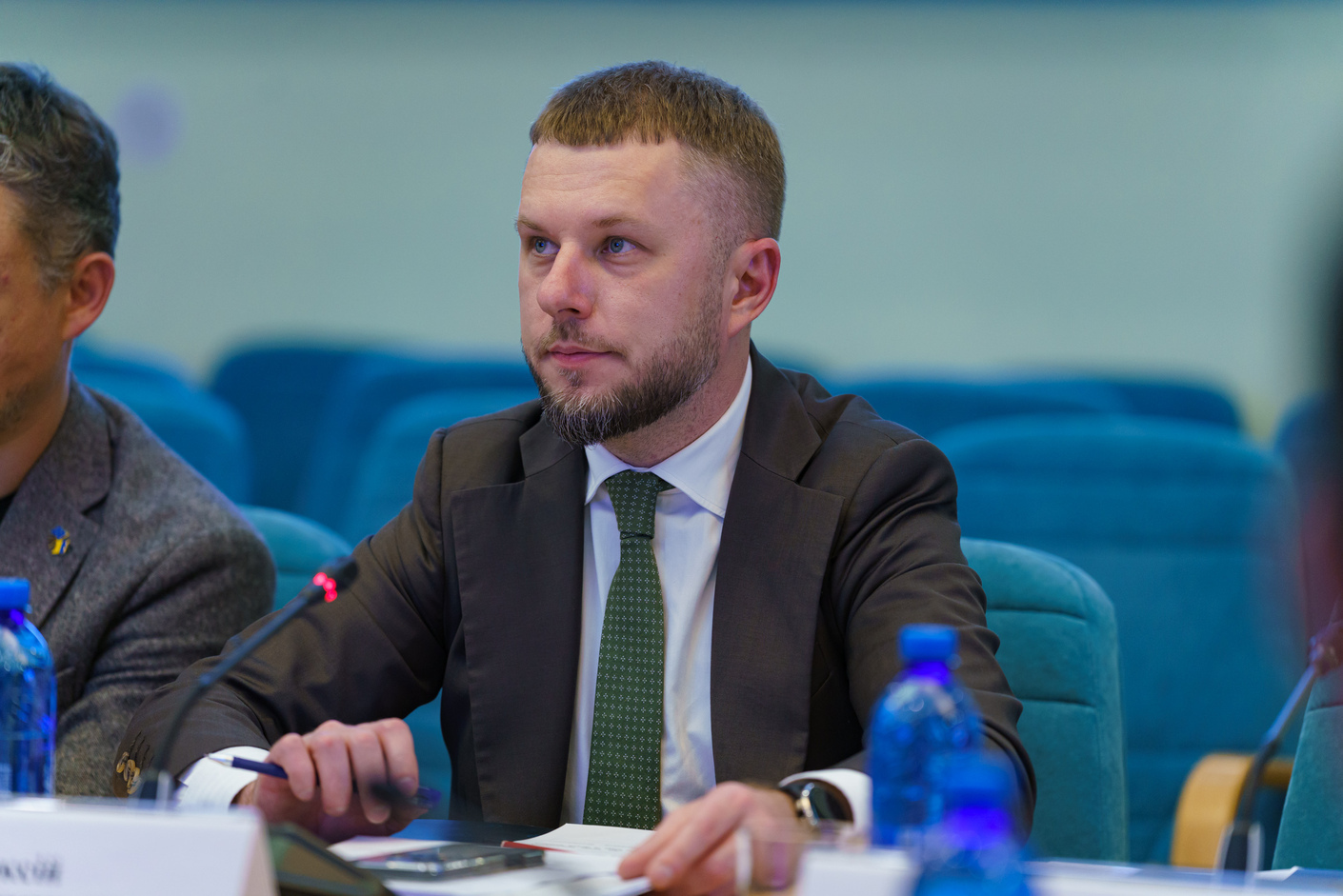
There have been 25 meetings since the subgroups began their work. During this time:
- laws defining the powers of local authorities and state bodies have been analysed;
- proposals have been prepared on how to clearly delineate responsibilities between the state and communities in various areas.
In addition to the Working Group members, MPs joined the work, including representatives of the Verkhovna Rada Committee on National Security, Defence and Intelligence, the Ministry of Defence, the Ministry of Internal Affairs, and the State Emergency Service. Experts from the DECIDE Project and the UNICEF Representative Office in Ukraine also participated. The U-LEAD with Europe and Polaris programmes provided professional facilitators for the subgroups.
Following the Working Group meeting, the participants decided to finalise the draft law. It will then be submitted to the central executive authorities for consideration.
16 October 2026
From budget to services for children: What communities in Lviv region discussed
From budget to services for children: What...
The first part of the budget discussion in Lviv region focused on the financial capacity of communities and the rules...
16 October 2026
PIT, reverse transfer, and community needs:...
In Lviv region, the All-Ukrainian Association of Amalgamated Territorial Communities (AAATC) held a discussion on the...
16 October 2026
The Multiannual Financial Framework 2028 –...
With a focus on the expenditure-side files NRPP, the Performance Framework and Global Europe (including the Ukraine...
16 October 2026
Up to $65,000 for social services: Government...
The Cabinet of Ministers of Ukraine adopted a resolution that radically expands the capabilities of communities in...