Recovery of medicine begins in communities: Why rehabilitation has to become part of local policy
Rehabilitation, accessible medical care, and a resilient healthcare infrastructure will play an increasingly crucial role in determining the resilience of Ukrainian communities. Rebuilding hospitals after the destruction is important, but it does not, in itself, resolve the key question: whether a person, after an injury, trauma or serious illness, will be able to receive the necessary care close to home and return to an active life.
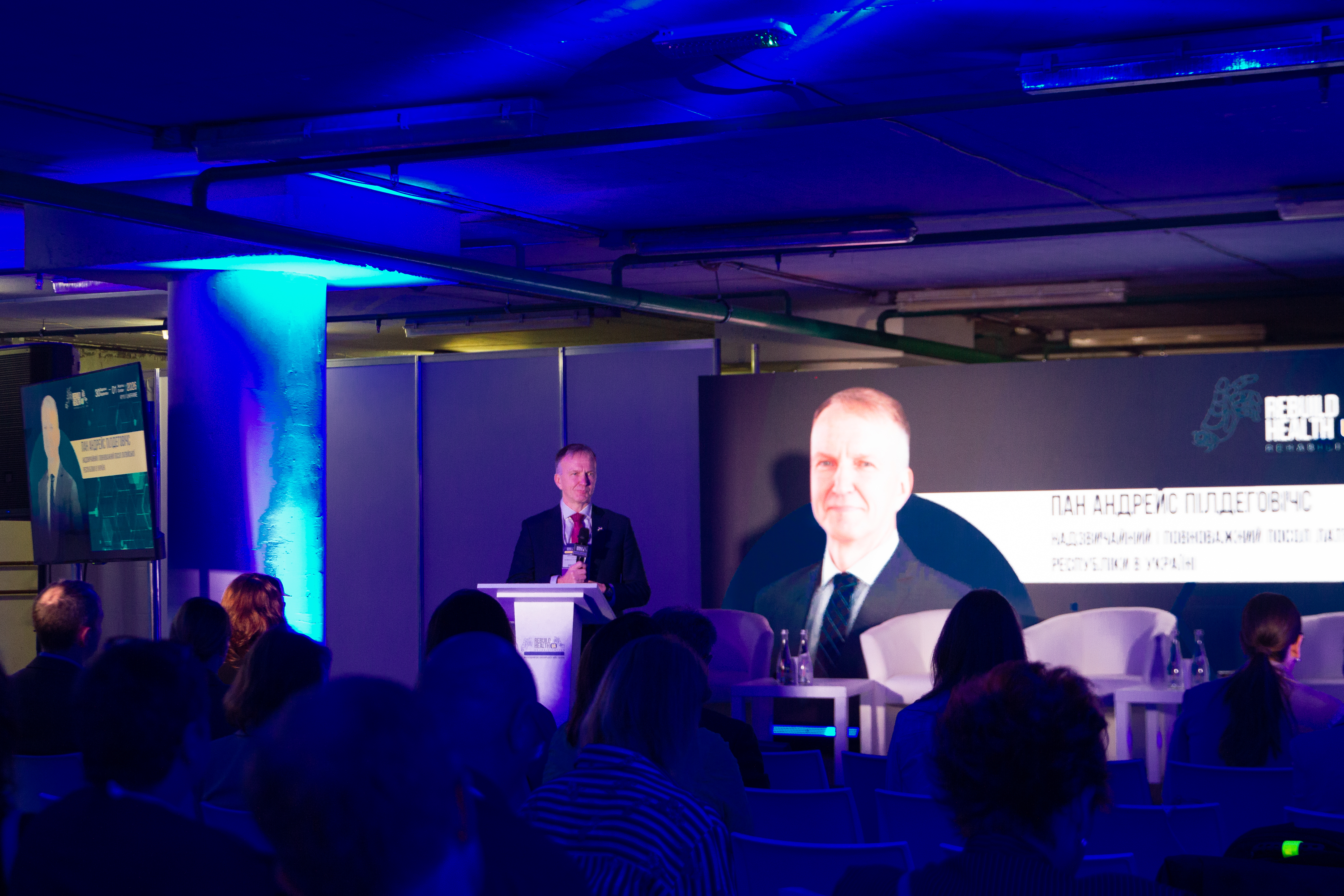
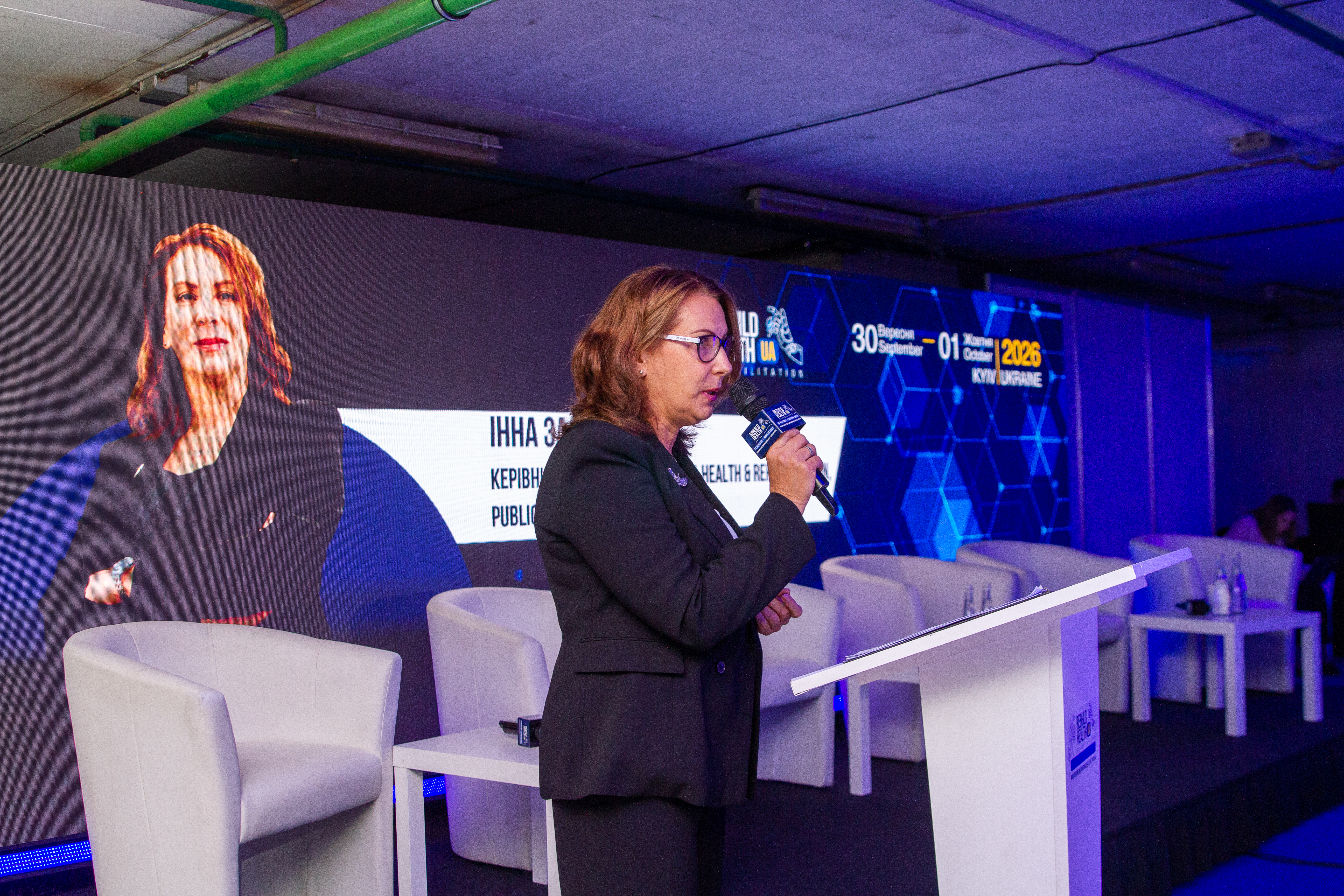
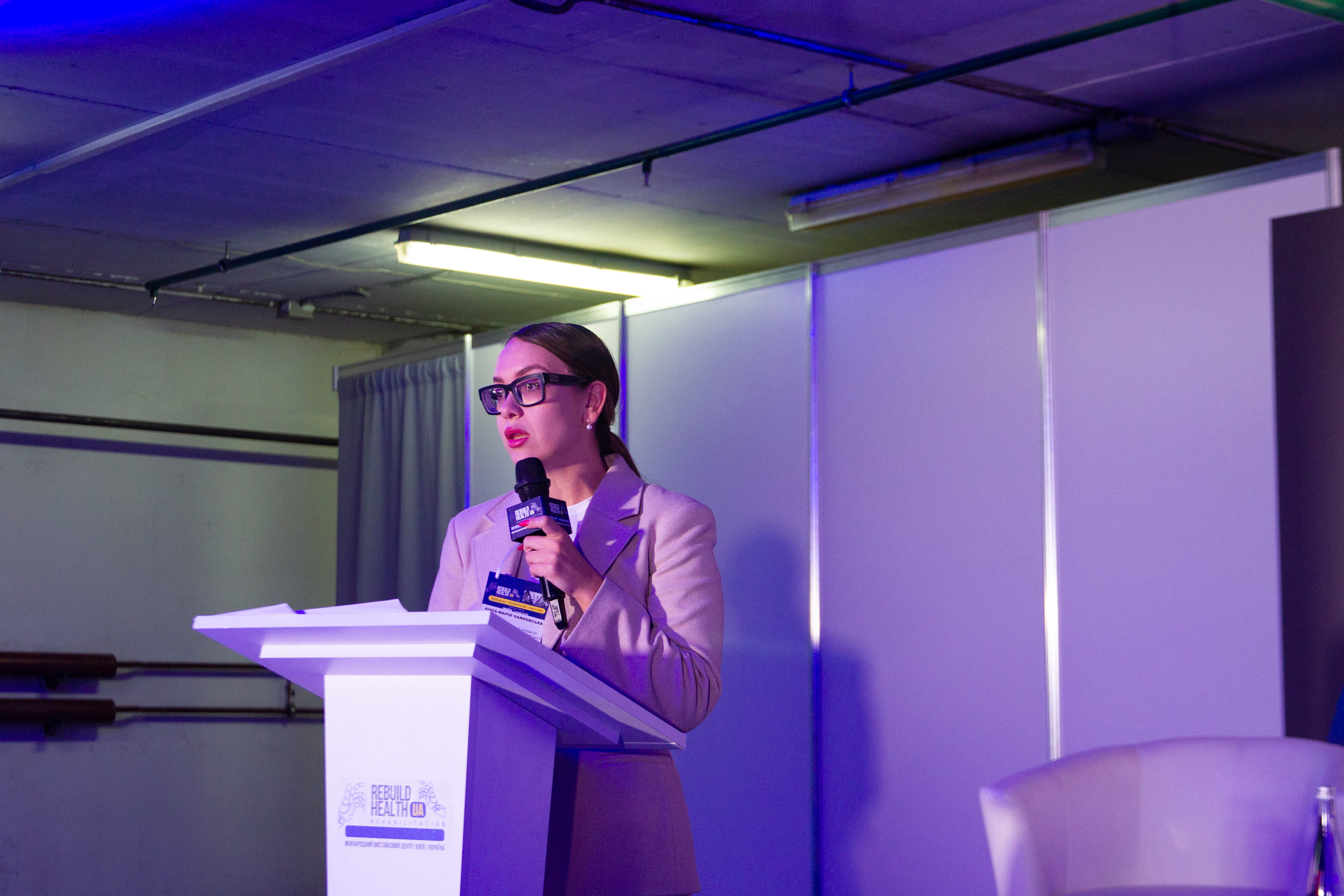
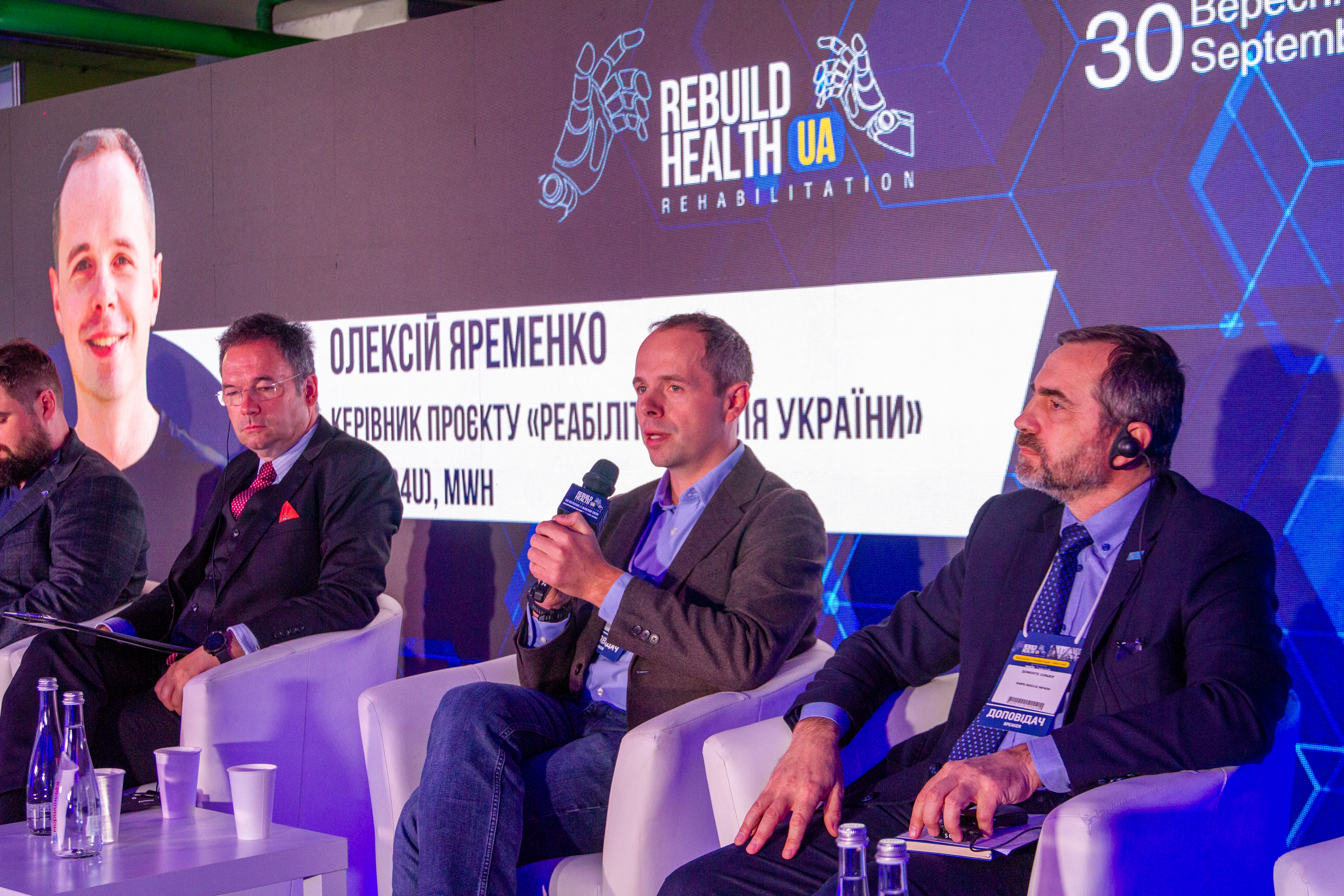
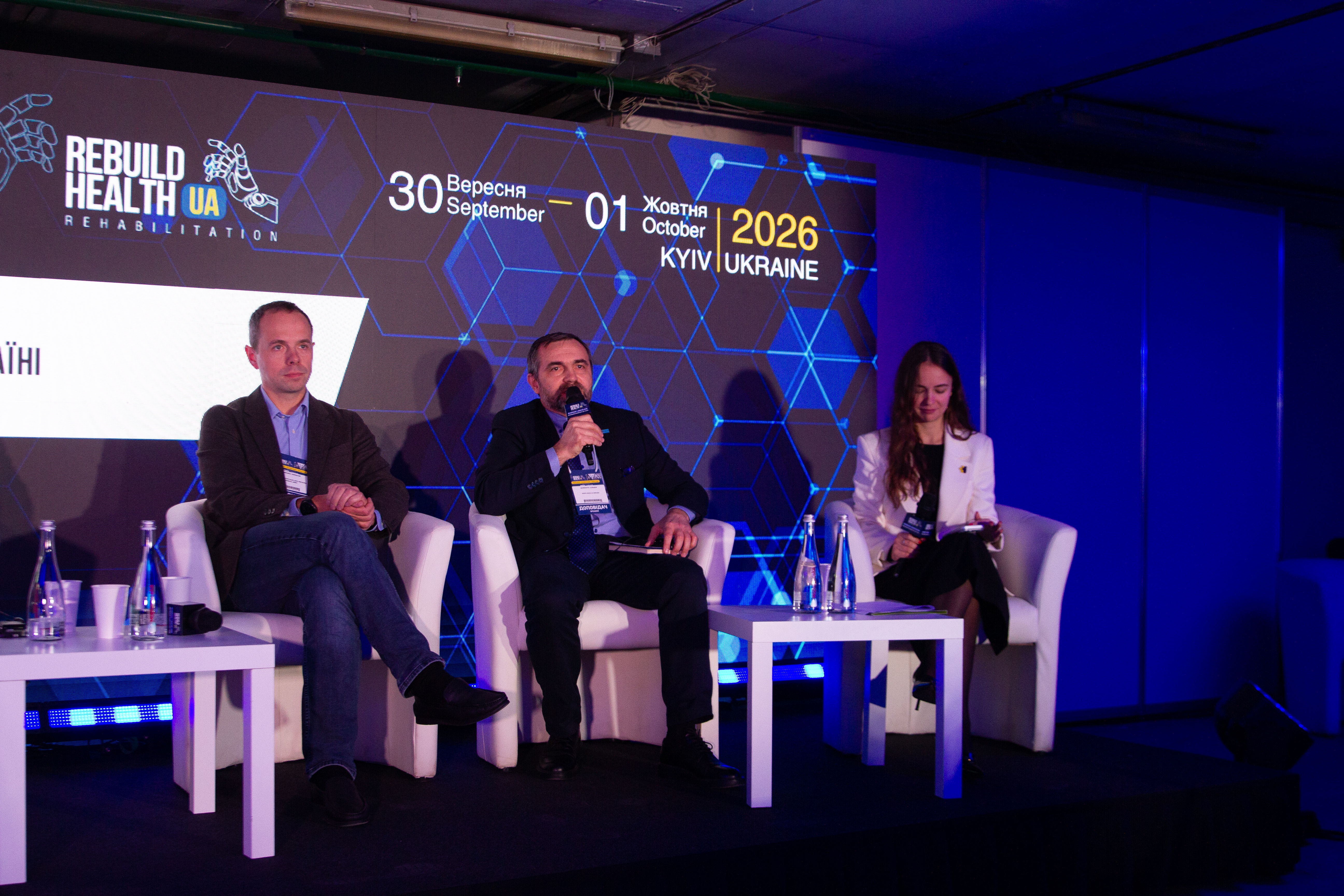
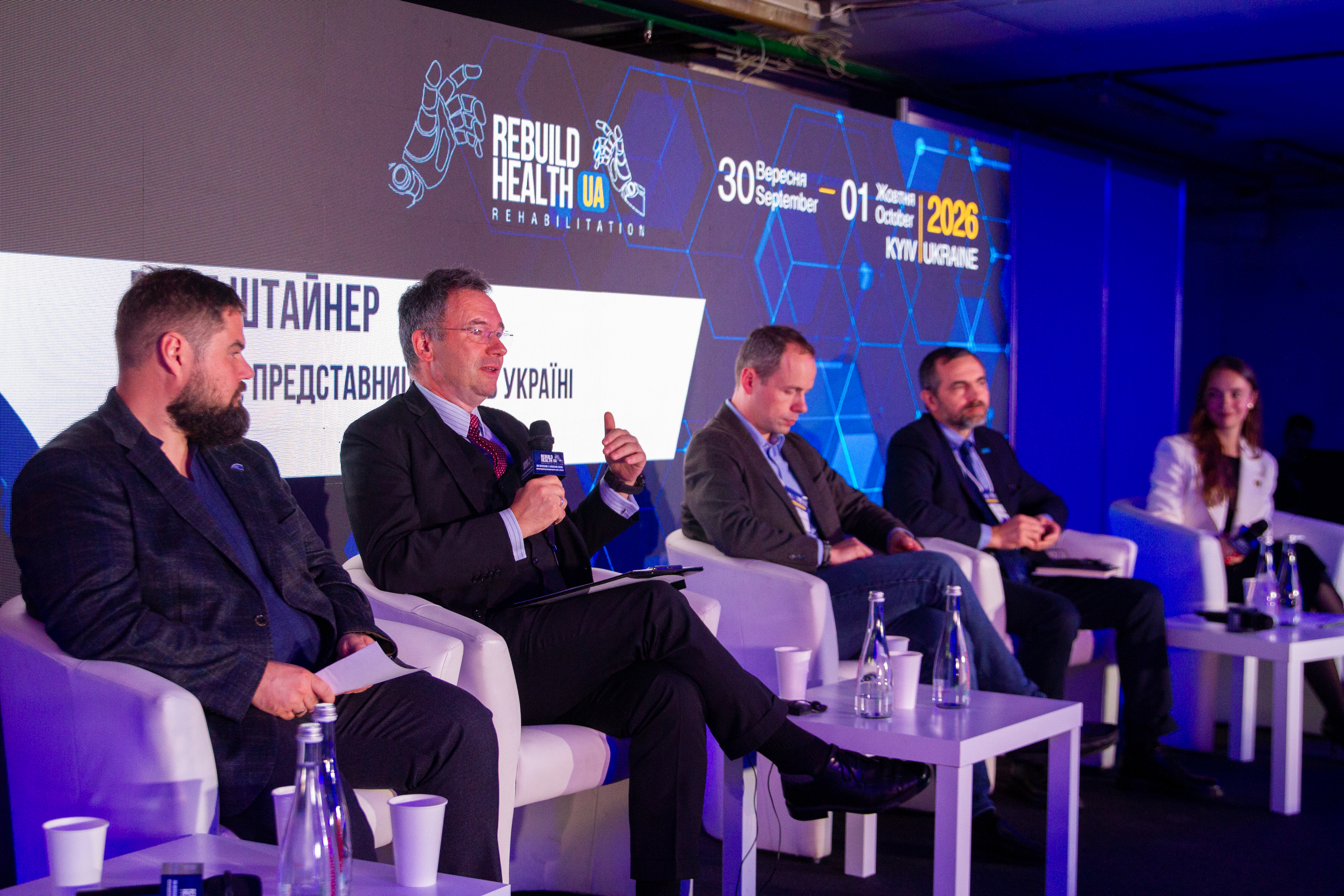
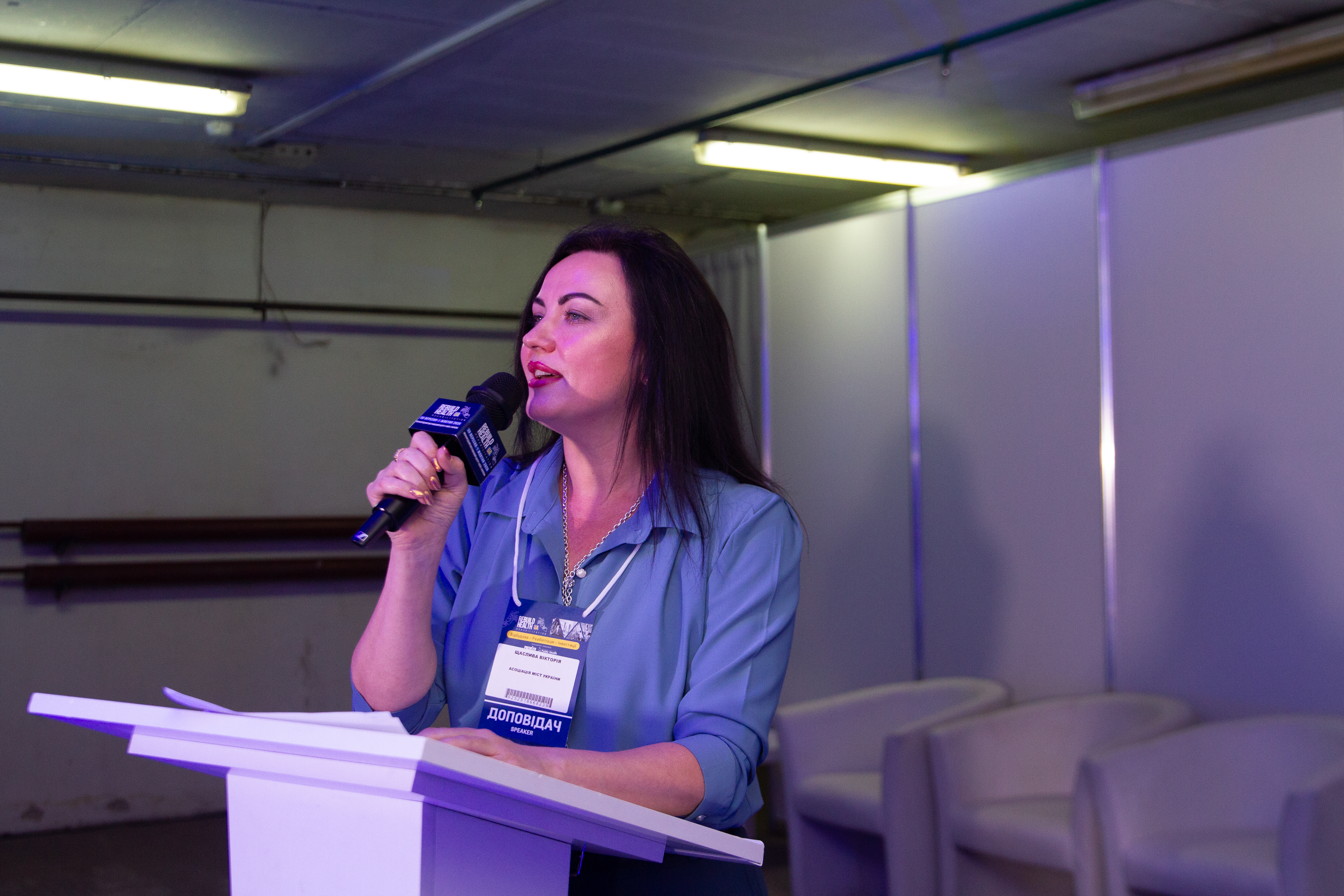
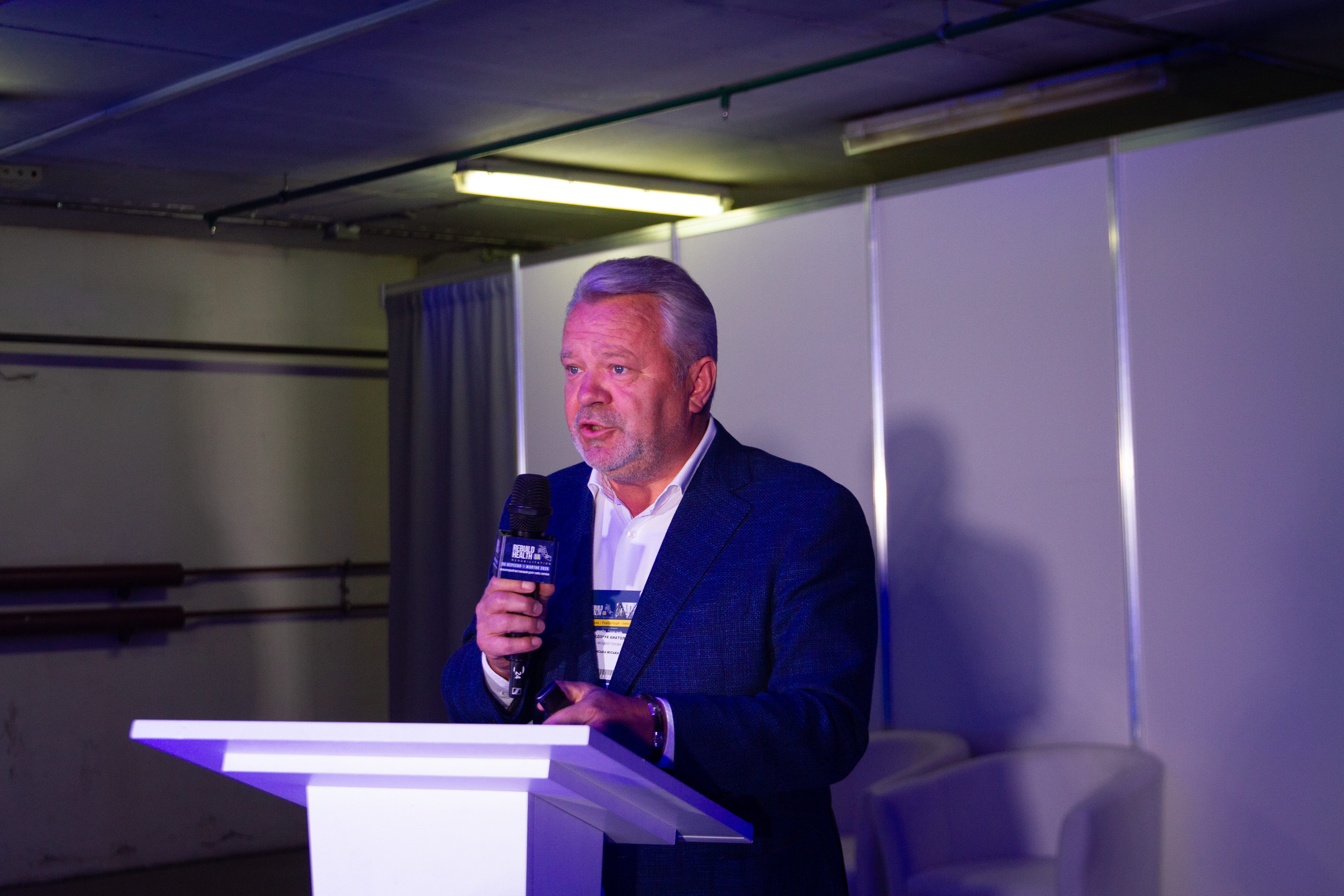
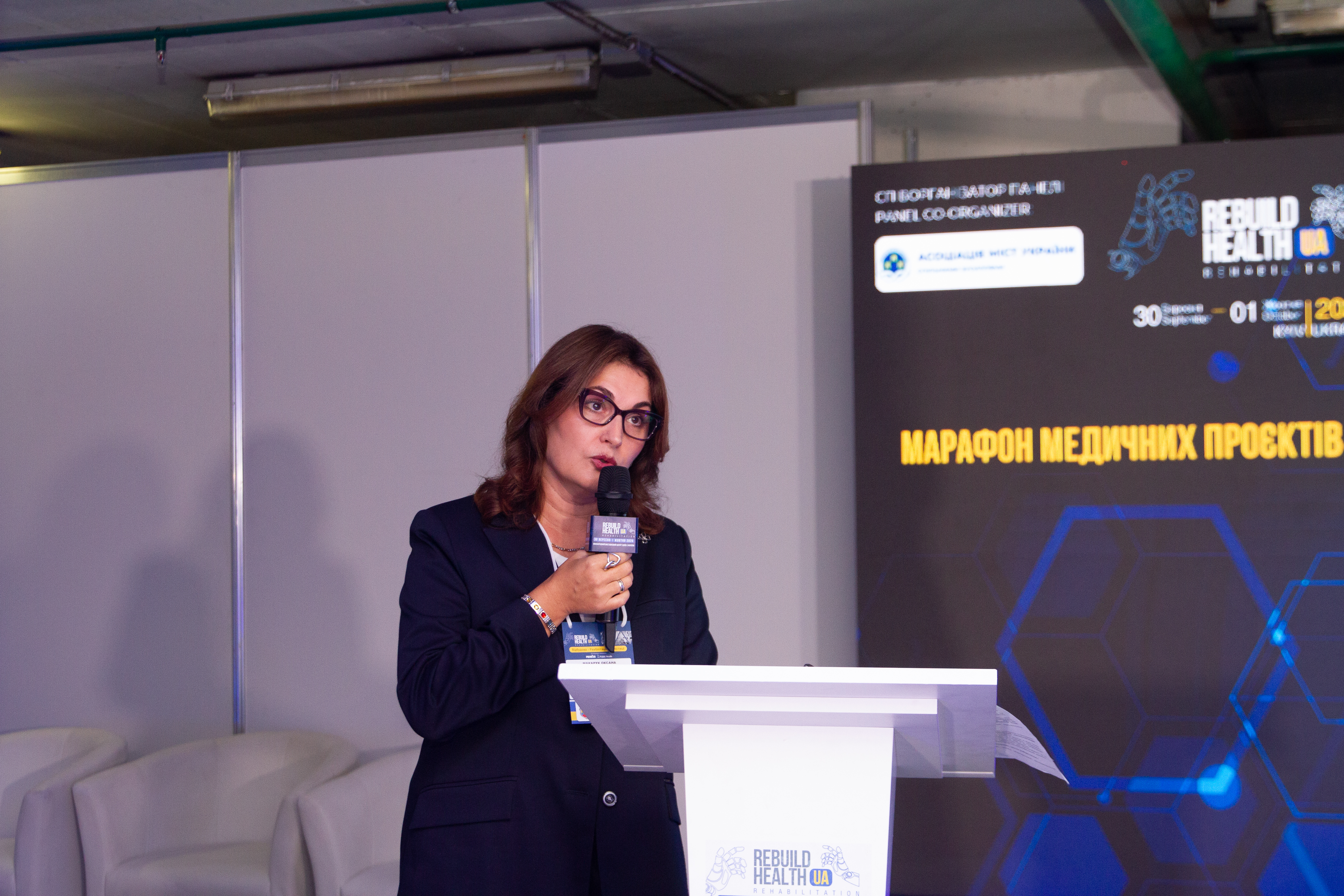
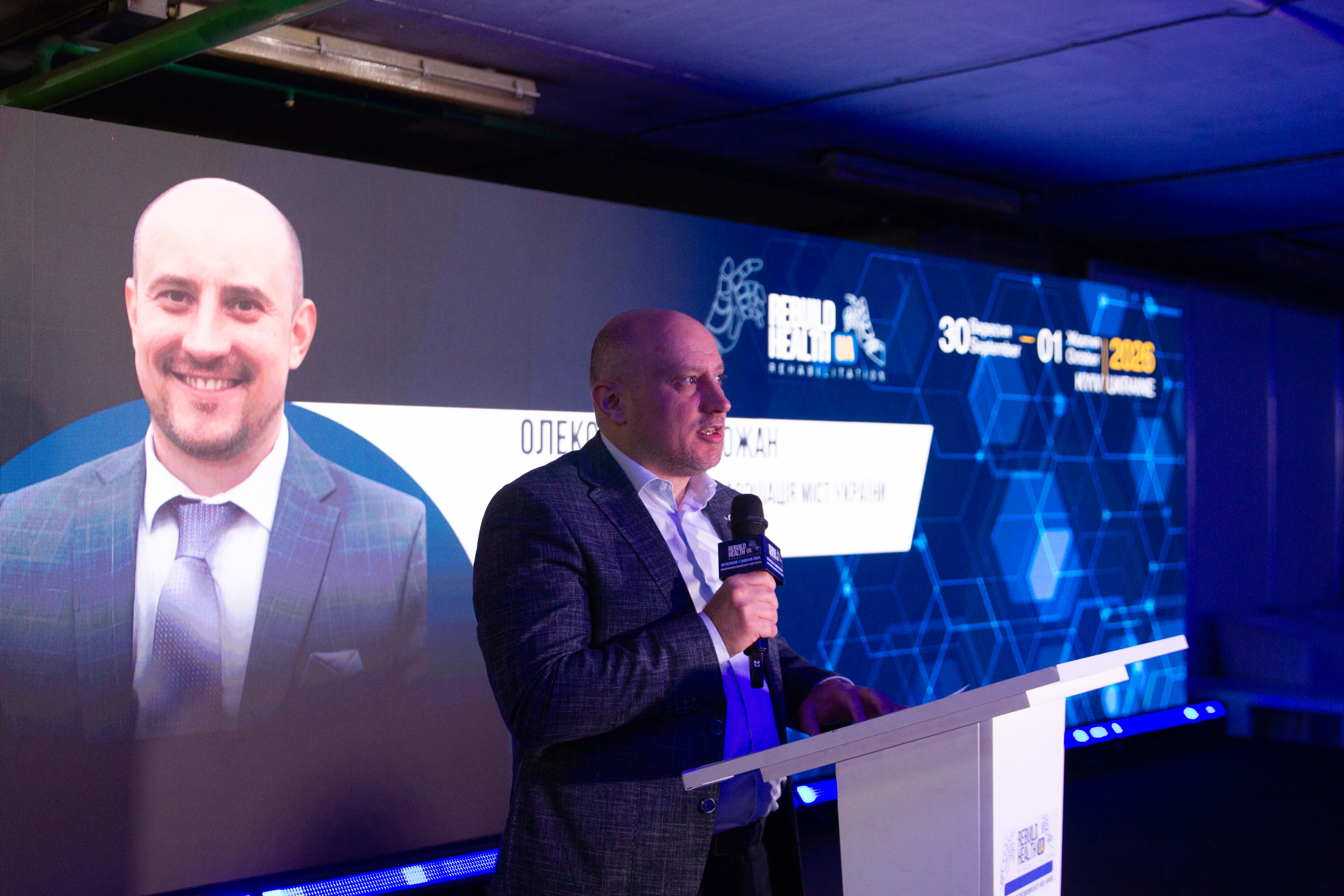
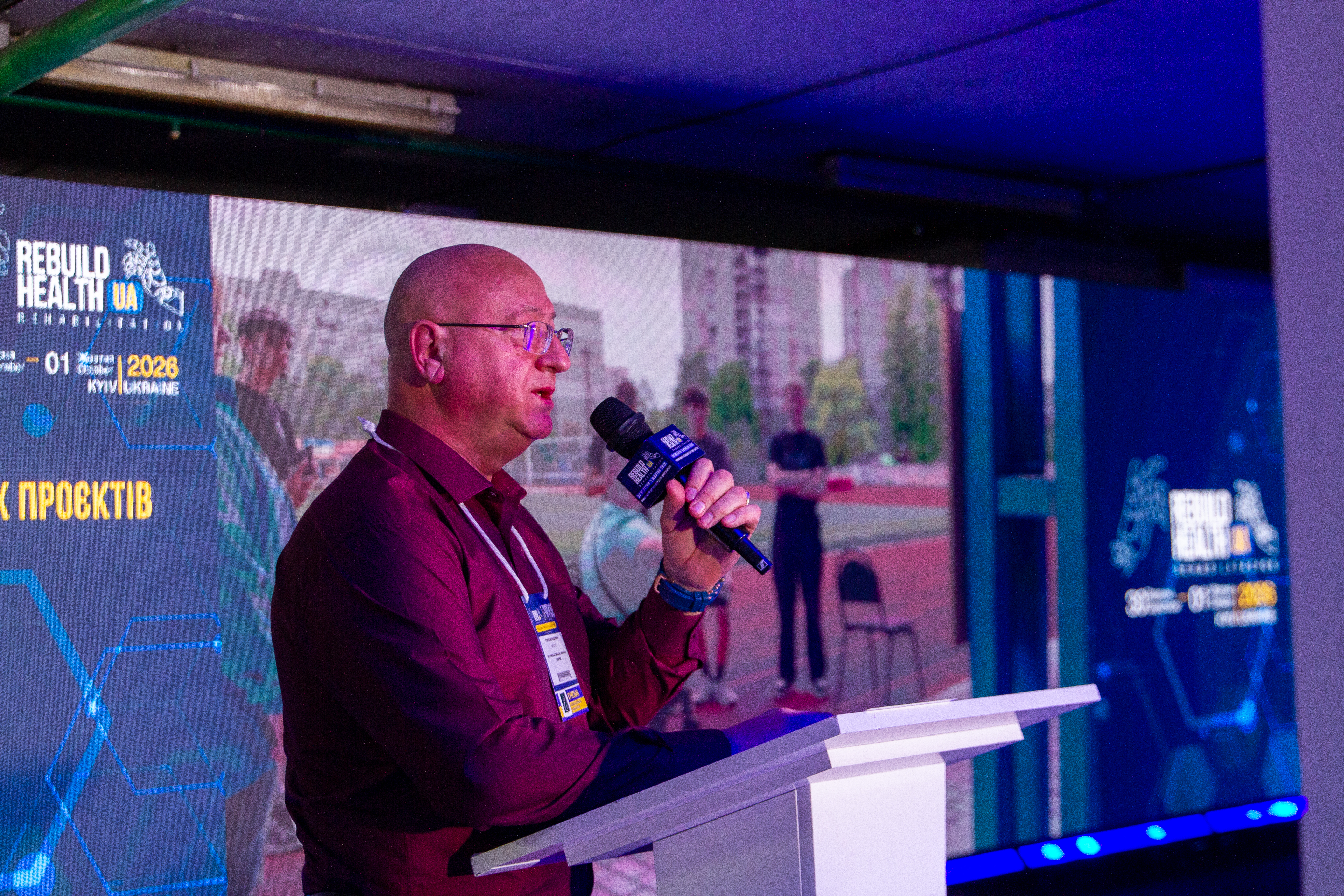
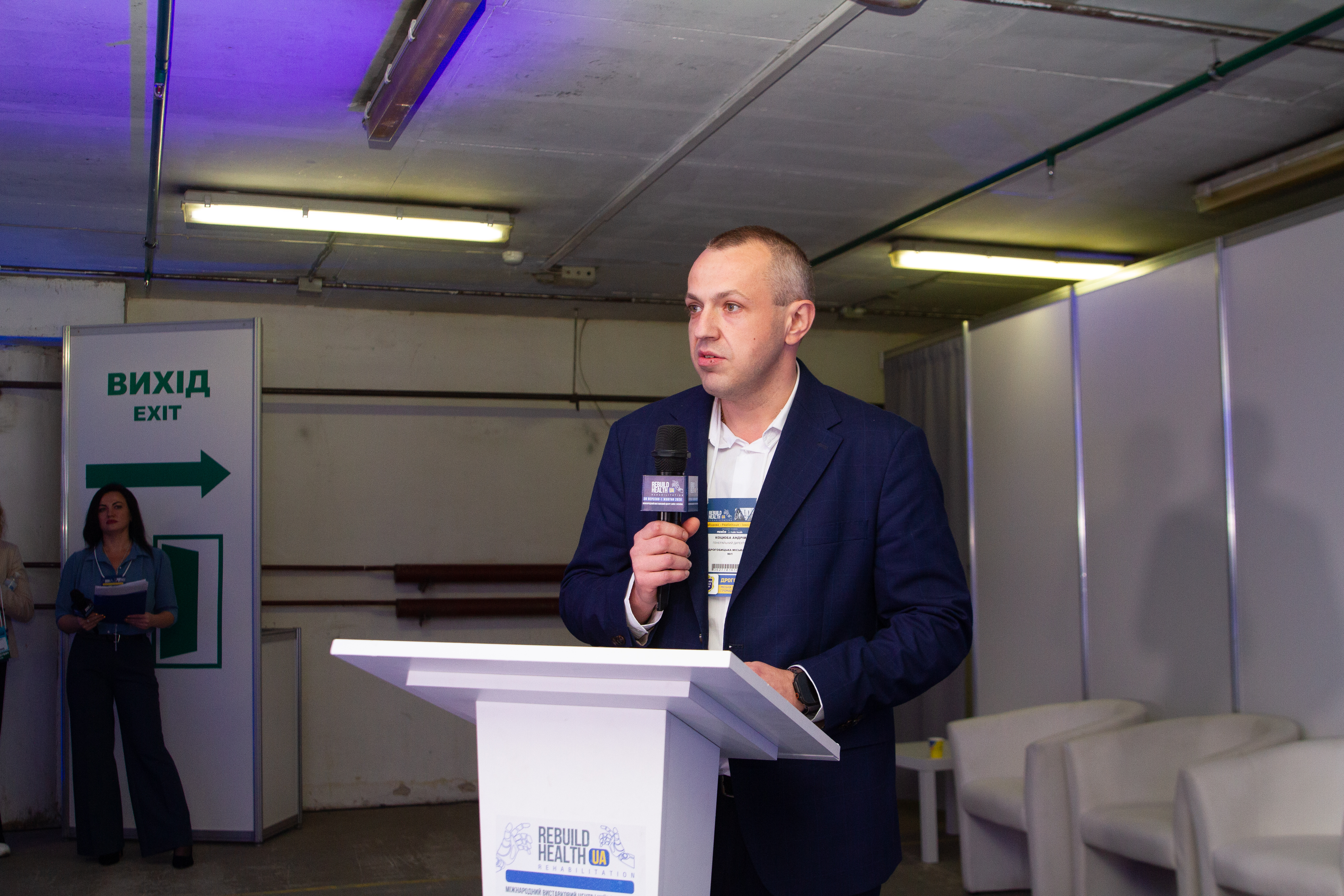
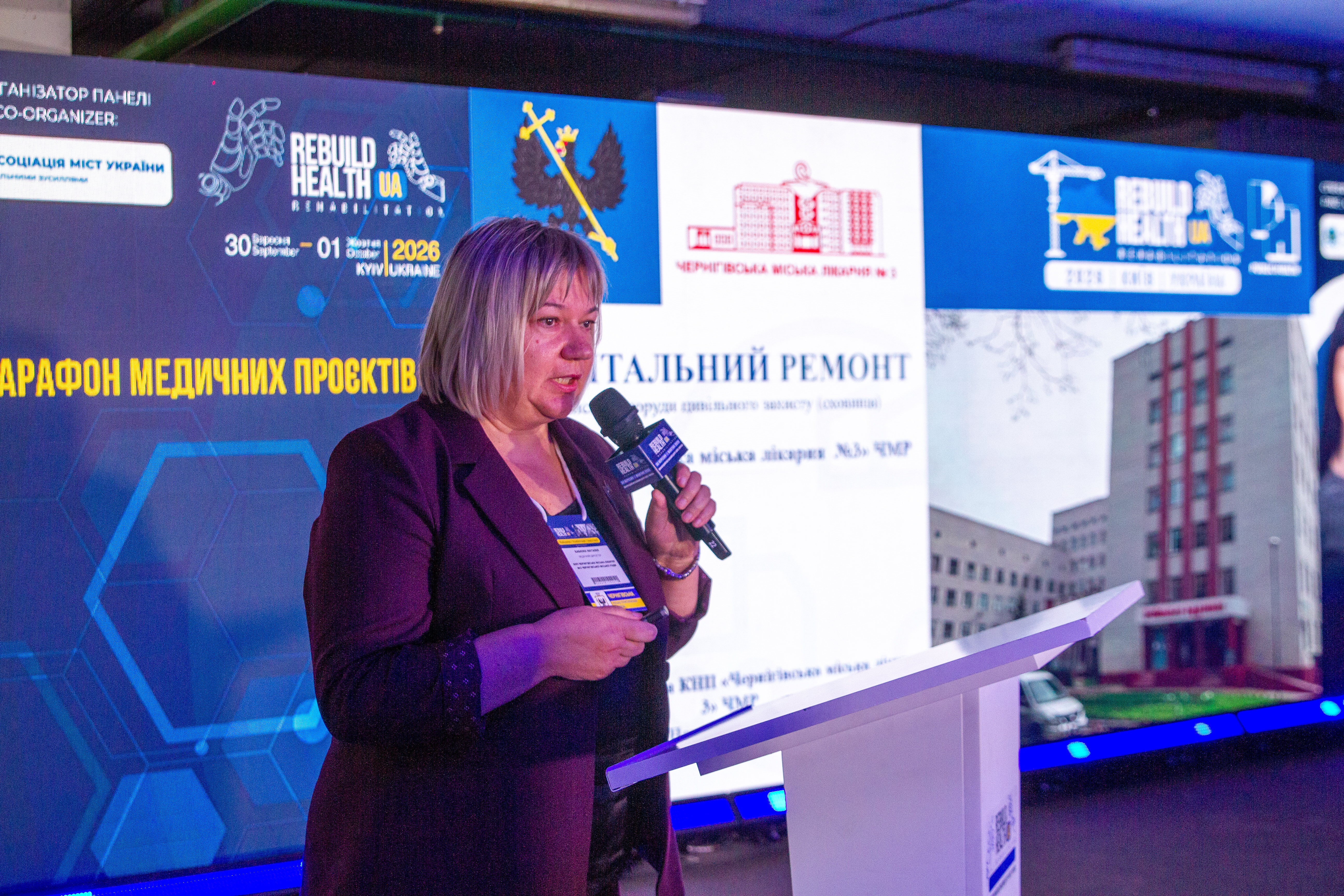
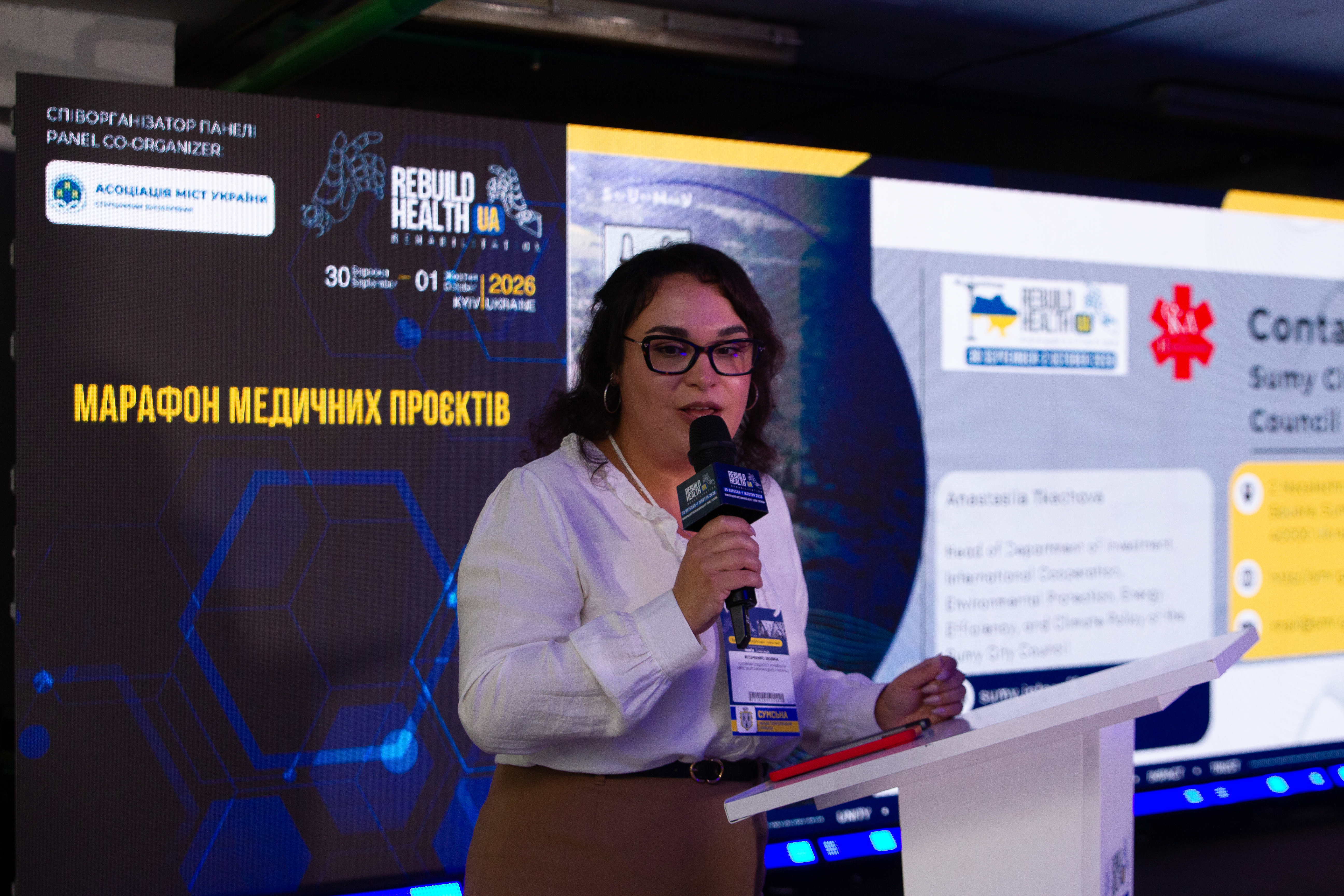
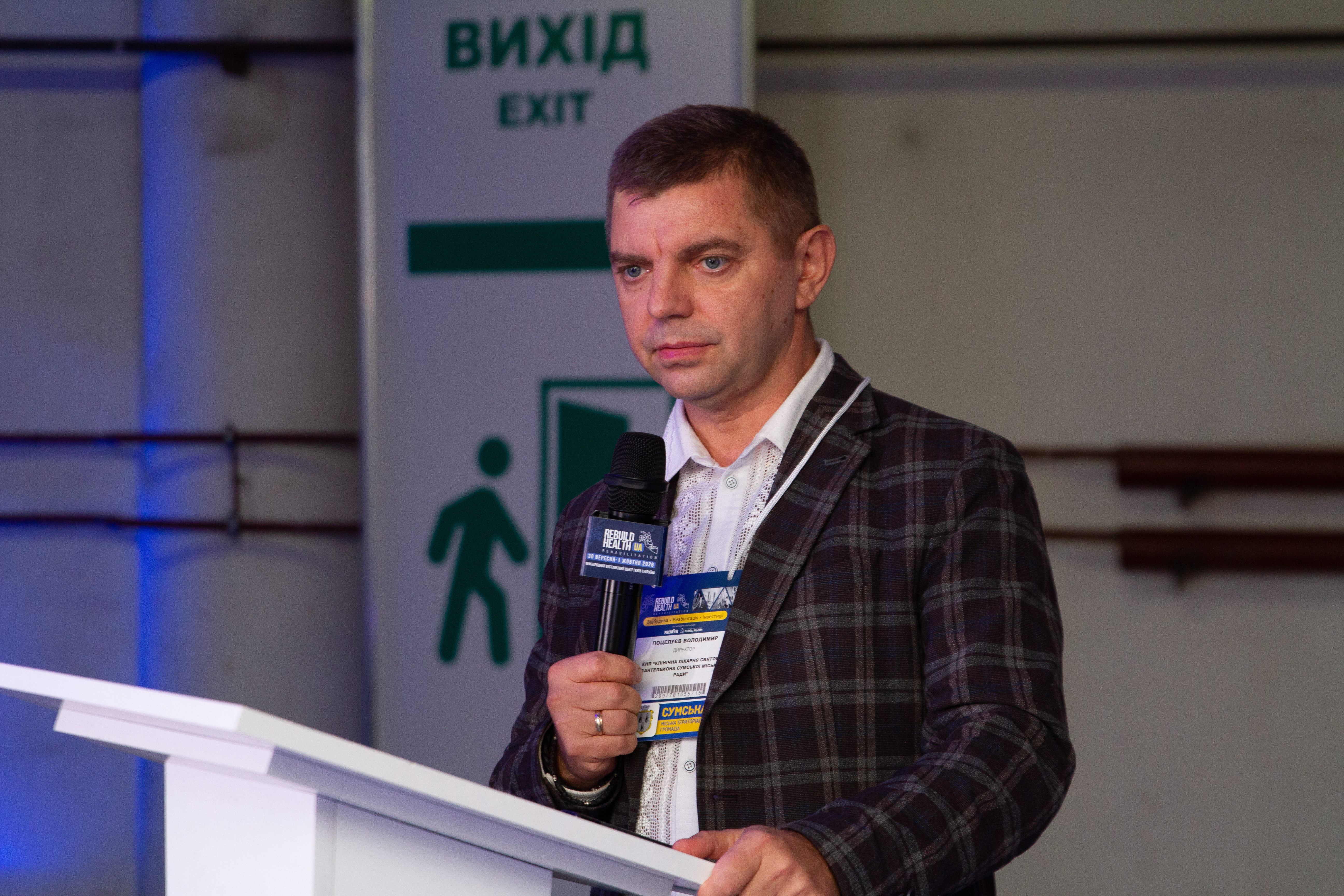
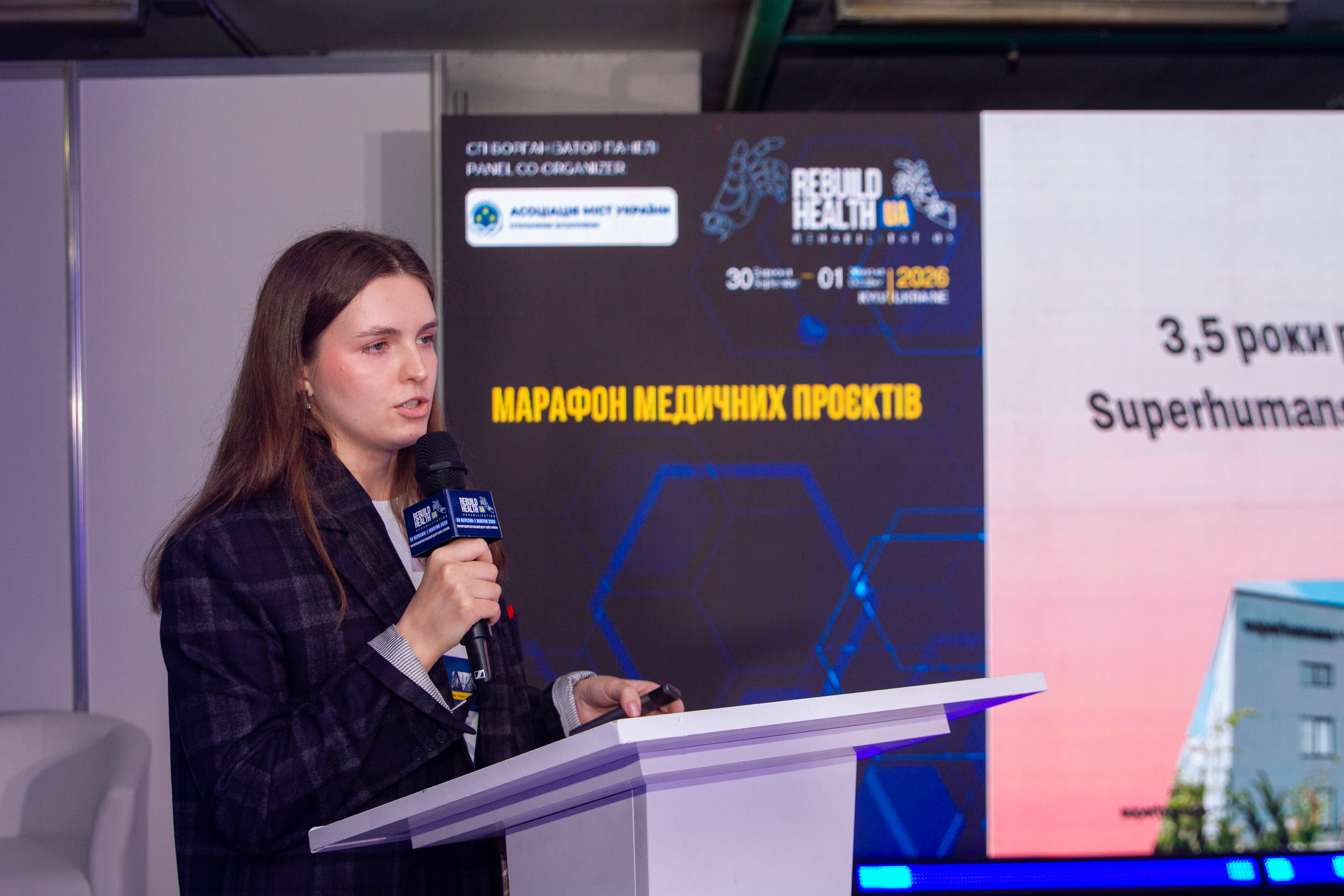
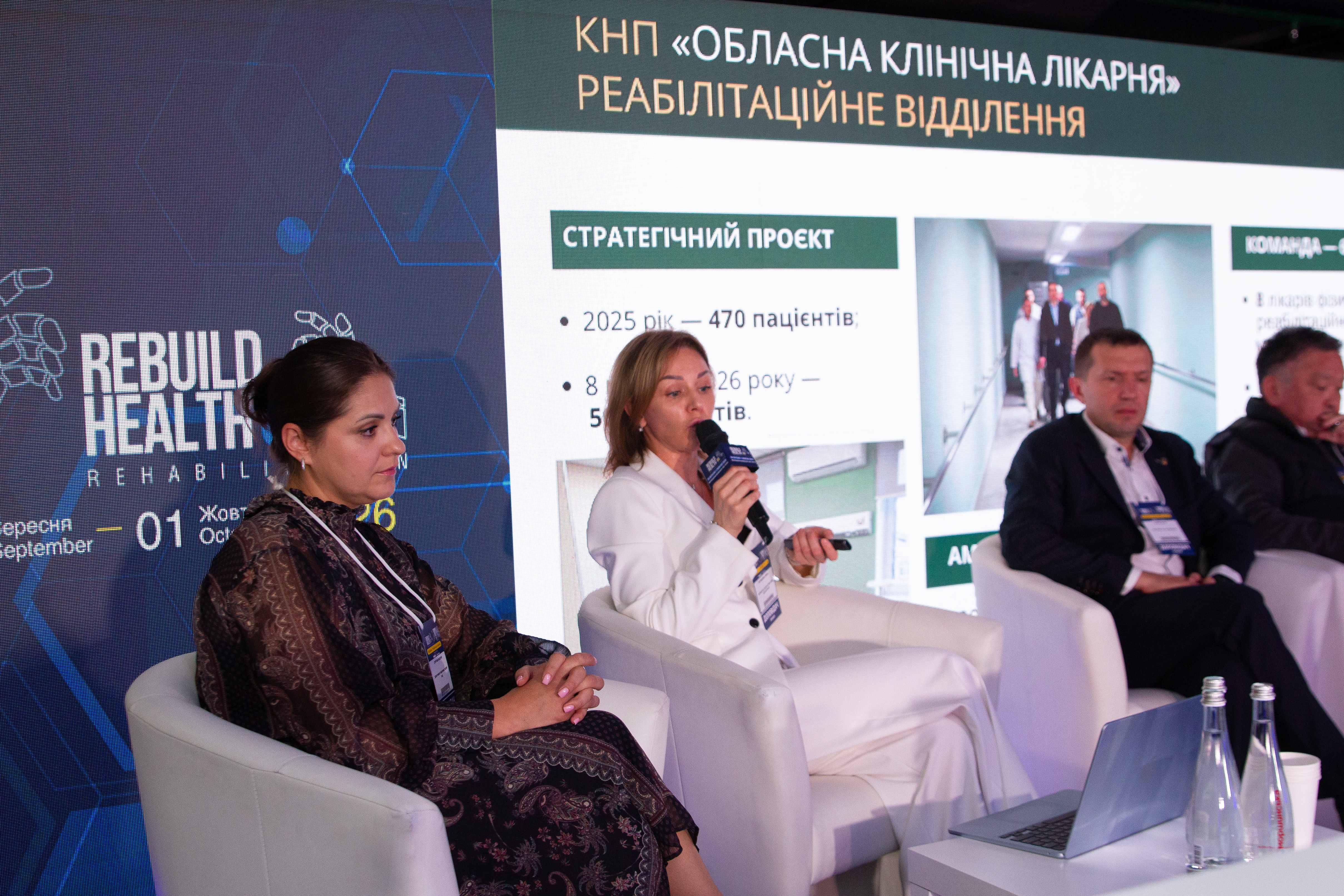
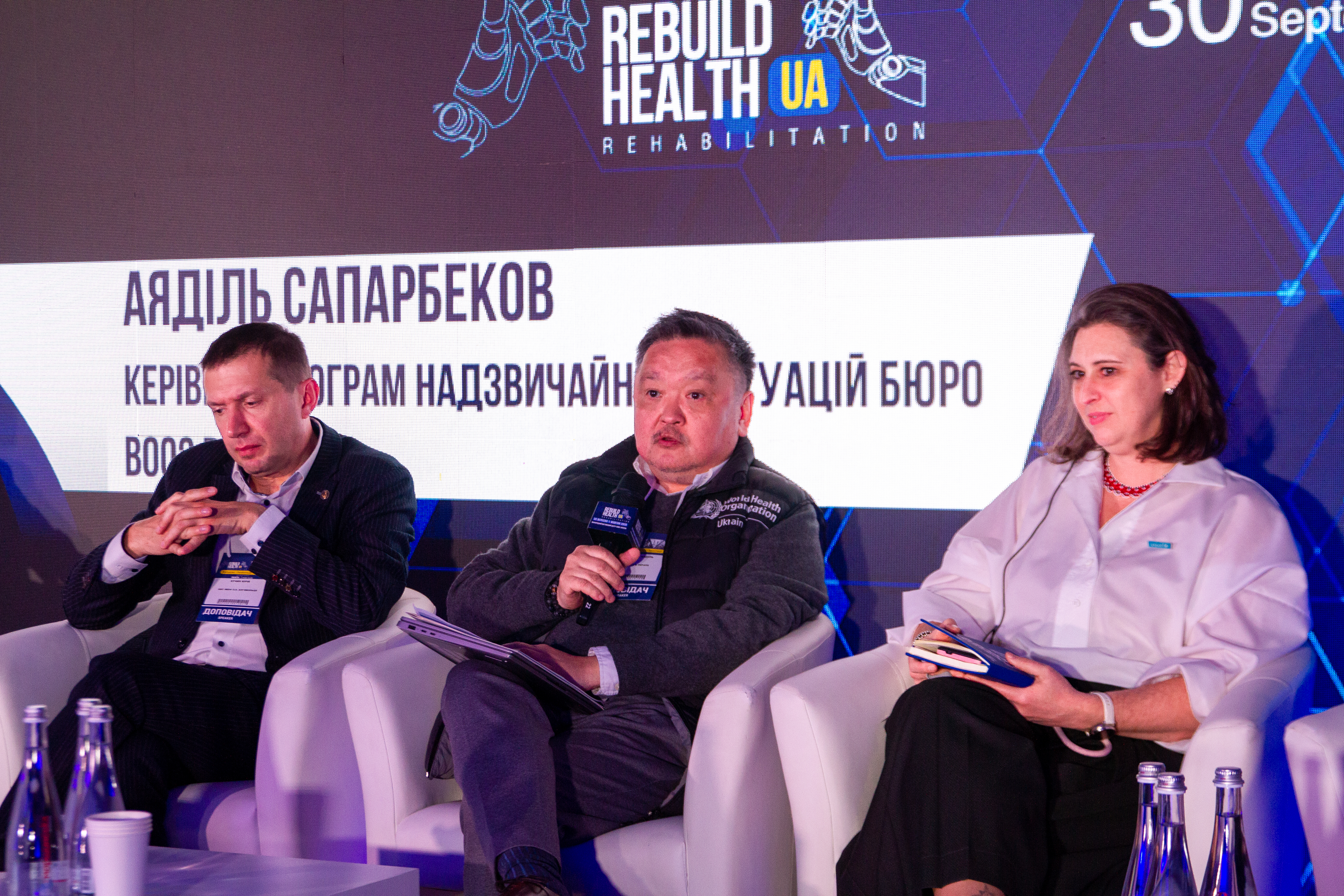
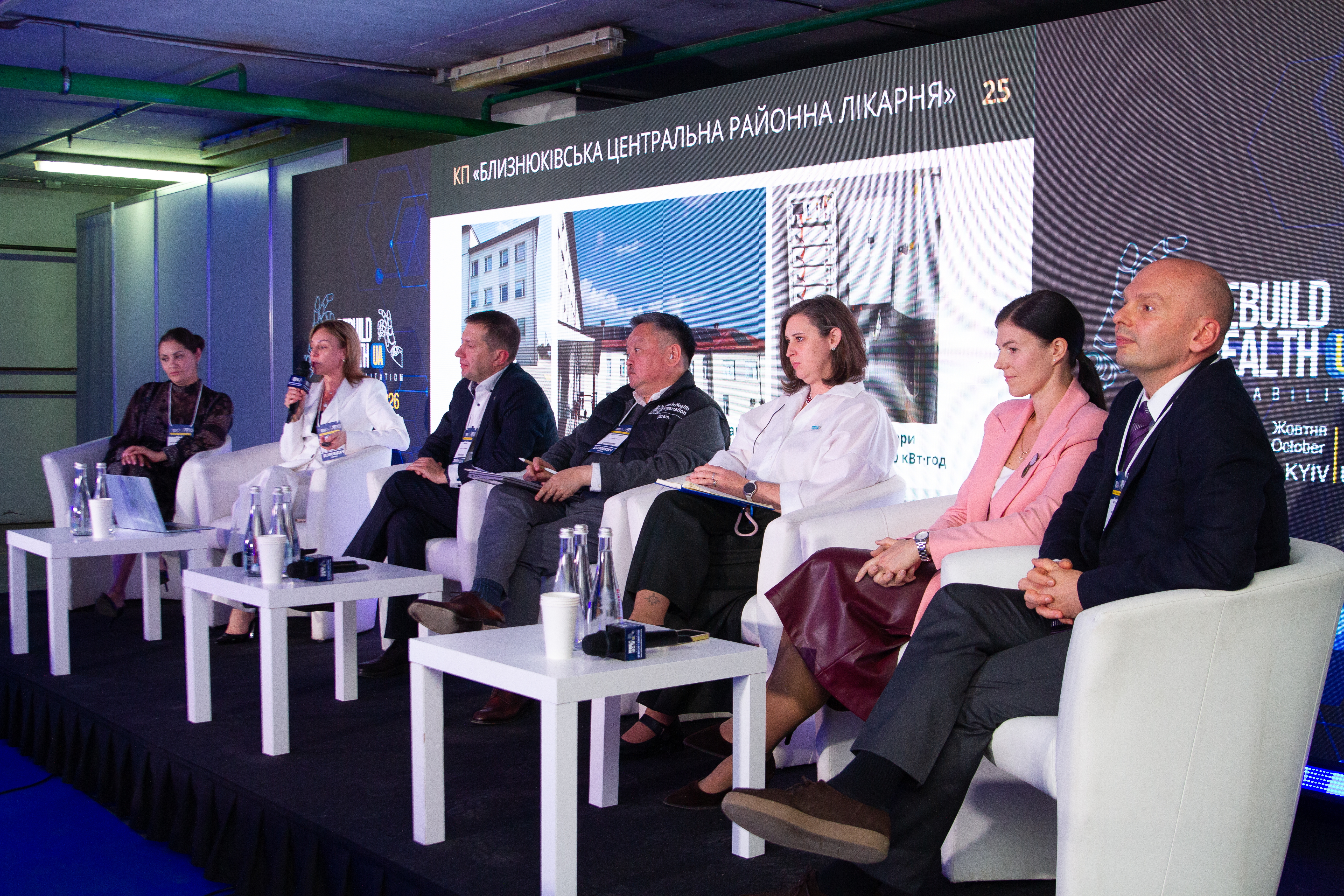
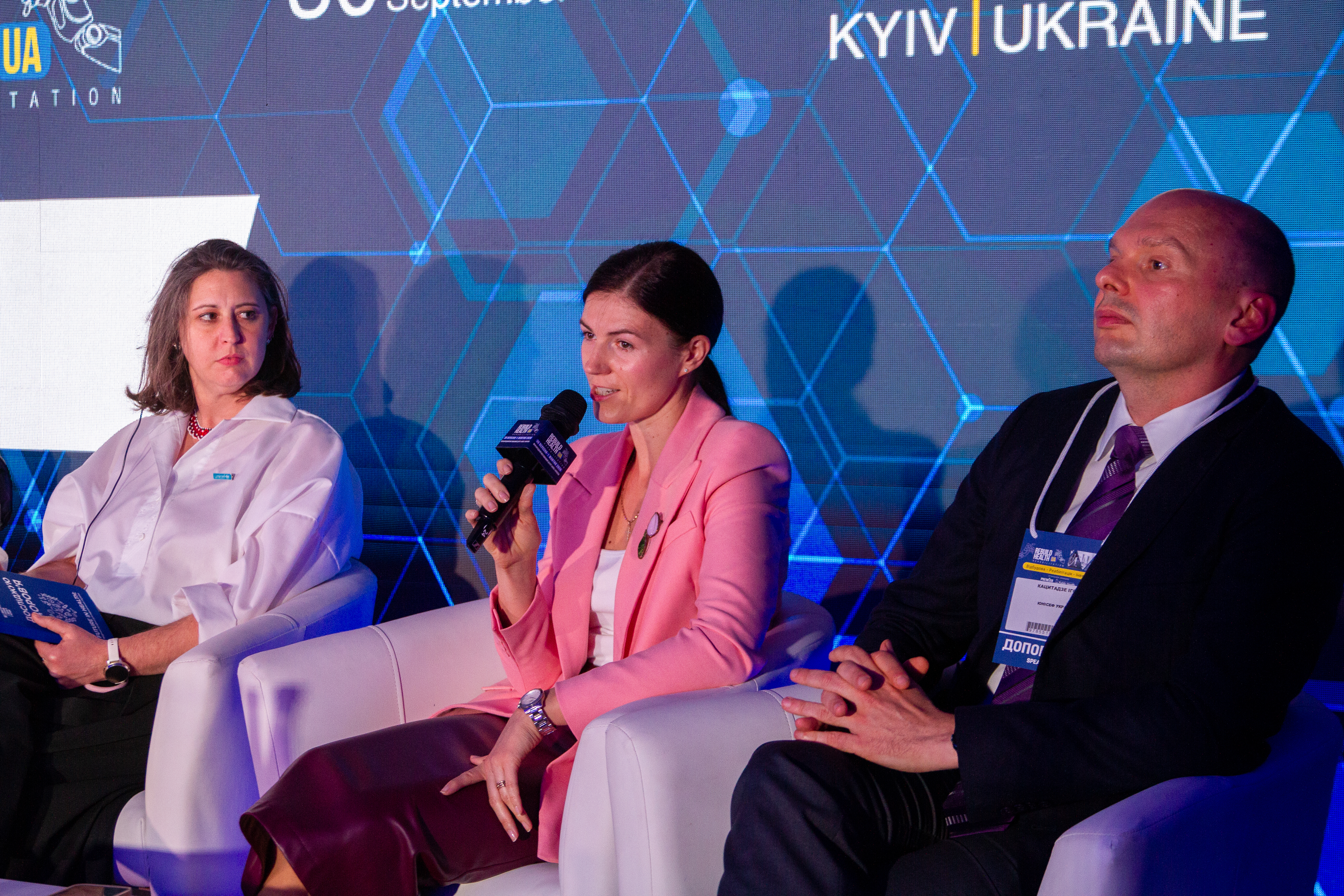
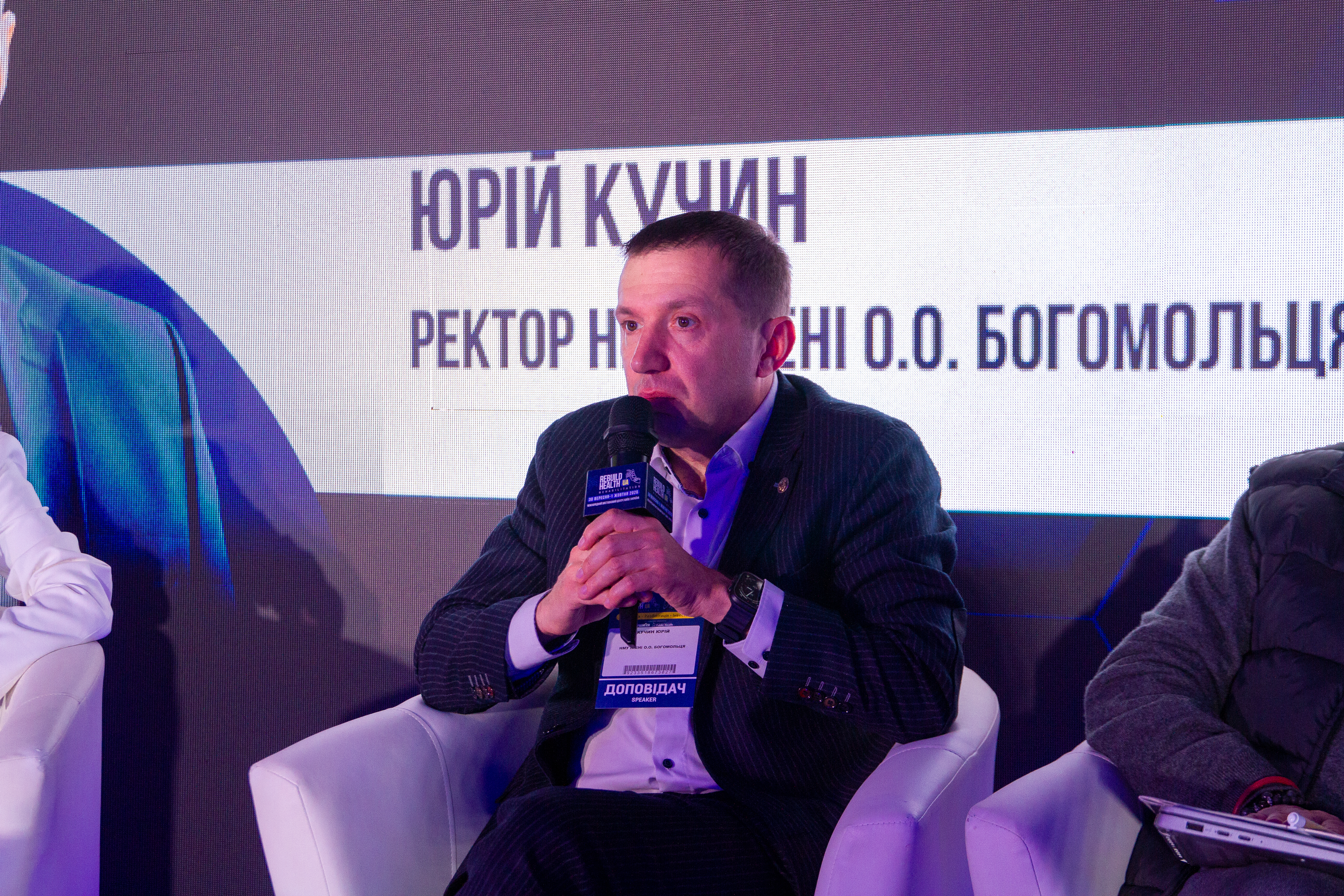
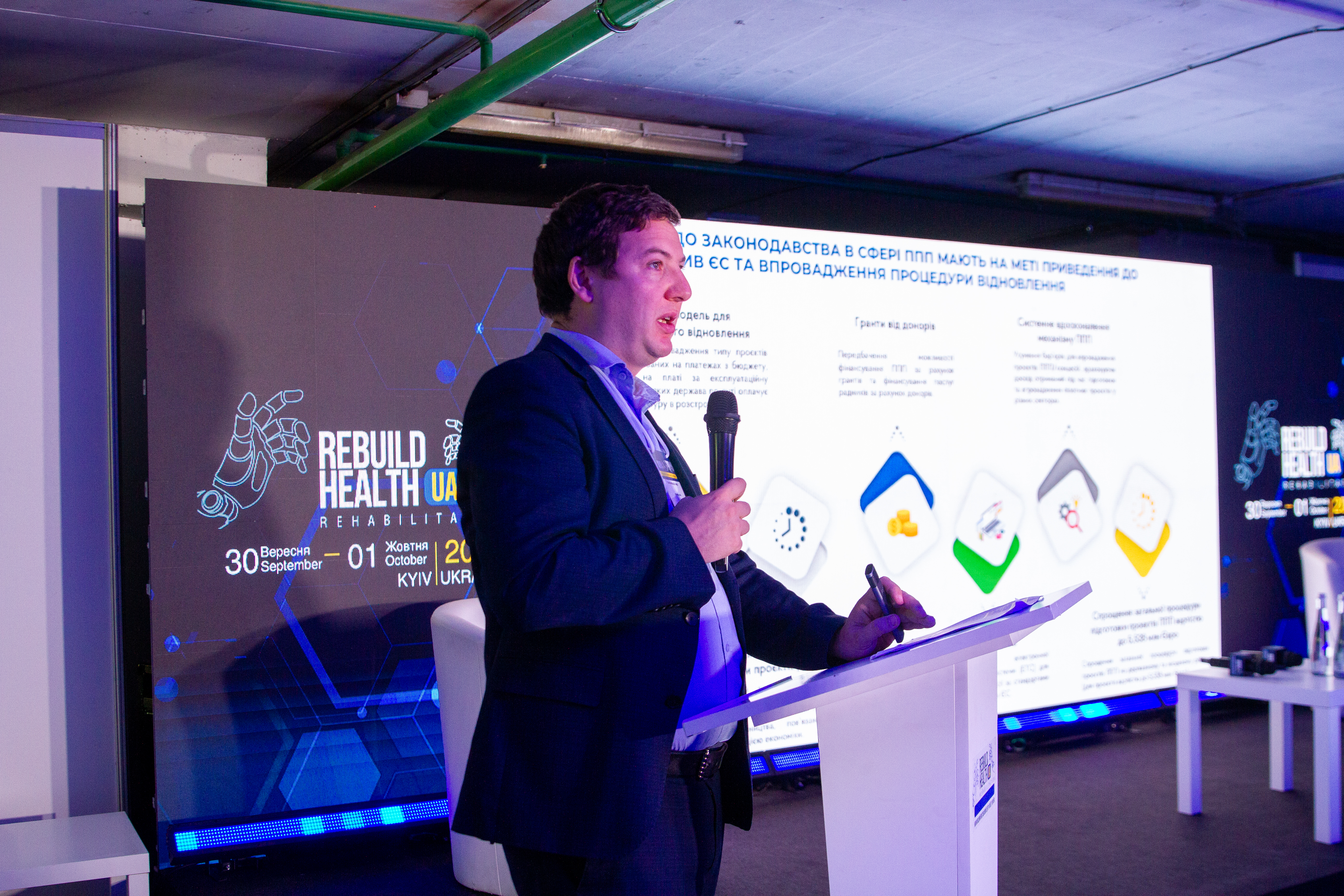
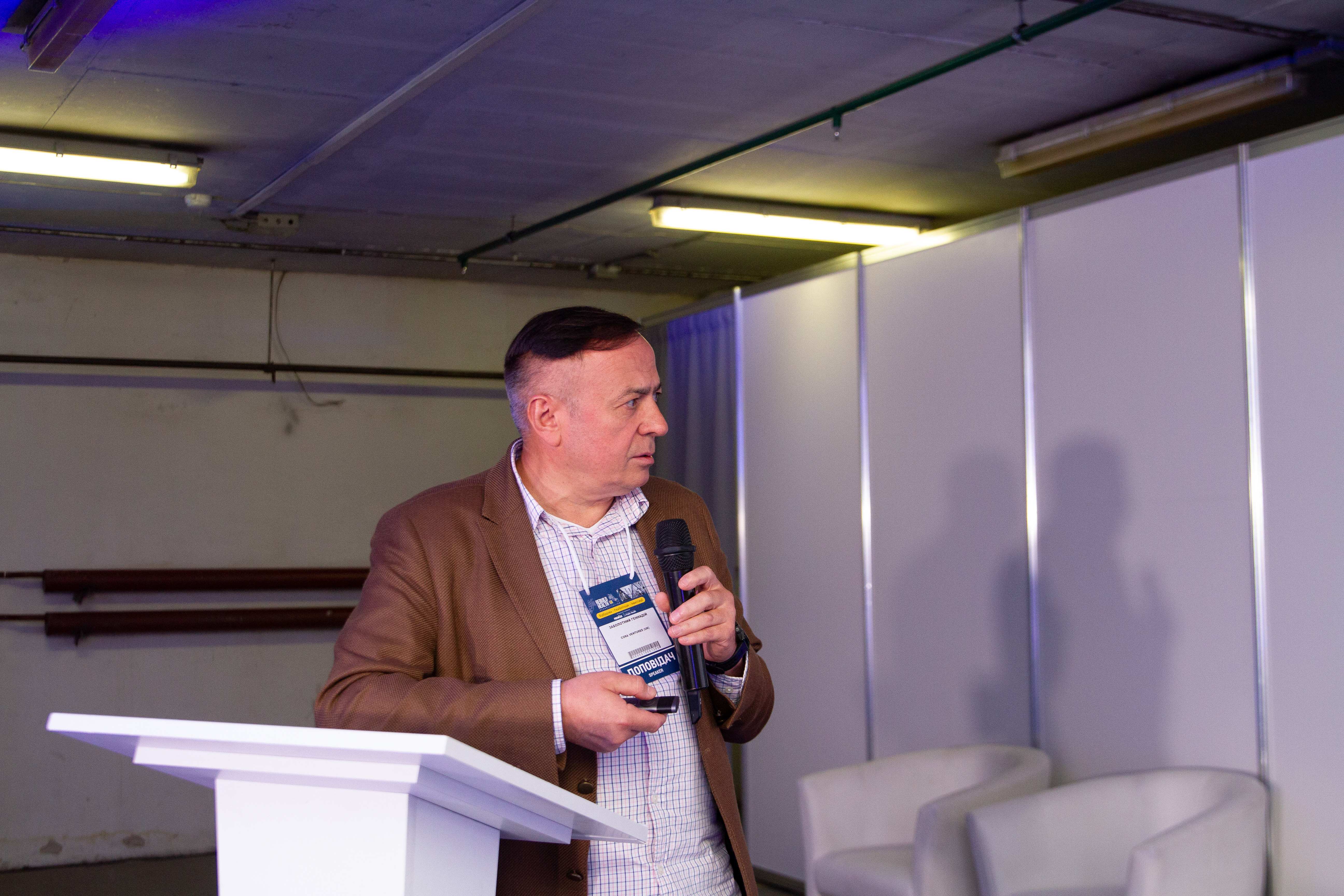
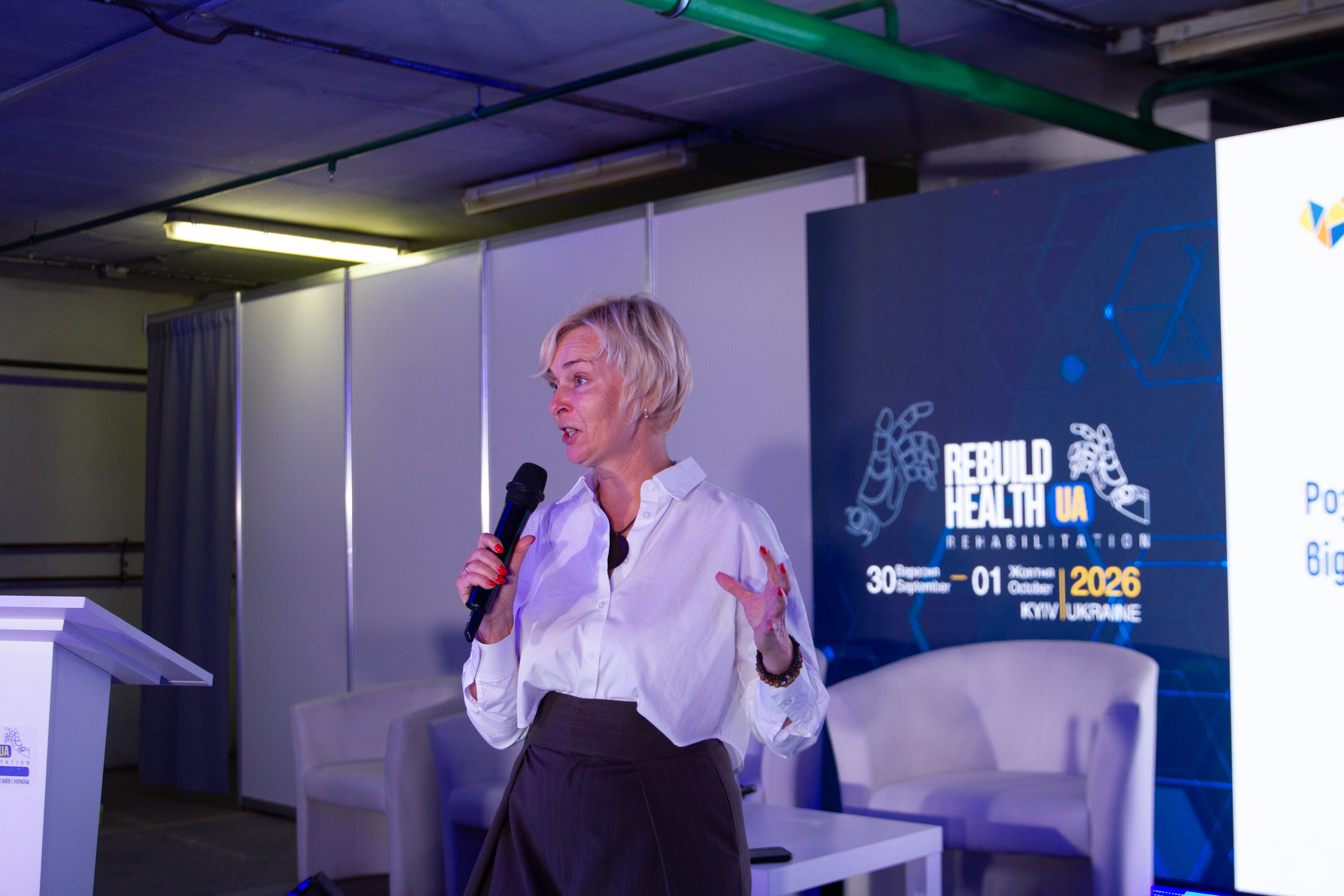
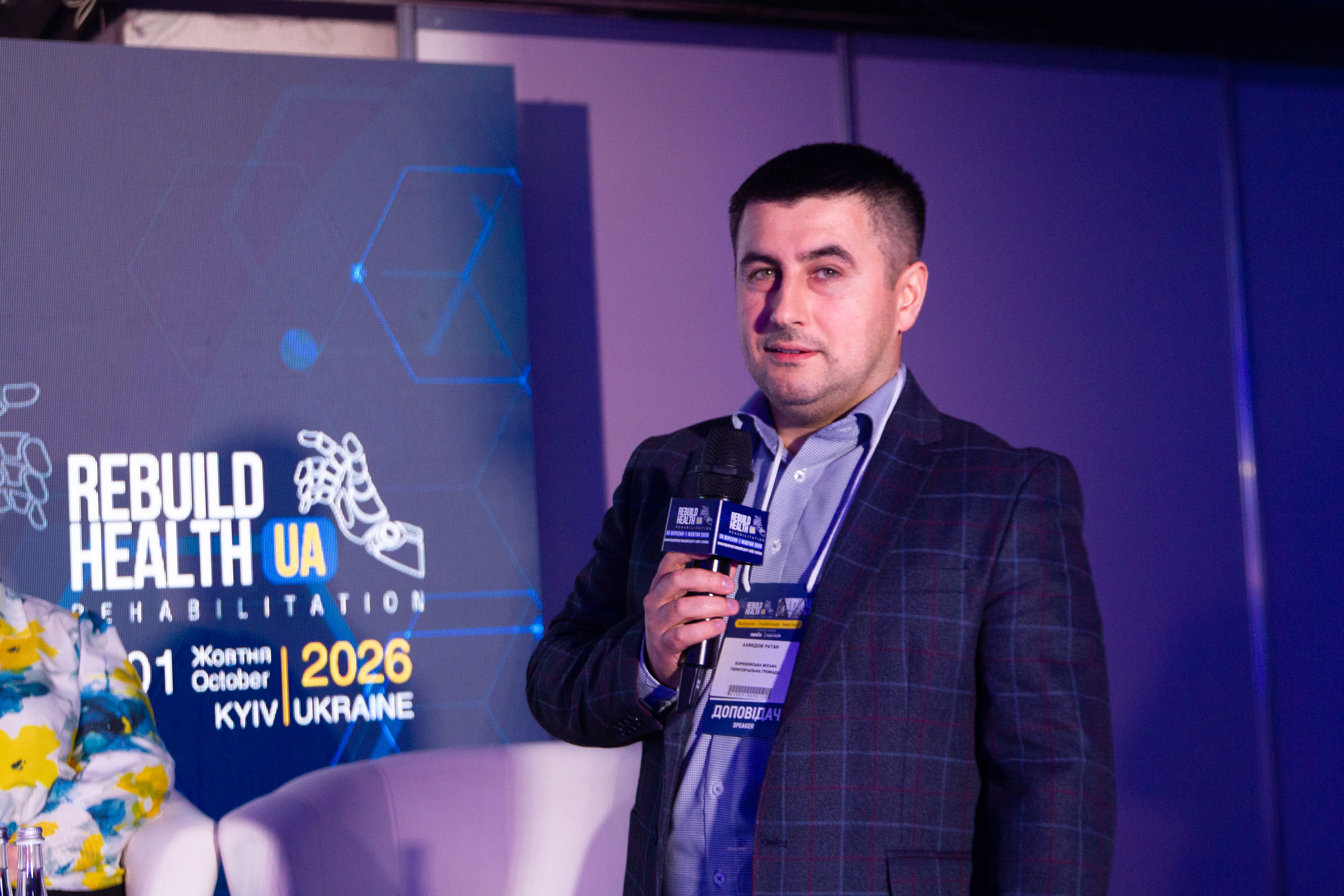
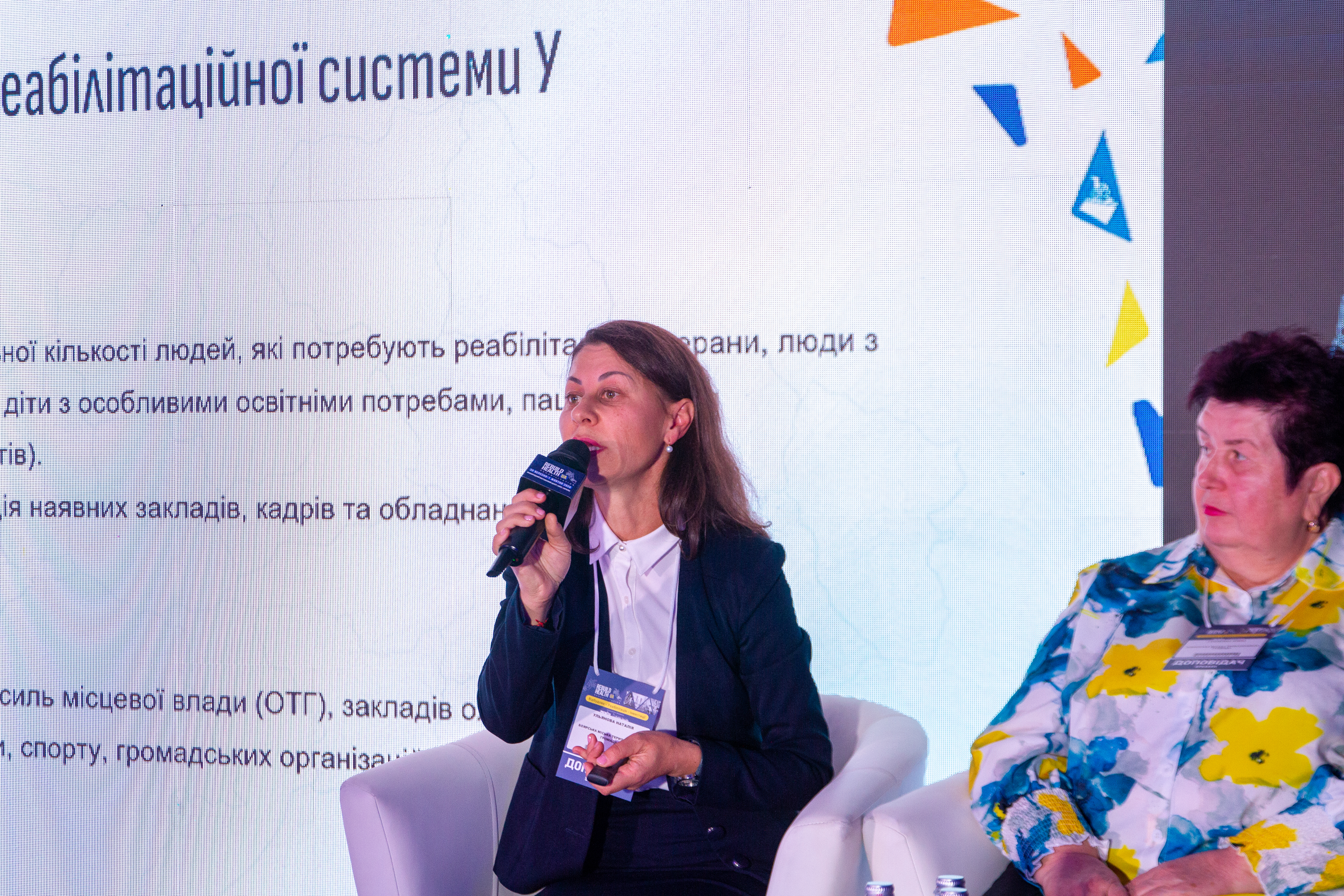
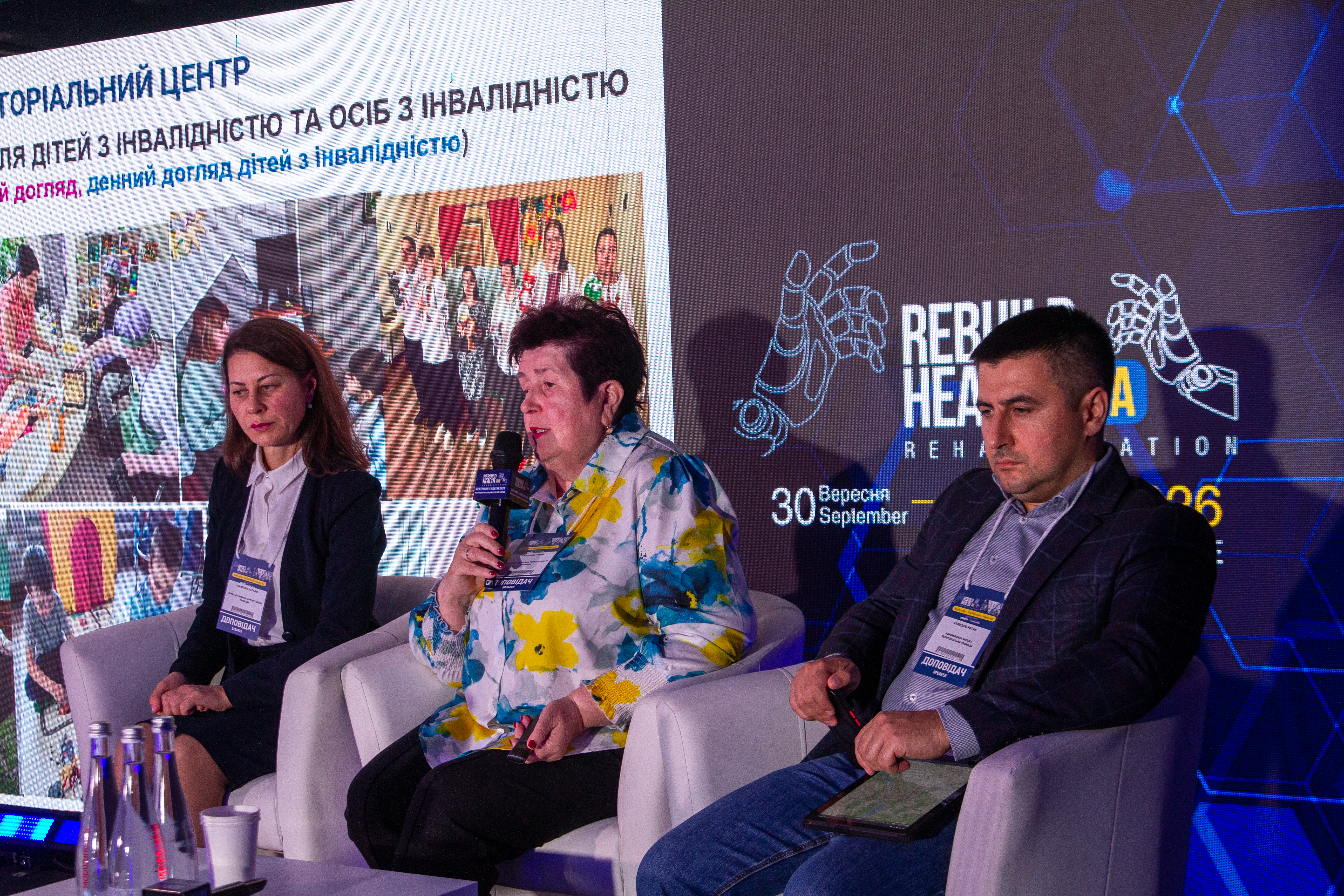
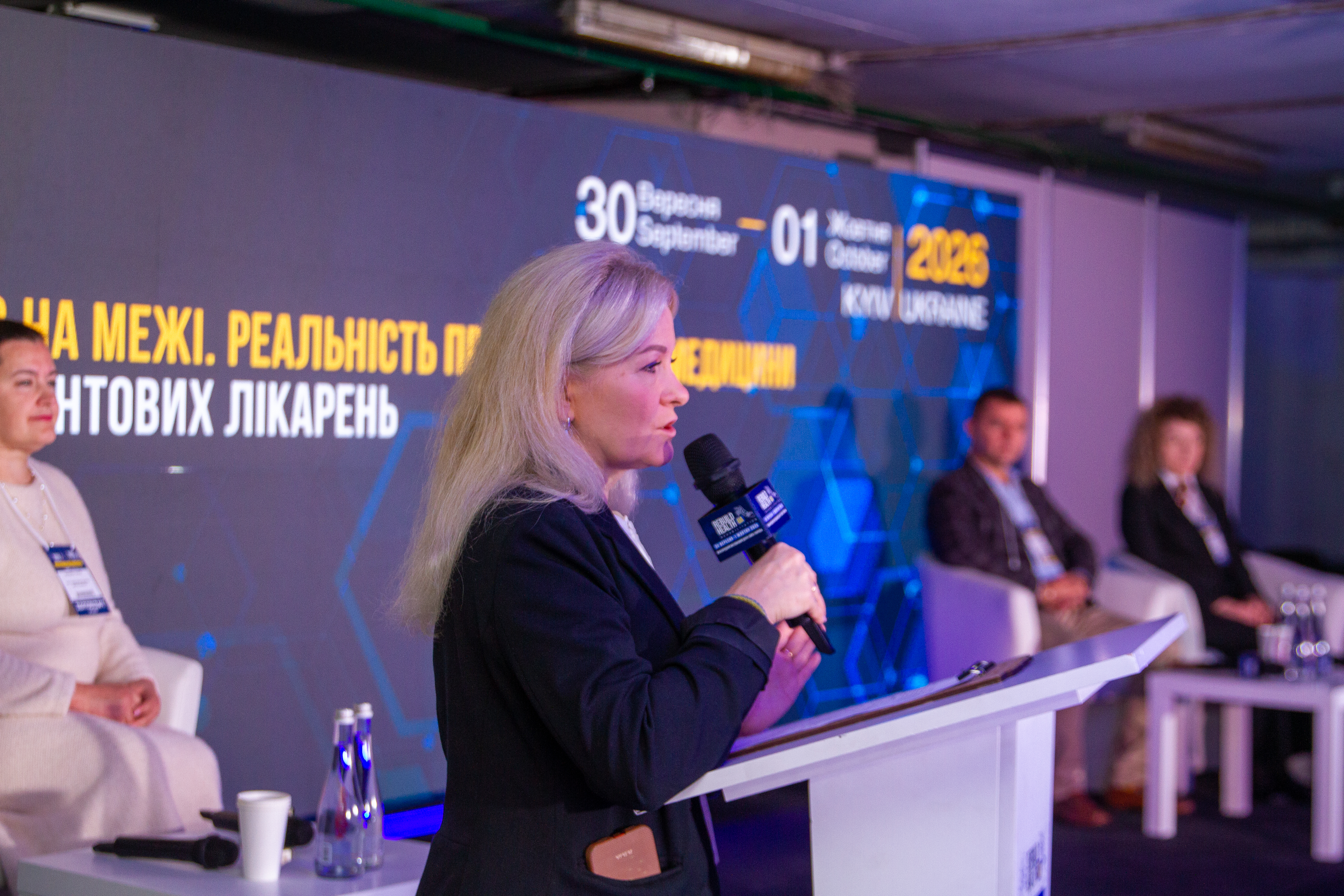
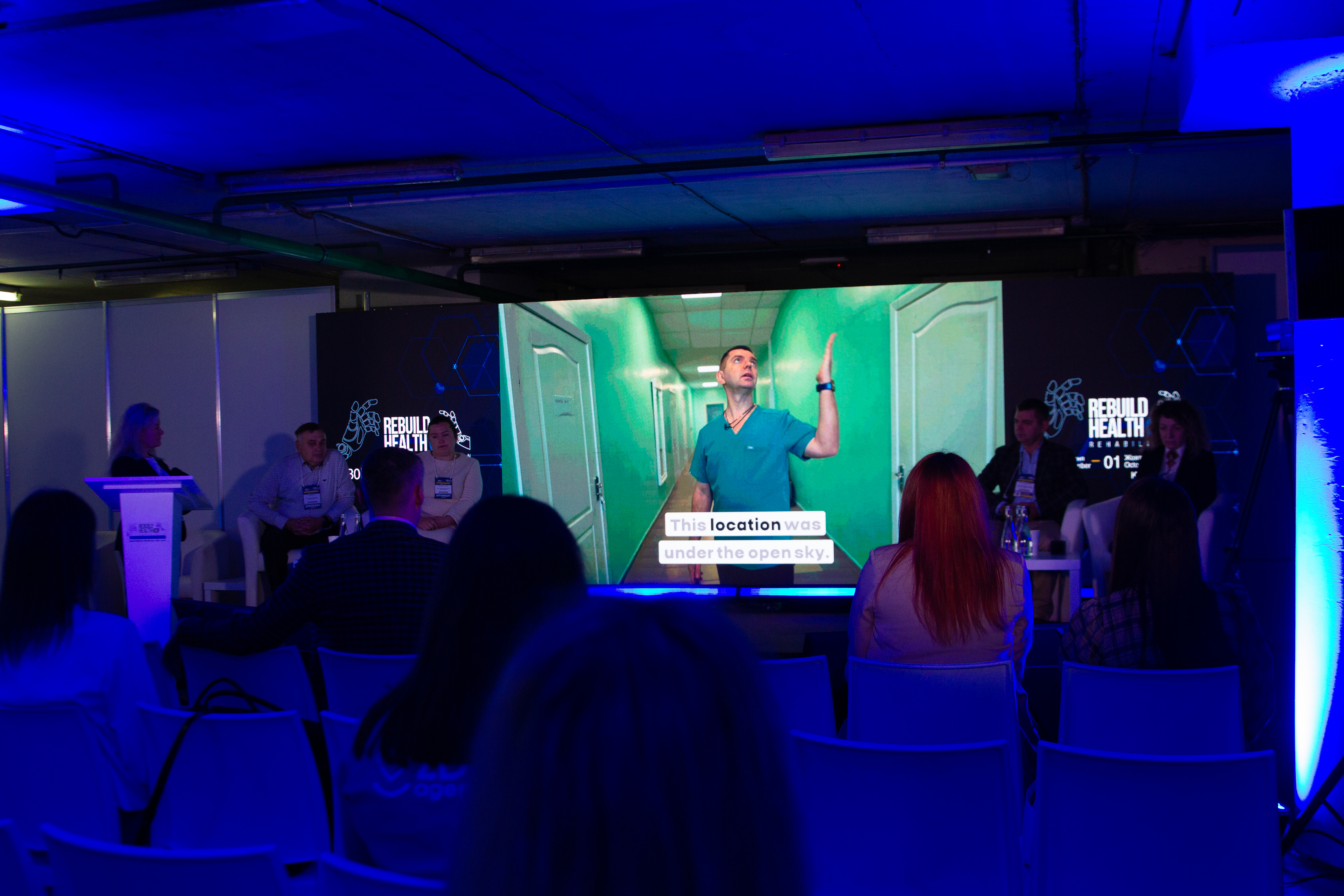
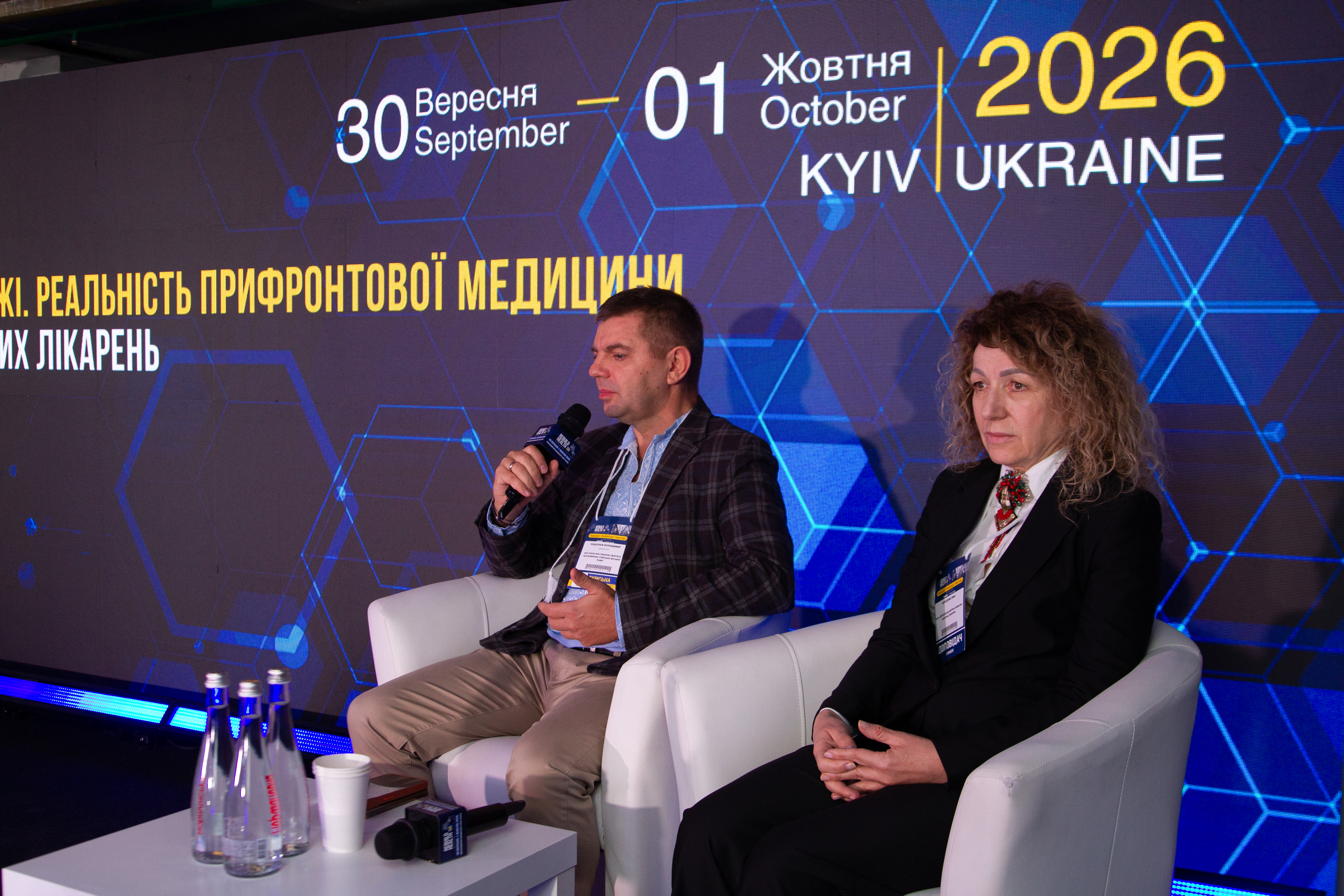
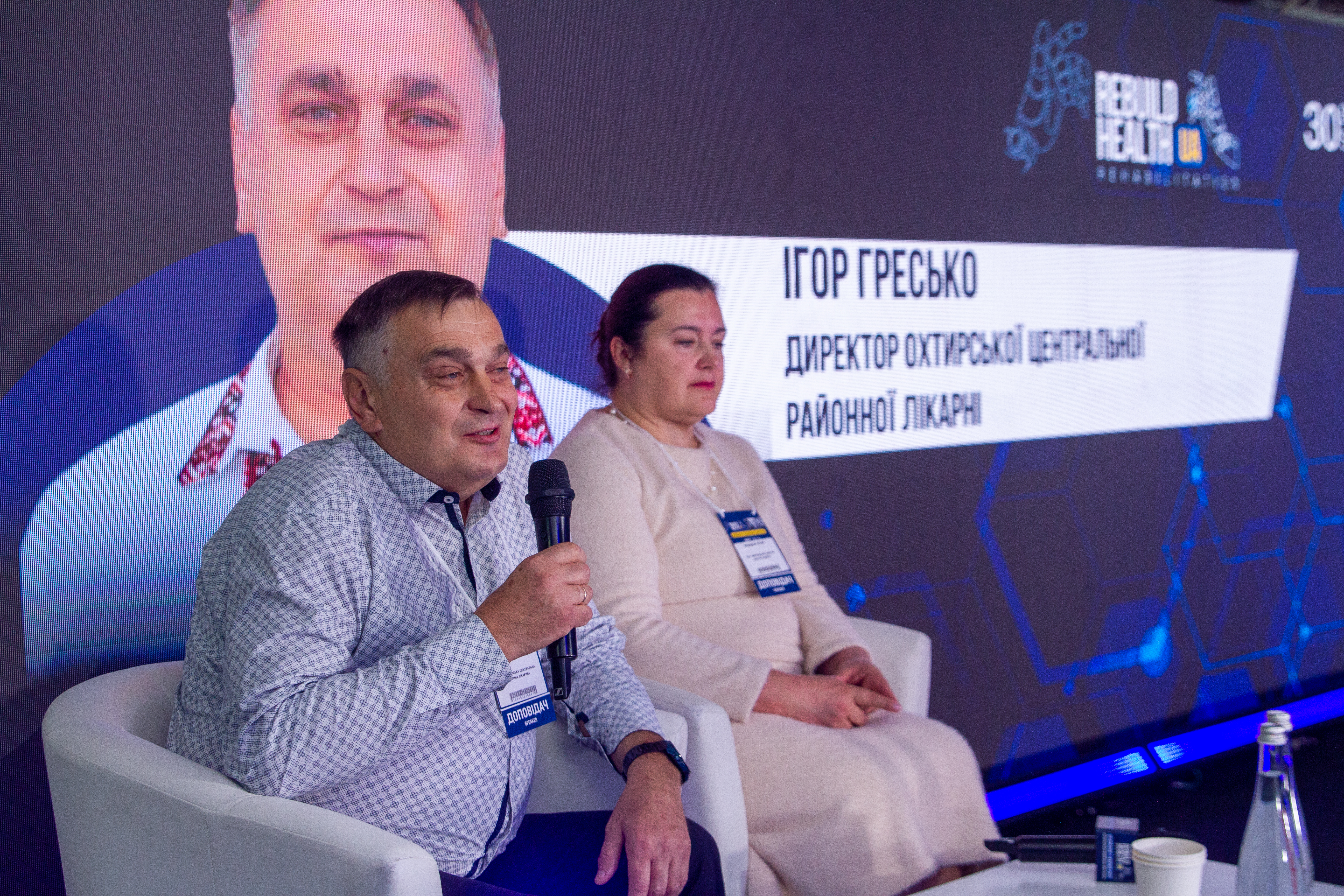
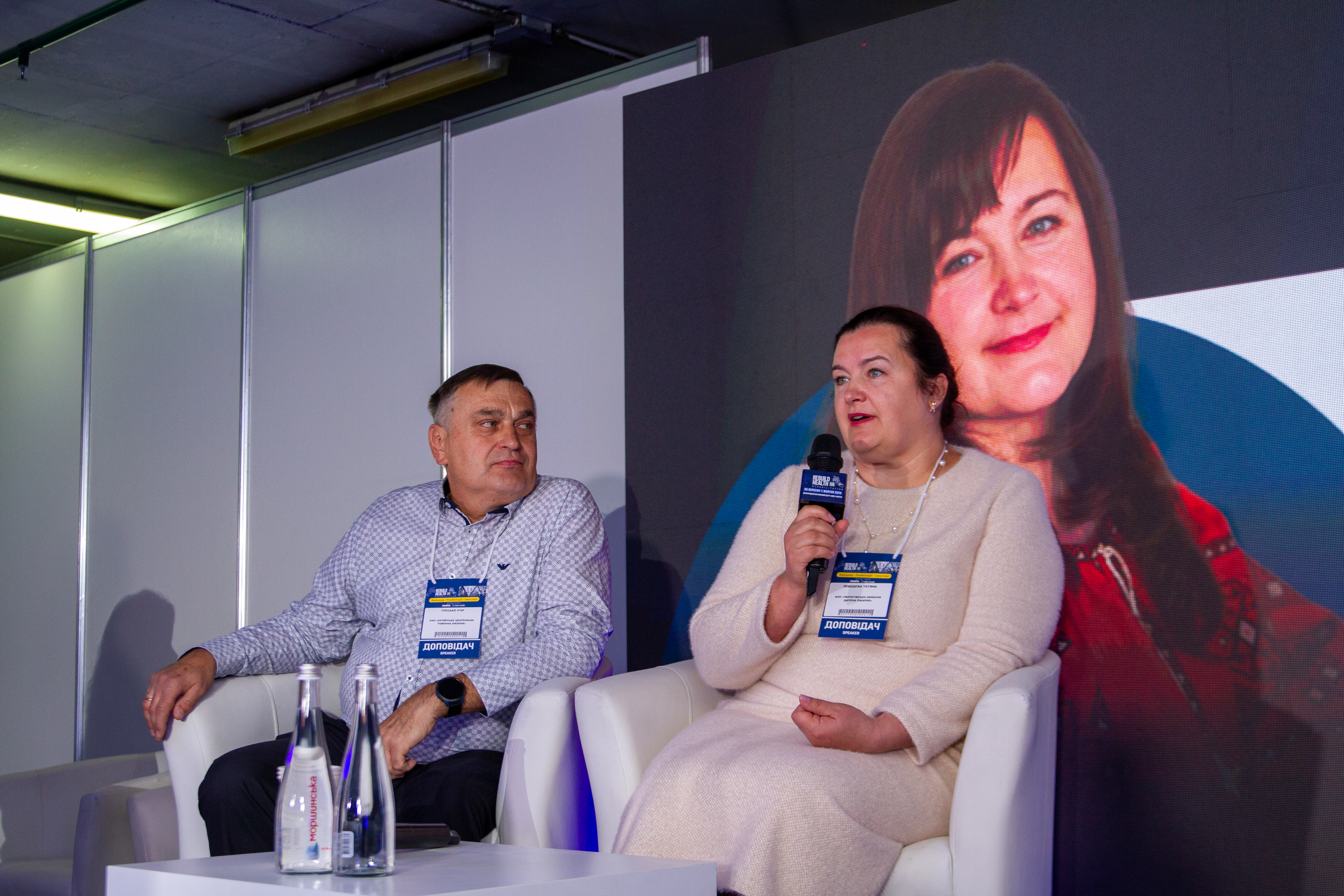
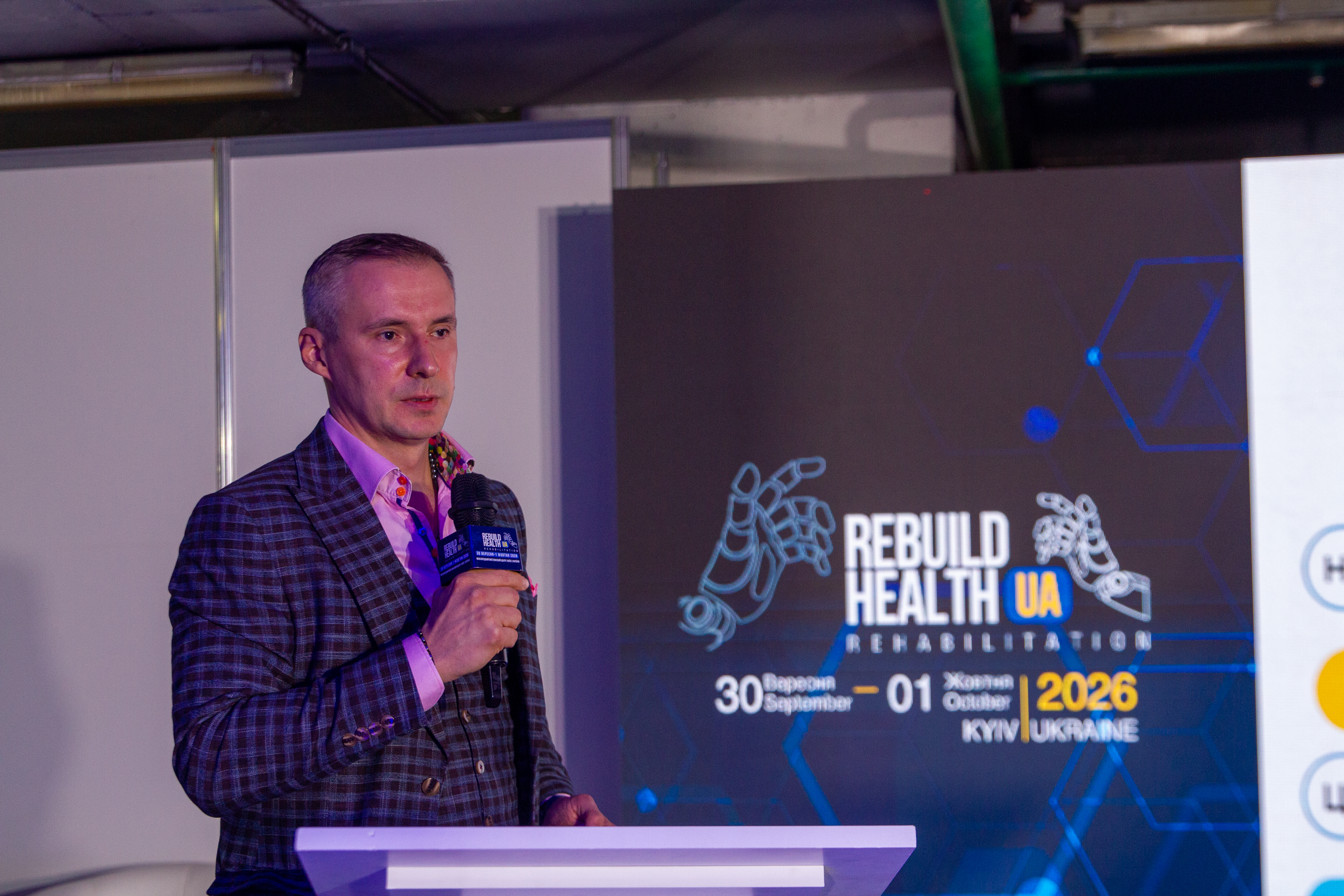
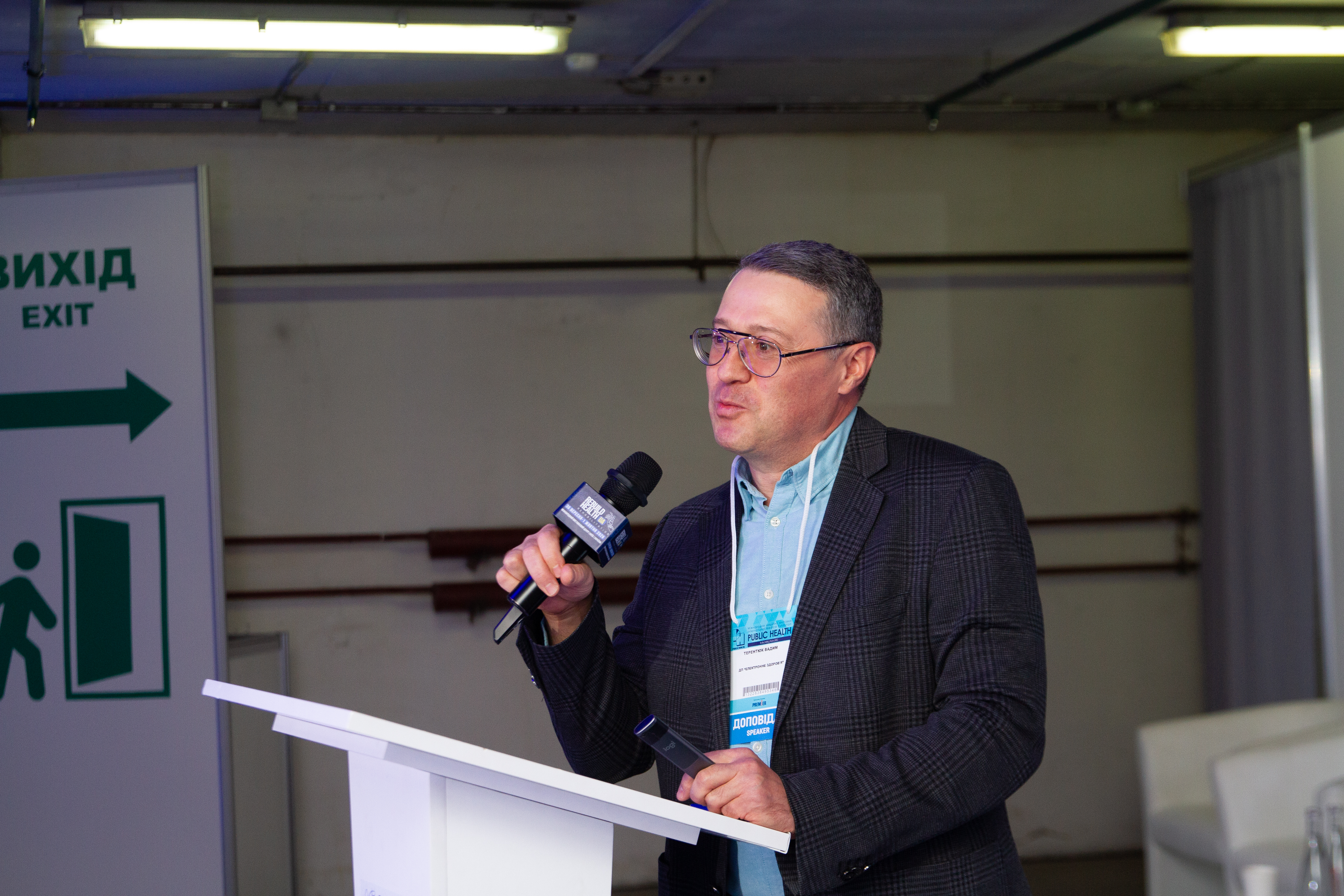
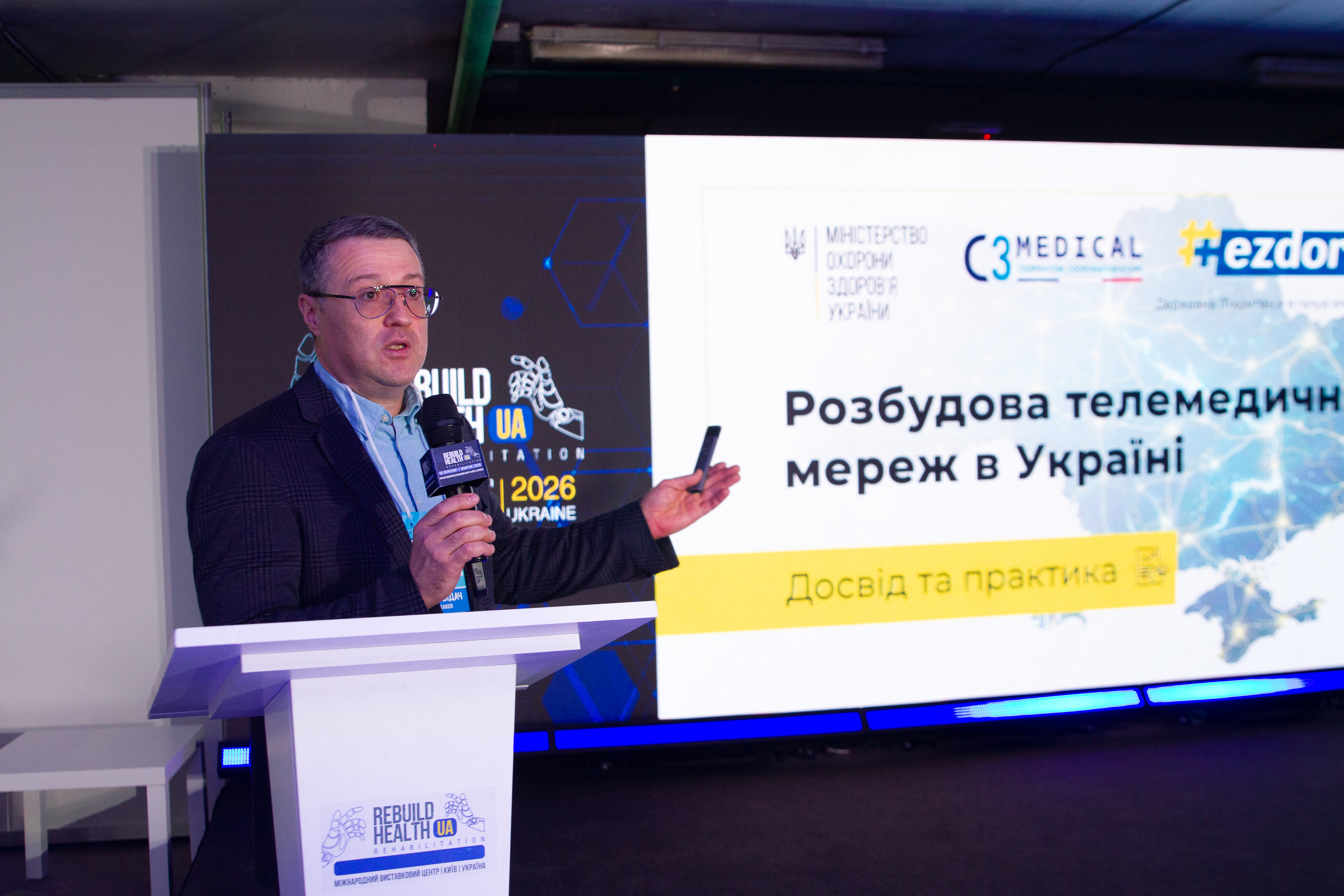
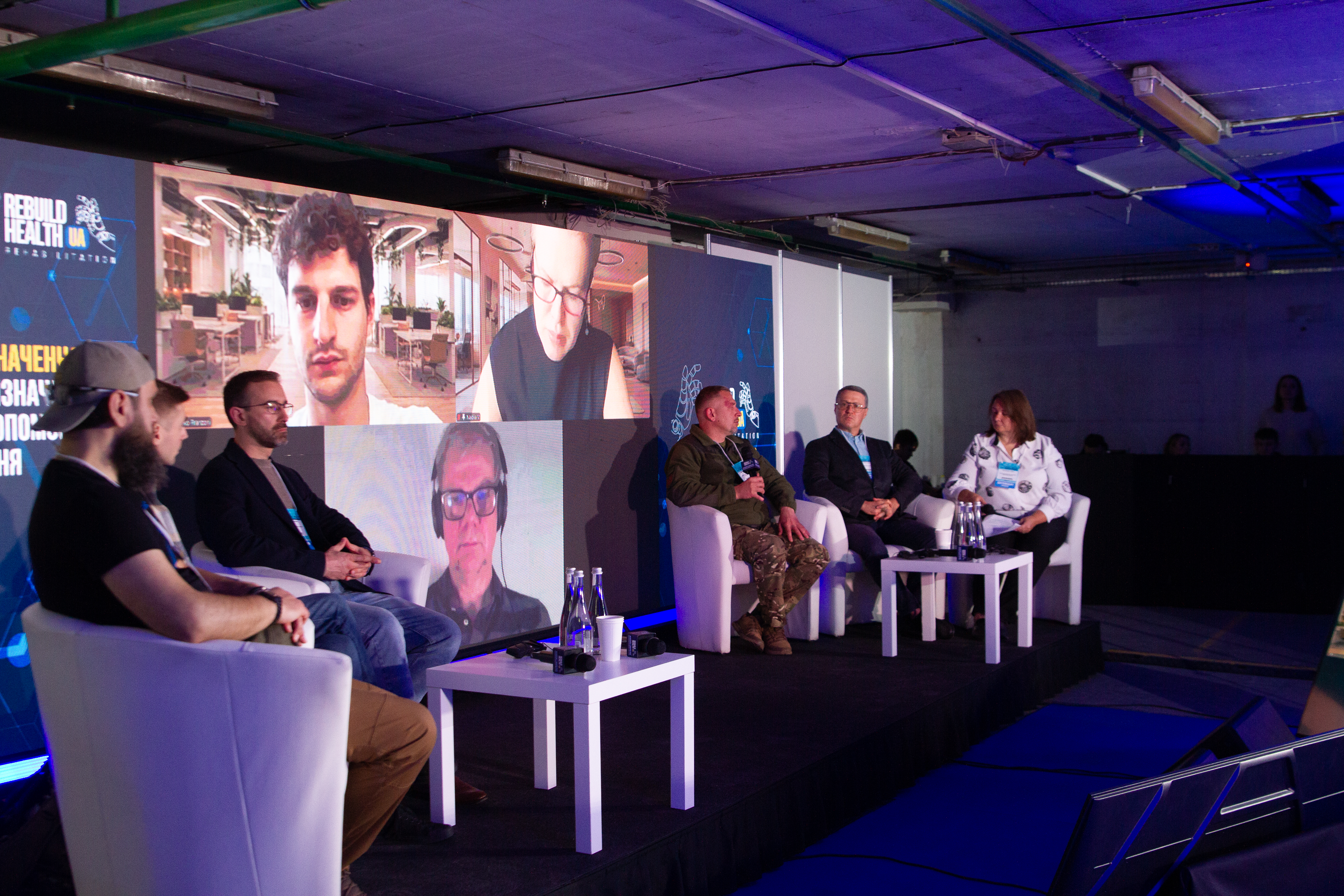
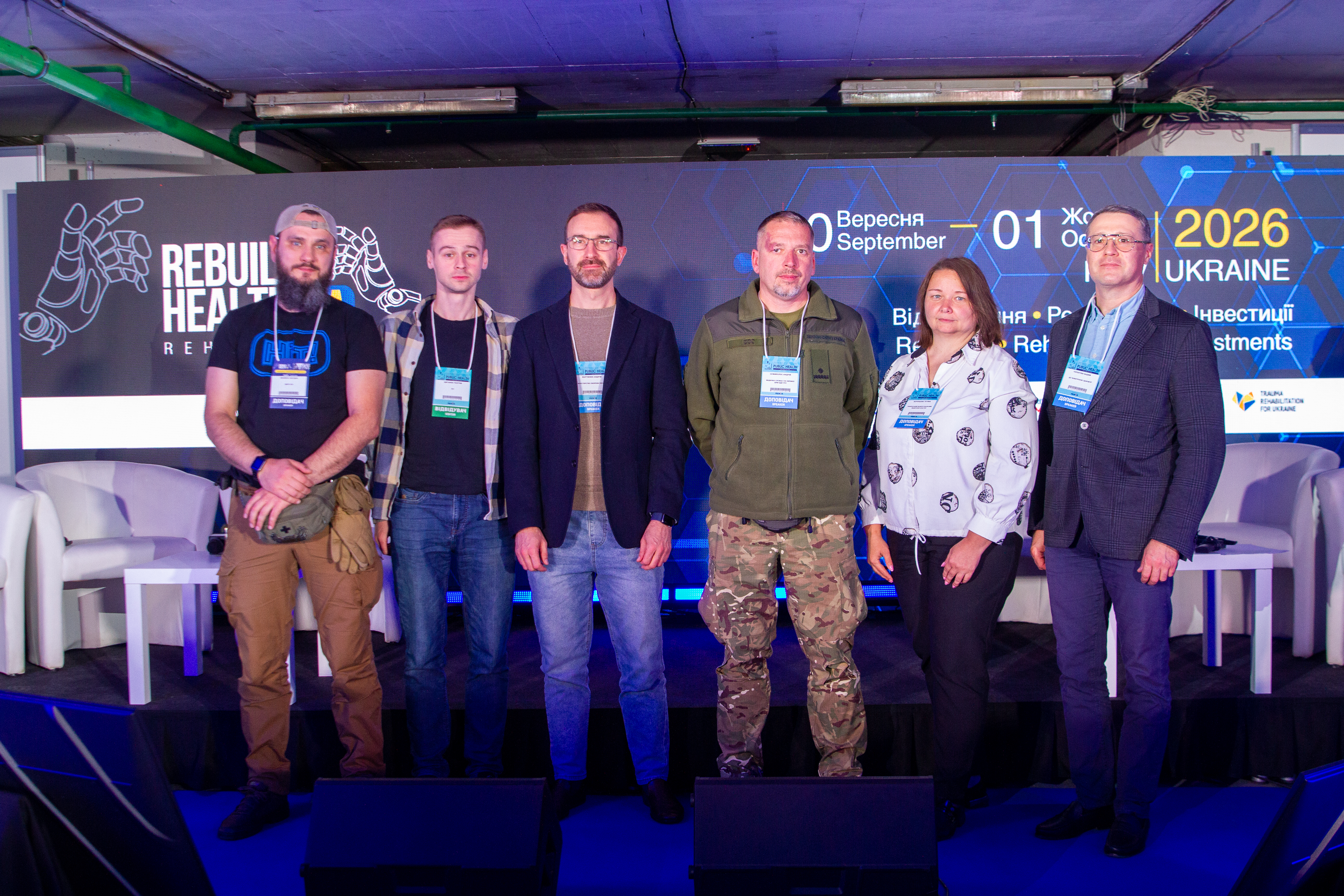
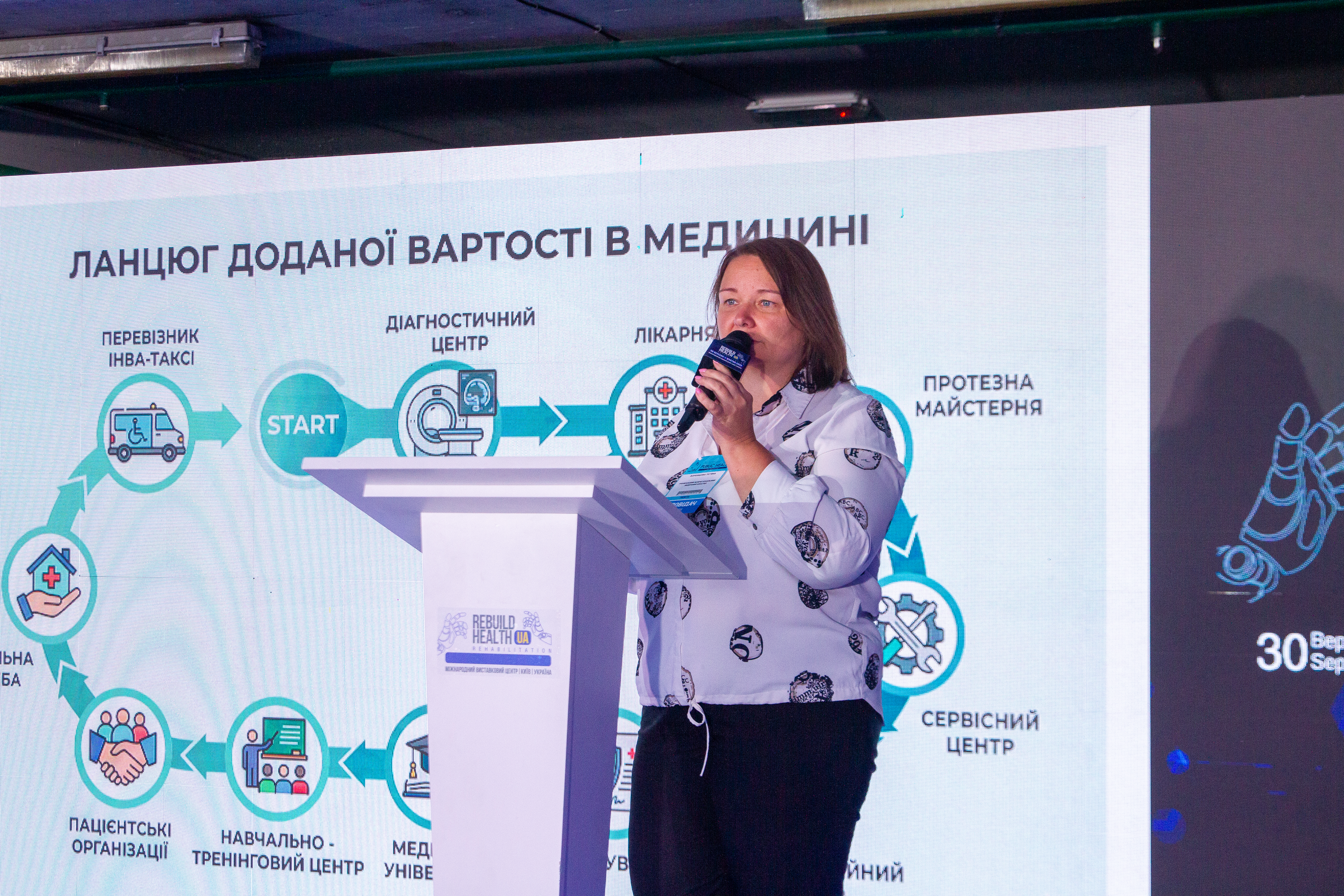
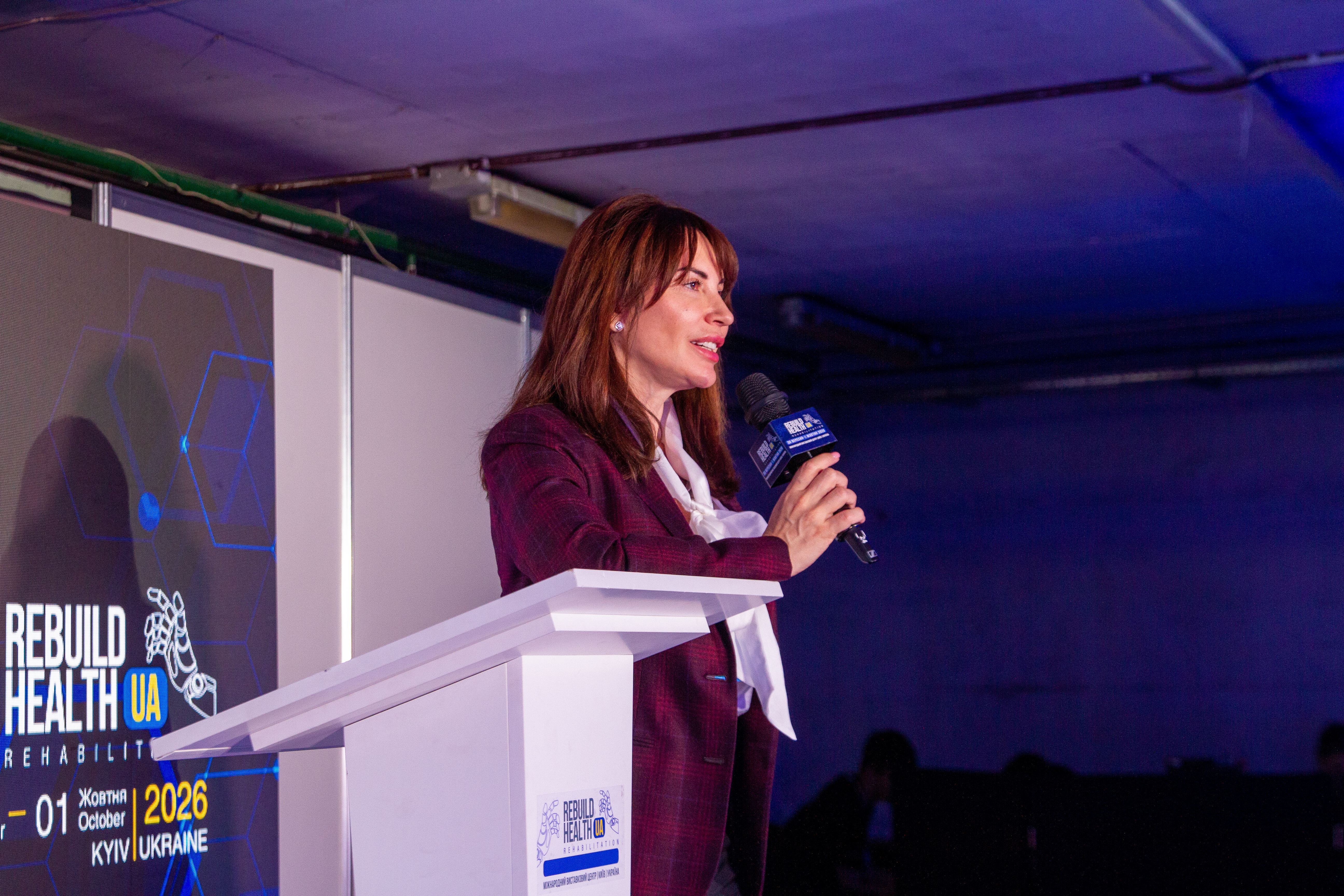
These issues were addressed during the international exhibition and conference ReBuild UA: Health & Rehabilitation, which was held in Kyiv on 30 September–1 October. Decentralisation portal acted as an information partner for the event.
The Forum brought together representatives from the government, communities, healthcare institutions, international organisations, donors, investors, the business sector, and the technology sector. It focused on international support for the recovery of the healthcare sector, the development of community-based rehabilitation, the modernisation of medical infrastructure, investment, public-private partnerships, telemedicine, HealthTech, healthcare in frontline territories, and cybersecurity.
From medical services to a community ecosystem
Rehabilitation cannot be concentrated solely in large regional centres or a few specialised facilities. For a person who needs to recover from an injury, a stroke, an operation or a loss of function, it is not just the availability of a doctor or equipment that matters. What is important is the continuity of care, transport accessibility, social support, psychological support, and the opportunity to return to work and everyday life.
Communities should therefore view the development of rehabilitation as part of a broader local policy. It is linked to the organisation of primary and specialist healthcare, social services, support for veterans, accessibility of public spaces, employment, education, and working with families.
This approach changes the very logic of planning. It is not about a single piece of exercise equipment or a renovated facility, but about a person’s journey: from the moment of injury or diagnosis to the restoration of function and a return to life in the community.
Medical infrastructure must be safe and resilient
Full-scale war has shifted the issue of the resilience of medical infrastructure from a theoretical one to a daily reality. Hospitals have to remain operational during power outages, have secure premises, backup water supply, and communications systems, as well as secure digital solutions. For frontline communities, this is also a matter of being able to provide care in conditions of constant risk.
The restoration of healthcare facilities should be combined with energy efficiency, accessibility, bomb shelters, autonomous energy sources, and modern engineering solutions. Repairing a building using outdated approaches means setting it up to be vulnerable for years to come.
At the same time, it is important for communities to look beyond mere renovation. Healthcare infrastructure should reflect the demographic situation and the needs of veterans, internally displaced persons, older people, people with disabilities, and civilians who have suffered trauma as a result of the war.
Partnership needs well-prepared projects
ReBuild UA: Health & Rehabilitation demonstrated that international partners, donors, technology companies, and investors are ready to work with Ukraine. The event was attended by 197 participants, including representatives from healthcare facilities, the public sector, communities, the business sector, international organisations, and financial institutions. One in three participants held a management position.
However, partners’ interest is no substitute for high-quality preparation on the ground. A community that wants to attract funding should clearly understand its needs, have a sound rationale, a realistic model for delivering the service, a team to implement it, and a vision for its long-term maintenance.
It is also important to note that the discussion on funding is not limited to grants. Topics covered at the conference included investment and public-private partnerships. For some medical and rehabilitation projects, this could serve as an additional tool, provided the community is able to formulate a clear model of cooperation and protect the public interest.
International contacts should lead to solutions
A matchmaking platform for finding partners proved to be a particularly useful practical tool. It attracted 75 participants from 18 countries, 41% of whom were international participants. The platform featured 29 opportunities for cooperation, and participants submitted 61 requests for bilateral meetings.
For communities, such formats are valuable because they offer the opportunity to engage with potential partners not through general statements, but in terms of specific needs and projects. In the healthcare sector, this is particularly important: solutions should be clinically appropriate, safe, compatible with the Ukrainian system, and feasible when it comes to the practical application.
A community does not necessarily have to start with large-scale construction. The first step could be a needs assessment, preparing premises, training specialists, establishing a patient pathway, partnering with a neighbouring facility, or launching a specific rehabilitation service. However, this step has to be integrated into a coherent system.
The recovery of healthcare in Ukraine will not take place solely through national programmes and major infrastructure projects. It will also depend on the ability of each community to see, beyond the figures, the equipment and the renovated walls, the individual who needs to get their life back on track.
Attached images:


Tags:
Source:
Портал "Децентралізація"
08 October 2026
Space where children are heard: Mykolaiv’s experience in supporting families of children with autism
Space where children are heard: Mykolaiv’s...
Decentralisation portal continues its series of articles on community initiatives that make public spaces and...
08 October 2026
MinFin: During 9 months of 2026, UAH 441.3 billion transferred to general fund of local budgets
MinFin: During 9 months of 2026, UAH 441.3...
During the first nine months of 2026, the general fund of local budgets received UAH 441.3 billion, which is UAH 67.2...
08 October 2026
21 жовтня – онлайн-лекція «Як продуктивно взаємодіяти з медіа»
21 жовтня – онлайн-лекція «Як продуктивно...
21 жовтня 2026 року о 15.00 відбудеться безоплатна онлайн-лекція «Як продуктивно взаємодіяти з медіа» для...
07 October 2026
20 Regional Development Agencies to master KROKUS: UCORD strengthens the regions’ project capacity
20 Regional Development Agencies to master...
In Lviv, representatives of 20 regional development agencies started a two-day training course on developing project...